Ernesto's sits in Cuidad Lineal, a residential district that places it well outside Madrid's central fine-dining corridor. What that address signals — a local clientele, a room built on repeat visits rather than tourist traffic, and a team dynamic where front-of-house continuity matters as much as the kitchen — puts it in a distinct tier of neighbourhood dining that Madrid does quietly well.
Pearl is the En Primeur Club membership app — saves, bookings, and concierge access live there. Same editors, same standards.
- Address
- C/ de Virgen de los Reyes, 11, Cdad. Lineal, 28027 Madrid, Spain
- Phone
- +34682412381
- Website
- module.thefork.com
- Directions
- Get directions
 Saves & bookings on Pearl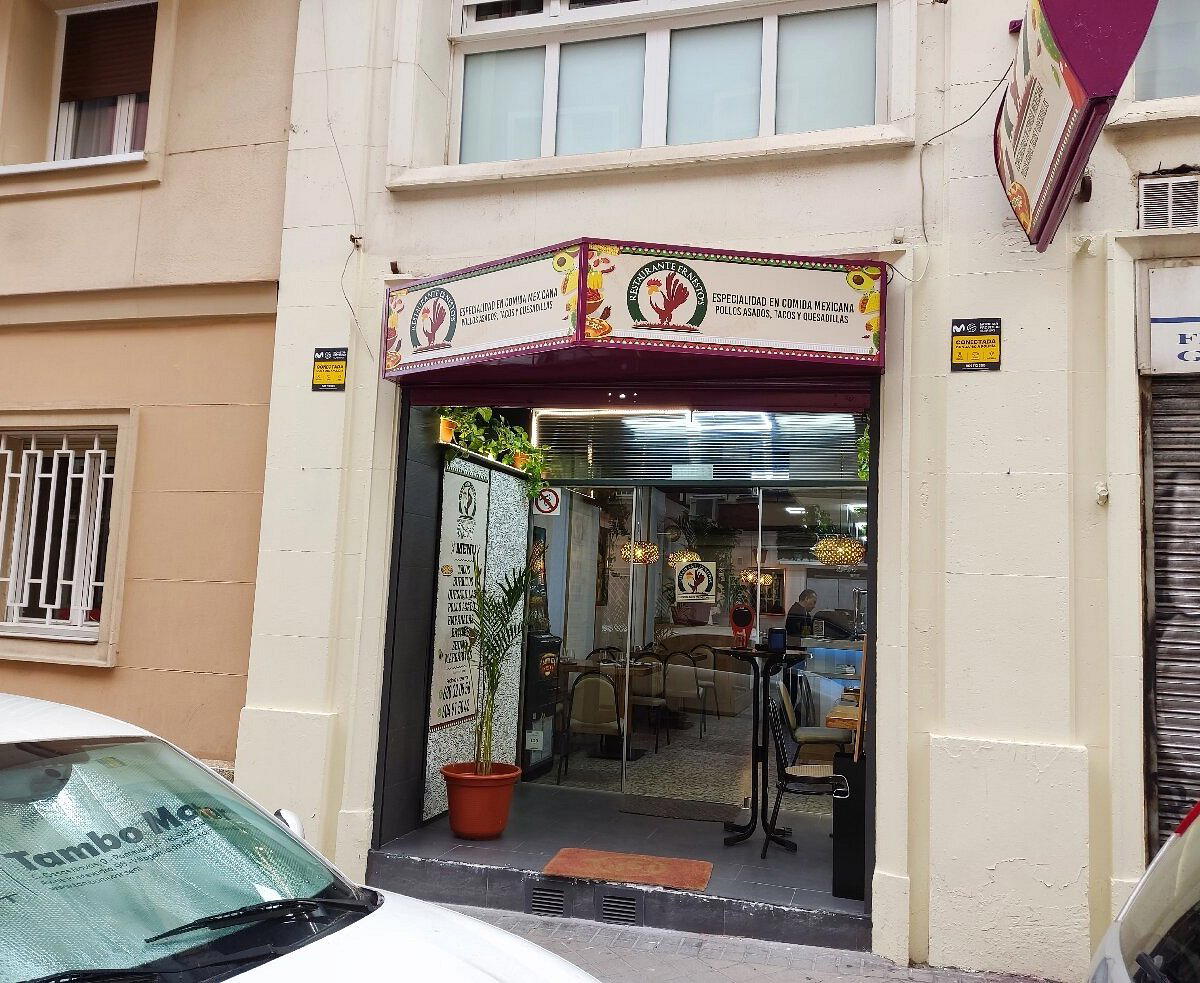
Outside the Centro, Inside the Conversation
Madrid's most-discussed restaurants tend to cluster along a familiar axis: the tasting-menu rooms of Salamanca and Chamberí, the creative kitchens operating at the level of DiverXO or Coque, and the hotel dining rooms like Deessa that absorb international visitors. Ernesto's in Cuidad Lineal sits at a different coordinate entirely. The address, on Calle de Virgen de los Reyes in the eastern residential belt, is not an accident — it is the operating logic. A restaurant at this distance from the centro builds its clientele from the neighbourhood outward, which means the room fills with people who have come back rather than people who have just arrived.
That distinction reshapes everything about the dining experience. The approach as you reach the street is low-key by design: residential facades, local traffic, the ordinary texture of a Madrid barrio going about its evening. There is no marquee positioning, no architectural statement calibrated to impress someone arriving from the airport. What you encounter instead is a room that has learned the rhythms of its regulars and organised itself accordingly.
The Architecture of a Working Team
Across Spain's serious restaurant tier — from DSTAgE in Madrid to El Celler de Can Roca in Girona, the restaurants that sustain reputations over years tend to do so through team coherence rather than through any single figure's prominence. The kitchen-to-floor relationship, and the way a sommelier positions the wine program relative to what the kitchen is producing that season, determines the evening's tone as much as any individual dish. Ernesto's operates within that logic. In a neighbourhood room without the editorial infrastructure of a Michelin-decorated central address, the front-of-house team carries a disproportionate share of the experience. They are the ones who remember what a table ordered on the previous visit, who read the room's pace and adjust accordingly, who translate the kitchen's intentions to guests who did not come armed with research.
This is a different pressure from the one a dining room at Paco Roncero faces, where the destination reputation does a portion of the atmospheric work before the first course arrives. At Ernesto's, the team builds the atmosphere from scratch each service, without that inherited gravity. The consistency implied by a loyal neighbourhood following suggests they manage that task reliably.
Madrid's Neighbourhood Dining Tradition
Spain's international reputation for fine dining is anchored by the Basque Country and Catalonia: Arzak in San Sebastián, Martin Berasategui in Lasarte-Oria, Mugaritz in Errenteria, and the collaborative family model of Cocina Hermanos Torres in Barcelona. Further south, Quique Dacosta in Dénia and Aponiente in El Puerto de Santa María have built destination-level programs around produce specificity. Ricard Camarena in València operates in a similar register. What links these houses is a degree of institutional visibility that neighbourhood restaurants, by definition, do not pursue.
Madrid, for its part, has always sustained a parallel dining culture that rarely attracts the same international commentary but serves the city's residents more directly. These are rooms in the barrios, places like Cuidad Lineal, Vallecas, Tetuán, where the point is not the tasting menu's intellectual structure but the reliability of a kitchen that knows its suppliers and a floor that knows its guests. Azurmendi in the Basque Country and Atrio in Cáceres operate as complete destination experiences precisely because they have positioned themselves that way. Ernesto's has positioned itself differently: it operates as part of the neighbourhood's social infrastructure, which is its own kind of seriousness.
The comparison that travels, perhaps, is to the format that restaurants like Lazy Bear in San Francisco have developed in American cities: a dining room that generates intense local loyalty through a specific team dynamic and a sense of shared investment between staff and regulars, rather than through award positioning. The mechanism differs across geographies, but the underlying quality signal is the same: a room that fills because people choose to return.
What Cuidad Lineal Asks of a Restaurant
The eastern residential districts of Madrid are not, in the main, areas where restaurants survive on curiosity visits. There is no passing tourist trade, no conventioneers filling tables between sessions, no hotel concierge recommendation ecosystem funnelling first-time visitors. A restaurant in Cuidad Lineal earns its covers through the quality of its returns, which means the kitchen must be consistent across weeks and months rather than merely impressive on a first visit.
That condition produces a particular kind of restaurant character. The menu does not need to rotate aggressively to maintain novelty for a travelling audience, because the audience is local and demands reliability above surprise. The wine program can be built around a smaller, better-known list rather than a showcase cellar designed to impress critics. The service style can settle into the register that the room's regulars prefer. All of this, taken together, defines a category of dining that cities like Madrid do at scale but rarely export as a reputation.
Internationally, rooms operating at a similar frequency, neighbourhood-first, team-driven, local-audience-dependent, tend to develop a gravity that eventually draws visitors from outside the immediate area. Le Bernardin in New York City is a different scale entirely, but it demonstrates how a sustained team commitment to a specific register over years creates a dining room that outlasts trends. The mechanism at Ernesto's is compressed to neighbourhood scale, but the structural logic is recognisable.
Planning Your Visit
Ernesto's is located at Calle de Virgen de los Reyes, 11, in the Cuidad Lineal district of Madrid, well east of the central dining cluster. Getting there: the Cuidad Lineal metro station on Line 5 places the restaurant within walking distance, and the eastern residential streets are direct to navigate by taxi or rideshare from the city centre, typically a fifteen-to-twenty-minute journey depending on traffic. Timing: Madrid dining runs late by northern European standards; arriving before 9pm will often put you ahead of the room's main service. Budget, dress, and format details are not available in current records and should be confirmed before visiting.
Recognition Snapshot
| Venue | Cuisine | Price | Awards |
|---|---|---|---|
| Ernesto'sThis venue — the venue you are viewing | Not listed | Not listed | This venue |
| DiverXO | Progressive - Asian, Creative | €€€€ | Michelin 3 Star |
| Coque | Spanish, Creative | €€€€ | Michelin 2 Star |
| Deessa | Modern Spanish, Creative | €€€€ | Michelin 2 Star |
| Paco Roncero | Creative | €€€€ | Michelin 2 Star |
| Smoked Room | Progressive Asador, Contemporary | €€€€ | Michelin 2 Star |
Continue exploring
More in Madrid
Restaurants in Madrid
Browse all →

Bars in Madrid
Browse all →
Hotels in Madrid
Browse all →



At a Glance
- Casual
- Relaxed
- Casual Hangout
- Group Dining
- After Work
- Standalone
Casual and welcoming atmosphere with friendly staff, designed for a relaxed dining experience.
Know Before You Go
- Getting there
- C/ de Virgen de los Reyes, 11, Cdad. Lineal, 28027 Madrid, Spain