Casa Toni sits on Calle de la Cruz in Madrid's Centro district, placing it squarely in the old-city dining belt where traditional Spanish cooking has held ground for generations. The address alone signals a particular kind of occasion: the sort of meal that belongs to a city rather than a trend. For travellers seeking a table with real neighbourhood weight, this is where Madrid's dining character shows itself most plainly.
Pearl is the En Primeur Club membership app — saves, bookings, and concierge access live there. Same editors, same standards.
- Address
- C. de la Cruz, 14, Centro, 28012 Madrid, Spain
- Phone
- +34915322580
- Website
- casa-toni.res-menu.com
- Directions
- Get directions
 Saves & bookings on Pearl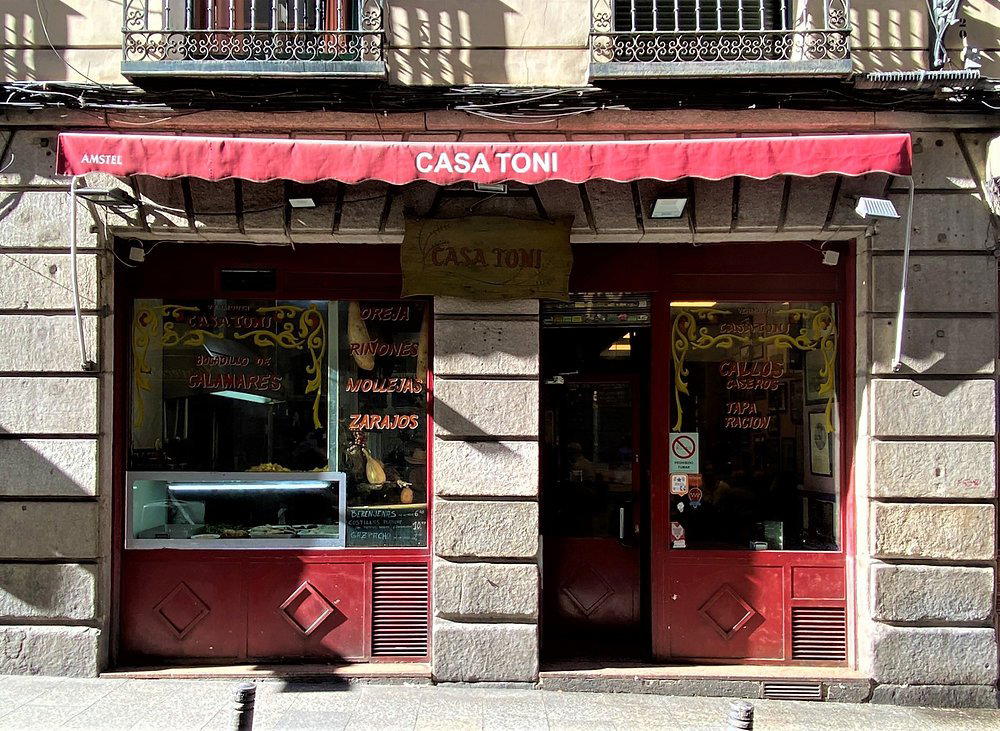
Where Centro's Dining Identity Holds Its Ground
Madrid's Centro district operates on two registers at once. At street level, Calle de la Cruz and the streets radiating out from Sol and Huertas carry the full weight of the city's pre-tourist dining culture: tiled walls, standing bars, rooms that have hosted the same kind of meal for decades without needing to reinvent themselves. One tier up, in neighbourhood restaurants that occupy the same postcodes, that continuity becomes something more deliberate. Casa Toni, at number 14 on Calle de la Cruz, is a restaurant serving Traditional Spanish Tapas in Madrid's Centro district.
Across Spain's broader restaurant culture, the milestone meal has traditionally belonged to two kinds of room: the grand modern tasting-menu restaurant and the deeply traditional house where the cooking hasn't changed because it doesn't need to. Madrid's 28012 postcode is home to more of the latter than almost any other part of the city. That positioning matters when you're choosing where to mark a birthday, an anniversary, or a reunion. The energy of a well-worn dining room, one with its own rhythm and regulars, often serves a celebration better than a space designed around novelty.
The Scene on Calle de la Cruz
Approaching from the Tirso de Molina side, Calle de la Cruz narrows as it climbs toward the Puerta del Sol, and the concentration of restaurants and tabernas thickens accordingly. This is one of the stretches of central Madrid where the dining offer has resisted the full homogenisation that has affected more tourist-facing streets. Visitors who arrive expecting the polished minimalism of Madrid's high-end creative restaurants, such as DiverXO, Coque, or Deessa, will find something different here: rooms with depth rather than design statements, where the occasion is created by the food and the company rather than the fit-out.
That distinction is worth stating plainly. Madrid's €€€€ creative tier, which also includes DSTAgE and Paco Roncero, competes on innovation and produces particularly technically ambitious cooking in Spain. But a different set of dining occasions calls for a different register. The celebration meal that needs to feel rooted in a place tends to find its expression in rooms exactly like this one.
Traditional Spanish Cooking as Occasion Format
Spain's traditional restaurant sector has remained more stable than most European equivalents, partly because its ingredients canon is strong enough to carry a meal without reinterpretation. Roast suckling pig, grilled meats, salt cod preparations, and the full range of Castilian and Madrileño standards have a ceremonial quality built into them: these are dishes that arrive at the table with weight, that require time and attention, and that make the act of eating together feel like an event. In Madrid's Centro, that tradition is more intact than in the city's newer restaurant corridors, where the pressure to update or differentiate is higher.
For context on how this tradition sits within Spain's wider restaurant culture, consider how far the country's dining offer has travelled. El Celler de Can Roca in Girona, Mugaritz in Errenteria, and Arzak in San Sebastián represent one end of the spectrum, as do destination restaurants like Quique Dacosta in Dénia, Azurmendi in Larrabetzu, Martin Berasategui in Lasarte-Oria, Aponiente in El Puerto de Santa María, Cocina Hermanos Torres in Barcelona, Ricard Camarena in València, and Atrio in Cáceres. At the other end sits a tradition-based sector that has been running the same playbook for generations and doesn't treat that as a deficit. For a certain kind of occasion meal, the latter is the right choice, and Madrid's centro histórico is one of the few European city centres where it remains genuinely accessible.
The comparison extends internationally. Restaurants like Le Bernardin in New York City and Lazy Bear in San Francisco have each built a distinct identity around occasion dining in their respective cities, though through different formats. The common thread is the sense of ceremony: the feeling that the meal marks something. In Madrid's traditional sector, that sense comes from continuity and setting rather than from tasting-menu architecture or theatrical service.
Choosing Casa Toni for the Right Occasion
The address on Calle de la Cruz places Casa Toni within easy reach of the city's central accommodation belt and within walking distance of the main theatre and cultural venues around Sol and Lavapiés. For a pre-theatre dinner, a birthday lunch, or the kind of meal that ends a day of walking the city, the location works practically as well as atmospherically. The neighbourhood has enough competing options that visitors can take time to choose, but the concentration also means that the rooms which have built long-term reputations have done so against real local competition.
Know Before You Go
Address: C. de la Cruz, 14, Centro, 28012 Madrid, Spain
Neighbourhood: Centro, Madrid's old-city dining belt
Nearest transport: Sol (Metro lines 1, 2, 3) approximately 5 minutes on foot
Leading for: Occasion meals, traditional Spanish cooking, neighbourhood dining with historical context
Cuisine and Recognition
Comparable venues nearby, for context on price, style, and recognition.
| Venue | Cuisine | Price | Notes |
|---|---|---|---|
| Casa ToniThis venue — the venue you are viewing | Traditional Spanish Tapas | $ | Not listed |
| La Finca de Susana | Traditional Spanish Mediterranean | $$ | Sol |
| Casa Castaña | Traditional Spanish Tapas | $$ | Sol |
| Maricastaña | Modern Spanish Fusion | $$ | Malasana |
| El Imparcial | Modern Spanish Tapas | $$ | Embajadores |
| 11 Nudos Madrid | Modern Atlantic & Galician Cuisine | $$ | Chueca |
At a Glance
- Rustic
- Cozy
- Lively
- Well Known
- Intimate
- Casual Hangout
- Group Dining
- Solo
- After Work
- Open Kitchen
- Beer Program
- Local Sourcing
Current opening hours
- Monday
- 12:20–4 PM, 7:30–11:30 PM
- Tuesday
- Closed
- Wednesday
- 12:20–4:30 PM, 7:30–11:30 PM
- Thursday
- 12:20–4 PM, 7:30–11:30 PM
- Friday
- 12:20–4 PM, 7:30–11:30 PM
- Saturday
- 12:20–4:30 PM, 7:30–11:30 PM
- Sunday
- 12:20–4 PM, 7:30–11:30 PM
Hours can change for holidays and private events. Last verified .
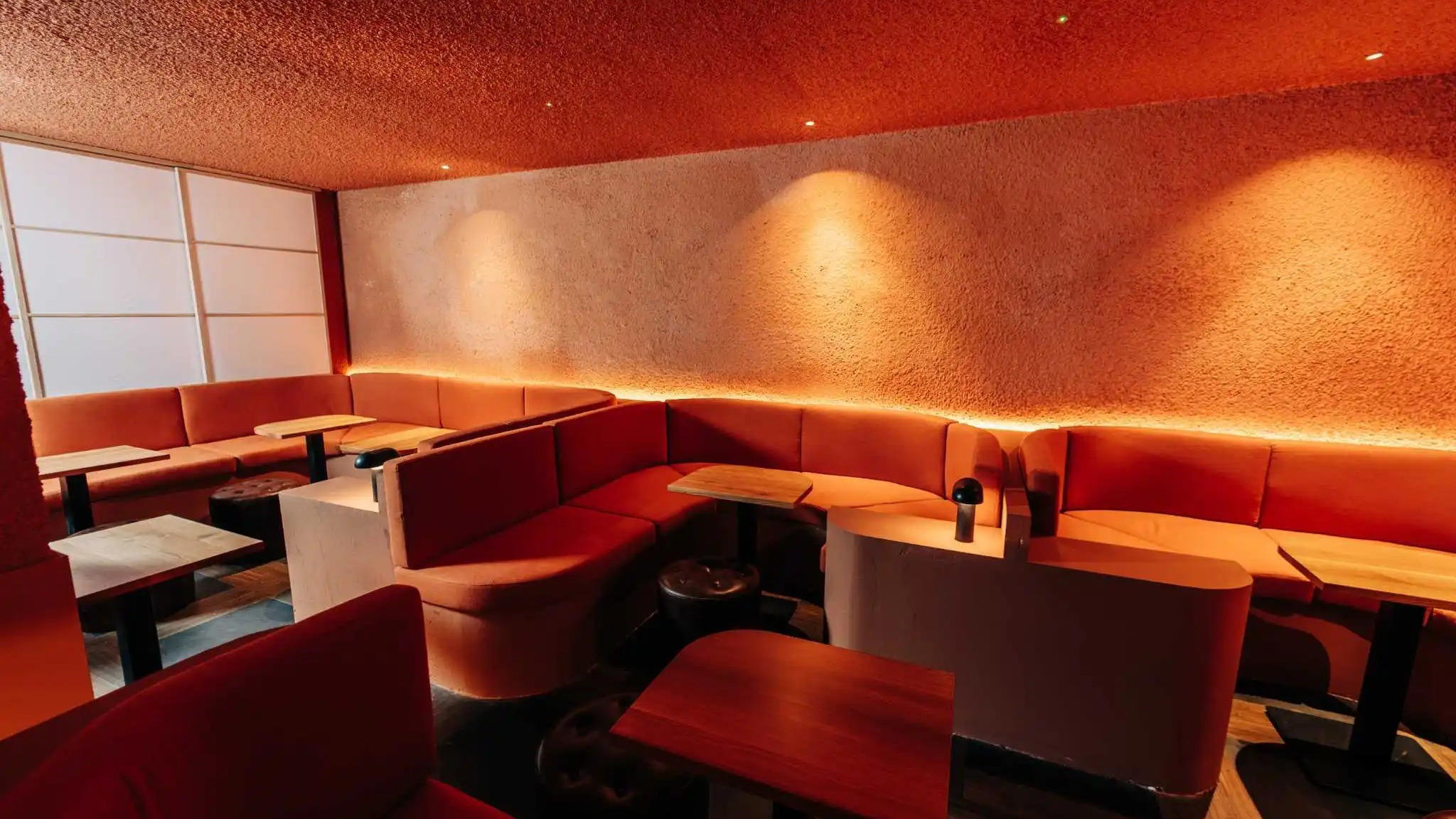
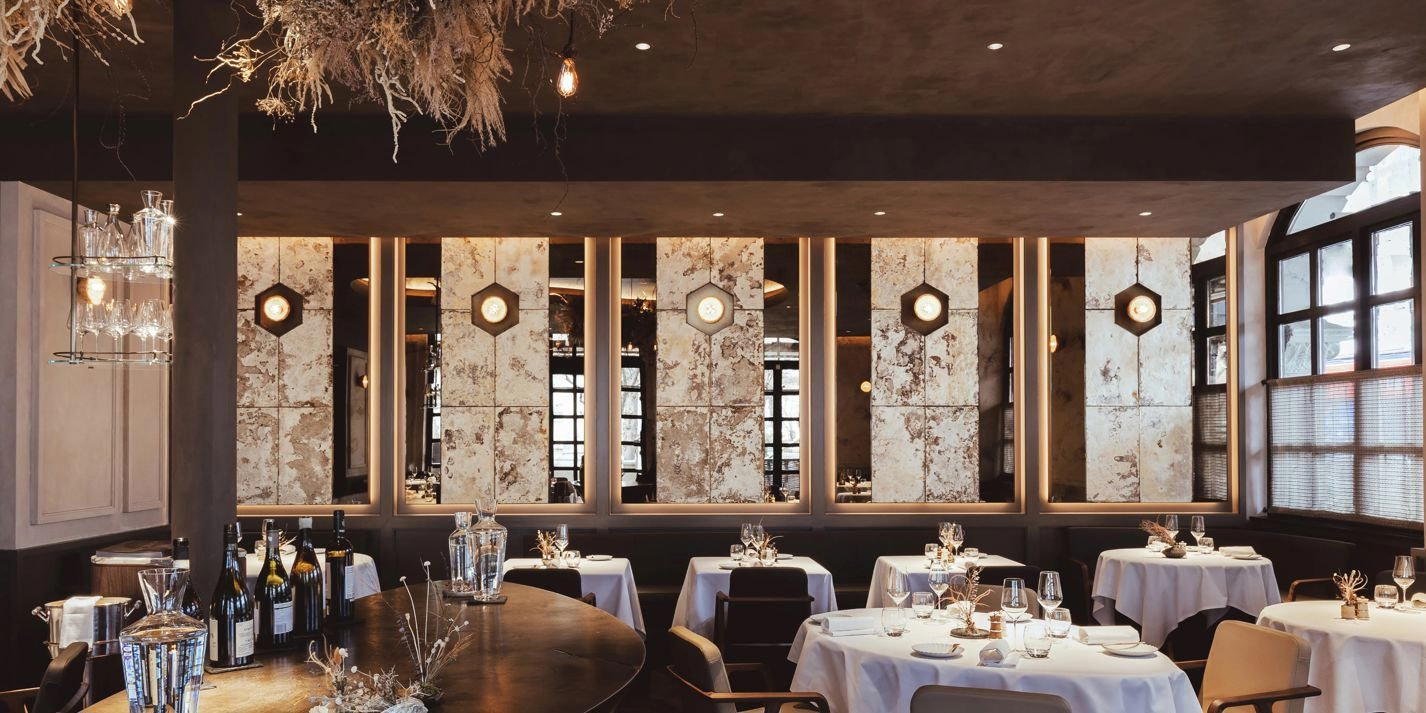
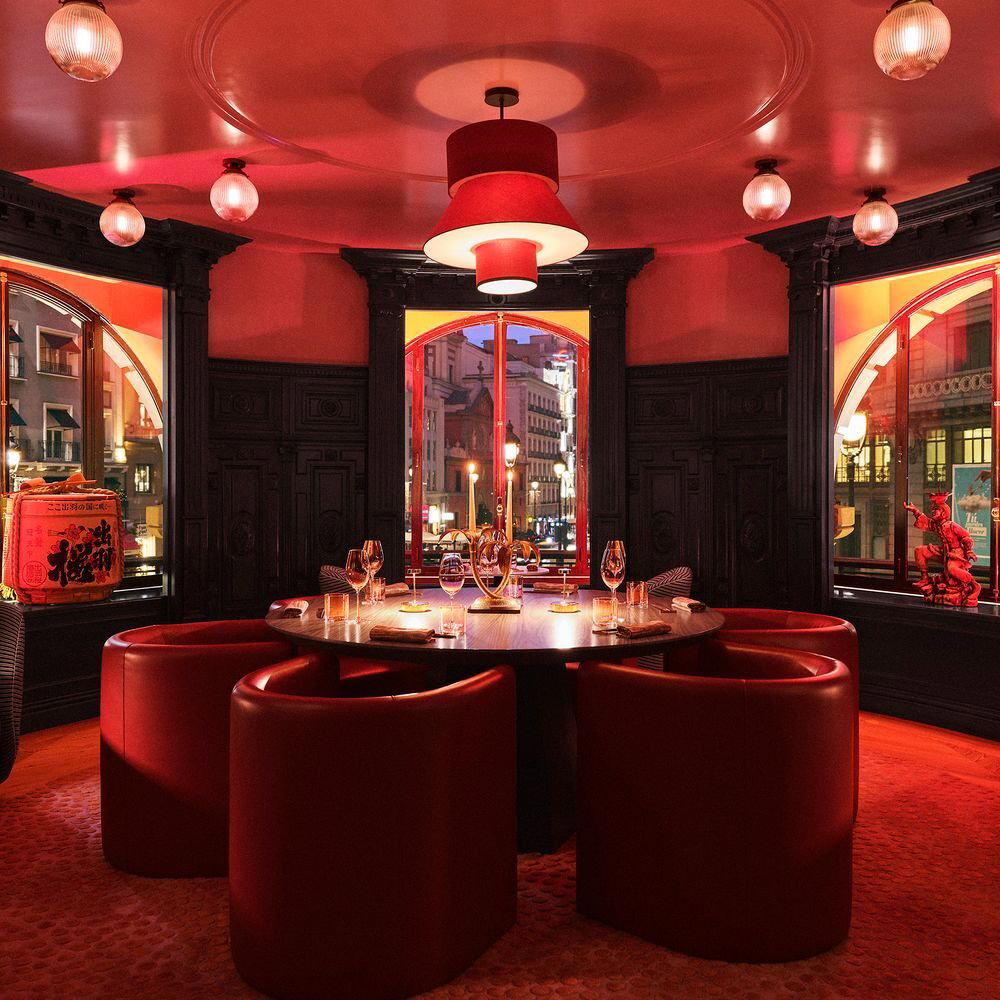
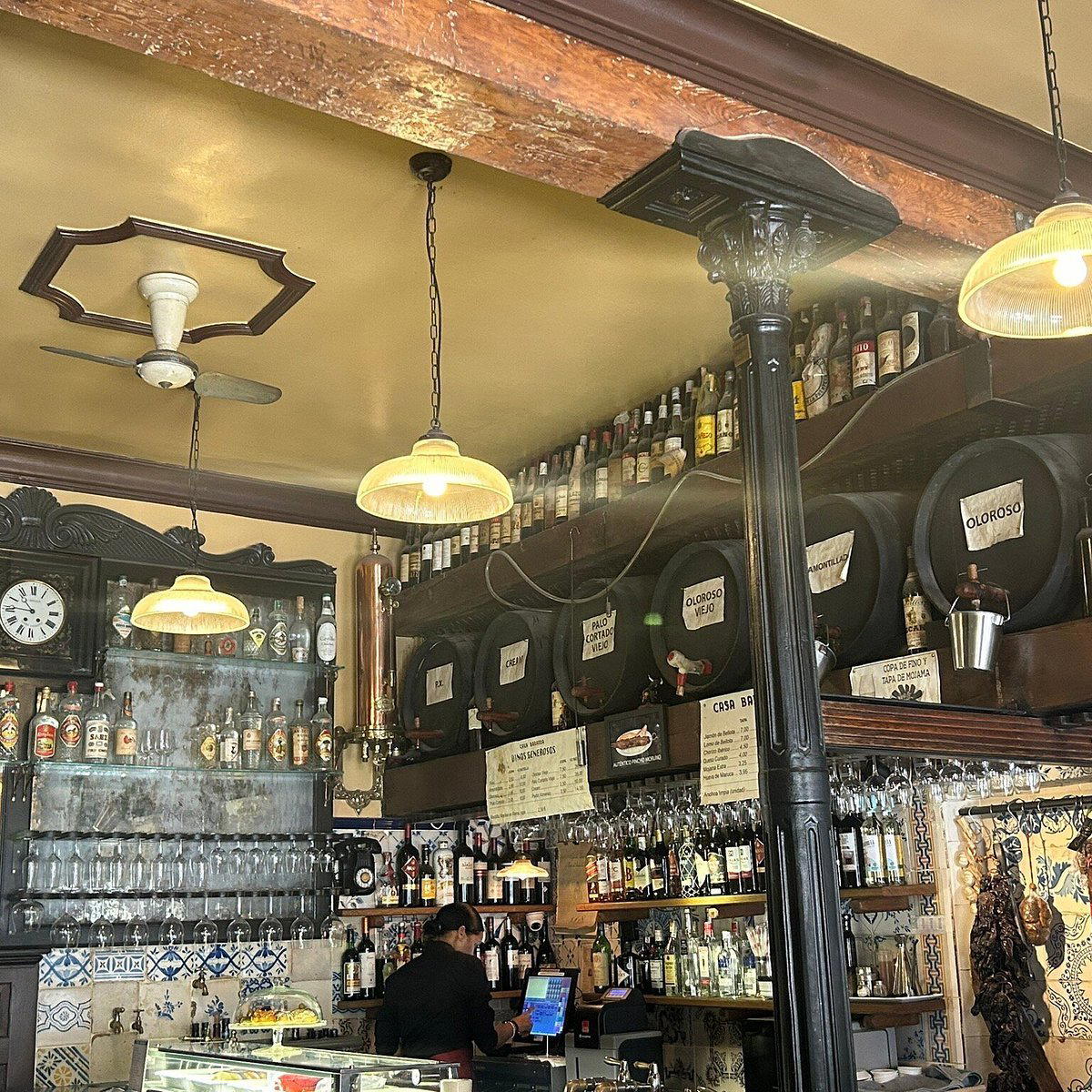
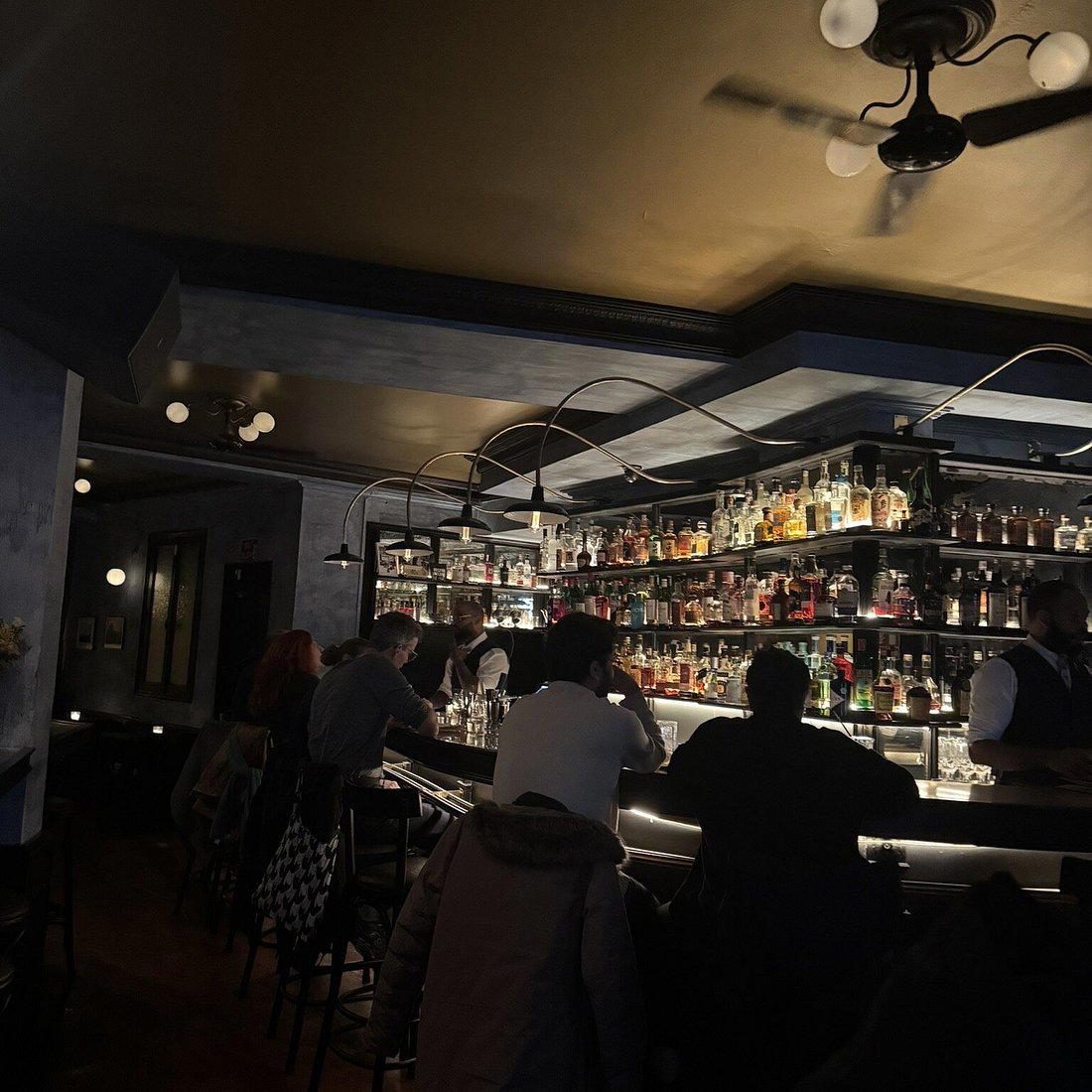
Charming rustic interior with warm lighting and wooden accents creating a cozy, welcoming environment; small yet perfectly designed space that feels like a traditional Spanish home without feeling overcrowded.