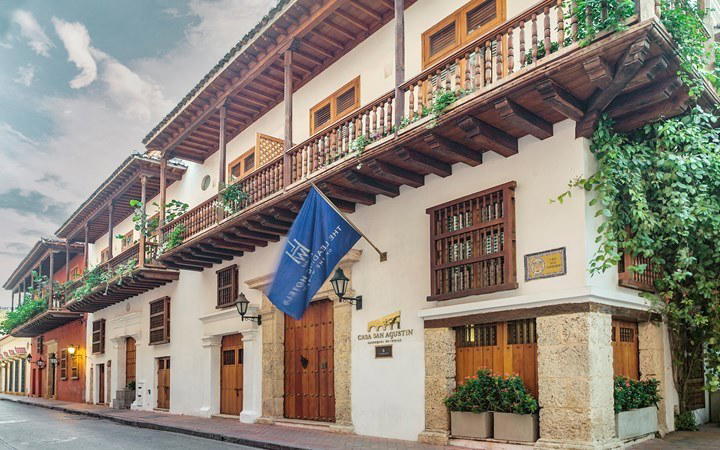
Kona occupies a colonial address at Cl. del Porvenir #35-18 in Cartagena's El Centro, placing it within the walled city's densest concentration of serious dining. The venue sits in a Cartagena scene that has moved steadily toward ingredient-driven cooking rooted in Caribbean and Pacific coastal traditions. For visitors building a meal itinerary around the historic centre, Kona warrants attention alongside the neighbourhood's stronger-credentialed neighbours.
Pearl is the En Primeur Club membership app — saves, bookings, and concierge access live there. Same editors, same standards.
- Address
- Cl. del Porvenir #35-18, El Centro, Cartagena de Indias, Provincia de Cartagena, Bolívar, Colombia
- Phone
- +573022638195
- Website
- opentable.com
- Directions
- Get directions
 Saves & bookings on Pearl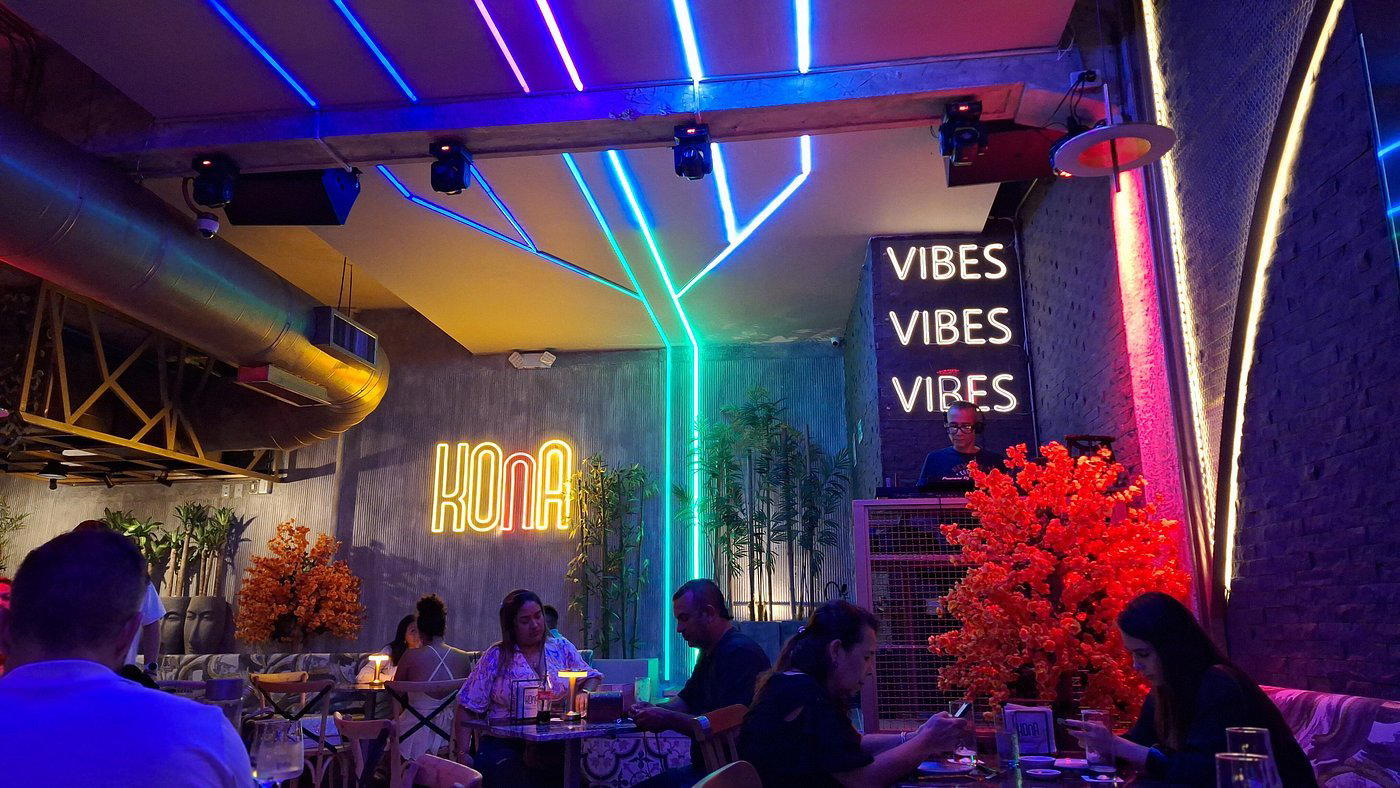
El Centro's Dining Scene and Where Kona Fits
Cartagena de Indias has spent the better part of a decade developing a dining identity that goes beyond the tourist-facing seafood and rice plates that once defined the walled city's restaurant offer. The historic centre, El Centro, now holds a concentration of addresses that reflect Colombia's broader culinary re-evaluation: chefs drawing on Caribbean coastal ingredients, Afro-Colombian preparation traditions, and the country's Pacific-coast larder to produce food that reads as distinctly Colombian rather than vaguely Latin American. Kona, at Cl. del Porvenir #35-18, occupies a colonial-era block in the middle of that conversation.
Clero Restaurante and Lunatico represent El Centro's more formally positioned end of the market, while Doña Lola anchors the neighbourhood's interest in traditional costeño cooking.
The Cultural Weight of Cooking in a Colonial Port City
Understanding any serious restaurant in Cartagena requires understanding what the city's food history actually contains. This was a port that processed the Atlantic trade in both directions for centuries, and the culinary consequences are layered: African techniques and produce merged with indigenous coastal traditions and Spanish colonial pantry staples to produce what Colombians call cocina costeña. That tradition is not a museum piece. It is a living framework that contemporary kitchens in El Centro are actively interpreting, sometimes respectfully and sometimes aggressively, but rarely ignoring.
The ingredients that define the tradition are precise: ñame (yam), plátano, coconut milk used in ways that owe more to West African cooking than to European cream sauces, fresh fish from both the Caribbean and Pacific coasts, and the specific heat profile of ají amarillo and ají chombo that separates Caribbean Colombian cooking from the interior. Restaurants in the walled city that engage with this framework, rather than defaulting to generic pan-Latin or Mediterranean references, occupy the more interesting position in Cartagena's dining conversation. That context is the lens through which any address in El Centro is worth assessing.
Cartagena Within the Colombian Dining Picture
Colombia's restaurant scene has fragmented productively in recent years, with Bogotá, Medellín, and the coastal cities each developing distinct culinary personalities rather than a single national fine-dining template. Debora Restaurante in Bogotá and 37 Park in Medellín represent how the interior cities are approaching modern Colombian cooking, with a formality and technique-focus that reflects their different ingredient environments and dining cultures. Cartagena's contribution to that national picture is specifically coastal and specifically hot-climate: the city's leading tables work with humidity, heat, and proximity to the sea in ways that interior kitchens cannot replicate.
El Arsenal The Rum Box and LA BRIOCHE Bocagrande illustrate the breadth of what Cartagena's dining scene now encompasses, from rum-forward bar dining to French-inflected café formats. That range is relatively recent. A decade ago, the walled city's restaurant offer was narrower and more tourist-dependent. The current period, in which addresses like Kona can establish themselves in the historic centre, reflects a more local-facing dining culture that has emerged alongside Cartagena's growth as a destination for Colombian domestic travellers, not just international visitors.
Beyond Colombia, the regional appetite for serious dining extends into comparable Caribbean-coast cities elsewhere in South America. BK - BURUKUKA in Santa Marta offers a point of comparison for how coastal Colombian cities with similar ingredient environments approach the question of atmosphere and menu simultaneously.
Planning a Visit: Practical Notes for El Centro
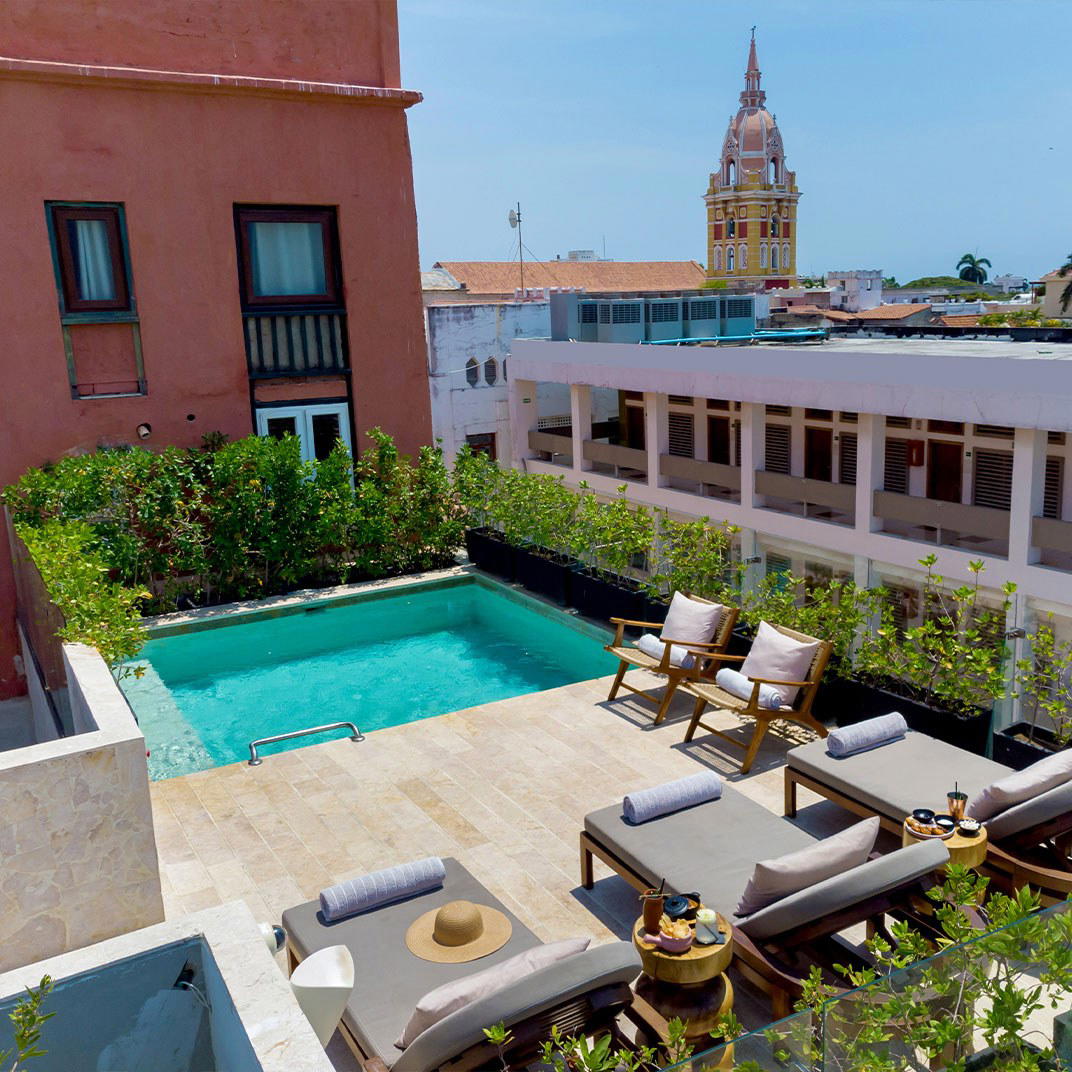
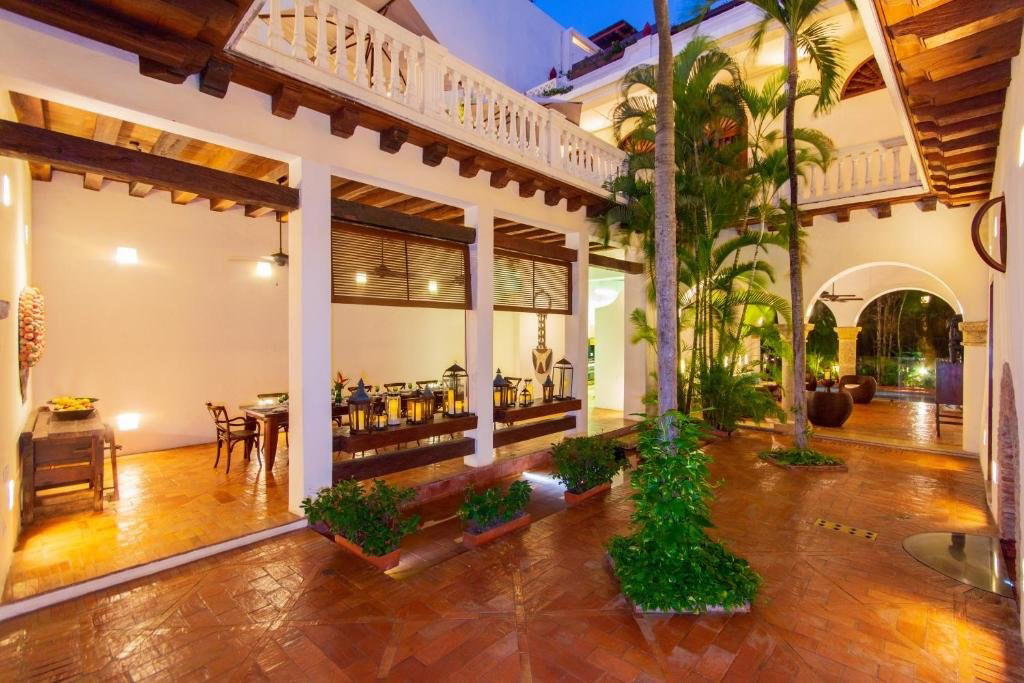
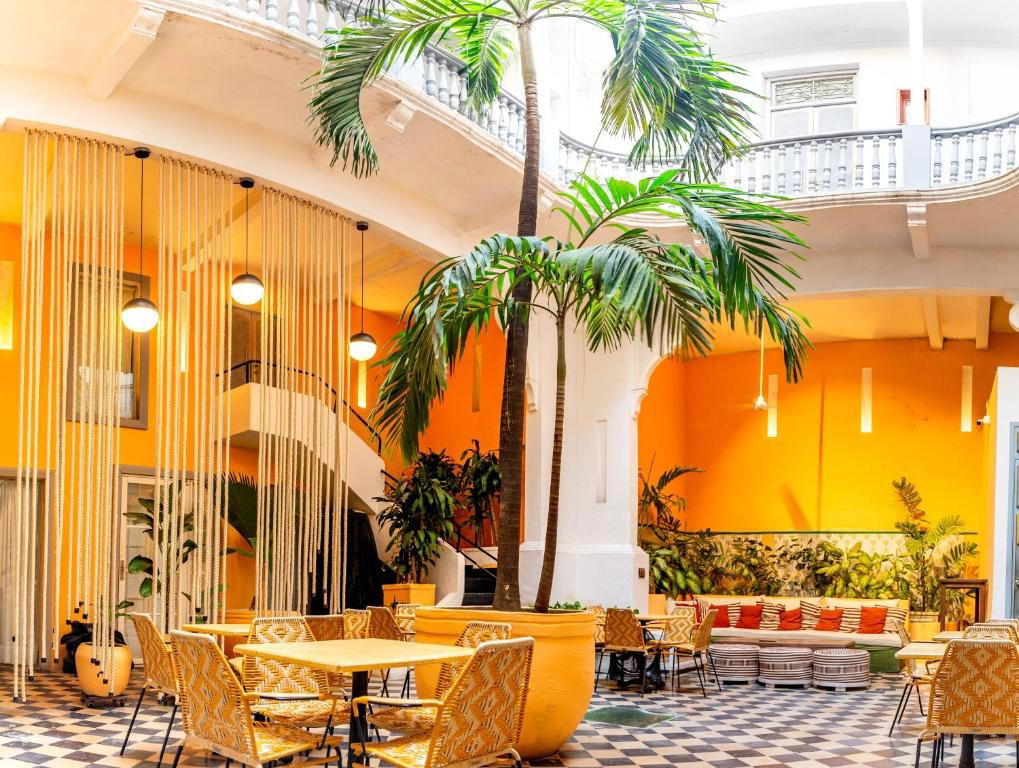
The walled city's restaurant geography rewards on-foot exploration. El Centro's colonial street grid is compact, and the proximity of Kona's address on Cl. del Porvenir to the neighbourhood's other serious dining addresses means that combining an evening across multiple stops is genuinely practical. Cartagena's heat means that timing matters: the city eats later than much of Colombia, and the colonial-era architecture that defines El Centro's streetscape provides shade and airflow that make evening dining on or near open patios significantly more comfortable than midday.
Booking is recommended.
Los Tacos Del Gordo and Crepes & Waffles Centro for lower-commitment meals between more substantial dining commitments. For those extending travel beyond Cartagena, Andrés Carne de Res in Chia remains the Colombian dining experience with the largest cultural footprint, though it operates in a register entirely different from anything in the walled city.
Cardinal Comida Peruana de Autor in Pereira, Le Brunch Express in Envigado, La B Hamburgers in Sincelejo, and Bulgatta restaurante in Retiro represent the country's expanding regional dining footprint beyond its two primary cities. For international reference points on what a technically serious, culturally specific seafood-forward kitchen can accomplish, Le Bernardin in New York City and Atomix in New York City illustrate the global tier against which ambitious coastal kitchens increasingly measure themselves.
A Pricing-First Comparison
Comparable venues nearby, for context on price, style, and recognition.
| Venue | Cuisine | Price | Notes |
|---|---|---|---|
| KonaThis venue — the venue you are viewing | El Centro, Asian-Caribbean Fusion | $$ | Not listed |
| NIKU CARTAGENA | Not listed | $$$ | Historic Center, Nikkei Fusion (Japanese-Peruvian) |
| LA BRIOCHE Bocagrande | Bocagrande, Franco-Caribbean Brunch | $$ | Not listed |
| El Arsenal The Rum Box | Getsemani, Caribbean Rum Bar & Gastropub | $$ | Not listed |
| Lunatico | Not listed | $$$ | Getsemani, Caribbean-Spanish Fusion Tapas |
| Restaurante Dpez | Manga, Caribbean Seafood Fusion | $$ | Not listed |
Continue exploring
More in Cartagena
Restaurants in Cartagena
Browse all →
Bars in Cartagena
Browse all →
At a Glance
- Lively
- Trendy
- Energetic
- Date Night
- Group Dining
- Casual Hangout
- Late Night
- Live Music
- Open Kitchen
- Craft Cocktails
Current opening hours
- Monday
- 12 PM–12 AM
- Tuesday
- 12 PM–12 AM
- Wednesday
- 12 PM–12 AM
- Thursday
- 12 PM–1 AM
- Friday
- 12 PM–1 AM
- Saturday
- 12 PM–1 AM
- Sunday
- 12 PM–12 AM
Hours can change for holidays and private events. Last verified .
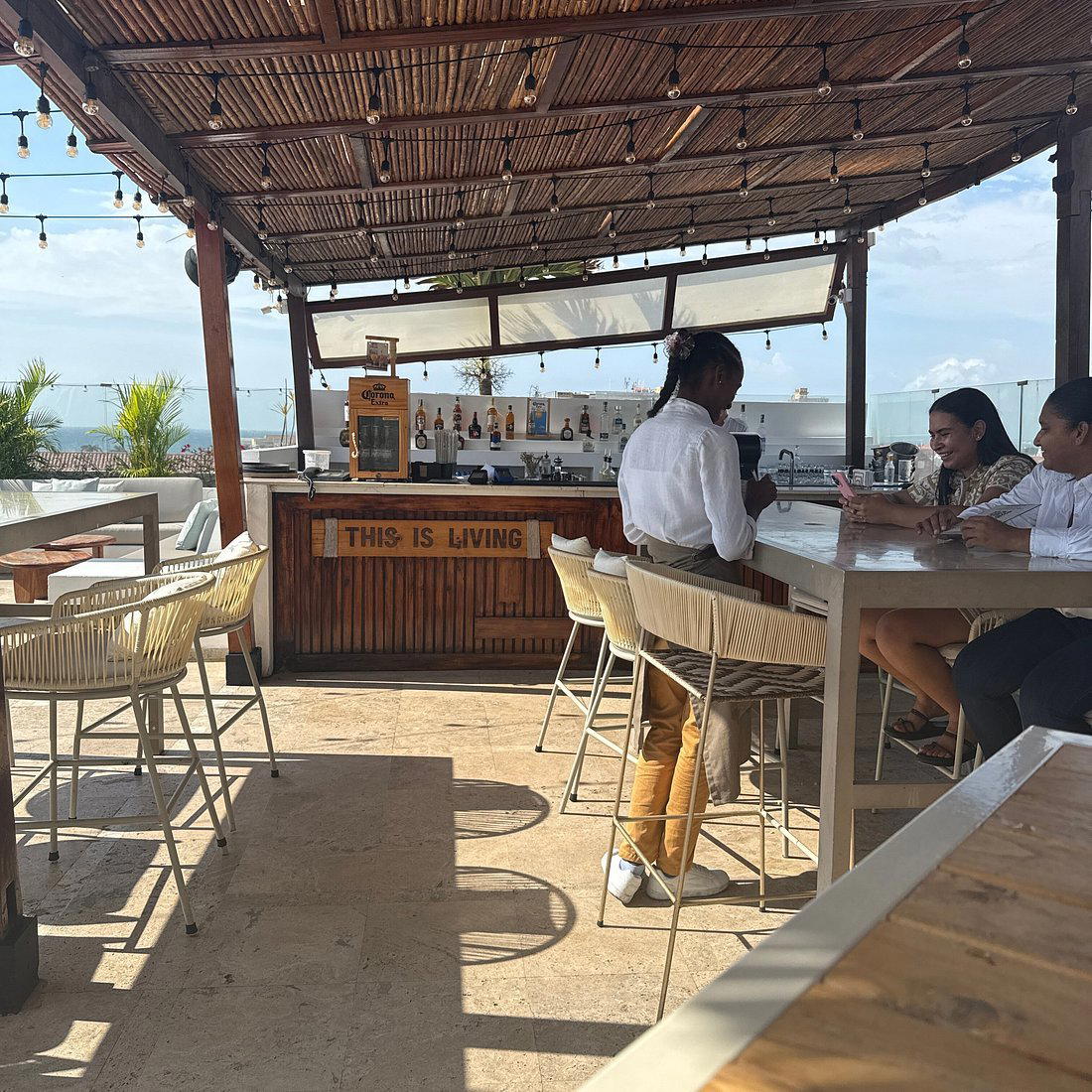
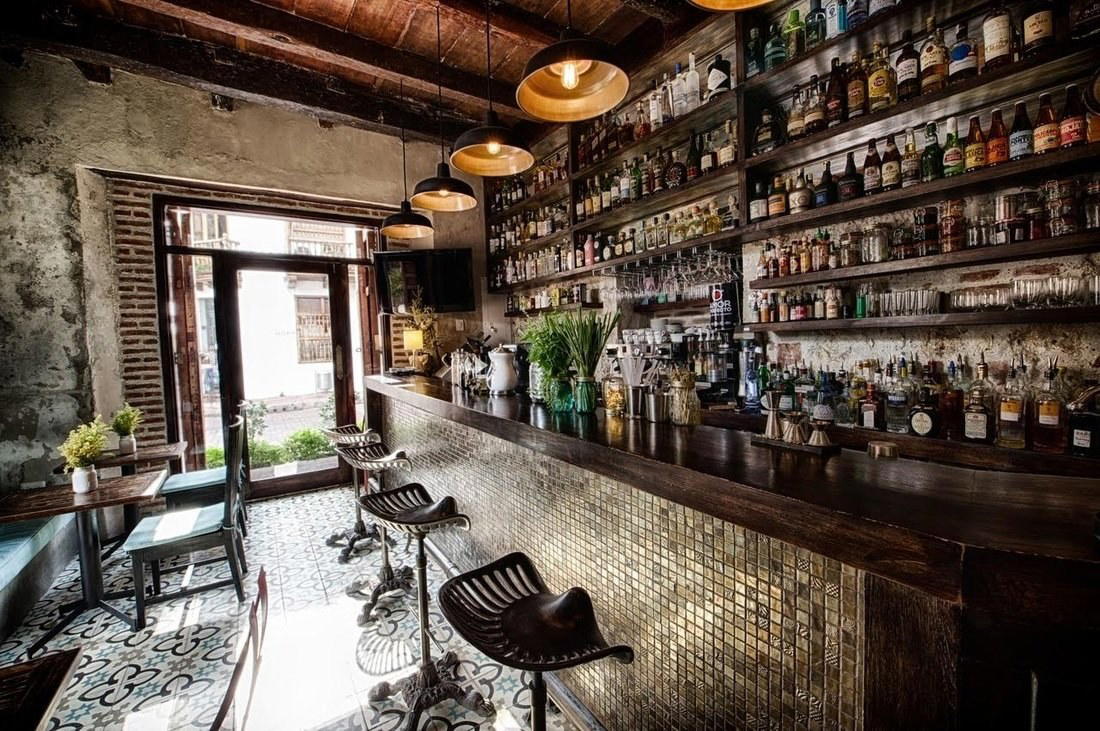
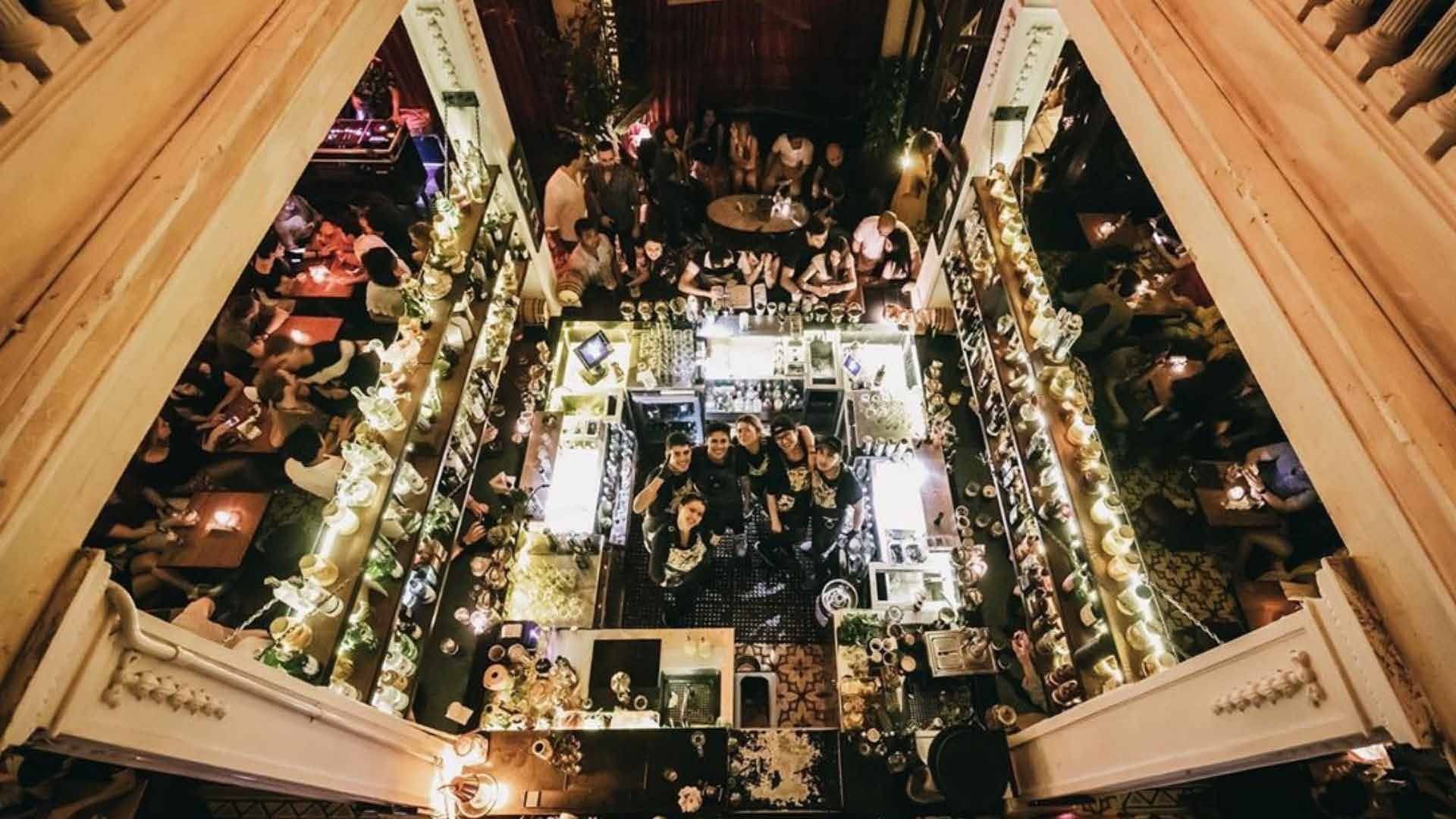
Lively and welcoming with live music, DJ sets, and house music contributing to cool club vibes; music generally not too loud but occasionally features a TV.