

Michelin Bib Gourmand · Macarfi 7.9 Food Rating
Our verdict
In the Aragonese Pyrenean village of Plan, La Capilleta operates well outside the circuits of Spain's major restaurant cities, earning back-to-back Michelin Bib Gourmand recognition in 2024 and 2025 for contemporary cooking that punches significantly above its mountain setting. Chef Jorge González Carmona brings a considered approach to a €€ price point that makes serious food accessible without the theatrical pricing of Spain's three-star tier.

Pearl is the En Primeur Club membership app — saves, bookings, and concierge access live there. Same editors, same standards.
- Address
- Ctra. San Juan de Plan, 7, 22367 Plan, Huesca, Spain
- Phone
- +34 974 94 14 10
- Hours
- Mon 12–3:30 PMTue–Wed ClosedThu 12–3:30 PMFri–Sat 12–3:30 PM, 8–10:30 PMSun 12–3:30 PM
- Website
- lacapilleta.es
- Directions
- Get directions
- Booking
- Book on the venue's website
The menu
What to order
- Low temperature eggs with boletus
- Grilled porcini rice
- Ternasco kebab
Where the Pyrenees Set the Table
Plan is not a city that appears in most Spanish restaurant conversations. The village sits in the Valle de Chistau, a high Aragonese valley in the province of Huesca, where the population runs to a few hundred and the road in follows the river through limestone gorges. This is not the Spain of grand paseos or urban dining scenes. It is mountain country, and the cooking that happens here is shaped by that remoteness in ways that urban contemporary restaurants rarely achieve through intention alone.
Against that backdrop, La Capilleta reads as an anomaly worth investigating. Back-to-back Michelin Bib Gourmand recognition in 2024 and 2025 places it in a category reserved for kitchens that deliver cooking of genuine quality at prices that do not require a calculated financial commitment. In a country where serious contemporary dining has largely consolidated in San Sebastián, Barcelona, Madrid, and the Basque coast, a Bib Gourmand in a Pyrenean village of this scale is a signal worth reading carefully.
Contemporary Cooking in an Unlikely Address
Spain's contemporary restaurant tier is heavily populated at the upper end. Operations like DiverXO in Madrid, Arzak in San Sebastián, and Azurmendi in Larrabetzu operate at the €€€€ tier with international reputations and multi-year waiting lists. The Bib Gourmand designation exists precisely because Michelin inspectors recognise that quality does not require that price architecture. La Capilleta at the €€ price point occupies a different competitive position entirely: it benchmarks against other high-effort regional kitchens rather than against the grand tasting-menu format that defines the country's three-star tier.
Chef Jorge González Carmona runs the kitchen. The culinary evolution behind a project like this one in rural Aragon typically involves years spent outside the region, absorbing technique and context before applying them somewhere personal. The result, in this case, is contemporary cooking rooted enough in place to feel specific to the Pyrenean setting while carrying the technical discipline that Michelin's inspectors look for when they award recognition in either direction. That combination, technique meeting terrain in a remote address, is what the Bib Gourmand here actually signals.
It is useful to hold La Capilleta against Spain's broader rural fine-dining pattern. Restaurants like Atrio in Cáceres or Mugaritz in Errenteria have demonstrated that location outside a major urban centre does not preclude serious recognition. What those projects share with La Capilleta is a commitment to place as an organising principle rather than as a marketing angle. The difference is scale and price: La Capilleta operates at a register that is accessible rather than aspirational in cost terms.
What the Bib Gourmand Actually Means Here
Michelin's Bib Gourmand category is frequently misread as a consolation tier below the starred rankings. That reading misses the point. A Bib Gourmand is awarded to restaurants where inspectors find cooking quality that would merit recognition, delivered at a price point that the inspector considers favourable relative to the quality received. Consecutive recognition in 2024 and 2025 indicates consistency rather than a single strong performance, and consistency at this level is harder to sustain than a single exceptional dinner.
For a kitchen operating in a village the size of Plan, the logistical demands of that consistency are considerable. Supply chains in high mountain locations are not the same as those feeding urban kitchens. Seasonal availability, altitude, and the limits of what the surrounding area produces all shape what a kitchen in the Valle de Chistau can realistically put on the plate with integrity. When the cooking holds up against those constraints year after year, the Bib Gourmand recognition reflects not just skill but operational discipline.
Spain's broader contemporary restaurant scene, from El Celler de Can Roca in Girona to Cocina Hermanos Torres in Barcelona, operates with urban infrastructure, established supplier networks, and the density of talent that major cities provide. La Capilleta does not have those advantages, which makes the sustained recognition more instructive than it would be in a city context.
The Valle de Chistau as Dining Destination
Travelling to Plan for a meal requires intention. The Valle de Chistau is accessed from Ainsa to the south, and the road into the valley takes time regardless of starting point. The villages along the valley, including Plan itself, are structured around a pace that has nothing to do with restaurant-hopping. This is hiking and mountain country first, and any visit built around La Capilleta will naturally fold into a broader engagement with the landscape.
That is not a disadvantage. Some of the most interesting restaurant experiences in rural Europe are structured around the logic of going somewhere specifically because the food warrants it, with the surrounding environment as context rather than backdrop. The Aragonese Pyrenees offer enough in terms of landscape, trails, and local culture to justify a stay rather than a day trip. For visitors building a broader Spanish itinerary that already includes recognised restaurants such as Quique Dacosta in Dénia or Ricard Camarena in València, a Pyrenean diversion north into Aragon adds a dimension that urban dining cannot replicate.
High ratings at volume in a location this remote suggest that the restaurant functions as a destination for a broader audience than the Michelin-tracking circuit, which in itself is evidence of local and regional standing.
Planning a Visit
La Capilleta sits at Ctra. San Juan de Plan, 7 in the village of Plan, 22367, Huesca. Contact directly for current opening hours and availability, as the village's remote position means operating schedules may vary seasonally. For accommodation options, our full Plan hotels guide covers what is available in and around the valley. Those looking to extend their time in the area will find further context in our Plan bars guide, our Plan wineries guide, and our Plan experiences guide. For broader context on dining in the region, our full Plan restaurants guide provides the full picture of what the area currently offers.
Frequently asked questions
Is La Capilleta okay with children?
The €€ pricing and village-restaurant setting in Plan make La Capilleta a more practical choice for families than a high-end tasting-menu counter would be. There is no documentation of a specific children's menu, so confirming directly with the restaurant before visiting is the sensible step. The Michelin Bib Gourmand recognition reflects quality cooking at moderate prices, not a formal or ceremonial dining environment.
What kind of setting is La Capilleta?
La Capilleta is a contemporary restaurant in Plan, a small village in the Valle de Chistau, a high Aragonese Pyrenean valley in Huesca province. It holds back-to-back Michelin Bib Gourmand recognition for 2024 and 2025, which is a notable credential for any restaurant and a striking one at this altitude and remoteness. The €€ price range signals a kitchen producing serious food without the formality of a tasting-menu operation.
What's La Capilleta known for in terms of accolades?
La Capilleta has received recognition including: Michelin Bib Gourmand (2025); Michelin Bib Gourmand (2024).
What should I eat at La Capilleta?
Let the kitchen lead. Chef Jorge González Carmona has earned consecutive Michelin Bib Gourmand recognition in 2024 and 2025 for contemporary cooking, which points to a menu built around technique and seasonal judgment rather than crowd-pleasing formula. At the €€ price point, the expectation is honest, well-executed food at accessible pricing — the core criterion Michelin applies when awarding the Bib Gourmand distinction.
Comparable Spots, Quickly
| Venue | Cuisine | Price | Awards |
|---|---|---|---|
| La CapilletaThis venue — the venue you are viewing | Pyrenean Spanish Bistro | $30–50 | Michelin Bib Gourmand · Macarfi 7.9 Food Rating |
| Aponiente | Progressive - Seafood, Creative | Not listed | Michelin 3 Star |
| Arzak | Modern Basque, Creative | Not listed | Michelin 3 Star |
| DiverXO | Progressive - Asian, Creative | Not listed | Michelin 3 Star |
| El Celler de Can Roca | Progressive Spanish, Creative | Not listed | Michelin 3 Star |
| Quique Dacosta | Creative | Not listed | Michelin 3 Star |
Recognition history
Dated appearances from independent guides and award organizations, with the underlying list record or original source where available.
Michelin Bib Gourmand
Michelin
Macarfi 7.9 Food Rating
Macarfi
Full recognition history (3 entries)
Michelin Bib Gourmand
Michelin
Continue exploring
More in Plan
Restaurants in Plan
Browse all →
Hotels in Plan
Browse all →
Wineries in Plan
Browse all →
Details
- Cozy
- Rustic
- Elegant
- Family
- Celebration
- Special Occasion
- Open Kitchen
- Extensive Wine List
- Local Sourcing
- A La Carte
- Set Menu
- Vegetarian Friendly
- Vegan Options
- Gluten Free Options
Current opening hours
- Monday
- 12–3:30 PM
- Tuesday
- Closed
- Wednesday
- Closed
- Thursday
- 12–3:30 PM
- Friday
- 12–3:30 PM, 8–10:30 PM
- Saturday
- 12–3:30 PM, 8–10:30 PM
- Sunday
- 12–3:30 PM
Hours can change for holidays and private events. Last verified .
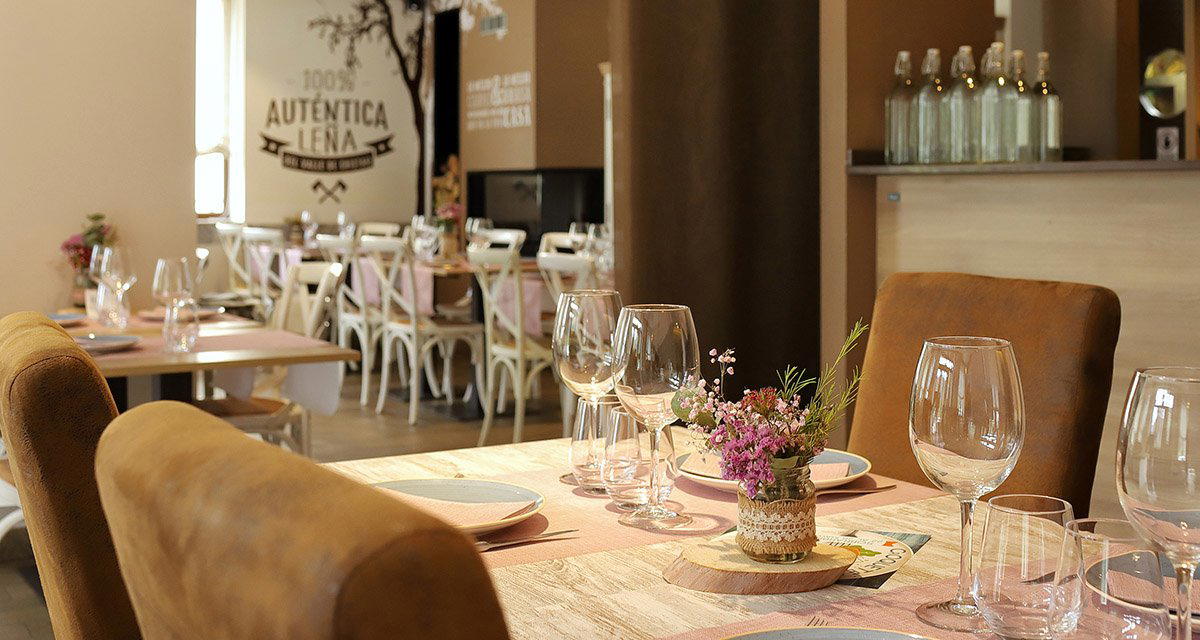
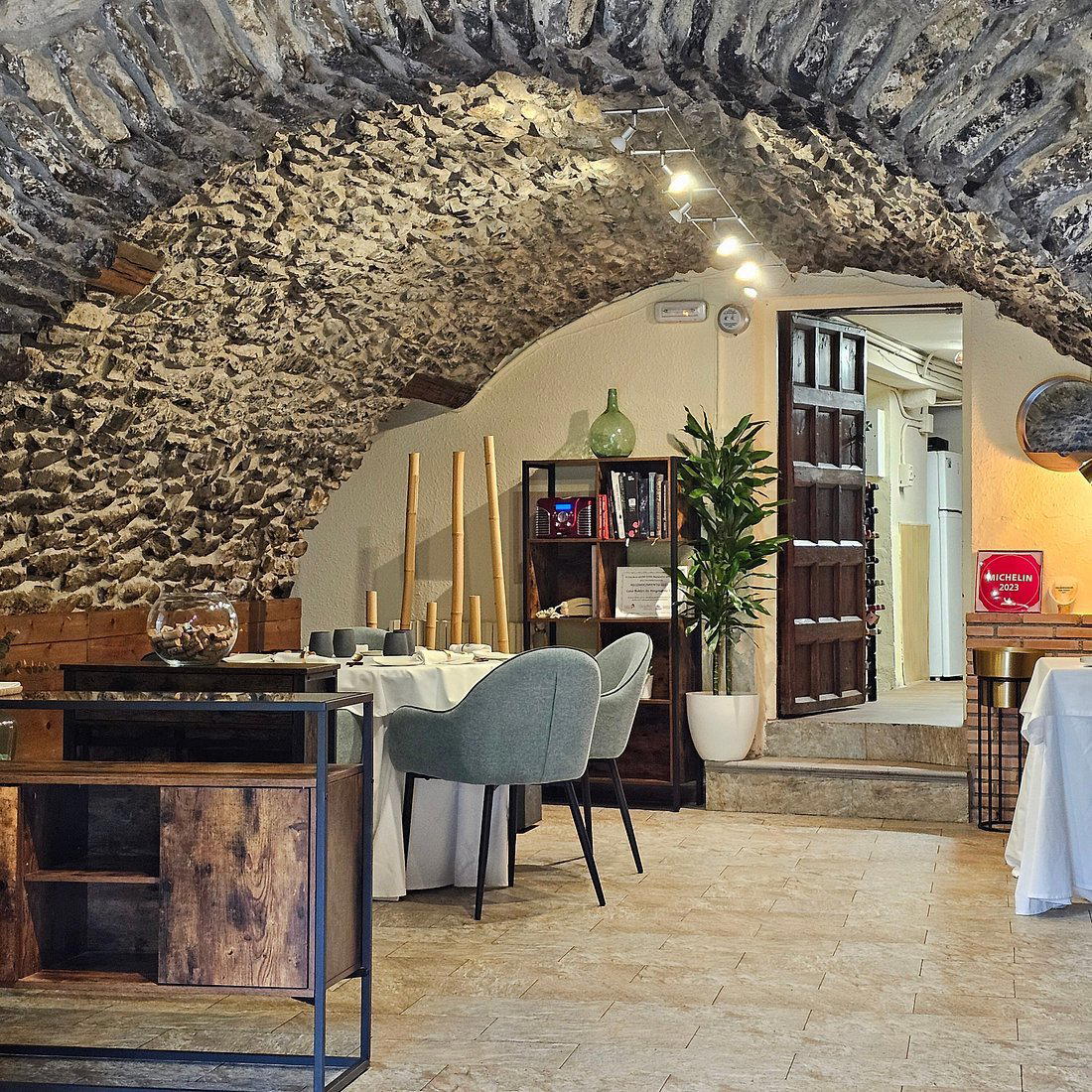
Comfortable, familiar atmosphere with contemporary decoration, air-conditioned interior, and warm, welcoming service.