


1 Michelin Star · Guía Repsol 2 Soles · Macarfi 8.7 Food Rating
Our verdict
A Michelin-starred address in the medieval hilltop town of Aínsa, Callizo occupies a stone building on the Plaza Mayor and builds its two tasting menus around the small-scale producers of the Sobrarbe valley. The kitchen frames its approach as "techno-emotional mountain cuisine" — precise in technique, grounded in Pyrenean terroir.

Pearl is the En Primeur Club membership app — saves, bookings, and concierge access live there. Same editors, same standards.
- Address
- Pl. Mayor, s/n, 22330 Aínsa, Huesca, Spain
- Phone
- +34 974 50 03 85
- Hours
- Mon–Tue ClosedWed–Thu 1–6 PMFri–Sat 1–6 PM, 7:30–11 PMSun 1–6 PM
- Website
- restaurantecallizo.es
- Directions
- Get directions
The menu
What to order
- Trout ceviche
- Lamb cooked at two temperatures
Stone Walls, Modern Plates: Dining in the High Pyrenees
The Plaza Mayor of Aínsa is the kind of medieval square that makes the idea of a serious creative restaurant feel unlikely. The porticoed arcades, the rough-cut limestone, the village scale — none of it signals the culinary ambition that Spain's Michelin inspectors have been recognising in its peripheries. That tension is, in a sense, the whole point. Across Spain, the most interesting argument in contemporary dining is no longer happening exclusively in Barcelona, San Sebastián, or Madrid. It is happening in places like Sobrarbe, where geography imposes constraints that force a different kind of creativity: one rooted in specific terrain, specific producers, and a cuisine that has nowhere to look for ingredients except the valley below and the mountains above.
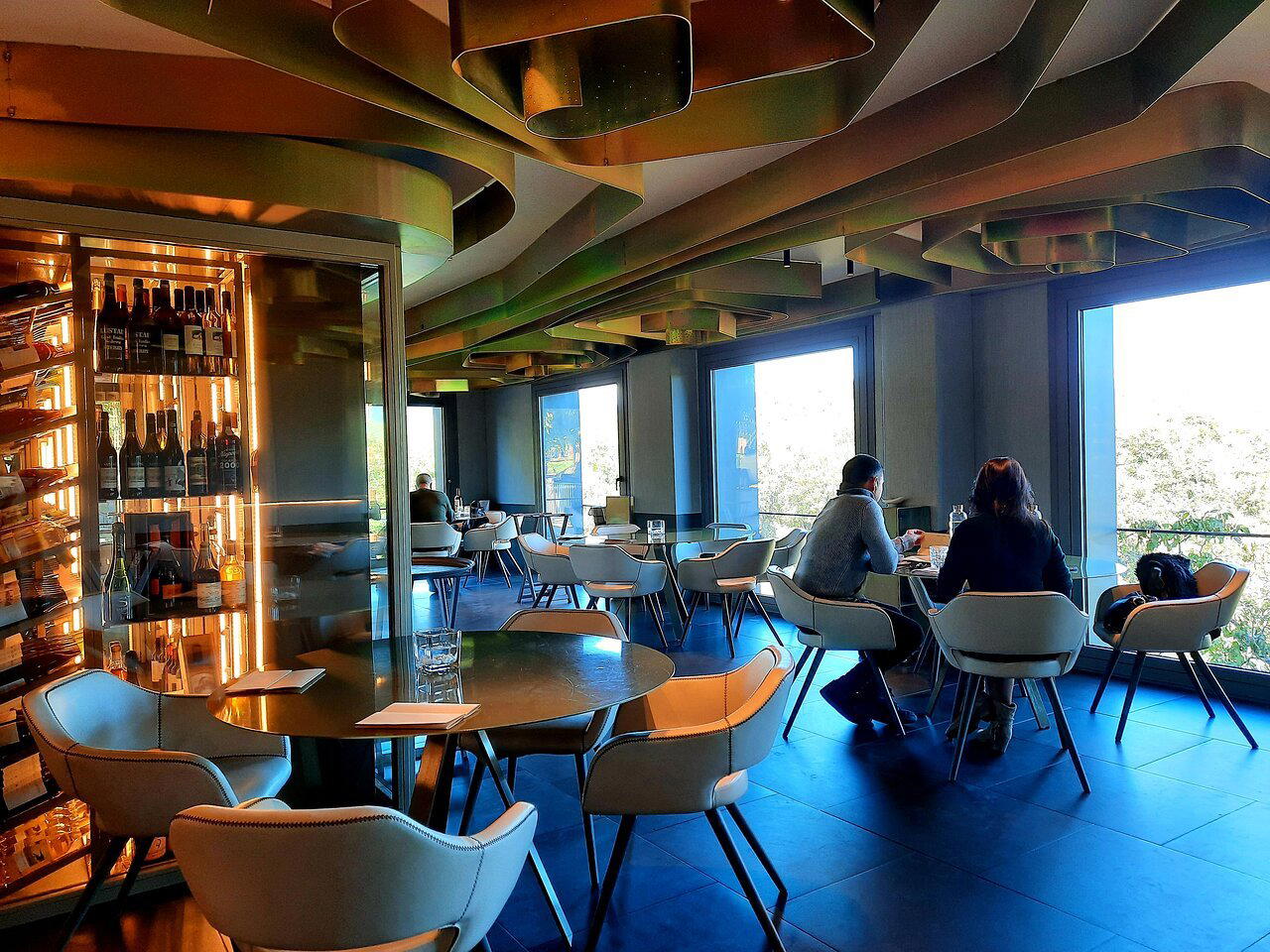
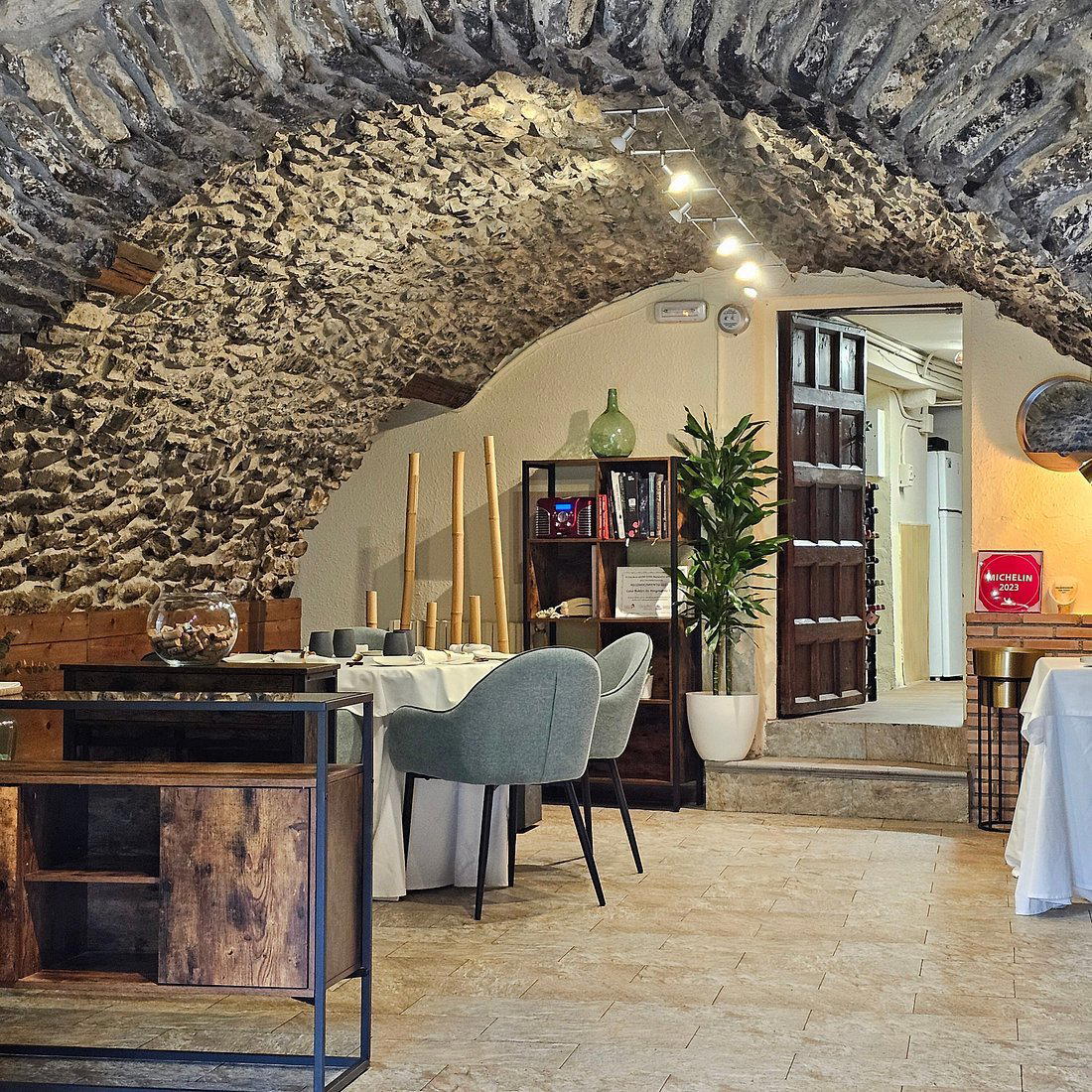
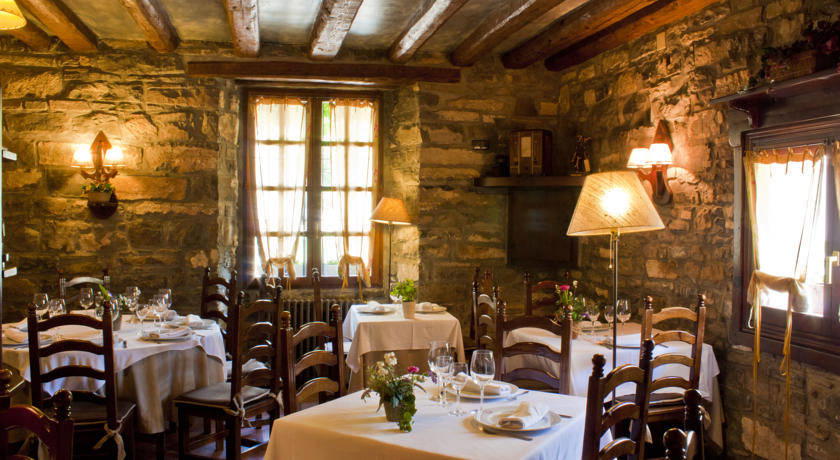
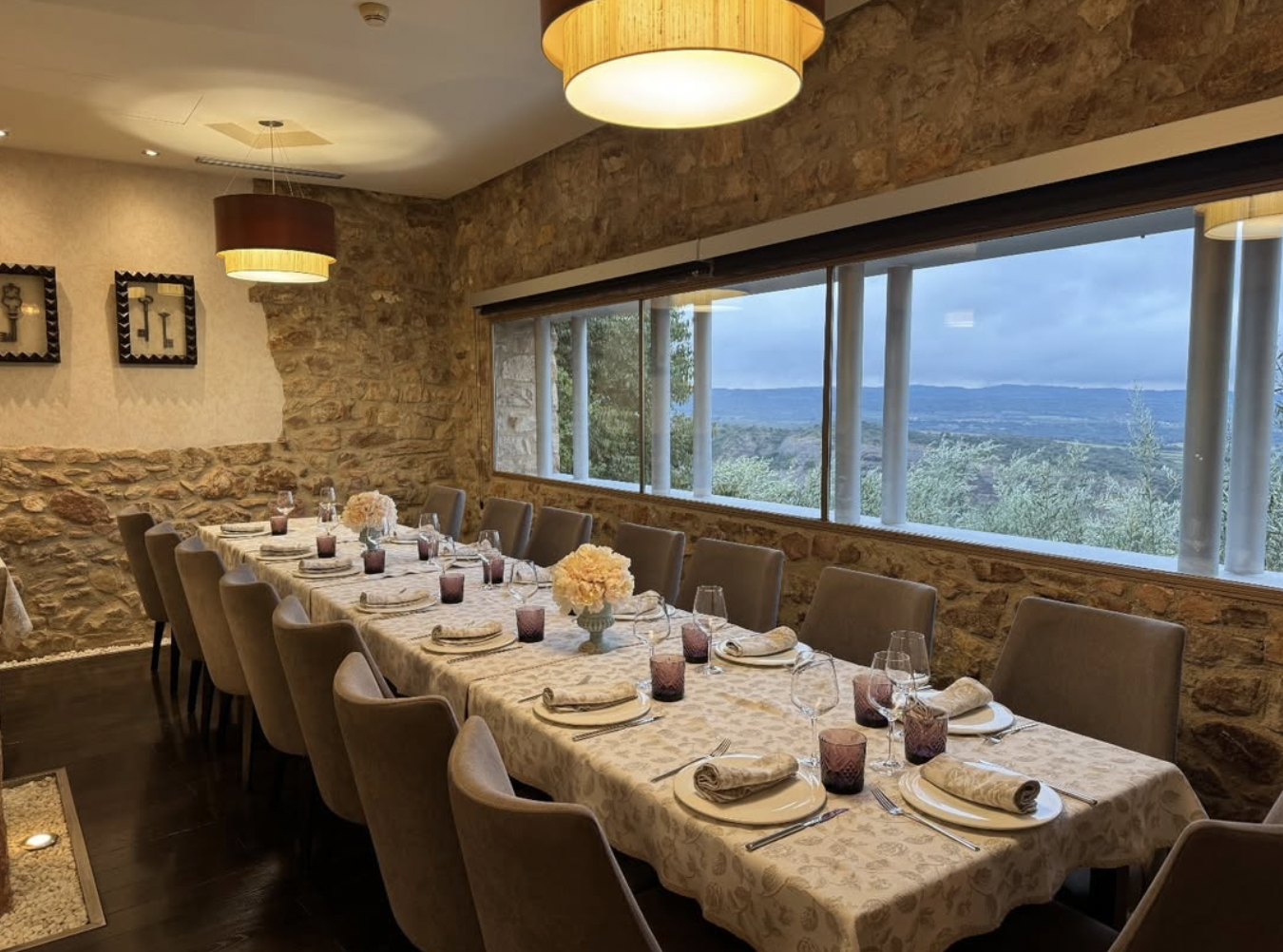
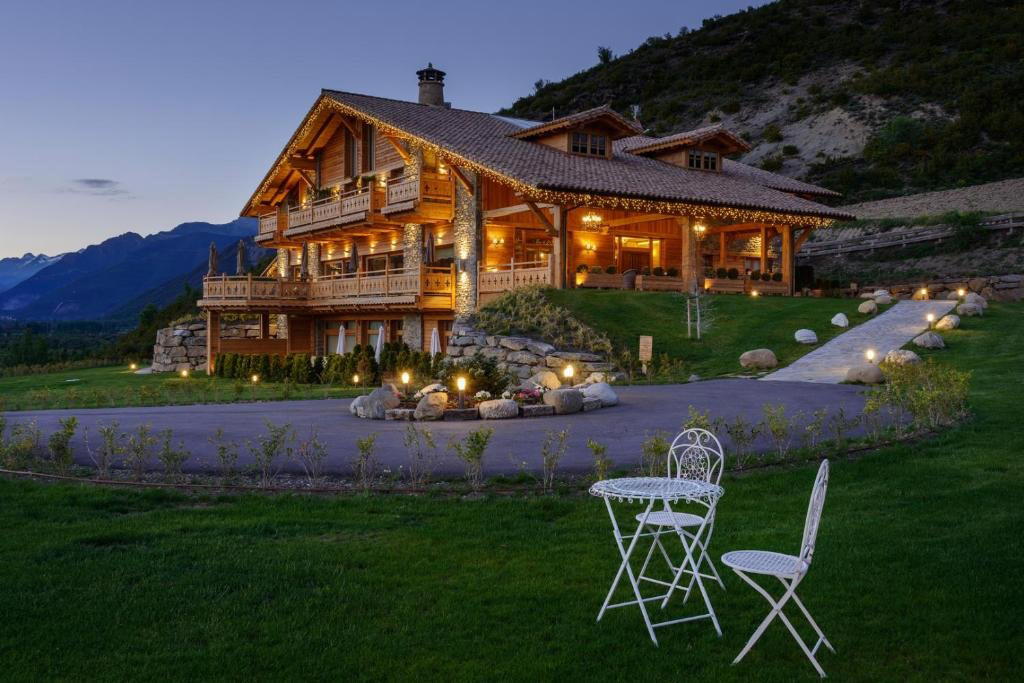
Callizo sits in that argument directly. Housed in a substantial stone property on the Plaza Mayor — the building's exterior reads as heritage architecture, its interior as something considerably more contemporary, the restaurant operates as one of the few Michelin-starred addresses in the Aragonese Pyrenees. It reflects a dining experience that consistently lands for people who have travelled specifically to reach it.
What "Techno-Emotional Mountain Cuisine" Actually Means
The phrase "techno-emotional mountain cuisine" is the kitchen's own framing, and it is worth taking seriously rather than dismissing as marketing language. The "techno" half reflects a broader movement in Spanish cooking, the influence of the Ferran Adrià generation, the application of precision technique and contemporary method to traditional ingredients, that has filtered outward from the Basque Country and Catalonia into regions that were previously considered gastronomic backwaters. Compare the flagship houses of that tradition: Arzak in San Sebastián, Azurmendi in Larrabetzu, or El Celler de Can Roca in Girona, all three-star houses that defined what technique-driven Spanish cooking could be. Callizo operates at a different price point and scale, but it sits in the same intellectual tradition.
The "emotional" half is the part that ties to place. In mountain cuisine specifically, the emotional register comes from recognition, from the moment a diner realises that what is on the plate is a precise version of a thing they have seen in the landscape outside. That connection between terrain and table is the hardest thing to manufacture and the most powerful thing to experience when it works.
Two Menus, One River, and the Logic of Local Supply
Menu structure at Callizo runs to two tasting formats, Tierra and Piedras, both built around the small-scale producers of the Sobrarbe comarca. In a region where the agricultural economy operates at a scale too small to interest large-volume buyers, this kind of sourcing relationship is not simply an ethical position; it is the only way to access ingredients that cannot be found anywhere else. The producers who supply the kitchen are, in effect, co-authors of the menus.
Sourcing credential that the Michelin record specifically notes is trout from the Cinca river, a watercourse that runs through the valley below Aínsa before descending south toward the Ebro. The kitchen's treatment of it as a ceviche demonstrates the "techno" dimension of the menu: a Central and South American acid-cure technique applied to a specifically Pyrenean freshwater catch. That kind of deliberate juxtaposition, local ingredient meeting global method, was flagged in the Spanish series "21st Century Pyrenean Landscapes," which used the dish as a case study in how mountain food culture is being reinterpreted. The dish appeared in that context not as novelty but as argument: that Sobrarbe's rivers, fields, and forests are capable of producing cooking that operates in a global register without leaving the valley.
This is the sourcing logic that distinguishes creative mountain restaurants from their coastal counterparts. Houses like Aponiente in El Puerto de Santa María or Quique Dacosta in Dénia work with the biodiversity of the sea. Callizo works with the biodiversity of altitude: the fungi, the river fish, the cured meats, the mountain herbs that define Pyrenean food culture at its most specific.
The Space and the Sequence
The physical format of the experience matters here in a way it does not at every restaurant. The Michelin record describes the dining at Callizo as a "staged journey through the house", meaning the architecture itself is part of the structure, with different moments of the meal taking place in different parts of the building. This is not unusual in Spain's more ambitious creative restaurants; Cocina Hermanos Torres in Barcelona and DiverXO in Madrid both use spatial choreography as a tool for shaping the dining arc. At Callizo, the contrast between the historic exterior and the modern interior design is the first act of that choreography. The stone walls establish provenance and rootedness; the contemporary fit-out signals that what follows will not be folk cuisine or heritage recreation, but something more technically demanding.
The kitchen's own description of the experience references "delicate textures and distinct contrasts", phrasing that aligns with a cooking approach that prioritises precision over abundance, restraint over spectacle. For context, this is the direction that Spain's most considered creative kitchens have moved in over the past decade: away from the maximalism of the early molecular era and toward a more controlled expression where every element on the plate carries editorial weight. Mugaritz in Errenteria and Martin Berasategui in Lasarte-Oria represent different points on that spectrum; Callizo, working at a smaller scale and with a tighter geographical brief, sits toward the restrained end.
Getting There and Planning the Visit
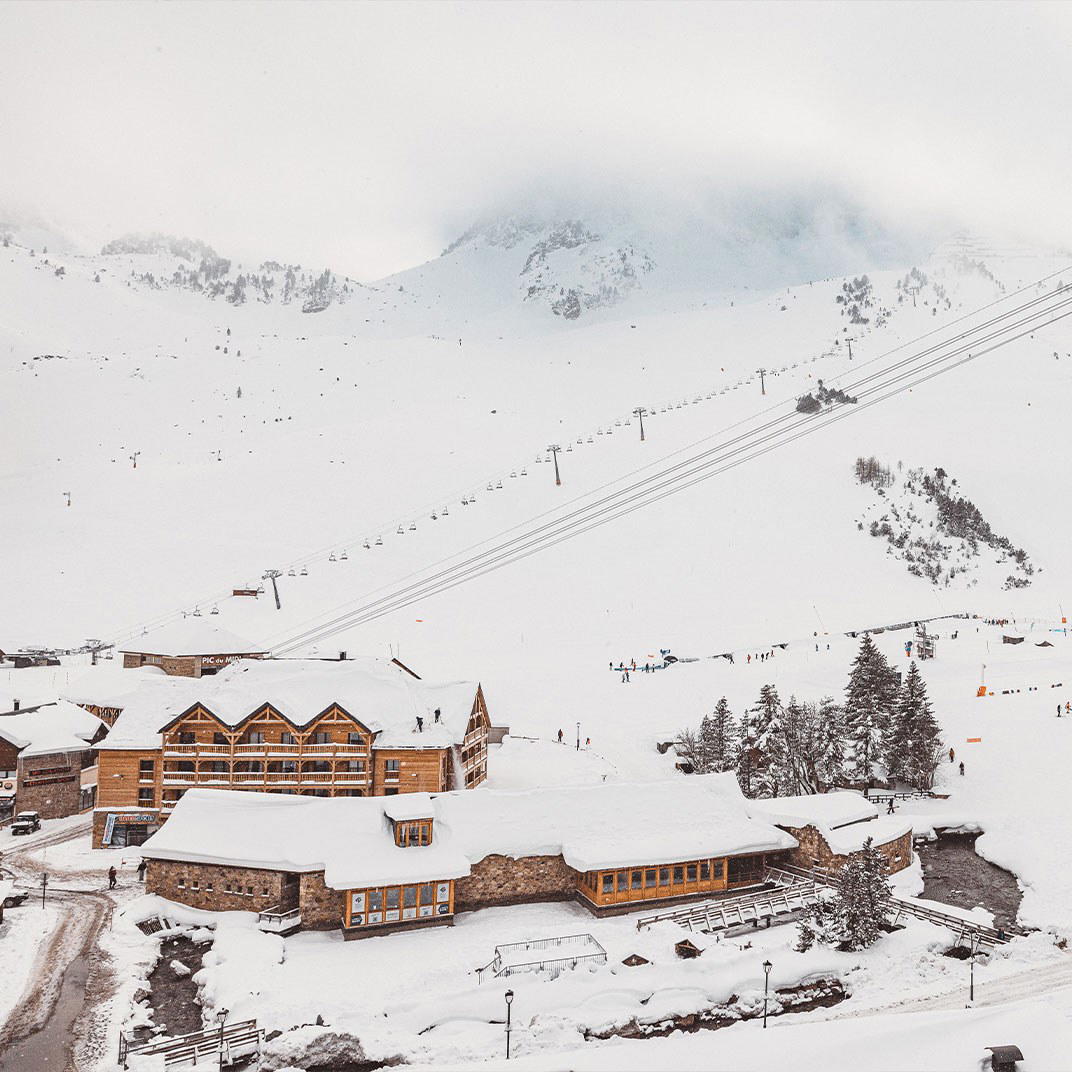
Aínsa is not a destination you pass through, you go to it specifically, which is part of what makes the 4.7 rating meaningful. The town sits in the Huesca province of Aragon, inside the Sobrarbe comarca, roughly two hours by road from Zaragoza and three from Barcelona. The drive through the Cinca valley is part of the orientation; by the time you reach the Plaza Mayor, the landscape has already framed what the kitchen will later articulate on the plate.
Callizo is open Tuesday through Sunday for lunch service (1 PM to 6 PM), with Mondays closed. The price range sits at the €€€€ tier, consistent with the single-star Michelin positioning and with comparable creative tasting-menu addresses in Spain's secondary cities, such as Atrio in Cáceres or Ricard Camarena in València. The lunch-only format means that a visit typically anchors a full day in the area; Aínsa's medieval quarter, the canyon at Añisclo, and the Ordesa National Park are all within range. For those building a longer stay, our full Aínsa hotels guide covers accommodation options in and around the town.
For visitors approaching the Pyrenees as a food-and-travel territory rather than just a lunch destination, the broader Aínsa area supports the kind of slow itinerary that a serious tasting menu rewards. The local bar scene, regional wine producers, and curated experiences in the comarca can fill the days around a Callizo booking without requiring any travel beyond the valley. Our full Aínsa restaurants guide maps the wider dining picture for those who want to extend the visit across multiple meals.
For creative restaurant comparisons beyond Spain's borders, Alléno Paris au Pavillon Ledoyen and Arpège represent the French side of the same conversation about terroir-driven precision cooking, useful reference points for readers who want to calibrate what the creative tasting menu format looks like across different national traditions.
Frequently asked questions
Is Callizo good for families?
At the €€€€ price tier and with a structured tasting menu format, Callizo is designed for diners who want to engage fully with the sequence, it is not the right setting for young children, but older teenagers with an interest in food will find the experience substantial.
What should I expect atmosphere-wise at Callizo?
The Michelin inspectors describe a stone property on the Plaza Mayor with a modern interior, the gap between those two registers is the atmosphere. Aínsa's medieval square provides the backdrop; inside, the fit-out runs contemporary. The price tier and the award recognition place this firmly in the considered, unhurried end of the dining spectrum: this is not a casual lunch stop but a structured afternoon event, which the Tuesday-to-Sunday, 1 PM-6 PM window is designed to accommodate.
What's the must-try dish at Callizo?
The Cinca river trout ceviche is the dish with documented recognition: it appeared in the Spanish series "21st Century Pyrenean Landscapes" as a case study in contemporary mountain cooking, and the Michelin record singles it out specifically. As a dish, it makes the kitchen's argument in miniature, local freshwater fish, a technique drawn from another continent, precision execution, which is why it keeps appearing as the reference point for what "techno-emotional mountain cuisine" means in practice.
Side-by-Side Snapshot
| Venue | Cuisine | Awards |
|---|---|---|
| CallizoThis venue — the venue you are viewing | Creative Techno-Emotional Mountain Cuisine | 1 Michelin Star · Guía Repsol 2 Soles |
| Aponiente | Progressive - Seafood, Creative | Michelin 3 Star |
| Arzak | Modern Basque, Creative | Michelin 3 Star |
| DiverXO | Progressive - Asian, Creative | Michelin 3 Star |
| El Celler de Can Roca | Progressive Spanish, Creative | Michelin 3 Star |
| Quique Dacosta | Creative | Michelin 3 Star |
Recognition history
Dated appearances from independent guides and award organizations, with the underlying list record or original source where available.
Michelin 1 Star
Michelin
Guía Repsol 2 Soles
Guía Repsol
Macarfi 8.7 Food Rating
Macarfi
Full recognition history (5 entries)
Michelin 1 Star
Michelin
Michelin 1 Star
Michelin

Details
- Elegant
- Rustic
- Intimate
- Sophisticated
- Special Occasion
- Date Night
- Open Kitchen
- Historic Building
- Panoramic View
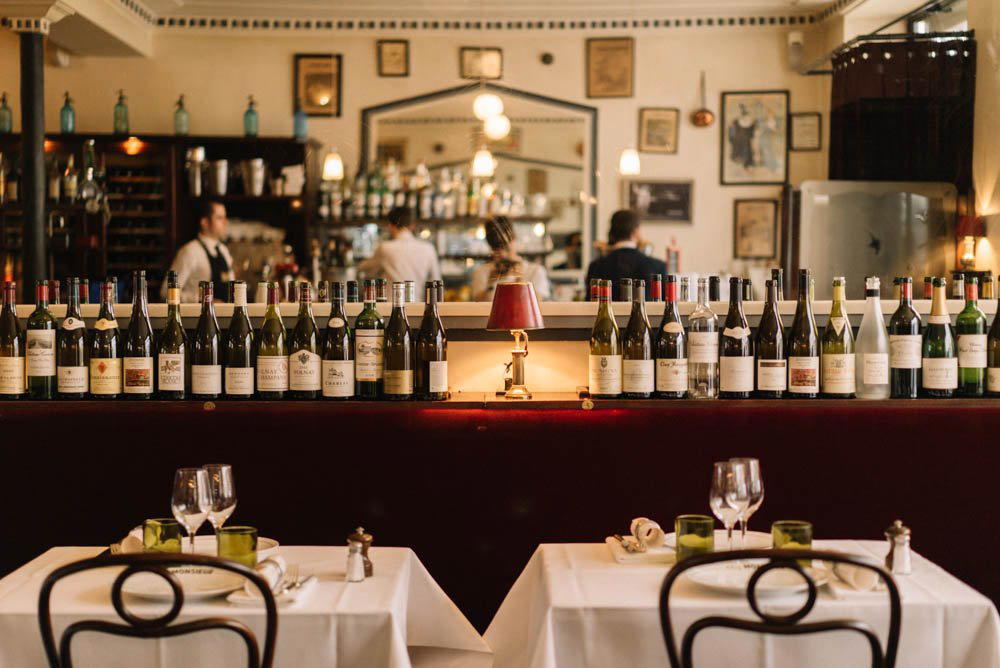
- Extensive Wine List
- Local Sourcing
- Mountain
- Tasting Menu
- Vegetarian Friendly
- Gluten Free Options
Current opening hours
- Monday
- Closed
- Tuesday
- Closed
- Wednesday
- 1–6 PM
- Thursday
- 1–6 PM
- Friday
- 1–6 PM, 7:30–11 PM
- Saturday
- 1–6 PM, 7:30–11 PM
- Sunday
- 1–6 PM
Hours can change for holidays and private events. Last verified .
Modern decor in a historic stone property with mountain views, warm professional service, and theatrical presentations creating an exciting yet elegant atmosphere.