


1 Michelin Star · Macarfi 8.5 Food Rating · Guía Repsol 1 Sol
Our verdict
A Michelin-starred address in the Aragonese village of Sardas, La Era de los Nogales places contemporary cooking inside a glass marquee that reads as deliberately incongruous against the stone facades of Alto Gállego. Two tasting menus draw on the seasonal produce and culinary traditions of Huesca province, with Aragón's three provinces stitched into the opening courses.

Pearl is the En Primeur Club membership app — saves, bookings, and concierge access live there. Same editors, same standards.
- Address
- C. Baja Sardas, 2, 22613 Sardas, Huesca, Spain
- Phone
- +34 693 01 94 79
- Hours
- Mon 1:30–3 PMTue–Wed ClosedThu–Sun 1:30–3 PM
- Website
- laeradelosnogales.com
- Directions
- Get directions
- Booking
- Book on the venue's website
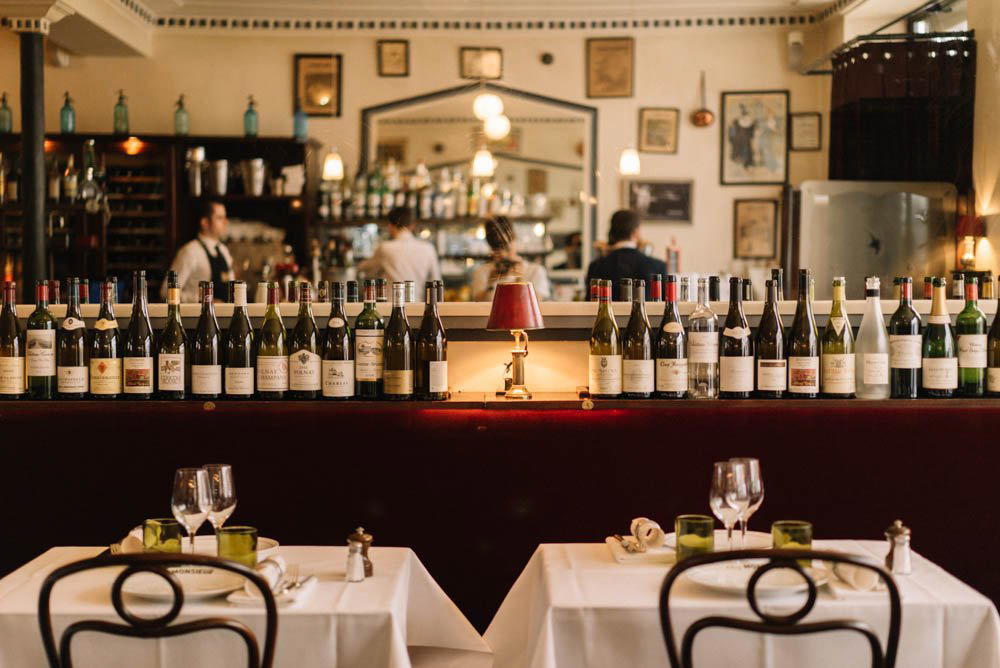
A Glass Room in a Stone Village
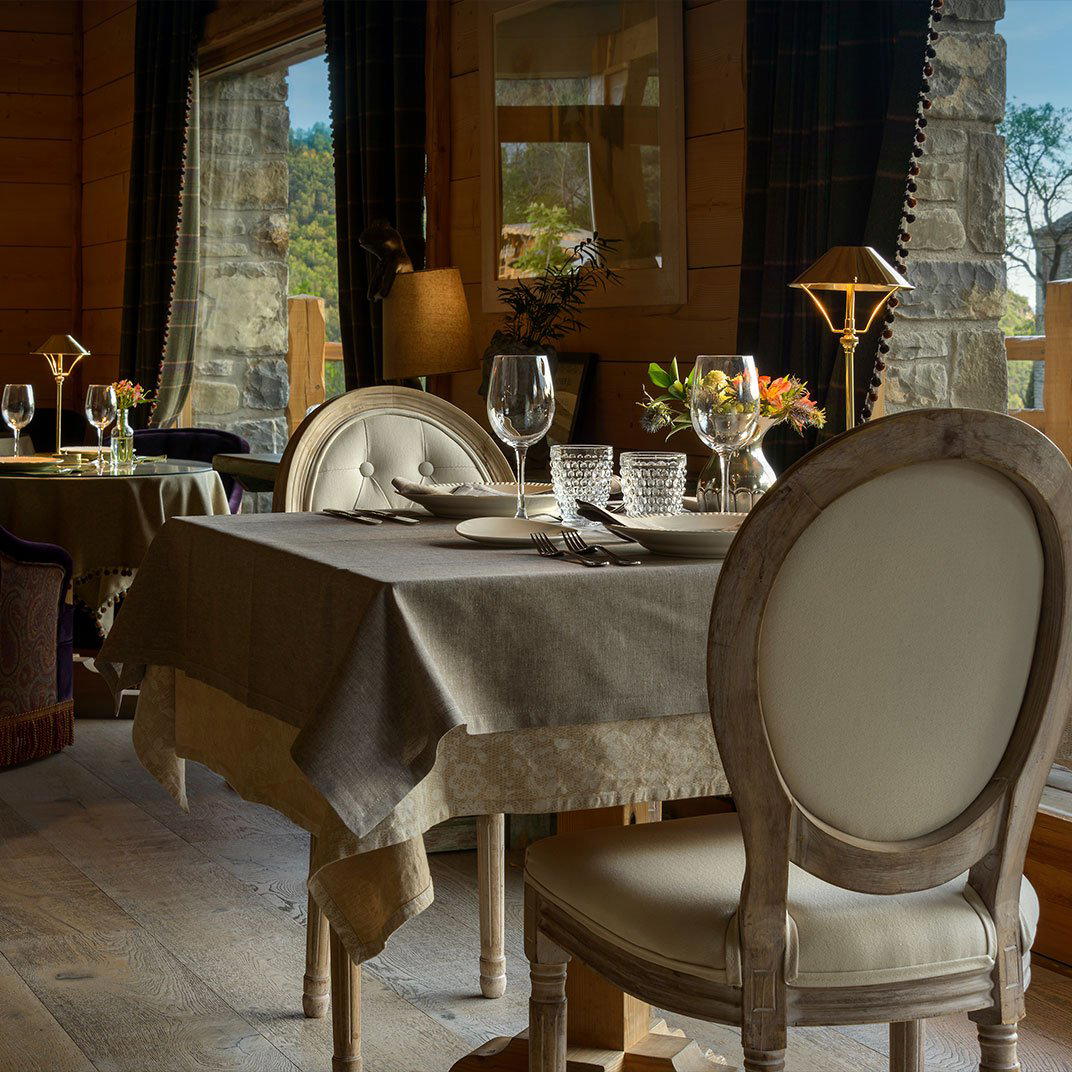
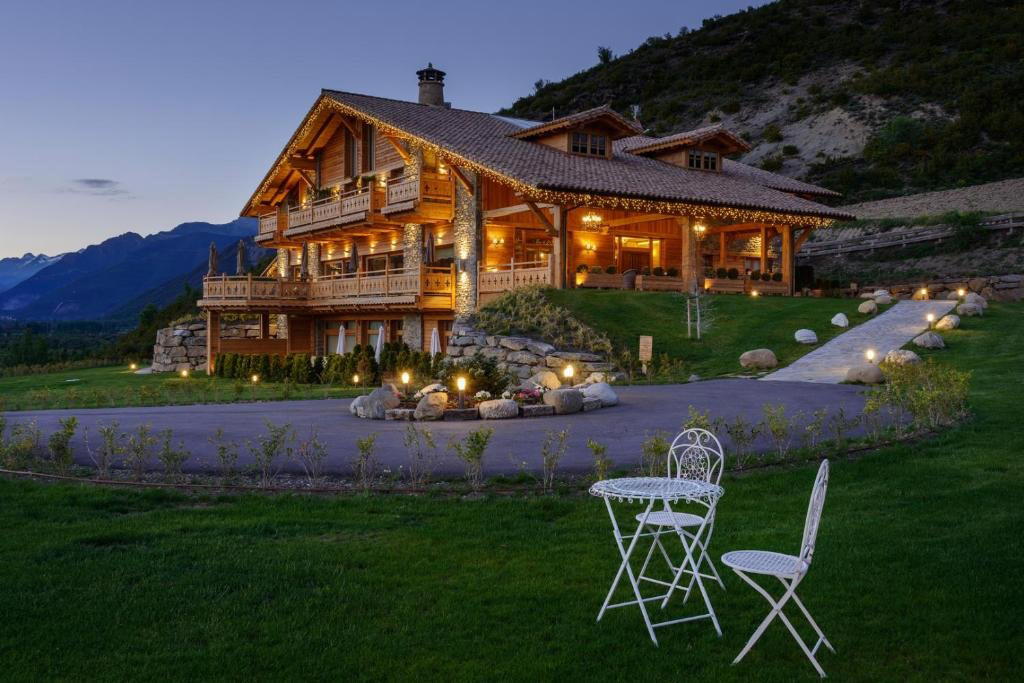
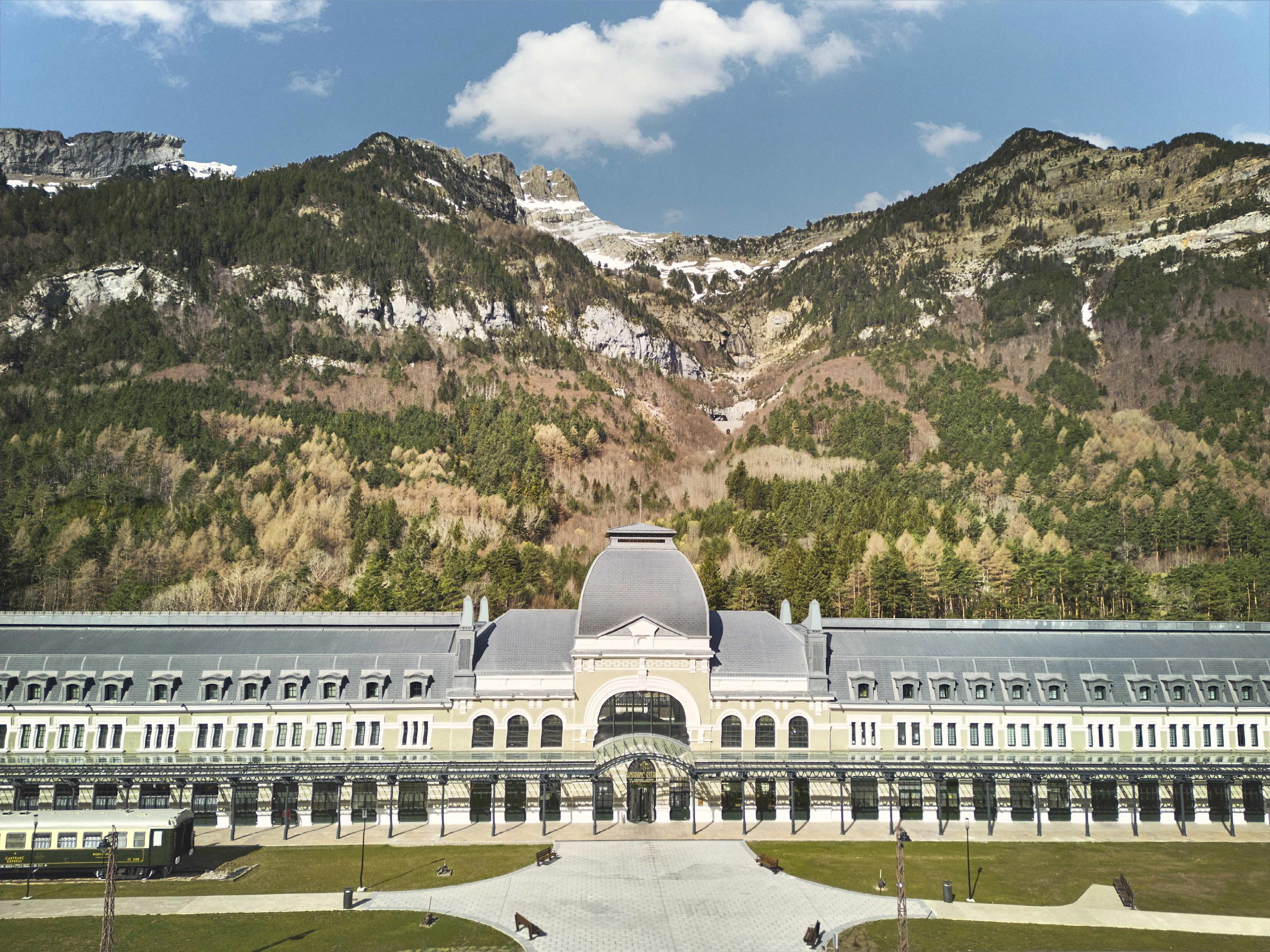
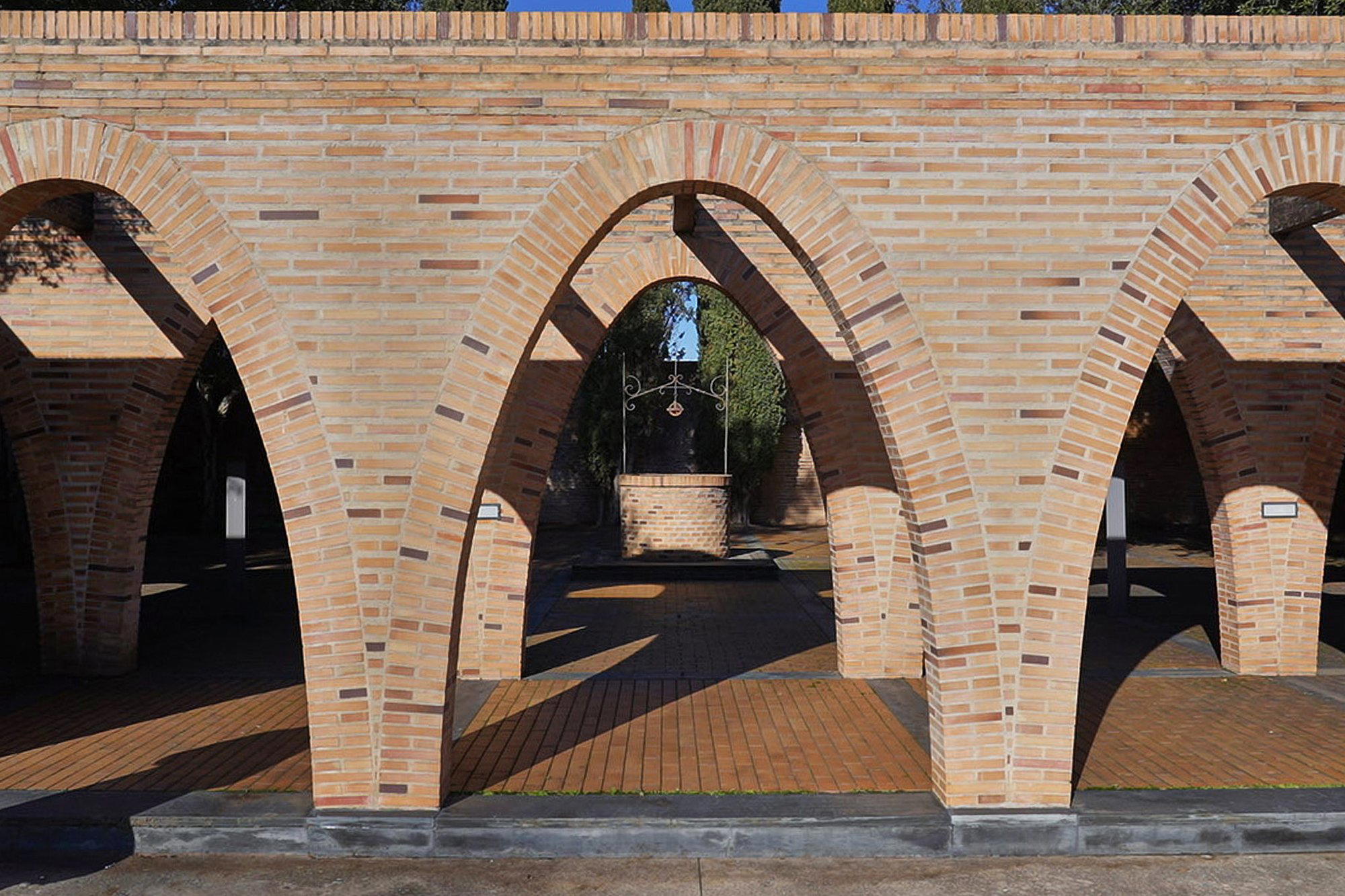
In the Alto Gállego valley of Huesca province, villages are built from the same material as the mountains behind them: pale limestone, compact, weather-worn. Sardas is no exception. The glass marquee structure that houses La Era de los Nogales reads as a deliberate interruption in that context, a transparent volume dropped into a street where every other facade absorbs light rather than transmits it. The Aragonese Pyrenees frame the backdrop, and on clear evenings the light dropping behind those peaks changes the room's atmosphere in real time. It is a setting that announces, before a single dish arrives, that something is happening here that doesn't belong to the background.
This kind of contrast, a precise, technically ambitious kitchen operating inside a rural or small-town setting, has become one of the more interesting patterns in Spanish regional fine dining. Proximity to a major city or a well-trafficked coastal route is no longer the prerequisite it once was. What drives destination dining in Spain's interior is increasingly the logic of the land: chefs working close to the source material, in the places where that source material actually exists. In Alto Gállego, that means mountain pastures, Pyrenean rivers, and the agricultural traditions of Aragón's three provinces, Huesca, Zaragoza, and Teruel. La Era de los Nogales holds a Michelin star earned in 2024, which places it in a specific tier of Spanish regional cooking: recognised, but not yet in the cluster of three-star addresses that includes Arzak in San Sebastián, Azurmendi in Larrabetzu, El Celler de Can Roca in Girona, or Mugaritz in Errenteria. The price point, sitting at the €€ tier, places it well below those addresses and well below the city-based starred restaurants of Spain's urban circuits.
Where the Food Comes From
The editorial angle that makes La Era de los Nogales legible as a dining destination is ingredient sourcing, and specifically the argument that proximity to production changes what ends up on the plate. Aragón's three provinces each bring distinct agricultural character: Huesca in the Pyrenean north produces lamb, game, river fish, and mountain herbs; Zaragoza in the central Ebro basin contributes vegetables, fruit, and cereal; Teruel in the south is defined by its cured meats, notably its protected-designation ham and lamb from the Maestrazgo uplands. Chef Toño Rodríguez uses the opening appetisers, eaten standing rather than seated, as a structured tribute to all three, a format that functions as both a geographic orientation and a signal about how seriously regional identity is taken in the kitchen.
This approach sits within a broader current in Spanish gastronomy that has been gaining force since the early 2000s: the idea that a region's culinary credibility lies not in replicating techniques from Catalonia or the Basque Country, but in interrogating what grows, grazes, or swims locally and applying contemporary method to that material. Aragón was somewhat slower to enter this conversation than the Basque Country or Valencia, but the emergence of starred addresses in Huesca province signals a maturing regional scene. For context on how far that model has developed elsewhere in Spain, addresses like Ricard Camarena in València or Quique Dacosta in Dénia show what deep commitment to a regional ingredient base looks like at higher Michelin tiers. La Era de los Nogales operates at an earlier point on that arc, but the logic is consistent.
The seasonal dimension matters here in a way that is more than rhetorical. At altitude in the Pyrenean foothills, the growing season is compressed and distinct. Spring brings wild herbs and river trout. Summer opens up the vegetable range. Autumn means game, mushrooms, and the transition to preserved and cured products. A kitchen built around local, seasonal ingredients in this specific geography isn't working with the year-round availability that flatland or coastal producers enjoy. The menu has to move with the mountain calendar, which in practice means that the experience in April is structurally different from the experience in October.
Two Menus, One Philosophy
The format at La Era de los Nogales centres on two tasting menus: Recuerdos and Ambición. The naming is telling. Recuerdos (memories) positions one menu in the territory of childhood dishes and regional classics reinterpreted; Ambición (ambition) signals a more forward-looking, technically driven format. The split reflects a tension that many one-star kitchens manage carefully: how much of the menu is about honouring tradition, and how much is about demonstrating technique and creative reach. Having two separate menus rather than a single progression is a structural choice that allows different audiences into the same kitchen without compromising either direction.
During summer months, specifically June through September, a restricted à la carte option becomes available for dinner, which opens the format slightly for guests who prefer not to commit to a full tasting sequence. This is the exception rather than the rule: for most of the year, the tasting menus are the primary vehicle. The dessert course has been specifically cited in the restaurant's Michelin documentation, with Pan de Sayón using Ecostean olive oil and chocolate as one named example. Ecostean is a producer from the Secastilla valley in Huesca, known for a high-polyphenol olive oil from varieties grown at altitude. Its appearance in a dessert rather than a savoury course is an indicator of how the kitchen treats local producers: not as a backdrop ingredient, but as a featured element capable of carrying a dish.
For a broader map of Spain's contemporary fine dining, including the addresses at the three-star tier, our guides to Martin Berasategui in Lasarte-Oria, Cocina Hermanos Torres in Barcelona, DiverXO in Madrid, Aponiente in El Puerto de Santa María, and Atrio in Cáceres provide useful reference points. For international comparisons in the contemporary tasting menu format, Frantzén in Stockholm and FZN by Björn Frantzén in Dubai represent how the small-format, highly sourced tasting menu model travels across geographies.
Planning a Visit
Sardas is a small village in the Alto Gállego comarca, roughly 75 kilometres north of Huesca city via the A-132 and A-23 roads, and approximately the same distance south of the French border at Somport. The nearest significant town is Sabiñánigo, a few kilometres to the south, which serves as the functional base for the valley. Driving is the practical approach: public transport connections to Sardas are limited, and the restaurant sits at Calle Baja Sardas, 2. The mountain roads are well-maintained but require awareness of seasonal conditions, particularly outside the summer window.
Service hours are narrow: lunch runs from 1:30 PM to 3:00 PM Thursday through Sunday, with Monday also open at the same hours. Tuesday and Wednesday are closed. There are no dinner sittings outside the summer à la carte window. This is not an address that accommodates last-minute decisions: a lunch reservation is the operative format, and given the single sitting window per day and the scale of the village, planning several weeks ahead is advisable. The price range at €€ positions this as one of the more accessible starred restaurants in northern Spain, particularly relative to Basque Country comparators at the €€€€ tier.
For those building a longer Aragonese itinerary, the broader Sardas area provides context worth investigating. Our full Sardas restaurants guide, hotels guide, bars guide, wineries guide, and experiences guide cover the broader Alto Gállego offer. The Pyrenean corridor between Sabiñánigo and Jaca has enough walking, climbing, and cultural infrastructure to support a multi-day stay, with La Era de los Nogales as the anchor dining event rather than a standalone detour.
Frequently asked questions
Is La Era de los Nogales expensive?
Pricing at La Era de los Nogales is listed as €€.
Comparison Snapshot
| Venue | Cuisine | Awards |
|---|---|---|
| La Era de los NogalesThis venue — the venue you are viewing | Modern Spanish Cuisine | 1 Michelin Star · Macarfi 8.5 Food Rating |
| Aponiente | Progressive - Seafood, Creative | Michelin 3 Star |
| Arzak | Modern Basque, Creative | Michelin 3 Star |
| DiverXO | Progressive - Asian, Creative | Michelin 3 Star |
| El Celler de Can Roca | Progressive Spanish, Creative | Michelin 3 Star |
| Quique Dacosta | Creative | Michelin 3 Star |
Recognition history
Dated appearances from independent guides and award organizations, with the underlying list record or original source where available.
Michelin 1 Star
Michelin
Guía Repsol 1 Sol
Guía Repsol
Macarfi 8.5 Food Rating
Macarfi
Full recognition history (5 entries)
Michelin 1 Star
Michelin
Michelin 1 Star
Michelin

Details
- Rustic
- Elegant
- Scenic
- Intimate
- Special Occasion
- Date Night
- Historic Building
- Local Sourcing
- Mountain
- Tasting Menu
- Allergy Accommodating
Current opening hours
- Monday
- 1:30–3 PM
- Tuesday
- Closed
- Wednesday
- Closed
- Thursday
- 1:30–3 PM
- Friday
- 1:30–3 PM
- Saturday
- 1:30–3 PM
- Sunday
- 1:30–3 PM
Hours can change for holidays and private events. Last verified .
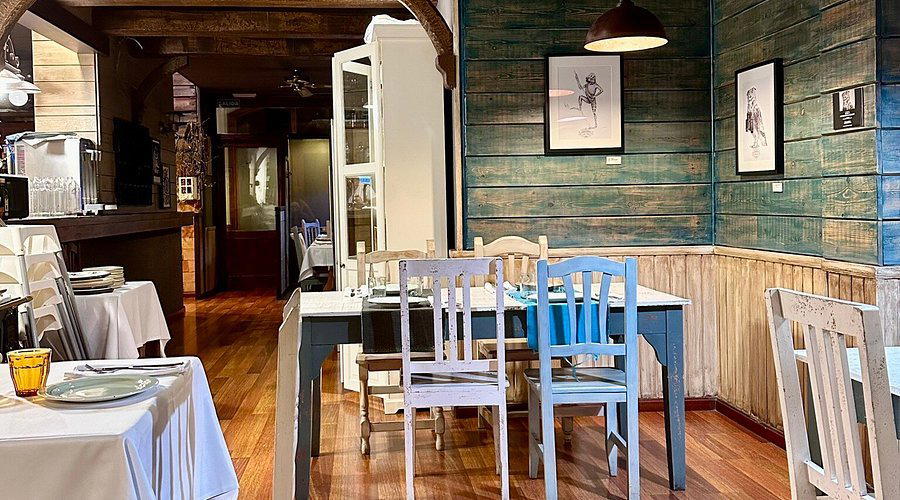
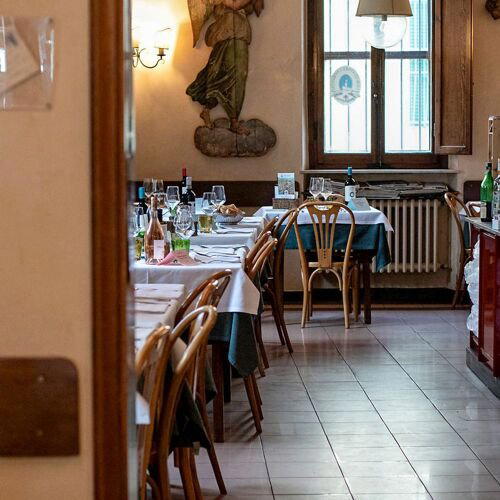
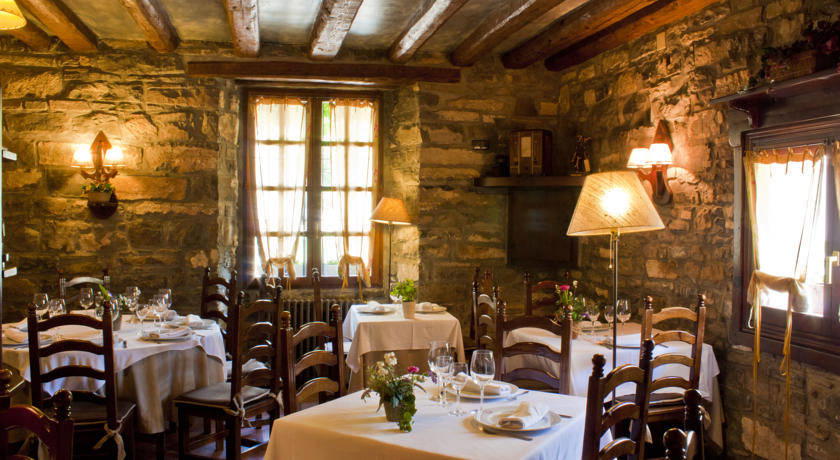
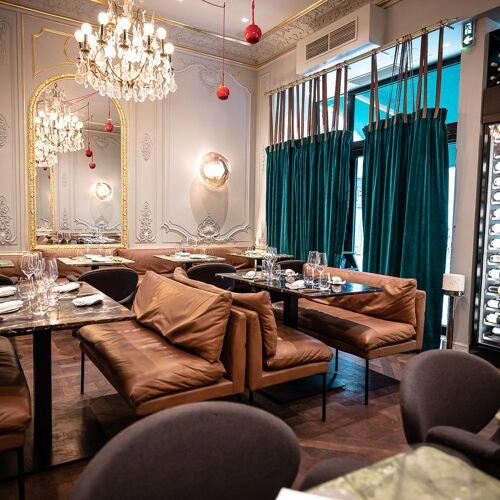
Warm and pleasant atmosphere blending modern glass marquee design with rustic stone surroundings, enhanced by polished service and scenic mountain backdrop.