


1 Michelin Star · Macarfi 7.8 Food Rating · Guía Repsol 1 Sol
Our verdict
A Michelin-starred restaurant inside a small rural hotel in the Benasque valley, Casa Arcas translates Pyrenean ingredients into precise contemporary menus shaped by Martín Berasategui-trained chefs. Three menu formats run from five to ten courses, with the dining room's open fireplace and mountain views providing a backdrop that city restaurants cannot replicate.

Pearl is the En Primeur Club membership app — saves, bookings, and concierge access live there. Same editors, same standards.
- Address
- A-139, Km 51, 22467, Huesca, Spain
- Phone
- +34 974 55 33 78
- Website
- hotelcasaarcas.com
- Directions
- Get directions
The menu
What to order
- Carabinero prawns with fennel
- Black monkfish medallion with textured asparagus and sea urchin
Where the Pyrenees Become the Pantry
Rural fine dining in the Spanish highlands operates on a different logic from its urban counterpart. Where a city restaurant controls its environment end to end, a kitchen in the Benasque valley is anchored to what surrounds it: high-altitude grazing, cold-river produce, and a short growing season that sharpens choices rather than widening them. At A-139, Km 51 in Villanova, Huesca, Casa Arcas occupies this position with a clarity that earned it a Michelin star in 2024. The dining room opens onto a fireplace and mountain views, and the cooking does not ask you to forget where you are. For the broader context of what Villanova offers beyond this table, see our full Villanova restaurants guide.
The Benasque Valley as a Sourcing Framework
Spain's creative cooking tradition has long drawn on hyper-local geography as a structural principle rather than a decorative one. The Basque school, which produced figures including Martín Berasategui in Lasarte-Oria and the experimental precision of Mugaritz in Errenteria, built its authority partly on the discipline of working from a specific coastline and its hinterland. The Pyrenean version of that argument runs through altitude and interior terrain rather than the Atlantic shelf, but the underlying logic is the same: proximity to source compresses the distance between land and plate in ways that urban supply chains cannot replicate.
The Benasque valley sits in the Aragonese Pyrenees at elevations that compress the growing season and concentrate flavour in everything from herbs to root vegetables. The ski slopes of Aramón-Cerler lie nearby, which means the area draws visitors with some spending depth during the winter months, but the restaurant's sourcing rationale holds across seasons. Carabinero prawns arriving from Spanish coastal waters and black monkfish processed through Pyrenean technique represent a conversation between sea and mountain that is a recurring motif in northern Spanish contemporary cooking, visible also in the coastal ambition of Aponiente in El Puerto de Santa María and the boundary-pushing menus at Quique Dacosta in Dénia, both operating at a significantly higher price tier.
Menu Architecture: Three Routes Through the Same Territory
Contemporary tasting menus in Spain have consolidated around a familiar model: multiple courses, a choice of depth, wine pairing as an optional layer. Casa Arcas structures this through three named formats that carry a deliberate topographic metaphor. The five-course Paseo SL-5 is available exclusively to hotel guests, functioning as a shorter route reserved for those staying on site. The Sendero PR-7 runs to seven courses and the Gran Recorrido GR-10 to ten, both open to outside diners. This tiered approach is common in rural hotel restaurants across northern Spain, where the accommodation side of the business allows the kitchen to offer a more contained option without diluting the main programs.
The menu naming signals something about how the kitchen wants the experience read: as a traverse through terrain rather than a sequence of showpiece dishes. That framing aligns with a broader movement in Spanish contemporary cooking, visible from Arzak in San Sebastián to Azurmendi in Larrabetzu, toward menus that position themselves as coherent arguments about a place rather than collections of technically impressive courses. At the €€ price point, the value proposition is clear: Michelin-starred tasting menus at this length typically sit a bracket higher in urban settings.
Berasategui Lineage and What It Implies
The kitchen at Casa Arcas is run by Ainhoa Lozano and David Beltrán, who trained under Martín Berasategui. That provenance matters as a credential because the Berasategui school is associated with technical rigour and classical foundations applied to creative contemporary formats. Across Spain's fine dining tier, training lineage functions as a signal about approach: kitchens from the Arzak or Berasategui lineages tend toward precision and discipline, while those emerging from more avant-garde backgrounds can shade toward provocation.
That positioning places Casa Arcas in a specific niche within Spanish Michelin-starred cooking: technically trained chefs operating in a rural context at accessible price points, with the ingredient story doing significant narrative work. The parallel is less with three-star urban laboratories like DiverXO in Madrid or Cocina Hermanos Torres in Barcelona, and more with destination restaurants that use geography as the primary frame, in the way that Atrio in Cáceres uses Extremaduran terrain or Ricard Camarena in València uses Valencian market produce.
Contemporary formats worldwide have developed analogous models: Jungsik in Seoul and César in New York City both demonstrate how contemporary European technique applied with local conviction can build a distinct identity rather than producing a derivative result. The mechanism is the same whether the location is urban or alpine.
The Room and Its Logic
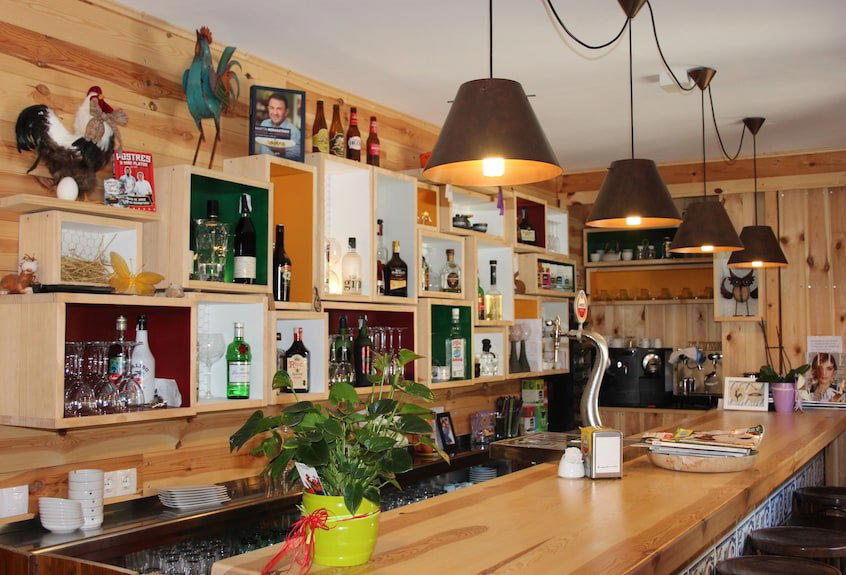
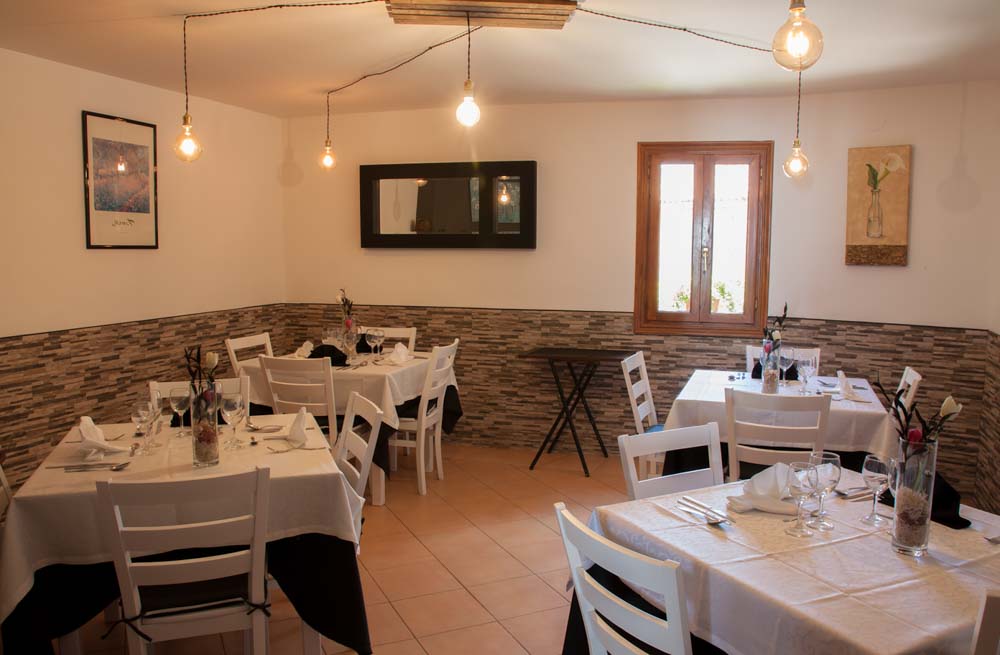
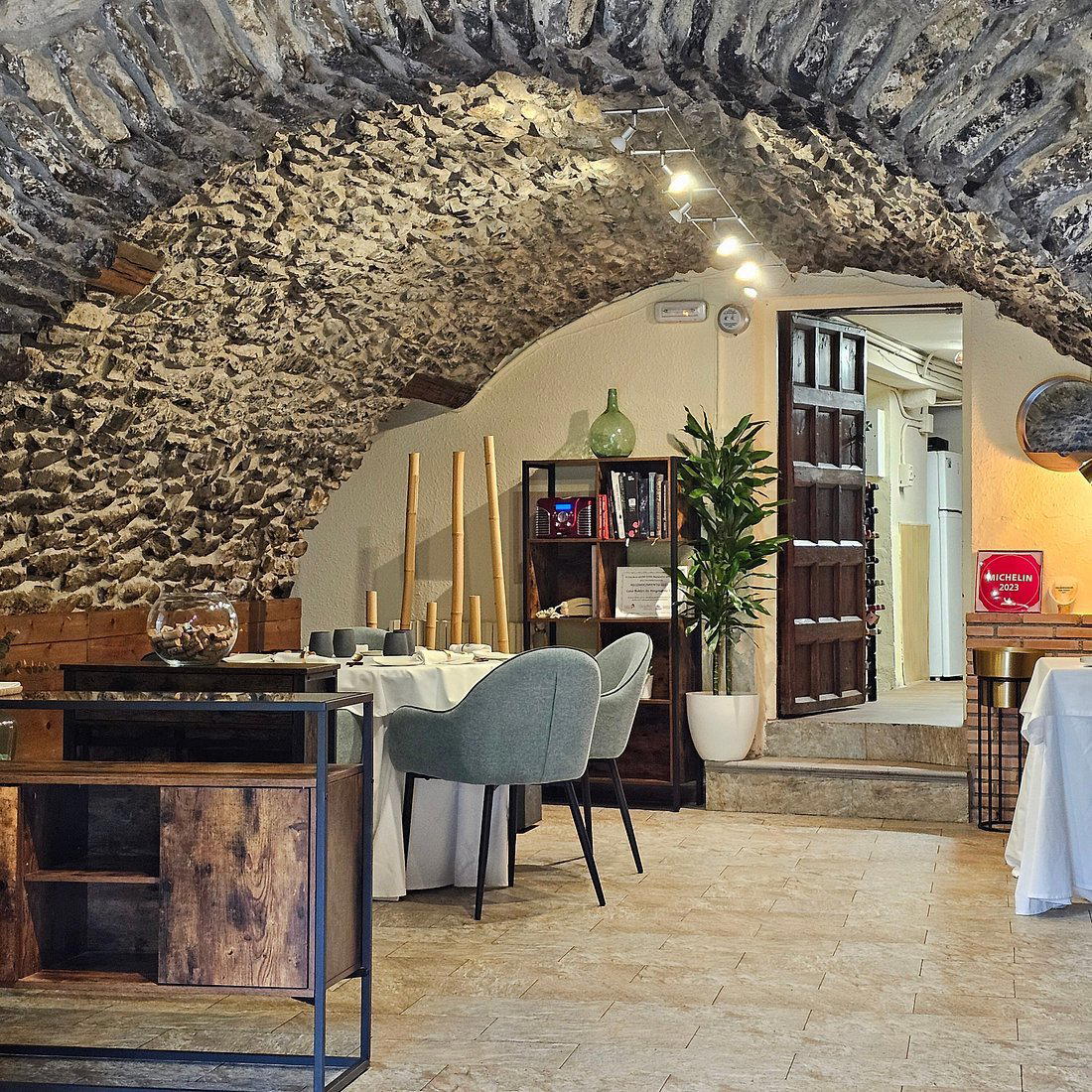
A dining room with an open fireplace and mountain views operates on a different sensory register from the spare, controlled interiors of urban fine dining. Temperature, sound, and natural light are variables that the kitchen cannot fully manage, but that the experience gains from. Rural hotel restaurants across the Pyrenees and Cantabrian range have tended either to lean into this rusticity or to neutralise it with generic contemporary interiors. The choice to preserve the fireplace and frame the views suggests a deliberate alignment between the room's character and the kitchen's sourcing argument: both are pointing in the same direction.
This is a small hotel restaurant, which means seat count is limited and the atmosphere tilts toward the intimate rather than the theatrical. Those expecting the production scale of a multi-room urban destination should recalibrate. Those who arrive understanding that the format is closer to a well-staffed private dining room in the mountains will be better positioned to read it correctly.
Planning Your Visit
Casa Arcas sits at A-139, Km 51, 22467, Huesca, in the Benasque valley, which means a car is the practical means of arrival. The Aramón-Cerler ski area nearby makes winter a natural season for combining a dining visit with broader mountain activity, but the valley's character across other seasons rewards attention. The five-course menu is reserved for hotel guests, so those planning to eat the shorter format should book accommodation at the same property. The seven- and ten-course options are available to outside diners, and the Michelin star at the €€ price point means bookings should be made well ahead of any visit, particularly during ski season. For accommodation context in the area, see our full Villanova hotels guide. For what else the area offers, see bars, wineries, and experiences in Villanova.
Frequently asked questions
Is Casa Arcas a family-friendly restaurant?
The rural hotel context and €€ pricing place Casa Arcas well below the cost threshold of most Michelin-starred restaurants in Spain. That said, the format is tasting-menu-only, with courses running from five to ten, which favours older children comfortable with a longer table commitment. Families staying at the hotel gain access to the shorter five-course Paseo SL-5, which is the more practical option for mixed groups.
What's the overall feel of Casa Arcas?
The dining room centres on an open fireplace with views across the Benasque valley, which sets the tone: this is Michelin-standard cooking inside a working rural hotel, not a converted urban warehouse. The Berasategui training of Ainhoa Lozano and David Beltrán brings technical discipline to the room, but the altitude and the A-139 road outside keep things grounded in place rather than performance.
What kind of recognition has Casa Arcas received?
Casa Arcas has received recognition including: This restaurant, occupying a small rural hotel in the Benasque valley, not far from the downhill ski slopes of Aramón-Cerler, is nestled is a truly enchanting natural setting. The couple in charge, Ainhoa Lozano and David Beltrán (the latte….
What do regulars order at Casa Arcas?
The Gran Recorrido GR-10 is the ten-course option and the format most aligned with the Michelin jury's assessment of the kitchen. Michelin's 2024 star recognition, combined with the Berasategui lineage, suggests the longer menu best demonstrates what Lozano and Beltrán are doing with Pyrenean produce. The seven-course Sendero PR-7 is the middle ground for those who want range without the full commitment.
Comparable Spots, Quickly
| Venue | Cuisine | Awards |
|---|---|---|
| Casa ArcasThis venue — the venue you are viewing | Modern Spanish Fine Dining | 1 Michelin Star · Macarfi 7.8 Food Rating |
| Aponiente | Progressive - Seafood, Creative | Michelin 3 Star |
| Arzak | Modern Basque, Creative | Michelin 3 Star |
| DiverXO | Progressive - Asian, Creative | Michelin 3 Star |
| El Celler de Can Roca | Progressive Spanish, Creative | Michelin 3 Star |
| Quique Dacosta | Creative | Michelin 3 Star |
Recognition history
Dated appearances from independent guides and award organizations, with the underlying list record or original source where available.
Michelin 1 Star
Michelin
Guía Repsol 1 Sol
Guía Repsol
Macarfi 7.8 Food Rating
Macarfi
Full recognition history (5 entries)
Michelin 1 Star
Michelin
Michelin 1 Star
Michelin
Continue exploring
More in Villanova
Restaurants in Villanova
Browse all →
Hotels in Villanova
Browse all →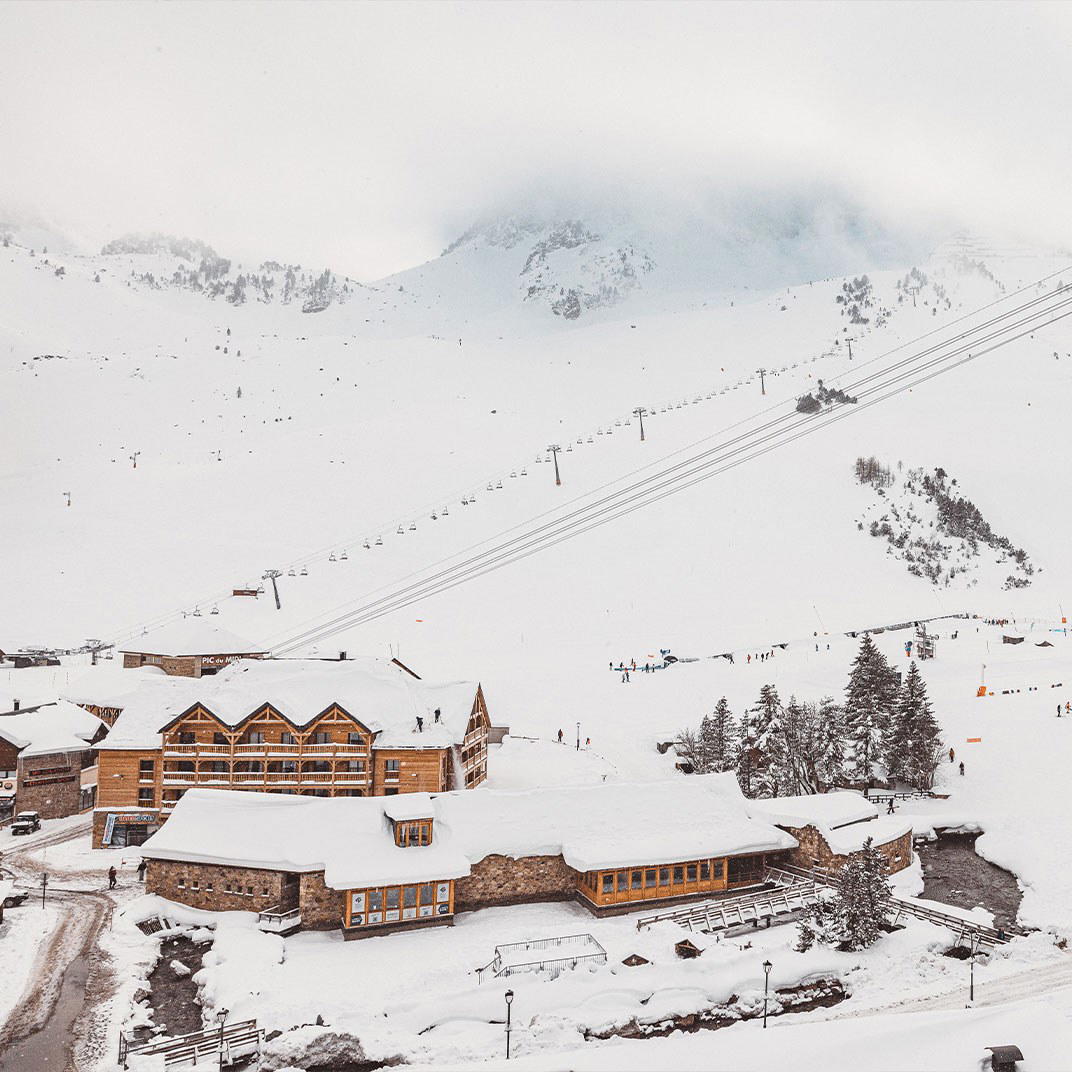
Details
- Romantic
- Cozy
- Elegant
- Intimate
- Scenic
- Date Night
- Special Occasion
- Open Kitchen
- Local Sourcing
- Mountain
- Tasting Menu
- Vegetarian Friendly
- Vegan Options
Warm dining room featuring an open fireplace, fine mountain views, cozy and intimate atmosphere well-suited for savoring intensely flavored dishes.