Our verdict
La Cantina sits on Rue St Denis in the heart of Liège, occupying a corner of the city's established dining circuit. With sparse public data available, what the address signals is positioning: a street-level presence in a city whose restaurant scene has grown increasingly confident. Cross-reference against Liège's broader Italian and creative dining tier before booking.

Pearl is the En Primeur Club membership app, where members save venues, book tables and use the concierge.
The menu
What to order
- Ossobuco
- Rigatoni al ragú
- Fettuccine alla puttanesca
Where Rue St Denis Fits in Liège's Dining Geography
Liège has spent the past decade assembling a restaurant scene with more range than its profile outside Belgium might suggest. The city sits between the culinary ambitions of Brussels and the ingredient-rich farmland of the Ardennes, and its dining rooms reflect that pull in both directions: brasseries anchored to tradition, Italian addresses that range from neighbourhood trattorias to more considered enoteca formats, and a growing cohort of creative kitchens pushing into territory more commonly associated with Antwerp or Ghent. La Cantina, at Rue St Denis 2, sits within this environment. The address places it in the central district, close to the concentration of restaurants that form Liège's most walkable dining corridor.
That geography matters for context. Rue St Denis and the streets around it function as a connective tissue between the city's older brasserie culture and the newer wave of independent operators that have arrived since the mid-2010s. A diner approaching the area on foot will pass several distinct dining registers within a few minutes, which shapes expectations about what each address needs to do to earn repeat visits.
The Italian Tier in Liège: Where La Cantina Sits
Italian dining in Liège occupies a broad price band, from accessible pasta houses to more considered rooms where the wine list and front-of-house knowledge become as central as the kitchen. The name La Cantina places it, at least nominally, within Italian tradition: a cantina in Italian food culture is a wine cellar or a modest eating house built around the bottle as much as the plate. That framing, if it holds inside the room, positions this address differently from the city's more direct trattoria formats.
For comparison, Liège's Italian tier includes addresses like Al Piccolo Mondo, Altro Maccheroni, and Antipasti di Sophie, each occupying a distinct niche within the broader category. A cantina-style address, if it follows the format implied by its name, would typically emphasise shorter menus, a wine program with genuine cellar depth, and service that treats the glass as the starting point rather than an afterthought. Whether La Cantina delivers on that implied contract is something the public record does not yet confirm in granular detail, but the name choice is an editorial signal worth noting.
Team Dynamic and the Cantina Format
The cantina model, where it functions at its finest in Italian dining, depends less on a single kitchen personality than on calibration across three roles: the cook who understands restraint and simplicity, the person managing the cellar and glass pairings, and the front-of-house presence that makes a small room feel like a considered choice rather than a default. In cities across northern Europe, the most durable Italian addresses are the ones where these three functions operate with visible coherence rather than hierarchy. The kitchen does not dominate; the wine program is not a prop; the service is not apologetic about a short menu.
This format has proven particularly resilient in Belgian cities, where diners tend to be knowledgeable about wine and skeptical of overproduced rooms. The cantina format rewards that audience because it asks them to engage: with the list, with the seasonal shifts in what's available, with the conversation at the table. At its finest, it produces evenings that feel more like an exchange than a transaction.
Liège in the Wider Belgian Context
Belgium's serious dining tier is heavily documented at the higher end: addresses like Hof van Cleve in Kruishoutem, Boury in Roeselare, and Zilte in Antwerp anchor the country's Michelin presence. Further down the recognition ladder, addresses like Willem Hiele in Oudenburg, Bartholomeus in Heist, and Castor in Beveren represent the strength of Belgium's mid-tier independent scene. Liège's own contribution to this picture is still forming, with creative operators like Héliport Brasserie and ¡Toma! pushing the city's dining conversation further than it stood a decade ago.
Italian addresses in this environment succeed when they avoid the trap of comfort-food predictability and bring something that the broader Belgian dining culture respects: sourcing clarity, wine seriousness, and format discipline. The addresses that have found durable audiences in Liège's competitive central district tend to be those with a clear point of view about what they are and what they are not. See the full Liège restaurants guide for a broader map of how these operators fit together.
For a wider Belgian reference frame, the Walloon region has produced some underappreciated serious kitchens: d'Eugénie à Emilie in Baudour and L'air du temps in Liernu demonstrate what focused ambition in the French-speaking south of the country can look like. Bozar Restaurant in Brussels and De Jonkman in Sint-Kruis round out the comparison set for diners calibrating their expectations across the country. Internationally, the model of tightly run, wine-forward Italian rooms finds some of its most refined expression at addresses like Le Bernardin in New York City or at technically serious counters such as Atomix in New York City, where the front-of-house and kitchen function as a single communicating system.
Planning a Visit
La Cantina is located at Rue St Denis 2, 4000 Liège, Belgium, in the city's central restaurant corridor and reachable on foot from Liège-Guillemins station in under twenty minutes, or by tram to the city centre. Specific price range, seat count, and menu details are similarly unconfirmed at this level of specificity. As with any address operating in Liège's central Italian tier, booking ahead on weekends is a reasonable precaution given the concentration of demand in the area.
Frequently asked questions
What part of town is La Cantina in?
La Cantina is located at Rue St Denis 2, 4000 Liège, Belgium, Liège.
How does La Cantina fit into Liège's Italian restaurant scene compared to more casual pasta spots?
The cantina designation points toward a wine-led identity that, in practice, tends to attract a different crowd than neighbourhood pasta houses. Liège's Italian dining spans a broad range from accessible lunch spots to more considered evening rooms, and an address on Rue St Denis 2 in the city's central corridor signals some ambition about which end of that spectrum it occupies. The operative question is whether the wine programme and kitchen output together justify that positioning.
What should I order at La Cantina?
Confirmed menu details for La Cantina are not part of the public record. The cantina format, common across northern Italy and its diaspora restaurants, typically anchors around pasta, shared plates, and a wine list that drives the meal's structure. If the name holds as a signal of intent, wine selection is likely a stronger focus here than at a standard trattoria on the same street.
Do I need a reservation for La Cantina?
Rue St Denis sits in Liège's central dining corridor where foot traffic is consistent, particularly on weekday evenings and weekends. For a venue operating the cantina format with a local following, arriving without a reservation on a Friday or Saturday carries real risk of a wait.
What makes La Cantina worth seeking out?
Its address at Rue St Denis 2 places La Cantina inside one of Liège's more competitive central clusters, where Italian operators are working to differentiate from one another. A cantina orientation, if it runs deeper than the name, means a wine-led approach that separates it from the pasta-first majority. Liège's dining scene has grown considerably in range over the past decade, making a wine-focused Italian address at this location a meaningful option in the city's mid-to-upper Italian tier.
Is La Cantina allergy-friendly?
Belgian restaurants are subject to EU allergen labelling regulations, which require the 14 major allergens to be declared on request. Contacting the venue directly before visiting is the only reliable way to confirm specific requirements.
Does La Cantina justify its prices?
Within Liège's Italian tier, the cantina format typically sits above casual pasta houses and below full-service fine dining rooms. Whether the wine list and kitchen output match that positioning is something the table will settle faster than any published data.
Cost and Credentials
Comparable venues nearby, for context on price, style, and recognition.
| Venue | Cuisine | Price | Notes |
|---|---|---|---|
| La CantinaThis venue (the venue you are viewing) | Authentic Italian Trattoria | $20–30 | Not listed |
| Asti | Traditional Italian Trattoria | $30–50 | Liege City Center, Traditional Italian Trattoria |
| Altro Maccheroni | Authentic Italian Pasta | $20–30 | City Center, Authentic Italian Pasta |
| OGGI Bistroteca | Contemporary Italian Bistroteca | $30–50 | Centre-Ville, Contemporary Italian Bistroteca |
| Ventre Content | Creative Seasonal Vegan | $30–50 | city center, Creative Seasonal Vegan |
| Le Frangin | Belgian-Moroccan Frituur | $10–20 | Liège, Belgian-Moroccan Frituur |
Continue exploring
More in Liège
Restaurants in Liège
All restaurants in Liège →
Bars in Liège
Browse all →

Details
- Cozy
- Rustic
- Intimate
- Date Night
- Family
- Group Dining
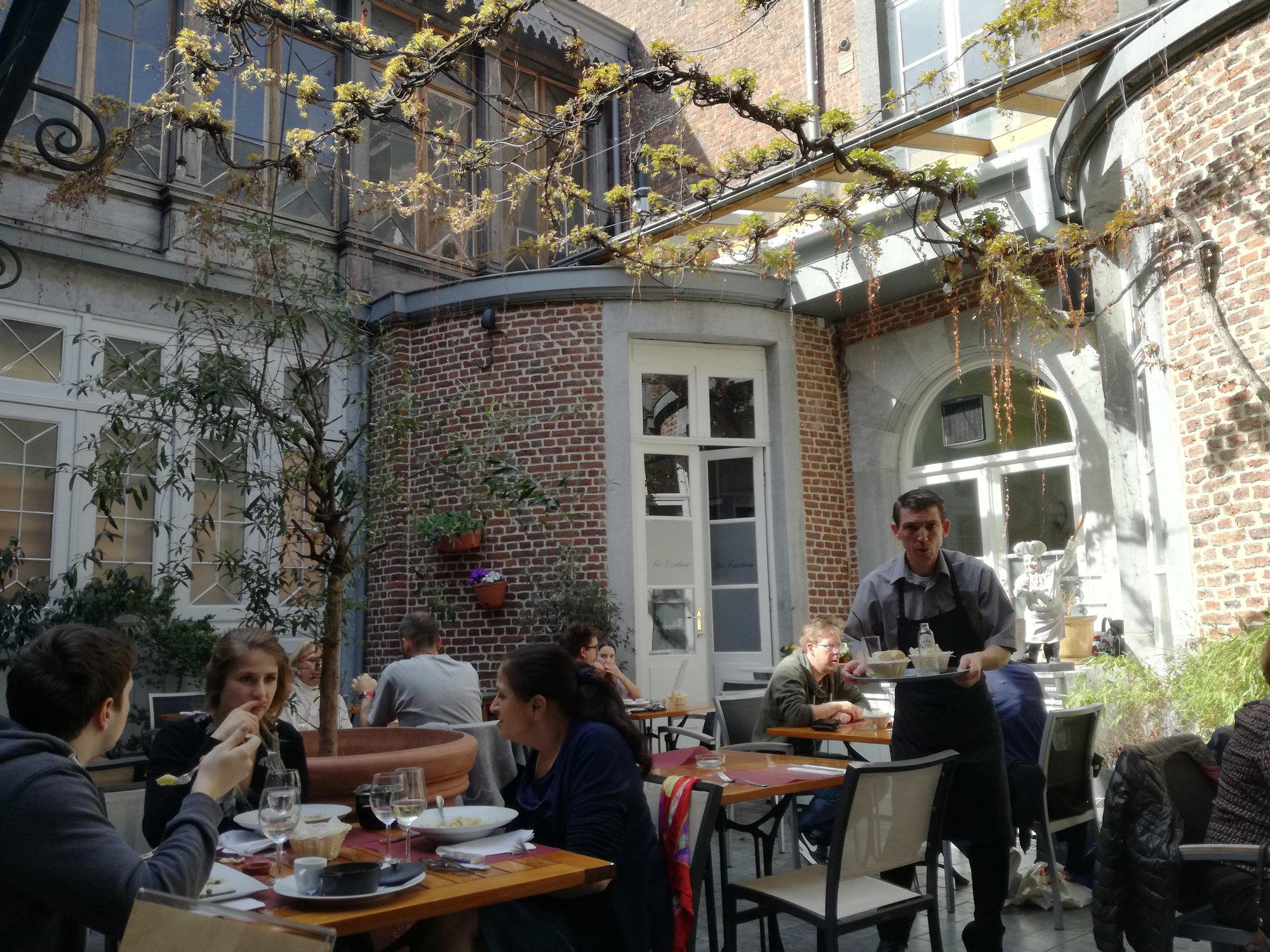
- Courtyard
- Extensive Wine List
- Local Sourcing
- A La Carte
- Vegetarian Friendly
Current opening hours
- Monday
- Closed
- Tuesday
- Closed
- Wednesday
- 12–10 PM
- Thursday
- 12–2:30 PM, 7–10 PM
- Friday
- 12–2:30 PM, 7–10 PM
- Saturday
- 12–3 PM, 7–10 PM
- Sunday
- Closed
Hours can change for holidays and private events. Hours as of .
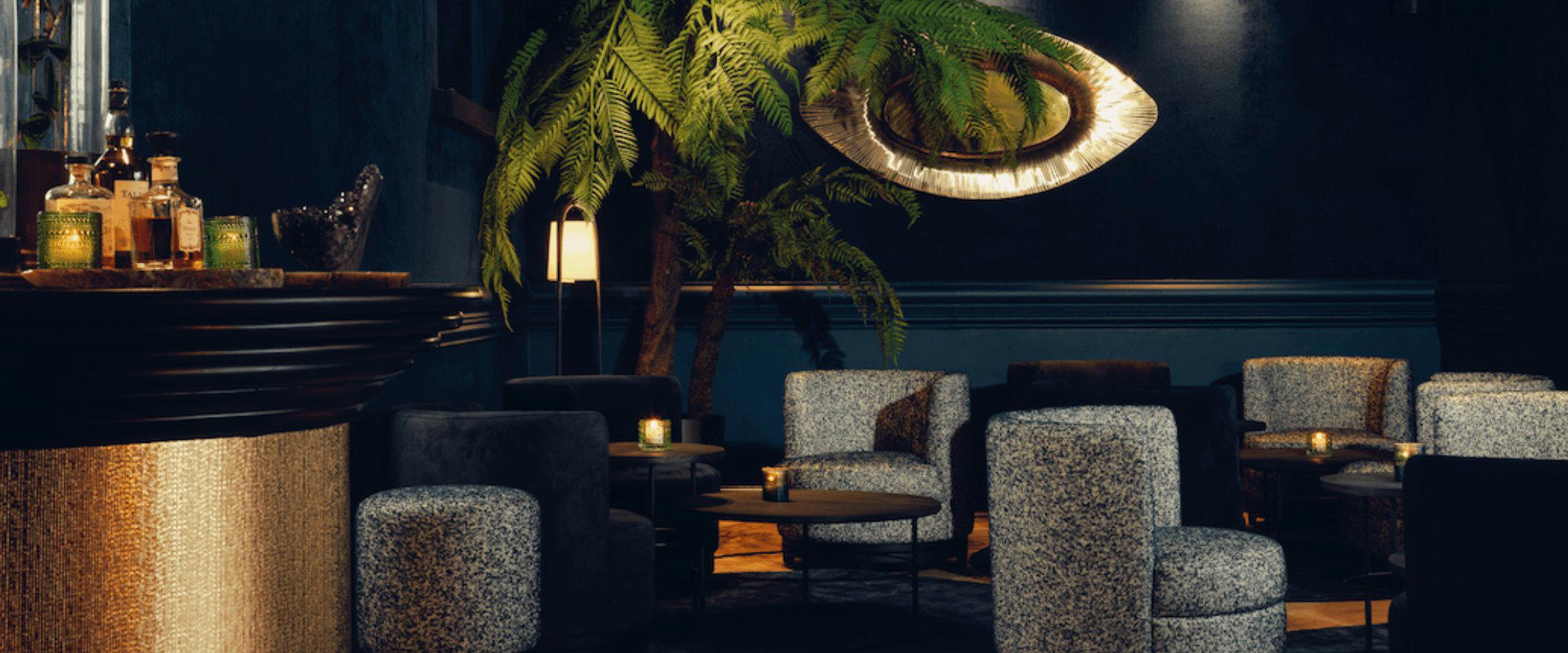
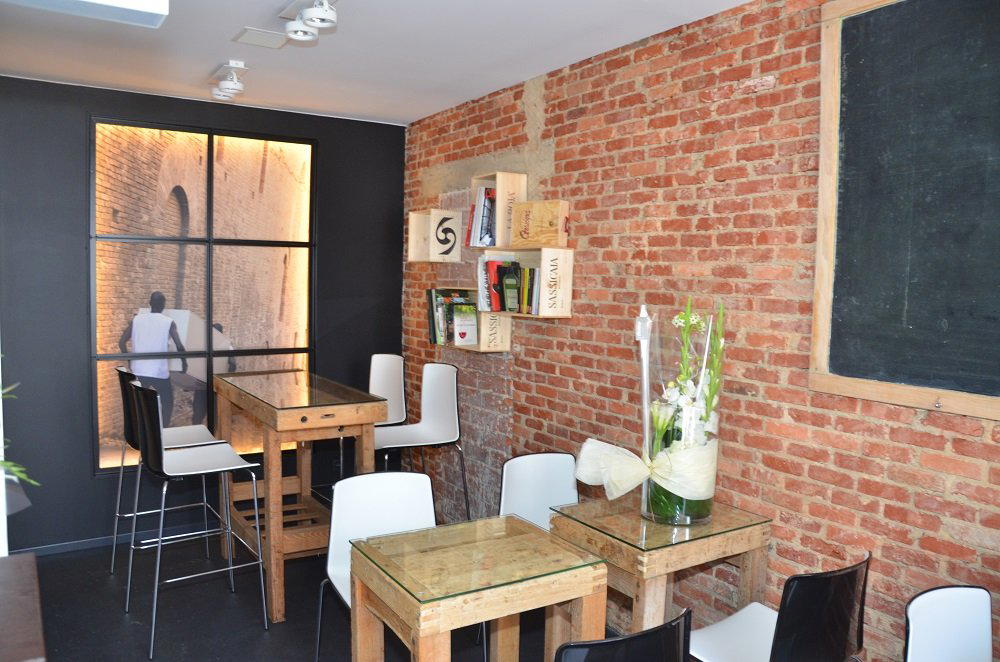
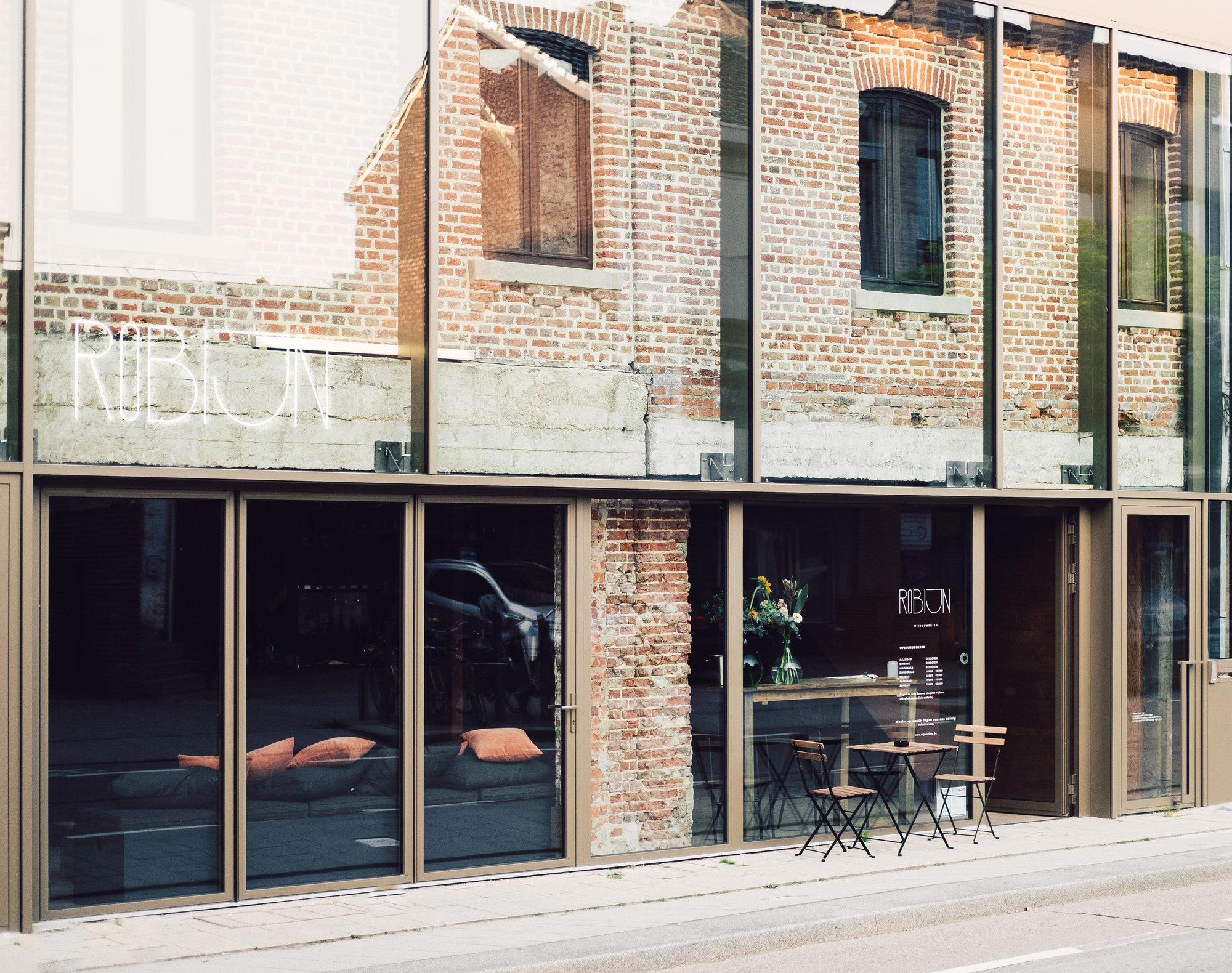
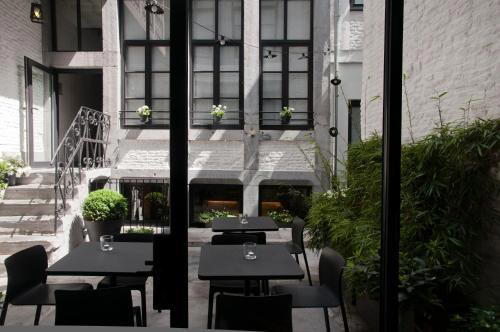
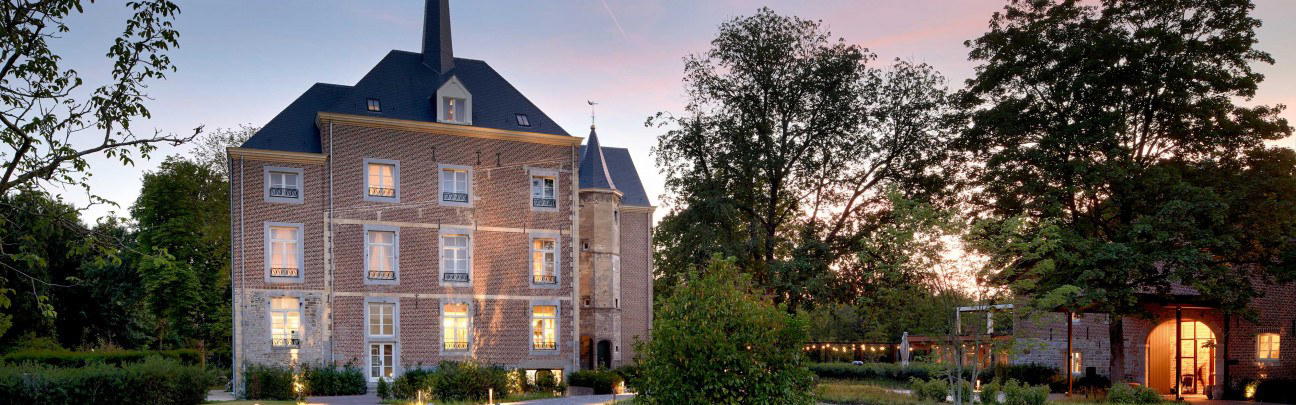
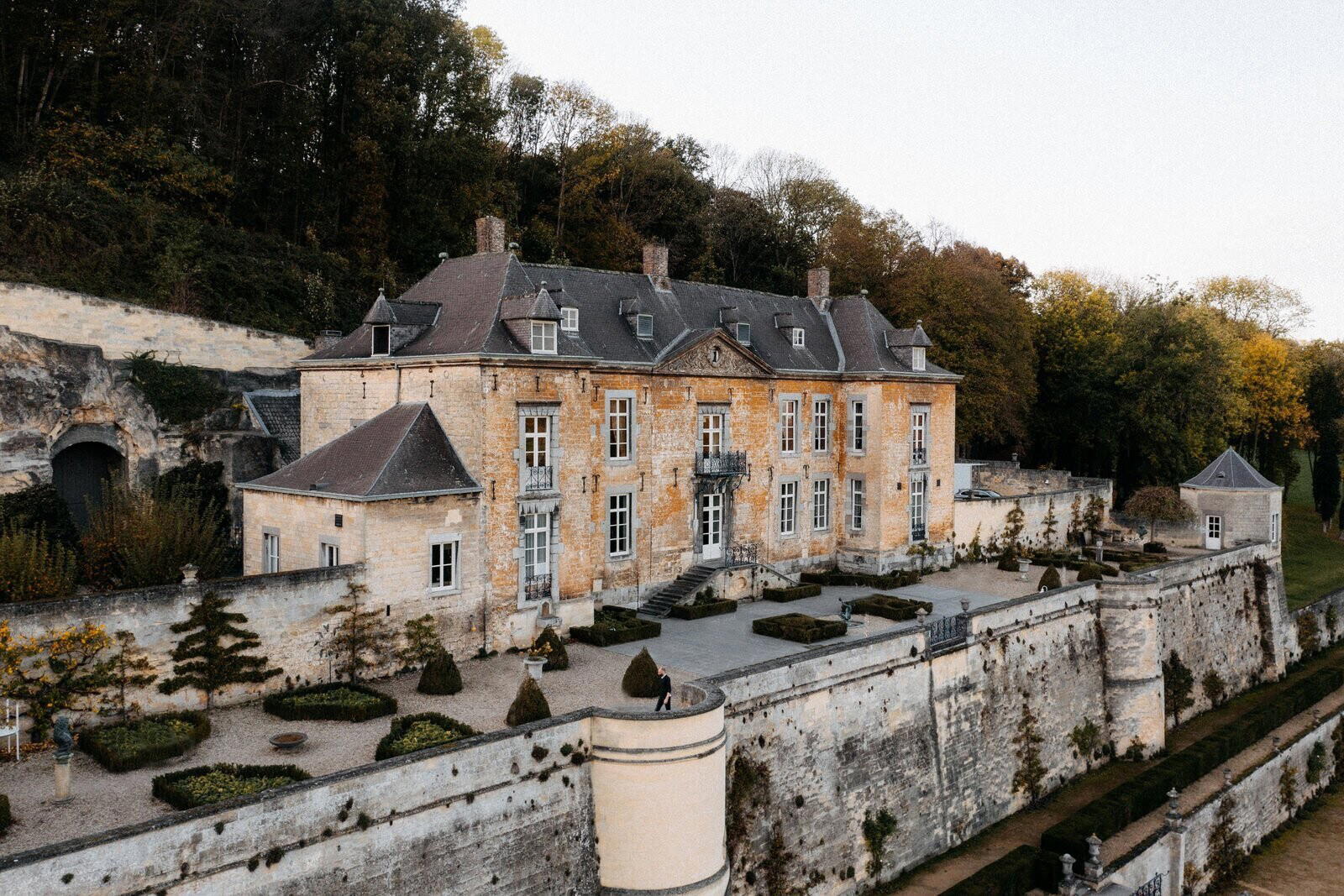
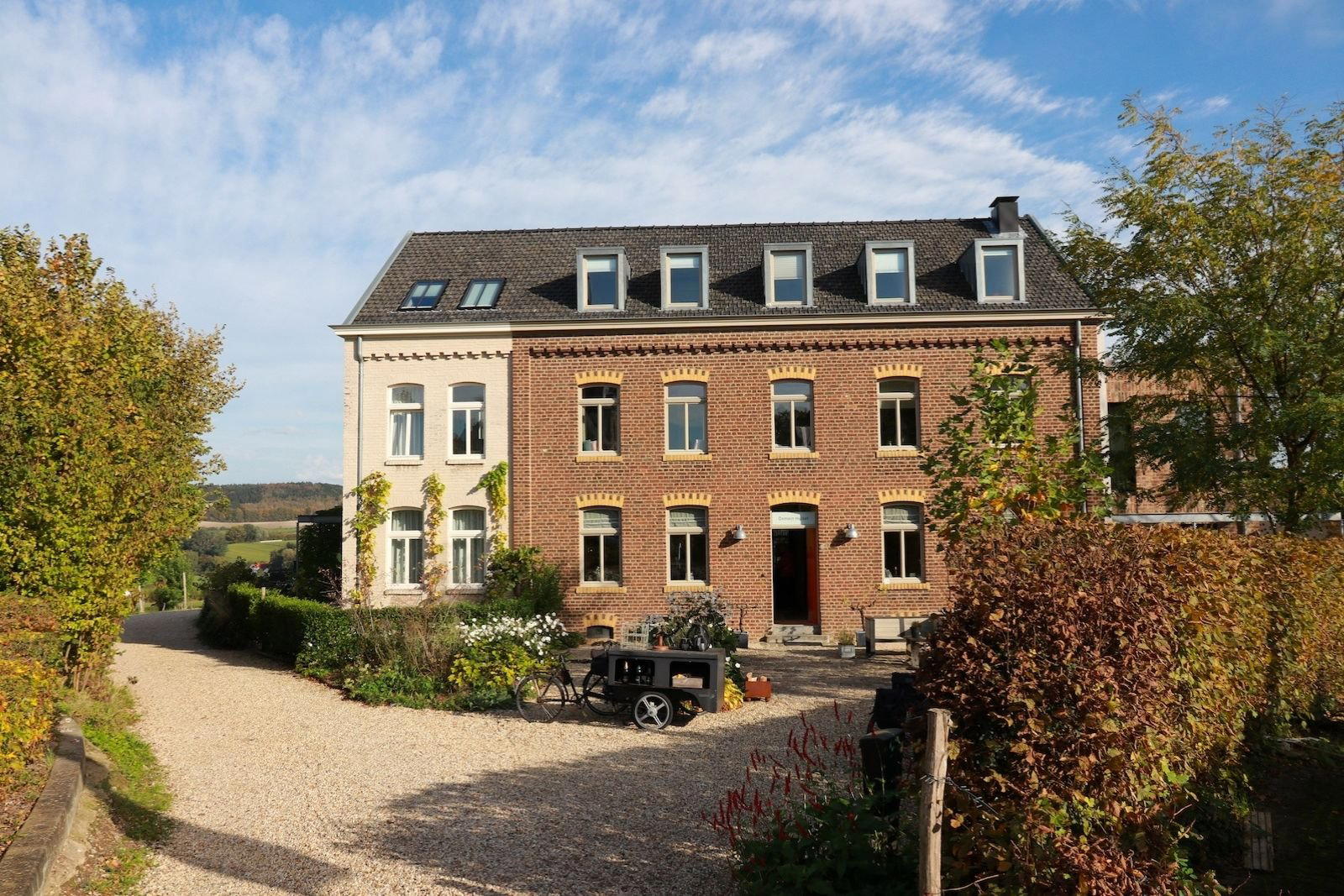
Convivial authentic trattoria atmosphere with spectacular modern decor and pleasant murmurs in the courtyard under ancient grapevine.