In Munich's Schwabing district, La Bouche at Haimhauserstraße 8 occupies a quieter register than the city's Michelin-decorated fine dining circuit. Where peers like Tantris and Atelier operate with formal tasting structures and international recognition, La Bouche positions itself at the neighbourhood end of the premium spectrum, a useful counterpoint for diners seeking something less ceremonial without fully leaving the quality tier.
Pearl is the En Primeur Club membership app — saves, bookings, and concierge access live there. Same editors, same standards.
- Address
- Haimhauserstraße 8, 80802 München, Germany
- Phone
- +494989265626
- Website
- brasserie-labouche.de
- Directions
- Get directions
 Saves & bookings on Pearl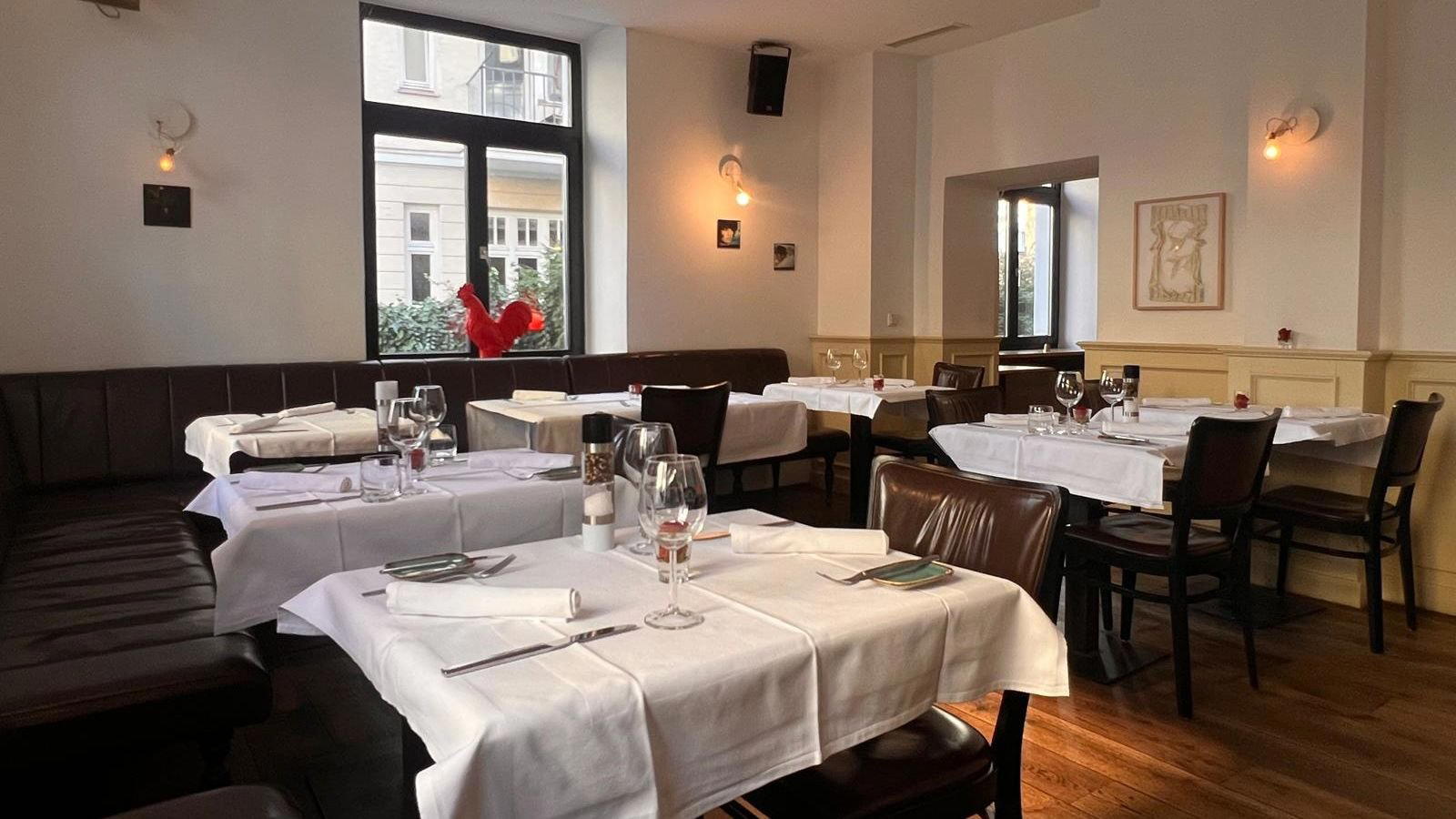
Schwabing and the Case for Quieter Fine Dining
Munich's premium restaurant scene has always had two speeds. The first is the internationally legible tier, Tantris, Atelier, Alois - Dallmayr Fine Dining, Tohru in der Schreiberei, where Michelin stars, formal tasting menus, and destination-dining intent define the offer. The second is smaller, less announced, and often better suited to how Münchners actually eat on a Tuesday evening. La Bouche at Haimhauserstraße 8 operates closer to that second speed, in a Schwabing address that signals neighbourhood credibility rather than trophy placement.
Schwabing has long been Munich's intellectual and bohemian quarter, a district of wide tree-lined streets, turn-of-the-century apartment facades, and a dining culture that runs from student-budget trattorias to address-specific rooms that regulars treat like a private dining room they happen to share with strangers. The street itself, Haimhauserstraße, sits north of the Englischer Garten fringe, close enough to the park's eastern edge to attract a walking-in crowd, but quiet enough that the foot traffic is deliberate rather than accidental. Restaurants that open here are not banking on tourist overflow from the Marienplatz corridor. They are banking on neighbourhood loyalty and word-of-mouth return rates.
Reading the Room Before the Menu Arrives
The structure of a meal at La Bouche is best understood against the city's broader progression of dining formats. At the summit of Munich's fine dining arc, the experience is almost entirely predetermined: a multi-course sequence, a curated wine pairing, pacing controlled by the kitchen. That format works well for occasions and for diners who want to surrender the decision-making. But a significant part of Munich's educated dining public, the kind of guest who follows JAN and knows its creative lineage, is equally interested in rooms that offer quality without the full ceremony. La Bouche appears to occupy this intermediate space, where the cooking is taken seriously but the format has some flexibility built in.
Across Germany's fine dining geography, the progression from aperitif snacks through to a composed dessert sequence has become a reliable structure even at venues below the Michelin threshold. Houses like ES:SENZ in Grassau and Schanz in Piesport demonstrate how regional addresses outside major city centres have pushed tasting-menu discipline to a high standard, raising expectations for what even informal urban rooms should deliver in terms of ingredient sourcing and course construction. That shift is now felt in Schwabing as much as anywhere.
The Arc of the Meal: What the Format Implies
What the address and positioning suggest, however, is a kitchen operating in a register familiar to anyone who has tracked the evolution of European bistronomy over the past decade. The bistronomy model, serious technique applied to a less rigid format, with pricing that sits below the full fine dining bracket, has been one of the more durable trends in post-pandemic European dining. In Paris, in Copenhagen, and increasingly in Munich, it represents a distinct competitive tier rather than a compromise. Guests move through courses that reflect the season and the sourcing relationships of the kitchen, rather than a fixed theatrical concept.
In that context, the progression of a meal at a room like La Bouche is likely to feel cumulative rather than performative: an opening that is lighter and more acidic, building through richer mid-course constructions, and closing with something that either extends the savoury line into cheese or pivots into composed desserts that reference the savouriness of what came before. This is the grammar of contemporary European tasting menus, from CODA Dessert Dining in Berlin, which restructures the entire arc around the dessert course, to the classical French sequencing that still organises meals at Vendôme in Bergisch Gladbach and Waldhotel Sonnora in Dreis.
What distinguishes the better rooms in this middle tier is not the ambition of the concept but the discipline of execution across all courses, whether the kitchen holds its level from the third course through to the seventh, and whether the service understands the pacing well enough to let a table breathe without losing the thread of the meal. These are the signals that separate a credible neighbourhood room from one that simply occupies the right postcode.
Where La Bouche Sits in the Munich comparable set
Munich's fine dining tier is denser than the city's international profile suggests. Beyond the Michelin-starred houses, there is a populated middle ground of rooms that operate at a quality level comparable to decorated addresses in other German cities. Restaurant Haerlin in Hamburg, Aqua in Wolfsburg, and Victor's Fine Dining by Christian Bau in Perl illustrate the national spread of serious cooking outside the Munich-Berlin axis. Within the city itself, the peer conversation for a room at the restaurant's apparent positioning is less about competing with three-star destinations and more about establishing itself as the reliable choice in a specific neighbourhood for a specific kind of guest.
That guest is typically someone who knows Munich's restaurant geography well enough to choose Schwabing deliberately, who values a room that doesn't require advance planning weeks out, and who is as interested in the wine list's intelligence as in the menu's ambition. These are not the same criteria that apply when booking Schwarzwaldstube in Baiersbronn or Bagatelle in Trier, both of which operate as destination events. The restaurant's value proposition, if the address and neighbourhood context hold, is proximity and regularity rather than occasion.
Planning Your Visit
The restaurant is at Haimhauserstraße 8, 80802 München, in the northern Schwabing district. The location is accessible by U-Bahn via the Münchener Freiheit or Giselastraße stops on the U6 line, both within a short walk of the address. The restaurant is recommended for reservations and opens Tuesday through Saturday from 6 PM to 12 AM, with Monday and Sunday closed. For those building a broader Munich itinerary, the full Munich restaurants guide maps the city's dining options from neighbourhood rooms through to its starred destination addresses. Readers with an interest in how the German tasting-menu format plays out at the international level may also find useful reference points in Le Bernardin in New York City and Atomix in New York City, both of which represent the disciplined multi-course format at its most refined.
A Lean Comparison
Comparable venues nearby, for context on price, style, and recognition.
| Venue | Cuisine | Price |
|---|---|---|
| La BoucheThis venue — the venue you are viewing | Schwabing, Classic French Bistro | $$ |
| DAS EISBACH | Lehel, French-Japanese Fusion | $$ |
| RELAX | Isarvorstadt, French Gastropub | $$ |
| Trattoria Seitz | Lehel, Classic Italian Trattoria | $$ |
| Pizzarei | Isarvorstadt, Italian Pizza and Pinsa | $$ |
| Mi Casa | Isarvorstadt, Authentic Colombian | $$ |

At a Glance
- Cozy
- Classic
- Romantic
- Date Night
- Group Dining
- Casual Hangout
- Terrace
- Street Scene
Current opening hours
- Monday
- Closed
- Tuesday
- 6 PM–12 AM
- Wednesday
- 6 PM–12 AM
- Thursday
- 6 PM–12 AM
- Friday
- 6 PM–12 AM
- Saturday
- 6 PM–12 AM
- Sunday
- Closed
Hours can change for holidays and private events. Last verified .
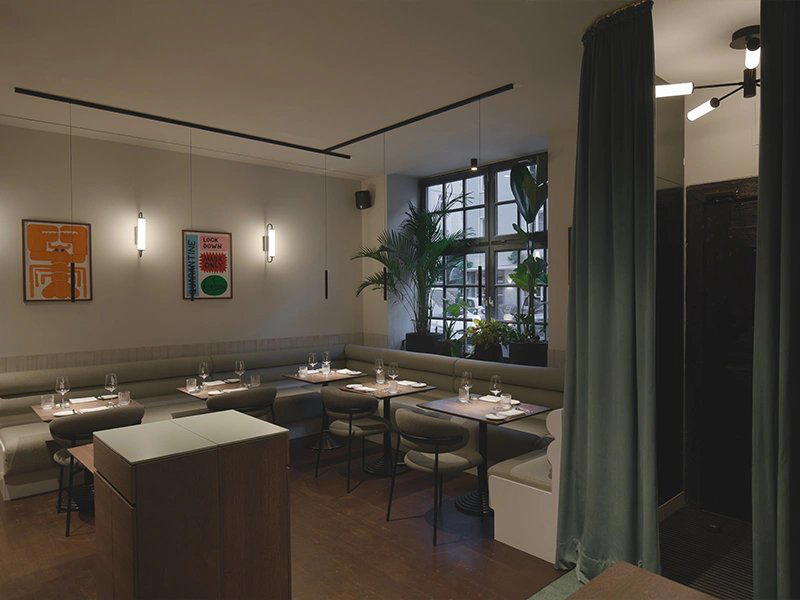
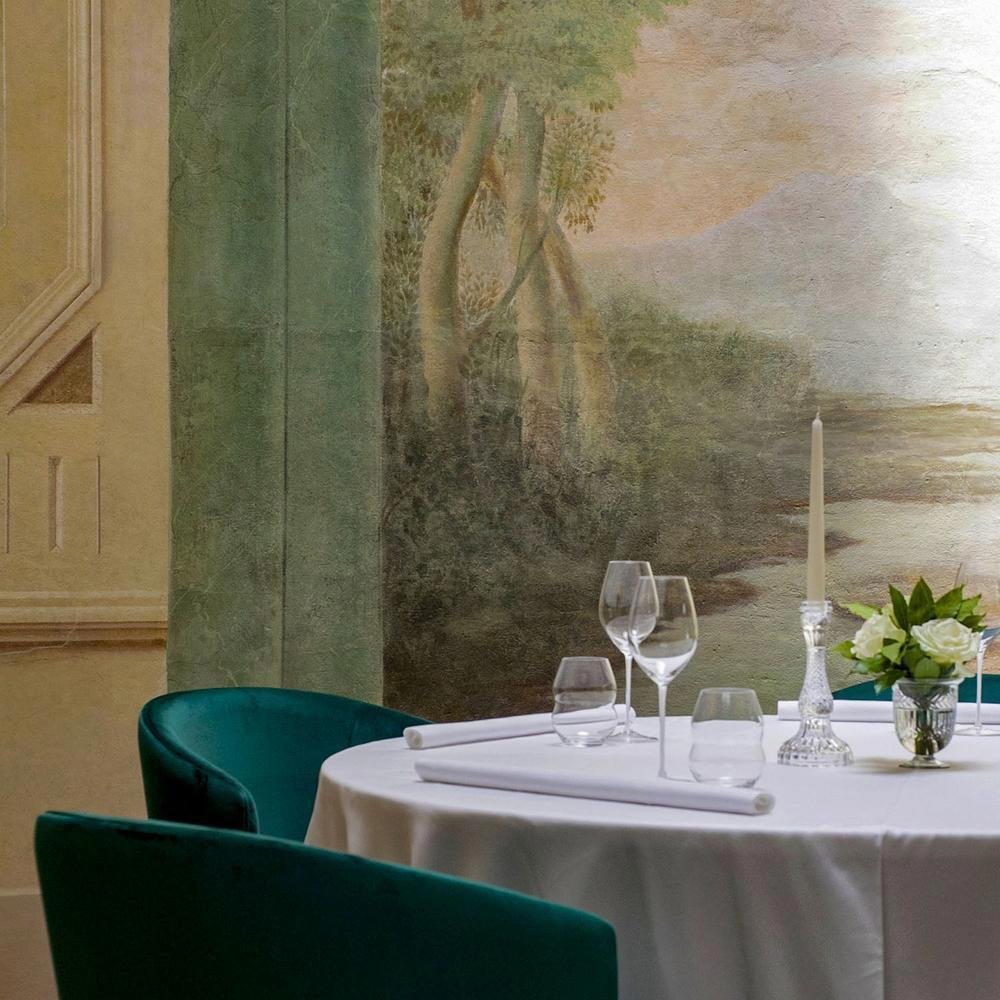
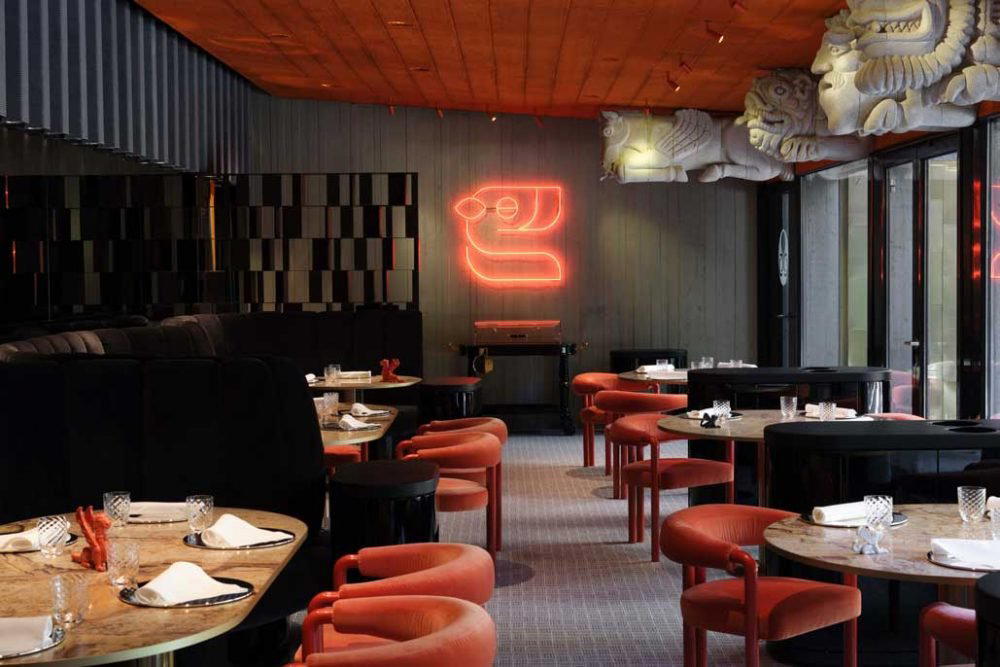
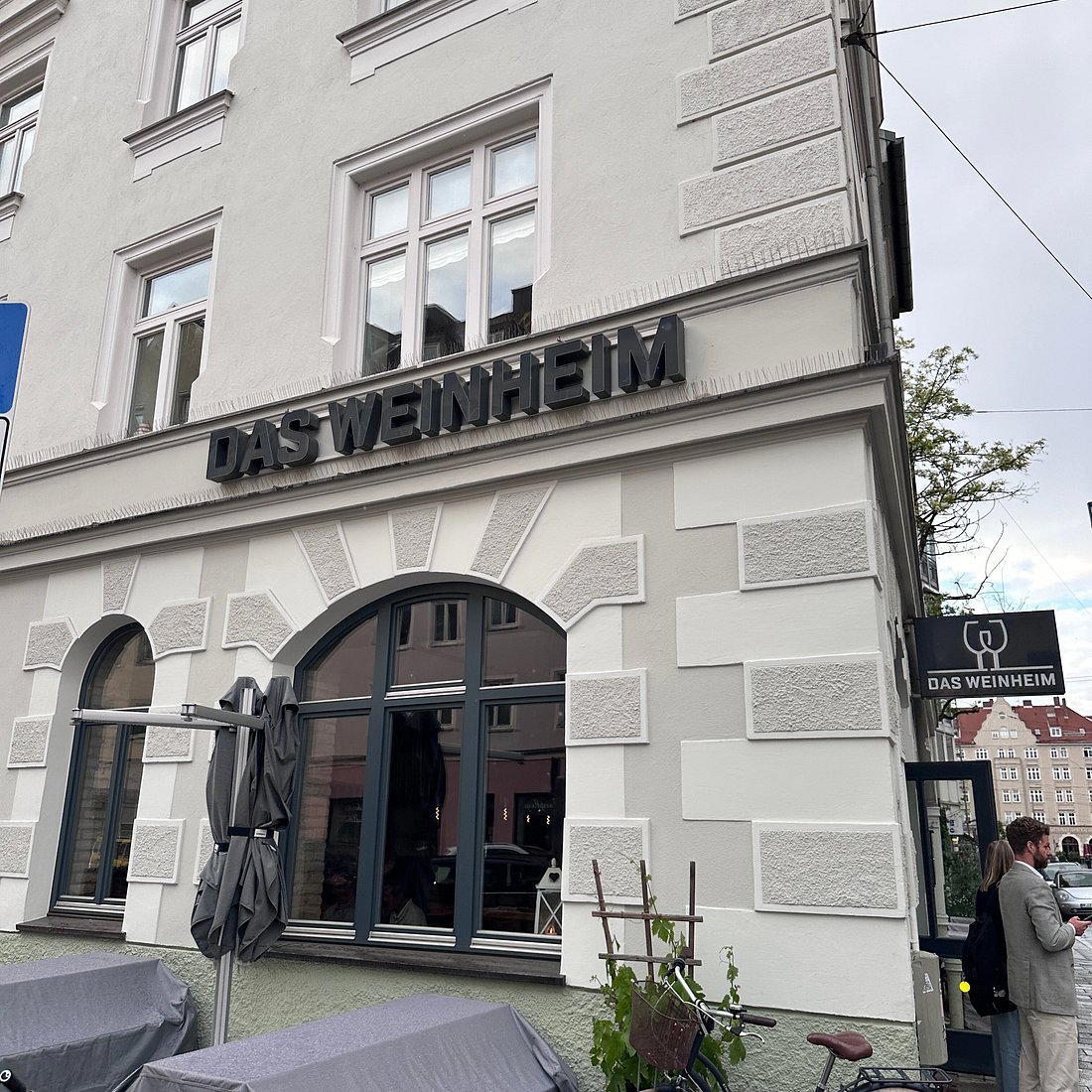
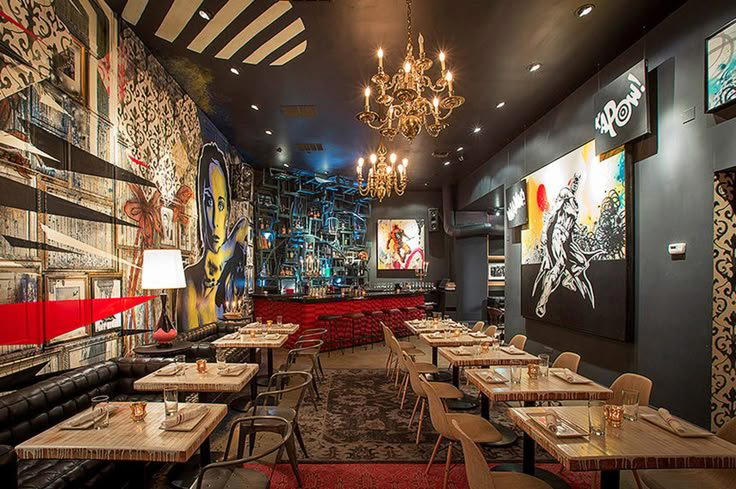
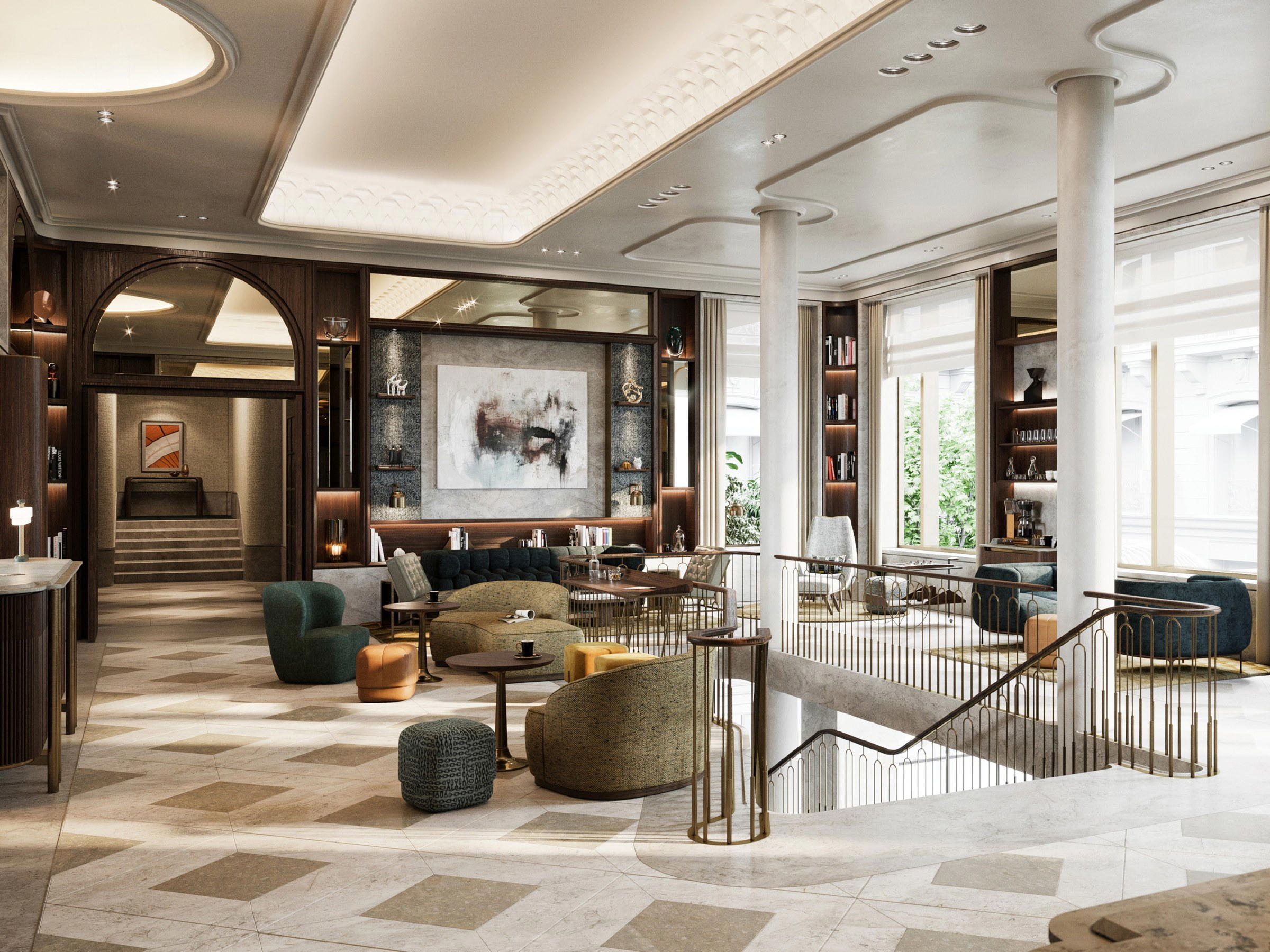
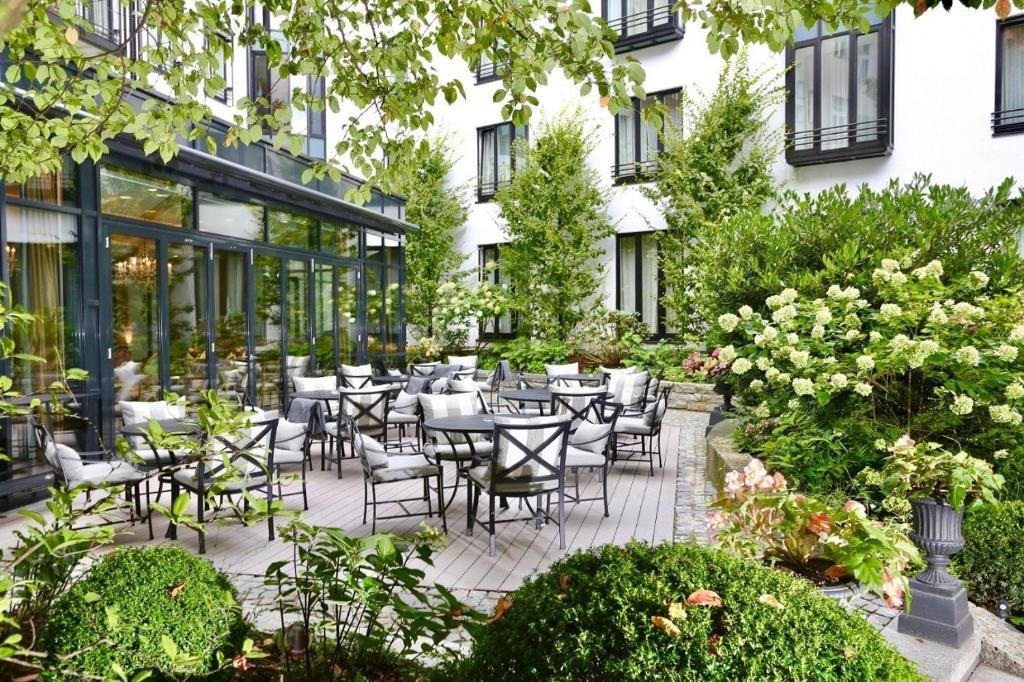
Warm and inviting bistro atmosphere with comfortable seating, friendly service, and a relaxed European feel enhanced by outdoor terrace seating in summer.