On the edge of the English Garden in Bogenhausen, DAS EISBACH sits in one of Munich's most scenically charged addresses, where the Eisbach channel runs close enough to register as a kind of ambient presence. The restaurant draws a neighbourhood crowd that expects considered cooking and a room that earns its setting, a combination that places it in a distinct tier within Munich's mid-to-upper dining scene.
Pearl is the En Primeur Club membership app — saves, bookings, and concierge access live there. Same editors, same standards.
- Address
- Triftstraße 6, 80538 München, Germany
- Phone
- +498994424752
- Website
- das-eisbach.de
- Directions
- Get directions
 Saves & bookings on Pearl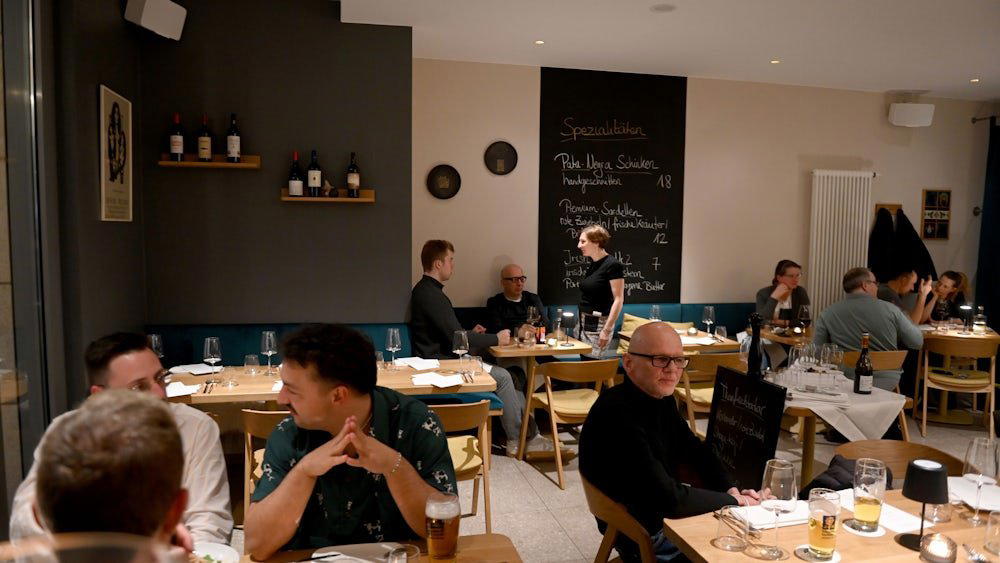
Where the English Garden Meets the Table
DAS EISBACH is a French-Japanese Fusion restaurant in Munich, at Triftstraße 6 in Bogenhausen. Removed from the tourist circuits of Marienplatz and the dense restaurant blocks of Maxvorstadt, it attracts a residential crowd with high expectations and less tolerance for performance without substance. Triftstraße 6 sits within this context, close enough to the Eisbach channel and the sprawling English Garden that the address itself carries a kind of topographic authority. Restaurants in this part of the city don't rely on foot traffic; they build on reputation within a community that returns deliberately.
The name DAS EISBACH references that geography directly. The Eisbach is Munich's best-known urban waterway, a fast-moving channel fed by the Isar that runs through the English Garden and is internationally associated with the standing wave near Prinzregentenstraße where surfers ride year-round. To name a restaurant after it is to plant a flag in local identity rather than reach for something neutral or exportable. That kind of decision signals something about how the room positions itself.
The Physical Container
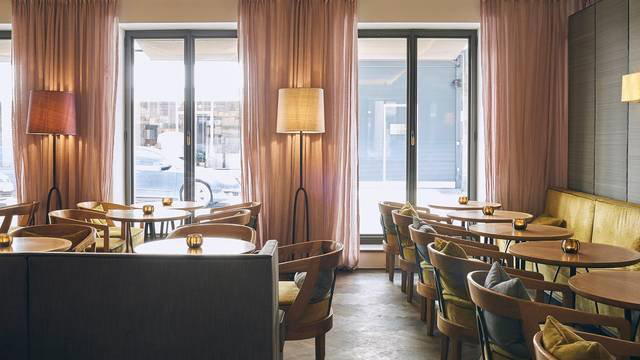
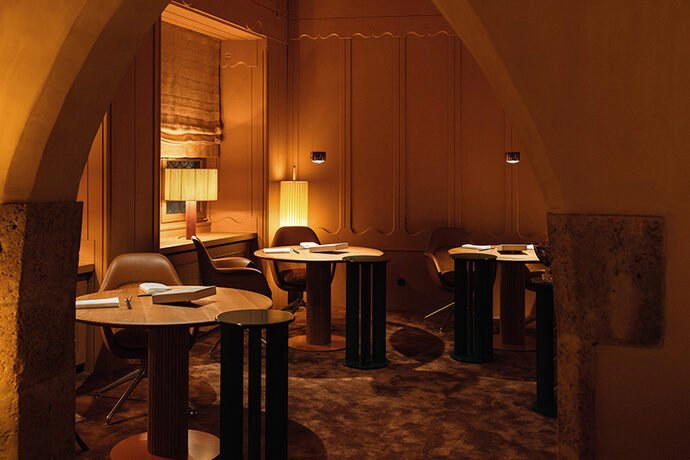
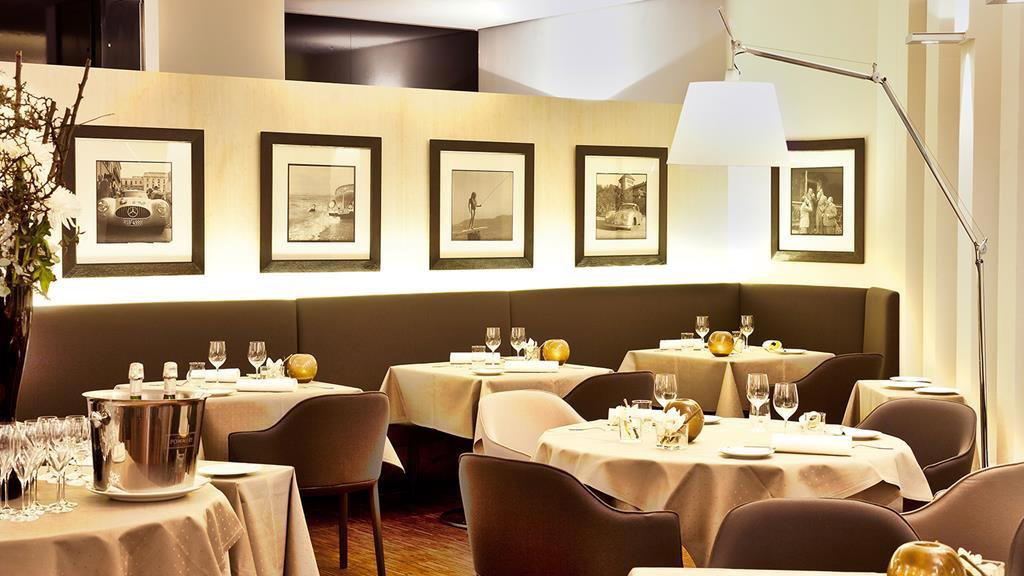
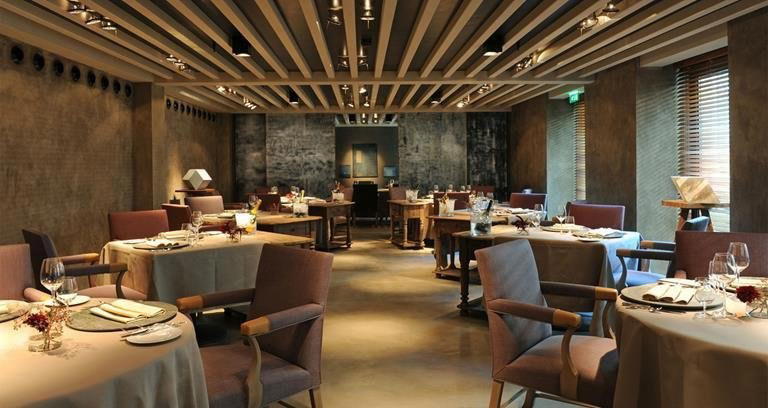
Munich's fine dining circuit divides broadly between two spatial registers. At one end sit the grand-room institutions: Tantris, with its 1970s architectural monument in Schwabing, and the hotel-anchored rooms like Atelier inside the Bayerischer Hof, where scale and ceremony are part of the offer. At the other end, a smaller set of restaurants has moved toward interiors that feel more like considered private spaces: rooms where material choices carry the atmosphere rather than volume or theatrical lighting. DAS EISBACH sits closer to this second register, and Bogenhausen's residential character reinforces that orientation.
The architecture of the building on Triftstraße is characteristic of the district: solid, early twentieth-century Munich construction, with the kind of proportions that reward a thoughtful interior fit-out more than they invite dramatic intervention. What a room like this asks of its designers is restraint and attention to the fixed elements, ceiling height, window placement, the relationship between entrance and main dining area. In Munich's restaurant culture, where the Bavarian tradition of the Wirtshaus has long modelled how a space can feel both formal and inhabited simultaneously, the well-designed mid-scale interior has genuine cultural precedent.
Seating arrangements in rooms of this type typically prioritise table spacing over capacity. The logic is direct: a diner in Bogenhausen is not choosing between this address and a brasserie on Leopoldstraße. They are choosing between this and staying home, or between this and a short drive to Tohru in der Schreiberei or Alois - Dallmayr Fine Dining. The room has to do real work.
DAS EISBACH in Munich's Dining Tier
Munich sits among Germany's most competitive restaurant cities. The country's highest-awarded tables are distributed across the south and west, from Schwarzwaldstube in Baiersbronn and Waldhotel Sonnora in Dreis to Aqua in Wolfsburg and Vendôme in Bergisch Gladbach, but Munich itself sustains a dense concentration of serious cooking. JAN in Maxvorstadt has built a following through creative cooking with clear Nordic-influenced restraint. Further afield, ES:SENZ in Grassau draws destination diners from the city willing to make the drive into the foothills.
Within Munich proper, a restaurant on the Eisbach's edge occupies a niche that relies on neighbourhood loyalty and word-of-mouth rather than award-driven tourism. That is a viable and sometimes more durable position than chasing the inspection circuit. Restaurants like Schanz in Piesport and Victor's Fine Dining by Christian Bau in Perl have shown how strong regional identity can sustain a table at the highest level. The restaurant is playing a different version of that game at a more intimate urban scale, in a city where the residential dining culture is sophisticated enough to sustain it.
For a sense of how the broader German scene is moving, the contrast with CODA Dessert Dining in Berlin is instructive: Berlin has pushed format experimentation hard, while Munich's serious rooms have generally held to a more classically structured offer. Bagatelle in Trier and Restaurant Haerlin in Hamburg represent the kind of sustained, long-form dining culture that Munich's own fine dining circuit shares in temperament if not always in format. Internationally, the move toward smaller, design-led rooms with a clear spatial identity is visible at tables from Le Bernardin in New York City to Lazy Bear in San Francisco, different in execution, but united by the principle that the room itself is part of the offer.
Seasonal Timing and the English Garden Context
The proximity to the English Garden changes the character of a visit depending on the season. In late spring and through summer, the garden draws the kind of crowd that shifts the neighbourhood's energy considerably: joggers, cyclists, families, and the regular gathering of surfers at the Eisbach wave mean the area is animated from early morning. A dinner reservation in June or July arrives in a city that is still outdoors at 9pm. In winter, Bogenhausen quiets in a way that most of central Munich does not, and an evening at a restaurant close to the water in January has a different atmospheric weight entirely.
Munich's restaurant culture does register seasonality in the kitchen. The Bavarian calendar runs through white asparagus in April and May, game in autumn, and the kind of hearty cooking that makes the city's food identity legible to visitors in winter. A restaurant named after a local waterway in this district is unlikely to ignore that calendar.
Know Before You Go
Address: Triftstraße 6, 80538 München, Germany
District: Bogenhausen, close to the English Garden and Eisbach channel
Phone: not listed
Website: not listed
Reservations: recommended
Leading timing: Summer evenings extend daylight along the English Garden; winter visits offer a quieter, more intimate atmosphere in the district
Getting there: Triftstraße 6, 80538 München, Germany
City Peers
Comparable venues nearby, for context on price, style, and recognition.
| Venue | Cuisine | Price | Notes |
|---|---|---|---|
| DAS EISBACHThis venue — the venue you are viewing | French-Japanese Fusion | $$ | Not listed |
| Brasserie OskarMaria | French Brasserie with Regional Influences | $$$ | Lehel |
| Leib und Seele | Traditional Bavarian | $$ | Lehel |
| Yi Da Wan | Authentic Chinese Noodle Soups & Dumplings | $$ | Au |
| Zum Franziskaner | Traditional Bavarian | $$ | Lehel |
| Die Vegane Fleischerei | Vegan Bavarian Butcher | $$ | Altstadt |
At a Glance
- Cozy
- Modern
- Trendy
- Date Night
- Brunch
- Casual Hangout
- Waterfront
- Waterfront
Current opening hours
- Monday
- Closed
- Tuesday
- Closed
- Wednesday
- 5–11 PM
- Thursday
- 5–11 PM
- Friday
- 5–11 PM
- Saturday
- 10:30 AM–11 PM
- Sunday
- 10:30 AM–6 PM
Hours can change for holidays and private events. Last verified .
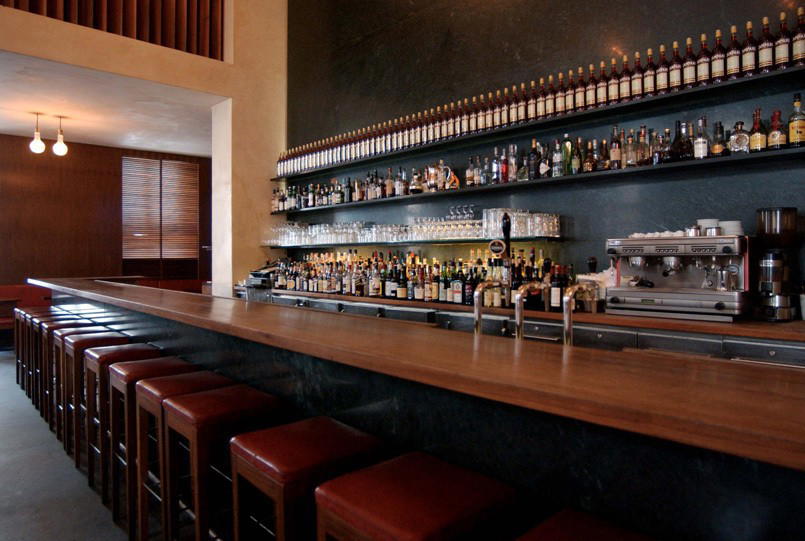
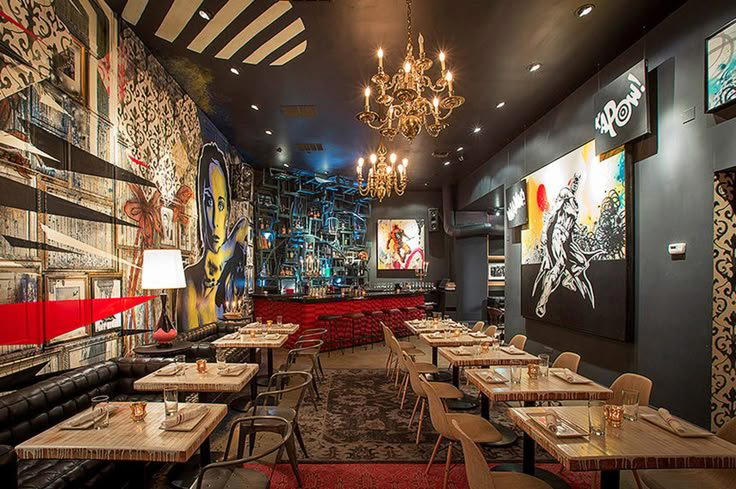
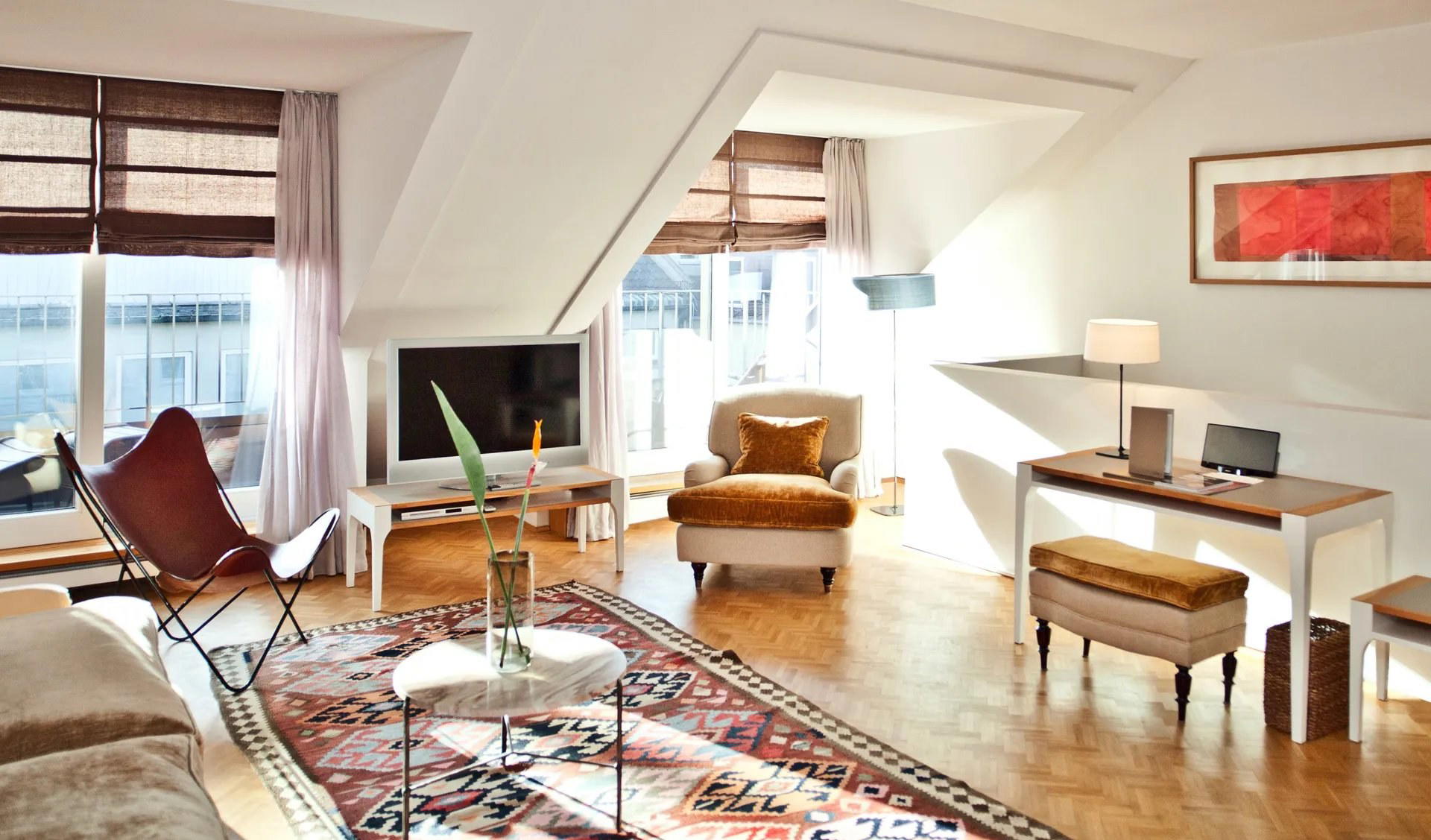
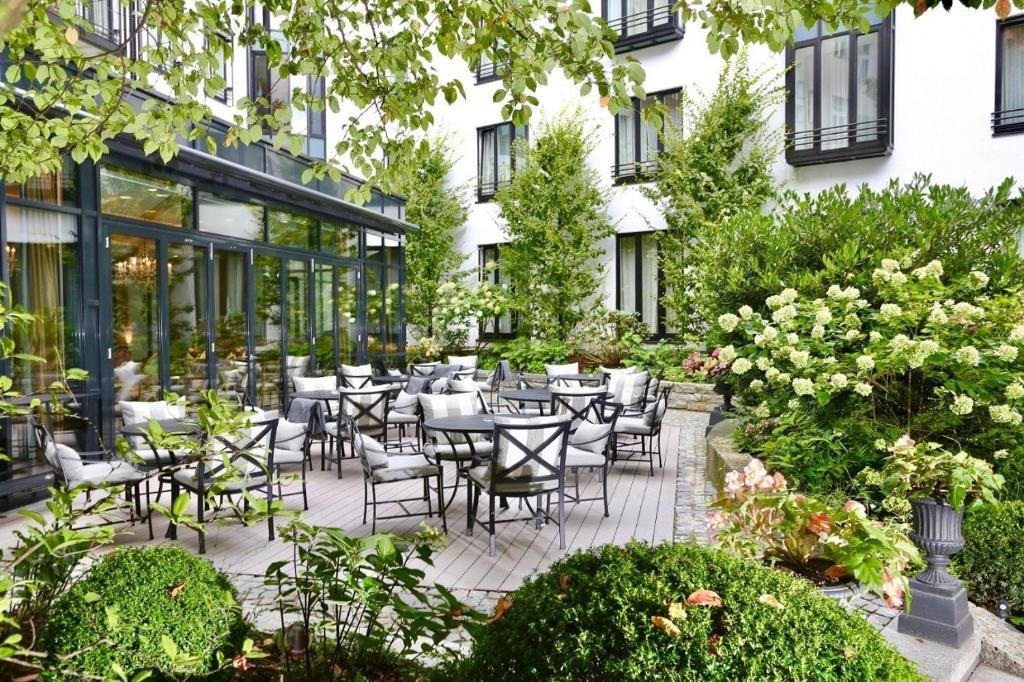
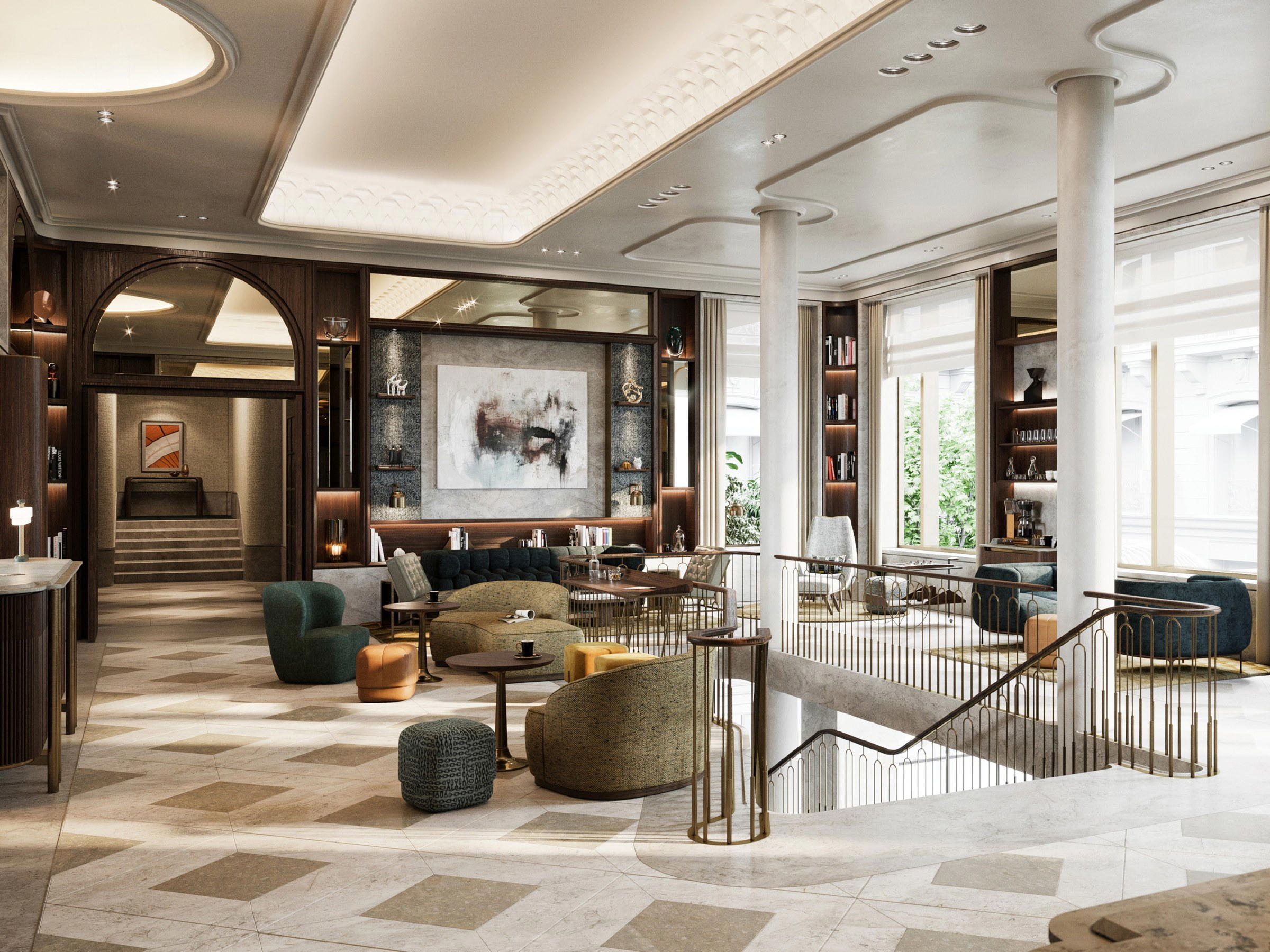
Modern yet cozy atmosphere with relaxed, bright, and casual vibes ideal for dates and brunches.