La Batisse II
La Batisse II sits on Passage des Poilus in Saint-Avold, a Moselle town that occupies an underappreciated position in France's northeastern dining corridor. It is a practical starting point for understanding the local dining scene before venturing into the broader Lorraine region.
Pearl is the En Primeur Club membership app — saves, bookings, and concierge access live there. Same editors, same standards.
- Address
- 1 Pass. des Poilus, 57500 Saint-Avold, France
- Phone
- +33387904969
- Website
- labatisse2.fr
- Directions
- Get directions
 Saves & bookings on Pearl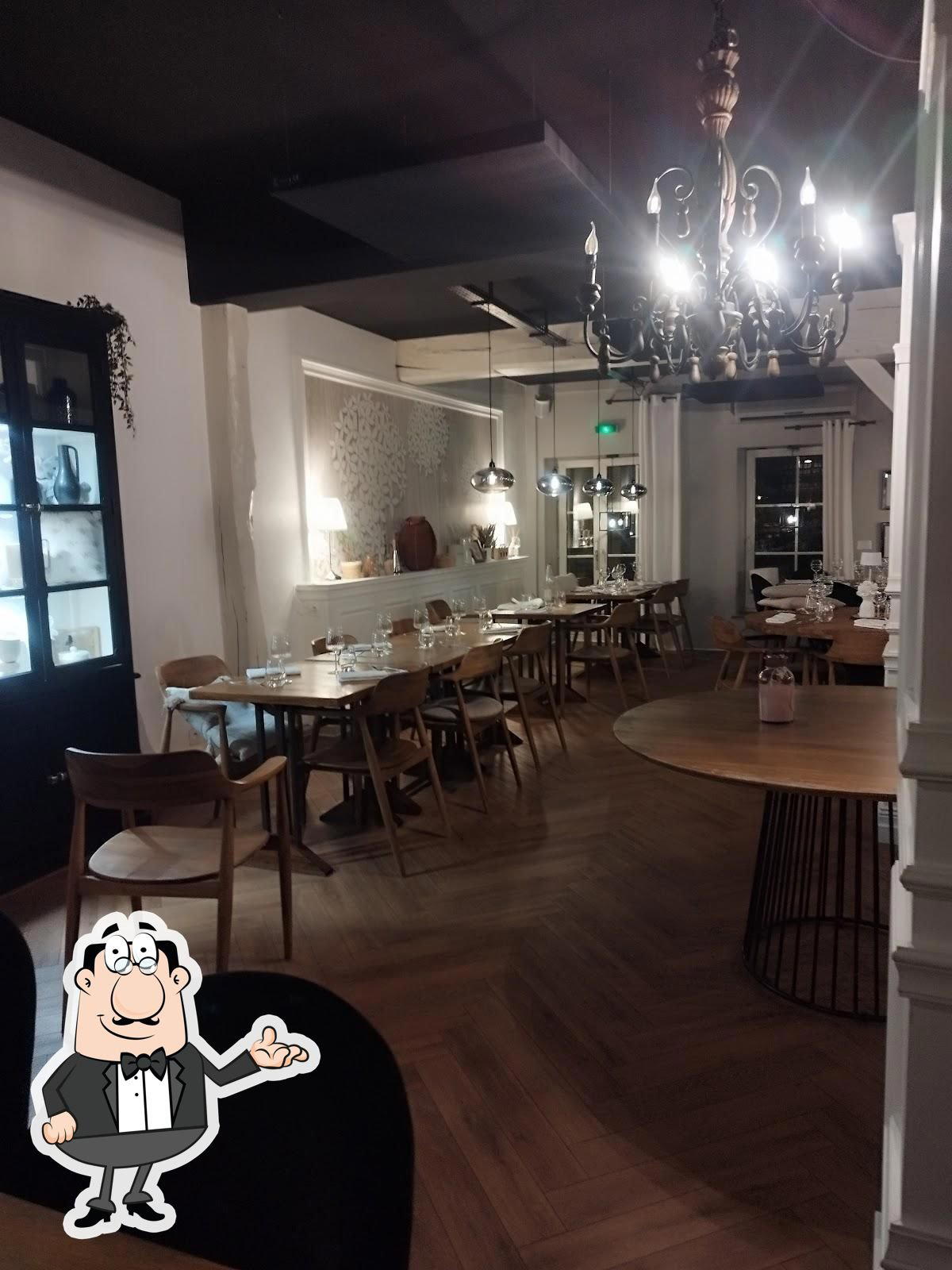
Saint-Avold and the Quiet Northeast Dining Corridor
Lorraine does not advertise itself the way Alsace does. La Batisse II is a restaurant in Saint-Avold, France, serving French Fine Market Cuisine. The towns that line the Moselle valley between Metz and the German border have long operated beneath the radar of French gastronomic tourism, which tends to funnel visitors toward the starred dining rooms of Strasbourg or the grand brasseries of Nancy. Saint-Avold sits in that quieter stretch, a mid-sized town of around 15,000 that functions as a regional commercial and administrative hub rather than a destination in the conventional travel-press sense. That context matters when situating La Batisse II on Passage des Poilus, because the restaurants that survive and build local loyalty in towns like this are almost always doing something the market around them actually needs, not something designed to attract critics from Paris or food tourism aggregators.
The northeast of France, and Lorraine specifically, carries a distinct culinary identity shaped by proximity to Germany and Luxembourg, by the historical weight of the mining and steel industries, and by agricultural traditions that lean toward freshwater fish, mirabelle plums, quiche, and charcuterie. These are not the ingredients that dominate the menus at Alléno Paris au Pavillon Ledoyen or Mirazur in Menton, but they represent a legitimate regional grammar that the leading local restaurants read fluently. Where French fine dining at the level of Flocons de Sel in Megève or Troisgros in Ouches pursues a kind of total articulation of place, the more grounded provincial restaurant expresses it through familiarity and repetition, through a menu that shifts with the Moselle valley's seasons rather than with international culinary fashion.
What the Address Tells You
Passage des Poilus is a pedestrian alley in central Saint-Avold, the kind of narrow urban passage that exists in dozens of French provincial towns and tends to shelter the restaurants, cafés, and small shops that cater to a working local clientele rather than to visitors arriving from a distance. An address like this signals a certain register: these are not rooms designed around ceremony or spectacle, and the people eating there on a Tuesday are more likely to be returning regulars than first-time visitors working through a shortlist. That is neither a criticism nor a limitation. The bistro and brasserie tradition that sustains much of France's day-to-day dining life operates precisely in spaces like this, and it represents a continuity of cooking culture that sits alongside but is distinct from the starred and internationally recognised houses.
For context on that broader spectrum, Alsace's long tradition of fine dining is well represented by Auberge de l'Ill in Illhaeusern and Au Crocodile in Strasbourg, both of which have held serious Michelin recognition across multiple decades. The dining rooms in Lorraine's smaller towns occupy a different tier, with fewer international reputations but no less investment in local sourcing and seasonal cooking at the level the local market demands.
Ingredient Sourcing in Lorraine's Context
The question of where food comes from is especially pointed in a region like Moselle. Lorraine's agricultural identity was for decades overshadowed by its industrial one, but the farms, orchards, and rivers of the region have always produced ingredients that reward cooks willing to work with them directly. Mirabelle plums, a variety grown almost exclusively in Lorraine and protected under a geographic indication, appear in everything from eau-de-vie to tarts across the late summer months. The Moselle and its tributaries supply carp, pike, and perch that have been central to the local table for centuries. The forests of the Vosges, accessible within an hour, produce mushrooms and game that mark the autumn menu calendar across the region.
Restaurants in towns of Saint-Avold's scale that succeed over time in Lorraine tend to connect directly to these supply chains, whether through local market relationships, farm contacts, or the small-batch producers that have emerged in recent decades in response to demand from both restaurants and households. This is a different sourcing model from the one practiced at destination houses like Bras in Laguiole or Auberge du Vieux Puits in Fontjoncouse, where the sourcing narrative is itself a central part of the dining proposition. At the provincial level, it is more often structural and habitual, built into longstanding supplier relationships rather than into a formal farm-to-table communication strategy.
The implication for a visitor is practical: the seasonal calendar here is real, and what arrives on the menu in October will differ materially from what is on offer in March. This is not a region where menus stay fixed across quarters, and the dishes that express the local logic are those that reflect what the surrounding countryside is producing at that moment.
Placing La Batisse II in Its comparable set
Without public data on cuisine type, price range, or current format, it is not possible to place La Batisse II with precision within Saint-Avold's dining options or within the wider Moselle scene. What the address and context do suggest is a restaurant operating for a local rather than destination audience, in a format scaled to the town's population and commercial rhythms. That comparable set, across northeast France, typically includes brasseries, traditional French bistros, and the occasional more contemporary kitchen that has opened in response to a younger clientele or a returning chef. It is a different conversation from the one happening at Paul Bocuse's Auberge du Pont de Collonges or Assiette Champenoise in Reims, but it is not a lesser one.
For comparison at the level of produce-driven ambition expressed through regional specificity, the approaches taken by La Marine in Noirmoutier, Christopher Coutanceau in La Rochelle, and AM par Alexandre Mazzia in Marseille are instructive, even if the scale and recognition tier differ substantially. The structural question each of those kitchens answers, how to express a specific geography through what is on the plate, is the same one that any serious regional restaurant in Lorraine is implicitly answering, whatever its price point.
Planning a Visit
The restaurant is located at 1 Passage des Poilus in central Saint-Avold, accessible from the A4 motorway that connects Metz to the German border. Saint-Avold has a train station with connections to Metz and Forbach, making it reachable without a car for those approaching from the Moselle valley's larger cities. The restaurant's hours run Monday and Tuesday from 12 to 2:30 PM and 7 to 9 PM, Wednesday closed, Thursday and Friday from 12 to 2:30 PM and 7 to 9 PM, Saturday 7 to 9 PM, and Sunday 12 to 2:30 PM. Reservations are recommended. Georges Blanc in Vonnas, L'Oustau de Baumanière in Les Baux, Le Bernardin in New York City, and Atomix in New York City for a sense of the range of formats and ambitions that define French-adjacent fine dining at the international level.
A Quick Peer Check
Comparable venues nearby, for context on price, style, and recognition.
| Venue | Cuisine | Price | Notes |
|---|---|---|---|
| La Batisse IIThis venue — the venue you are viewing | French Fine Market Cuisine | $$$ | Not listed |
| Restaurant du Parc | French Bistronomy | $$$ | Montigny-les-Metz |
| Comptoir De Vie | Modern French Tasting Counter-Bar | $$$ | 2nd Arrondissement |
| Les Copains d'Abord | Traditional French Bistro | $$$ | near Place de la République |
| Saturne | Modern French with Nordic Influences | $$$ | 2nd Arrondissement |
| TT Histoire | Modern French-Armenian Fusion Bistronomie | $$$ | Place Stanislas |
Continue exploring
More in Saint Avold
Restaurants in Saint Avold
Browse all →
Bars in Saint Avold
Browse all →
Hotels in Saint Avold
Browse all →
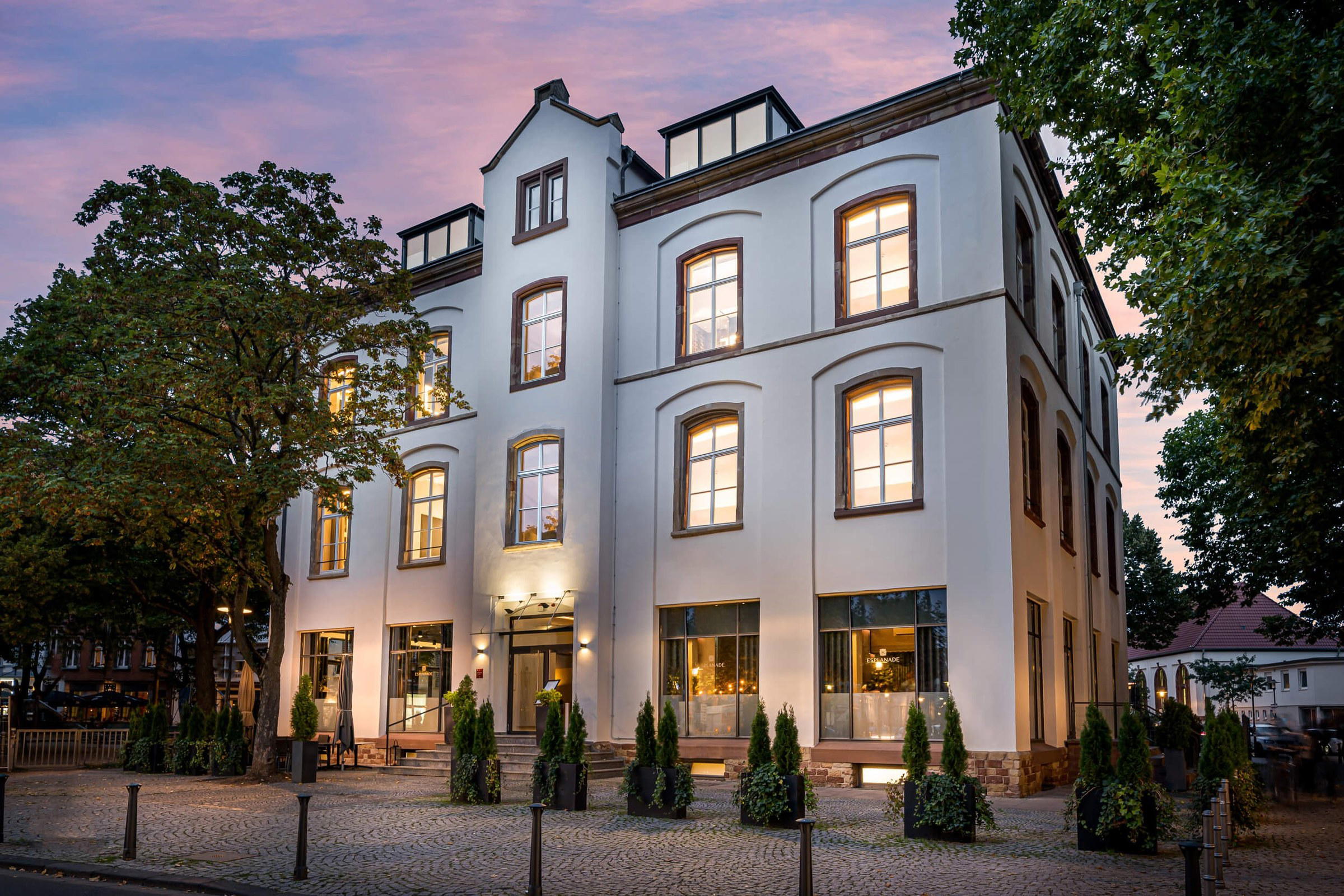
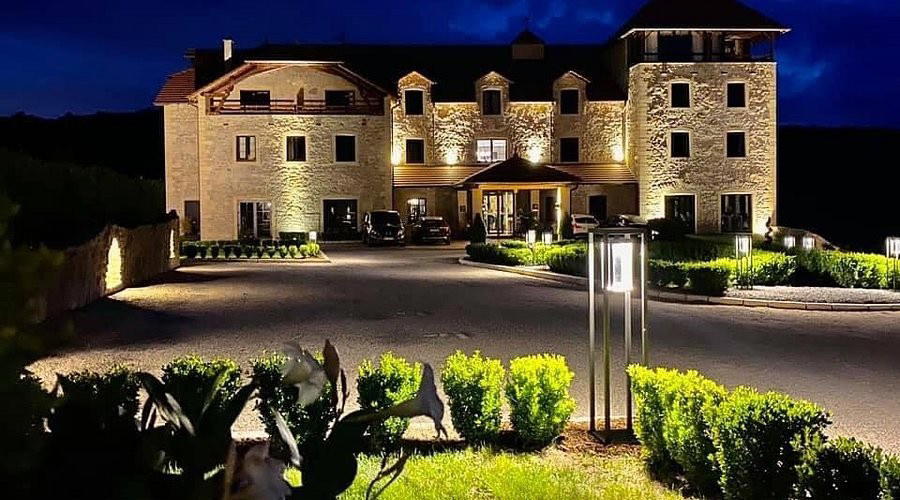
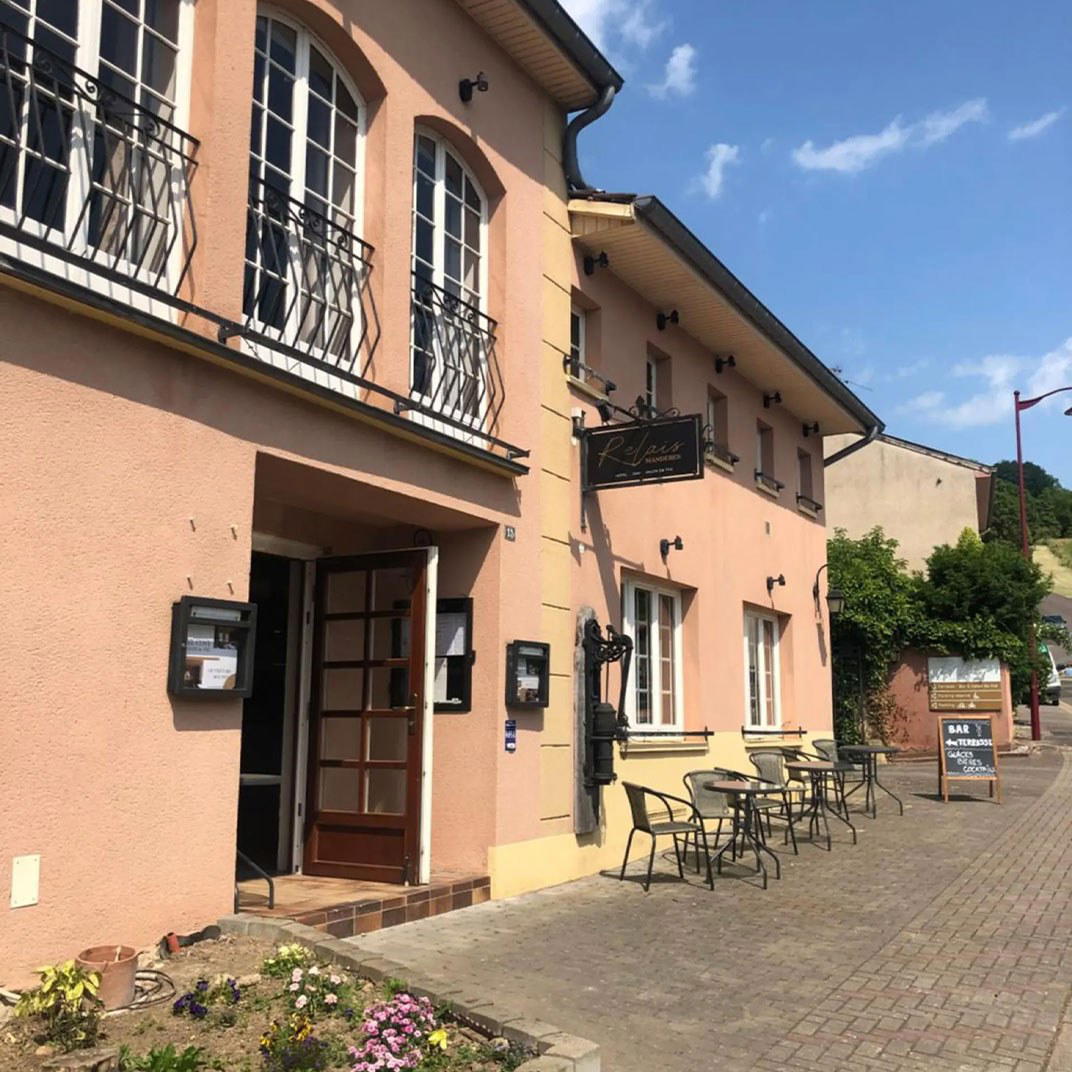
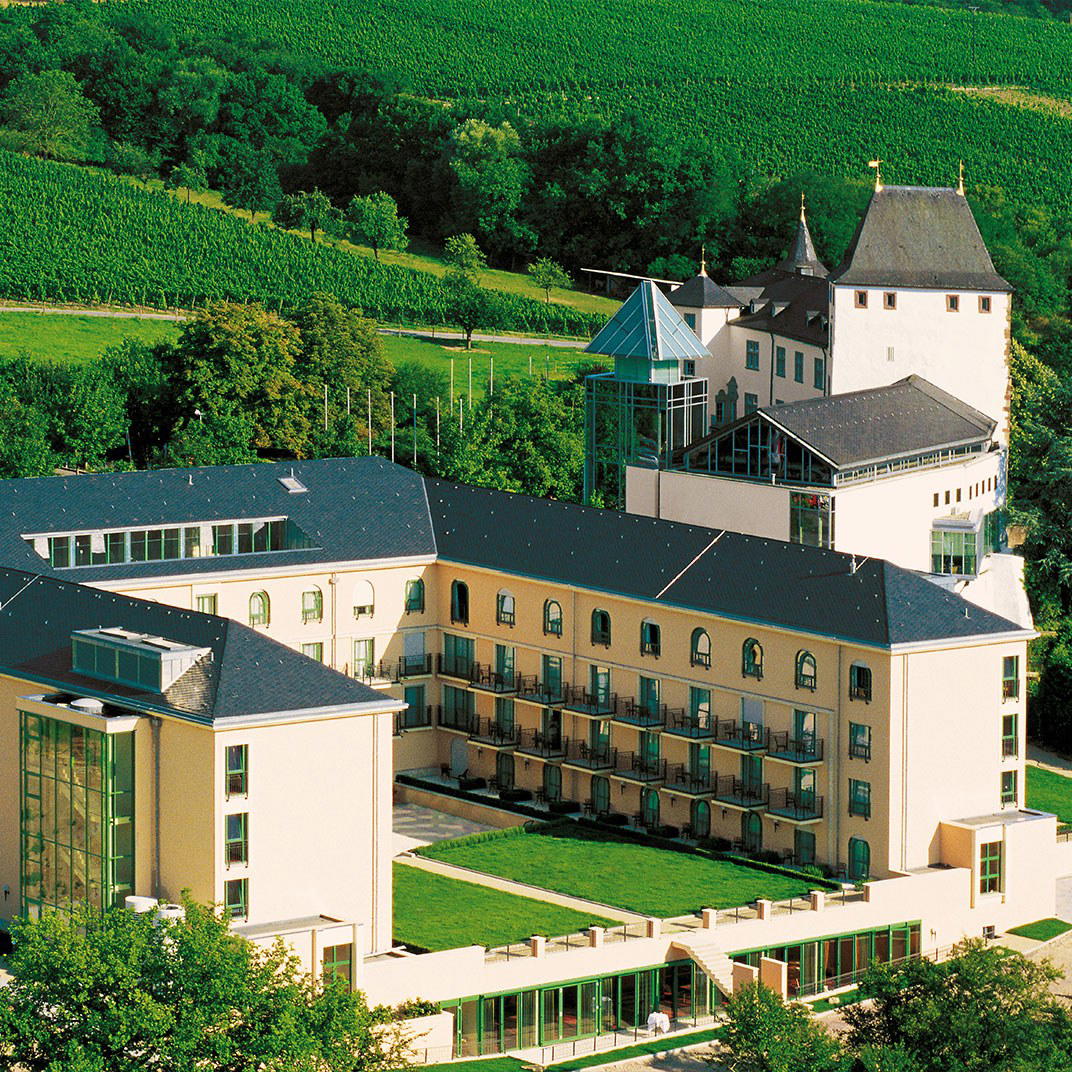

At a Glance
- Elegant
- Intimate
- Cozy
- Sophisticated
- Date Night
- Business Dinner
- Special Occasion
- Historic Building
- Extensive Wine List
- Local Sourcing
Current opening hours
- Monday
- 12–2:30 PM, 7–9 PM
- Tuesday
- 12–2:30 PM, 7–9 PM
- Wednesday
- Closed
- Thursday
- 12–2:30 PM, 7–9 PM
- Friday
- 12–2:30 PM, 7–9 PM
- Saturday
- 7–9 PM
- Sunday
- 12–2:30 PM
Hours can change for holidays and private events. Last verified .
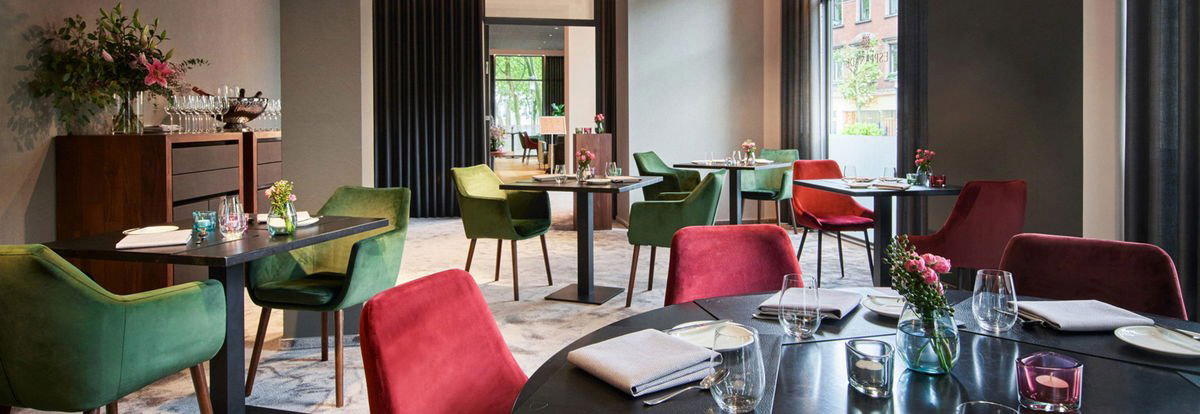
Elegant contemporary atmosphere mixing sleek furnishings with baroque elements, creating an intimate and warm setting.