Auberge Saint-Walfrid

1 Michelin Star
Our verdict
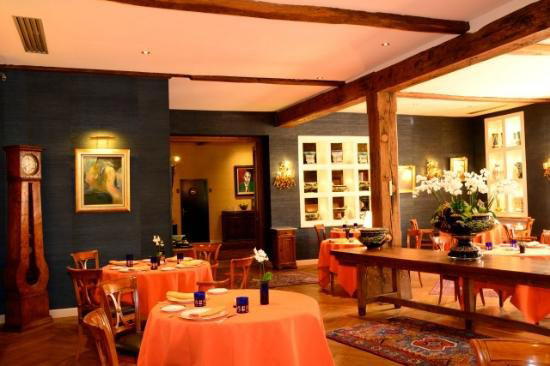
A fifth-generation family auberge on the Metz-to-Strasbourg road, Auberge Saint-Walfrid holds a Michelin star earned through rigorous sourcing: whole animals butchered and cured in-house, produce from local market gardeners, and a kitchen garden that feeds the menu seasonally. The dining room, set in a converted farm building with original parquet and Sarreguemines earthenware on display, is among the most characterful in Lorraine.

Pearl is the En Primeur Club membership app, where members save venues, book tables and use the concierge.
The menu
What to order
- Homard Bleu de Casier
- Ris de Veau aux Girolles
- Noisettes de Chevreuil
Where the Road Between Two Cities Slows Down
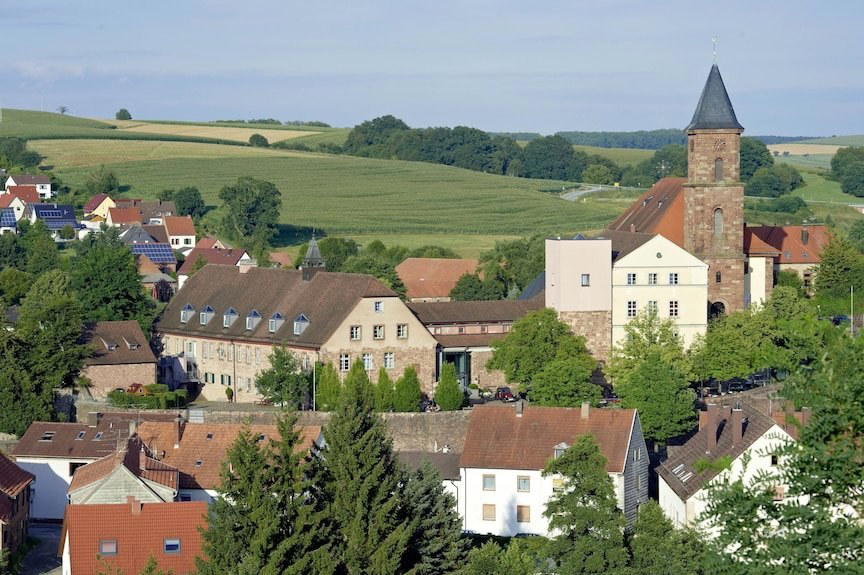
The stretch of road connecting Metz and Strasbourg passes through a part of northeastern France that most travellers treat as connective tissue rather than destination. Sarreguemines, positioned close to the German border in the Moselle department, rarely appears on itineraries built around Alsace's cathedral cities or the grands restaurants of the Rhine valley. That structural oversight is, in practical terms, what keeps Auberge Saint-Walfrid operating at a scale and pace that larger-city Michelin addresses cannot. The dining room fills with regional regulars rather than international tourism, and the kitchen's sourcing relationships, built over generations with local market gardeners and small-scale producers, reflect a continuity that is genuinely difficult to manufacture from scratch. For a broader look at what Sarreguemines offers beyond this address, see our full Sarreguemines restaurants guide.
The Building and the Room
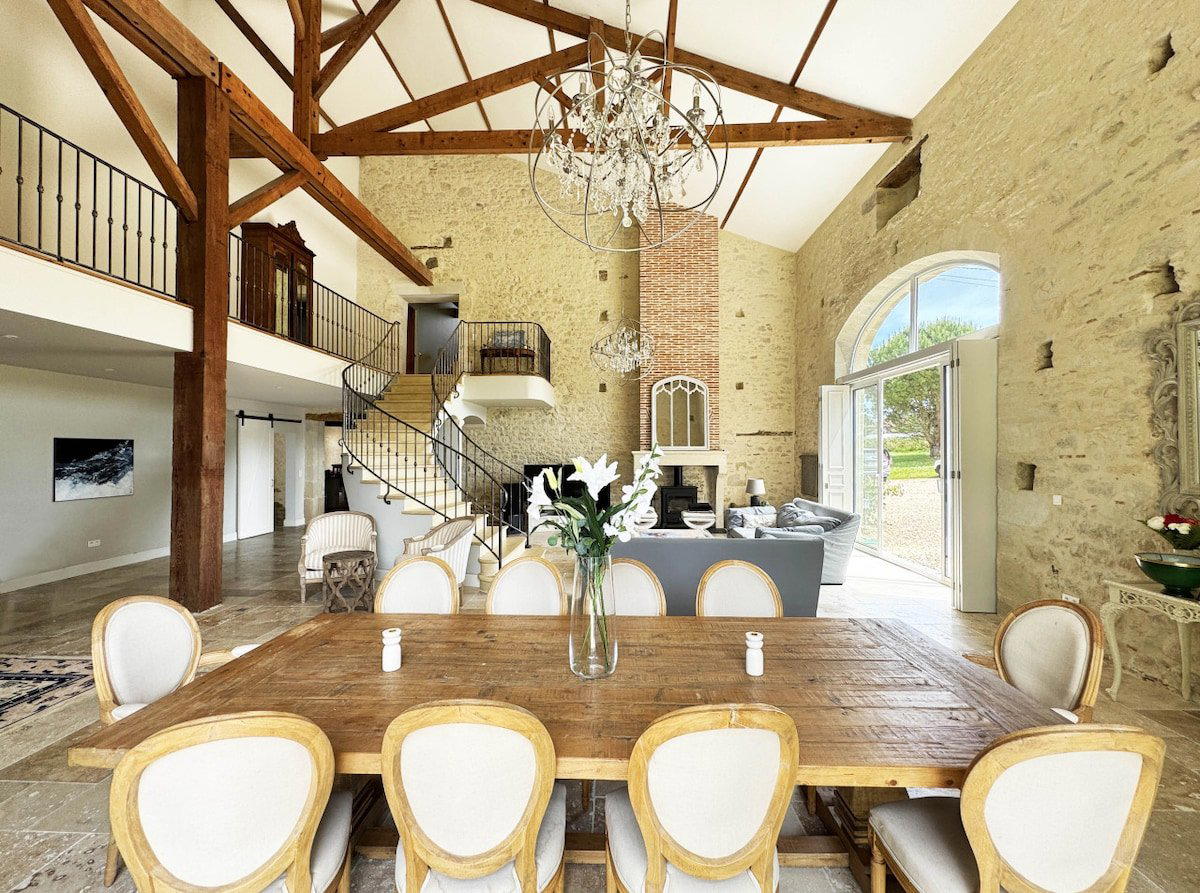
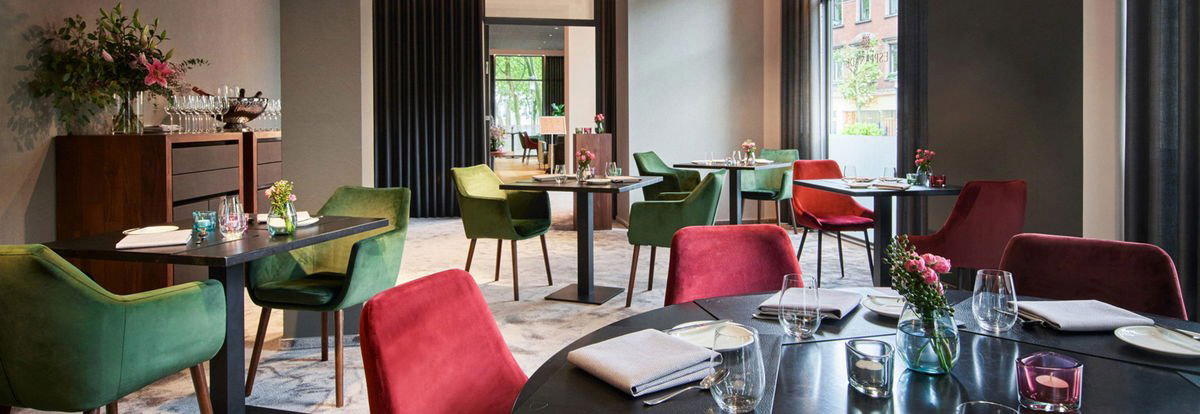
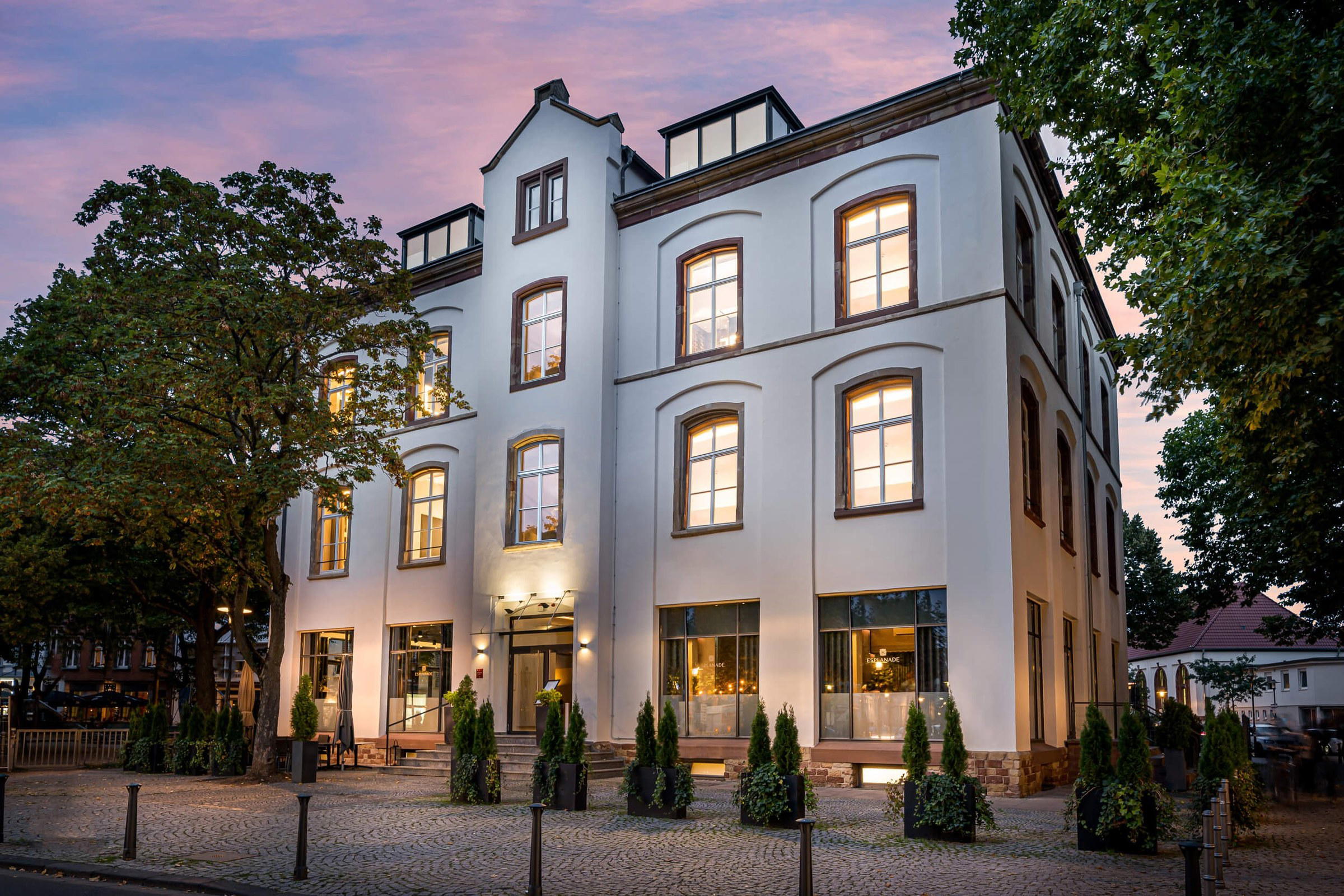
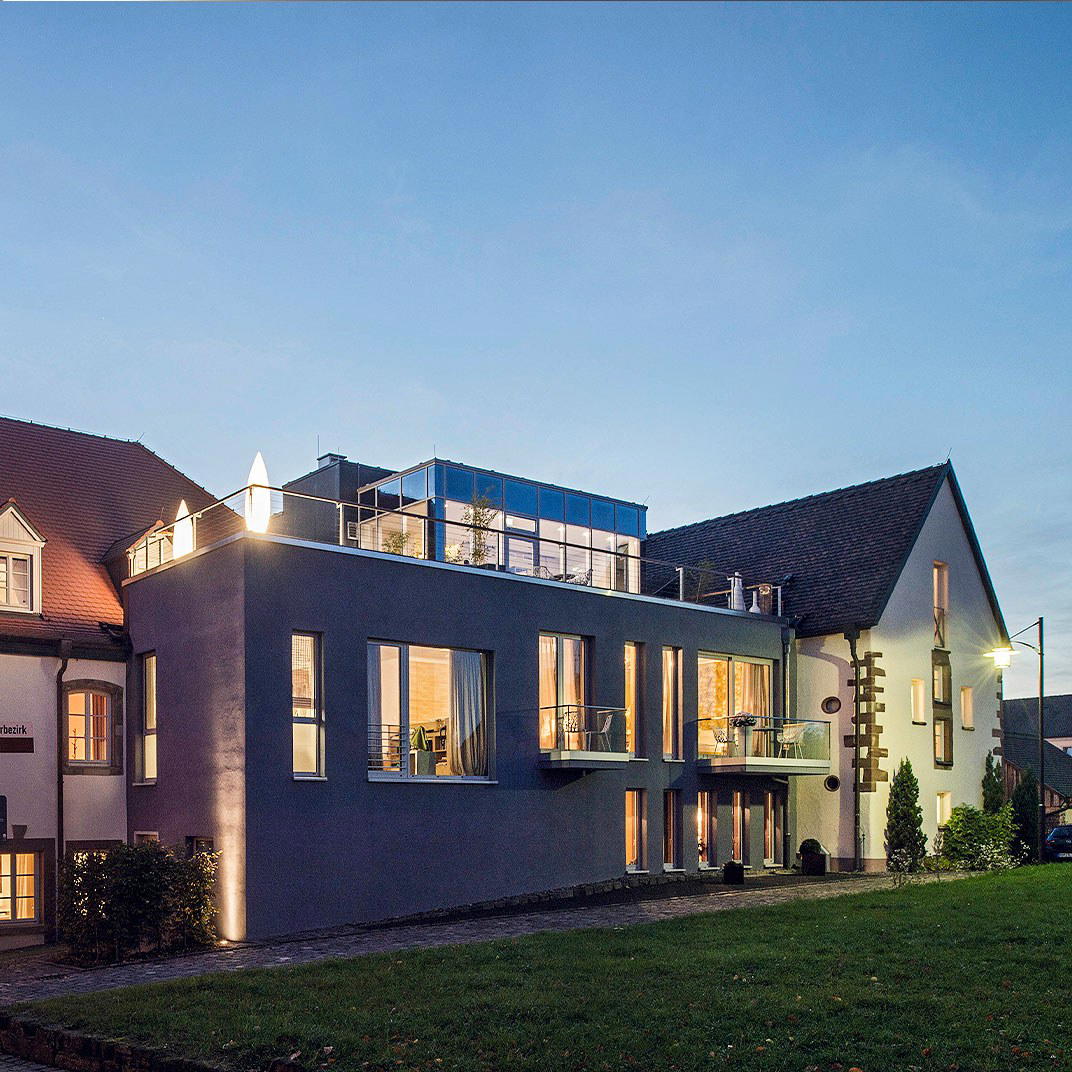
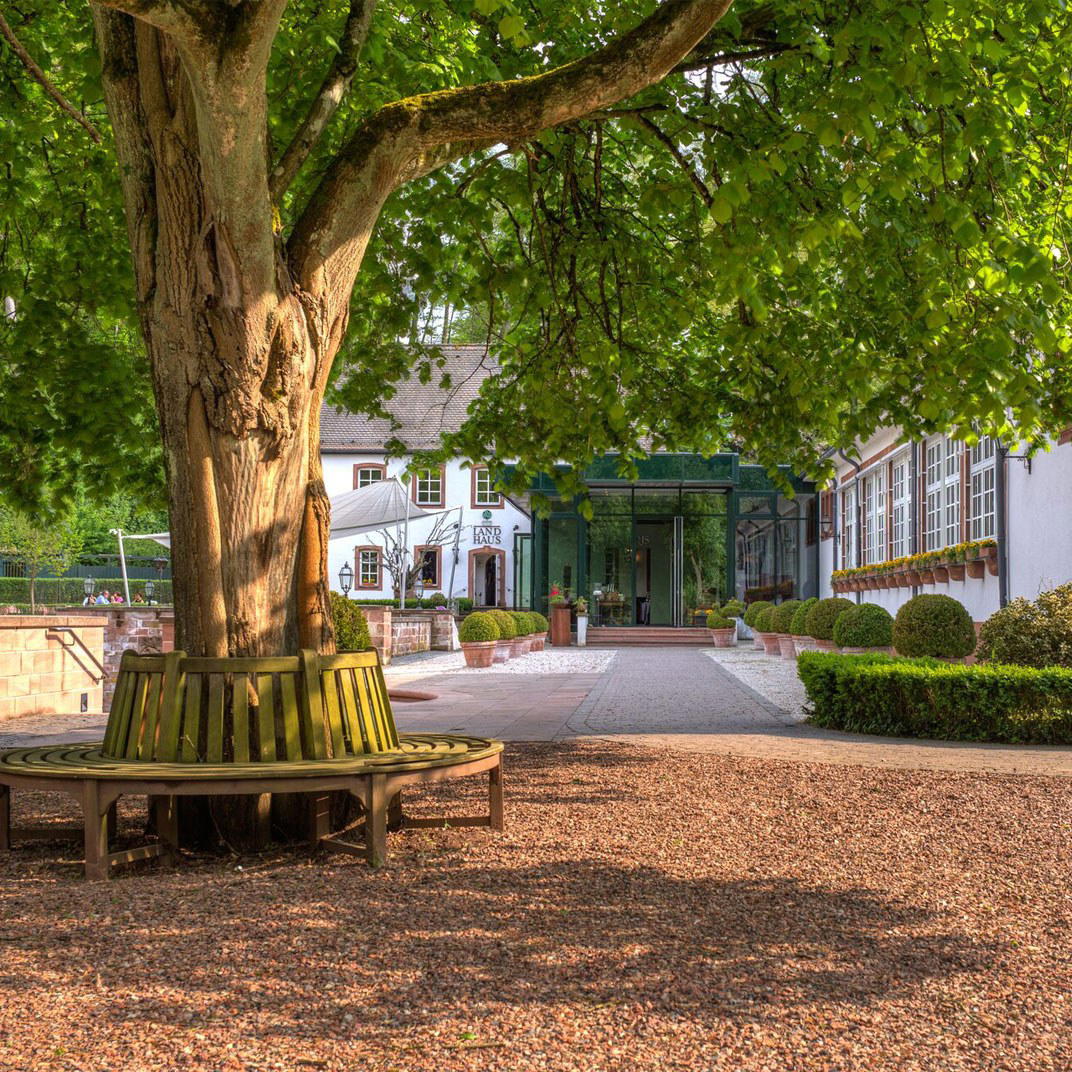
The auberge occupies a former farm that once belonged to the church in Welferding. The agricultural bones of the building survive in its proportions and in the way the dining room holds its warmth in the evening. Old parquet flooring, worn in the way that only decades of service produce, runs beneath tables set with the kind of unhurried formality that belongs to France's regional fine dining tradition rather than its metropolitan counterpart. Cabinets along the walls carry gleaming pieces of Sarreguemines earthenware, a reference to the town's ceramic manufacturing history that functions as both decor and quiet local pride. The overall effect is of a room that has earned its atmosphere rather than constructed it for effect. This is not the minimal Scandinavian dining room or the theatrical open kitchen that defines contemporary prestige dining in cities like Paris or Lyon. It is, instead, a room that tells you something specific about where you are.
Five Generations and What They Built
Multigenerational restaurant families in France are not unusual, but the ones that sustain Michelin recognition across generations are a distinct and smaller group. The auberge has been in the same family since the late nineteenth century, and Stephan Schneider, the fifth generation, now leads the kitchen, having taken over from his father, who built the establishment's gastronomic reputation across the region. That generational continuity matters in a specific way here: the sourcing networks, the relationships with local market gardeners, and the approach to whole-animal cookery are not the result of a recent philosophical shift toward provenance-led cooking. They predate the trend. France's classic cuisine tradition at this level, which you also see maintained at addresses like Auberge de l'Ill in Illhaeusern and Paul Bocuse's Auberge du Pont de Collonges, treats sourcing and technique as inherited responsibilities rather than contemporary positioning choices.
The Sourcing Logic
The kitchen's supply chain is worth examining carefully because it defines the food more than any single dish description could. The chef works with local market gardeners for produce and maintains his own kitchen garden, which allows the menu to respond to what is ready rather than what is available year-round through wholesale networks. Beyond the vegetable supply, the kitchen buys whole animals and processes them entirely in-house, including the cured meats. This is a meaningful operational commitment. Breaking down whole carcasses and producing charcuterie internally requires both skill and space that most restaurants, even at this price tier, no longer maintain. The approach places Auberge Saint-Walfrid in a category of French classic cooking where the chef's range extends from the butcher's block to the plate, a standard that was once assumed at this level and is now, increasingly, the exception.
In the broader French fine dining conversation, the provenance turn has been loudest at creative and contemporary addresses, from Mirazur in Menton to Bras in Laguiole, where foraging and garden-to-table narratives are central to the identity. At Auberge Saint-Walfrid, the same underlying logic applies, but without the narrative architecture. The kitchen garden exists because it always has, not because it photographs well. That distinction, subtle as it sounds, produces different food: cooking built on operational habit tends toward confidence rather than statement.
Where It Sits in the Michelin Tier
A single Michelin star, awarded in the 2024 Guide, places Auberge Saint-Walfrid in a large and competitive French cohort. The star signals a consistent kitchen producing food of high technical quality, but it does not by itself explain what distinguishes this address from the many one-star rooms in Alsace and Lorraine. Context does that work. The price tier is €€€€, the same bracket occupied by multi-star urban addresses including Alléno Paris au Pavillon Ledoyen and Assiette Champenoise in Reims. What the auberge offers at that price point is not the experimental tasting format or the theatrical service of those addresses, but a different proposition: a working auberge with rooms, a kitchen that processes its own animals, and a dining room that has been doing this long enough to have nothing left to prove. For those whose French fine dining experience runs primarily through creative or modernist kitchens, like Flocons de Sel in Megève or AM par Alexandre Mazzia in Marseille, Auberge Saint-Walfrid occupies a genuinely different register. The classic cuisine tradition it represents has closer peers at Maison Rostang in Paris or Au Crocodile in Strasbourg, though both of those operate in significantly larger cities with corresponding audiences. Among comparable regional classic addresses, Auberge du Vieux Puits in Fontjoncouse offers an instructive parallel: another family-run, star-holding inn where geography and generational commitment shape the food more than any single chef's individual statement. At the three-star creative end of the French spectrum, Troisgros in Ouches provides a useful contrast in what multigenerational ambition can look like when scaled toward international acclaim rather than regional rootedness.
Planning Your Visit
The auberge sits at 58 Rue de Grosbliederstroff in Sarreguemines, on the road between Metz and Strasbourg, making it a natural stopping point if you are driving that corridor rather than taking the train. Dinner service runs Tuesday through Saturday from 7 PM to 9:30 PM, and lunch is available Wednesday through Sunday from noon to 1:30 PM. Monday is the weekly closure. The combination of a Michelin star and a relatively compact regional dining audience means bookings are advisable, particularly for weekend dinner. Spacious guestrooms are available on site, which shifts the visit from a meal to an overnight stay. That option matters: arriving the evening before and leaving the morning after turns what might otherwise be a detour into something closer to the auberge experience the building was designed for. For further planning across the town, the Sarreguemines hotels guide, bars guide, wineries guide, and experiences guide cover what else the area supports. Internationally, if this style of classic French auberge cooking interests you, KOMU in Munich represents a related tradition on the German side of the border region.
Frequently asked questions
Is Auberge Saint-Walfrid expensive?
Pricing at Auberge Saint-Walfrid is listed as €€€€.
At-a-Glance Comparison
| Venue | Cuisine | Price | Awards | Notes |
|---|---|---|---|---|
| Auberge Saint-WalfridThis venue (the venue you are viewing) | Modern French Lorrain Fine Dining | $100–150 | 1 Michelin Star | Not listed |
| Alléno Paris au Pavillon Ledoyen | Modern French Fine Dining | $150–200 | 3 Michelin Stars · World's 50 Best #79 | Creative |
| Kei | Contemporary French, Modern Cuisine | Not listed | Michelin 3 Star | Not listed |
| L'Ambroisie | Classic French Haute Cuisine | $300–500 | 2 Michelin Stars · World's 50 Best #23 | French, Classic Cuisine |
| Le Cinq - Four Seasons Hôtel George V | Modern French Fine Dining | $300–500 | 3 Michelin Stars · World's 50 Best #24 | French, Modern Cuisine |
| Plénitude | Modern French Sauce-Led Fine Dining | $300–500 | 3 Michelin Stars · World's 50 Best #14 | Contemporary French |
Recognition history
Dated appearances from independent guides and award organizations, with the underlying list record or original source where available.
Michelin 1 Star
Michelin
Full recognition history (3 entries)
Michelin 1 Star
Michelin
Michelin 1 Star
Michelin
Continue exploring
More in Sarreguemines
Restaurants in Sarreguemines
All restaurants in Sarreguemines →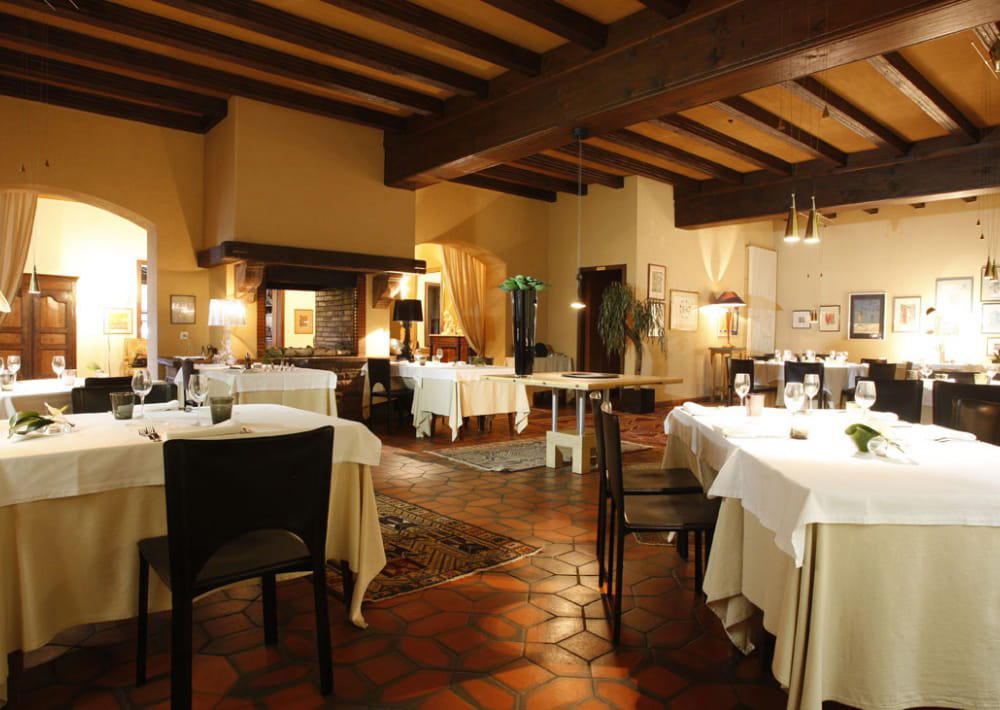

Auberge Saint-Walfrid
The wine
- Extensive wine list
- Sommelier-led
Details
- Elegant
- Cozy
- Classic
- Intimate
- Sophisticated
- Date Night
- Special Occasion
- Celebration
- Historic Building
- Hotel Restaurant
- Garden
- Extensive Wine List
- Sommelier Led
- Local Sourcing
- Garden
- A La Carte
- Tasting Menu
- Vegetarian Friendly
Warm, bourgeois dining room with old parquet flooring, warmly decorated, and cabinets displaying gleaming Sarreguemines earthenware, creating a noble yet cozy atmosphere.