On Rue Bailly in Nancy's historic centre, TT Histoire occupies a space where the city's Lorraine culinary tradition meets a considered approach to sourcing and waste. Positioned in a dining scene that spans everything from Bistrot Gros's casual modern plates to La Maison dans le Parc's refined tasting menus, TT Histoire carves a distinct identity through its relationship with local producers and environmental conscience.
Pearl is the En Primeur Club membership app — saves, bookings, and concierge access live there. Same editors, same standards.
- Address
- 21-23 Rue Bailly, 54000 Nancy, France
- Phone
- +33356581343
- Website
- tthistoirerestaurant.com
- Directions
- Get directions
 Saves & bookings on Pearl
Where Nancy's Dining Conscience Lives
The Lorraine region has long held a quieter reputation than Alsace to the east or Burgundy to the south, yet Nancy's restaurant scene has been developing a sharper, more purposeful character over the past decade. Across a city whose dining options now range from the approachable modern plates at Bistrot Gros through to the more formal architecture of La Maison dans le Parc, a smaller cohort of addresses has chosen a different organising principle: not prestige signalling, but supply chain discipline and ecological intent. TT Histoire is a restaurant in Nancy, France, at 21-23 Rue Bailly.
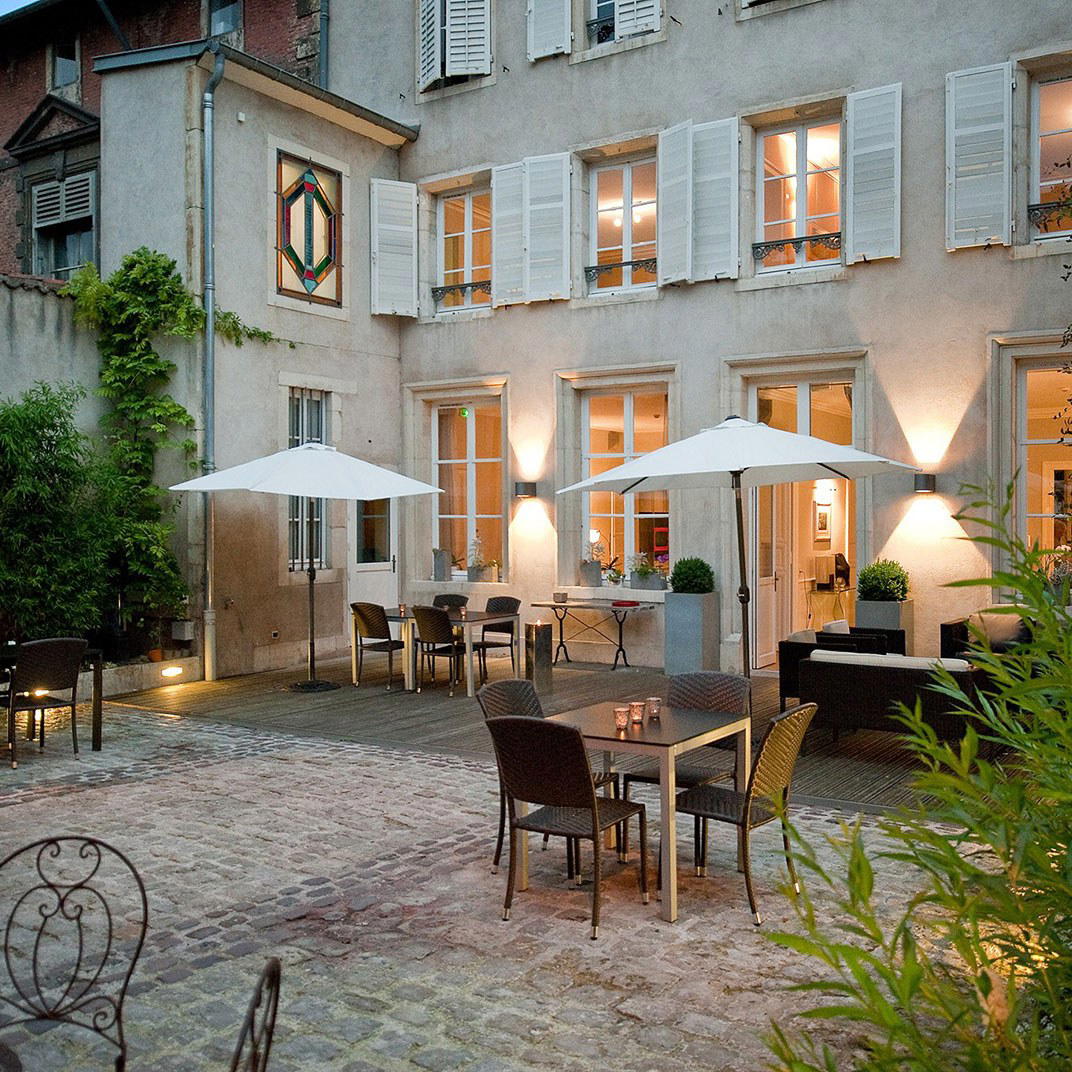
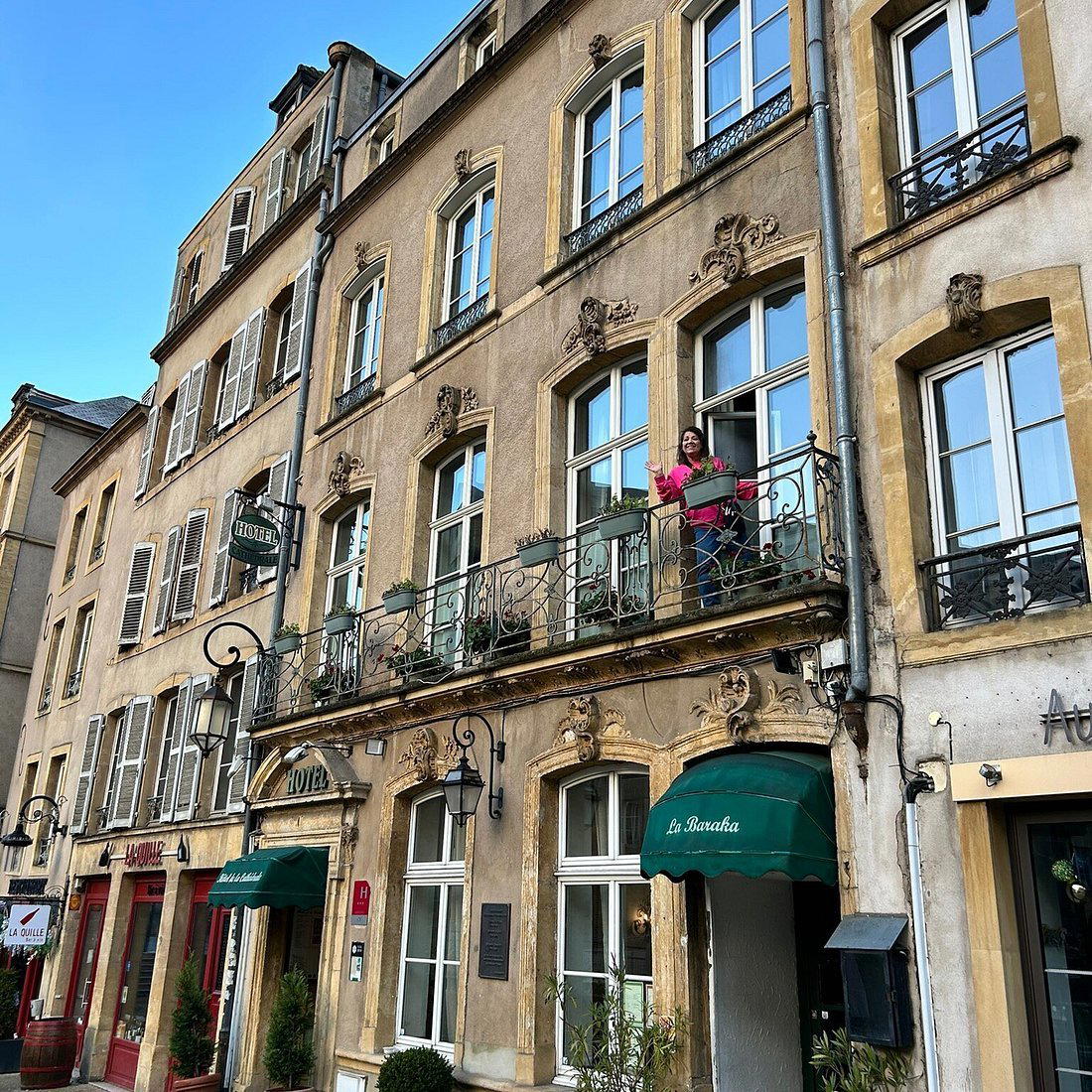
The address itself sits within the older residential fabric of central Nancy, away from the tourist corridor around Place Stanislas. Arriving on Rue Bailly, you are in a neighbourhood that feels lived-in rather than curated for visitors, the kind of street where a restaurant earns its clientele through repetition and word of mouth rather than through footfall. That context matters, because it signals something about the venue's ambitions: this is not a room built around occasion dining or passing trade.
The Lorraine Sourcing Frame
To understand what TT Histoire is doing, it helps to understand what the broader sustainability turn in French regional cooking actually demands. The constraint is more severe than it sounds. Lorraine's productive agricultural zone runs to dairy, grains, river fish from the Moselle, and woodland products, it is not the Provence larder, and kitchens that commit to genuine local sourcing have to work with what the region actually yields rather than what a menu designed for aesthetic impact might prefer. That discipline, applied seriously, produces cooking that reflects geography rather than fashion.
This is the frame through which French kitchens committed to ethical sourcing are increasingly assessed, and it connects TT Histoire to a wider national conversation. At the far end of the spectrum, Mirazur in Menton has built its reputation around a biodynamic garden feeding the kitchen directly, while Bras in Laguiole has spent decades articulating the cooking of the Aubrac plateau as a self-contained ecological argument. The restaurant operates at a smaller scale and in a less photogenic landscape, but the underlying logic, that the kitchen should account for what it uses and where it comes from, is the same.
Setting and Atmosphere
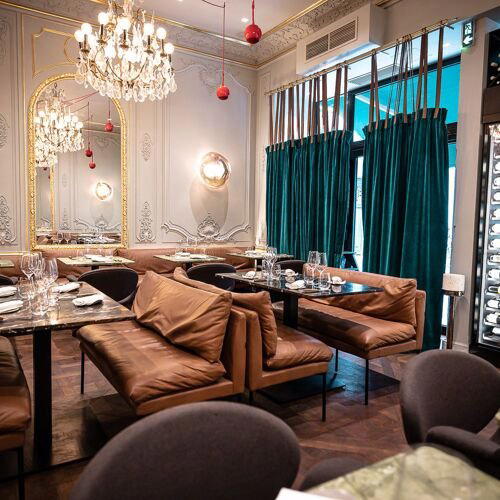
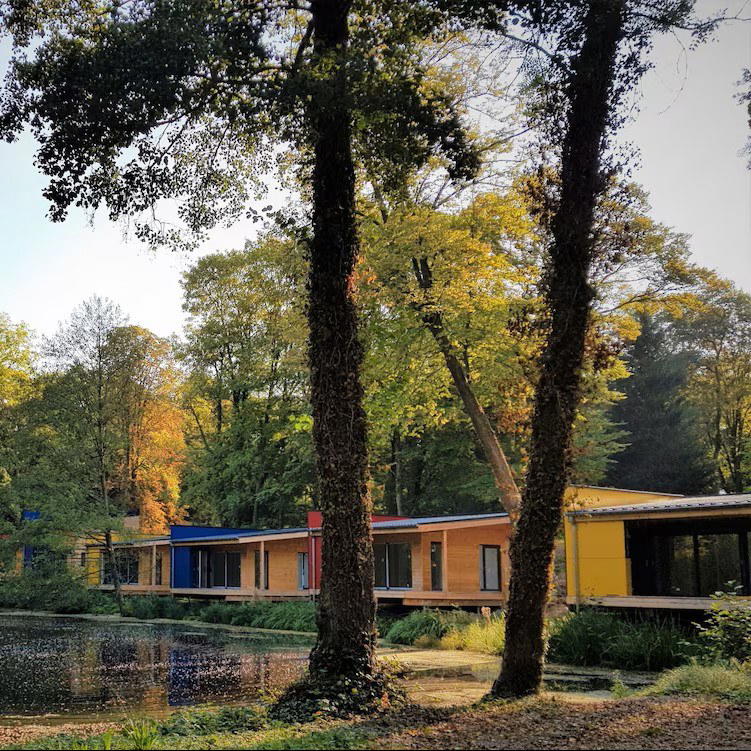
Nancy's fine dining scene has historically skewed formal. The city's Belle Époque architecture and its Art Nouveau heritage create an expectation of ceremony, and older establishments like Au Crocodile in nearby Strasbourg have set a regional template for white-tablecloth precision. The restaurant reads as a departure from that template. The address on Rue Bailly suggests a room where the design choices are deliberate but not heavy, spaces built around the idea that what arrives on the plate should hold the attention, rather than the architecture of the room itself.
That restraint in the physical environment is consistent with the sustainability ethic. Kitchens serious about waste reduction and ethical sourcing tend to resist the kind of elaborate presentation theatre that generates its own form of excess. The French restaurants that have committed most deeply to this position, from Flocons de Sel in Megève to AM par Alexandre Mazzia in Marseille, share a tendency toward settings where the material choices are considered but the scale is human.
TT Histoire in Nancy's Competitive Set
Nancy's restaurant scene now has enough range that a new address needs a clear position. At the lower price tier, Cadet and Bastion are drawing younger diners with accessible modern cooking. At the more considered end, Au Grand Sérieux has established a reputation for serious, craft-led work. The restaurant's Rue Bailly address places it physically apart from both clusters, which reinforces the sense that it is operating on its own terms rather than competing directly for the same reservation pool.
The comparison that matters most, though, is not geographic but conceptual. Across France, a generation of kitchens has moved sustainability from a marketing footnote to a structural constraint: zero-waste kitchens, whole-animal butchery, fermentation programs designed to extend produce across the full season. Troisgros in Ouches exemplifies how a long-established French kitchen can rebuild its supply chain from first principles. At the institutional end, Alléno Paris au Pavillon Ledoyen has pushed sauce-making techniques toward near-total extraction to reduce waste at the summit of the price tier. The restaurant, operating in a regional city without a Michelin framework to navigate, has different pressures, but the underlying commitment to accounting for what the kitchen consumes is a shared orientation.
What to Know Before You Go
The restaurant is located at 21-23 Rue Bailly in central Nancy, reachable on foot from Nancy-Ville station in around ten minutes. As with many independently operated restaurants in French regional cities, booking ahead is advisable, addresses that attract a loyal local following tend to fill on weekends without much online visibility.
Diners who have worked through the northeastern France circuit will find useful context in comparing Nancy's scene against its regional neighbours. Assiette Champenoise in Reims and Auberge de l'Ill in Illhaeusern represent the formal, Michelin-tracked upper end of the Grand Est culinary corridor. The restaurant is a different proposition, a room that appears to be building its case through practice rather than awards, in a city that is producing more interesting independent addresses than its national profile would suggest. For readers whose reference points extend internationally, the gap between a Nancy independent and a Le Bernardin in New York or an Atomix in terms of scale and recognition is obvious, but the question of what a kitchen chooses to commit to, at whatever scale it operates, is the same question regardless of the city.
And that is, ultimately, what makes the restaurant notable: a position. In a regional city where the dining conversation is still forming, a kitchen that organises itself around where its ingredients come from and what it does with what it doesn't use is making a specific argument. A visit will show how closely that idea is being carried through.
A Lean Comparison
Comparable venues nearby, for context on price, style, and recognition.
| Venue | Cuisine | Price | Notes |
|---|---|---|---|
| TT HistoireThis venue — the venue you are viewing | Not listed | $$$ | Not listed |
| Le Dizneuf | Place Charles-III, French Brasserie | $$ | Not listed |
| La Table du Bon Roi Stanislas | Not listed | $$$$ | Saint-Leon, Historical French-Polish Lorraine Cuisine |
| L'Éliceur | Not listed | $$$ | Vieille Ville/Stanislas, Modern French Fine Dining |
| Bistrot Gros | Not listed | $$ | Old Town (near Basilique St Epvre), Creative French Bistro |
| Cadet | Not listed | $$$ | Between Villa Majorelle and Musée de l'École de Nancy, Modern French Seasonal Tasting Menu |
Continue exploring
More in Nancy
Restaurants in Nancy
Browse all →

At a Glance
- Cozy
- Elegant
- Modern
- Intimate
- Date Night
- Special Occasion
- Business Dinner
- Historic Building
- Extensive Wine List
- Local Sourcing
Current opening hours
- Monday
- Closed
- Tuesday
- Closed
- Wednesday
- 12–2 PM, 7–10:30 PM
- Thursday
- 12–2 PM, 7–10:30 PM
- Friday
- 12–2 PM, 7–10:30 PM
- Saturday
- 12–2 PM, 7–10:30 PM
- Sunday
- 12–2:30 PM
Hours can change for holidays and private events. Last verified .
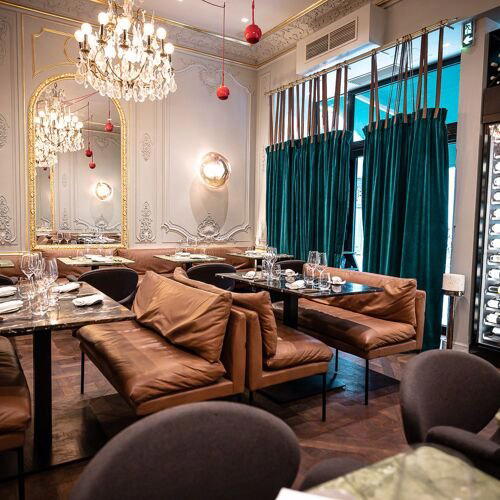
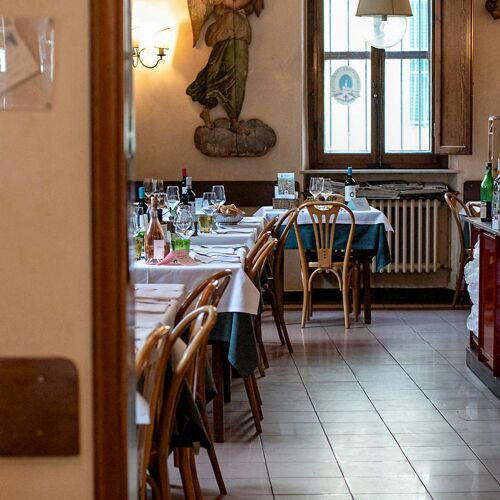
Contemporary and cosy atmosphere with sober walls, dimmed lighting, and comfortable armchairs ideal for relaxed and refined dining.