Toya



1 Michelin Star · We're Smart World 3 Radishes
Our verdict
A Michelin-starred restaurant in Faulquemont, Moselle, Toya operates at the intersection of classical French technique and Japanese seasonal philosophy. Chef Loïc Villemin's weekly-changing mystery menu draws heavily on wild plants, local farm produce, and the principles of restraint that define kaiseki-informed cooking. Ranked 394th in Opinionated About Dining's Classical in Europe list for 2025, it is among the most quietly serious restaurants in the Grand Est region.

Pearl is the En Primeur Club membership app, where members save venues, book tables and use the concierge.
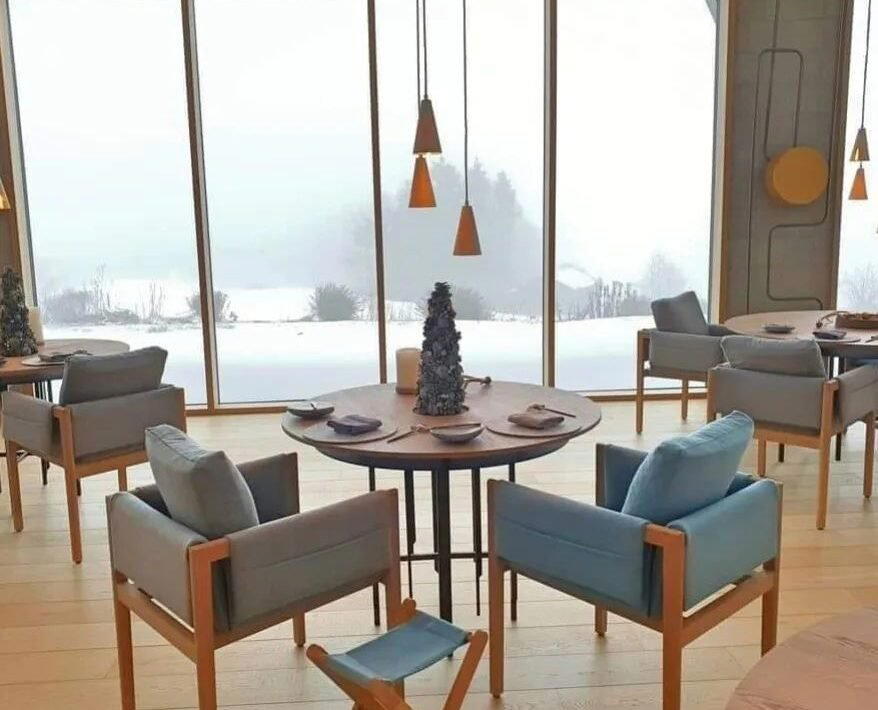
Where the Moselle Meets Hokkaido
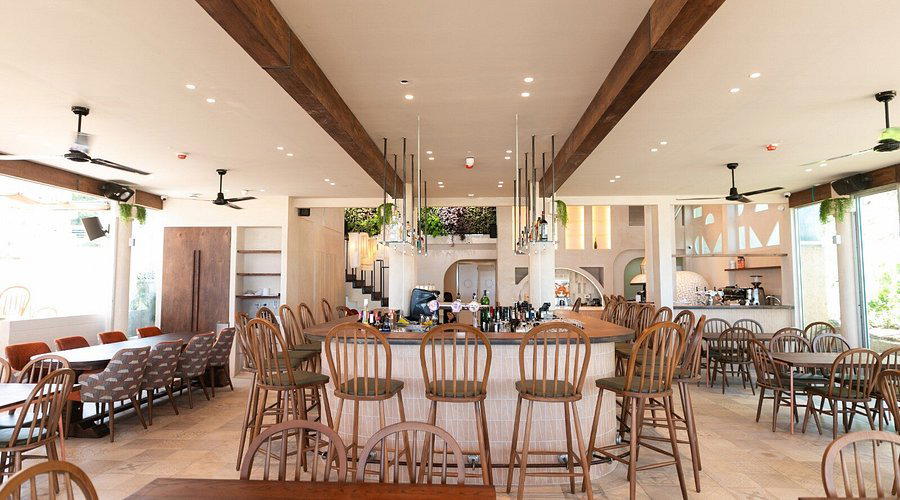
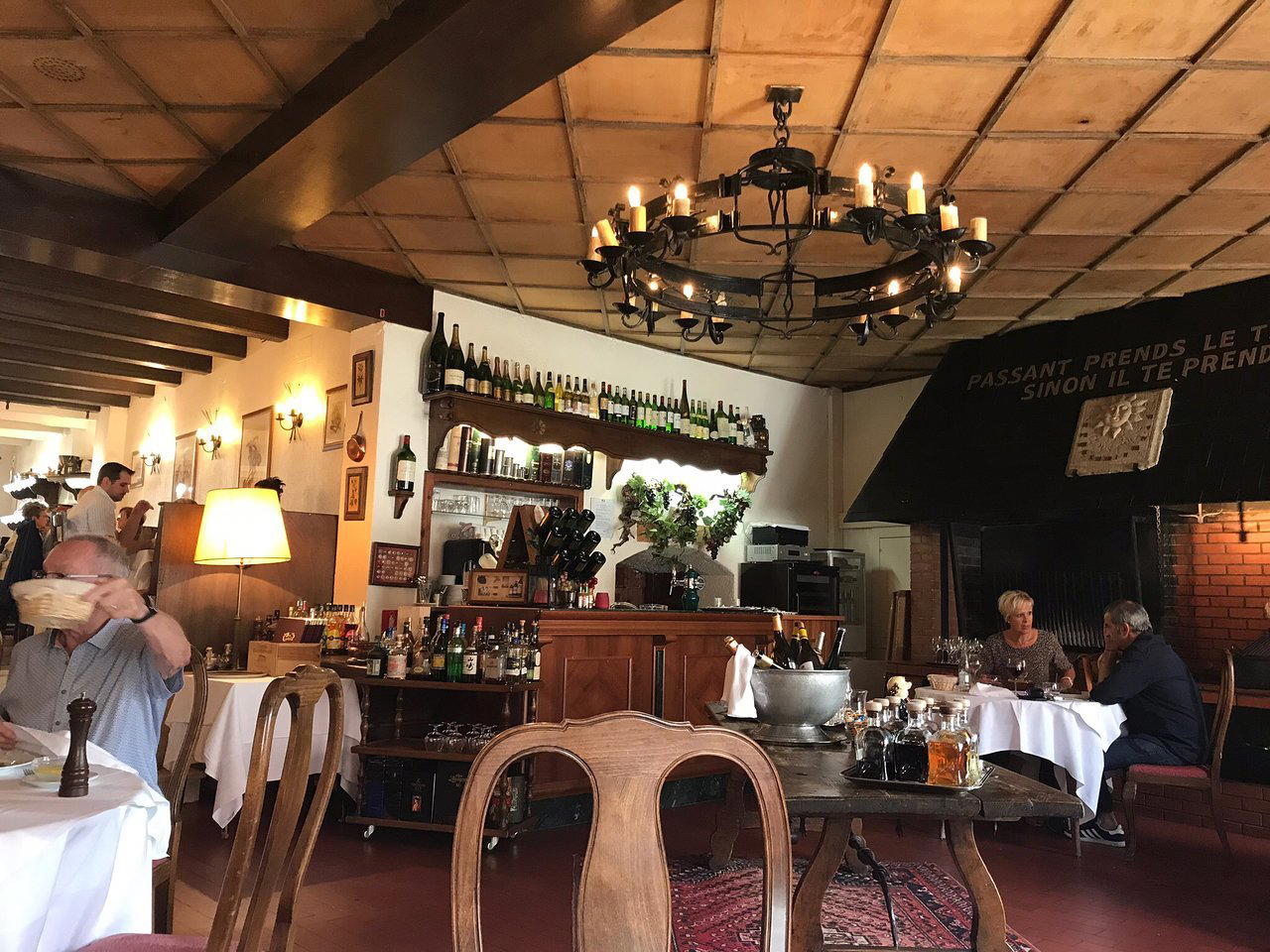
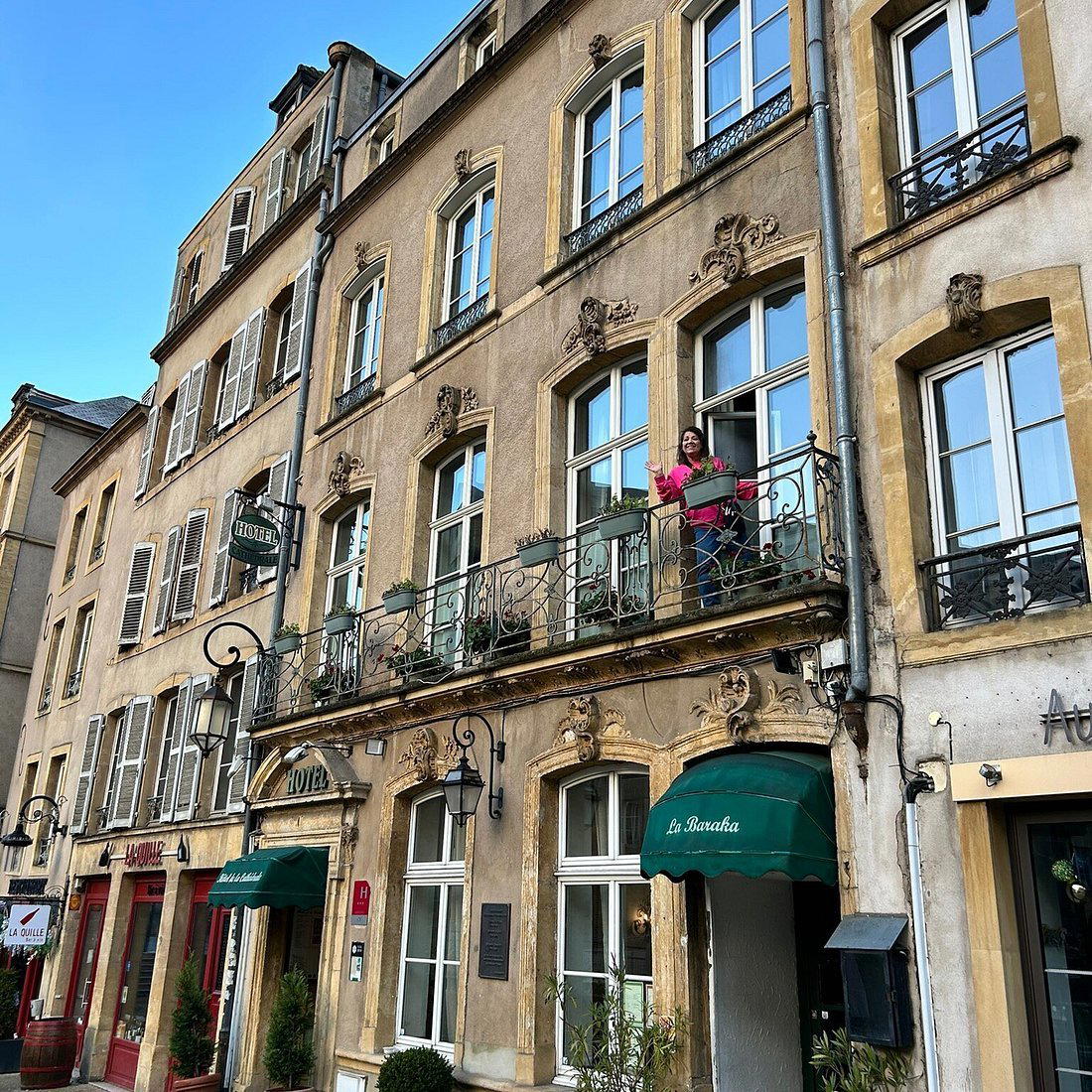
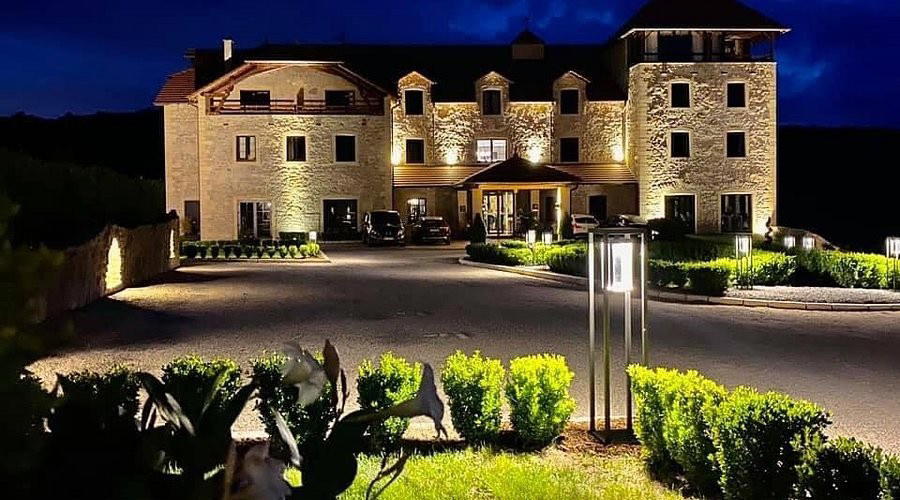
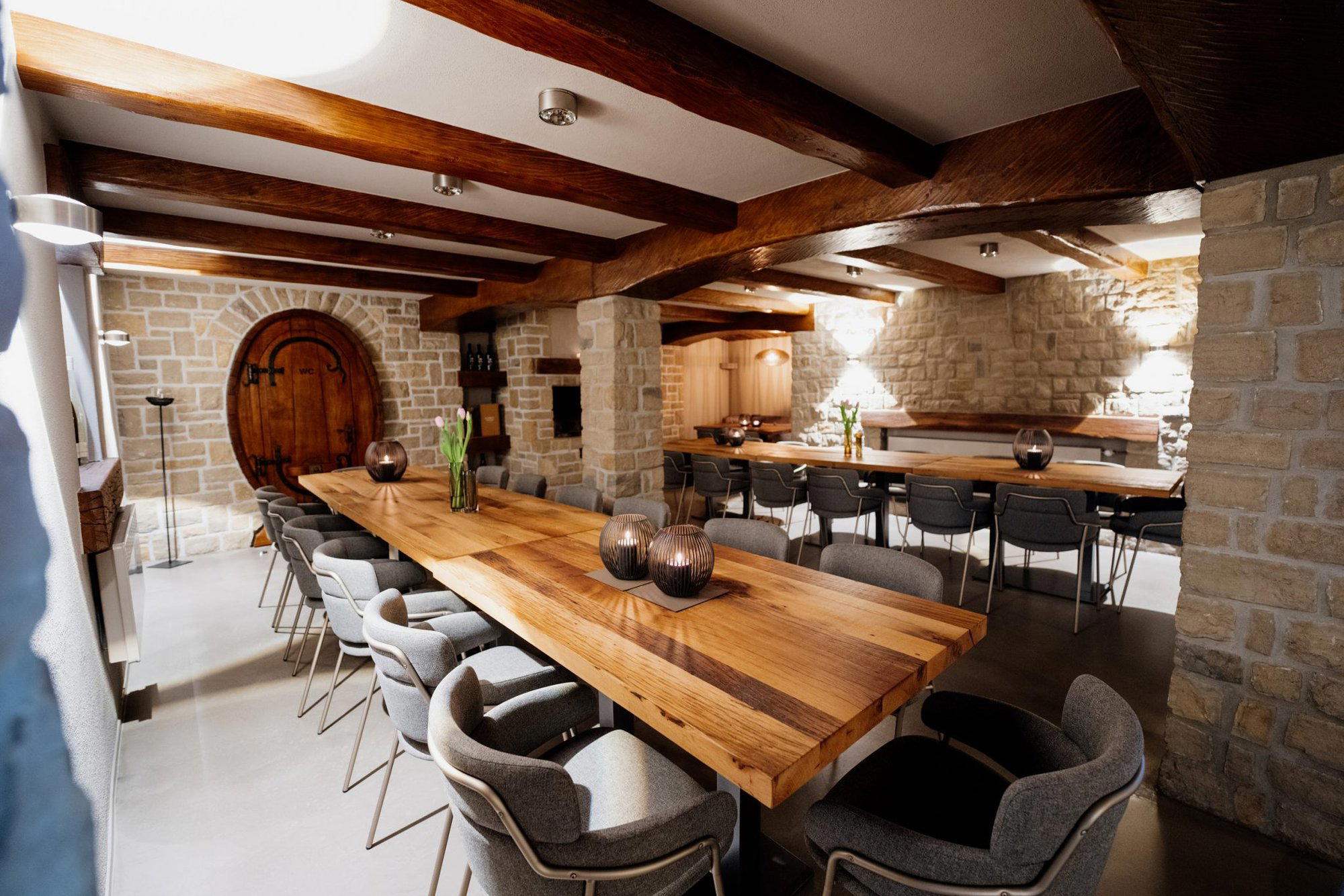
The approach to Toya tells you something about its culinary logic before you've read the menu. The restaurant sits overlooking a golf course on the edge of Faulquemont, a small town in the Moselle department of the Grand Est region, roughly equidistant between Metz and Sarrebourg. The setting is green, unhurried, and deliberately removed from the drama of urban fine dining. Inside, a nature-inspired interior, calm materials, considered light, a room that doesn't compete with what arrives on the plate, completes the picture. This is a restaurant that has made a deliberate architectural argument: that serious cooking doesn't require a city address or a theatrical backdrop.
The name references Tōya, a volcanic lake in Japan's Shikotsu-Tōya National Park on the northern island of Hokkaido, and that reference isn't decorative. Hokkaido's culinary identity, built on wild fish, foraged plants, and an agricultural tradition of premium market gardening, directly informs the sourcing logic at work in Faulquemont. The crossover between that northern Japanese model and the terroir-first instincts of eastern French cooking turns out to be less of a stretch than it sounds.
The Kaiseki Logic at Work
Kaiseki, as a tradition, insists on the season as the primary author of a meal. The chef's role is to interpret and sequence, not to impose. That principle, produce first, technique in service of the ingredient, sits at the centre of what Toya does, even if the execution draws on French rather than Japanese culinary vocabulary.
Chef Loïc Villemin runs a mystery menu that changes on a weekly basis, which places the restaurant closer to the kaiseki model than to the fixed tasting-menu format that defines most Michelin-starred tables in France. There is no signature dish, by design. Vegetables have taken an increasingly central role in the menu's architecture, supported by wild plants and herbs, a daily fish selection, and protein from small local farms. The OAD reviewer who assessed the plant-based option described being "blown off our chairs" by the build-up of flavours and the completeness of the culinary technique on display. That response points to something important: a fully vegetable-led menu executed at this level remains rare in French fine dining, where plant-forward cooking is often framed as accommodation rather than ambition.
Villemin trained under a lineage that reads as a who's-who of modern French technique, including Jean-Georges Klein, Nicolas Le Bec, Bernard Loiseau, and Arnaud Lallement, whose Assiette Champenoise in Reims holds three Michelin stars. That training base places Toya inside the classical French tradition while giving the chef the technical depth to absorb Japanese influence without reducing it to surface aesthetics. The Japanese element at Toya functions as a philosophical framework, not a plating style.
Recognition and Where It Sits in the French Fine Dining Field
France's Michelin-starred restaurant count runs into the hundreds, and the top tier tends to cluster in Paris, Lyon, and the Côte d'Azur. Restaurants like Alléno Paris au Pavillon Ledoyen in Paris, Mirazur in Menton, and Troisgros - Le Bois sans Feuilles in Ouches occupy the upper tier of that field, drawing international travel specifically for the meal. Toya operates in a different register: a one-star table in a non-destination town, which means its audience is self-selecting in a useful way. The guests who make the drive to Faulquemont are not passing through. They have sought the restaurant out.
Michelin awarded Toya its first star in 2024, validating what the OAD community had been tracking since at least 2023, when the restaurant first appeared as a Recommended entry in the Classical in Europe ranking. By 2024 it had climbed to 374th, and the 2025 edition places it at 394th, a small movement that reflects competitive pressure in the ranking rather than any diminishment of the cooking. The OAD Classical in Europe list, which aggregates assessments from a community of experienced diners rather than anonymous inspectors, tends to surface serious restaurants before mainstream recognition catches up. That Toya appeared there before its Michelin star is consistent with that pattern.
In the broader context of French-Japanese cooking in France, Toya belongs to a cohort that is doing something more considered than fusion. Victor's Fine Dining by Christian Bau in Perl, just across the border in Germany's Saarland, offers a useful comparison point: another three-star table in an unlikely location, drawing on Japanese philosophy within a Central European fine-dining framework. The border region has, over the past two decades, produced some of Europe's more intellectually serious cooking, with chefs working at a remove from metropolitan trends. Toya fits that pattern.
Elsewhere in the French canon, the plant-and-terroir-led approach has a strong precedent at Bras in Laguiole, where Michel and Sébastien Bras built one of France's most influential restaurants around the flora of the Aubrac plateau. The ambition at Toya is comparable in its directional logic, if expressed through a different regional and cultural filter. For readers who have followed the broader trajectory of Flocons de Sel in Megève or the Alsatian tradition represented by Auberge de l'Ill in Illhaeusern, Toya will feel legible: a restaurant in the French regional tradition, operating at high technical level, shaped by a specific geography and a chef's particular obsessions.
The Weekly Menu and What That Means for Planning
The decision to change the menu weekly rather than seasonally has practical implications for guests. There is no advance way to know exactly what will be served, which is the point: the menu is built around what is available, not the other way around. This is kaiseki thinking applied to a French-Japanese kitchen, and it means that a return visit is genuinely different from the first. For guests who prefer to know what they're ordering before they arrive, this format requires an adjustment in expectations. For guests who trust the chef's judgment, it removes the usual anxiety of menu selection entirely.
The price tier is €€€€, placing Toya at the top of the local market and in line with Michelin one-star tables elsewhere in the Grand Est. Auberge du Vieux Puits in Fontjoncouse and Au Crocodile in Strasbourg offer points of regional comparison for guests calibrating the investment. That it doesn't suggest the communication between kitchen and table is handled well.
Faulquemont sits in the Moselle, accessible from Metz in around 40 minutes by road and from the Saarbrücken area in a similar window. For guests travelling from Paris, the TGV to Metz takes around 90 minutes, with a car hire or taxi for the final stretch. For an itinerary that treats Grand Est seriously, pairing Toya with the Alsatian restaurants to the south, Au Crocodile in Strasbourg and Auberge de l'Ill in Illhaeusern, makes geographic sense. For those extending further into the region's dining, our full Faulquemont restaurants guide maps the local context, and our full Faulquemont hotels guide covers overnight options for those planning around the meal. Booking should be treated as essential; a restaurant of this recognition in a small town operates without the overflow capacity of a city address.
Frequently asked questions
What is the atmosphere like at Toya?
What should I eat at Toya?
Does Toya work for a family meal?
Comparison Snapshot
| Venue | Cuisine | Price | Awards | Notes |
|---|---|---|---|---|
| ToyaThis venue (the venue you are viewing) | Creative French Fine Dining | $100–150 | 1 Michelin Star · We're Smart World 3 Radishes | Not listed |
| Alléno Paris au Pavillon Ledoyen | Modern French Fine Dining | $150–200 | 3 Michelin Stars · World's 50 Best #79 | Creative |
| Kei | Contemporary French, Modern Cuisine | Not listed | Michelin 3 Star | Not listed |
| L'Ambroisie | Classic French Haute Cuisine | $300–500 | 2 Michelin Stars · World's 50 Best #23 | French, Classic Cuisine |
| Le Cinq - Four Seasons Hôtel George V | Modern French Fine Dining | $300–500 | 3 Michelin Stars · World's 50 Best #24 | French, Modern Cuisine |
| Plénitude | Modern French Sauce-Led Fine Dining | $300–500 | 3 Michelin Stars · World's 50 Best #14 | Contemporary French |
Recognition history
Dated appearances from independent guides and award organizations, with the underlying list record or original source where available.
Michelin 1 Star
Michelin
Opinionated About Dining Classical in Europe Ranked #394
Opinionated About Dining
We're Smart World 3 Radishes
We're Smart World
Full recognition history (7 entries)
Michelin 1 Star
Michelin
Michelin 1 Star
Michelin
Opinionated About Dining Classical in Europe Ranked #374
Opinionated About Dining
Opinionated About Dining Classical in Europe Recommended
Opinionated About Dining
Continue exploring
More in Faulquemont
Restaurants in Faulquemont
All restaurants in Faulquemont →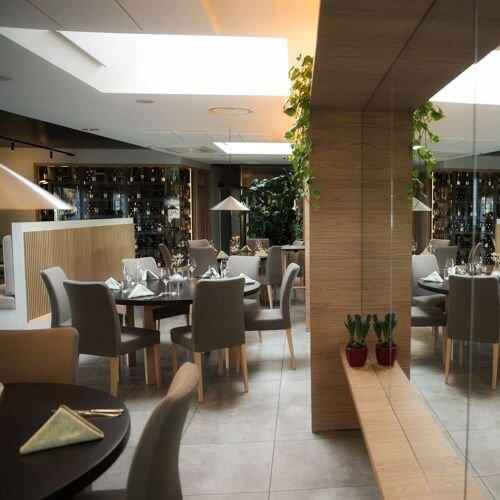

Toya
The wine
- Wine program
- Deep wine list
- Extensive wine list
- Sommelier-led
Details
- Elegant
- Scenic
- Intimate
- Sophisticated
- Date Night
- Special Occasion
- Open Kitchen
- Terrace
- Extensive Wine List
- Sommelier Led
- Local Sourcing
- Garden
- Tasting Menu
- Vegetarian Friendly
- Vegan Options
Current opening hours
- Monday
- Closed
- Tuesday
- Closed
- Wednesday
- 12:15–1 PM, 7:15–9 PM
- Thursday
- 12:15–1 PM, 7:15–9 PM
- Friday
- 12:15–1 PM, 7:15–9 PM
- Saturday
- 12:15–1 PM, 7:15–9 PM
- Sunday
- Closed
Hours can change for holidays and private events. Hours as of .
Zen and relaxing setting with panoramic golf course views, airy lines, neat decoration, serene lighting, and peaceful atmosphere.