La Bastide du Grand Tilleul sits in Mérindol, a quiet Luberon village where Provençal cooking still follows the logic of the land rather than the calendar of a marketing team. The address places it inside a wider southern French dining tradition that prizes local sourcing and seasonal restraint over technical theatrics. For those tracing the quieter end of Provence's restaurant circuit, it warrants attention alongside the region's more publicised tables.
Pearl is the En Primeur Club membership app — saves, bookings, and concierge access live there. Same editors, same standards.
- Address
- 1 Av. des Brullières, 84360 Mérindol, France
- Phone
- +33432502082
- Website
- labastidedugrandtilleul.com
- Directions
- Get directions
 Saves & bookings on Pearl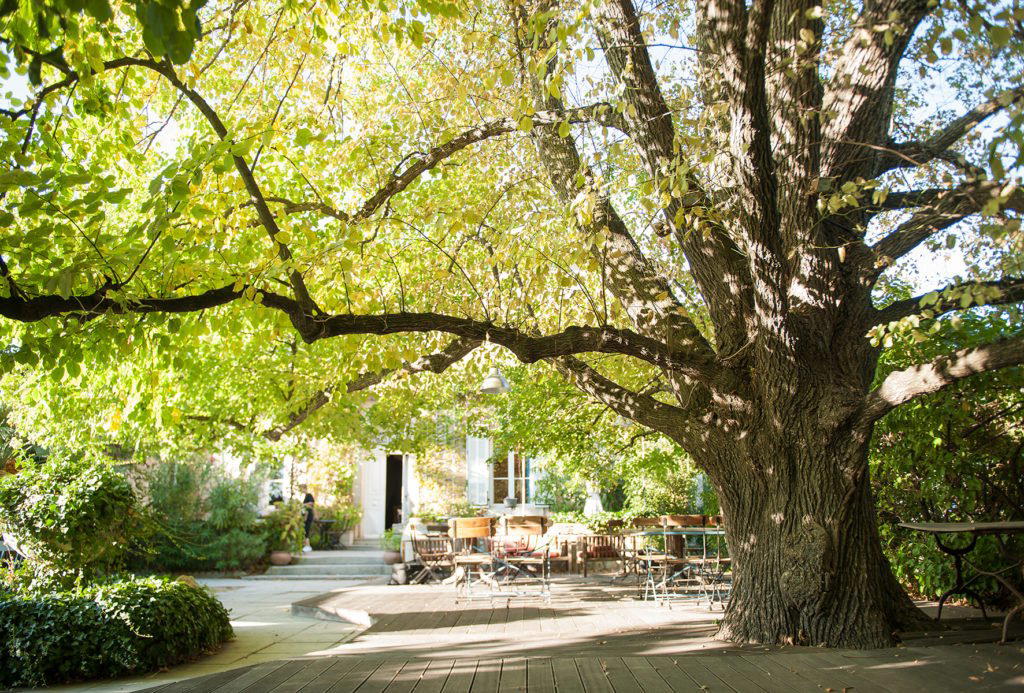
Where the Luberon Sets the Menu
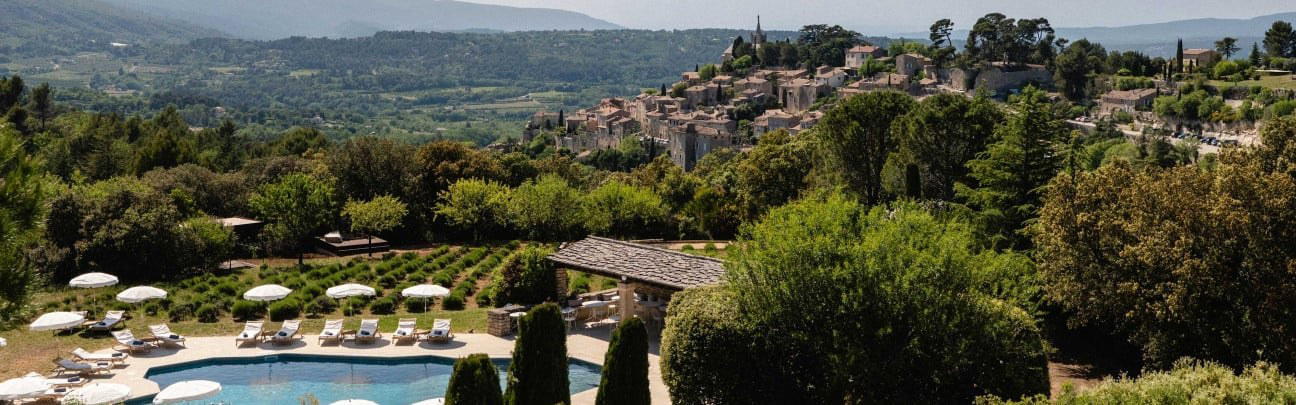
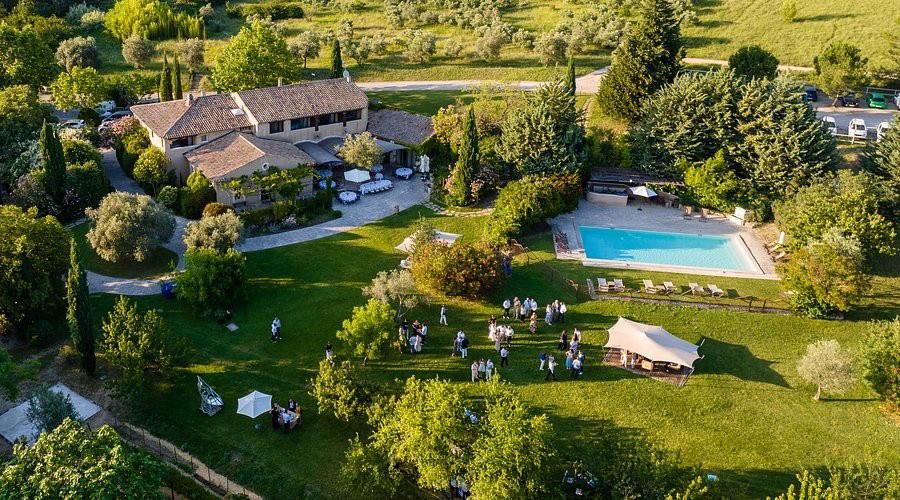
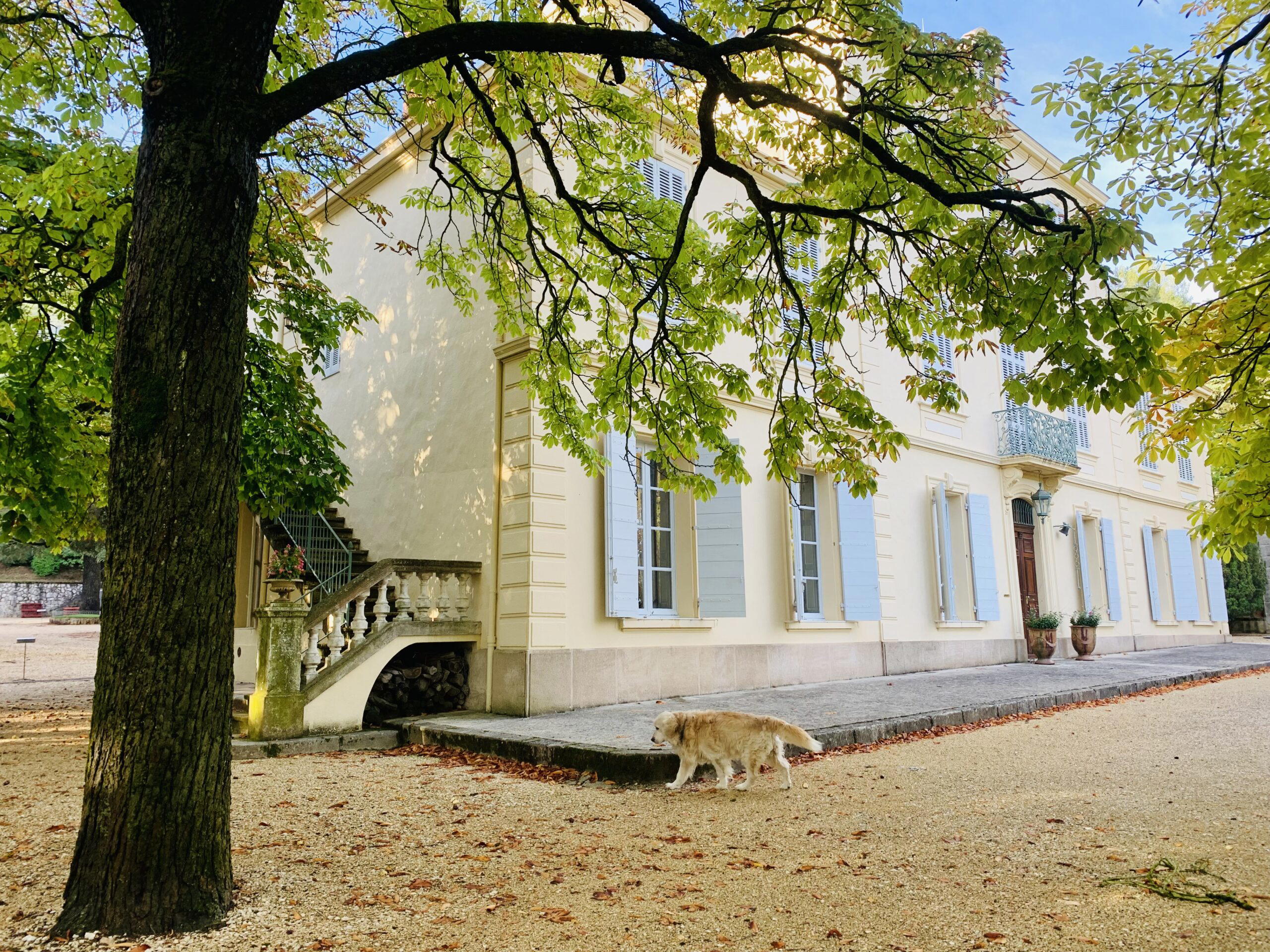
The village of Mérindol occupies the southern edge of the Luberon massif, a stretch of Provence where agriculture and gastronomy have remained closely aligned long after they diverged in more commercial parts of the region. The dry limestone hills, lavender fields, and market gardens of the Vaucluse department have historically produced the raw materials for a style of cooking that doesn't require elaboration: vegetables with flavour already built in by thin soils and relentless sun, olive oils pressed from centuries-old groves, and herbs that grow without cultivation along the stone-walled paths between villages. La Bastide du Grand Tilleul, addressed at 1 Avenue des Brullières in Mérindol, sits in this context — a property whose name alone signals the kind of place it is. A bastide is a traditional Provençal farmhouse; a grand tilleul is a large linden tree. The image is of shade, slowness, and roots in the literal sense.
This part of France produces a particular kind of dining proposition that the international restaurant circuit rarely covers with the same energy it brings to Paris, Lyon, or the Côte d'Azur. Venues like Mirazur in Menton and L'Oustau de Baumanière in Les Baux carry the recognisable credentials of southern French haute cuisine. But the Luberon's quieter villages represent a different register: smaller operations, closer ties to local producers, and a pace that reflects the agricultural rhythm of the land rather than the demands of a starred kitchen's service schedule.
Sourcing as Argument
Southern Provence has a compelling claim on ingredient quality that more northerly French kitchens struggle to match. The microclimate around the Luberon produces tomatoes with concentrated sweetness from low water stress, courgettes that hold texture when cooked, and stone fruits — cherries, apricots, peaches, that ripen on the tree rather than in transit. For a property in Mérindol, the proximity to these growing areas is not a marketing point but a structural advantage. The distance from field to kitchen that a city restaurant has to bridge with logistics, cold chain, and supplier relationships collapses almost entirely at this latitude and scale.
This principle of sourcing proximity is what distinguishes village Provence from the version of Provençal cooking that travels. When kitchens in Paris or London build menus around Provençal flavour profiles, they are working at a remove, importing produce that was already mature at the point of harvest, shipping herbs that have lost volatility, using olive oil from the previous year's pressing. The ingredient logic of a place like Mérindol is different in kind, not just in degree. The cooking tradition this implies is one where technique serves the material rather than compensating for its limitations, which is a harder discipline than it sounds and a more honest one than the produce-forward rhetoric that many restaurants deploy without the geography to support it. For a broader sense of how Mérindol's dining options compare in this regional context, our full Mérindol restaurants guide maps the village's tables against each other.
The Southern French Village Table in Context
France's most recognised restaurant addresses, Alléno Paris au Pavillon Ledoyen, Flocons de Sel in Megève, Troisgros in Ouches, Auberge de l'Ill in Illhaeusern, Bras in Laguiole, are destinations with decades of documented reputation, international reservation demand, and the full apparatus of Michelin recognition. They represent one pole of French restaurant culture. The other pole is occupied by tables in small communes where the relationship between the kitchen and the surrounding land is direct and where the dining proposition is built around familiarity with place rather than technical ambition. Auberge du Vieux Puits in Fontjoncouse is a useful reference point for how a deeply rural southern French address can carry serious culinary weight without proximity to a major city. Mérindol's position in the Vaucluse places it in that broader southern France village-dining category, where the draw is the totality of the setting rather than a single headline credential.
For those accustomed to the benchmark addresses of French coastal fine dining, Christopher Coutanceau in La Rochelle, AM par Alexandre Mazzia in Marseille, a Luberon village table represents a deliberate step away from that kind of concentrated urban culinary statement. The trade is spectacle for authenticity of place, which is not a lesser proposition: it is simply a different one. Mérindol is roughly equidistant between Aix-en-Provence and Apt, reachable by car but not straightforwardly by public transport, which already filters the clientele toward those who have chosen to be in this part of Provence rather than passing through it.
The wider Vaucluse dining circuit includes some tables with strong regional reputations, and a visit to this part of Provence often combines a day at the Luberon market towns, Lourmarin, Cucuron, Bonnieux, with a meal that reflects the same local sourcing logic. La Bastide du Grand Tilleul sits within that circuit, alongside addresses like La Terrasse des Cigales, another Mérindol address operating within the same Provençal register.
Planning a Visit
Mérindol is leading approached by car from either Aix-en-Provence or Cavaillon, both within thirty to forty minutes depending on route. The village itself is small, and the address on Avenue des Brullières is findable without difficulty. Provence's high season runs from late June through August, when the Luberon sees its densest visitor traffic and local producers are at peak output simultaneously, the vegetable and fruit calendar is at its most compelling in July and early September. Visiting outside that window, particularly in May, June, or early October, means smaller crowds at the surrounding markets and more availability at local tables without sacrificing the seasonal produce argument. Given that the venue database does not carry current hours, pricing, or booking details for La Bastide du Grand Tilleul, direct contact through local tourism resources or a search of current listings is the sensible first step before planning around a meal here.
How La Bastide du Grand Tilleul Mérindol compares with similar nearby venues.
| Venue | Cuisine | Price |
|---|---|---|
| La Terrasse des Cigales | Provençal | €€ |
| Le Bon Temps | Farm to table | €€ |
| La Cuisine d'Amélie | Mediterranean Cuisine | €€ |
| Domaine de Fontenille | French Provençal | Not listed |
Continue exploring
More in Mérindol
Restaurants in Mérindol
Browse all →

Bars in Mérindol
Browse all →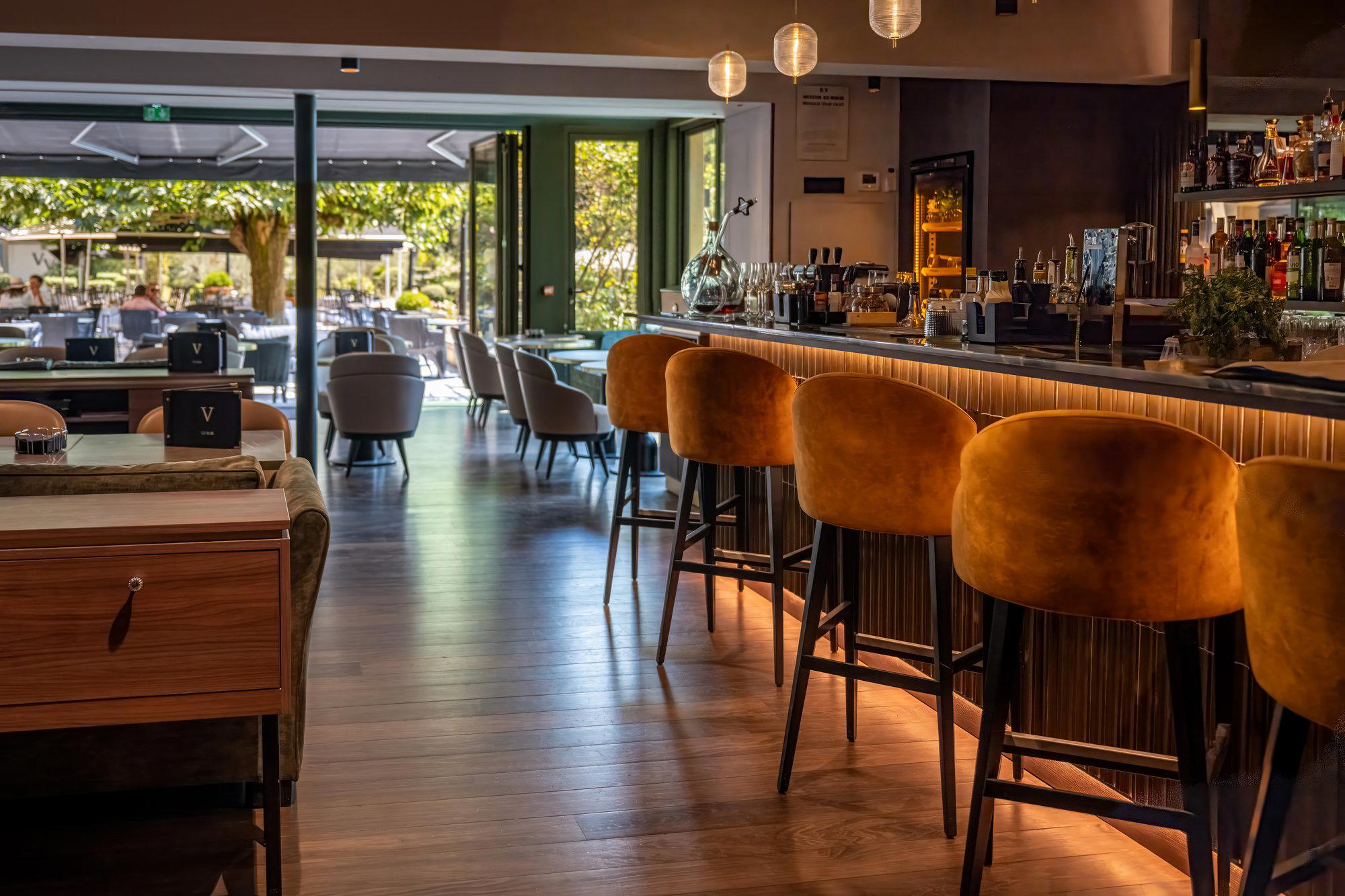
Hotels in Mérindol
Browse all →
At a Glance
- Rustic
- Elegant
- Cozy
- Date Night
- Special Occasion
- Terrace
- Garden
- Local Sourcing
- Organic
- Garden
Current opening hours
- Monday
- Closed
- Tuesday
- Closed
- Wednesday
- 12–1 PM, 7–9 PM
- Thursday
- 12–1 PM, 7–9 PM
- Friday
- 12–1 PM, 7–9 PM
- Saturday
- 12–1 PM, 7–9 PM
- Sunday
- 12–1 PM, 7–9 PM
Hours can change for holidays and private events. Last verified .
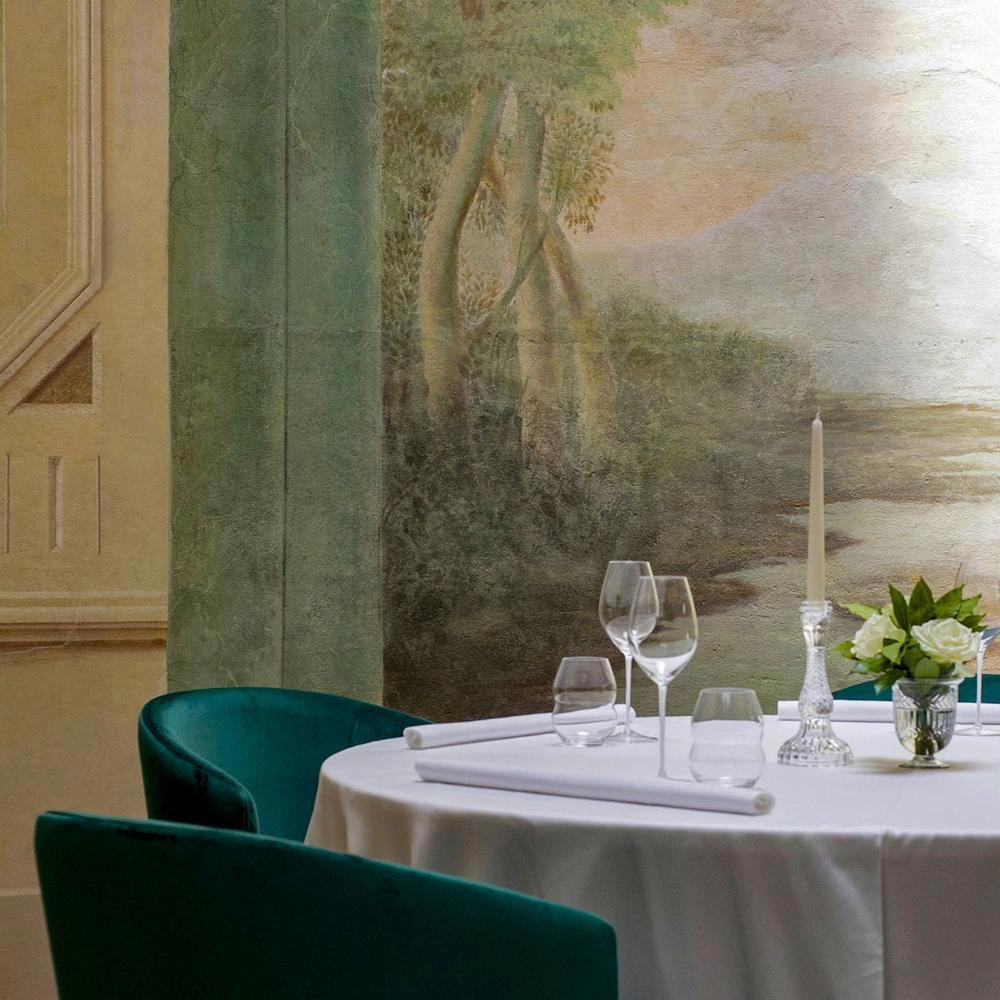
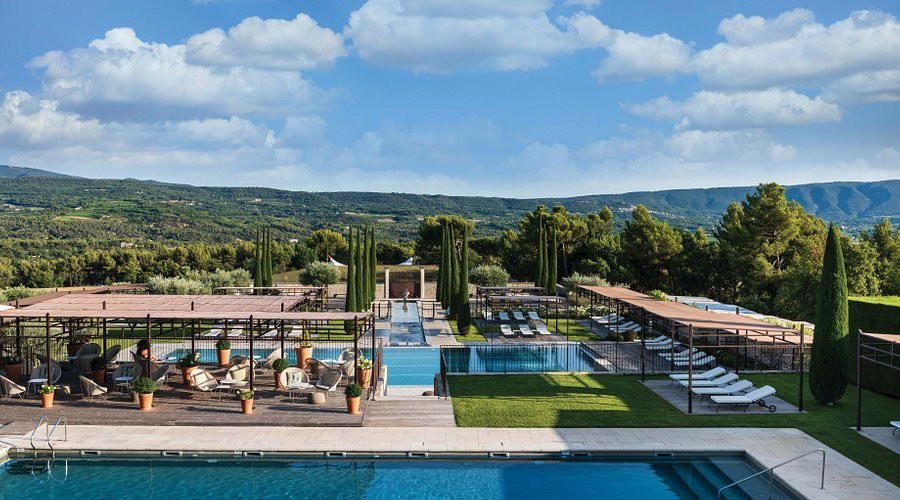
Chaleureux (warm) atmosphere with wonderful terrace seating in summer, evoking a cozy Provençal garden vibe.
Know Before You Go
- Getting there
- 1 Av. des Brullières, 84360 Mérindol, France