Tabelog 100 #58
Our verdict
Tokyo’s unagi culture rewards patience, specialization, and a respect for technique that predates the city’s tasting-menu economy. Edogawa Ishibashi belongs to that older grammar: a Bunkyo eel house selected for Tabelog 100 Unagi 2024, with 40 seats, tatami rooms, sake and shochu, and a format built around the time eel requires rather than the tempo of modern casual dining.

Pearl is the En Primeur Club membership app, where members save venues, book tables and use the concierge.
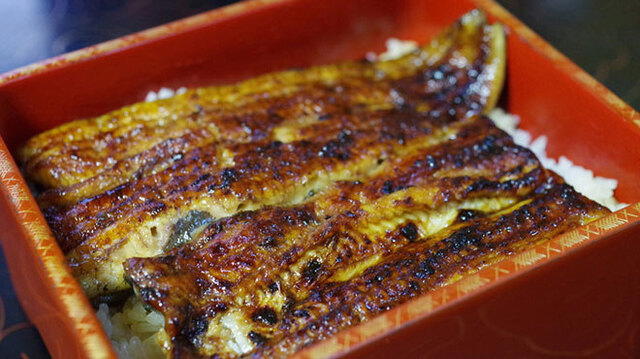
Approaching a Tokyo eel house slows the pace before the meal begins. The city’s theatrical dining rooms announce themselves with counters, glass, and chef choreography; unagi restaurants often move by careful preparation, saucing, resting, and rice. Edogawa Ishibashi sits in Tokyo, away from the louder prestige circuits, and that setting matters. This is Tokyo food culture measured by repetition and heat control rather than novelty.
Visitors often misread unagi as a single dish category, when it is closer to a craft tradition with regional grammar. In Tokyo, classic eel dining is usually read through softness, sauce, rice, and timing rather than spectacle. Edogawa Ishibashi belongs to that broader Tokyo conversation, and its selection for Tabelog 100 Unagi 2024 places it inside a specialist group rather than a general fine-dining bracket. The comparison set is not modern kaiseki, sushi, or French-Japanese tasting menus, but other eel houses judged on procurement, timing, rice, sauce, and consistency.
Tokyo unagi as a specialist craft, not a tasting-menu performance
Tokyo’s premium dining conversation is often dominated by sushi counters, kappo rooms, and French-inflected restaurants, but unagi has its own hierarchy. It asks a narrower question: how much confidence can a kitchen extract from one ingredient and one sequence? Edogawa Ishibashi is better understood beside Hashimoto Unagi than beside a kaiseki room such as Kimoto or a higher-spend restaurant like La Barrique Tokyo. Each belongs in Tokyo dining culture, but unagi houses trade in patience rather than menu breadth.
The appeal lies in compression. A meal may look simple to anyone expecting a parade of courses, yet the cooking is unforgiving. Eel punishes haste; rice punishes delay; tare punishes imbalance. Recognition within a dedicated unagi list therefore carries more editorial weight than a generic popularity signal. Tabelog’s Unagi 100 selection in 2024 identifies Edogawa Ishibashi as part of a category-specific conversation, not merely a well-liked neighborhood restaurant. Its Tabelog score of 3.76 reinforces that position in a market where mature, single-specialty restaurants often build credibility slowly.
The local-global angle is not fusion. It is the opposite: Japanese eel cookery absorbing external attention without reshaping itself for international expectations. Tokyo has many restaurants translating Japanese ingredients through varied dining formats, from counter-led rooms to casual specialist shops. Unagi resists that pressure. The technique, product tradition, and pleasure are local, grounded in calibration rather than reinvention.
Tokyo gives the meal a quieter frame
Tokyo suits this meal because not every serious table is built around spectacle. Some of the city’s strongest food traditions operate through repetition, reserve, and confidence rather than fashion-district theatrics. An eel restaurant focused on timing and rice reads as part of that pattern: meals with formality, but not necessarily the performance codes of luxury dining. The appeal is social as much as culinary, especially for diners wanting a meal that can carry conversation without counter-only stiffness.
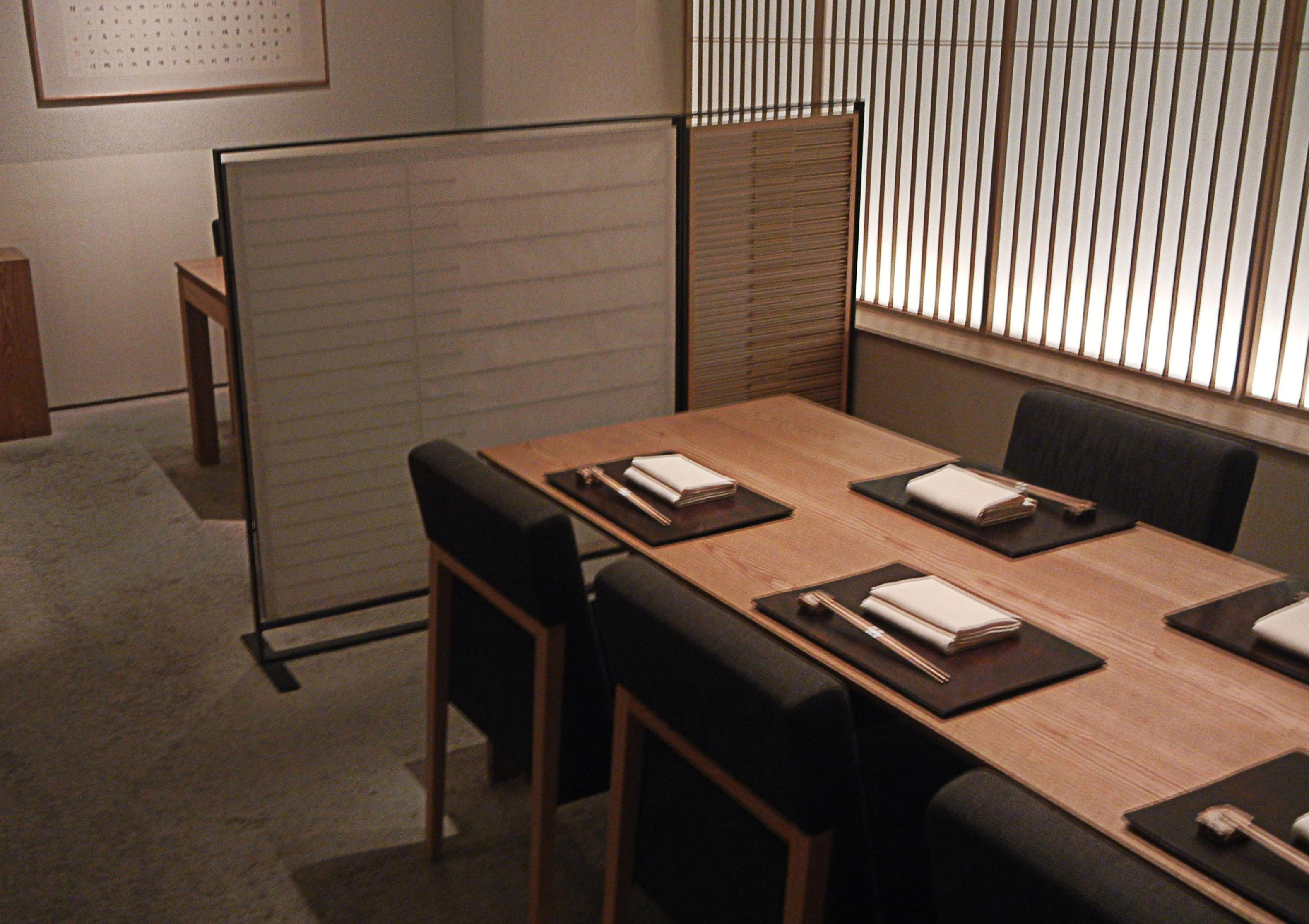
The room format also sets expectations. This is not a restaurant to approach only through speed or spontaneity. Eel cookery rewards patience, and the best way to read the experience is through that tempo: preparation, sauce, rice service, and pacing are the point rather than background mechanics. That detail says more than a dozen adjectives: the house is organized around the dish’s rhythm, not customer impatience. Traditional in shape, it still belongs to a Tokyo dining culture where operating details should be confirmed directly before visiting.
Drinks should follow the same pattern: supportive rather than distracting. Edogawa Ishibashi is closer to Tokyo’s specialist Japanese dining circuit than to venues where wine architecture becomes the main event. For a broader trip, Our full Tokyo restaurants guide covers the dining spread, while Our full Tokyo bars guide, Our full Tokyo hotels guide, Our full Tokyo wineries guide, and Our full Tokyo experiences guide belong to different itinerary parts.
How to place it in a Tokyo dining itinerary
Edogawa Ishibashi makes clearest sense for travelers who know Tokyo’s serious meals are not confined to Michelin-style formats. It is a category stop: a way to read Tokyo food culture through eel rather than sushi, tempura, or soba. The listed budget is Dinner: JPY 10,000 - JPY 14,999; Lunch: JPY 8,000 - JPY 9,999, making it a measured choice for diners seeking tradition with financial discipline.
It also suits a sequence that balances Tokyo’s range rather than chasing one prestige type. A trip might pair unagi in Tokyo with other Tokyo dining rooms, a specialist sweet stop such as Patisserie Salon de The Amitie, or another category-focused meal elsewhere in the city. Outside that frame, broader Japanese dining tells different stories across regions and styles, but unagi in Tokyo remains hard to translate because pleasure depends so much on timing, texture, and rice service.
The verdict is simple: choose Edogawa Ishibashi for a focused reading of Tokyo eel culture, not breadth, novelty, or chef mythology. Its strongest signal is category credibility, Tabelog 100 Unagi 2024, supported by a format that gives the cooking time to work. In a city where prestige often gets louder as prices rise, this is the quieter argument: one ingredient, one tradition, and enough discipline to make both matter.
Frequently asked questions
Is Edogawa Ishibashi expensive?
Pricing at Edogawa Ishibashi is listed as JPY 10,000 - JPY 14,999 JPY 8,000 - JPY 9,999 View spending breakdown.
What are the operating hours at Edogawa Ishibashi?
Operating hours are not provided in the available ground truth. Check the venue's official channels for the latest details.
Where is Edogawa Ishibashi located?
Tokyo.
What's the standout thing about Edogawa Ishibashi?
Its credentials are specific: Tabelog 100 Unagi 2024 selection, a Tabelog score of 3.76, and a listed category of Unagi (Eel). That places Edogawa Ishibashi in a specialist conversation rather than a broad fine-dining comparison set.
How does Edogawa Ishibashi handle allergies?
Those details are not provided in the available ground truth. Because the listed category is Unagi (Eel), diners with allergies or dietary restrictions should check the venue's official channels for the latest details.
Cuisine and Recognition
Comparable venues by cuisine and price in the same metro.
| Venue | Cuisine | Price | Awards | Notes |
|---|---|---|---|---|
| Edogawa IshibashiThis venue (the venue you are viewing) | Traditional Unagi (Eel) | $50–100 | Tabelog 100 #58 | Not listed |
| 麺尊RAGE | Modern Shamo Shoyu Ramen | $20–30 | Not listed | Suginami |
| Tempura Ginza Tentei | Traditional Ginza Tempura Counter | $50–100 | Tabelog 100 #86 | Chūō |
| Honmura-An | Handmade Soba Noodles | Not listed | Not listed | Minato |
| Asakusa Juroku | Seasonal Soba-Kappo & Sushi | $30–50 | Tabelog 100 #68 | Taitō |
| Chuogo Honten Mita | Tokyo Ramen | $20–30 | Tabelog 100 #78 | Minato |
Recognition history
Dated appearances from independent guides and award organizations, with the underlying list record or original source where available.
Tabelog 100 #58 · No. 58
Tabelog · Tabelog 100 - Unagi - 2024