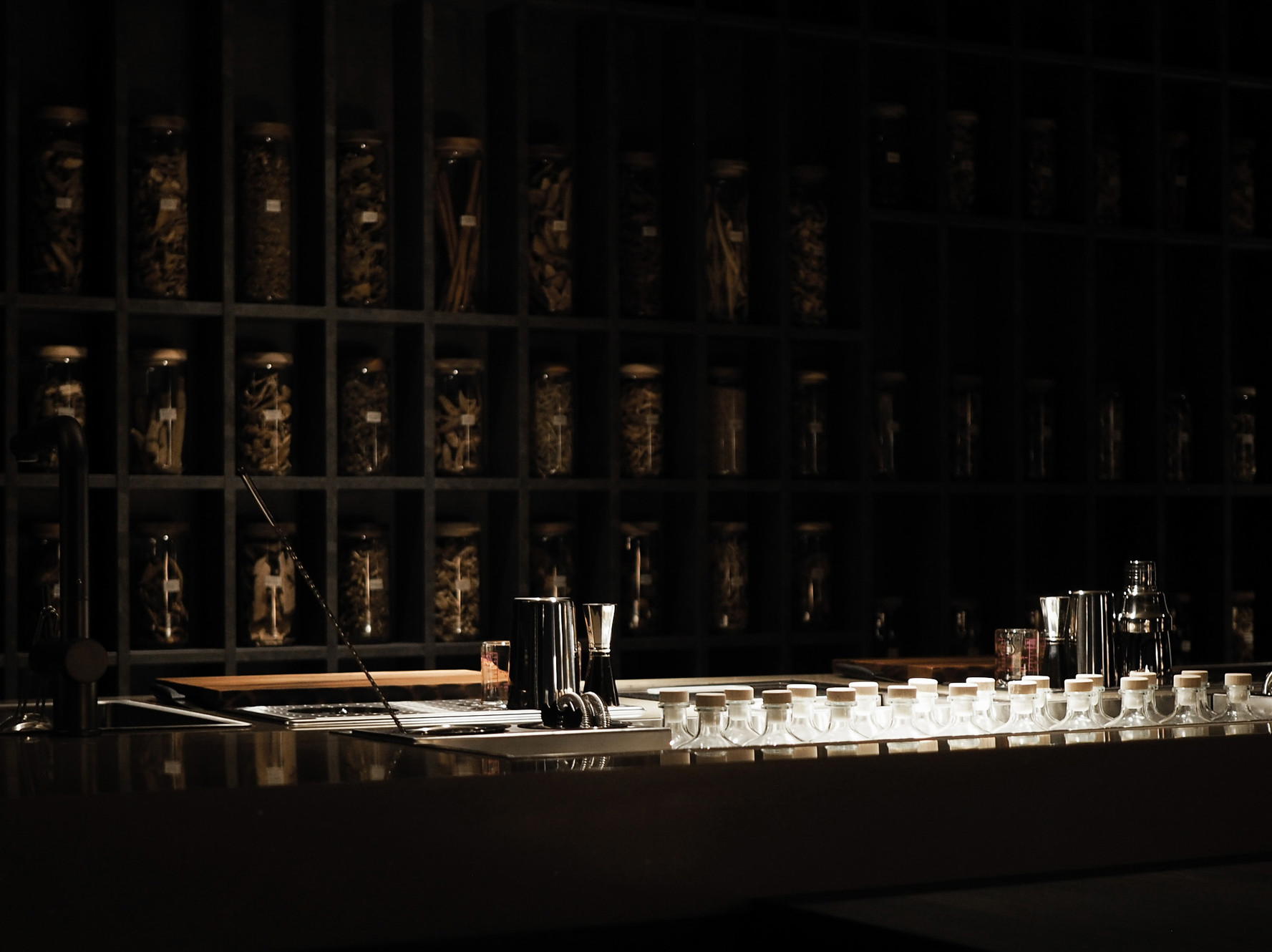
Diners watch from around the open kitchen.
Pearl is the En Primeur Club membership app — saves, bookings, and concierge access live there. Same editors, same standards.
- Address
- 18 Park Lane Soi Sukhumvit 63 Road Khwaeng Khlong Tan Nuea, Watthana, Bangkok 10110, Thailand
- Phone
- +6623820141
- Website
- facebook.com
- Directions
- Get directions
 Saves & bookings on Pearl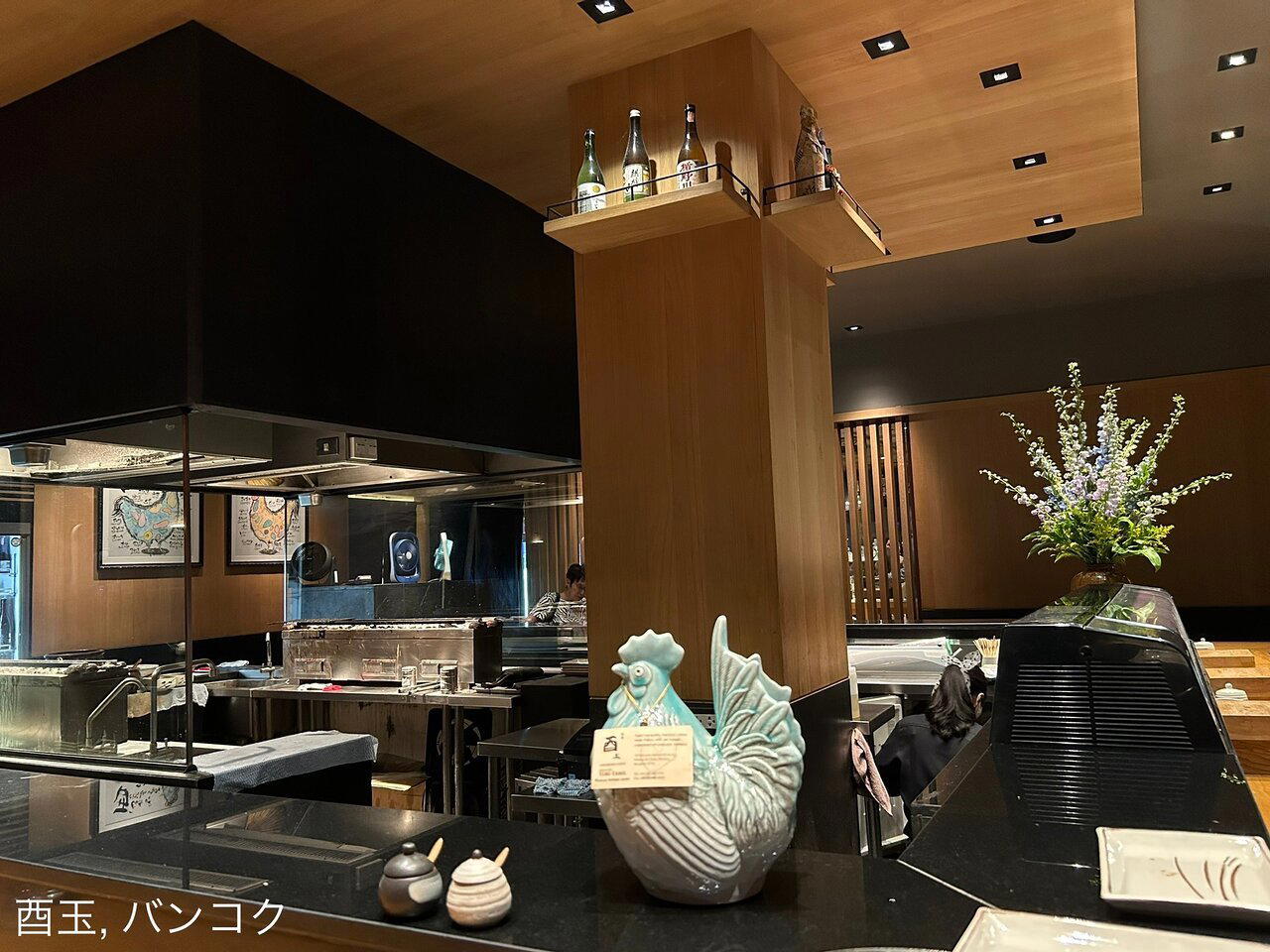
Ekkamai's Japanese Izakaya Register
Bangkok's Ekkamai and Thonglor corridor has become the city's most concentrated stretch of Japanese dining, ranging from ramen counters to high-format omakase rooms. Within that geography, the izakaya format occupies a distinct middle tier: casual enough to accommodate walk-ins and long evenings, considered enough to attract diners who want grilled protein and sake over a proper sequence of courses. Toritama, located at 18 Park Lane off Sukhumvit 63, sits inside this tradition. The address places it in Bangkok's Watthana district.
Bangkok's appetite for yakitori specifically has deepened over the past decade. Where Thai diners once encountered grilled skewers mostly at casual Japanese chains, a more serious register has developed: specialist operations focused on chicken anatomy, charcoal management, and the deliberate sequencing of parts from mild to rich. That progression, familiar to anyone who has sat at a yakitori counter in Tokyo's Shinjuku or Yurakucho districts, is increasingly available in Bangkok without the airfare. Toritama operates within that more committed category, and its Sukhumvit 63 location positions it between the neighbourhood's expat regulars and Bangkok's own growing population of Japanese-food-literate diners.
The Logic of the Yakitori Progression
The editorial angle that makes yakitori interesting, and that separates the serious operations from the decorative ones, is sequencing. A properly constructed yakitori meal is not a collection of arbitrary skewers; it moves through the bird in a way that builds in richness and intensity. Early courses tend to lean on breast and tender cuts, where the seasoning does most of the work. The meal then moves through thigh, wing, and eventually to the richer, more assertive parts: liver, heart, and the prized neck and oyster cuts that most diners outside Japan never encounter at all.
This progression mirrors what the leading tasting-format restaurants in Bangkok deploy across entirely different cuisines. Sorn (Southern Thai) builds its Southern Thai menu through a carefully calibrated arc of heat and fat. Baan Tepa (Thai contemporary) sequences fermented and fresh elements across its tasting menu. The logic is the same: each course should shift your palate's expectation for the next. Yakitori at its most considered operates on identical principles, just compressed into a format that reads as casual even when the technique underneath is anything but.
The accompanying condiment rotation, typically a move between tare (a sweet-savory soy glaze) and shio (clean salt), gives the diner agency within that structure. Choosing shio on a liver skewer reads the progression differently than tare on the same cut. This is not theatre; it is the kind of decision that rewards attention and penalizes distraction, which is why the leading yakitori counters are quieter and more focused than the word "izakaya" often suggests.
Placing Toritama in Bangkok's Premium Dining Map
Bangkok's upper dining tier is well-documented. Sühring (German) holds two Michelin stars and represents the European fine-dining end of the market. Gaa (Modern Indian) and Côte by Mauro Colagreco (Mediterranean) occupy the modern tasting-menu bracket at the higher price tier. Toritama does not compete in that format. Its competitive set is the neighbourhood specialist: the restaurant where expertise is concentrated in a single protein and a single technique rather than spread across a wide seasonal menu.
That narrowness is a deliberate positioning choice that has become more common in Bangkok over the past several years. Mono-product specialists, whether yakitori, tonkatsu, or soba, trade breadth for depth and attract a clientele that knows exactly what it is coming for. In a city where the dining options now extend across virtually every Japanese regional style, the specialist register has room to operate at a credible level.
Thailand's restaurant culture outside Bangkok is also worth mapping for comparative purposes. PRU in Phuket represents the farm-to-table end of Thai fine dining, while operations like AKKEE in Pak Kret and Cherng Doi Roast Chicken in Chiang Mai demonstrate how poultry-focused cooking at the informal end of the market carries its own serious following across the country. Grilled chicken, in other words, is not a minor category in Thai dining culture. A Japanese yakitori specialist operating in Bangkok is not importing a niche concept; it is entering a market that already understands and values the subject matter.
The Neighbourhood and the Dining Hour
Sukhumvit 63, the Ekkamai soi where Toritama sits, runs through a residential and mid-rise commercial zone that feels distinctly less tourist-oriented than the lower-numbered Sukhumvit sois. The dining culture here skews toward regulars: the after-work crowd from nearby offices, Japanese expats, and the Thonglor-adjacent social set that moves between neighbourhoods on weekend evenings. This demographic mix rewards restaurants that maintain consistency rather than those that perform for first-time visitors.
Evening is the natural format for yakitori. The combination of charcoal smoke, cold beer or sake, and the unhurried pace of a skewer-by-skewer progression is a late-day ritual in Japanese culture and translates with minimal friction to Bangkok's own preference for long, sociable evening meals. The parallel is closer than it might appear: Thai dining culture also prizes sharing, sequential ordering, and extended table time, which means the yakitori counter's rhythm does not feel foreign to diners encountering it for the first time.
For those planning a broader Bangkok evening that moves across the Ekkamai-Thonglor axis, venues like Hoy Tord Chao Lay in Watthana offer a contrasting register on the same night. The izakaya format at Toritama fits naturally into the kind of progressive evening Bangkok's eastern Sukhumvit corridor accommodates well.
Know Before You Go
- Address: 18 Park Lane, Soi Sukhumvit 63 Road, Khwaeng Khlong Tan Nuea, Watthana, Bangkok 10110, Thailand
- Nearest BTS: Ekkamai (Sukhumvit Line), a short walk from the station
- Booking: Reservation recommended
- Dress code: Smart casual
- Price range: About USD 45 per person
- Ideal time to visit: Monday, Tuesday, Thursday, Friday, and Saturday evenings
Price Lens
Comparable venues nearby, for context on price, style, and recognition.
| Venue | Cuisine | Price | Notes |
|---|---|---|---|
| ToritamaThis venue — the venue you are viewing | Khlong Tan, Authentic Yakitori | $$$ | Not listed |
| Chabuton Ramen แฟชั่น ไอส์แลนด์ | Bang Kapi Khwaeng, Japanese Ramen | $$ | Not listed |
| Salvia | Not listed | $$$ | Siam Square, Italian Osteria with Wood-Fired Pizza and Handmade Pasta |
| Mensho Tokyo Bangkok | Khlong Toei Nuae, Modern Japanese Ramen | $$ | Not listed |
| Verlan | Not listed | $$$ | Klong Toei Khwaeng, Modern French Neo-Bistro with Thai Influences |
| Chef Man | Sathon, Cantonese & Dim Sum | $$$ | Not listed |

At a Glance
- Minimalist
- Trendy
- Intimate
- Date Night
- Special Occasion
- Open Kitchen
- Sake Program
Current opening hours
- Monday
- 5–11 PM
- Tuesday
- 5–11 PM
- Wednesday
- Closed
- Thursday
- 5–11 PM
- Friday
- 5–11 PM
- Saturday
- 5–11 PM
- Sunday
- Closed
Hours can change for holidays and private events. Last verified .
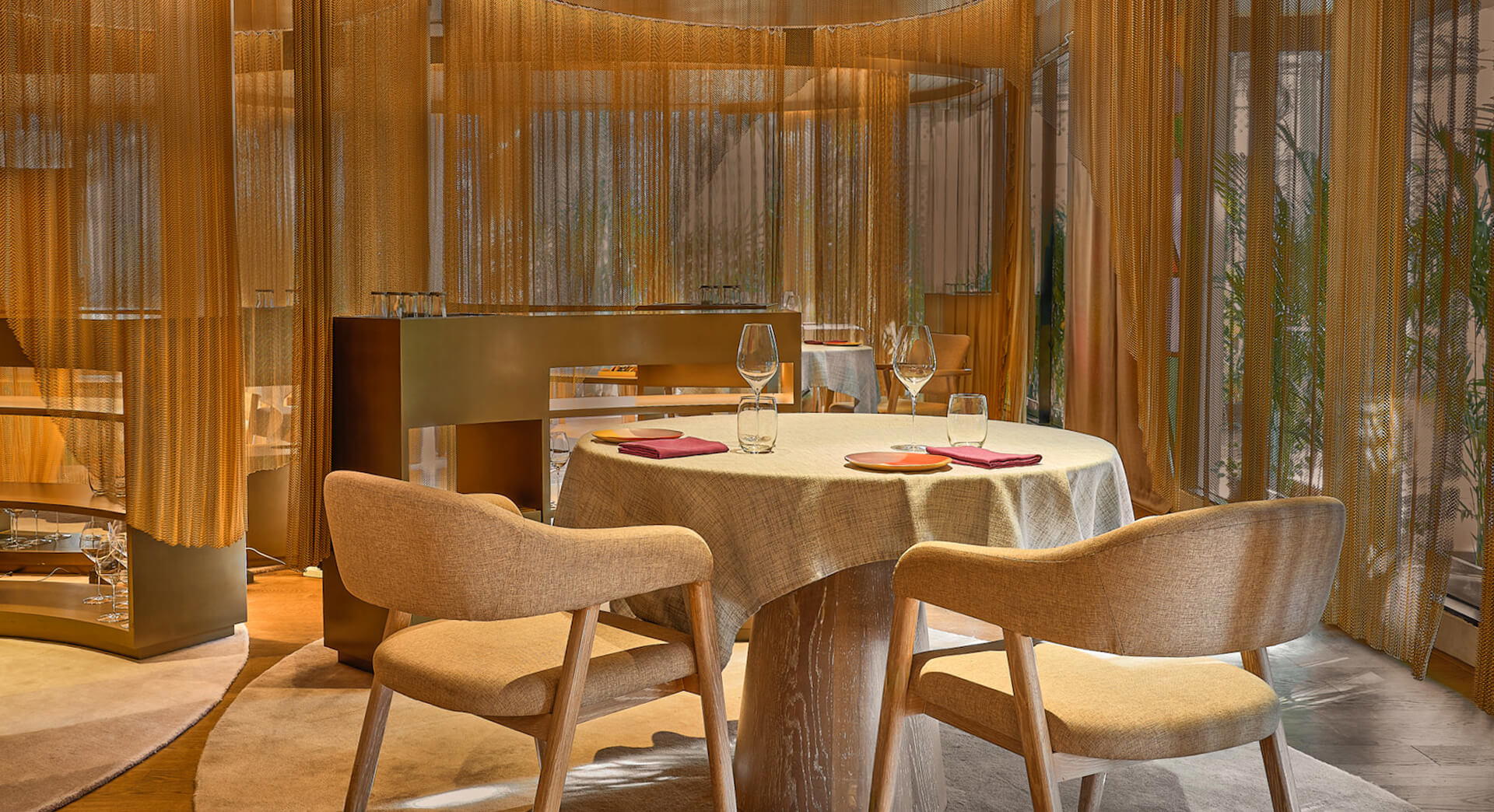
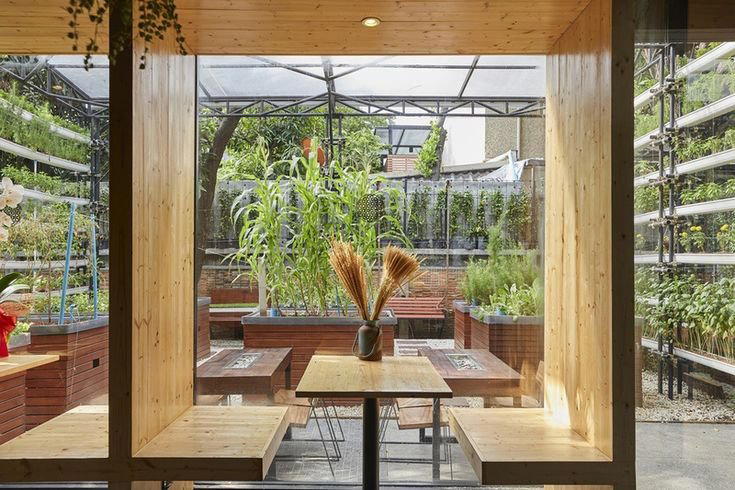
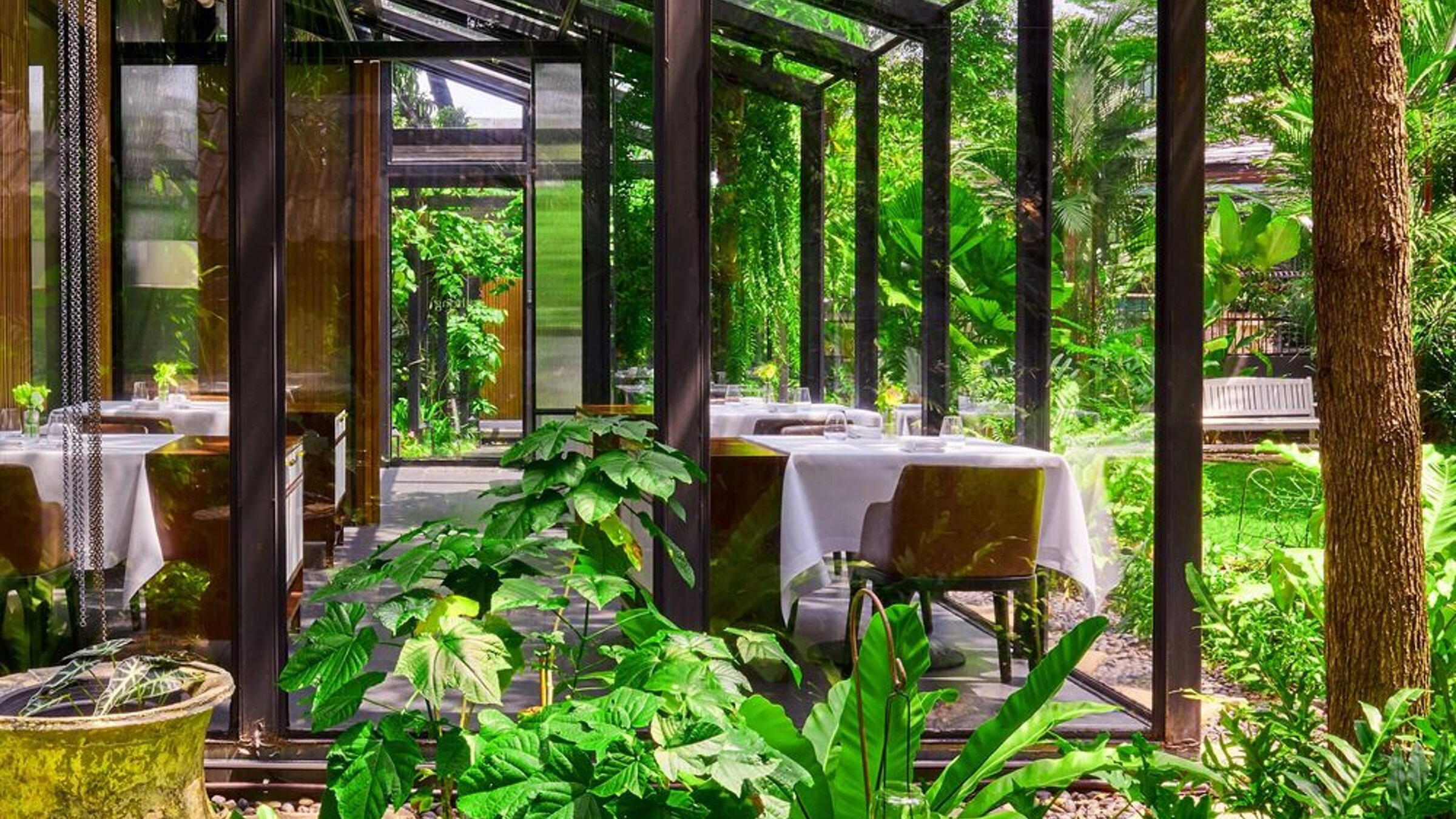
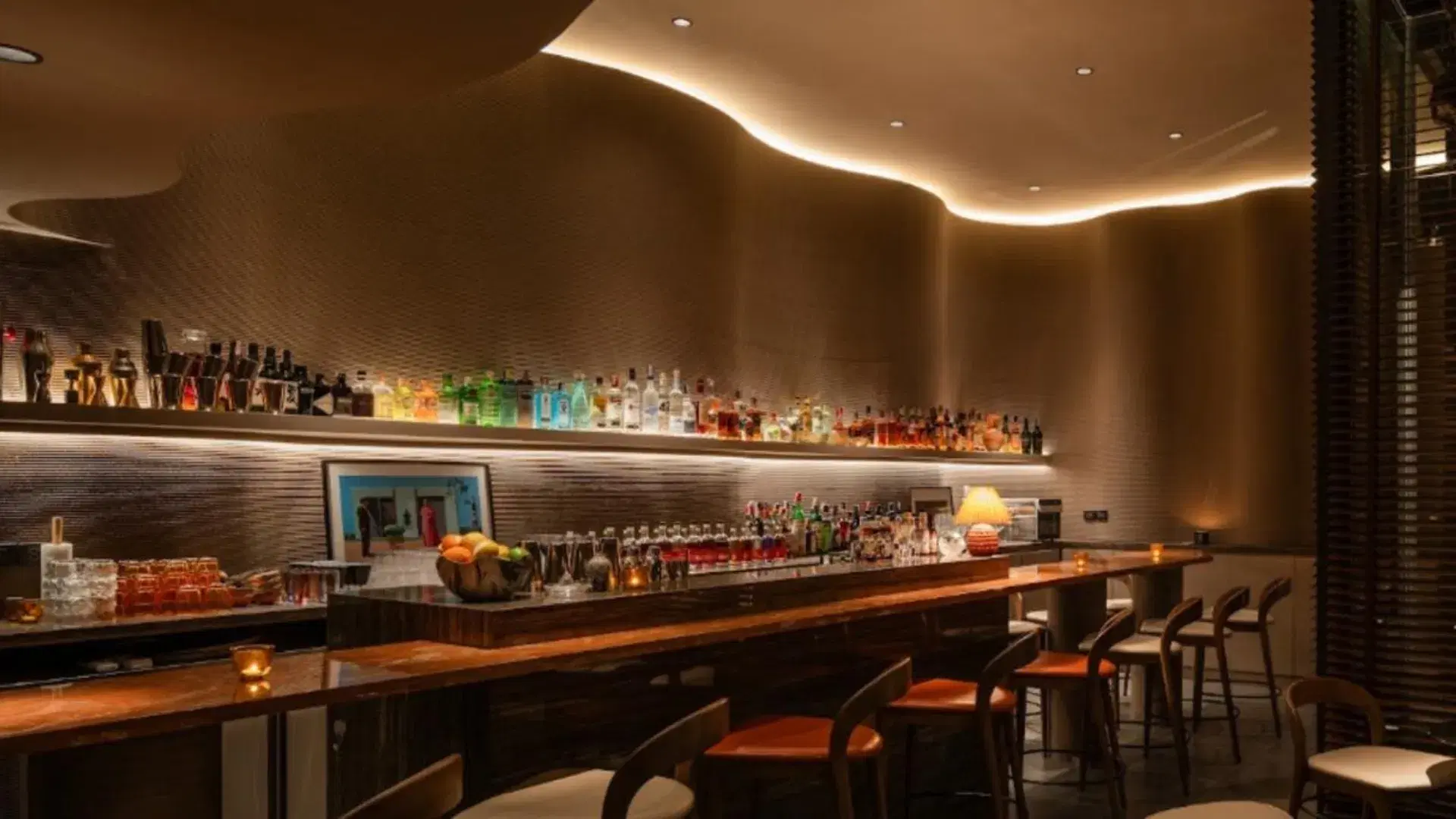
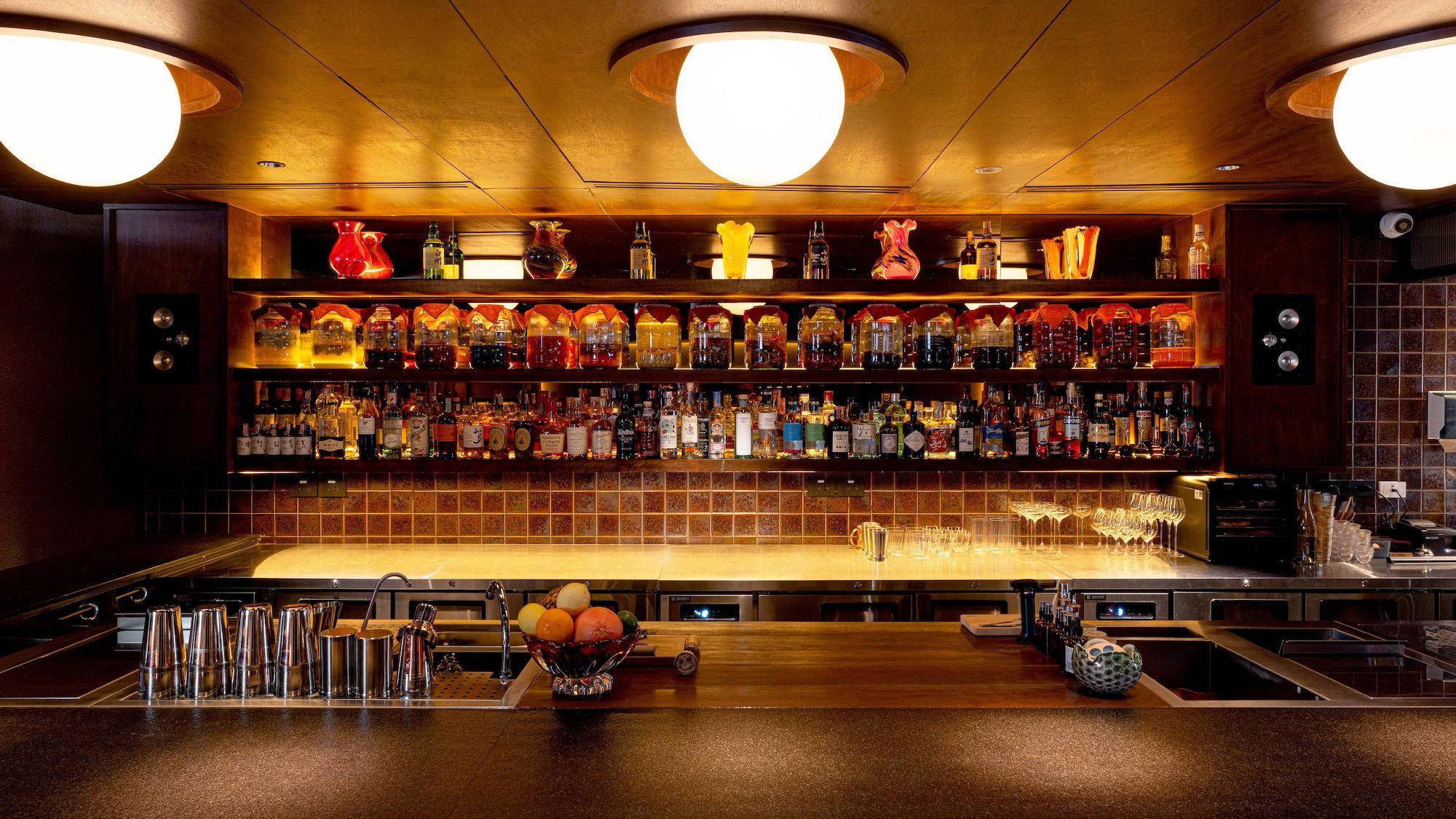
Warm with contemporary light brown wood decor, minimalist Japanese design, centered around the sizzling open kitchen.