Kwei Fei
Kwei Fei sits on James Island's Maybank Highway, far enough from downtown Charleston's tourist corridor to filter for a deliberate crowd. The kitchen draws on Chinese-American cooking traditions reinterpreted through a Southern Carolina lens, placing it in a comparable set distinct from the city's celebrated Lowcountry and barbecue institutions. The address alone signals that the experience is the destination, not a convenience stop.
Pearl is the En Primeur Club membership app — saves, bookings, and concierge access live there. Same editors, same standards.
- Address
- 1977 Maybank Highway, Charleston, SC 29412
- Phone
- +18432250094
- Website
- kweifei.com
- Directions
- Get directions
 Saves & bookings on Pearl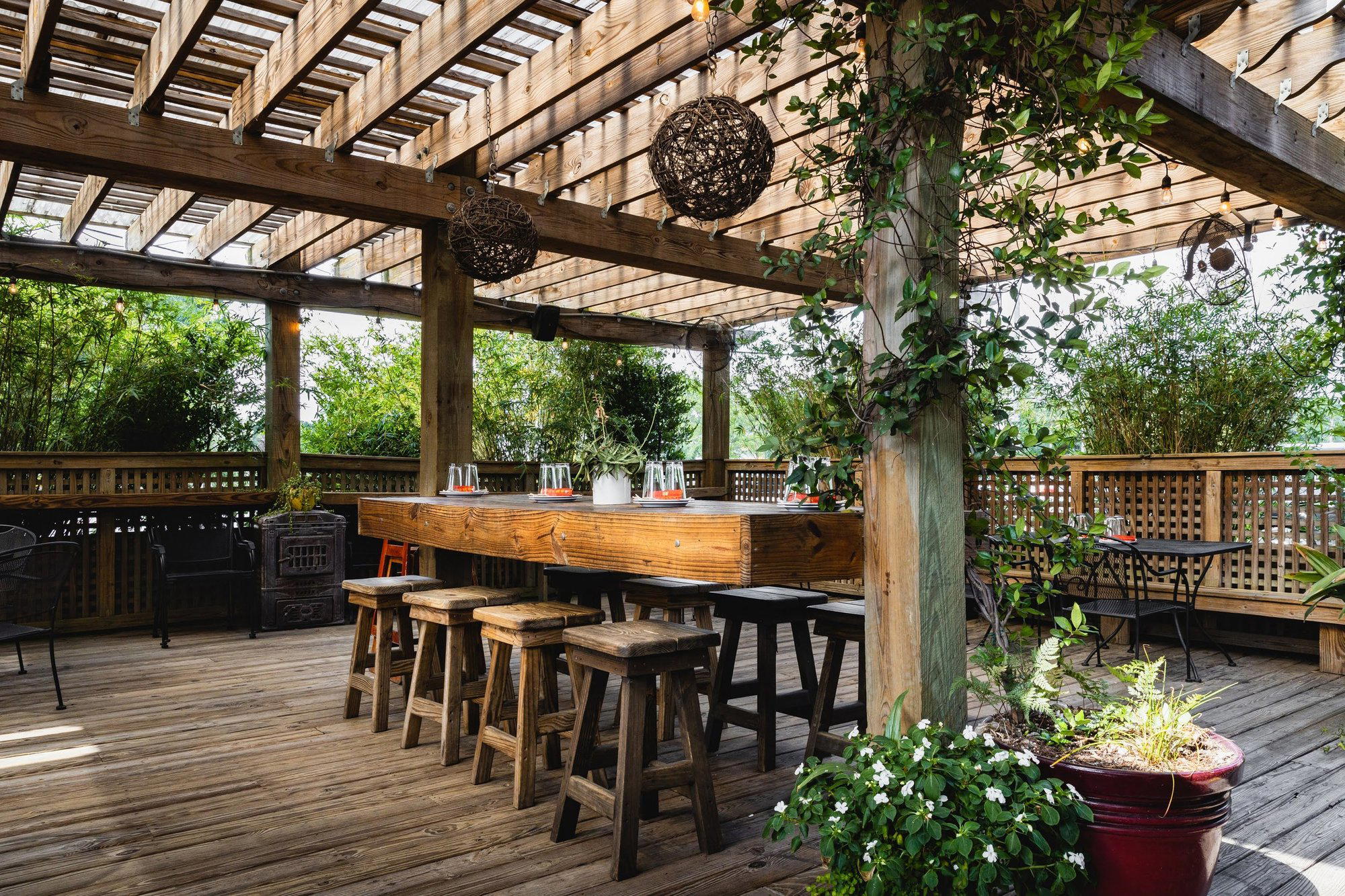
Maybank Highway runs southwest out of downtown Charleston across the James Island Connector, and by the time the strip malls thin and the road opens up, you are in a different city register entirely. The stretch around Kwei Fei, at 1977 Maybank Hwy, has none of the cobblestoned self-consciousness of the French Quarter blocks or the King Street dinner crush. What it has instead is a location that filters casual foot traffic and rewards guests who came specifically for the food.
James Island and the Geography of Intention
Charleston's dining geography has divided along predictable lines. The peninsula concentrates the city's most decorated rooms, including the New American formalism of Vern's and the seafood-forward elegance of Lowland, while outer neighborhoods tend to host either neighborhood staples or destination restaurants with a strong enough identity to pull guests across a bridge. Kwei Fei belongs to the latter category. The James Island address is part of the experience. Guests who make the drive or the short ride from downtown are not wandering in from a hotel lobby. They have made a decision, and that intentionality reshapes the room before a single dish arrives.
That same geographic logic defines a handful of Charleston's most discussed addresses. Rodney Scott's BBQ built its following on a similar premise: a destination defined by what it cooks rather than where it sits in relation to a hotel district. And across the broader Southeast, the restaurants that have accumulated particularly durable reputations tend to be those whose location signals confidence rather than convenience.
Where Kwei Fei Sits in Charleston's Culinary Map
Charleston has spent the past fifteen years developing a dining culture that punches considerably above its population size. The city's Lowcountry tradition, its access to notable local seafood, and a succession of nationally recognized chefs have produced a restaurant scene that critics from publications including the New York Times and Bon Appétit have profiled repeatedly. Within that scene, the reference points cluster around a few categories: Lowcountry fine dining, New American tasting-menu formats, raw bars and oyster programs, and the barbecue lineage that Rodney Scott has brought to national attention.
The restaurant occupies a different quadrant. Chinese-American cooking interpreted through a Southern context sits outside Charleston's standard culinary narratives, which is precisely why it generates the kind of sustained word-of-mouth that off-peninsula restaurants depend on. Comparable positioning exists in cities like San Francisco, where Lazy Bear built a devoted following by occupying a format with no obvious local peer, or in New York, where Atomix redefined what Korean fine dining could mean in an American context. The mechanism is the same: a restaurant that fits no existing category forces guests to engage on its own terms.
On the James Island stretch of Maybank, the restaurant is also in proximity to 1010 Bridge, which anchors a different part of the local dining conversation. The neighborhood dynamic reinforces the sense that James Island has become a genuine dining destination rather than a spillover zone for the peninsula.
The Broader Chinese-American Dining Context
Across American cities, Chinese-American cooking has undergone a significant critical reassessment over the past decade. Restaurants that engage seriously with regional Chinese traditions, or that reinterpret Chinese-American cooking through a contemporary lens, have accumulated awards and long-form editorial attention in ways that would have been unusual twenty years ago. The clearest national analogs sit in cities with larger Chinese-American populations: the Sichuan programs in the San Gabriel Valley, the dim sum institutions of San Francisco's Richmond District, or the more formal approaches in New York. Charleston, with its smaller Chinese-American population and its dominant Lowcountry narrative, is not an obvious city for this kind of cooking to emerge, which sharpens the case for the restaurant's distinctiveness within the local scene.
Internationally, the reference point for Chinese cooking at serious restaurant level sits in places like Hong Kong's fine dining tier, where the expectations around Cantonese and broader Chinese cuisine set a technical standard that few Western cities have approached. The restaurant does not position itself in that register, but the broader context matters: it operates in a culinary tradition that has a long, serious global history, one that American restaurants are still catching up to articulating with authority.
Peer Comparisons Within the Charleston Scene
Setting the restaurant against Charleston's other well-regarded rooms clarifies its position. Malagón Mercado y Taperia brought a Spanish-influenced format to a city whose reference points were almost entirely domestic, and it found an audience willing to travel for a cuisine that didn't fit the local template. The pattern repeats: Charleston diners have shown consistent appetite for restaurants that make a specific, non-generic argument about what they cook.
The contrast with destinations like The French Laundry, Alinea, or Le Bernardin is useful for calibration rather than direct comparison. Those rooms operate at price points and with infrastructures that represent one end of American fine dining. The restaurant's Maybank Highway address and James Island context suggest a different scale entirely: local, specific, and reliant on a tight community of repeat guests and word-of-mouth referrals rather than national reservation platforms. Blue Hill at Stone Barns and Single Thread Farm made destination-dining work through strong agricultural narrative; the restaurant's version of that argument is geographic and culinary specificity in a city that rewards both.
Planning Your Visit
The Maybank Highway location puts the restaurant about fifteen to twenty minutes from downtown Charleston by car, depending on traffic at the James Island Connector. Reservations are recommended; walk-in availability varies.
The Quick Read
Comparable venues nearby, for context on price, style, and recognition.
| Venue | Cuisine | Price | Notes |
|---|---|---|---|
| Kwei FeiThis venue — the venue you are viewing | James Island, Sichuan Chinese | $$ | Not listed |
| Little Jack's Tavern | Not listed | $$ | Upper King Street, Classic American Tavern |
| MESU | Not listed | $$ | Cannonborough - Elliottborough, Mexican-Sushi Fusion |
| Graft Wine Shop | Not listed | $$ | Uptown Charleston, Wine Bar with Small Plates |
| Leon’s Oyster Shop | Not listed | $$ | Upper King Street, Lowcountry Seafood & Fried Chicken |
| Harken Cafe | French Quarter, American Bakery Cafe | $$ | Not listed |
Continue exploring
More in Charleston
Restaurants in Charleston
Browse all →
Bars in Charleston
Browse all →
At a Glance
- Lively
- Trendy
- Intimate
- Date Night
- Casual Hangout
- Open Kitchen
- Craft Cocktails
- Local Sourcing
Current opening hours
- Monday
- Closed
- Tuesday
- 5–9 PM
- Wednesday
- 5–9 PM
- Thursday
- 5–9 PM
- Friday
- 5–10 PM
- Saturday
- 5–10 PM
- Sunday
- Closed
Hours can change for holidays and private events. Last verified .
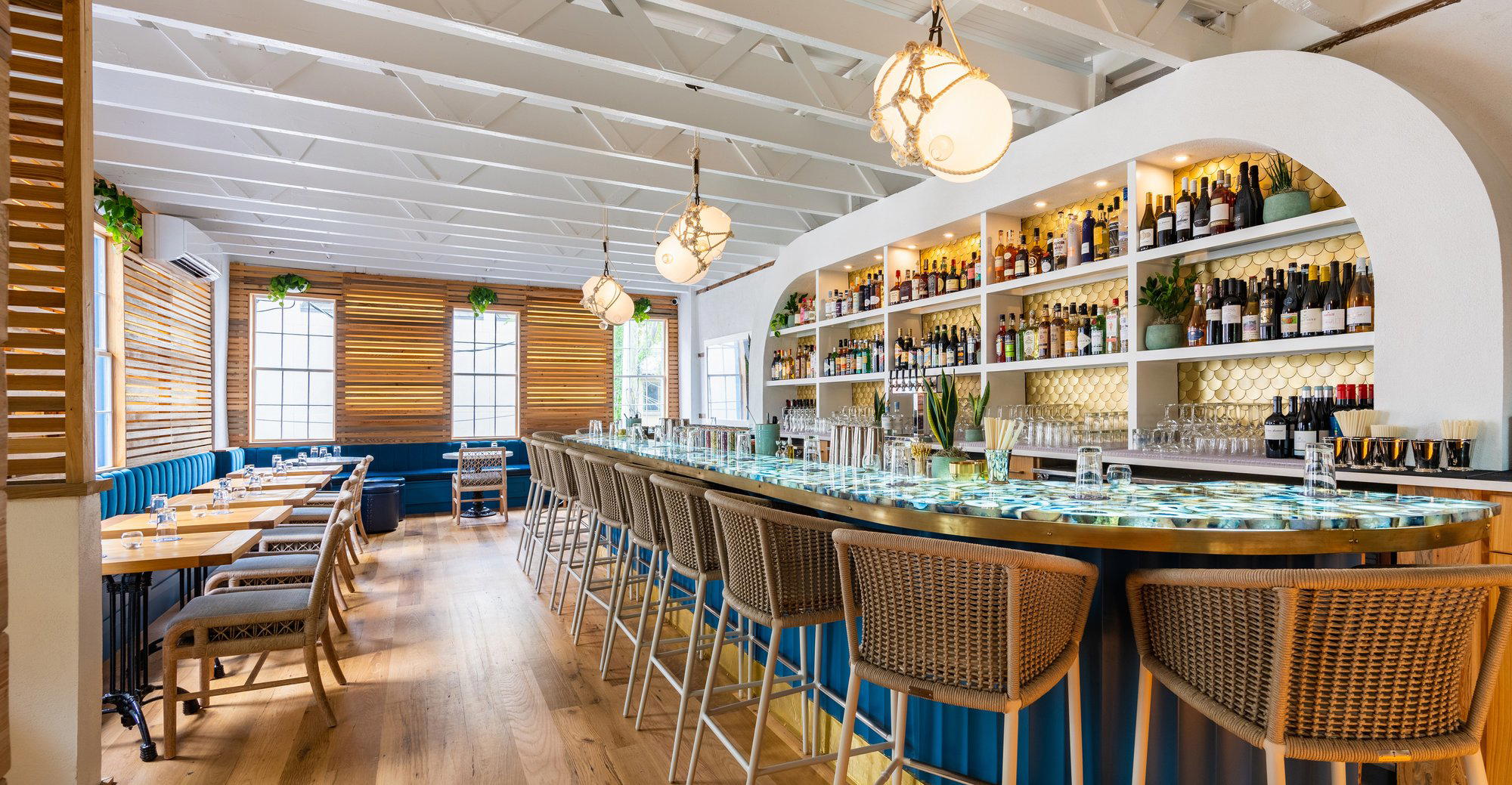
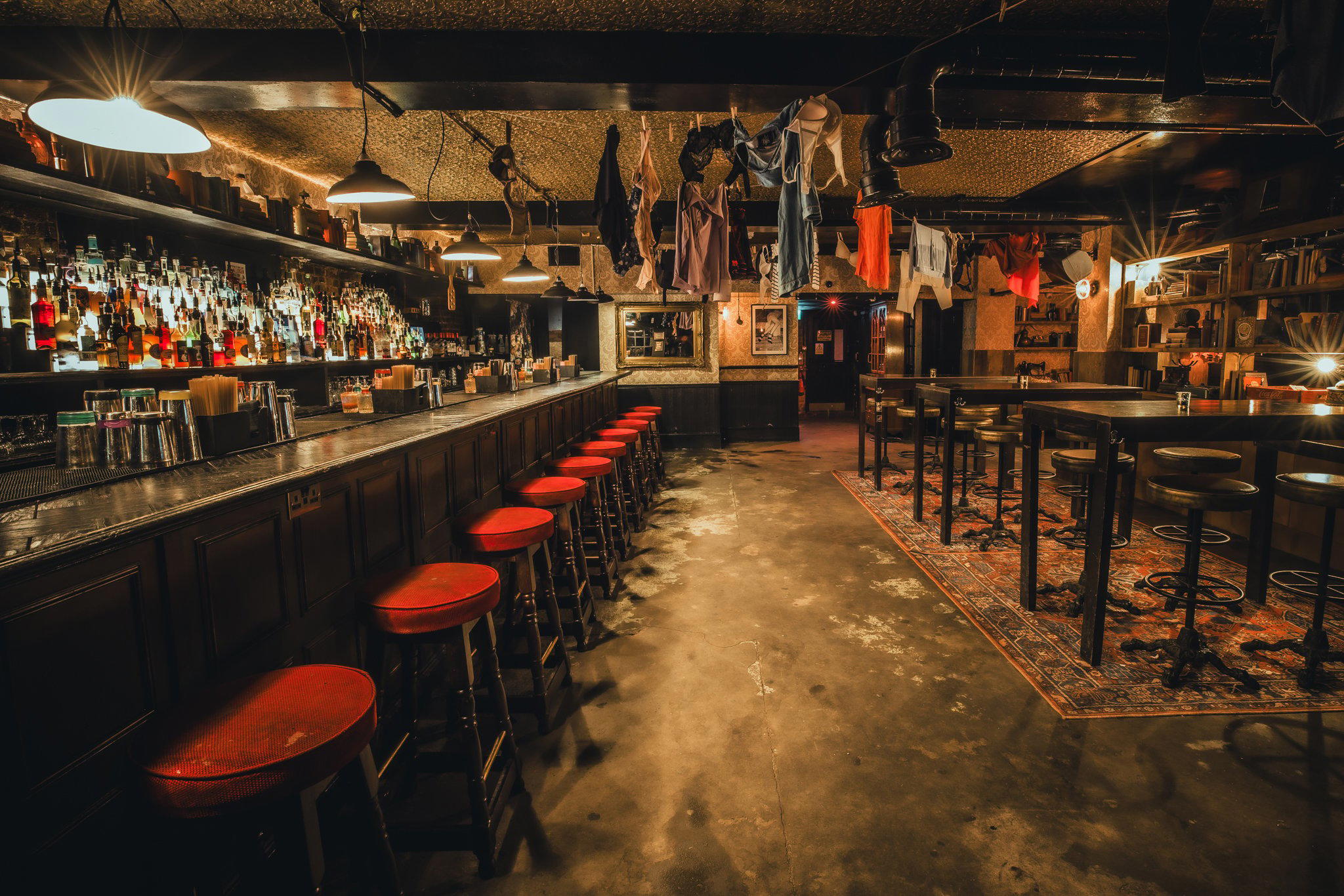
Lively and lively with Chinese lanterns, a long wooden bar, and a pleasant patio oasis, enhanced by loud, hot vibes.