Our verdict
Frankfurt's Europa-Allee corridor has grown into one of the city's most internationally diverse dining stretches, and KULAYAN Nepali Cuisine represents a category that rarely surfaces in German restaurant culture. Nepali cooking sits between the better-known poles of Indian and Tibetan food, drawing on high-altitude ingredient traditions and spice logics that differ sharply from either neighbour. For Frankfurt diners curious about that gap, KULAYAN is the address that fills it.

Pearl is the En Primeur Club membership app, where members save venues, book tables and use the concierge.

Where Himalayan Cooking Finds Its Frankfurt Address
Europa-Allee, the broad commercial spine running through Frankfurt's Europaviertel district, has accumulated a restaurant culture that reflects the neighbourhood's character: new-build density, international office tenants, and a dining public that arrived from elsewhere. That context matters when reading KULAYAN Nepali Cuisine, which sits at Europa-Allee 121 not as an anomaly but as a logical product of a district built for cross-cultural traffic. Nepali restaurants remain genuinely rare across German cities, and in Frankfurt, a city whose restaurant economy skews toward Italian, pan-Asian, and modern European, the Himalayan tradition occupies almost no competitive space. KULAYAN fills that gap without a local predecessor to measure against.
What Nepali Cuisine Actually Is, and Why It Differs
The editorial impulse when covering South Asian restaurants in European cities is to reach for the Indian comparison first. It is the wrong move with Nepali food. Nepal's cooking tradition draws from a different altitude, a different agricultural base, and a different set of cultural exchanges than the cuisines of the Indian plains. High-elevation staples, buckwheat, millet, lentils prepared as dal bhat, form the structural backbone of the diet, while spice blends tend toward warming aromatics suited to mountain climates rather than the complex, oil-heavy masalas more familiar to German diners from North Indian menus.
The Tibetan influence arrives most visibly in dishes like momo, the steamed or fried dumpling that has become the single most recognised Nepali export in global food culture. Momos function in Kathmandu much as dumplings do across East Asia: as street food, as communal eating, as a format that rewards both technique and filling variation. European diners encountering them for the first time frequently draw the comparison to dim sum or Central Asian manti, which is useful up to a point, the dough texture and accompanying achar (chutney) place them firmly in their own tradition. For Frankfurt specifically, a city where Korean, Japanese, and Chinese dumpling formats are already well-represented, momos offer a distinct variation on a form the dining public already understands.
Broader Nepali table tends to be lentil-forward and pulse-rich, which positions it well for diners seeking plant-heavy options without a dedicated vegetarian restaurant format. Meat dishes, where present, often feature goat or chicken prepared with dry-spice techniques that read differently from the wetter curries dominant on most South Asian menus in Germany. That distinction is worth noting for Frankfurt diners who have found mainstream Indian restaurants in the city too uniformly sauce-heavy, Nepali cooking offers a drier, more textured register.
The Frankfurt Context: A City Still Building Its Specialist Tier
Frankfurt's dining scene operates across a wide spread, from the Michelin-starred rooms that place the city on the European fine-dining map to the neighbourhood-level specialists that give the city texture. At the upper end, places like Allgaiers Restaurant and Ariston work within recognisable European traditions, while addresses like Ambassel push toward East African formats that similarly occupy underrepresented space in the city. ALEJANDRO'S and atm by Deli&Grape represent the city's appetite for specialist formats across different price tiers. KULAYAN's position in that ecosystem is defined less by price point or format sophistication and more by what it teaches the local dining public about a cuisine that German restaurant culture has largely overlooked.
Germany's broader restaurant scene has its own geography of prestige. Three-Michelin-star kitchens like Aqua in Wolfsburg, Schwarzwaldstube in Baiersbronn, and Vendôme in Bergisch Gladbach anchor one end of a spectrum that includes format innovators like CODA Dessert Dining in Berlin and destination restaurants like JAN in Munich, ES:SENZ in Grassau, Victor's Fine Dining by christian bau in Perl, Waldhotel Sonnora in Dreis, Restaurant Haerlin in Hamburg, and Schanz in Piesport. KULAYAN operates in a different register entirely, its significance is cultural and geographic, not tasting-menu. Globally, the shift toward taking non-European specialist cuisines seriously on their own terms, rather than as supporting acts for fusion formats, is visible in cities like New York, where Atomix and Le Bernardin have demonstrated that rigorous cultural specificity is a credibility signal, not a limitation. Frankfurt is earlier in that process.
Planning Your Visit
KULAYAN Nepali Cuisine is located at Europa-Allee 121, 60486 Frankfurt am Main, in the Europaviertel district, reachable via S-Bahn and U-Bahn connections to Frankfurt West or Festhalle/Messe stations. Going earlier in the week tends to offer more flexibility at smaller specialist venues than weekend service. For a broader map of what Frankfurt's restaurant scene offers across formats and price tiers, see our full Frankfurt restaurants guide.
Frequently asked questions
What should I eat at KULAYAN Nepali Cuisine?
Nepali cuisine is built around a few structural formats that appear consistently across the tradition: dal bhat (lentils with rice), momo dumplings served with achar, and dry-spiced meat or vegetable preparations. At a Nepali restaurant in Frankfurt, those formats are the logical entry points, they give the clearest picture of how the cuisine differs from the South Asian cooking most German diners already know.
Is KULAYAN Nepali Cuisine reservation-only?
Smaller specialist restaurants in Frankfurt's Europaviertel district vary considerably, some operate walk-in only, others take bookings via phone or a third-party platform. Contacting the restaurant directly before your visit is the safest approach, particularly for weekend evenings when demand for the city's specialist formats tends to concentrate.
What's the signature at KULAYAN Nepali Cuisine?
Across Nepali restaurant culture globally, momo dumplings function as the most widely recognised format, the dish that tends to anchor menus and serve as a first reference point for diners new to the cuisine. Dal bhat, the lentil-and-rice preparation that is the nutritional and cultural backbone of the Nepali diet, is the other format worth prioritising.
Can KULAYAN Nepali Cuisine adjust for dietary needs?
Nepali cooking is structurally well-suited to plant-based diets, lentils, pulses, and vegetable preparations form a large share of the traditional menu, which means vegetarian options tend to be substantive rather than afterthoughts.
How does KULAYAN fit into Frankfurt's broader South Asian dining scene?
Frankfurt has a developed Indian restaurant presence across several neighbourhoods, but Nepali cuisine occupies a distinct position that does not overlap significantly with those menus. The cooking tradition, ingredient base, and spice logic differ enough that diners familiar with North Indian or Bangladeshi restaurants in the city will encounter a meaningfully different experience.
Peers in This Market
Comparable venues nearby, for context on price, style, and recognition.
| Venue | Cuisine | Price | Notes |
|---|---|---|---|
| KULAYAN Nepali CuisineThis venue (the venue you are viewing) | Authentic Nepali Cuisine | $20–30 | Not listed |
| Heidi und Paul | Healthy Salads & Wraps | $10–20 | Roemerberg |
| TWO HANDS FULL | American Smash Burgers | $10–20 | Goldstein |
| Jaffa Market | Israeli Middle Eastern | Not listed | Goethehaus |
| Bistro Salvatore | Authentic Italian Bistro | Not listed | Roemerberg |
| Ristorante Sardegna | Authentic Sardinian Italian | $30–50 | Roemerberg |
Continue exploring
More in Frankfurt
Restaurants in Frankfurt
All restaurants in Frankfurt →
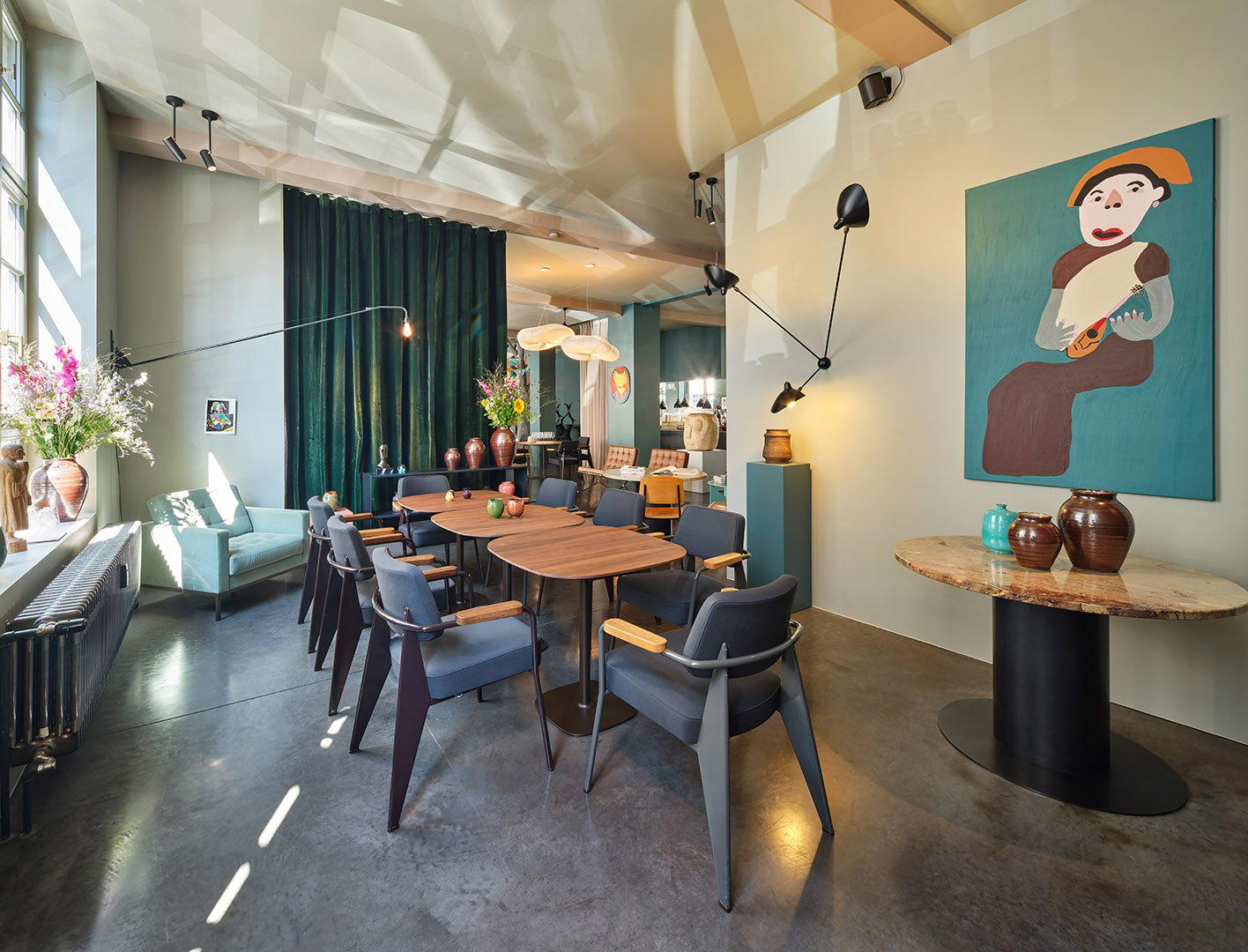
Bars in Frankfurt
All bars in Frankfurt →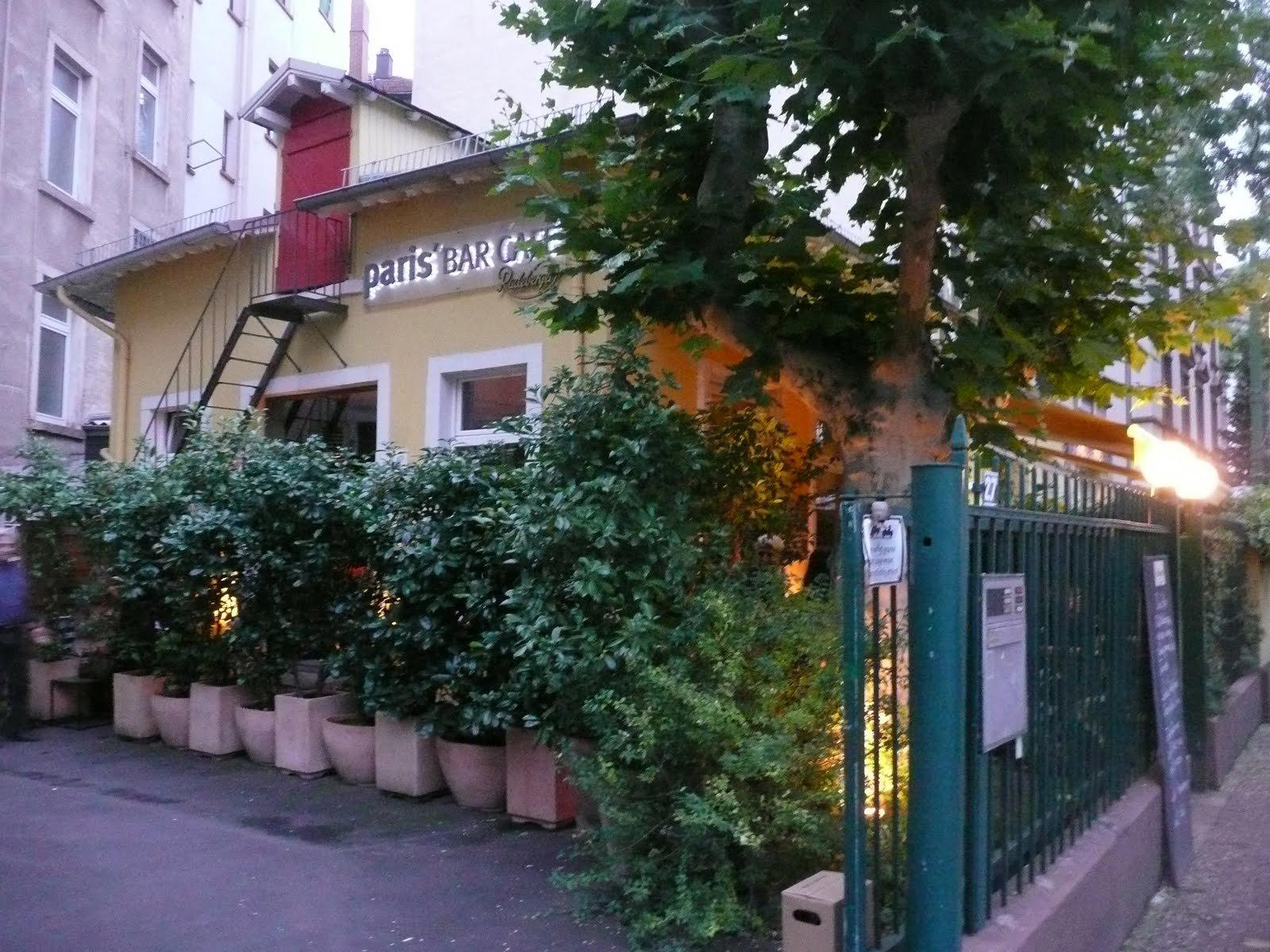
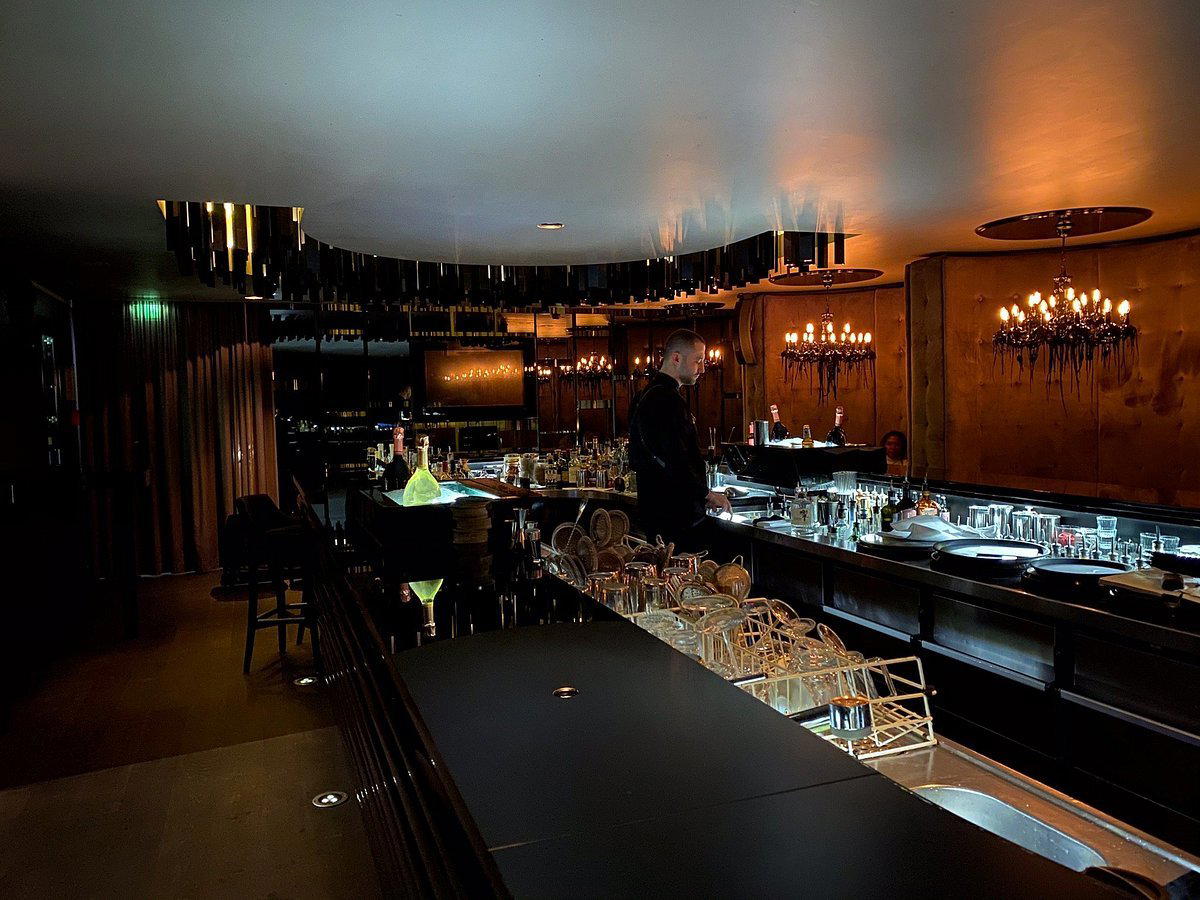
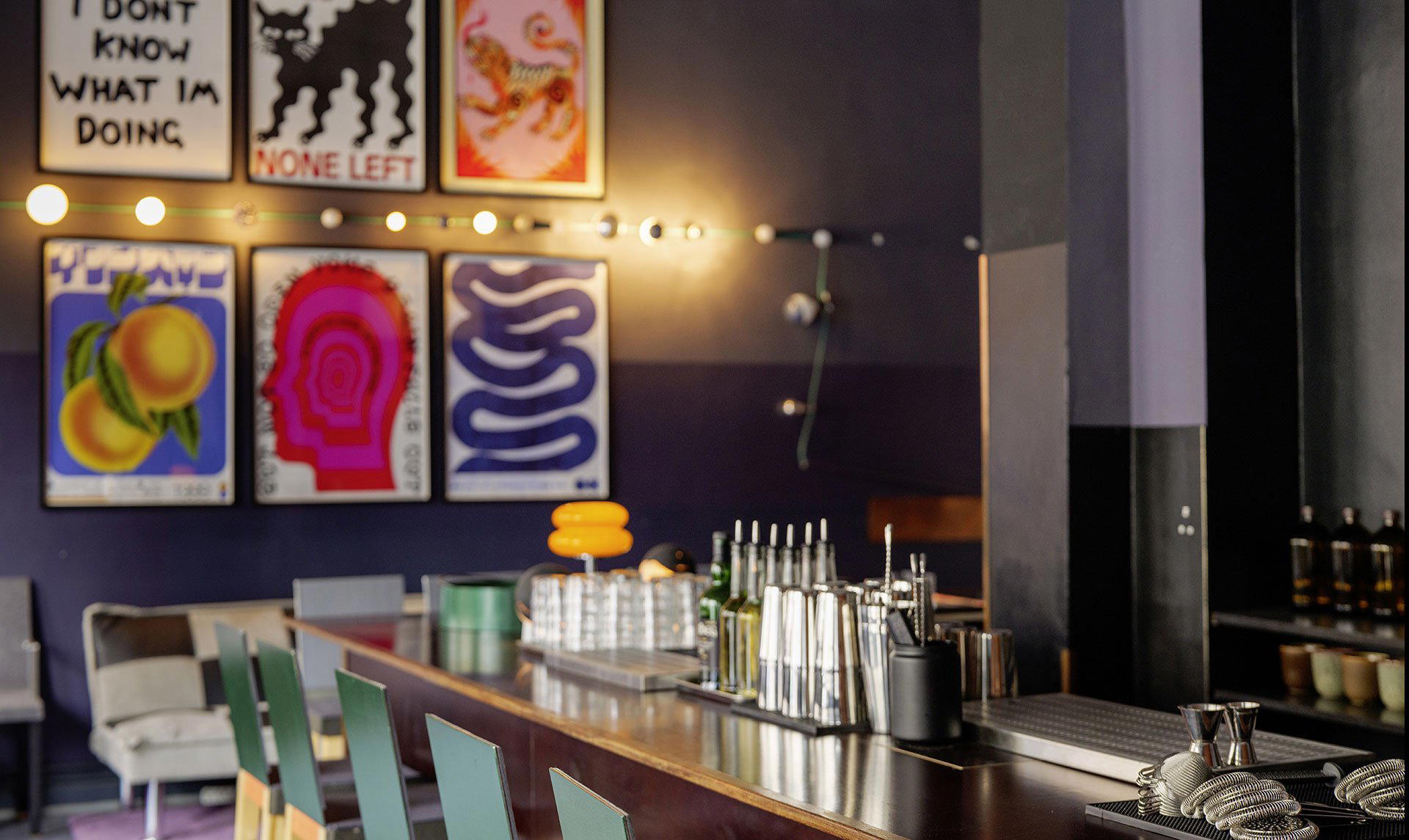
Hotels in Frankfurt
All hotels in Frankfurt →

Details
- Cozy
- Group Dining
- Family
- Casual Hangout
- Open Kitchen
- Beer Program
- A La Carte
- Vegetarian Friendly
- Vegan Options
Current opening hours
- Monday
- 12–11 PM
- Tuesday
- 12–11 PM
- Wednesday
- 12–11 PM
- Thursday
- 12–11 PM
- Friday
- 12–11 PM
- Saturday
- 12–11 PM
- Sunday
- 12–11 PM
Hours can change for holidays and private events. Hours as of .
Charming and authentic Nepali atmosphere with friendly service and Nepali music.