On a pedestrian lane in Frankfurt's city centre, Heidi und Paul occupies the kind of address that regulars discover once and quietly keep to themselves. The format draws a loyal return crowd rather than first-time trophy diners, which shapes everything from the pace of service to what ends up on the table. For visitors with any interest in how Frankfurt actually eats, it is worth attention.
 Discover on Pearl
Pearl is the En Primeur Club membership app — saves, bookings, and concierge access live there. Same editors, same standards.
- Address
- Meisengasse 12, 60313 Frankfurt am Main, Germany
- Phone
- +496929729828
- Website
- heidiundpaul.de
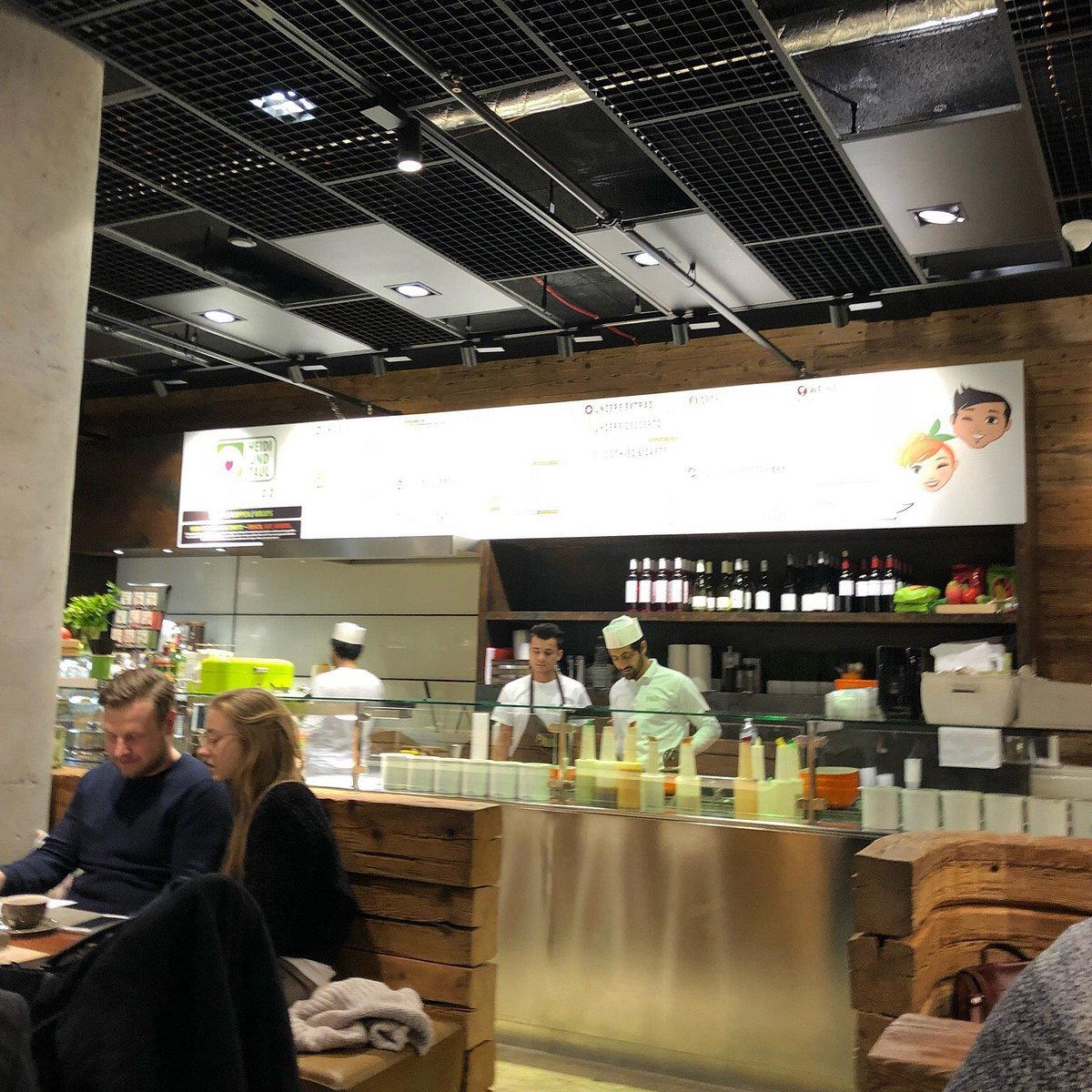
Meisengasse sits off the commercial bustle of central Frankfurt, a narrow pedestrian passage of the kind the city's older quarters still produce when the glassier financial district briefly loses its grip. The address, number 12, gives little away from the outside, which is precisely the condition under which regulars prefer to find a place they have claimed as their own. Heidi und Paul, settled at this address in the 60313 postal zone, operates in that register: a restaurant whose identity is shaped less by external signalling than by the people who come back.
How Frankfurt Eats When It Is Not Performing
Frankfurt has an unusual dining personality for a city of its international standing. Its financial community generates demand for formal, international-facing restaurants, the kind of rooms that ease deal-making across languages and cultures, but beneath that layer, the city sustains a denser, more residential dining culture: neighbourhood rooms, generational regulars, and an expectation of quality that does not require architectural theatre to justify itself. That second tier is where a restaurant like Heidi und Paul finds its footing. The comparison venues operating in Frankfurt's mid-to-premium band, places such as Ariston, Allgaiers Restaurant, and Ambassel, each serve a slightly different version of this second-tier appetite, but the logic connecting them is the same: Frankfurt's most consistent diners are not hunting novelty, they are reinforcing a habit.
This is the context that produces regulars in the most meaningful sense. Not simply customers who return, but people who arrive with a working knowledge of the room, which table catches a draught, which part of the menu rotates, when the kitchen is most alert. That accumulated familiarity is harder to replicate than a reservation and constitutes the real competitive asset of a restaurant in this bracket.
The Unwritten Menu
In rooms shaped by returning clientele, two menus operate simultaneously: the one printed or recited, and the one that regulars assemble from memory, preference, and small negotiations with staff who recognise them. The latter menu is invisible to a first-time visitor and cannot be photographed or researched in advance. It is built on trust, the trust that a kitchen will adjust, that a server will remember, that the room will absorb a longer-than-expected evening without pressure.
This dynamic also places accountability on the kitchen in a way that novelty-seeking environments do not. A regular who has eaten a dish thirty times will notice changes in execution that a first-time guest would never register. The standard is therefore set not by critics arriving with notebooks but by the people at the corner table every second Thursday. Frankfurt's strongest neighbourhood restaurants have always operated under this kind of scrutiny, and the ones that endure do so because the kitchen takes it seriously.
For Frankfurt visitors consulting the broader dining scene, atm by Deli&Grape and ALEJANDRO'S each attract a different kind of repeat attention, one wine-led, one cuisine-specific, but the structural logic of earned loyalty applies across the category.
Where Heidi und Paul Sits in Its Competitive Set
Germany's premium restaurant tier is anchored by addresses that have accumulated formal recognition over decades: Aqua in Wolfsburg, Schwarzwaldstube in Baiersbronn, and Vendôme in Bergisch Gladbach operate in a register where Michelin stars and 50 Best citations define the frame of reference. At the international extreme, rooms like Le Bernardin in New York City and Atomix in New York City set the terms for what rigorous tasting-menu formats look like at their ceiling. Heidi und Paul does not compete in that bracket, nor does it position itself there. Its competitive set is the Frankfurt address that serious local diners reach for when they want a reliable evening rather than a statement one, a category with its own discipline and its own way of failing.
The distinction matters because the dining public often conflates formal recognition with quality, when the correlation is imperfect at leading. Germany has produced brilliant cooking well outside the Michelin column, JAN in Munich, CODA Dessert Dining in Berlin, and ES:SENZ in Grassau each occupy interesting positions in this conversation. What matters in Heidi und Paul's bracket is consistency, personality, and the degree to which a room accumulates rather than disperses goodwill over time.
Getting There and Planning Around It
Meisengasse 12 sits in Frankfurt's inner city, within easy reach of the Hauptwache U-Bahn and S-Bahn interchange, which makes it accessible from both the financial district and the main station without a taxi. Heidi und Paul is walk-in friendly, with hours running Mon to Sat 11 AM to 9:30 PM and Sun 11 AM to 8:30 PM.
What Keeps People Coming Back
The question worth sitting with, for any room that sustains a loyal clientele in a city with Frankfurt's dining options, is what specifically makes return feel like the natural choice rather than a fallback. The answer is rarely a single dish or a single staff member. It is more often a texture of experience, the accumulated sense that a place knows how to spend an evening well, that it does not push the pace or oversell the room, that it treats a second visit with slightly more ease than a first.
Across Frankfurt's neighbourhood-anchored dining tier, alongside comparable addresses at Restaurant Haerlin in Hamburg and Schanz in Piesport for contrast further afield, the rooms that build this kind of loyalty do so through small decisions that compound. The way a menu is explained to someone who has heard it before. The degree to which the kitchen is willing to repeat a dish that is no longer on the printed card. The room's tolerance for a table that lingers. These are the signals that regulars read and that one-time visitors often miss entirely. Heidi und Paul's address, its positioning in Frankfurt's city centre, and the absence of heavy external marketing all suggest a room that has calibrated toward that return dynamic rather than the first-impression one. Whether the kitchen has earned that positioning is the question a first visit will answer.
Comparable Spots, Quickly
Comparable venues nearby, for context on price, style, and recognition.
| Venue | Cuisine | Price | Awards | Notes |
|---|---|---|---|---|
| Heidi und PaulThis venue — the venue you are viewing | Healthy Salads & Wraps | $$ | , | |
| Ciro il lattaio | Authentic Italian Pinsa and Pasta | $$ | , | Roemerberg |
| Du Liban | Authentic Lebanese | $$ | , | Roemerberg |
| Zarathustra | Persian | $$ | , | Palmengarten |
| Pasta Davini | Authentic Italian Pasta | $$ | , | Roemerberg |
| Tapas Locas | Traditional Spanish Tapas | $$ | , | Roemerberg |
Continue exploring
More in Frankfurt
Restaurants in Frankfurt
Browse all →
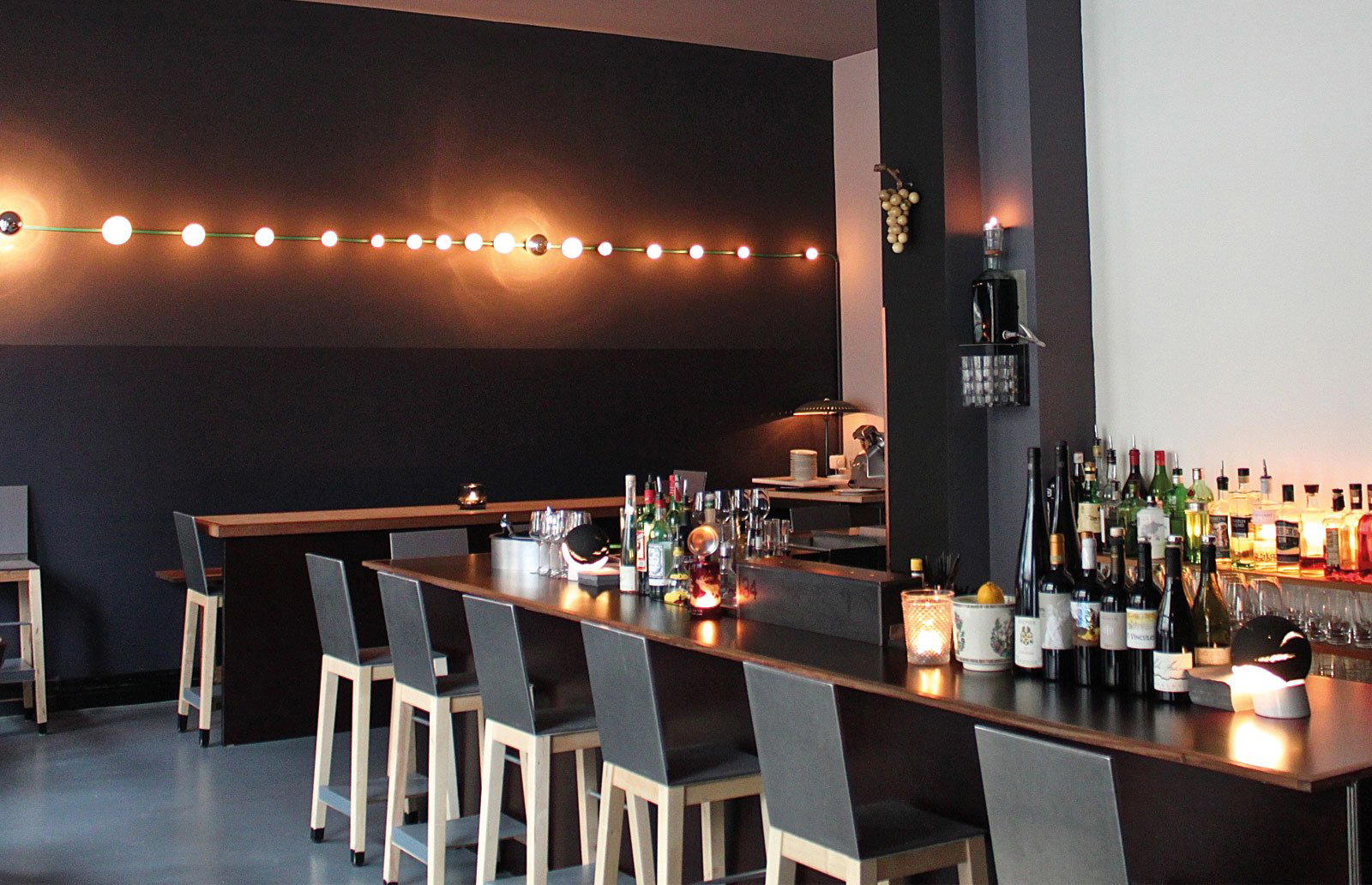
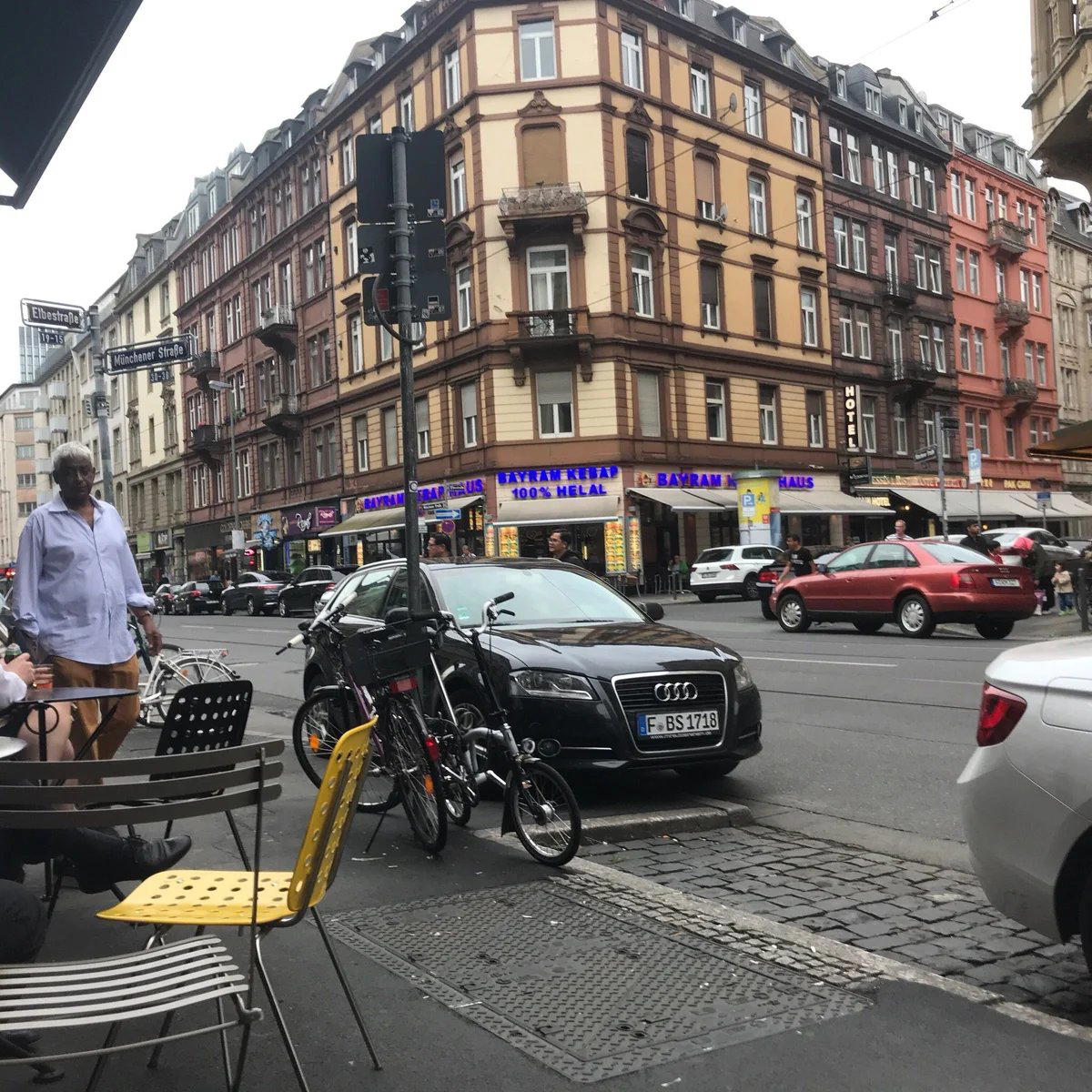
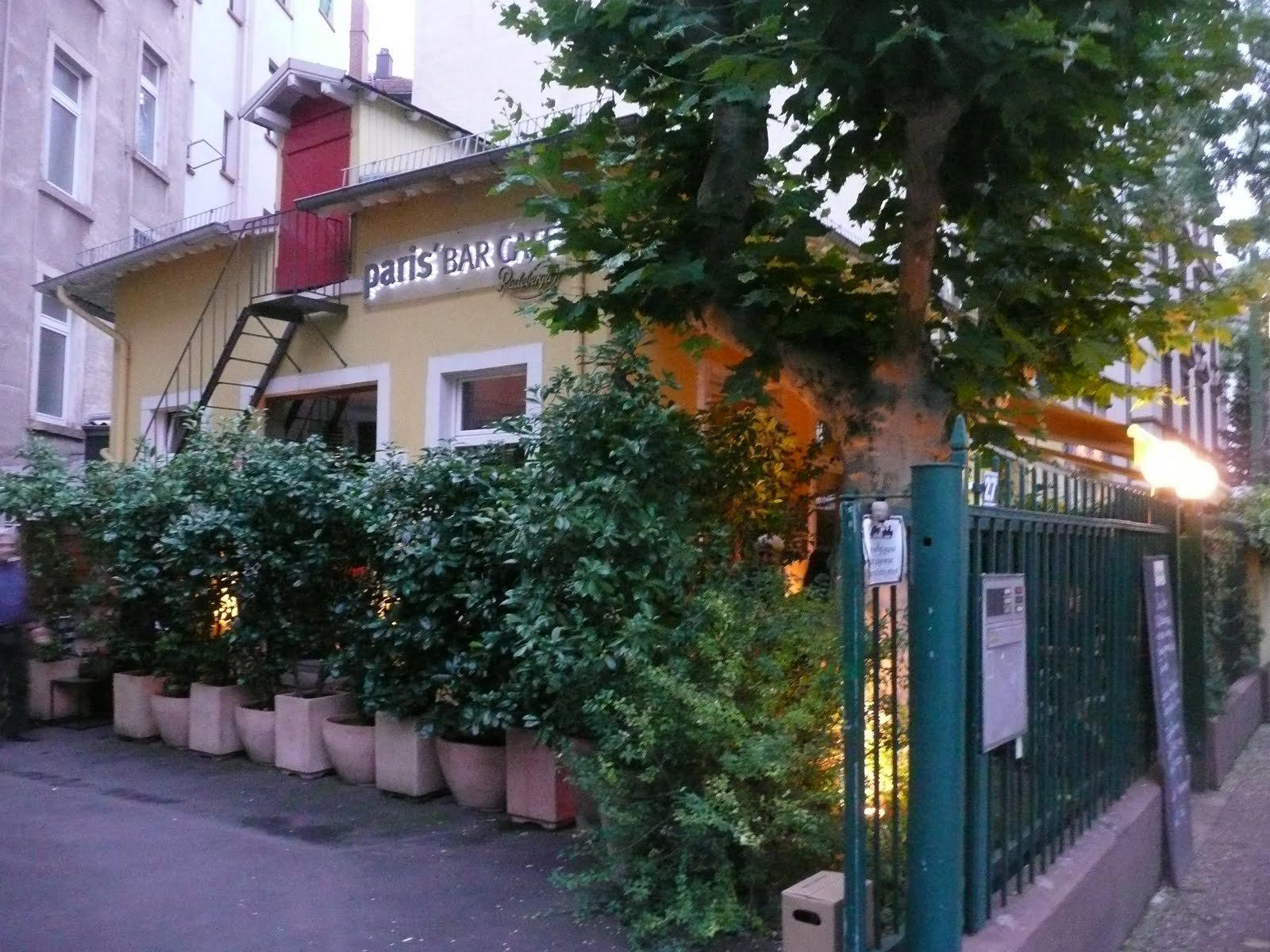
Bars in Frankfurt
Browse all →
Hotels in Frankfurt
Browse all →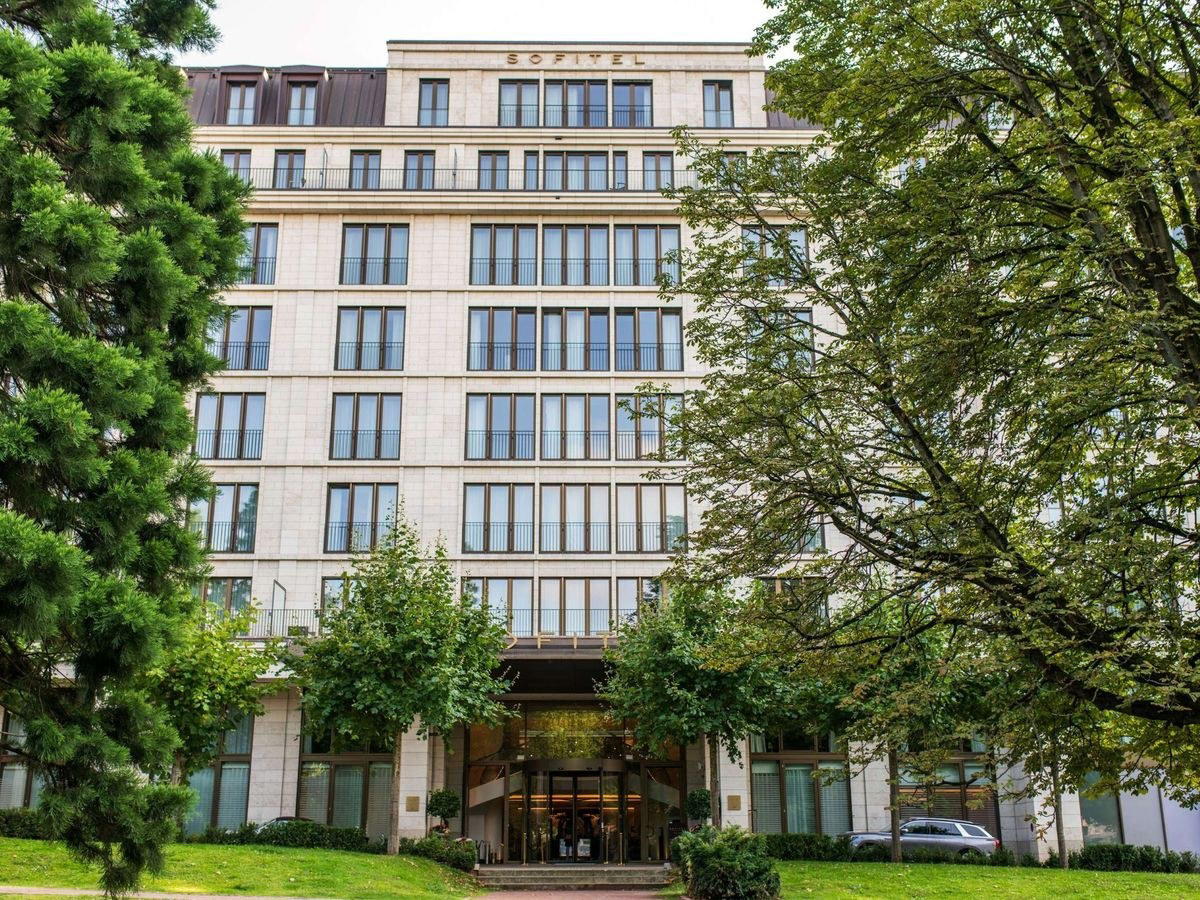

At a Glance
- Cozy
- Modern
- Casual Hangout
- Open Kitchen
- Local Sourcing
Bright and casual atmosphere focused on quick, fresh meals with a welcoming vibe for everyday dining.