Restaurant Herzenslust
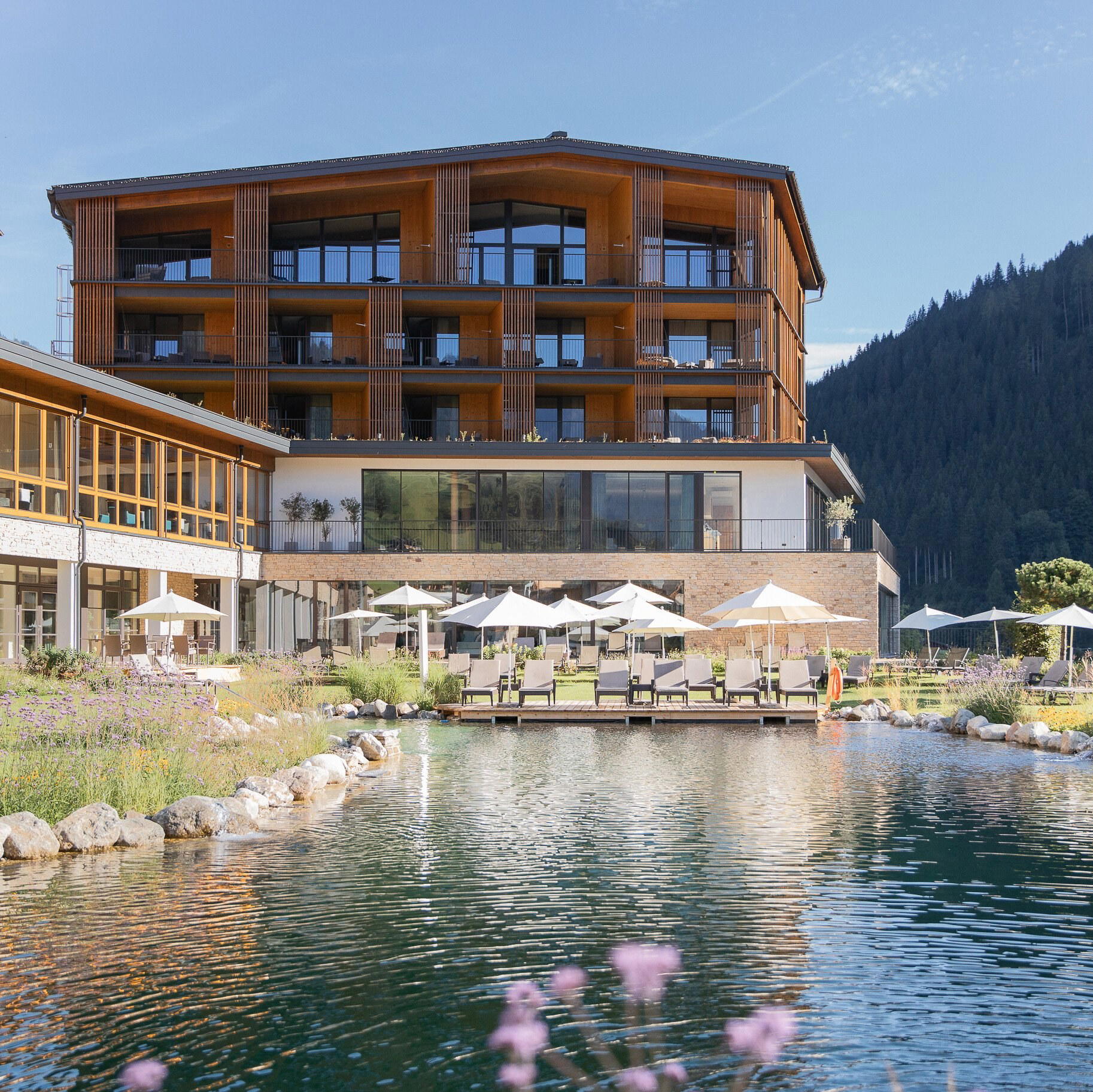
Restaurant Herzenslust serves Modern Alpine Austrian cooking at Hotel Das Tauernherz in Untertauern, with local sourcing, terrace seating, and mountain views for lunch or dinner.
Pearl is the En Primeur Club membership app — saves, bookings, and concierge access live there. Same editors, same standards.
- Address
- Schrotteralmstraße 1, 5562 Obertauern, Austria
- Phone
- +43645620222500
- Website
- herzens-lust.at
- Directions
- Get directions
 Saves & bookings on Pearl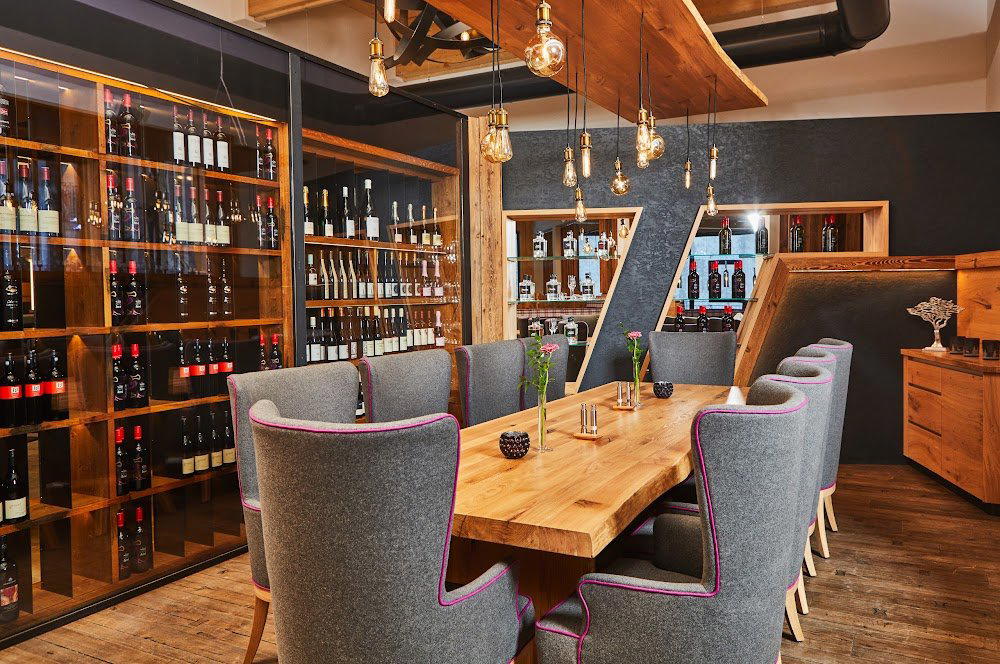
Where the Salzburg Alps Frame the Table
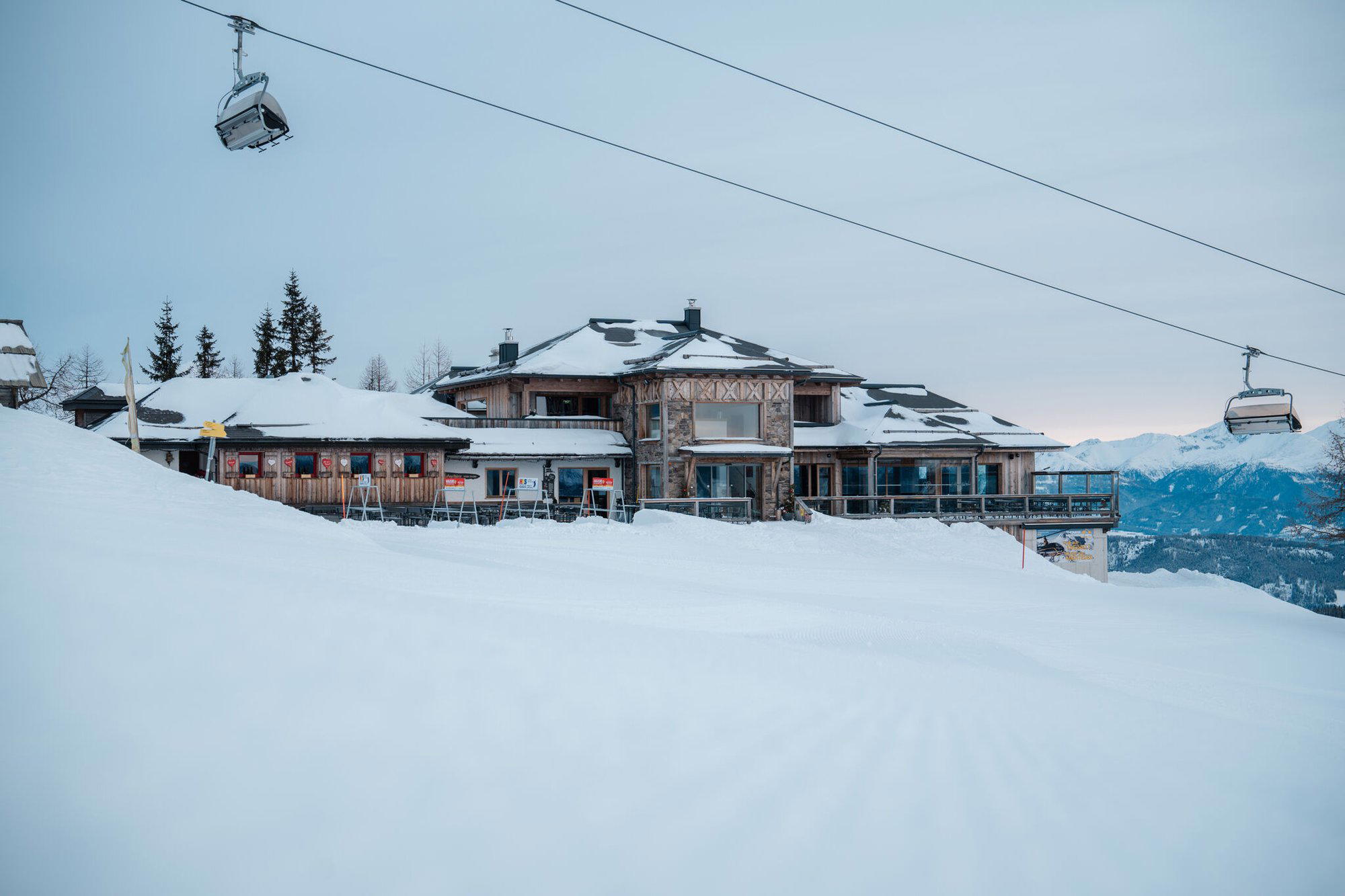
Obertauern sits at roughly 1,740 metres above sea level, making it one of the highest-altitude resort villages in the Austrian Alps and a place where the seasons arrive with unusual clarity. Winter means deep, reliable snowpack and a compressed social calendar that pulls guests toward a small circuit of restaurants between the slopes and the village core. Restaurant Herzenslust is a casual Modern Alpine Austrian restaurant at Schrotteralmstraße 1, 5562 Obertauern, Austria. It operates within that circuit. The building sits in the kind of alpine terrain where sourcing decisions are not a marketing choice but a practical and cultural reality: what comes from nearby is fresher, more consistent, and embedded in a culinary tradition that has defined this region for generations.
The alpine restaurant category in Austria has evolved considerably. Venues like Döllerer in Golling an der Salzach and Kräuterreich by Vitus Winkler in Sankt Veit im Pongau have spent years building reputations on the argument that Salzburgerland and its surrounding mountain territories produce ingredients worth treating with the same seriousness as those in any European lowland larder. That argument has gained traction across the region's dining community. Mountain herbs, cold-water fish from high-altitude streams, aged dairy from alp farms, and locally hunted game form the backbone of a recognisable central alpine food culture that venues in Obertauern draw from directly.
Sourcing at Altitude
The ingredient question in a place like Obertauern is inseparable from geography. Supply logistics at this elevation differ from those at valley restaurants. The growing season is shorter, transport is seasonal, and the range of what can be raised or foraged nearby is narrower. That constraint historically shaped a cuisine of preservation and concentration: cured meats, aged cheeses, dried herbs, slow-cooked preparations that extract depth from simpler raw materials. Contemporary alpine restaurants have worked within and sometimes against that tradition, introducing more delicate preparations while maintaining the regional foundation.
Across Salzburg province, the pattern is consistent: restaurants that perform at a higher level tend to source from named farms and producers within the immediate region rather than relying on national distributors. Obauer in Werfen has built its reputation partly on this kind of sourcing discipline, and it holds up across multiple decades of operation. The expectation, when dining in this part of Austria, is that the supply chain is short and the producer relationships are direct.
The Obertauern Dining Context
Obertauern functions as a concentrated resort with a guest base that skews toward Austrian, German, and central European visitors who return season after season. This gives the local restaurant scene a regulars-oriented character that differs from one-time tourist destinations. Restaurants here are not primarily performing for first-time visitors; they are holding the attention of guests who will be back the following year and who compare experiences across trips.
That retention dynamic tends to sharpen menus over time. It also places restaurants inside a competitive set defined less by geography and more by the guest experience standard of the resort itself. In Obertauern, that standard is moderately high: the village attracts skiers and hikers who are willing to spend on accommodation and food, but it is not operating at the price point or prestige tier of, say, Griggeler Stuba in Lech or Stüva in Ischgl, both of which sit inside Michelin-recognised properties in Austria's western alpine tier. For reference on what Austrian alpine dining looks like at its most formally recognised level, Gourmetrestaurant Tannenhof in Sankt Anton am Arlberg provides a useful benchmark.
Herzenslust occupies a position within Obertauern's local dining circuit alongside venues such as DER 12 ENDER, which represents the kind of alpine-focused offering that has become characteristic of Obertauern's mid-to-upper tier.
Austrian Fine Dining in a National Frame
To understand where any Obertauern restaurant sits in Austria's wider dining hierarchy, it helps to track the range. At the apex, Steirereck im Stadtpark in Vienna and Ikarus in Salzburg operate at a level of technical ambition and international recognition that places them in a different category from regional alpine restaurants. Further along the spectrum, Landhaus Bacher in Mautern an der Donau and Taubenkobel in Schützen am Gebirge show how Austrian regional cuisine can sustain Michelin recognition over long periods through consistency and place-rooted cooking. Mountain venues like Schwarzer Adler in Hall in Tirol and Restaurant 141 by Joachim Jaud in Mieming extend that tradition into Tirol.
Internationally, the ingredient-sourcing conversation in fine dining has been central for more than a decade. Restaurants such as Le Bernardin in New York City built their reputations on sourcing discipline applied to a specific category of ingredient; Atomix in New York City has demonstrated how a regional culinary tradition can be presented with technical rigour for an international audience. The question for any alpine restaurant is whether it applies comparable rigour to the Salzburg region's own ingredient traditions. Ois in Neufelden and Artis in Graz show how Austrian restaurants outside the major cities are pushing that conversation in their own geographic contexts.
Planning a Visit
Obertauern's main season runs from late November through April, with the ski season defining the peak dining window. The village is accessible by road from Radstadt, approximately 18 kilometres to the north, and is served by seasonal bus connections from Salzburg. Visitors staying in the resort will find Herzenslust within the village walking circuit; the Schrotteralmstraße address places it in the core of the settlement. Herzenslust is open daily from 12 to 11 PM, and reservations are recommended. The summer hiking season also brings visitors to Obertauern, though the dining offer contracts relative to winter months.
Comparable Spots, Quickly
Comparable venues nearby, for context on price, style, and recognition.
| Venue | Cuisine | Price | Notes |
|---|---|---|---|
| Restaurant HerzenslustThis venue — the venue you are viewing | Modern Alpine Austrian | $$ | Not listed |
| DER 12 ENDER | Alpine-Mediterranean Fine Dining | $$$$ | Obertauern |
| Steireralm | Traditional Austrian Ski Hut | $$ | Reiteralm |
| Michaelerberghaus | Alpine Austrian | $$ | Michaelerberg/Pruggern |
| Weitmoosalm | Traditional Austrian Alpine | $$ | Planai |
| Mostschenke im Heustadl Restaurant & Heurige | Traditional Austrian Heuriger | $$ | Rindbach |
Continue exploring
More in Untertauern
Restaurants in Untertauern
Browse all →
Bars in Untertauern
Browse all →



Hotels in Untertauern
Browse all →
Wineries in Untertauern
Browse all →
At a Glance
- Cozy
- Rustic
- Family
- Casual Hangout
- Terrace
- Local Sourcing
- Mountain
Current opening hours
- Monday
- 12–11 PM
- Tuesday
- 12–11 PM
- Wednesday
- 12–11 PM
- Thursday
- 12–11 PM
- Friday
- 12–11 PM
- Saturday
- 12–11 PM
- Sunday
- 12–11 PM
Hours can change for holidays and private events. Last verified .
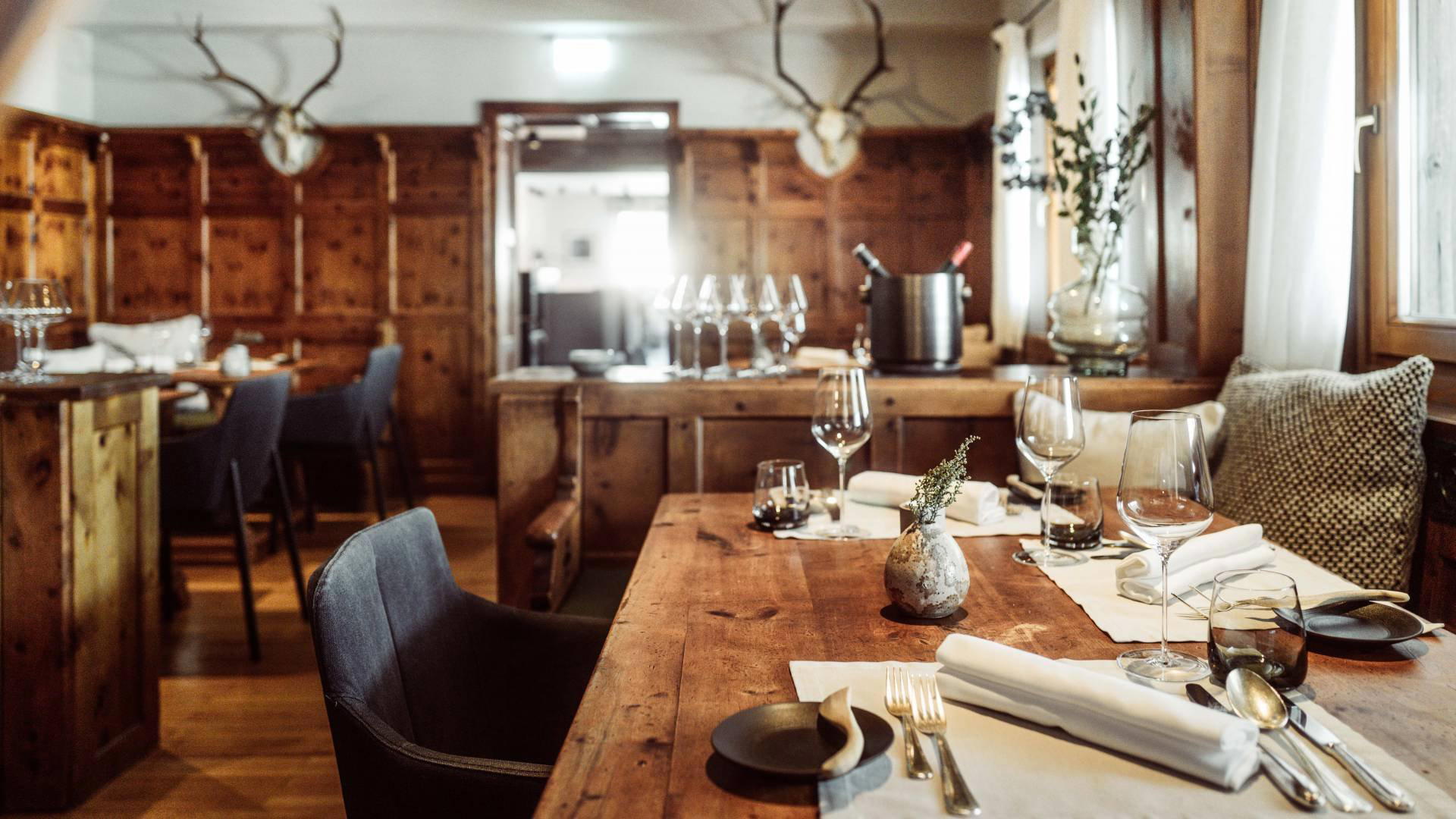
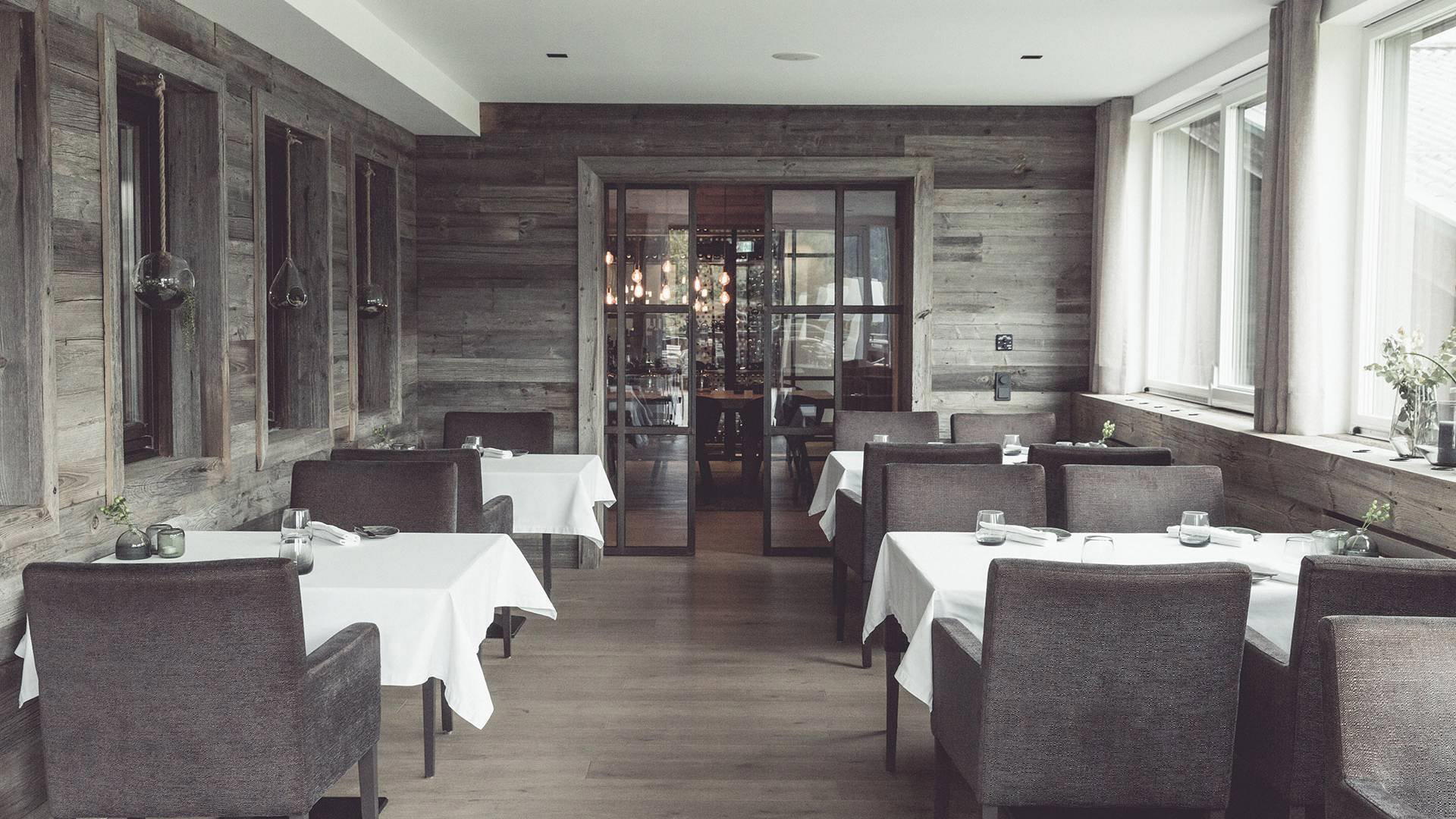
Lässiger Alpenstyle with warm, cozy atmosphere and nice interior.