Steinerwirt
Positioned on Dreifaltigkeitsgasse in the centre of Zell am See, Steinerwirt occupies the kind of address that puts the Zeller See and the Schmittenhöhe within easy reach. Where peers like MAYER's Restaurant operate at the formal end of the local spectrum, Steinerwirt sits in the mid-register of alpine town dining, drawing both resort visitors and year-round residents into its orbit.
Pearl is the En Primeur Club membership app — saves, bookings, and concierge access live there. Same editors, same standards.
- Address
- Dreifaltigkeitsgasse 2, 5700 Zell am See, Austria
- Phone
- +43654272502
- Website
- steinerwirt.com
- Directions
- Get directions
 Saves & bookings on Pearl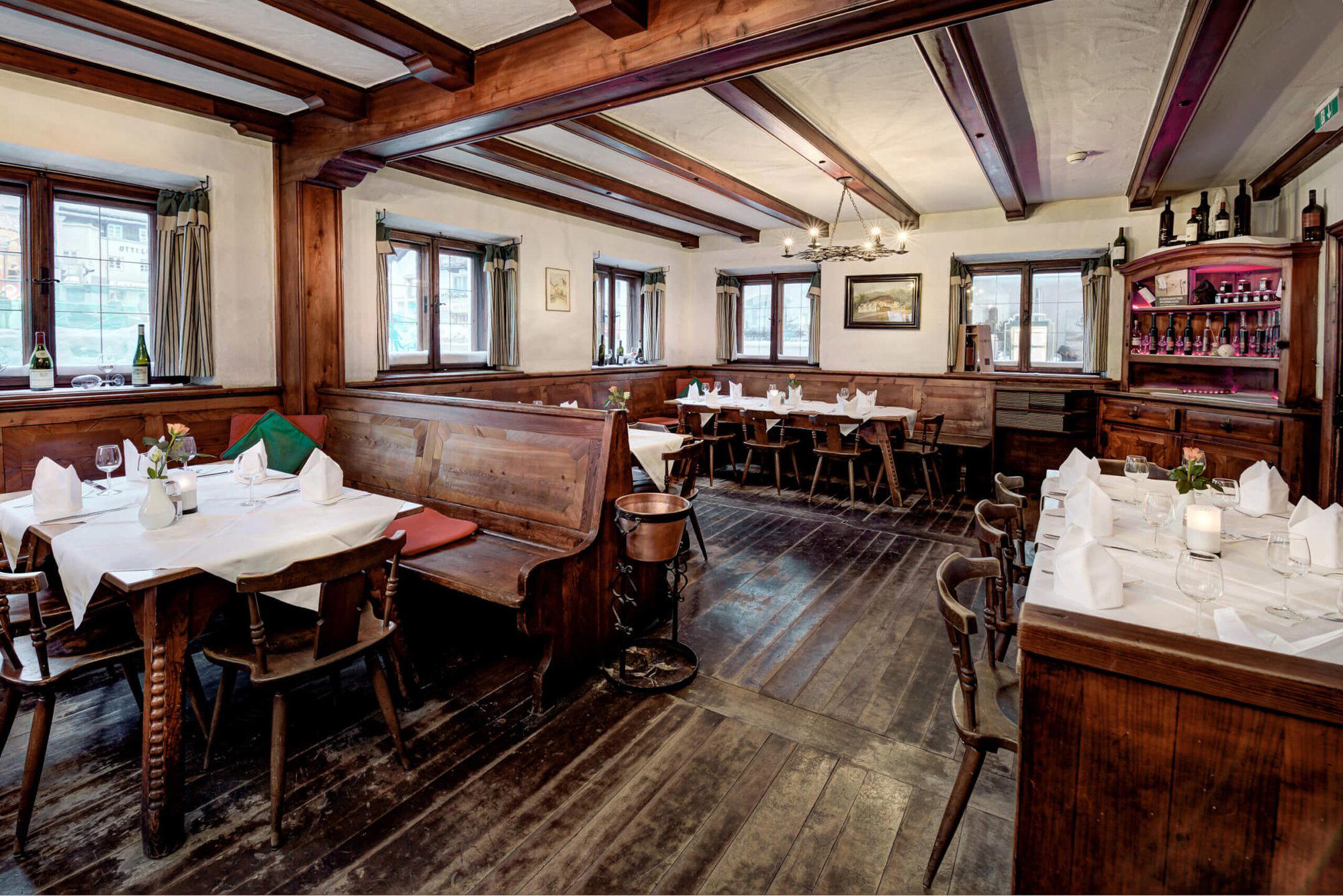
Where the Town Concentrates
Steinerwirt is a Modern Austrian restaurant in Zell am See, Austria, with. The Zeller See keeps the centre compact, which means the gap between a ski lift, a hotel lobby, and a sit-down meal is rarely more than a few minutes on foot. Dreifaltigkeitsgasse runs through this compressed core, and it is on this street that Steinerwirt sits. The address is not incidental. In alpine towns of this scale, location within the old centre carries specific weight: it signals year-round operation, local patronage, and proximity to the pedestrian rhythms that define how residents and repeat visitors actually move through the town.
That positioning distinguishes Steinerwirt from resort-edge dining rooms that function primarily as hotel amenities. The Dreifaltigkeitsgasse address places it in the category of independently anchored town establishments, the kind that existed before the current wave of resort development and will continue after it. In the Austrian Alps more broadly, these addresses tend to accumulate a particular clientele: those who return seasonally and want a room that feels continuous with the town rather than insulated from it.
The Salzburg Region Dining Pattern
Zell am See sits in the Salzburg region of Austria, which places it within a wider dining corridor that extends from Ikarus in Salzburg through to destinations like Döllerer in Golling an der Salzach and Obauer in Werfen. That corridor contains some of Austria's most seriously rated kitchens, and their presence defines the upper reference point for the region. Zell am See itself does not operate at that tier, but it benefits from proximity: chefs in the area are aware of those standards, and the town's visitors often move between resort stays and higher-ambition dining elsewhere in the region.
Within Zell am See, the dining options span a recognisable local range. MAYER's Restaurant operates at the formal end, with a classic cuisine format and pricing that reflects it. Erlhof anchors the regional cuisine tier at a more moderate price point. Salzburgerstube, Speisenmeisterei, and Two Timez round out a scene that, taken together, covers most of the formats a visitor might want across a multi-day stay.
Steinerwirt occupies its position within this local spectrum without chasing the prestige markers of the region's headline kitchens. That is not a limitation so much as a calibration. Alpine town dining at its most functional serves a population that includes serious skiers eating before early lifts, families covering several generations at one table, and couples staying a week who want variety. A room that tries to perform at Döllerer-level every service cannot serve all of those needs. The rooms that last in towns like Zell am See tend to be the ones that understand their actual constituency.
The Alpine Gasthaus Tradition
The Gasthaus format is one of Austria's most durable dining institutions. It is distinct from the Gasthof, which typically implies accommodation, and from the urban Beisl, which carries different class associations. The Gasthaus occupies a middle register: more structured than a Heuriger, less formal than a Stuberl in a four-star hotel. In the Alps, this format has historically absorbed influences from both Tyrolean and Bavarian cooking while maintaining a regional identity built around specific products: cured meats, freshwater fish from nearby lakes, dairy from high-pasture herds, and game during the appropriate seasons.
Establishments in the Gasthaus tradition in Austrian alpine towns tend to anchor their menus in these product categories regardless of whether the wider menu moves with trends. The Zeller See itself produces char and trout that appear on tables across the region, and any kitchen working seriously within the local tradition will engage with that supply. The Salzburg region's broader agricultural base, which includes some of Austria's most productive dairy country, gives kitchens at all price points access to ingredients that would be premium imports elsewhere.
This context matters for reading what Steinerwirt represents within Zell am See's dining map. It is the kind of address that carries accumulated local meaning, the sort that residents reference when asked where to eat in town, even if it does not generate the kind of international press attention that destinations like Griggeler Stuba in Lech or Gourmetrestaurant Tannenhof in Sankt Anton am Arlberg attract in the wider Austrian alpine corridor.
Planning Your Visit
Zell am See operates on two distinct seasonal peaks: winter, when the Schmittenhöhe ski area drives the majority of inbound visitors, and summer, when the lake and surrounding trails attract a different crowd. Both seasons compress demand into a town centre that does not expand to accommodate it. On Dreifaltigkeitsgasse specifically, foot traffic during peak weeks is sustained from midday into the evening, which means tables at established addresses fill without much advance notice being required by the establishment. In practical terms, contacting Steinerwirt ahead of arrival, particularly for dinner during the December-to-March and July-to-August windows, is advisable. Midweek lunches in shoulder months carry less pressure.
The address is accessible on foot from the main train station in under ten minutes, which makes Steinerwirt viable for visitors using Zell am See as a rail hub. The town sits on the main Salzburg-to-Innsbruck rail corridor, which connects it efficiently to the wider region without requiring a car. For those arriving by car, parking in the town centre operates on a zone system, and the Dreifaltigkeitsgasse location is within the pedestrianised core, so the nearest parking is a short walk away.
Questions Worth Asking Before You Go
- What should I order at Steinerwirt?
- The Salzburg region's culinary tradition centres on freshwater fish from local lakes, particularly char and trout, alongside game dishes in season and preparations built around high-quality regional dairy. Any kitchen operating in the Gasthaus tradition in Zell am See will engage with these product categories. Ask the kitchen directly about what is local and in season that day.
- Should I book Steinerwirt in advance?
- During Zell am See's two peak windows, winter skiing season (roughly December through March) and summer lake season (July and August), demand on the town centre's established dining addresses rises sharply. The Dreifaltigkeitsgasse location means Steinerwirt absorbs foot traffic from across the pedestrian core. Booking ahead for dinner during those periods is practical; shoulder-season lunches are more likely to have walk-in availability.
- Is Steinerwirt a good choice for visitors who want to eat where locals eat, rather than in a hotel restaurant?
- Independently anchored addresses on central streets like Dreifaltigkeitsgasse tend to draw a more mixed clientele than hotel dining rooms, which primarily serve their own guests. In Austrian alpine towns, establishments in the Gasthaus tradition at this kind of central address often carry decades of local patronage alongside seasonal visitor trade, making them a reasonable point of contact with how the town actually eats. Zell am See's dining scene as a whole is covered in
Just the Basics
Comparable venues nearby, for context on price, style, and recognition.
| Venue | Cuisine | Price | Notes |
|---|---|---|---|
| SteinerwirtThis venue — the venue you are viewing | Zell am See center, Modern Austrian | $$ | Not listed |
| Zum Hirschen | old town, Traditional Austrian | $$ | Not listed |
| Two Timez | Not listed | $$$ | Zell am See city center, Alpine Austrian with International Options |
| Salzburgerstube | Zell am See, Modern Austrian Fine Dining | $$$$ | Not listed |
| Speisenmeisterei | Not listed | $$$$ | Thumersbach, Mediterranean-Asian Fine Dining |
| Erlhof | Not listed | $$$ | Thumersbach, Traditional Austrian Regional Cuisine |
Continue exploring
More in Zell am See
Restaurants in Zell am See
Browse all →
Bars in Zell am See
Browse all →


Hotels in Zell am See
Browse all →
Wineries in Zell am See
Browse all →
At a Glance
- Scenic
- Classic
- Cozy
- Family
- Casual Hangout
- Special Occasion
- Hotel Restaurant
- Extensive Wine List
- Mountain
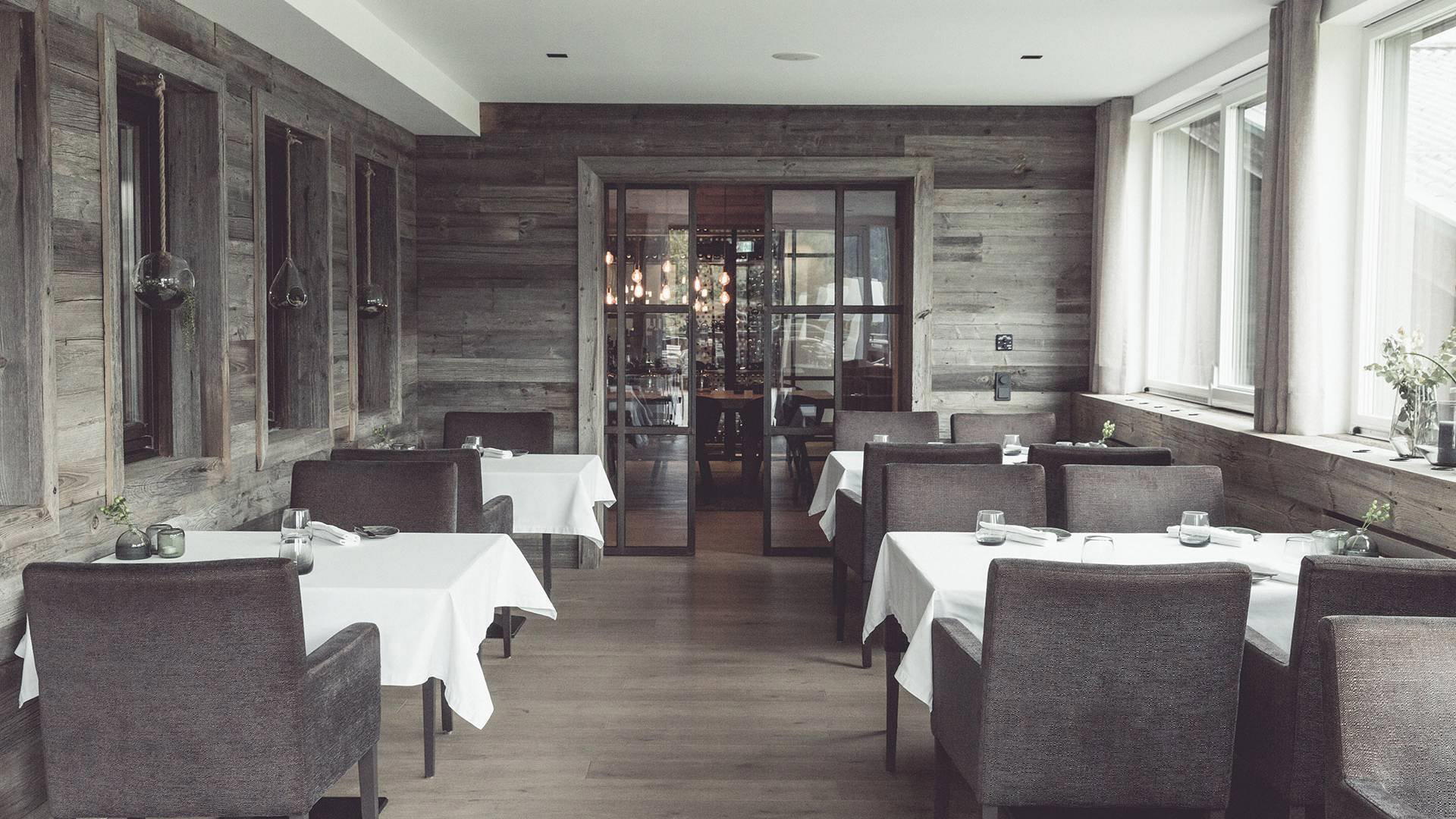
Traditional and easy-going, with a warm, family-friendly feel and views over the surrounding valley.