Kruhkerija Gorjanc sits on Dunajska cesta, Ljubljana's main northern artery, where the city's bakery and café tradition intersects with serious wine hospitality. The address places it slightly outside the tourist orbit of the Old Town, drawing a local crowd that values substance over spectacle. For visitors who read a wine list the way others read a menu, this is a useful address to know.
Pearl is the En Primeur Club membership app — saves, bookings, and concierge access live there. Same editors, same standards.
- Address
- Dunajska c. 20, 1000 Ljubljana, Slovenia
- Phone
- +38664206080
- Website
- kruhkerija.si
- Directions
- Get directions
 Saves & bookings on Pearl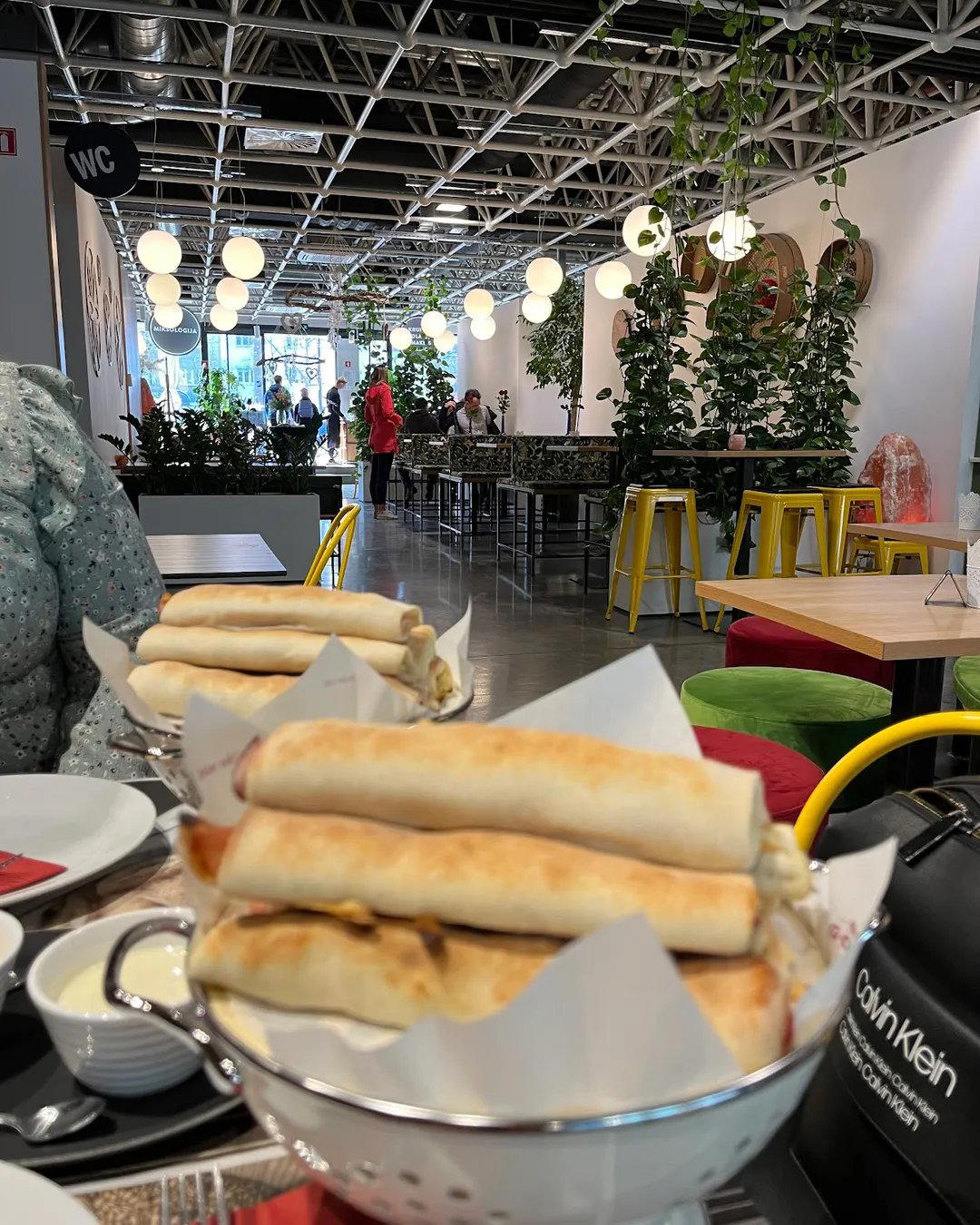
Dunajska Cesta and the Logic of Going North
Ljubljana's dining reputation tends to collapse onto a single postcode: the Old Town's limestone bridges, the castle hill, the riverside terraces that fill from April through October with visitors who have read the same three recommendations. The city's northern artery, Dunajska cesta, operates on a different frequency. It is a working street, broader and less picturesque than the Ljubljanica embankment, lined with the kind of addresses that survive on repeat local trade rather than seasonal tourism. Kruhkerija Gorjanc sits at number 20 on that street, and the address alone signals something about the operation's priorities.
The name combines kruhkerija, a Slovenian word rooted in bread-making and artisan baking culture, with the family name Gorjanc, a pairing that suggests a lineage more interested in craft continuity than concept branding. In a city where the past decade has produced a wave of modernist tasting menus, some of which have drawn international attention, a place that foregrounds its bakery heritage occupies a different position in Ljubljana's hospitality ecosystem. It is not competing with Restavracija Strelec for the formal dinner occasion or with AFTR for the contemporary bistro slot. It occupies the tier where daily ritual matters as much as destination dining.
The Wine Frame: Slovenia's Glass-Half-Full Moment
Slovenia's wine story has been gaining international traction for the better part of fifteen years, accelerating sharply as natural and orange wine interest swept through European capitals. The Vipava Valley, Brda, and the Karst produce wines that now appear on lists at Le Bernardin and comparable addresses in New York, a development that would have seemed improbable two decades ago. Within Ljubljana itself, that international recognition has filtered back: the city's better wine programs now treat domestic producers as the backbone of the list rather than the patriotic gesture at the bottom of a page otherwise dominated by Burgundy and Barolo.
The editorial angle worth applying to any Ljubljana address with serious wine ambitions is this: how it positions Slovenian producers relative to the international selection. A list that parks domestic bottles in a separate section, presented as regional curiosity, tells you something different about the operation's convictions than one that integrates them by style or variety, asking Rebula to hold its own against white Burgundy and Zelen to explain itself through texture rather than geography. For venues in the Dunajska cesta neighbourhood, which draws a professional lunch crowd with actual opinions about wine, that curation choice has commercial consequences. Gostilna Pri Lojzetu in Vipava has demonstrated that a focused, terroir-led cellar can define an operation's identity as decisively as the kitchen. The same logic applies in the capital.
For context on what Slovenian wine at this level looks like across the country, the comparison set includes addresses such as Hiša Franko in Kobarid, Dam in Nova Gorica, and Hiša Denk in Zgornja Kungota, each of which has built a wine identity inseparable from its regional cooking character. Ljubljana's wine-forward addresses are still catching up to that provincial specificity, but the gap is narrowing.
Bread, Pastry, and the Café Continuum
The kruhkerija designation places this address within a Slovenian tradition that sits somewhere between a French boulangerie and a central European Konditorei, bread-led, pastry-adjacent, with a daytime hospitality character that is distinct from both the espresso bar and the sit-down restaurant. That tradition has seen modest revival across Ljubljana over the past several years, partly as a reaction to the globalised café format that colonised the Old Town, partly because a generation of producers has become serious about fermentation, grain sourcing, and long leavening schedules in ways that have lifted the category's ceiling.
For visitors arriving from cities where the artisan bakery format is already saturated, the Ljubljana version is worth attention precisely because it is still developing its own reference points rather than replicating an imported aesthetic. Compared to the fast-casual end of the city's offer, Abi Falafel and its cohort, which serve a different daily-meal function, the kruhkerija format occupies a slower, more seated register.
Situating Gorjanc in Ljubljana's Broader Tier Structure
Ljubljana's restaurant tiers run from the entry-level gostilna format, casual, generous, often meat-heavy, through mid-market bistros like Allegria and Altrokè, which emphasise regional produce at accessible price points, up to the formal tasting-menu operations that compete for the same guests who might otherwise be in Ljubljana for Hiša Franko adjacency or as a stopover on a broader Slovenia itinerary that includes Milka in Kranjska Gora or Hiša Linhart in Radovljica.
Gorjanc sits outside that vertical stack. Its competition is not priced against the tasting-menu tier, nor is it a gostilna operating on tradition and volume. It occupies the craft-producer niche: a format that requires enough repeat trade to support quality sourcing, enough wine ambition to justify cellar investment, and enough neighbourhood identity to avoid dependence on tourist flows that shift with the season. That positioning is harder to sustain than either extreme, and the addresses that manage it tend to become fixtures that the city's own hospitality professionals use as reference points. For the wider Slovenia context, our full Ljubljana restaurants guide maps the complete tier structure.
Other regional addresses worth cross-referencing for their approach to craft-led hospitality include Grič in Šentjošt nad Horjulom, Pavus in Lasko, and Gostilna Mlinar in Idrija, each of which has developed a version of the local-produce, serious-craft formula in smaller centres outside the capital. Gostišče Karavla 297 in Trzic offers a further comparison point for the northern Slovenia context that Dunajska cesta's address implicitly belongs to.
Planning Your Visit
The address at Dunajska cesta 20 is accessible from Ljubljana's centre on foot in under fifteen minutes from the Old Town, or in two stops on tram lines that run the length of the artery. The northern approach, coming from the train station or the BTC commercial district, positions it as a natural stop for visitors moving through the city rather than anchored in the tourist core. As a general principle with Ljubljana's craft-oriented addresses, midweek visits in shoulder season, late September through November, and again from March into May, tend to offer more availability and a more local crowd than the summer peak, when the Old Town-adjacent addresses absorb most of the visitor pressure.
Peers You’d Cross-Shop
Comparable venues nearby, for context on price, style, and recognition.
| Venue | Cuisine | Price | Notes |
|---|---|---|---|
| Kruhkerija Gorjanc LjubljanaThis venue — the venue you are viewing | Traditional Slovenian Hotemaški Kruhki | $$ | Not listed |
| Cojzla | Gluten-Free Fast Casual | $$ | Ljubljana BTC shopping center area |
| Odprta Kuhna | Slovenian Street Food Market | $$ | Pogačarjev trg |
| Luda restaurant | Innovative Slovenian | $$ | Poljanska |
| Le Bistro | Mediterranean Bistro | $$ | Center |
| Tokyo Piknik | Japanese Street Food & Ramen | $$ | Ljubljana City Center |
Continue exploring
More in Ljubljana
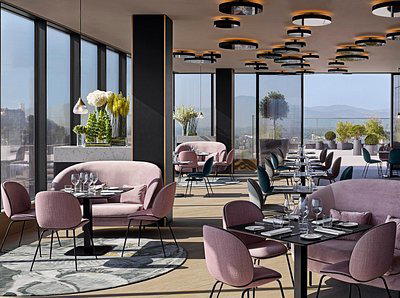
Restaurants in Ljubljana
Browse all →
Bars in Ljubljana
Browse all →
Hotels in Ljubljana
Browse all →
Wineries in Ljubljana
Browse all →
At a Glance
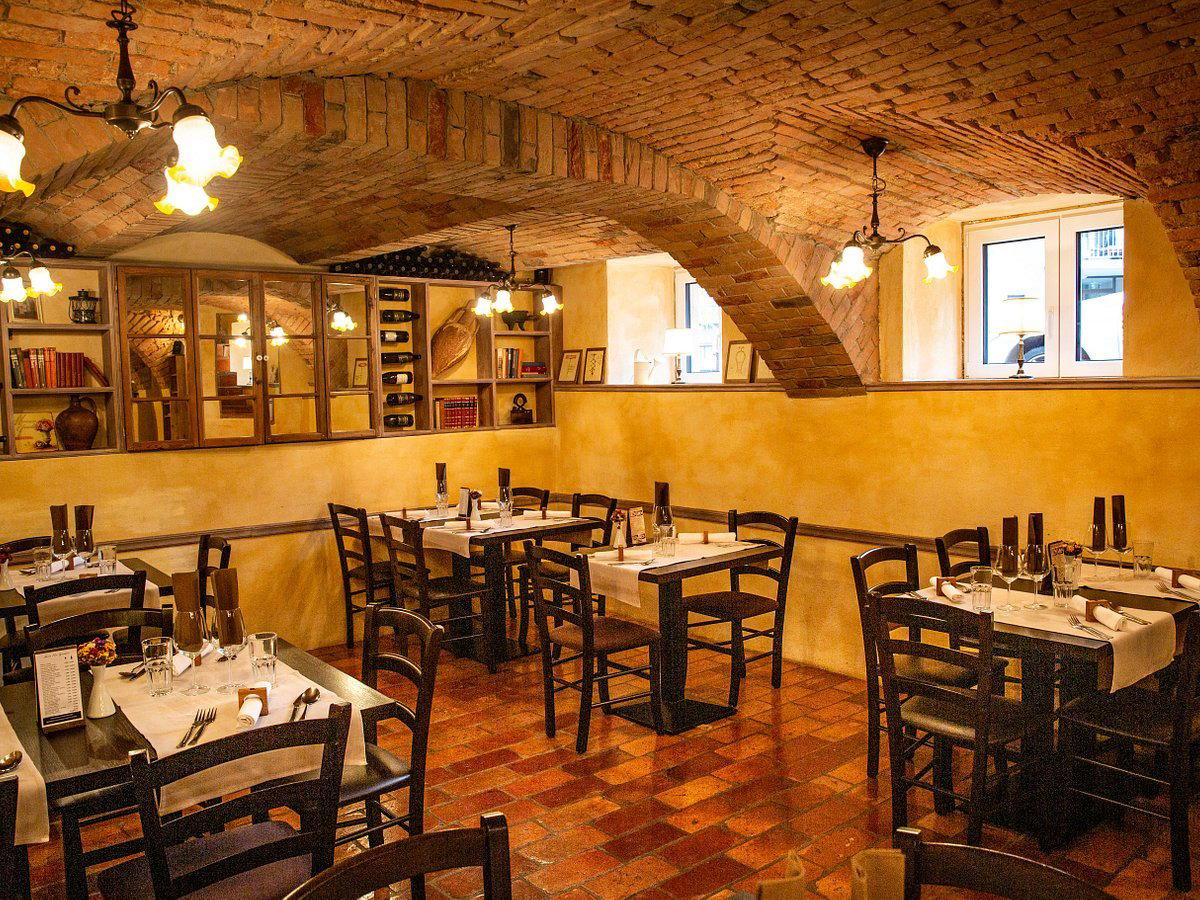
- Cozy
- Rustic
- Casual
- Well Known
- Casual Hangout
- Late Night
- Group Dining
- Standalone
- Local Sourcing
- Organic
Current opening hours
- Monday
- 8 AM–10 PM
- Tuesday
- 8 AM–10 PM
- Wednesday
- 8 AM–10 PM
- Thursday
- 8 AM–10 PM
- Friday
- 8 AM–10 PM
- Saturday
- 1–10 PM
- Sunday
- Closed
Hours can change for holidays and private events. Last verified .
Warm, charming bakery atmosphere with a cozy, welcoming environment; often crowded but maintains friendly and attentive service even during rush hours.