Hostel Celica occupies a former military prison in Ljubljana's Metelkova arts district, where 20 cells converted into individually designed rooms make the architecture itself the main event. The property sits at the intersection of alternative culture and design-conscious travel, drawing visitors who want proximity to Ljubljana's most unconventional neighbourhood rather than conventional hotel polish.
 Discover on Pearl
Pearl is the En Primeur Club membership app — saves, bookings, and concierge access live there. Same editors, same standards.
- Address
- Metelkova ulica 8, 1000 Ljubljana, Slovenia
- Phone
- +386 1 230 97 00
- Website
- hostelcelica.com
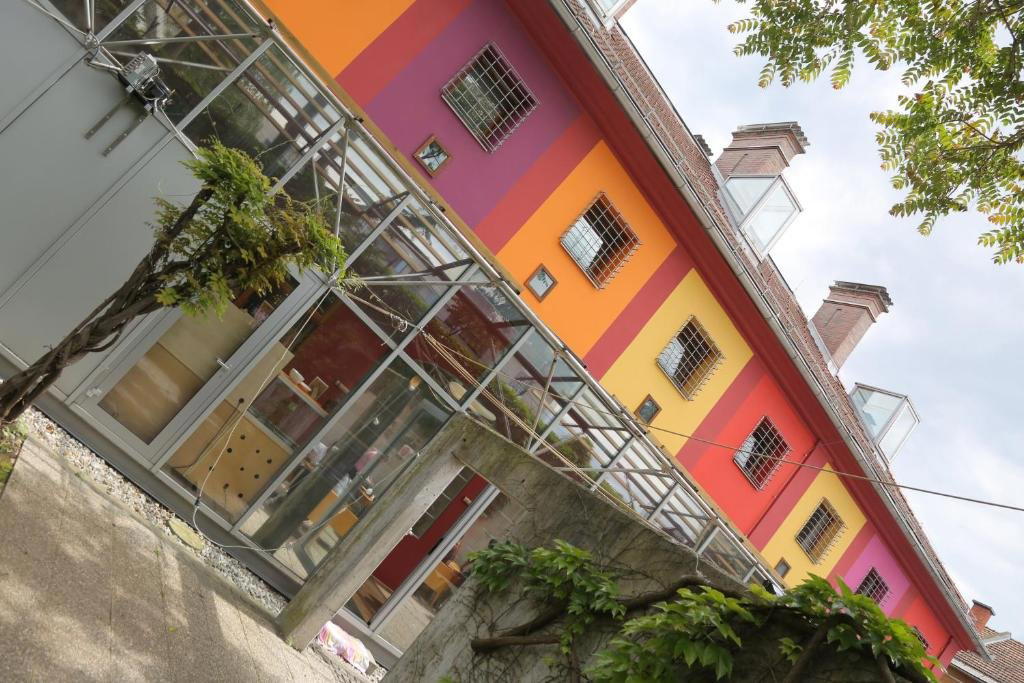
A Former Military Prison That Became Ljubljana's Most Discussed Address
Metelkova ulica sits on the northeastern edge of Ljubljana's old town, occupying a cluster of Austro-Hungarian military barracks that the Yugoslav army vacated in 1991. What followed was an act of cultural occupation: activists, artists, and architects moved in before demolition crews could, and the resulting autonomous social centre has operated ever since. Hostel Celica sits at the heart of this compound, in a building that served as the barracks' detention facility. The cells are still there. So are the bars on the windows. What changed is that twenty-one architects each took one cell and redesigned it as a guest room, turning the carceral architecture into a live gallery of spatial thinking.
This is not a boutique hotel with an edgy backstory grafted on for marketing purposes. The building's history is structural, not decorative. Guests sleep in rooms that measure roughly ten square metres, bounded by original stone walls and original steel doors. The design interventions sit inside that constraint rather than erasing it, which means the quality of the concept is tested against the quality of the architecture. Some cells lean into minimalism; others layer in colour, pattern, or craft. The cumulative effect is less hotel corridor and more group exhibition, where the curation holds even when individual rooms vary in execution.
Metelkova and the Architecture of Resistance
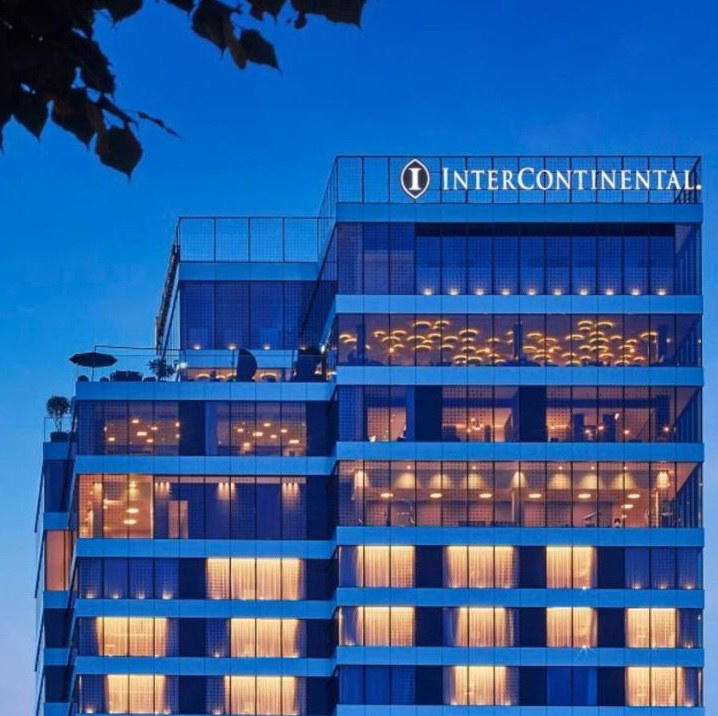
To understand Celica properly, it helps to understand Metelkova. The broader compound around it operates as one of Europe's longer-running autonomous cultural zones, comparable in spirit (if not in scale) to Copenhagen's Christiania or Berlin's squatter-era Tacheles. It functions as a live music venue, contemporary art space, and social club simultaneously, with the crowd shifting between local students, visiting artists, and the kind of traveller who seeks out exactly this sort of context. Ljubljana's mainstream accommodation options, which range from design-focused boutique properties like AS Boutique Hotel and Hotel Cubo to the larger footprint of Intercontinental Ljubljana, serve a different guest entirely. Celica's reference points are the international circuit of architecturally significant, politically rooted places to stay.
The building itself dates to 1882, constructed under the Austro-Hungarian administration that shaped so much of Ljubljana's urban form. It served multiple functions across the twentieth century, ending as a Yugoslav People's Army detention facility before the handover in 1991. The gap between military abandonment and cultural occupation was brief, and the continuity of activist stewardship since then has preserved something that more commercially managed conversions tend to lose: a sense that the place still belongs to the people who saved it, rather than to a hospitality group that acquired the story after the fact.
The Design Programme Across Twenty-One Cells
The renovation process assigned one cell per architect, with each practitioner invited to respond to the space on their own terms within a shared set of physical constraints. The result reads architecturally like a curated salon: the programme has coherence because the brief had coherence, even as individual interpretations diverge. Guests often request different cells on repeat stays to experience the range of approaches.
Beyond the individual cells, the building holds a common hostel dormitory section for travellers at the lower end of the price range, a ground-floor gallery space, and a cafe that opens to the courtyard shared with the wider Metelkova complex. The courtyard functions as the social centre of the compound after dark, with programming that varies by night and season. Arriving in warmer months means the exterior spaces are in continuous use; arriving in winter concentrates the activity indoors and gives the building's more austere qualities room to register. Both readings of the space are compelling.
Where Celica Sits Against Ljubljana's Broader Accommodation Offer
Ljubljana's accommodation market has matured significantly over the past decade. Properties like Vander Urbani Resort and Zlata Ladjica Boutique Hotel serve guests who want design quality and central positioning with conventional hotel services. Celica serves a different decision: travellers for whom architectural authenticity and cultural embeddedness matter more than room service or a minibar. The overlap between those two guest profiles is smaller than it might appear.
For travellers planning wider movement through Slovenia, the country's accommodation offer extends well beyond Ljubljana. Grand Hotel Toplice in Bled and Hotel Grad Otočec in Otočec represent the heritage hotel tradition in more rural settings, while Nebesa Chalets in Kobarid and Vila Planinka in Zgornje Jezersko operate at the refined end of the alpine chalet category. Peterc Vineyard Estate in Kojsko anchors the wine-country option in the Goriška Brda hills, and Kendov Dvorec in Spodnja Idrija represents the manor-house tradition. Chalet Sofija in Kranjska Gora and Hotel Palace Portoroz in Portorož cover the ski resort and Adriatic coast respectively. Celica is the outlier in that list, defined not by landscape or luxury tier but by the specificity of its urban, political, and architectural identity.
For those traveling beyond Slovenia, the adaptive reuse conversation connects to properties like Castello di Reschio in Lisciano Niccone or Aman Venice, where historic fabric is the primary architectural proposition. Celica operates at a radically different price point and with a very different institutional character, but the underlying premise, that the building's history should structure rather than merely decorate the guest experience, is consistent across that category.
Planning a Stay
Hostel Celica is located at Metelkova ulica 8, about a ten-minute walk from Ljubljana's main train station. The address places guests directly inside the Metelkova autonomous zone, which means ambient noise from evening programming is a real factor during peak cultural season. Guests who prefer the cell rooms over the dormitory should book early, given that twenty-one rooms across the full range of design approaches fill quickly in the summer months. The building is open year-round.

At a Glance
- Trendy
- Bohemian
- Lively
- Whimsical
- Weekend Escape
- Historic Building
- Design Destination
- Wifi
- Parking
- Luggage Storage
- Coffee Shop
- Ev Charging
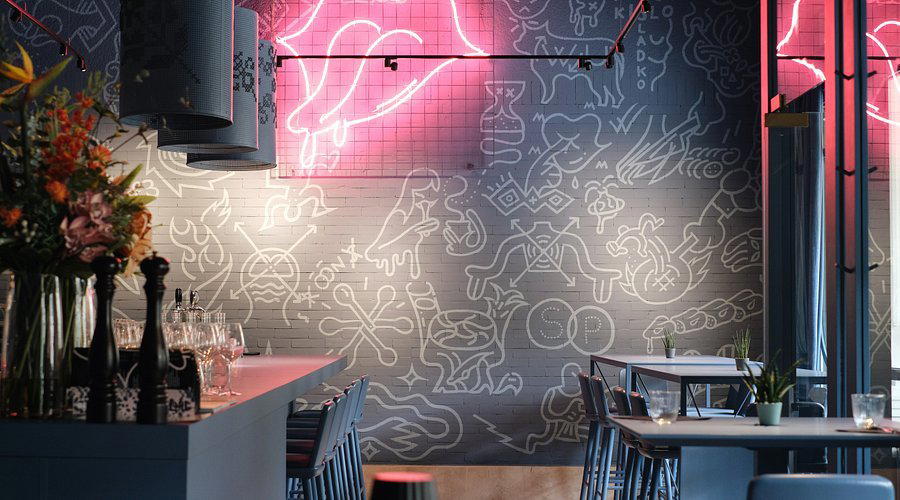
Vibrant and artistic atmosphere with colorful, eclectic designs in a lively alternative cultural hub.