On Poljanska cesta in Ljubljana's quieter eastern residential belt, Luda restaurant occupies a part of the city where locals eat without an audience. The address places it outside the tourist circuit of the Old Town riverside, which tends to filter the room toward a neighbourhood crowd rather than a passing one. Booking ahead is advisable; walk-in availability is not guaranteed.
- Address
- Poljanska cesta 11, 1000 Ljubljana, Slovenia
- Phone
- +386 51 761 294
- Website
- luda.si
- Directions
- Get directions
East of the River: Ljubljana's Residential Dining Belt
Ljubljana's most-discussed restaurants cluster along the Ljubljanica riverfront or inside the medieval grid of the Old Town. Poljanska cesta runs east from the centre, through a residential corridor where the city reverts to something closer to everyday life. Restaurants along this stretch operate without the foot-traffic insurance that a tourist-facing address provides; they earn their regulars through quality and repetition rather than location. Luda sits at number 11 on that road, and the address alone signals something about the kind of room to expect: local, specific, unglamorous in the architectural sense.
This pattern is well-established in Central European capitals. Vienna has its Beisl-anchored outer districts; Budapest's serious cooking has long migrated away from the Danube promenade. Ljubljana, smaller and less internationally trafficked than either, has its own version of the same dynamic. The restaurants that Ljubljana residents trust tend not to be the ones with the river view.
What the Cuisine Context Tells You
Slovenian cooking sits at one of Central Europe's most interesting culinary crossroads. The country shares borders with Italy, Austria, Hungary, and Croatia, and its regional food traditions absorb influences from each without being absorbed by any of them. The Karst plateau brings an Italian-adjacent charcuterie culture; the Alpine north leans toward Austrian dairy and game traditions; the Pannonian east reflects Hungarian grain and paprika usage. Ljubljana, as the capital, functions as the point where all of these threads converge, and its restaurant scene has become increasingly confident about treating this plurality as an asset rather than an identity problem.
The past decade has seen Slovenian cuisine attract sustained international attention, driven largely by restaurants operating outside Ljubljana: Hiša Franko in Kobarid brought the country's food credentials to global notice, and strong regional establishments like Gostilna Pri Lojzetu in Vipava, Hiša Linhart in Radovljica, and Hiša Denk in Zgornja Kungota have reinforced the point that Slovenian cooking at its most serious is happening across the whole country, not just the capital. Within Ljubljana itself, the better neighbourhood restaurants have benefited from this rising baseline expectation. Diners who have eaten at places like Dam in Nova Gorica or Pavus in Lasko arrive in the city with sharpened reference points.
Where Luda Sits in the Ljubljana Picture
Ljubljana's restaurant market, though compact, has differentiated clearly across price tiers and style categories. At the summit of the formal register, Restavracija Strelec operates from inside Ljubljana Castle and applies a modern-cuisine framework to Slovenian ingredients at the €€€ tier. AFTR covers similar modern-cuisine territory at the €€ level. At the accessible end, places like Abi Falafel and Altrokè serve distinct regional and street-food registers. Allegria occupies a different corner of the casual dining market.
Luda's position on Poljanska cesta places it in the neighbourhood-restaurant tier that sits between these poles: not a special-occasion destination with a formal tasting structure, but not a casual drop-in either. This middle tier is where Ljubljana residents eat regularly, and it is often where honest cooking in any Central European city happens. There is less pressure to perform for an international audience and more direct accountability to a local one that returns weekly and notices when something changes.
For comparison points outside Slovenia, the neighbourhood-anchored restaurant model at this tier resembles what Lazy Bear in San Francisco achieved before it formalised its format, or the kind of specific, address-driven loyalty that serious neighbourhood restaurants in New York cultivate, a dynamic explored in the context of places like Le Bernardin at the opposite end of the formality spectrum. The principle applies across scales: a restaurant on a residential street earns trust differently from one on a tourist circuit.
The Broader Neighbourhood Network
Luda is not the only serious address operating away from Ljubljana's central tourist axis. The pattern of good cooking anchored in outer-ring or village locations extends throughout Central Slovenia and the surrounding regions. Gostilna Skaručna in Vodice, Grič in Šentjošt nad Horjulom, and Grič in Dobrova Polhov Gradec all operate on the principle that consistent cooking in Slovenia is found where the audience is local and the margins for complacency are thin. Milka in Kranjska Gora applies similar logic in an Alpine resort context where the year-round local customer base keeps standards accountable between the tourist peaks.
What links these addresses is a shared structural fact about Slovenian hospitality: the country is small enough that word-of-mouth travels efficiently and reputations are difficult to sustain artificially. A restaurant on Poljanska cesta that does not deliver consistently will lose its neighbourhood base within a season. That accountability shapes the culture of restaurants in this tier across Central Slovenia.
Planning a Visit
Luda sits at Poljanska cesta 11, a short walk east of Ljubljana's Old Town, accessible on foot from the centre in under fifteen minutes or by city bus along the Poljanska axis. Walk-in availability cannot be assumed for evening service at neighbourhood restaurants in Ljubljana, where the room sizes tend to be modest and regulars hold a proportion of covers on any given night. Visitors planning a Ljubljana itinerary that spans the full range of the city's dining should cross-reference
Booking and Cost Snapshot
Comparable venues nearby, for context on price, style, and recognition.
| Venue | Cuisine | Price | Notes |
|---|---|---|---|
| Luda restaurantThis venue — the venue you are viewing | Poljanska, Innovative Slovenian | $$ | Not listed |
| Kruhkerija Gorjanc Ljubljana | Not listed | $$ | Dunajska Street / Central Ljubljana, Traditional Slovenian Hotemaški Kruhki |
| Cacao | Not listed | $$ | Center, Modern Cafe with Gelato & Patisserie |
| Gostilna Pri Stričku | Ljubljana, Traditional Slovenian | $$ | Not listed |
| Slaščičarna Lolita | Not listed | $$ | Old Town (Stari Trg area), Artisanal Patisserie & Café |
| Žmoht | Moste, Imaginative Street Food | $ | Not listed |
Continue exploring
More in Ljubljana
Restaurants in Ljubljana
Browse all →
Bars in Ljubljana
Browse all →
Hotels in Ljubljana
Browse all →
Wineries in Ljubljana
Browse all →
At a Glance
- Cozy
- Modern
- Intimate
- Date Night
- Special Occasion
- Open Kitchen
- Natural Wine
- Local Sourcing
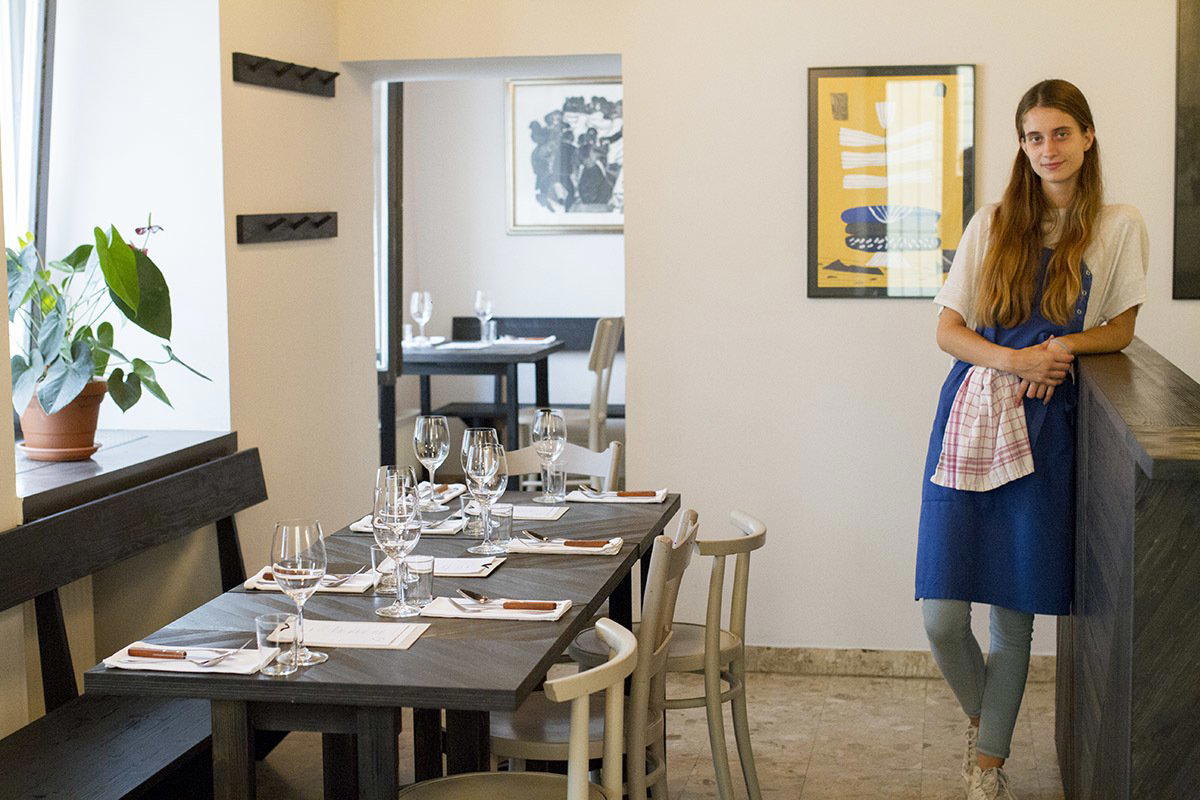
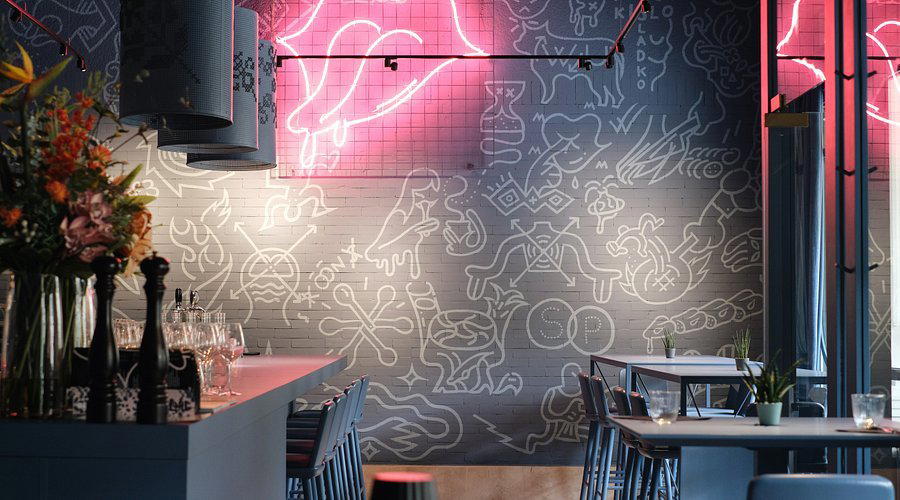
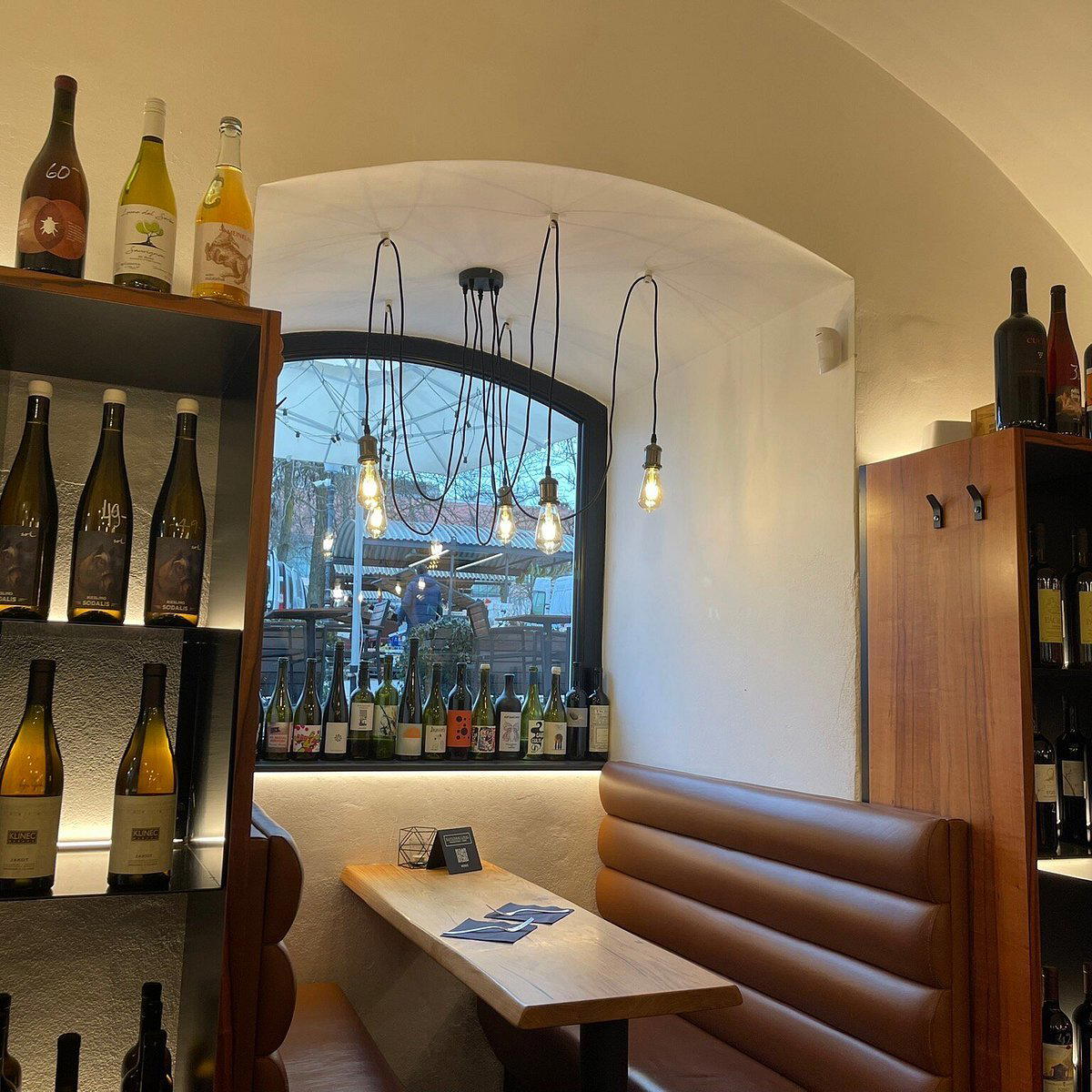
Simple interiors with stark white walls, dark tables and chairs, creating a precise and relaxed atmosphere.