Kristiania Lech
Kristiania Lech sits at Omesberg 331 in the Arlberg's most sought-after resort village, where alpine dining has long operated at a register well above its mountain-lodge origins. The address places it inside a competitive tier where evening meals are deliberate, unhurried affairs, and the surrounding village sets expectations accordingly. For visitors already committed to Lech's particular pitch of winter luxury, it belongs on the shortlist alongside the village's other serious tables.
Pearl is the En Primeur Club membership app — saves, bookings, and concierge access live there. Same editors, same standards.
- Address
- Omesberg 331, 6764 Lech, Austria
- Phone
- +43558325610
- Website
- kristiania.at
- Directions
- Get directions
 Saves & bookings on Pearl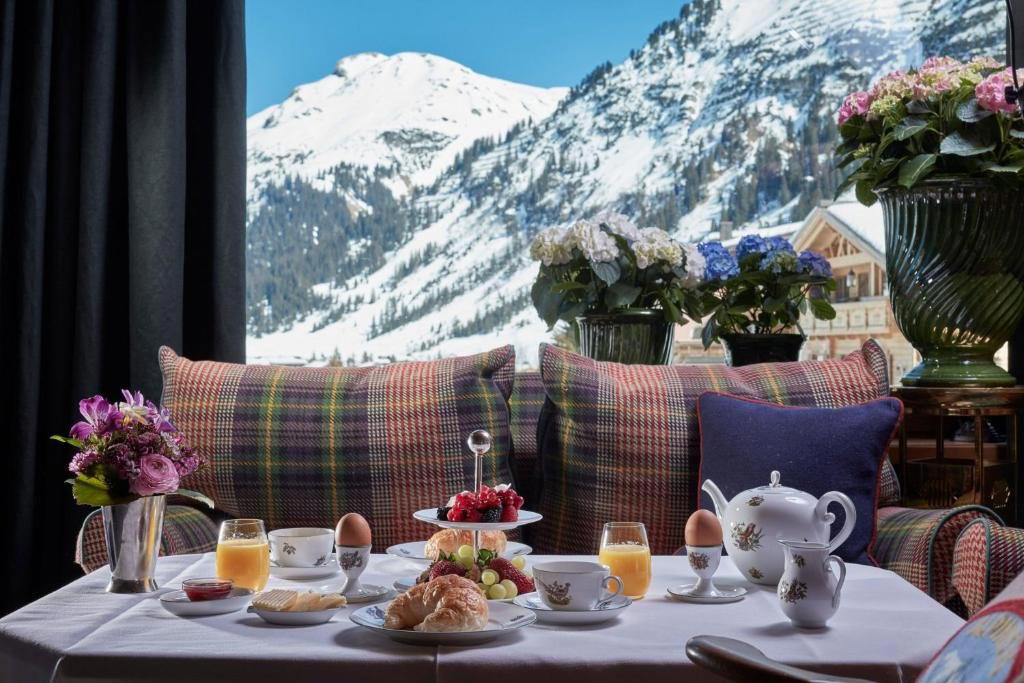
Dining at Altitude: The Ritual of an Arlberg Evening
Lech am Arlberg does not do casual by accident. The village sits at around 1,450 metres, accessible in winter almost entirely by guests who have already made a considered choice to be here, and that self-selection shapes every dining room in it. By the time the lifts close and the last afternoon light drains off the Rüfikopf, the ritual of the evening meal takes on a particular gravity. Tables are set early, courses arrive without hurry, and the assumption is that no one is rushing anywhere. Kristiania Lech, addressed at Omesberg 331, occupies this broader context: a dining address in a village where the meal itself is the evening's structure, not a prelude to something else.
That rhythm is characteristic of the Arlberg's premium hotel dining scene, which has developed over decades into something more coherent than most alpine resort circuits manage. Where comparable villages in Switzerland or France often split between one destination restaurant and a scattering of functional options, Lech has accumulated a cluster of serious tables operating within close proximity of one another. Griggeler Stuba holds Michelin recognition and prices at the summit of the village tier. Rote Wand Chef's Table operates the kind of intimate counter format that signals serious culinary intent. Aurelio and Die Ente von Zürs round out a competitive set that would be notable in a city, let alone a mountain village with a permanent population measured in the hundreds.
The Pace and Architecture of the Meal
Alpine hotel dining in Austria has its own inherited customs, distinct from the tasting-menu formalism that governs urban fine dining in Vienna or Salzburg. The meal tends to be generous rather than precise, anchored in central European pantry logic: game, dairy, root vegetables, and cured preparations that reflect the altitude and the season rather than perform a chef's abstract concept. Courses arrive at intervals that invite conversation. The wine list leans into Austrian and German producers more often than comparable price-point venues elsewhere in Europe. At establishments like Enzian Stube, the format reinforces this sense of deliberate, grounded hospitality.
Kristiania Lech operates within these conventions. The address and the village context place it inside a category where the dining experience is structured around the hotel guest's evening, with pacing and service calibrated accordingly. In Lech's competitive dining environment, that is not a diminishment; it is the operating model that the village's leading tables have refined over generations of hosting guests who treat the mountain season as a full social and gastronomic calendar.
Where Kristiania Sits in the Lech Hierarchy
The broader Austrian alpine dining scene provides useful reference points. At the national level, restaurants like Steirereck im Stadtpark in Vienna and Obauer in Werfen represent the country's most decorated tables, drawing international recognition for their particular expression of Austrian produce and technique. Regional Tyrolean and Vorarlberg dining operates at a lower decibel level internationally but has its own coherent identity, shaped by proximity to Italy, Switzerland, and Bavaria. Gourmetrestaurant Tannenhof in Sankt Anton am Arlberg, just over the pass, offers a direct structural parallel: a hotel-anchored fine dining room serving a captive but demanding winter season guest profile.
Within Lech specifically, the village's dining options stratify by format and ambition. The upper tier, where the Michelin-recognised rooms and the serious wine lists operate, prices and presents itself against European mountain resort dining rather than against Austrian city dining. Below that sits a cohort of competent hotel restaurants where the meal is serious but the format is less driven by culinary program than by hospitality rhythm. Kristiania sits within this architecture, at an address that signals hotel-anchored dining aimed at the village's established guest base.
For comparison, Ikarus in Salzburg and Landhaus Bacher in Mautern an der Donau illustrate how Austria's serious dining rooms operate outside the alpine resort context, where the calendar is not compressed into a winter season and the clientele is not defined by a specific sporting pursuit. The contrast clarifies what Lech's dining scene does differently: it serves a community that is already spending at the high end across accommodation, ski instruction, and après, and the restaurants have calibrated their offer accordingly.
Planning Your Evening
Lech's dining season runs primarily from December through March, with a secondary summer season that attracts a smaller, often different, guest profile. Booking ahead is advisable for any serious table in the village during peak weeks, particularly the Christmas-New Year period and February half-term, when demand across all categories runs ahead of supply. The village is compact enough to walk between most dining addresses in under fifteen minutes, which means the choice of where to eat is not constrained by logistics the way it might be in a spread-out resort.
Visitors cross-referencing Lech against other serious alpine dining destinations might find useful context in how Döllerer in Golling an der Salzach or Kräuterreich by Vitus Winkler in Sankt Veit im Pongau approach the relationship between alpine produce and contemporary technique. Neither is in a ski resort, but both signal the direction that serious Austrian mountain-region cooking has moved in the past decade: toward precision and provenance rather than volume and tradition for its own sake. Ois in Neufelden and Schwarzer Adler in Hall in Tirol extend the regional reference set further. For readers who calibrate dining against international fine dining benchmarks, Le Bernardin in New York City and Atomix in New York City sit at the far end of the spectrum in terms of culinary program intensity, useful anchors for understanding how differently the Lech model of hospitality-led dining operates by design. Restaurant 141 by Joachim Jaud in Mieming offers a closer Tyrolean comparison for readers interested in how the region's cooking performs outside a resort context.
Category Peers
Comparable venues nearby, for context on price, style, and recognition.
| Venue | Cuisine | Price | Awards | Notes |
|---|---|---|---|---|
| Kristiania LechThis venue — the venue you are viewing | Modern Austrian Alpine | $$$$ | Not listed | Not listed |
| Hirlanda | Traditional Austrian & Mediterranean | $$$ | Not listed | Zürs am Arlberg |
| La Fenice | Alpine-Mediterranean Fine Dining | $$$$ | Michelin Plate | Lech am Arlberg |
| Hotel Sonnenburg | Alpine Austrian with Creative Vegan Options | $$$$ | Not listed | Oberlech, Lech am Arlberg |
| Post Lech | Contemporary Austrian Alpine Cuisine | $$$$ | Michelin Plate | Lech am Arlberg |
| Tannbergerhof | Traditional Austrian | $$$ | Not listed | Lech am Arlberg |
Continue exploring
More in Lech am Arlberg
Restaurants in Lech am Arlberg
Browse all →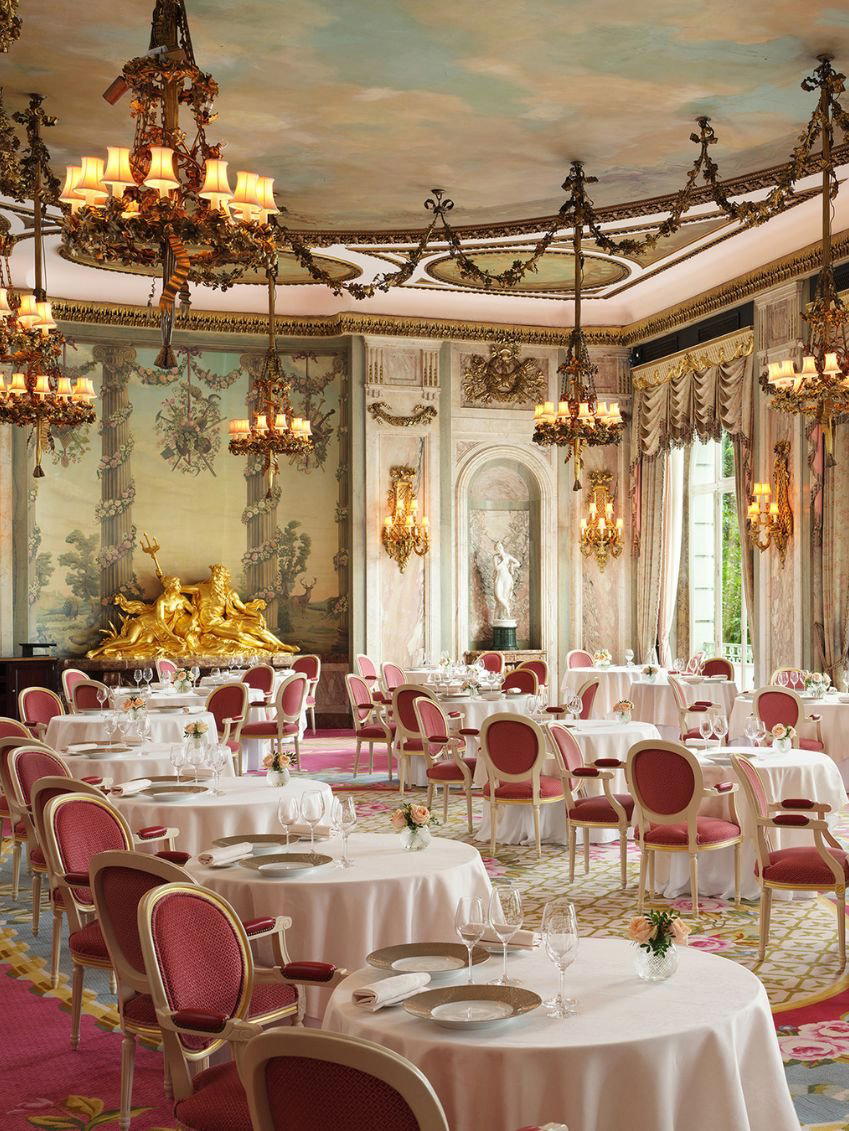
Bars in Lech am Arlberg
Browse all →


Hotels in Lech am Arlberg
Browse all →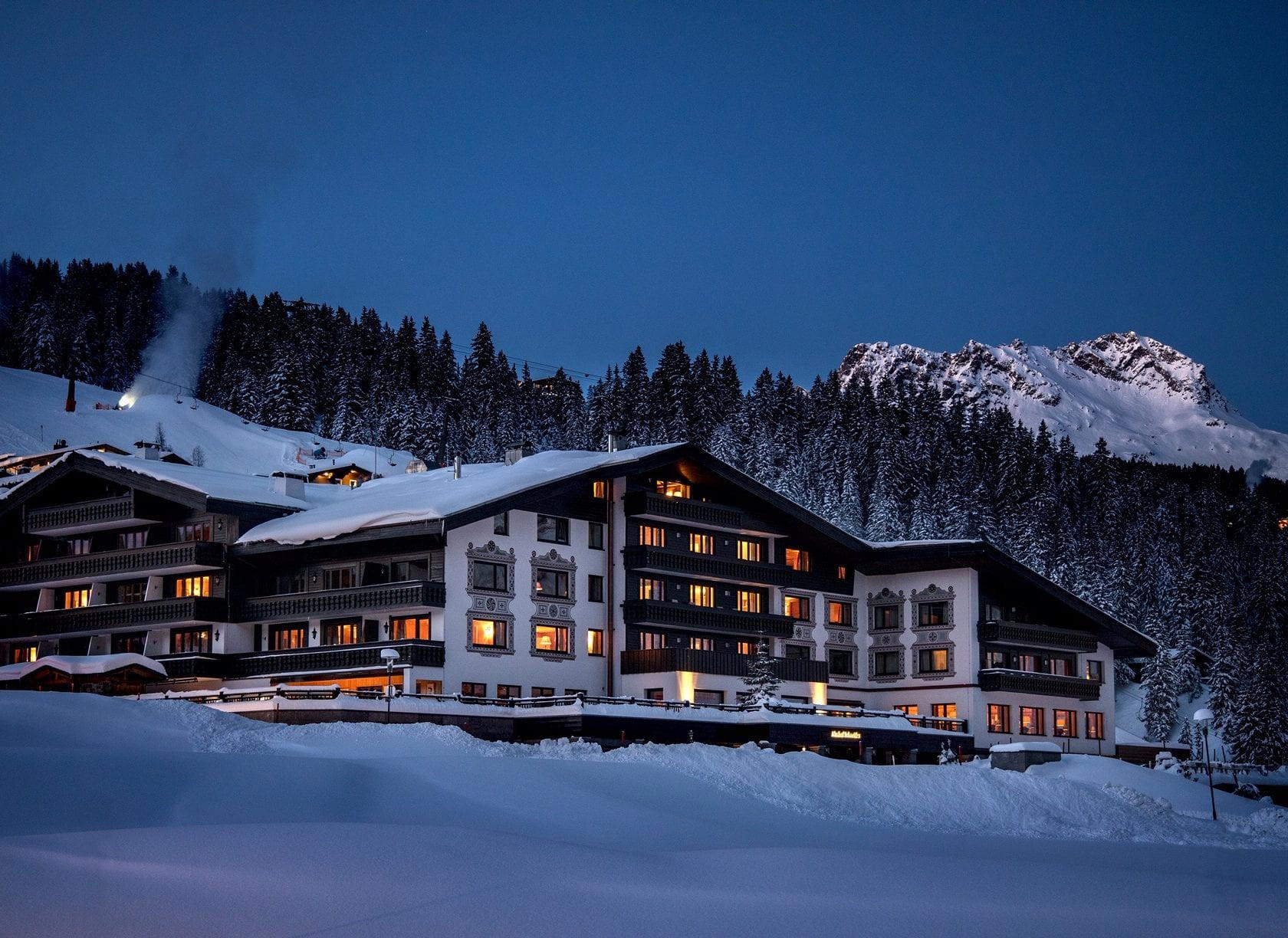

At a Glance
- Elegant
- Cozy
- Romantic
- Sophisticated
- Date Night
- Special Occasion
- Hotel Restaurant
- Extensive Wine List
- Organic
- Local Sourcing
- Mountain
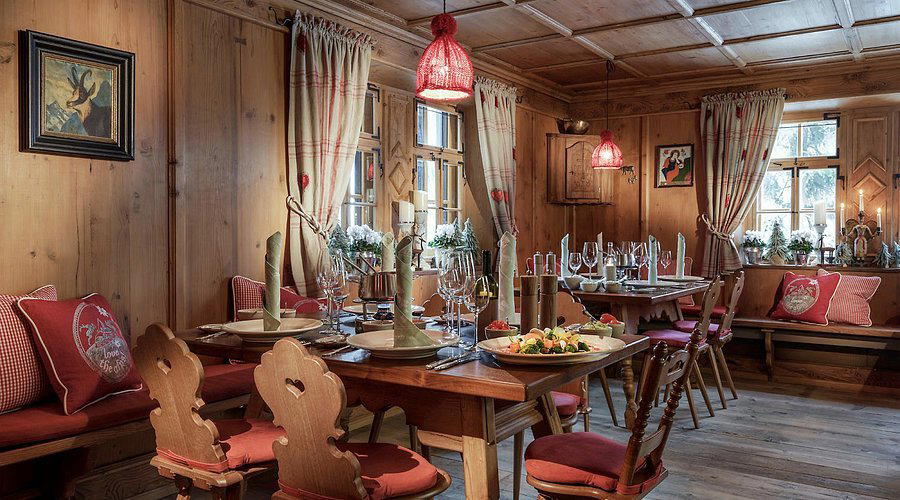
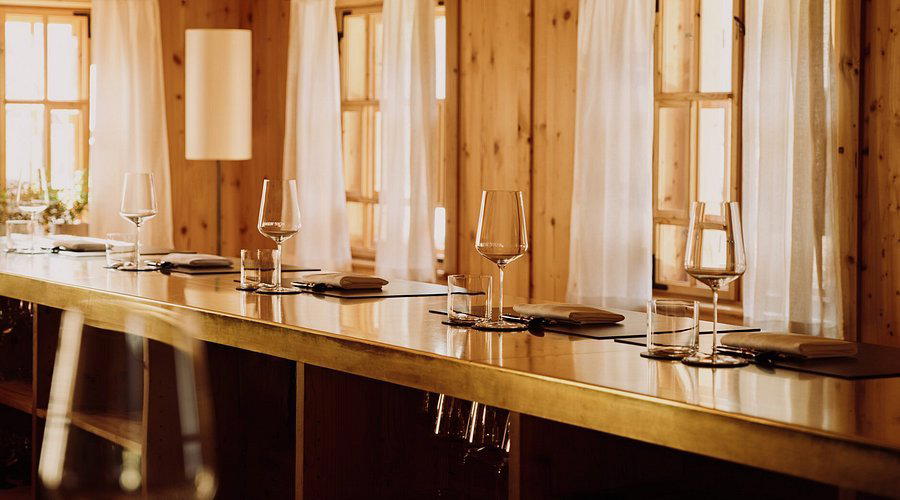
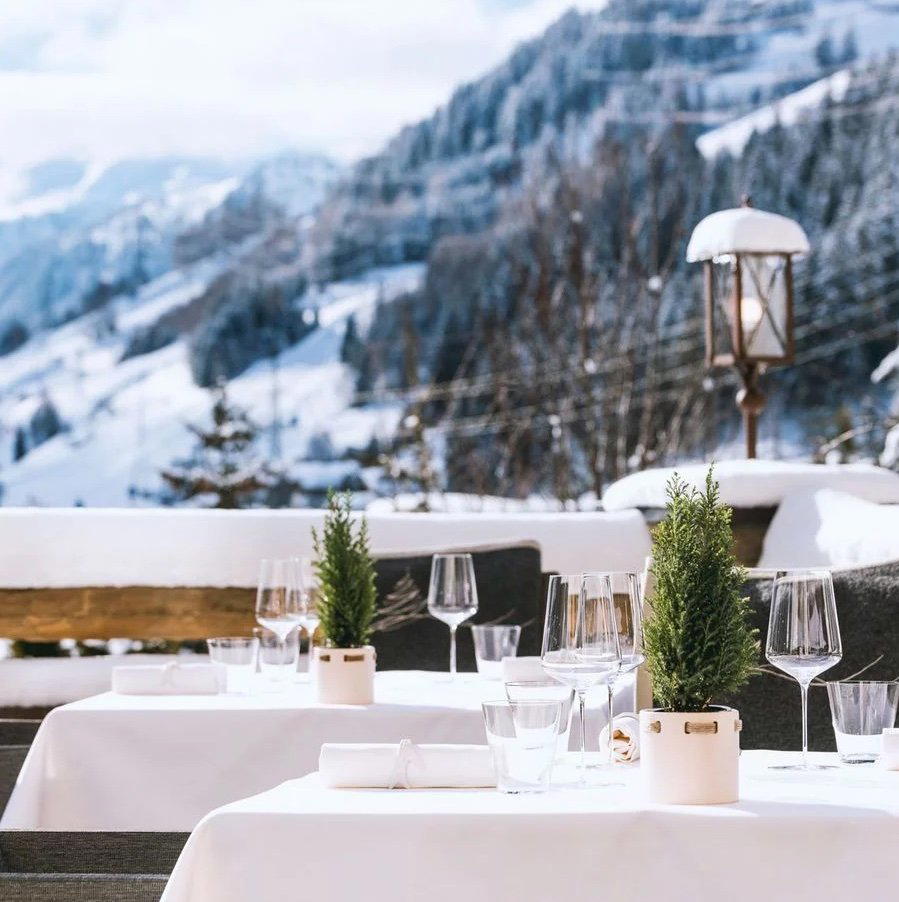
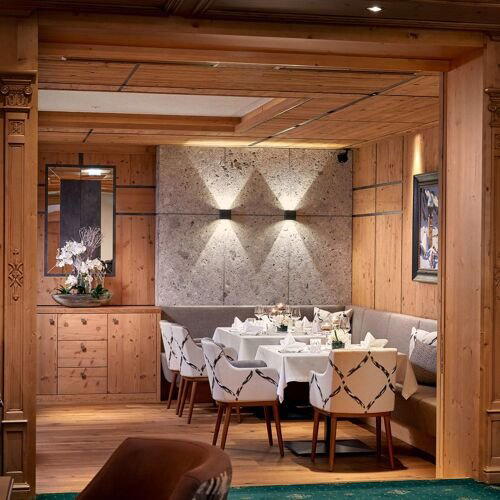
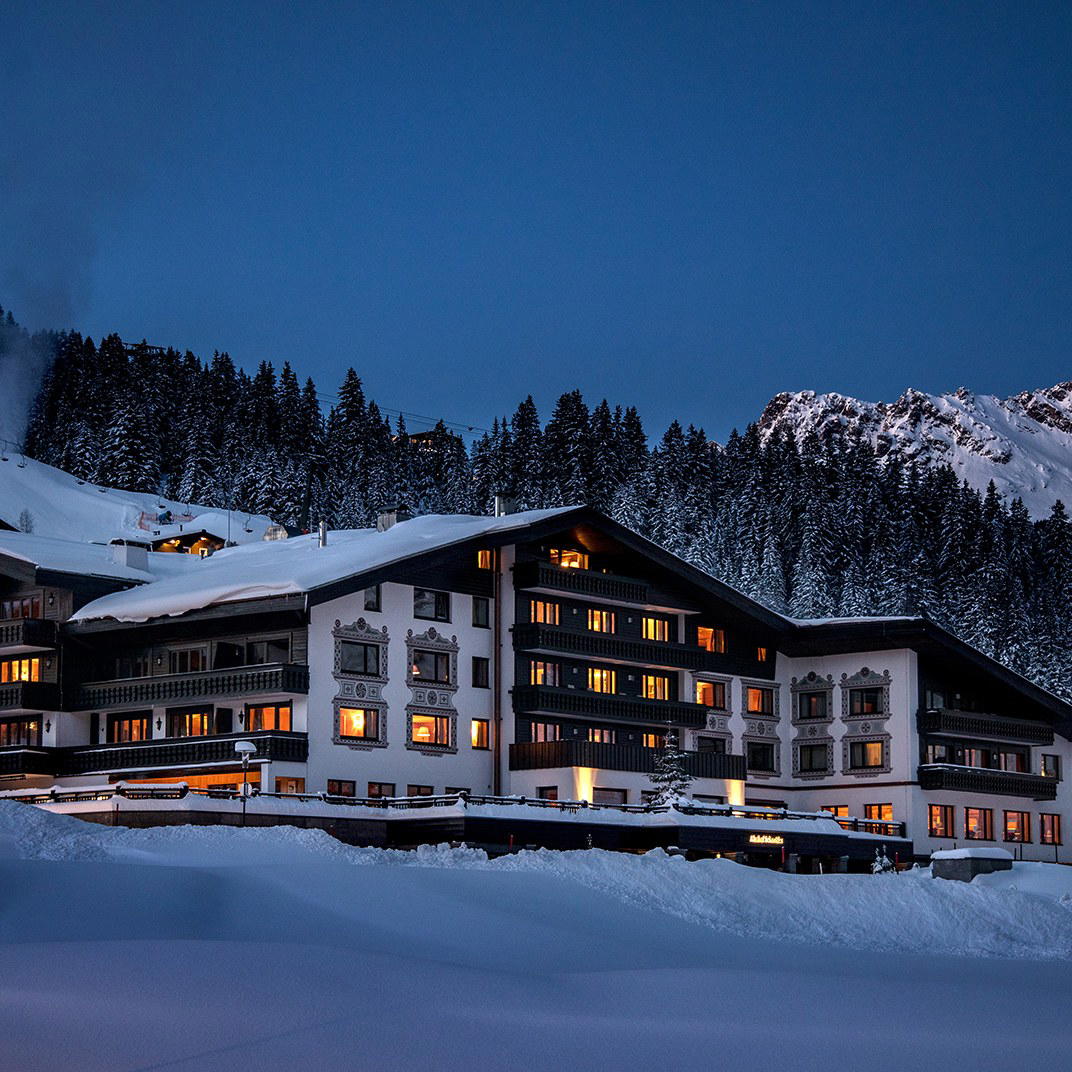
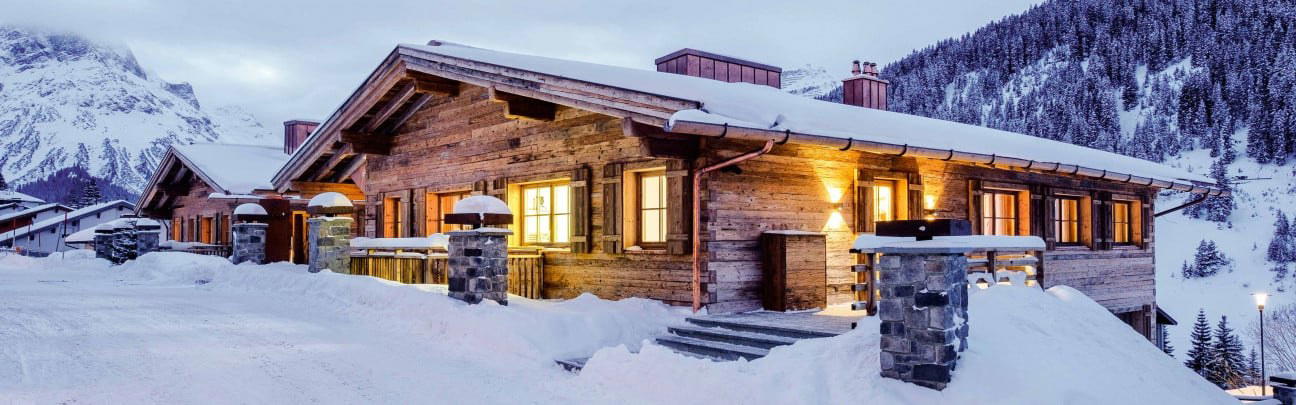
Cozy and elegant with warm lighting from open fireplaces in the Kaminzimmer, romantic atmosphere, and refined fine-dining spaces blending rustic charm and sophistication.