Hirlanda
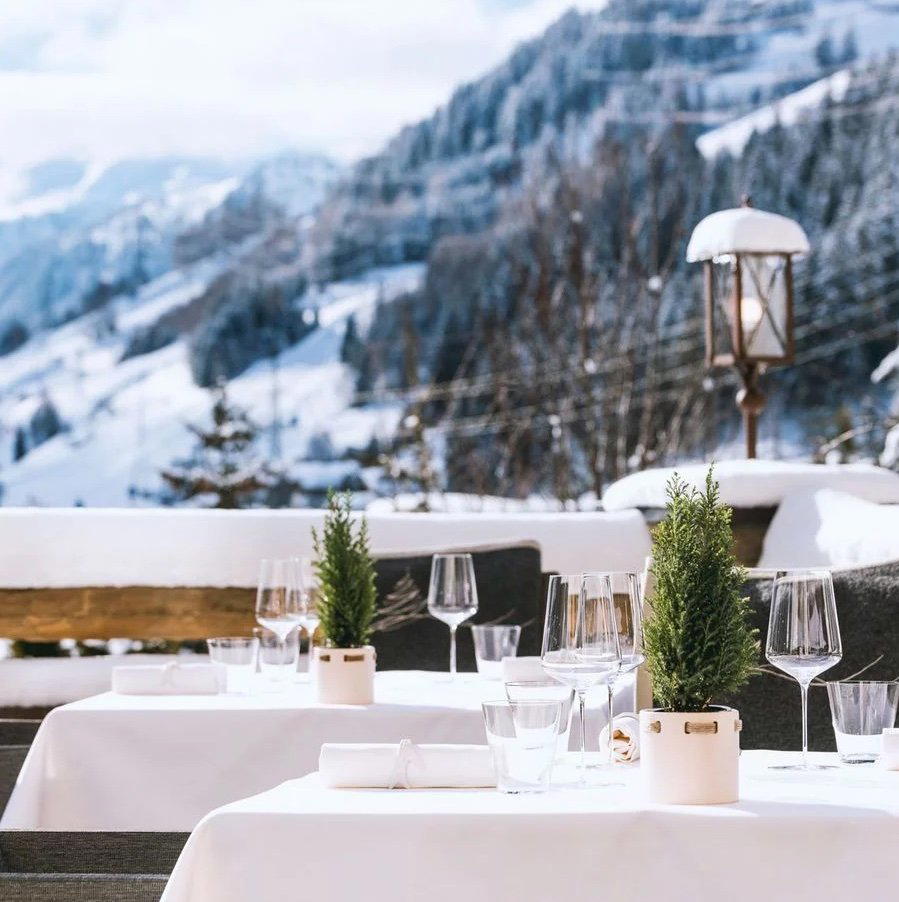
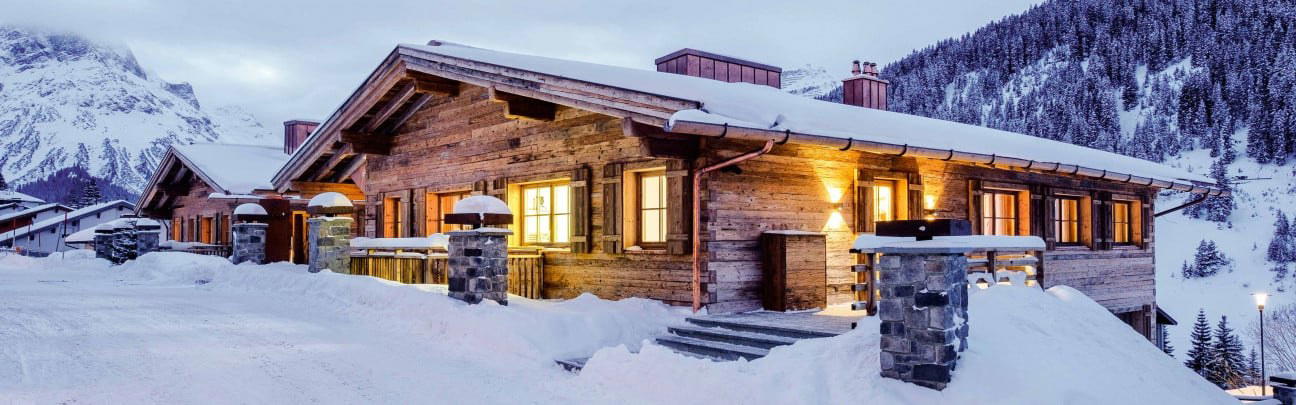
Positioned in the hamlet of Zürs, a few kilometres above central Lech, Hirlanda occupies a tier of Alpine dining where mountain provenance shapes the menu as much as the kitchen. The setting alone separates it from the resort-floor crowd, and the cooking reflects the broader Vorarlberg tradition of sourcing close and cooking with restraint. A considered choice for those working through Lech's serious restaurant options.
Pearl is the En Primeur Club membership app — saves, bookings, and concierge access live there. Same editors, same standards.
- Address
- Zürs 80, 6763 Lech, Austria
- Phone
- +43558322620
- Website
- hirlanda.at
- Directions
- Get directions
 Saves & bookings on Pearl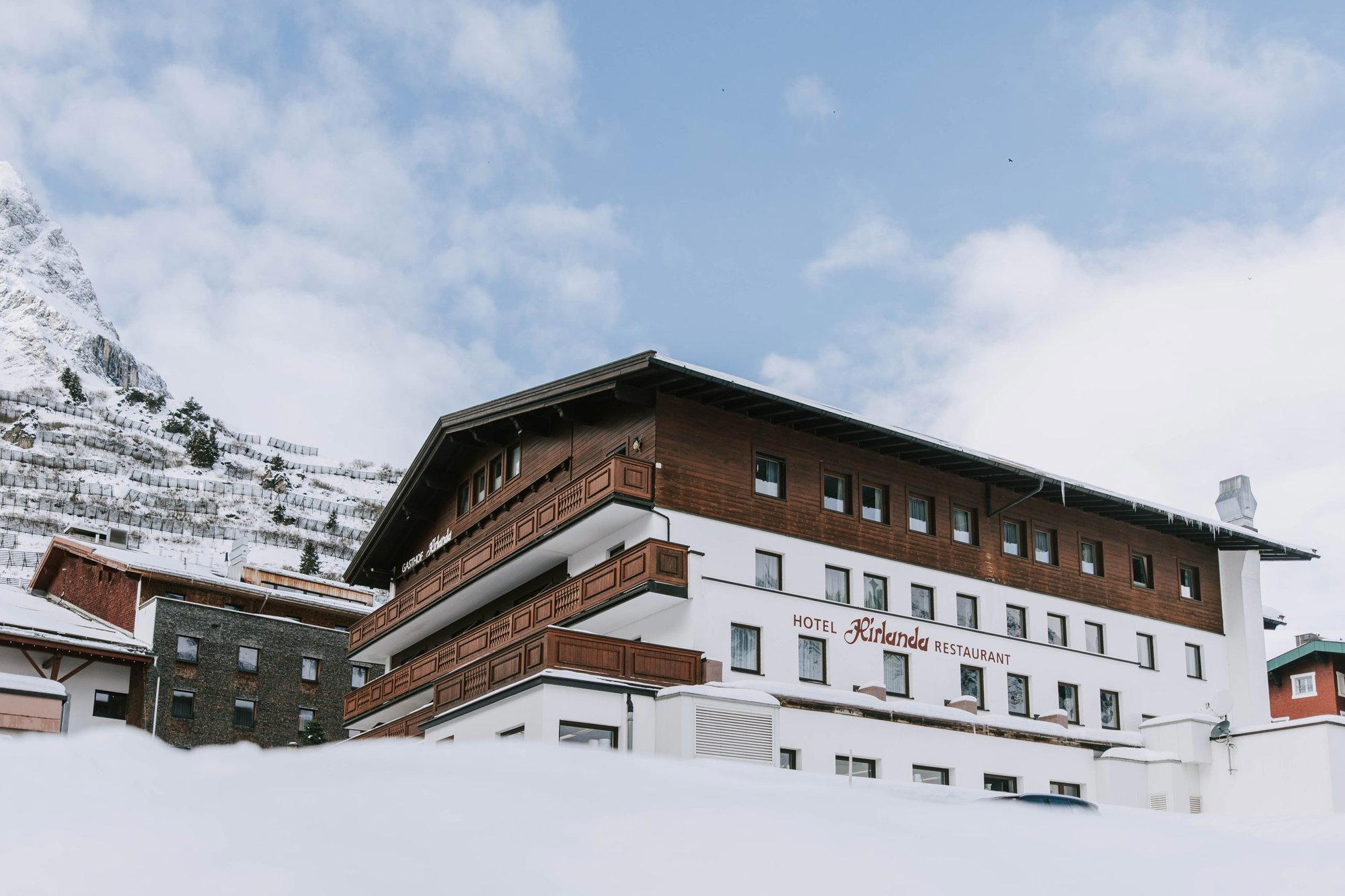
Where Zürs Places You Before the Meal Begins
Arriving at Zürs 80 in winter, the elevation registers before the door does. At roughly 1,700 metres, Zürs sits a short distance above Lech proper, and that altitude gap carries real meaning in the Arlberg dining context. The village is quieter, more compressed, and noticeably less trafficked than central Lech during peak ski season. Restaurants here compete less for walk-in custom and more on reputation built through the narrow window of the winter season, which typically runs from late November through late April. That seasonality is not incidental, it shapes how kitchens like Hirlanda's approach procurement, menu length, and the rhythm of service entirely.
The Arlberg region, which straddles Vorarlberg and Tyrol, has developed one of Austria's more coherent high-altitude dining identities. Unlike the broader Alpine resort circuit, where international menus have flattened local character in many properties, the Lech-Zürs pocket has sustained a genuine regional cooking tradition. That tradition leans on mountain dairy, game from surrounding forests, and root vegetables that survive the short growing window at altitude.
The Ingredient Logic of High-Altitude Cooking
Alpine kitchens at this elevation operate under sourcing constraints that lower-altitude restaurants never encounter. The logistics of getting fresh produce to 1,700 metres in winter, with road conditions that can close passes at short notice, push serious kitchens toward a different relationship with their supply chains than a city restaurant would maintain. The leading Lech and Zürs kitchens have turned that constraint into a discipline: shorter ingredient lists, deeper relationships with regional farms and dairies, and a menu structure that changes when supply changes.
Vorarlberg has long supplied its own hospitality trade with dairy of considerable quality, and the mountain pasture tradition feeds into the region's cheese and butter in ways that are traceable on the plate. Game is an equally central category in autumn and early winter, when red deer, chamois, and venison from local estates move through serious kitchens across the Arlberg. For Hirlanda, sitting in Zürs rather than central Lech, proximity to those supply sources is an advantage.
This sourcing-first orientation places Hirlanda in a peer group that includes other Arlberg kitchens working close to their raw materials. Rote Wand Chef's Table has built a significant reputation on exactly this logic, and Griggeler Stuba operates in the same regional-sourcing tradition at the summit of Lech's price tier. Further afield in Austria, Döllerer in Golling an der Salzach and Obauer in Werfen represent how the same Alpine-provenance logic scales into destination dining recognised well beyond the region.
Zürs Within the Lech Dining Tier Structure
Lech's restaurant scene has stratified clearly over the past decade. At the leading end, kitchens like Griggeler Stuba and Rote Wand Chef's Table operate at price points and booking pressure equivalent to city fine dining. A mid-tier holds properties like Aurelio and Die Ente von Zürs, which balance regional character with broader accessibility. Enzian Stube anchors a more traditional Stuben end of the spectrum.
Zürs itself functions as a quieter satellite to Lech's central dining cluster. Restaurants based here tend to draw a more intentional guest, someone who has made the choice to eat in Zürs rather than defaulting to the main village strip. That self-selecting dynamic rewards kitchens that can sustain quality without relying on the volume that central locations generate. Hirlanda operates in that environment, where the audience arrives with considered expectations rather than impulse.
For context on how Austria's broader fine dining conversation connects to this regional tradition, the approach at Steirereck in Vienna and the ambition at Ikarus in Salzburg illustrate how Austrian kitchens at the national level handle the same provenance-and-season framework at greater scale and year-round consistency. The difference in Lech and Zürs is that the season's brevity concentrates the effort.
The Tyrolean and Vorarlberg Context
Kitchens operating in the Arlberg corridor sit at the intersection of two distinct Austrian regional identities. Vorarlberg's dairy tradition and Tyrol's game culture overlap here in ways that don't occur further east. That dual influence allows kitchens in this pocket to move between rich, cream-led preparations and leaner, game-driven dishes within a single menu without either feeling incongruous. It is a flexibility that restaurants in single-region locations rarely have, and it produces menus with a wider internal range than the setting might suggest.
Comparable regional specificity is visible in kitchens like Gourmetrestaurant Tannenhof in Sankt Anton am Arlberg, which operates just over the Arlberg pass and draws on the same Tyrolean supply base. Schwarzer Adler in Hall in Tirol and Kräuterreich by Vitus Winkler in Sankt Veit im Pongau show how the herb and mountain-plant sourcing tradition extends across the broader western Austrian region, while Landhaus Bacher in Mautern an der Donau and Ois in Neufelden represent how different Austrian regions develop their own legible sourcing identities. Internationally, the sourcing discipline that defines this end of the Alpine dining spectrum finds parallels in kitchens like Le Bernardin in New York City and Atomix in New York City, where supply chain precision functions as a core creative constraint rather than an afterthought. Also of interest at the Austrian end: Restaurant 141 by Joachim Jaud in Mieming brings a similarly focused regional approach to Tyrolean territory.
Planning a Visit
Hirlanda sits at Zürs 80, a short drive or taxi from central Lech. The restaurant operates within the ski season window, which means planning around winter travel to the Arlberg. Given the concentration of serious restaurants in the Lech-Zürs pocket and the limited tables available across the tier, booking ahead for any dinner of note during peak weeks, particularly December through February, is the practical approach rather than an optional one. Contacting the property directly or checking availability through the resort concierge is one reliable route.
Comparable Spots, Quickly
Comparable venues nearby, for context on price, style, and recognition.
| Venue | Cuisine | Price | Awards | Notes |
|---|---|---|---|---|
| HirlandaThis venue — the venue you are viewing | Traditional Austrian & Mediterranean | $$$ | Not listed | Not listed |
| Enzian Stube | Traditional Austrian Alpine | $$$ | Not listed | Zürs |
| Restaurant Tannbergerhof | Traditional Austrian Gourmet | $$$ | Not listed | Lech am Arlberg |
| Kristiania Lech | Modern Austrian Alpine | $$$$ | Not listed | Lech am Arlberg |
| Wunderkammer - Herbarium | Refined Contemporary Austrian Alpine | $$$$ | Michelin Plate | Lech |
| Rote Wand Stuben | Traditional Austrian Fondue & Classics | $$$$ | Michelin Plate | Zug |
Continue exploring
More in Lech am Arlberg
Restaurants in Lech am Arlberg
Browse all →
Bars in Lech am Arlberg
Browse all →


Hotels in Lech am Arlberg
Browse all →
Wineries in Lech am Arlberg
Browse all →
At a Glance
- Cozy
- Classic
- Scenic
- Elegant
- Special Occasion
- Hotel Restaurant
- Local Sourcing
- Mountain
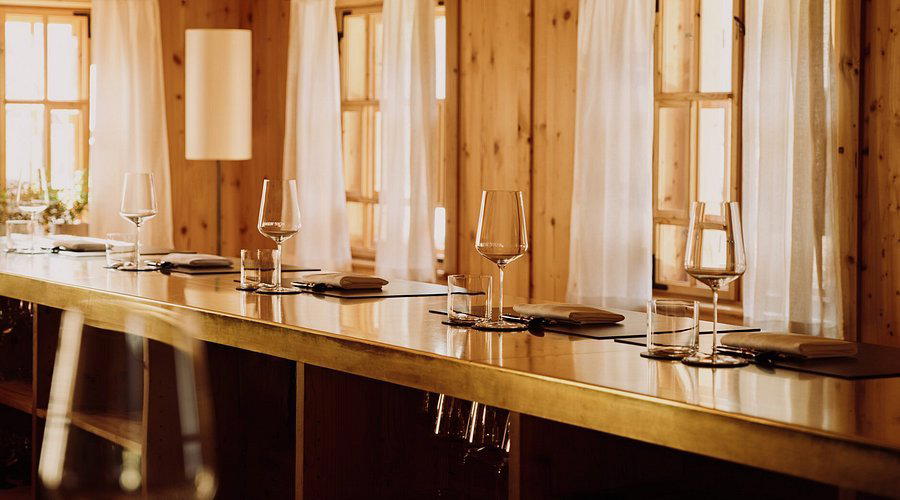
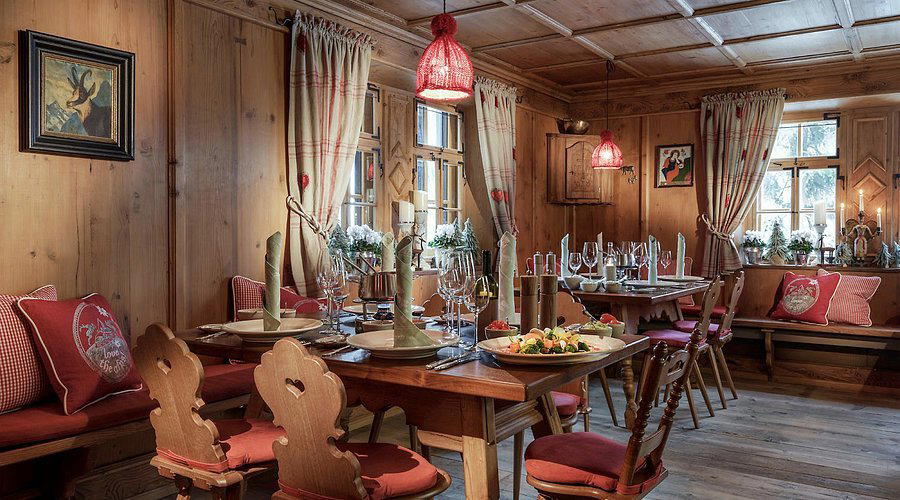
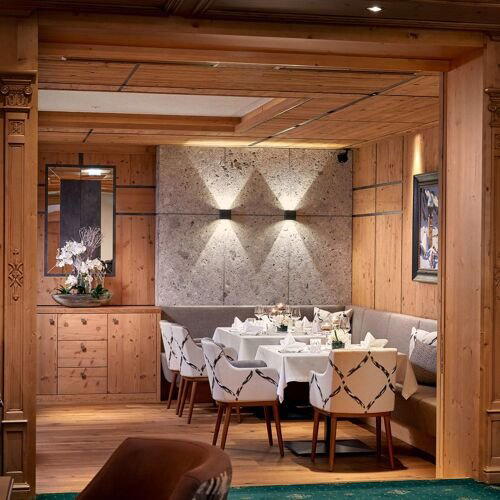
Cozy traditional wood-ceilinged dining room with open fireplace and magnificent Alpine views.