Kräuterrestaurant Arcana
Our verdict
In the upper Valle Aurina of South Tyrol, Kräuterrestaurant Arcana in Sand in Taufers occupies a category of its own among the region's dining addresses: a kitchen oriented around alpine herb cookery, drawing from the meadows and forests of one of Italy's most botanically dense mountain valleys. The address rewards the drive from Brunico, positioning itself squarely within the tradition of ingredient-led mountain cooking that defines South Tyrol's most serious restaurant kitchens.

Pearl is the En Primeur Club membership app, where members save venues, book tables and use the concierge.

The menu
What to order
- Beef in Hay Bath
- Mountain Pine Risotto
- Spruce-Sprout Tiramisu
- Gebeizter Saibling mit Fichten-Öl
Alpine Herb Cookery and the Valle Aurina Tradition
South Tyrol has built a serious case for itself as Italy's most compelling fine-dining region outside the major cities, with a handful of addresses drawing visitors who would otherwise head to Modena or Milan. The argument rests on a specific logic: mountain terroir, Austrian culinary inheritance, and an unusually concentrated local-produce culture that predates the farm-to-table rhetoric by several generations. In this context, the Kräuterrestaurant format, herb restaurant, translated literally, is not a marketing posture. It is a culinary classification with genuine roots in the valley cooking of the Dolomites and the broader alpine arc.
Kräuterrestaurant Arcana sits in Sand in Taufers (Campo Tures in Italian), a market town at the foot of the Valle Aurina, roughly 25 kilometres north of Brunico. The setting frames the kitchen's sourcing logic before you arrive: the surrounding meadows at this altitude produce aromatic herbs in concentrations that lower-elevation agriculture cannot replicate. Wild caraway, mountain sorrel, alpine lovage, and a range of meadow herbs grow at densities shaped by the short growing season and mineral-rich soils. Kitchens that take this seriously do not simply garnish with herbs; they build the flavour architecture of dishes around them.
What the Setting Signals
The address, Via Kirchdorf, 81, in the Kirchdorf district of Campo Tures, places Arcana away from the main tourist corridor and closer to the working fabric of the valley. This matters in practical terms: the restaurant draws a local and regional clientele alongside destination visitors, which tends to anchor a kitchen's focus in ways that purely tourist-facing dining does not.
South Tyrol's fine-dining geography rewards close reading. The region's leading kitchens cluster around Bolzano, the Val Gardena, and the access roads to the major passes, but a secondary tier of serious addresses operates further into the side valleys, where sourcing radius shrinks and seasonal constraints are sharper. Atelier Moessmer Norbert Niederkofler in Brunico, the region's most-decorated kitchen, has made proximity-sourcing its explicit programme. Arcana's position further up the Valle Aurina places it in an even more constrained sourcing environment, which, when handled with discipline, produces cooking with a specific local character that cosmopolitan kitchens cannot synthesise.
For comparison, consider the different imperatives facing Italy's large-city fine dining addresses. Enoteca Pinchiorri in Florence, Enrico Bartolini in Milan, and La Pergola in Rome all operate with supply chains that reach across regions and seasons. The alpine model inverts this: the valley defines the menu, not the other way around.
The Ingredient Logic of a Kräuterrestaurant
Herb-forward mountain cooking in South Tyrol draws on centuries of necessity. Before refrigerated transport, valley communities preserved and flavoured food with what grew around them. The Kräuterrestaurant classification formalises this inheritance into a contemporary dining format, distinguishing kitchens that treat herbs as primary flavour agents from those that treat them as garnish. The distinction is meaningful in practice: a kitchen built around alpine herbs will structure a tasting sequence differently, calibrate acidity and bitterness with different tools, and source on a different calendar than a kitchen whose herb use is incidental.
The Valle Aurina's botanical richness is partially a function of its protected status, the area borders the Vedrette di Ries-Aurina nature park, one of the largest protected zones in South Tyrol, which limits agricultural intensification and preserves wild plant populations. This is not incidental to a Kräuterrestaurant's sourcing story; it is the foundation of it.
Italy's most ingredient-driven kitchens across all regions share a version of this logic. Dal Pescatore in Runate is built around the Po Valley's agricultural traditions; Uliassi in Senigallia on Adriatic seafood rhythms; Piazza Duomo in Alba on Langhe seasons. Arcana belongs to the alpine variant of this nationally distributed pattern: the valley as the primary creative constraint.
Planning a Visit to Sand in Taufers
Sand in Taufers is accessible by road from Brunico (approximately 25 kilometres via the SS621), which itself connects to the A22 Brenner motorway. The drive from Brunico takes under 30 minutes in normal conditions; from Bolzano, allow around an hour and fifteen minutes. There is no rail connection to Campo Tures; a car is effectively required. The valley road closes or becomes difficult in heavy winter weather, so seasonal timing matters for visitors coming from further afield.
The restaurant's address in the Kirchdorf district is distinct from the town centre of Sand in Taufers; visitors should confirm the exact approach before arriving. Given the format and location, advance booking is the reasonable assumption for any planned visit.
South Tyrol's dining season broadly peaks in summer (July through September) when alpine produce is at its most abundant, and again during the winter months when the valley draws skiers and snow tourism. Spring, particularly May and early June, is when herb harvesting begins in earnest, this is the period when a Kräuterrestaurant's sourcing is most active and when the connection between kitchen and meadow is most direct.
Where Arcana Sits in the Broader Italian Fine Dining Picture
Italy's recognised fine-dining addresses form a well-documented hierarchy. Osteria Francescana in Modena, Le Calandre in Rubano, Reale in Castel di Sangro, and Villa Crespi in Orta San Giulio represent the nationally recognised tier. Further south, Quattro Passi in Marina del Cantone, Gambero Rosso in Marina di Gioiosa Ionica, and Casa Perbellini 12 Apostoli in Verona each work within strong regional idioms. Da Vittorio in Brusaporto represents the Bergamo variant. Against this spread, the South Tyrolean valley addresses occupy a niche defined by altitude and ingredient constraint rather than by classical service codes or cellar depth.
For readers interested in the broader Sand in Taufers dining picture, our full Sand in Taufers restaurants guide maps the valley's options across price points and formats. For international reference points in herb-forward and produce-led cooking, Le Bernardin in New York City and Atomix in New York City offer comparisons of how ingredient discipline operates at different scales and culinary traditions.
Frequently asked questions
Is Kräuterrestaurant Arcana okay with children?
Campo Tures is a family-oriented valley town in South Tyrol, a region known for accommodating children far more readily than Italy's major urban dining destinations. The Kirchdorf district address, away from the main tourist corridor, suggests a neighbourhood setting rather than a formal city-centre restaurant. That said, if the kitchen's focus is a structured herb-led tasting format, contacting the venue ahead of the visit to confirm family suitability is advisable.
What kind of setting is Kräuterrestaurant Arcana?
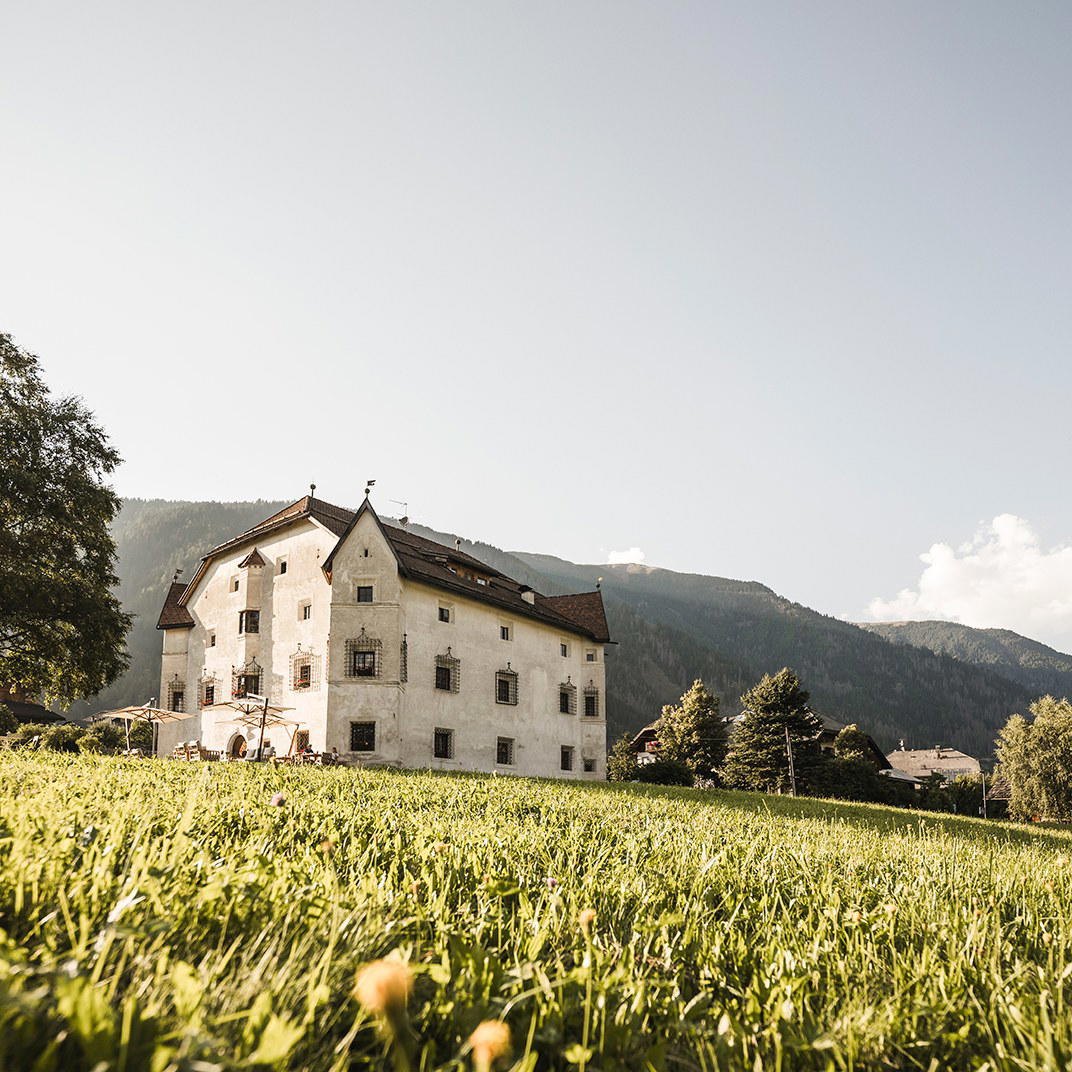
The address at Via Kirchdorf, 81, places Arcana in the Kirchdorf district of Campo Tures rather than the main tourist centre of Sand in Taufers, which gives it a quieter, more local character. The surrounding Riesenferner-Ahrn nature park shapes the valley's atmosphere considerably: this is mountain South Tyrol, where the scale is alpine rather than urban. Expect a setting defined by the landscape and the working-town fabric of Campo Tures rather than resort-facing polish.
Does a herb-specialist restaurant in the South Tyrol Alps mean the menu changes with the seasons?
In the Valle Aurina and broader South Tyrol alpine zone, herb availability is tightly seasonal: high-altitude plants peak through late spring and summer, while winter cooking draws on dried, preserved, and root-based preparations with centuries of regional precedent. A kitchen framed specifically as a Kräuterrestaurant in Campo Tures is operating within that constraint by design, which typically produces a menu that shifts more dramatically between seasons than supply-chain-flexible restaurants do. Visitors planning a visit in shoulder months should expect a menu shaped by what the mountain terrain is currently yielding.
What's the best thing to order at Kräuterrestaurant Arcana?
What the Kräuterrestaurant format signals is a kitchen structured around alpine herbs as a primary ingredient logic, which in South Tyrol's culinary tradition means seasonal sourcing from the valley and surrounding mountain terrain. Dishes built on that foundation tend to shift with the growing season, so the menu in summer will differ significantly from what arrives in winter.
At-a-Glance Comparison
| Venue | Cuisine | Price | Awards | Notes |
|---|---|---|---|---|
| Kräuterrestaurant ArcanaThis venue (the venue you are viewing) | Alpine Herb-Forward Contemporary Italian | $100–150 | Not listed | Not listed |
| Atelier Moessmer Norbert Niederkofler | Modern Alpine Fine Dining | $300–500 | 3 Michelin Stars · World's 50 Best #20 | Italian, Creative |
| Dal Pescatore | Classic Italian Fine Dining | $200–300 | 3 Michelin Stars · World's 50 Best #38 | Italian, Italian Contemporary |
| Enoteca Pinchiorri | Contemporary Italian Fine Dining | $200–300 | 3 Michelin Stars · World's 50 Best #32 | Italian - French, Italian Contemporary |
| Enrico Bartolini | Modern Italian Fine Dining | $300–500 | 3 Michelin Stars · World's 50 Best #85 | Creative |
| Le Calandre | Modern Italian Fine Dining | $200–300 | 3 Michelin Stars · World's 50 Best #31 | Progressive Italian, Creative |
Continue exploring
More in Sand In Taufers
Restaurants in Sand In Taufers
All restaurants in Sand In Taufers →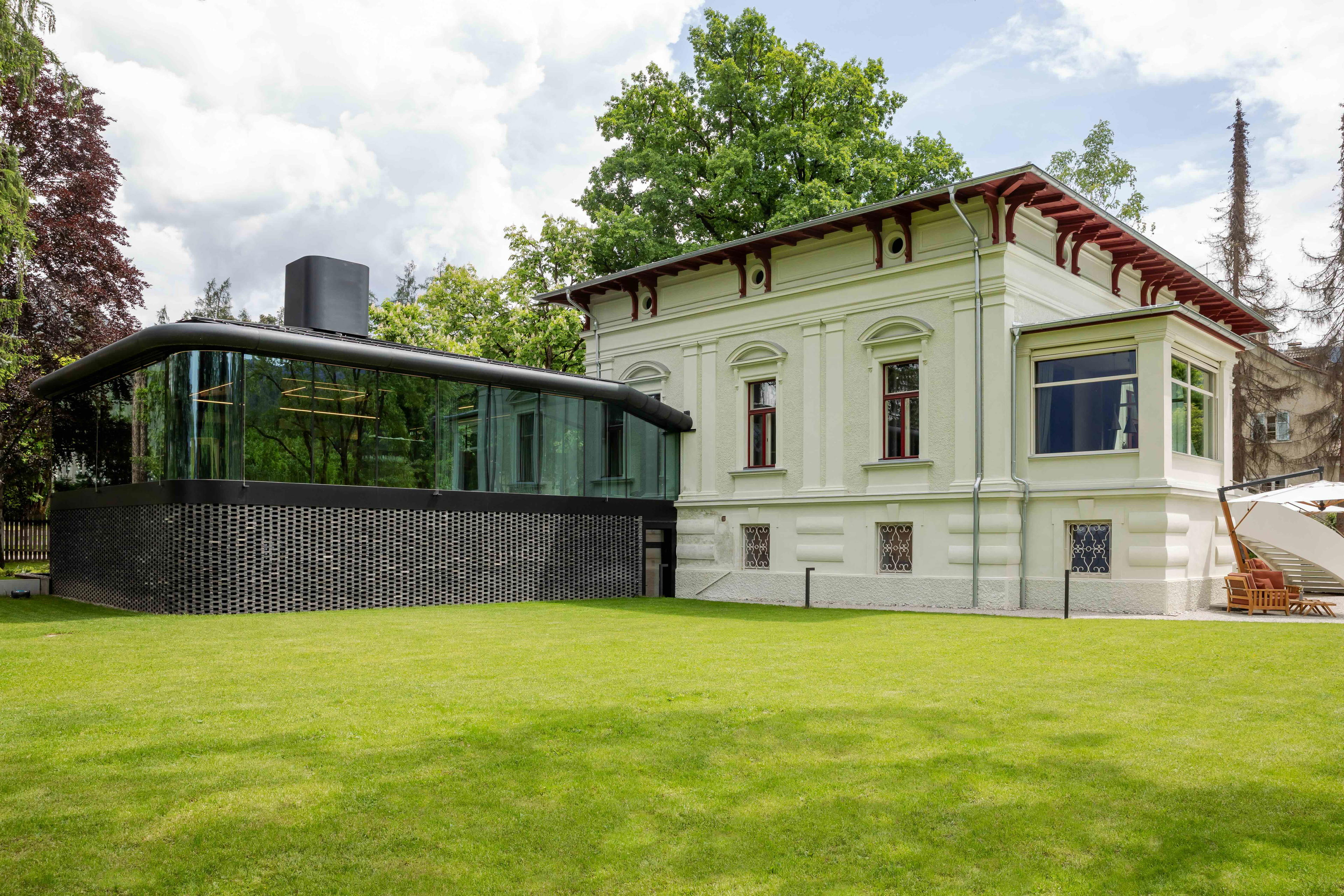
Bars in Sand In Taufers
Browse all →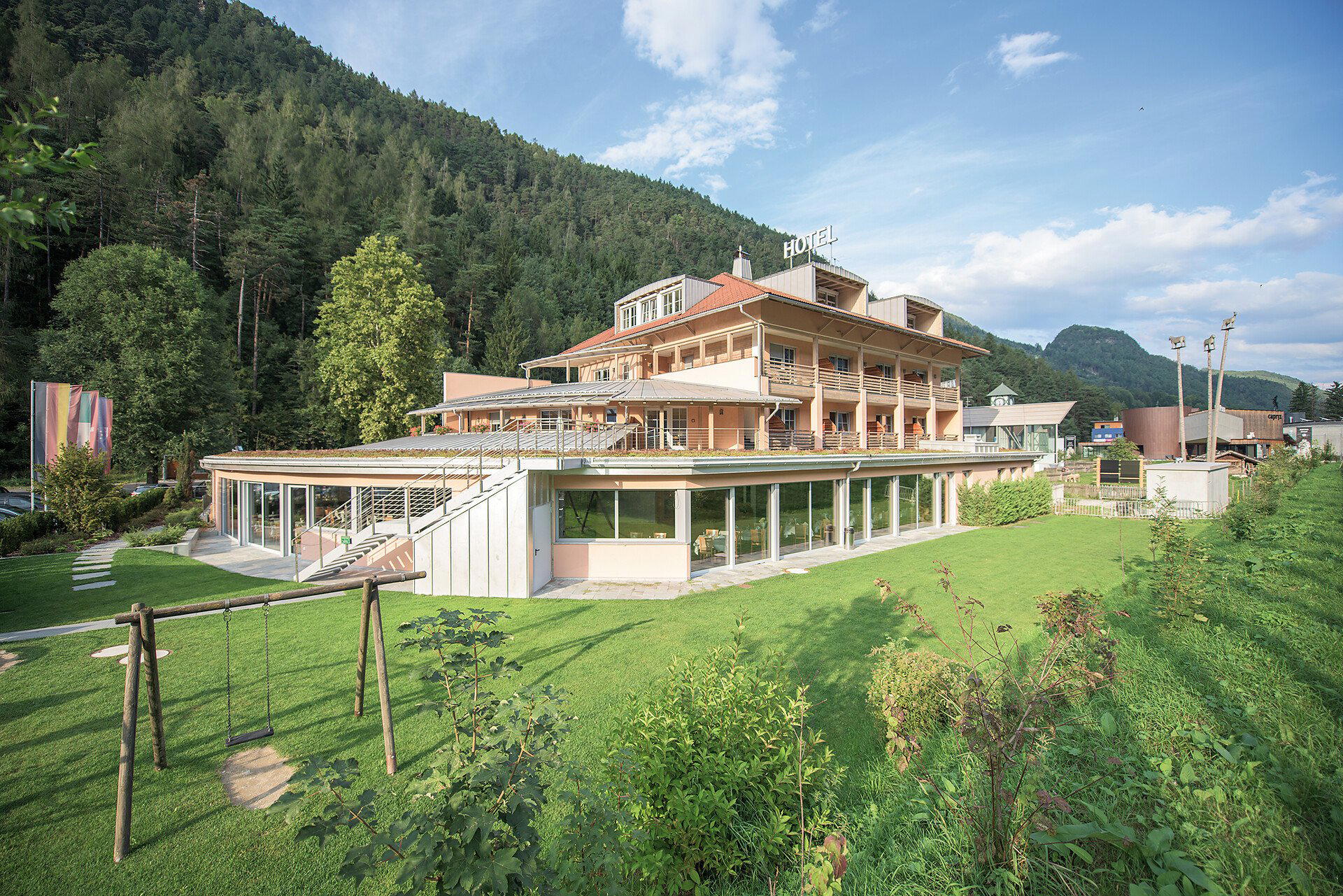

Details
- Elegant
- Romantic
- Scenic
- Cozy
- Date Night
- Special Occasion
- Celebration
- Open Kitchen
- Terrace
- Panoramic View
- Garden
- Standalone
- Sommelier Led
- Farm To Table
- Local Sourcing
- Organic
- Mountain
- Garden
- A La Carte
- Tasting Menu
- Regional South Tyrolean Wines
- Herbal Aperitifs
- Herbal Schnapps
- Vegetarian Friendly
- Vegan Options
- Gluten Free Options
- Organic Focus
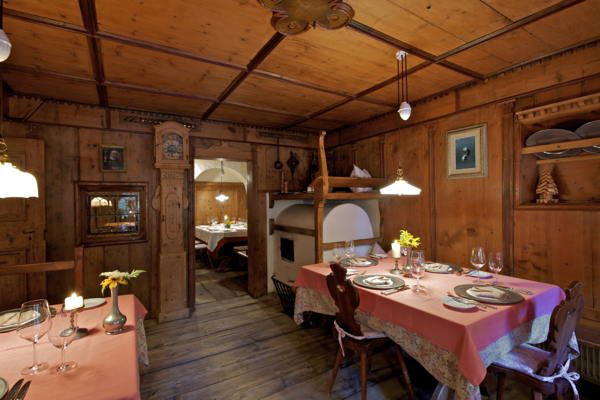
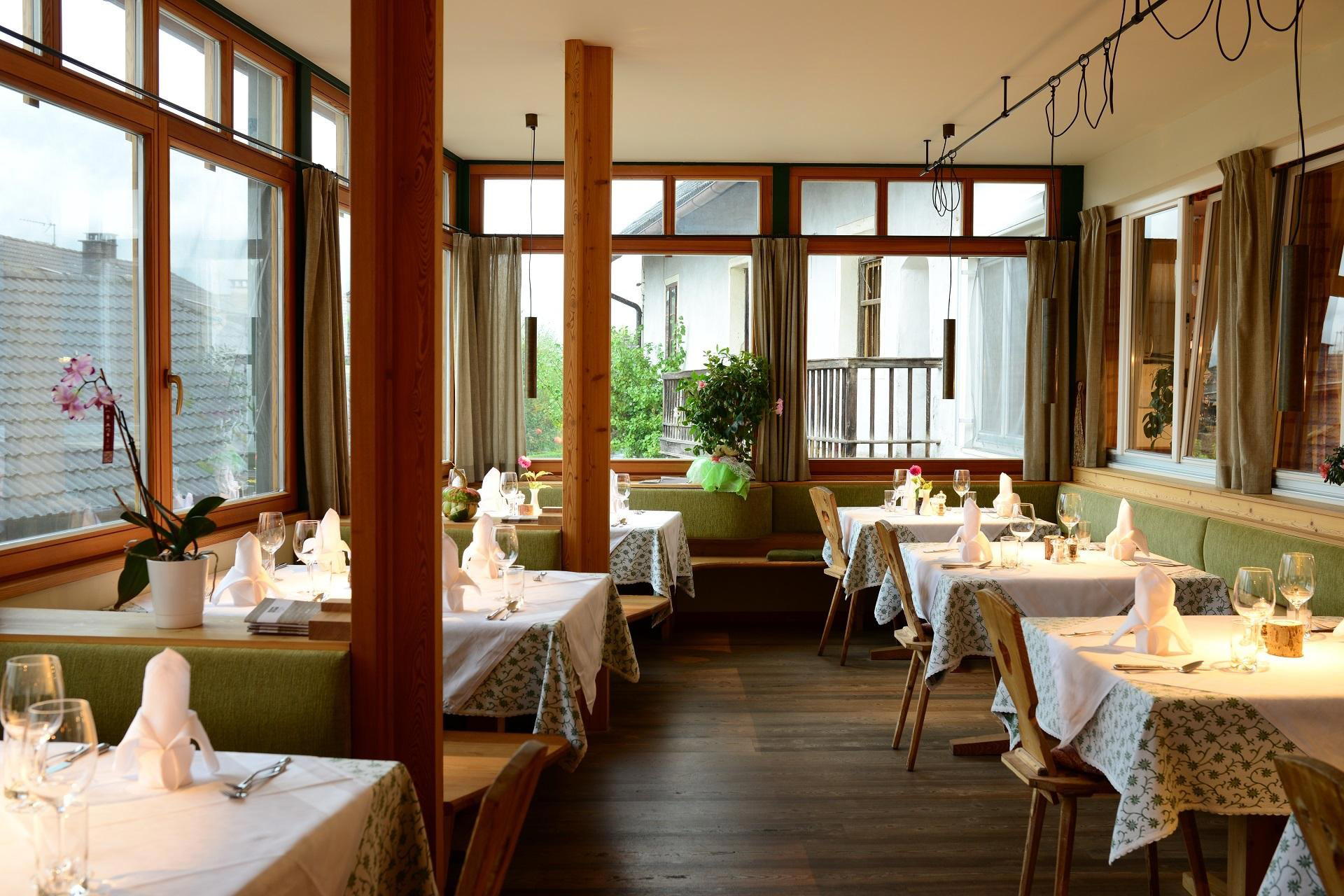
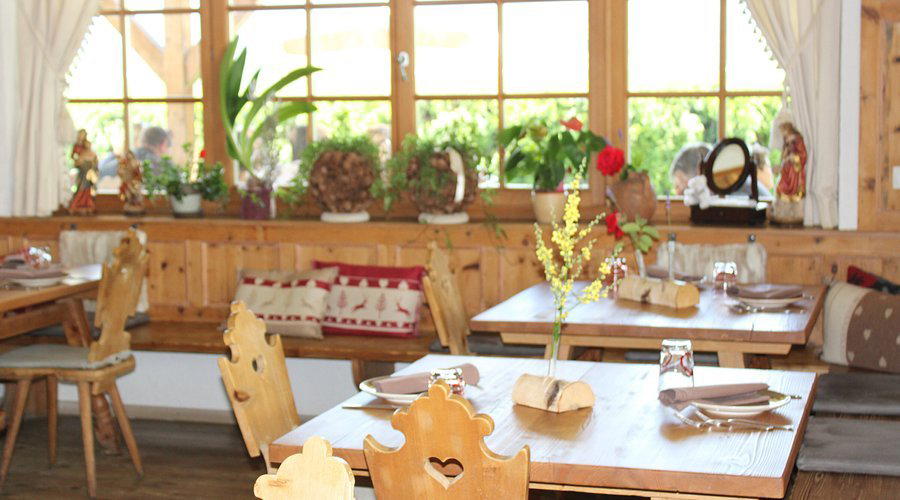
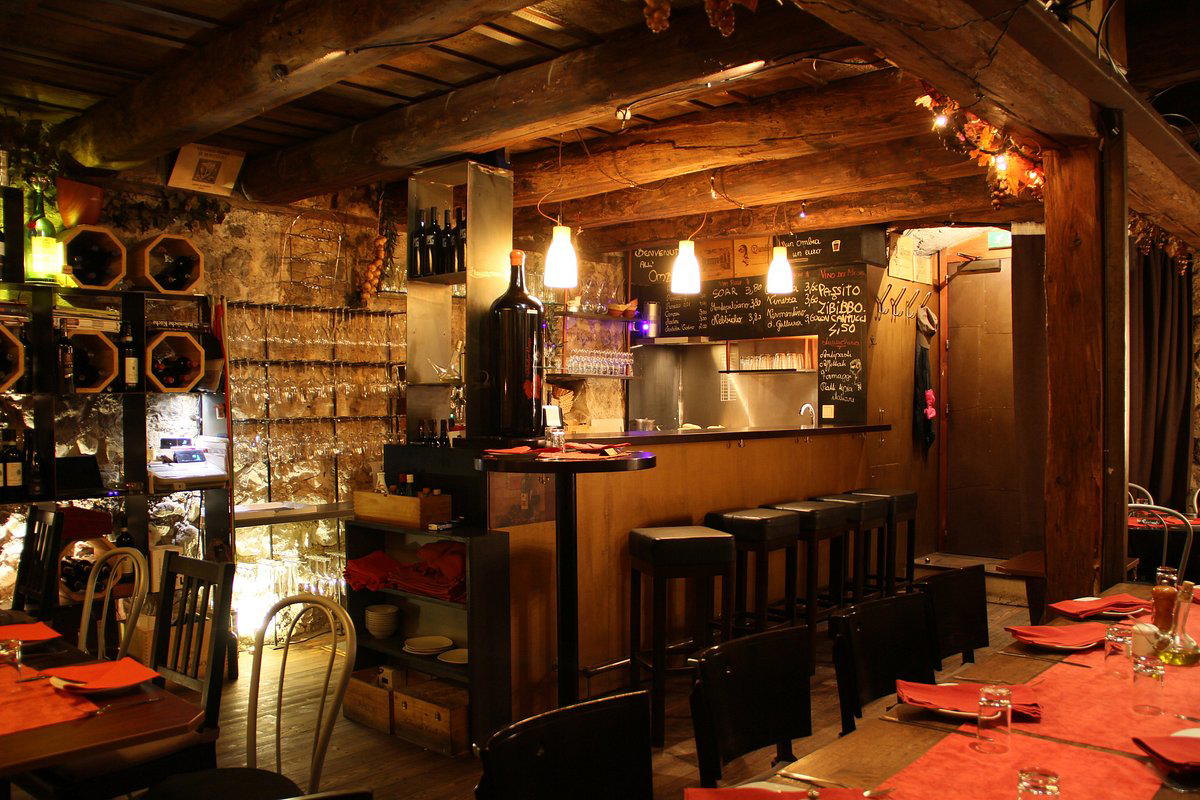
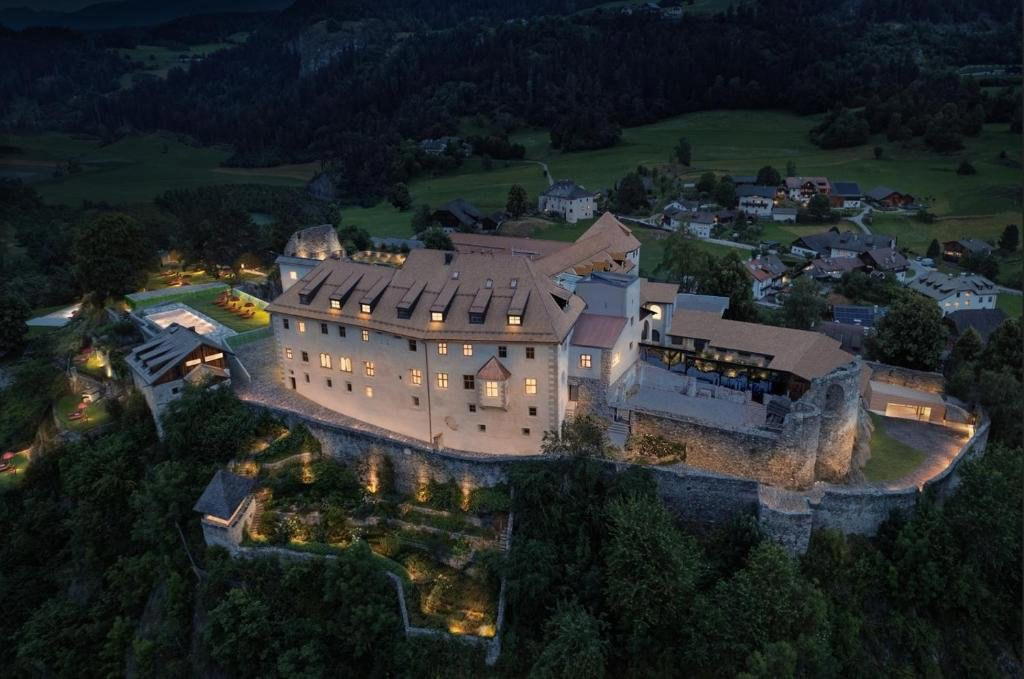
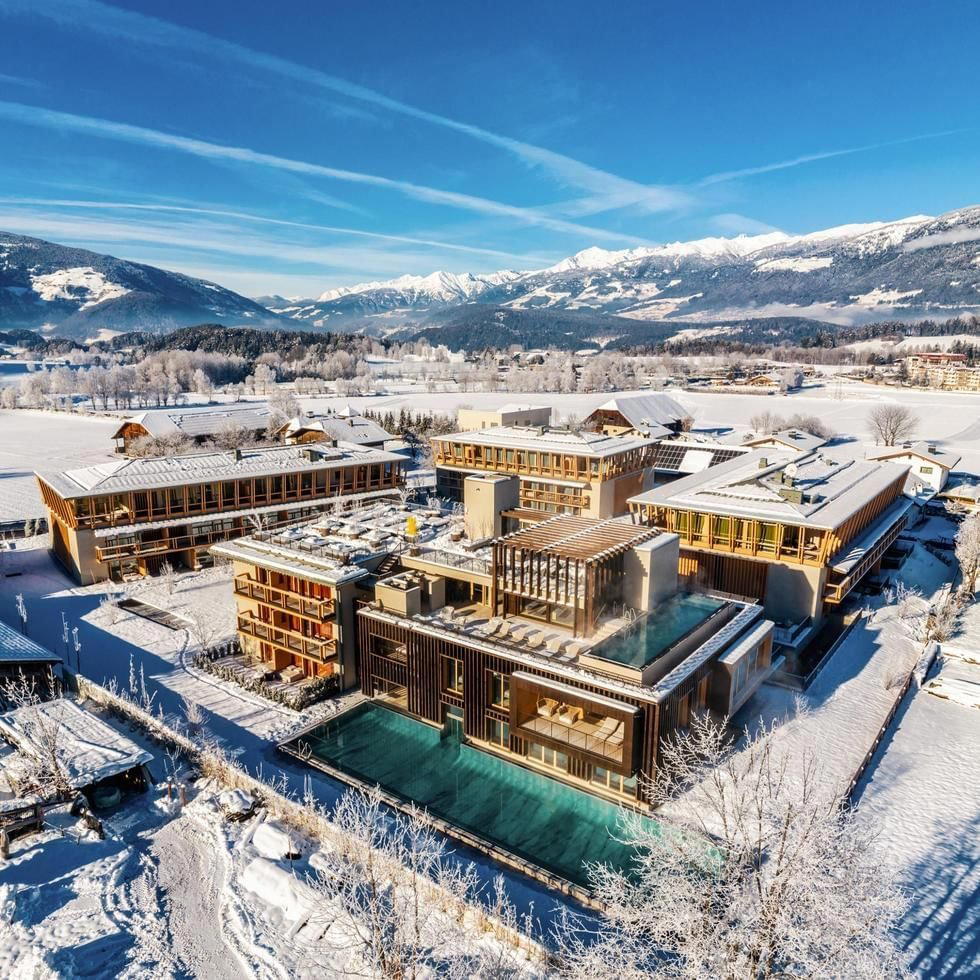
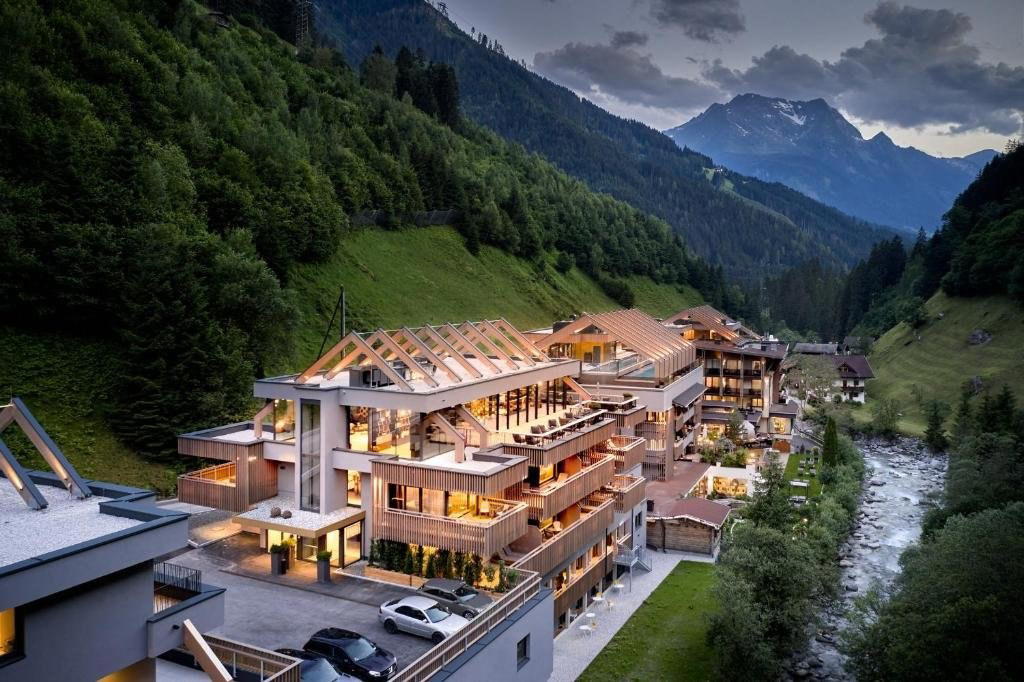
Modern, warmly lit dining room with meadow herbs displayed throughout; intimate mountain lodge setting with fireplace and terrace overlooking the Aurina Valley.