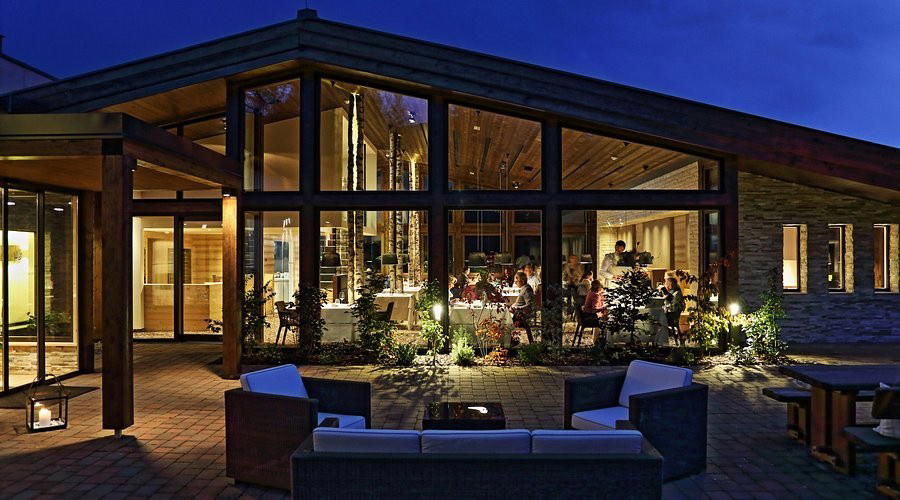
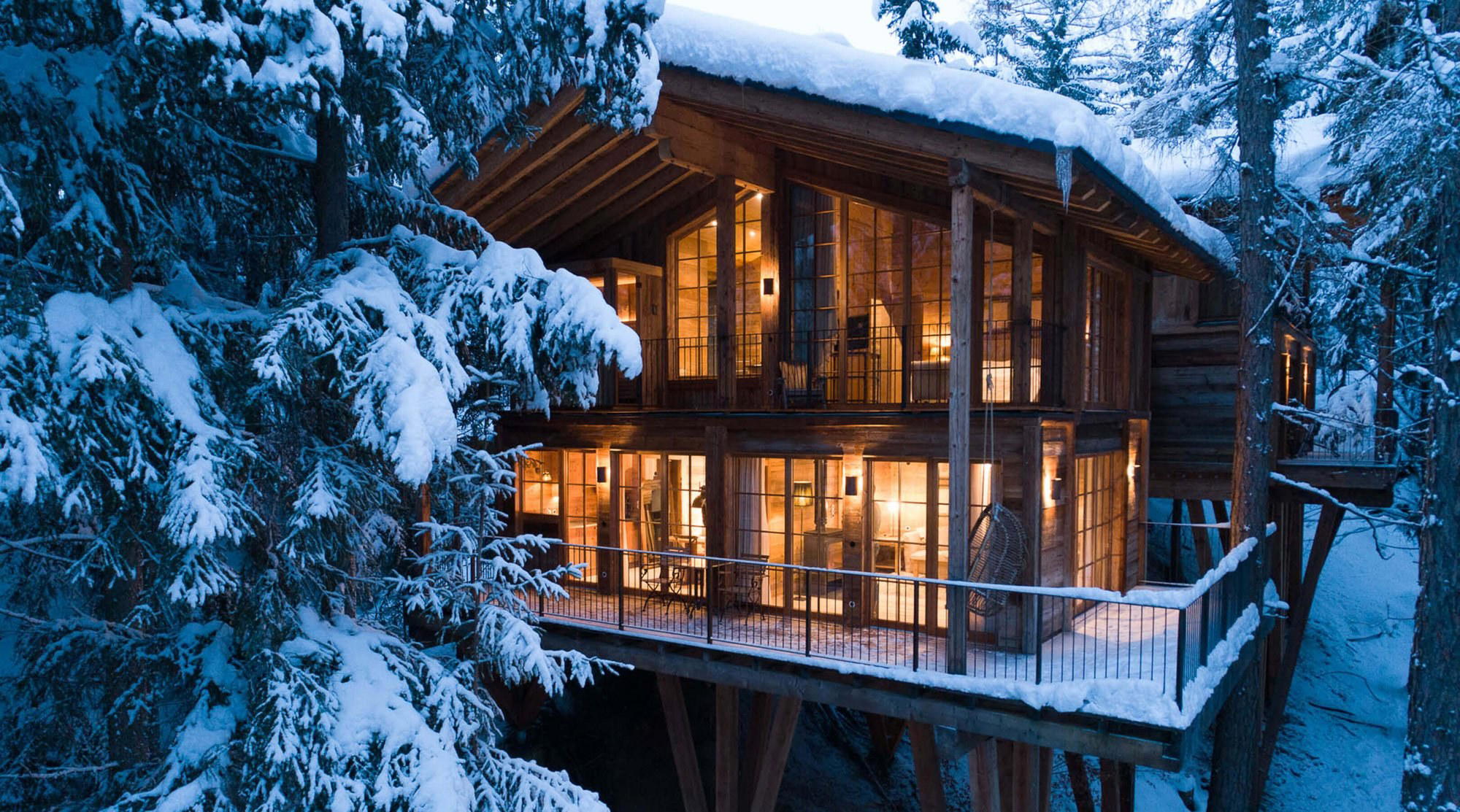
Astra sits in Collepietra, a small village above Bolzano in South Tyrol's Adige Valley, where the cooking tradition draws directly from Alpine and northern Italian ingredient sources. The setting reflects a broader pattern across this part of the region: modest in scale, serious in intent, and grounded in the agricultural rhythms of the surrounding valley.
 Discover on Pearl
Pearl is the En Primeur Club membership app — saves, bookings, and concierge access live there. Same editors, same standards.
- Address
- Via Principale, 26, 39053 Collepietra BZ, Italy
- Phone
- +39471376516
- Website
- restaurant-astra.com
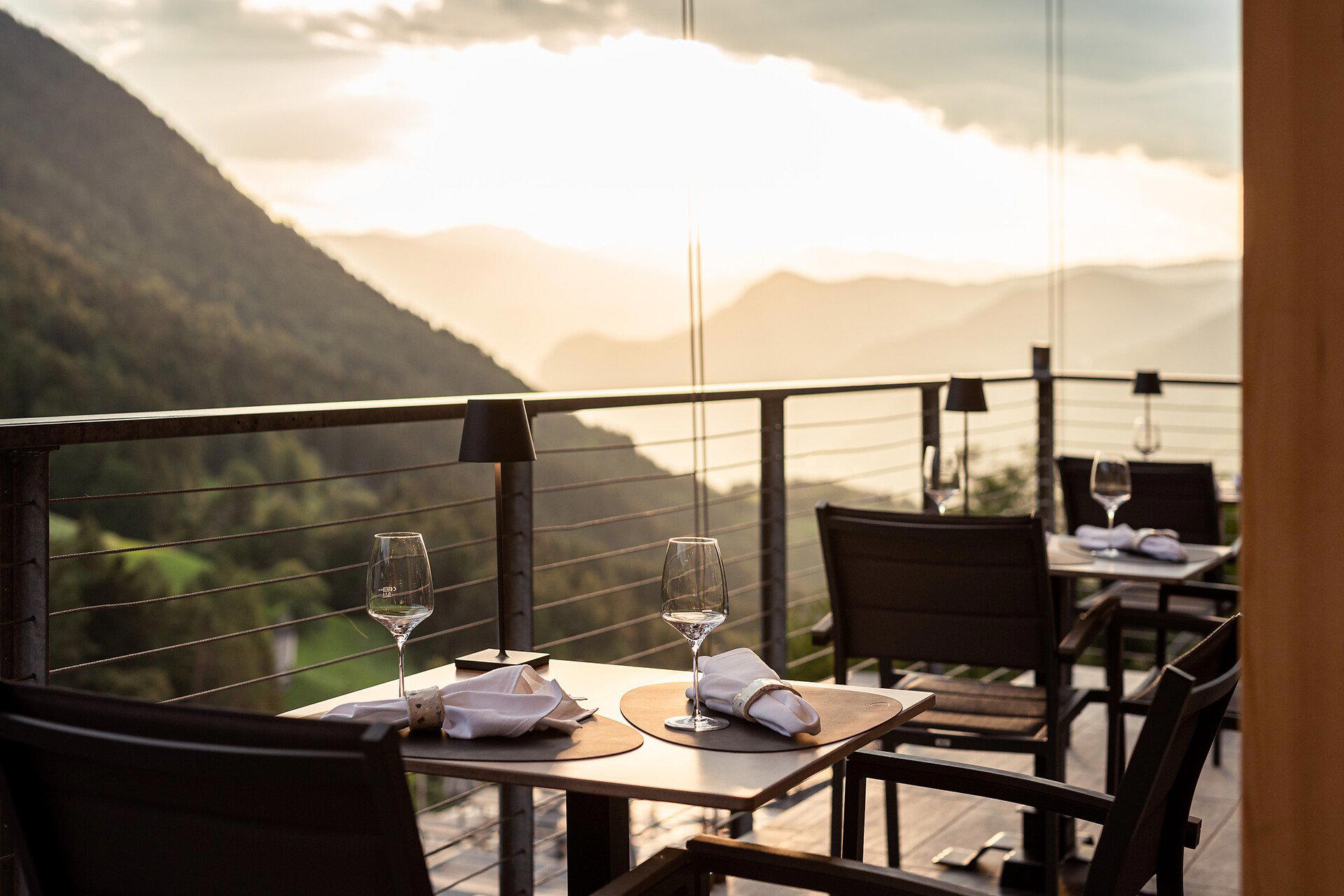
Where the Valley Floor Meets the Table
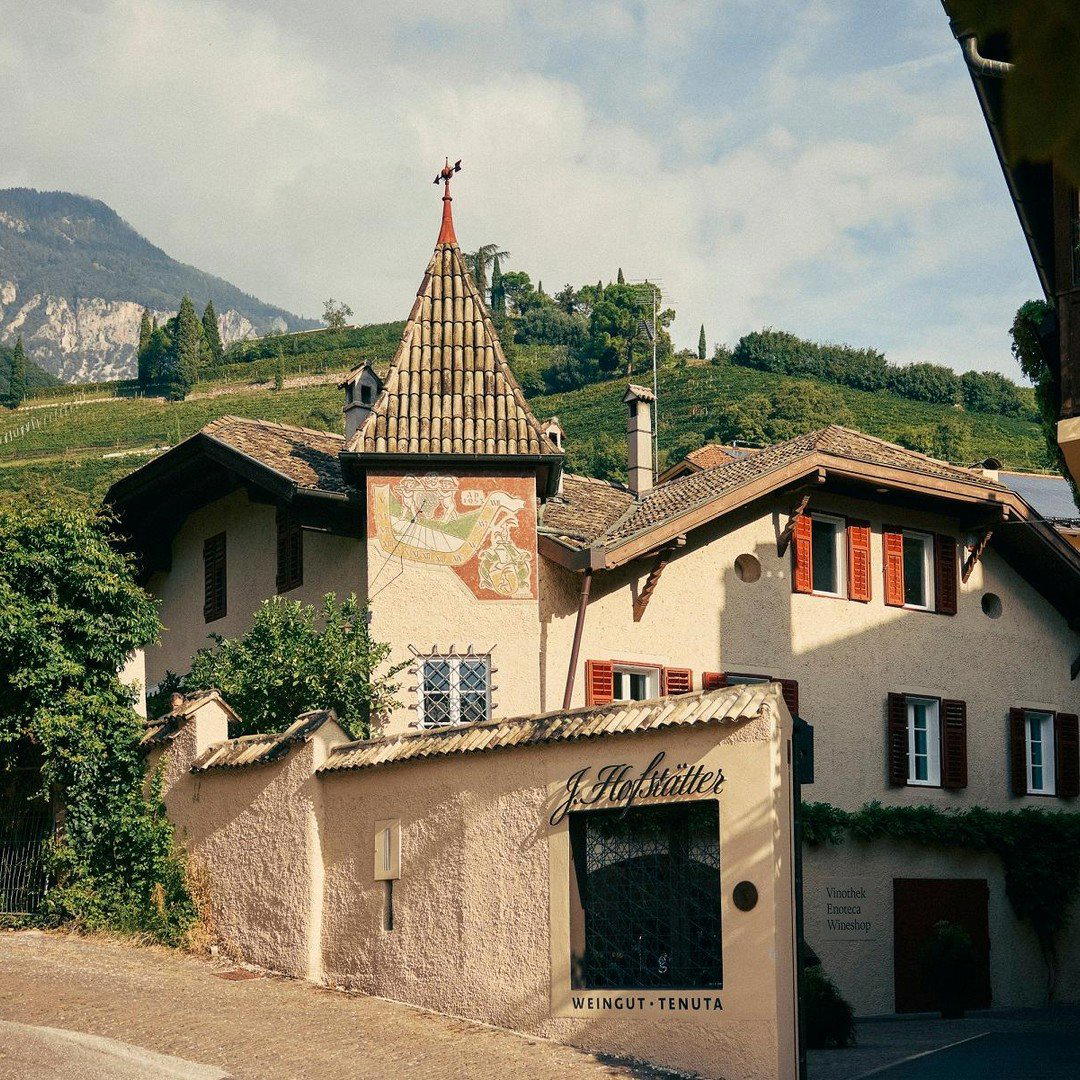
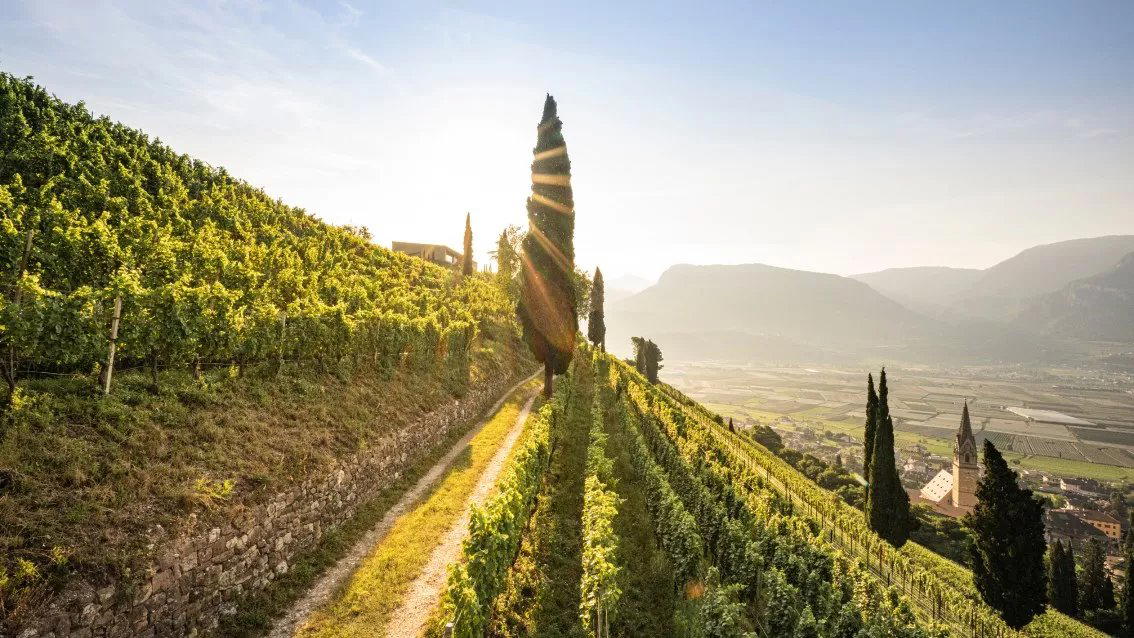
Collepietra (Steinegg in German) occupies a shelf of hillside above Bolzano, reached by a narrow road that climbs through apple orchards and vine terraces before levelling into a village that most travellers pass through without stopping. This is the character of the upper Adige Valley: places that read as incidental from a distance but carry a density of agricultural tradition once you look closely. Astra, at Via Principale 26, sits within that pattern. The address puts it at the centre of a village where the surrounding land has been worked continuously for centuries, and where the distinction between what grows outside and what arrives on a plate has rarely required the kind of theatrical signposting common in urban restaurant culture.
One track runs through internationally recognised destination restaurants, the kind found in Brunico or the Alta Badia, where kitchens like Atelier Moessmer Norbert Niederkofler in Brunico have built reputations on a codified regional philosophy, sourcing from a defined mountain territory and treating altitude and season as primary ingredients.
Ingredient Geography in the Adige Valley
Understanding what ends up on a plate in this part of Italy starts with the surrounding territory. The Adige Valley below Bolzano is one of Italy's highest-volume apple-growing zones, with cultivars including Golden Delicious, Gala, and Fuji varieties that carry Protected Geographical Indication status. Vine cultivation runs alongside, with Vernatsch (Schiava), Lagrein, and Gewürztraminer among the varieties planted at varying altitudes across the valley walls. Further up, dairy farming produces the milk for Südtirol cheeses, speck Alto Adige IGP cures in mountain air, and foraging seasons for mushrooms, wild herbs, and berries structure the kitchen calendar in ways that no import schedule can replicate.
This ingredient density is what differentiates Alto Adige from most other Italian regions at a comparable level of tourism development. Restaurants here do not need to reach far for provenance: the supply chain is compressed by geography. At venues positioned in villages like Collepietra, that compression is most literal. The apple harvest begins in September and runs through November; late spring brings wild asparagus and early summer brings the first soft cheeses of the transhumance season. A kitchen that pays attention to these rhythms operates on a very different calendar to one that sources nationally or internationally.
At Dal Pescatore in Runate, proximity to the Po Valley's agricultural production has defined the menu for decades. At Piazza Duomo in Alba, the Langhe truffle and Barolo wine geography are inseparable from the plate. The principle is consistent across the Italian fine dining tier: the leading cooking in this country tends to root itself in a specific agricultural territory rather than drawing from an abstracted national pantry.
South Tyrol's Table, in Context
The bilingual character of South Tyrol (Alto Adige in Italian, Südtirol in German) produces a table culture that sits between two traditions without fully belonging to either. Austrian and Austro-Hungarian food history left behind bread dumplings, cured pork products, and rye baking traditions; northern Italian influence brought pasta forms, risotto technique, and a wine culture that references Burgundy and Bordeaux alongside the local. In restaurants across the province, these two inheritances are negotiated differently. Some kitchens foreground the Tyrolean register: hearty, flour-based, centred on pork and dairy. Others work in a lighter Italian-Alpine mode, treating the mountain ingredient base as a starting point for more technically precise cooking.
Nearby reference points include Reale in Castel di Sangro, where Apennine mountain ingredients feed a progressive kitchen, and Uliassi in Senigallia, where Adriatic coastal sourcing defines the entire program. In each case, geography determines menu logic before technique enters the conversation. South Tyrol operates on the same principle, with altitude substituting for coastline as the primary environmental variable.
For travellers already exploring Italy's serious restaurant circuit, the Bolzano area offers a concentration of ingredient-led cooking that rarely gets the same attention as Modena or Rome. Osteria Francescana in Modena and La Pergola in Rome are reference points for Italian fine dining internationally, but the Alto Adige tradition operates at a different register, one where the agricultural calendar and the cross-border cultural inheritance produce a table that those other cities cannot replicate.
Planning a Visit
Car access from Bolzano is direct via the valley road and the hillside approach to the village. The village itself is compact, and Via Principale runs through its centre. Timing a visit around the agricultural seasons adds a layer of relevance: autumn harvest months and late spring each bring distinct products to the region's kitchens. Astra is open Wednesday through Saturday from 7 to 9 PM and reservations are essential. Le Calandre in Rubano, Quattro Passi in Marina del Cantone, Casa Perbellini 12 Apostoli in Verona, Da Vittorio in Brusaporto, Villa Crespi in Orta San Giulio, Enoteca Pinchiorri in Florence, Enrico Bartolini in Milan, or Gambero Rosso in Marina di Gioiosa Ionica to complete the picture. International parallels in the ingredient-led, lower-profile category include Lazy Bear in San Francisco and Le Bernardin in New York City, where sourcing philosophy shapes the entire guest experience even at very different price points.
At-a-Glance Comparison
Comparable venues nearby, for context on price, style, and recognition.
| Venue | Cuisine | Price | Awards | Notes |
|---|---|---|---|---|
| AstraThis venue — the venue you are viewing | Modern South Tyrolean Fine Dining | $$$$ | , | |
| Fine Dining | Modern South Tyrolean Fine Dining | $$$$ | , | Villandro |
| La Vimea | Creative Organic Vegan Italian | $$$$ | 1 recognition | Naturno |
| Restaurant Al Tramonto | Upscale Italian Mediterranean | $$$$ | , | Torri del Benaco |
| Sull’Albero Trattoria | Tuscan Trattoria | $$$ | , | Chiusdino |
| THEDL | South Tyrolean Italian | $$$ | , | Partschins |
Continue exploring
More in Karneid
Restaurants in Karneid
Browse all →
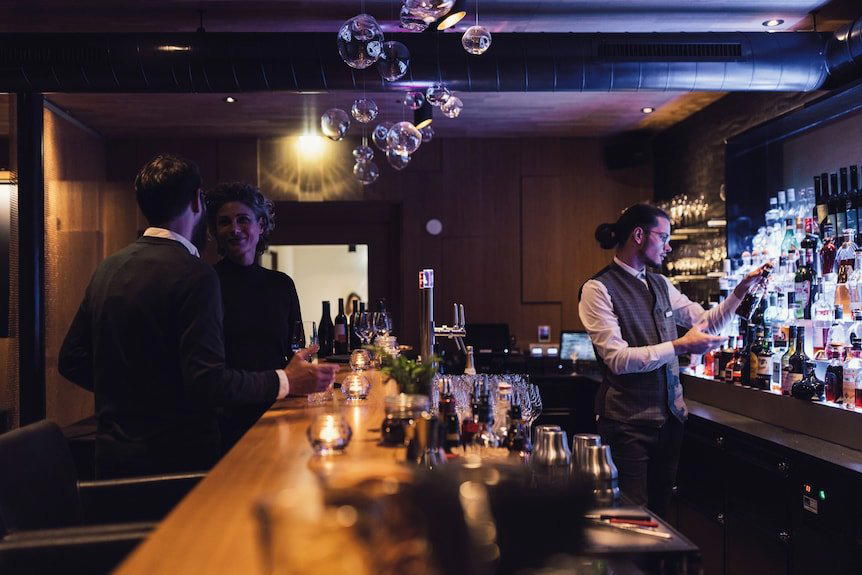
Bars in Karneid
Browse all →
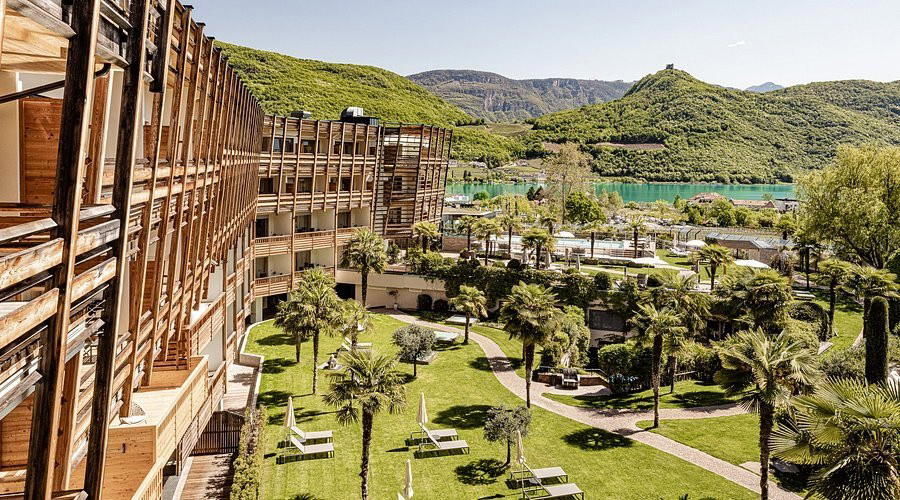
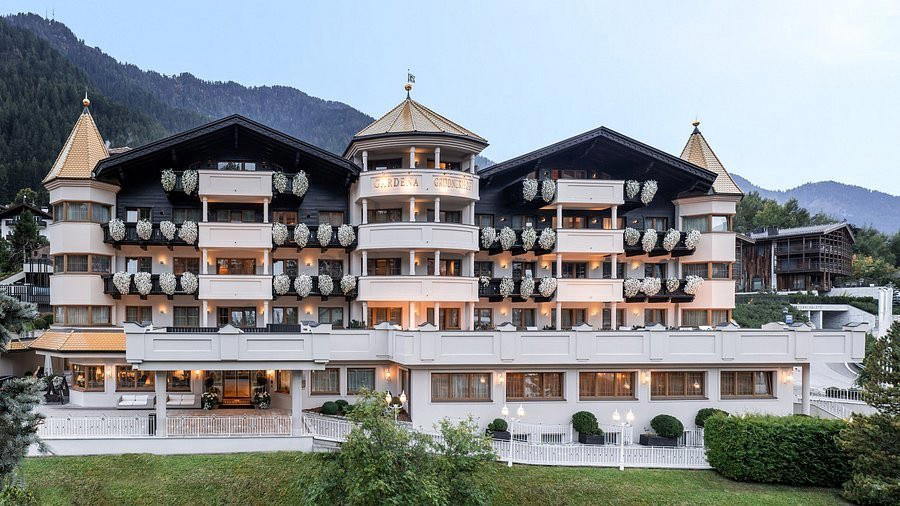
Hotels in Karneid
Browse all →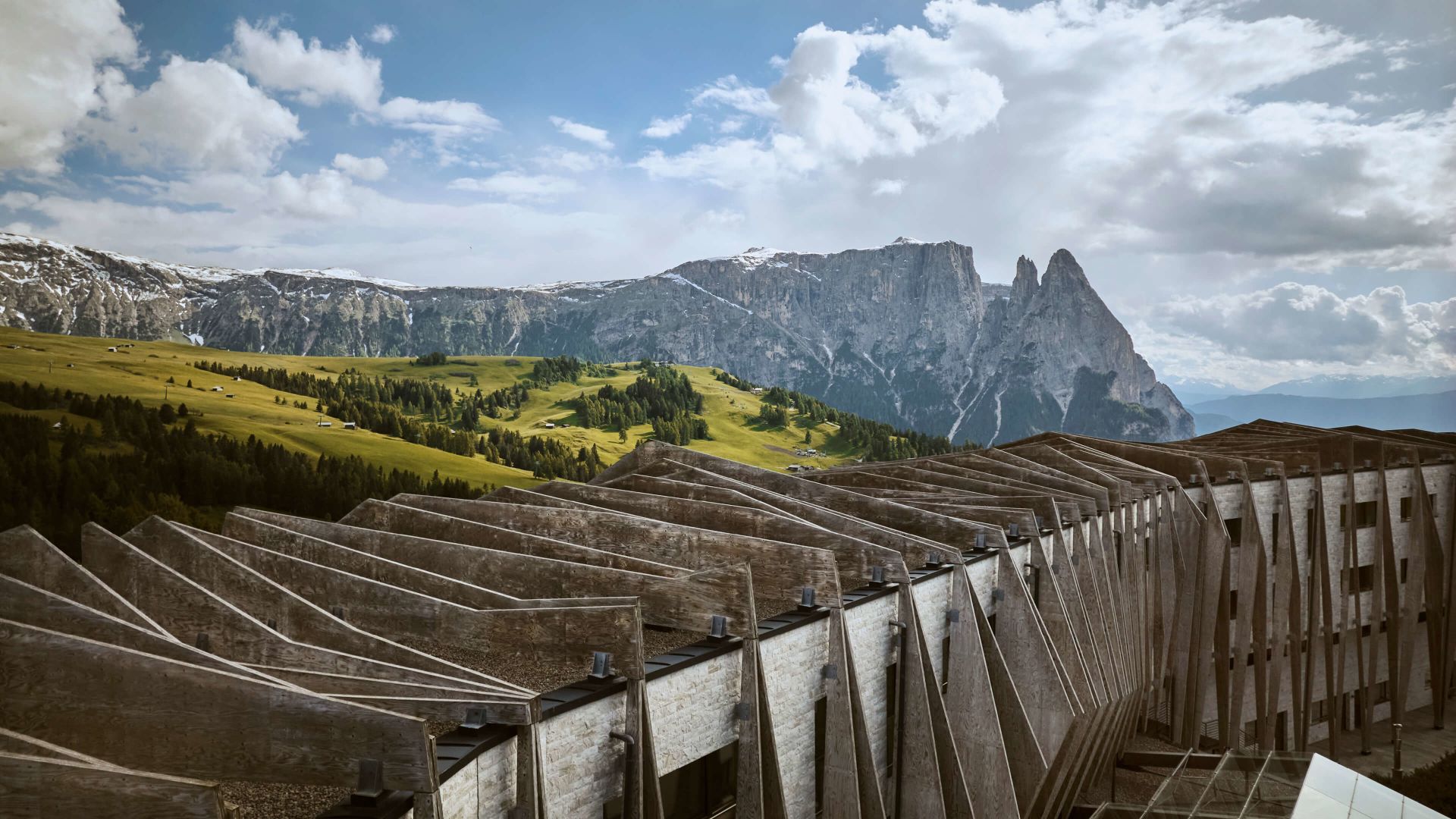
At a Glance
- Elegant
- Sophisticated
- Modern
- Special Occasion
- Open Kitchen
- Local Sourcing
- Mountain