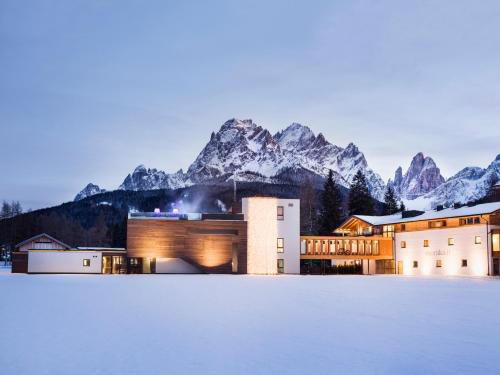
Positioned at the Kreuzbergpass in Sexten, South Tyrol, Hotel Kreuzberg sits at one of the Dolomites' most documented high-altitude crossings, where the sourcing traditions of the Pusteria Valley define what reaches the table. The property operates within a regional food culture that treats proximity to the land as a baseline rather than a selling point, placing it inside a competitive set shaped by altitude, seasonality, and local producer networks.
Pearl is the En Primeur Club membership app — saves, bookings, and concierge access live there. Same editors, same standards.
- Address
- Kreuzbergpass, 39030 Sesto BZ, Italy
- Phone
- +39474710328
- Website
- kreuzbergpass.com
- Directions
- Get directions
 Saves & bookings on Pearl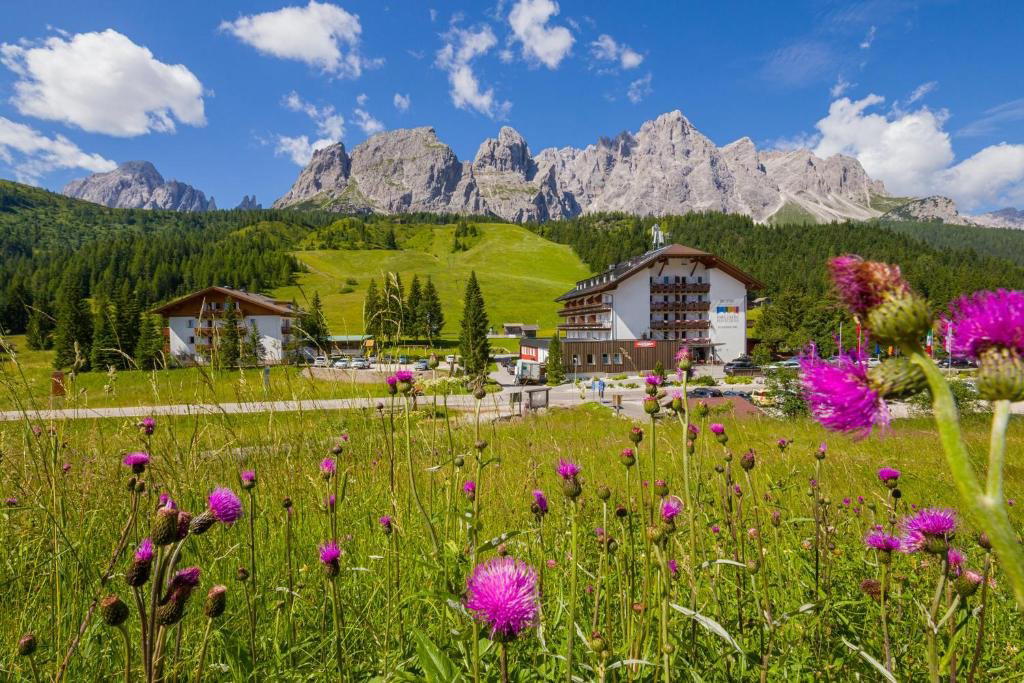
Where the Pass Shapes the Plate
At around 1,600 metres, the Kreuzbergpass connecting Sexten to the Comelico valley on the Veneto side is not merely a scenic threshold, it is a supply-chain boundary. What grows, grazes, and is gathered on each side of that ridge determines what arrives in the kitchens of properties like Hotel Kreuzberg. In South Tyrol's broader hospitality culture, altitude is not incidental to the dining proposition; it is the proposition. The region has spent two decades building a reputation for sourcing rigour that now influences how the rest of Italy thinks about mountain cuisine.
That sourcing culture is not incidental to Hotel Kreuzberg's position. Properties at the pass benefit from a dual-region larder: the dairy and cured-meat traditions of the German-speaking Pusteria Valley on one flank, and the bean, polenta, and game traditions of the Venetian Dolomites on the other. Kreuzberg pass sits at that intersection, which gives any kitchen operating there access to a broader ingredient vocabulary than a property anchored to a single valley floor.
South Tyrol's Sourcing Architecture
To understand what distinguishes dining in Sexten from dining in, say, Florence or Milan, it helps to understand how South Tyrol structures its food supply. The region operates an unusually dense network of small alpine farms, cooperative dairies, and family-run curing facilities, most producing in quantities too small for export, which means the material stays local by necessity rather than marketing choice. Speck Alto Adige, aged on mountain air rather than in controlled chambers, is one internationally recognised output of that system, but the less-exported products, grey cheese from small cooperative dairies, wild herbs harvested above the treeline, rye breads from valley mills, are equally characteristic of the table here.
At the luxury end of Italian dining, the sourcing conversation has moved decisively toward terroir-specificity. Kitchens at Osteria Francescana in Modena, Piazza Duomo in Alba, and Le Calandre in Rubano each anchor their identity to a specific regional larder. In the Dolomites, that same logic plays out at a more compressed geographic scale: the valley, the altitude band, the season. A kitchen at Kreuzbergpass is, by its geography, making a statement about sourcing before a single dish is described.
The Dolomites' Role in Italy's Fine Dining Map
Italy's restaurant geography tends to cluster recognition around its urban centres and coastal regions. Venues like Enoteca Pinchiorri in Florence, Enrico Bartolini in Milan, and La Pergola in Rome anchor the urban tier of Italy's fine dining conversation. The mountain properties operate in a different register, one where the challenge is not access to cultural capital but access to ingredients, and where the calendar dictates the menu more forcefully than any tasting-menu format could.
Sexten itself is a small commune in the easternmost corner of South Tyrol, closer to Austria and the Veneto than to the Italian heartland, and that geographic position shapes its character. The village is known primarily as a base for the Drei Zinnen, the three-peak formation that may be particularly photographed rock in the Alps, but the properties along the pass corridor serve a quieter clientele: those who return season after season for the walking, the silence, and the quality of the table. Coastal-focused venues like Uliassi in Senigallia or Quattro Passi in Marina del Cantone operate a fundamentally different sourcing logic, ocean-to-plate rather than pasture-to-plate, and the contrast is instructive. Sexten's dining identity is built around what the land at altitude produces, not what the sea delivers.
Seasonality at the Pass
High-altitude hospitality in the Dolomites is inherently seasonal. The pass road to Kreuzbergpass closes for winter, which shapes when the property operates and who it serves. Summer brings hikers and cycling groups accessing the pass as part of longer Dolomite traverses; late autumn marks a transition to hunting season, when game, chamois, deer, grouse, enters the larder in quantities unavailable at other times of year. Spring arrives late at elevation, and the first weeks after snowmelt produce wild herbs and early alpine greens that define the brief window between winter's preserved-food reliance and summer's fresh abundance.
This seasonal compression is not a constraint; it is what gives mountain tables their specificity. Properties that operate year-round at lower elevations in the valley, like Caravan Park Sexten, face different sourcing rhythms than a pass property with a tighter operating window.
Peer Context: Where Hotel Kreuzberg Sits
Within the South Tyrol accommodation and dining market, properties at altitude sit in a different competitive tier than valley-floor hotels. The smaller mountain properties, often family-operated over multiple generations, are shaped by food and landscape as a single proposition. The international reference points for this kind of property are not urban fine dining destinations like Dal Pescatore in Runate or Villa Crespi in Orta San Giulio, though both represent Italy's tradition of destination dining in non-urban settings. The closer analogy is the Swiss and Austrian mountain hotel tradition, where the kitchen's identity is inseparable from the altitude at which it operates.
Compared to destination dining at the level of Reale in Castel di Sangro or Casa Perbellini 12 Apostoli in Verona, the Dolomite mountain hotel occupies a more embedded, less formal tier, one where the dining experience is woven into a multi-day stay rather than a destination visit in its own right. The table is part of the experience of the landscape, not a separate attraction. At Kreuzbergpass, the surrounding terrain organises the visit, and the kitchen confirms the choice.
Planning a Stay
The pass road itself is typically open from late May through October, with exact dates depending on snowmelt in a given year. Travellers planning around the property should build their itinerary around the pass's operational window rather than a fixed calendar date.
Side-by-Side Snapshot
Comparable venues nearby, for context on price, style, and recognition.
| Venue | Cuisine | Price | Notes |
|---|---|---|---|
| Hotel KreuzbergThis venue — the venue you are viewing | South Tyrolean-Italian Gourmet | $$$ | Not listed |
| Luis Alm | Modern South Tyrolean & Mediterranean mountain restaurant | $$$ | Fischleintal / Val Fiscalina |
| Caravan Park Sexten | Alpine-Mediterranean Gourmet | $$$ | Sesto |
| Comici Hütte | Alpine Seafood Italian | $$$ | Selva di Val Gardena |
| Stüa Dla Lâ | Modern Ladin-Tyrolean-Italian Gourmet | $$$ | Badia - Pedraces |
| Oberholz | Alpine-Mediterranean | $$$ | Obereggen |
At a Glance
- Scenic
- Quiet
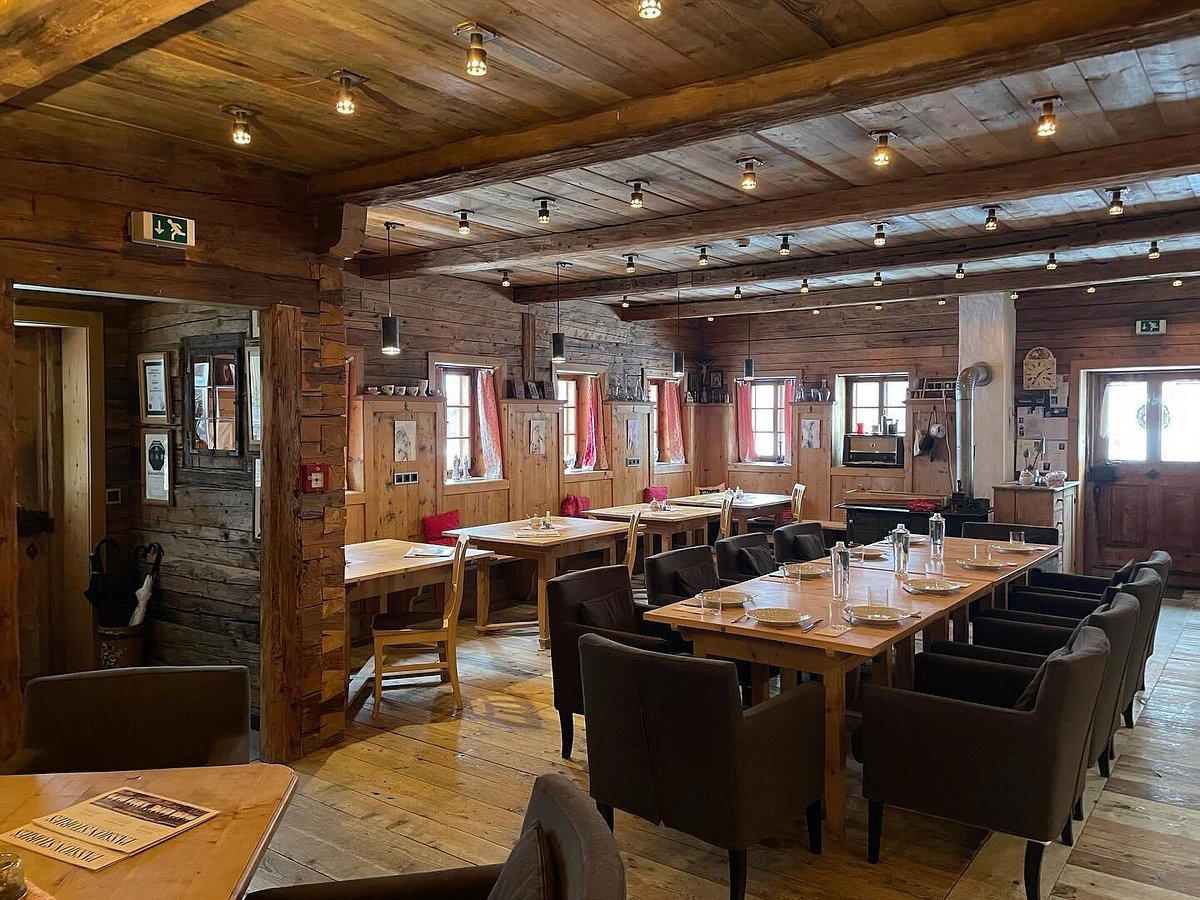
- Rustic
- Cozy
- Family
- Special Occasion
- Hotel Restaurant
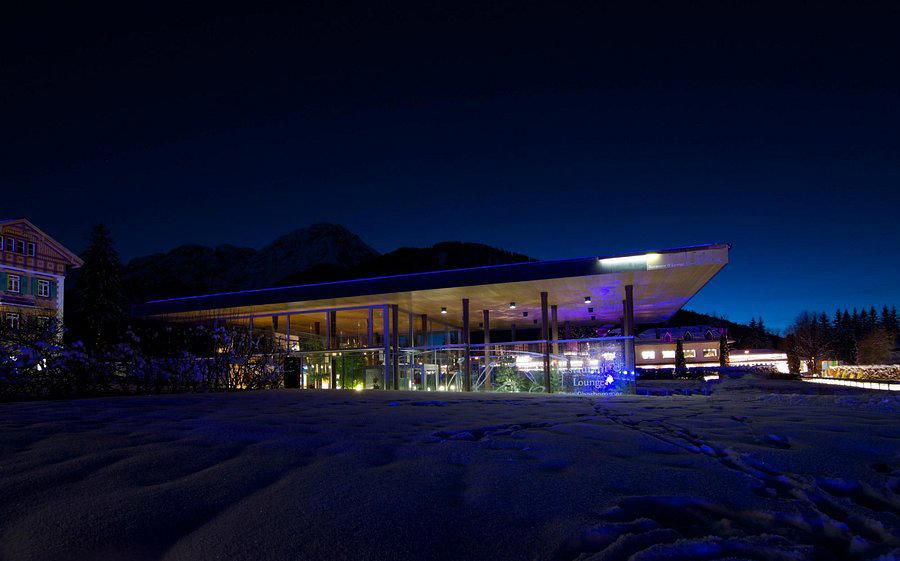
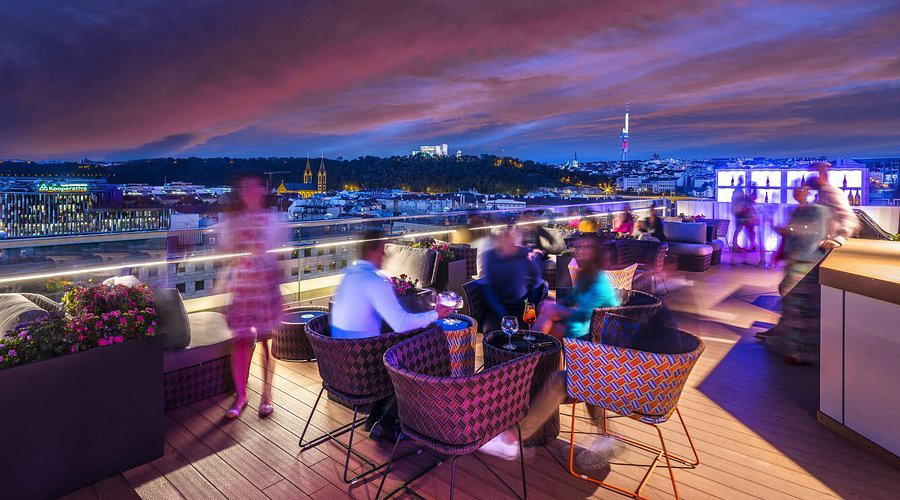
- Panoramic View
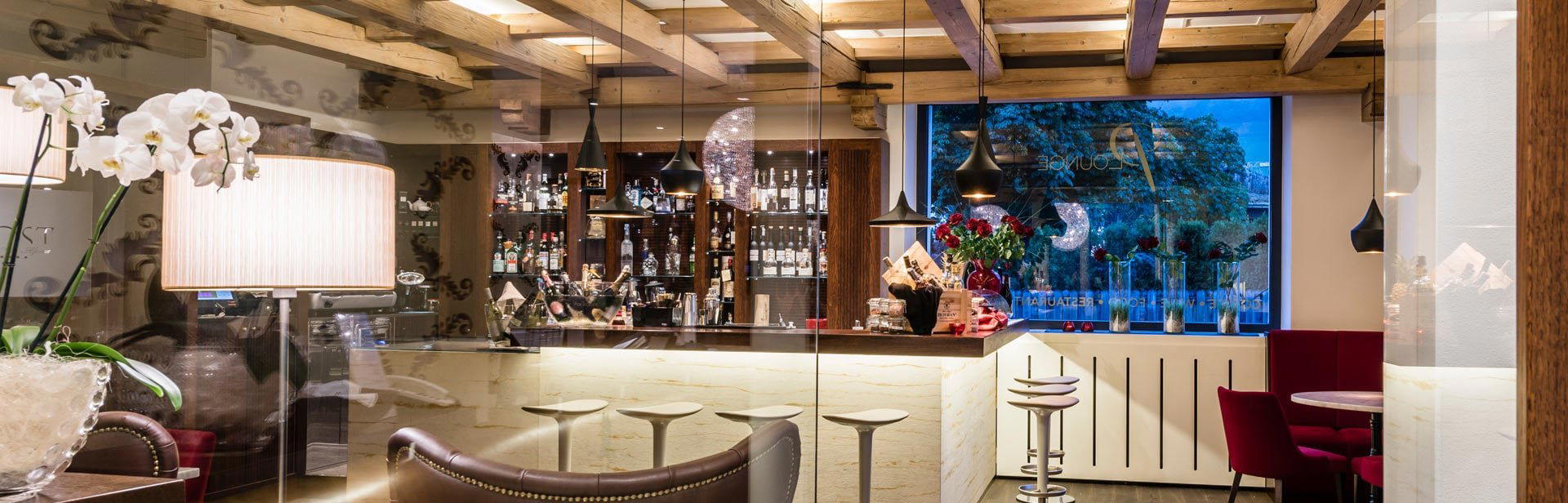
- Extensive Wine List
- Local Sourcing
- Organic
- Mountain
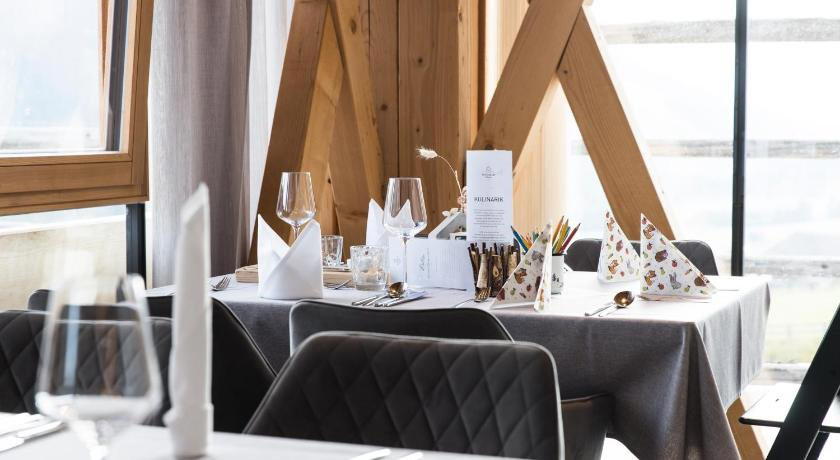
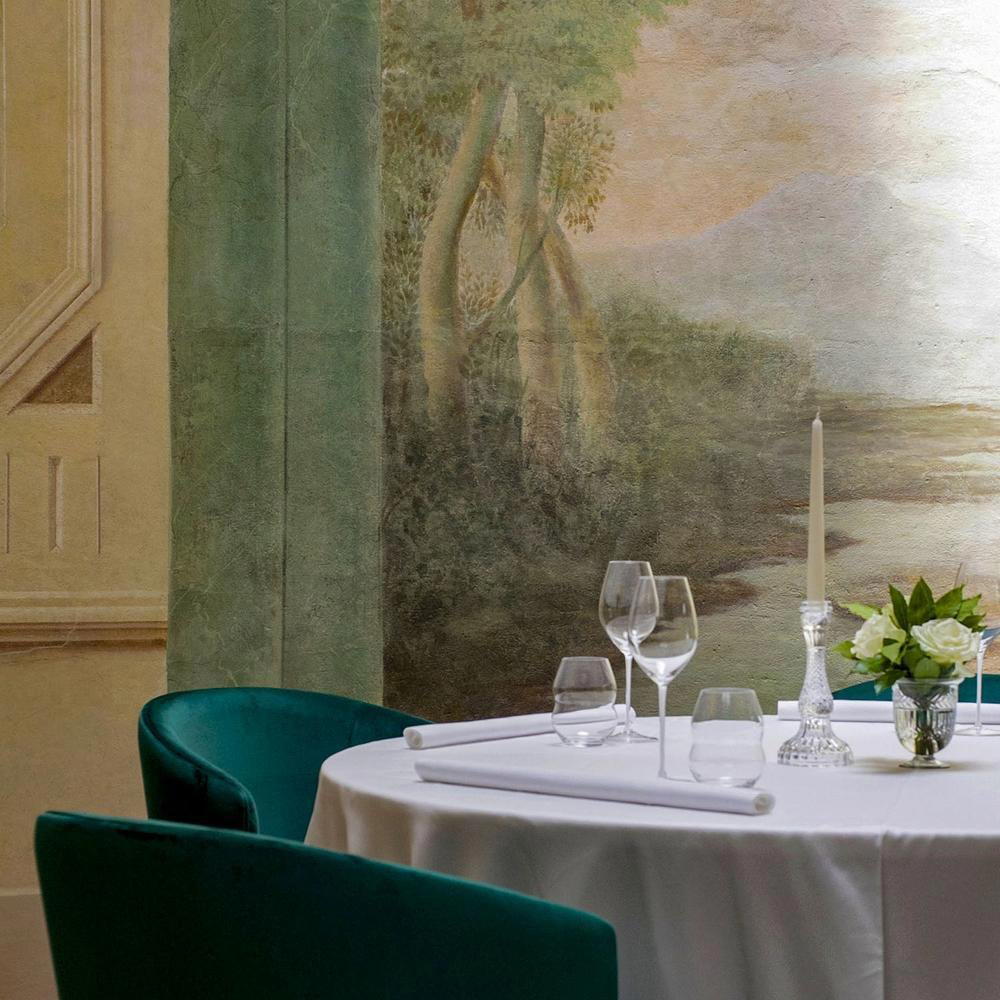
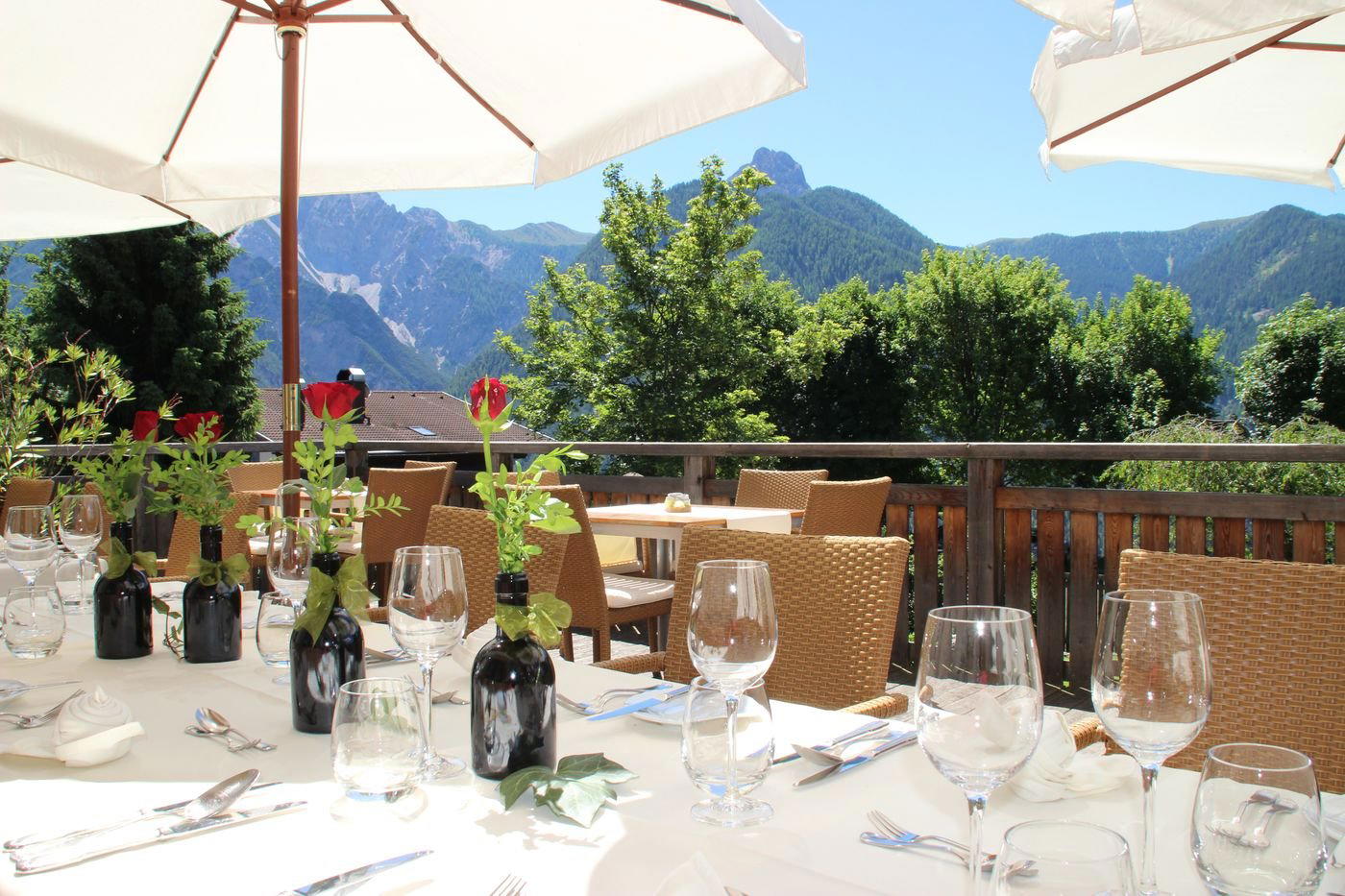
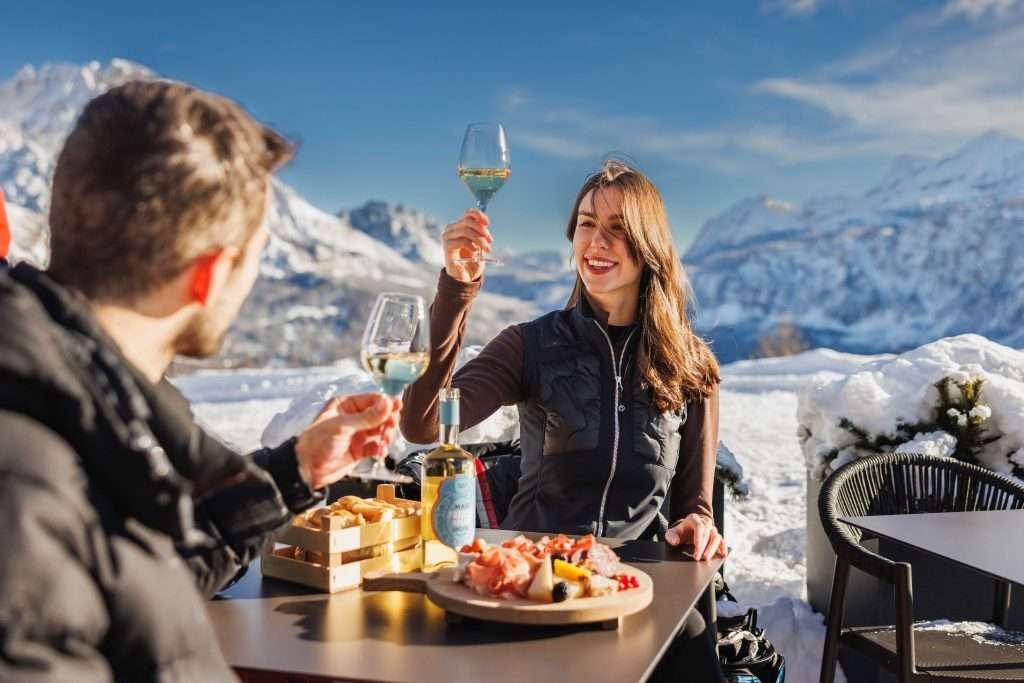
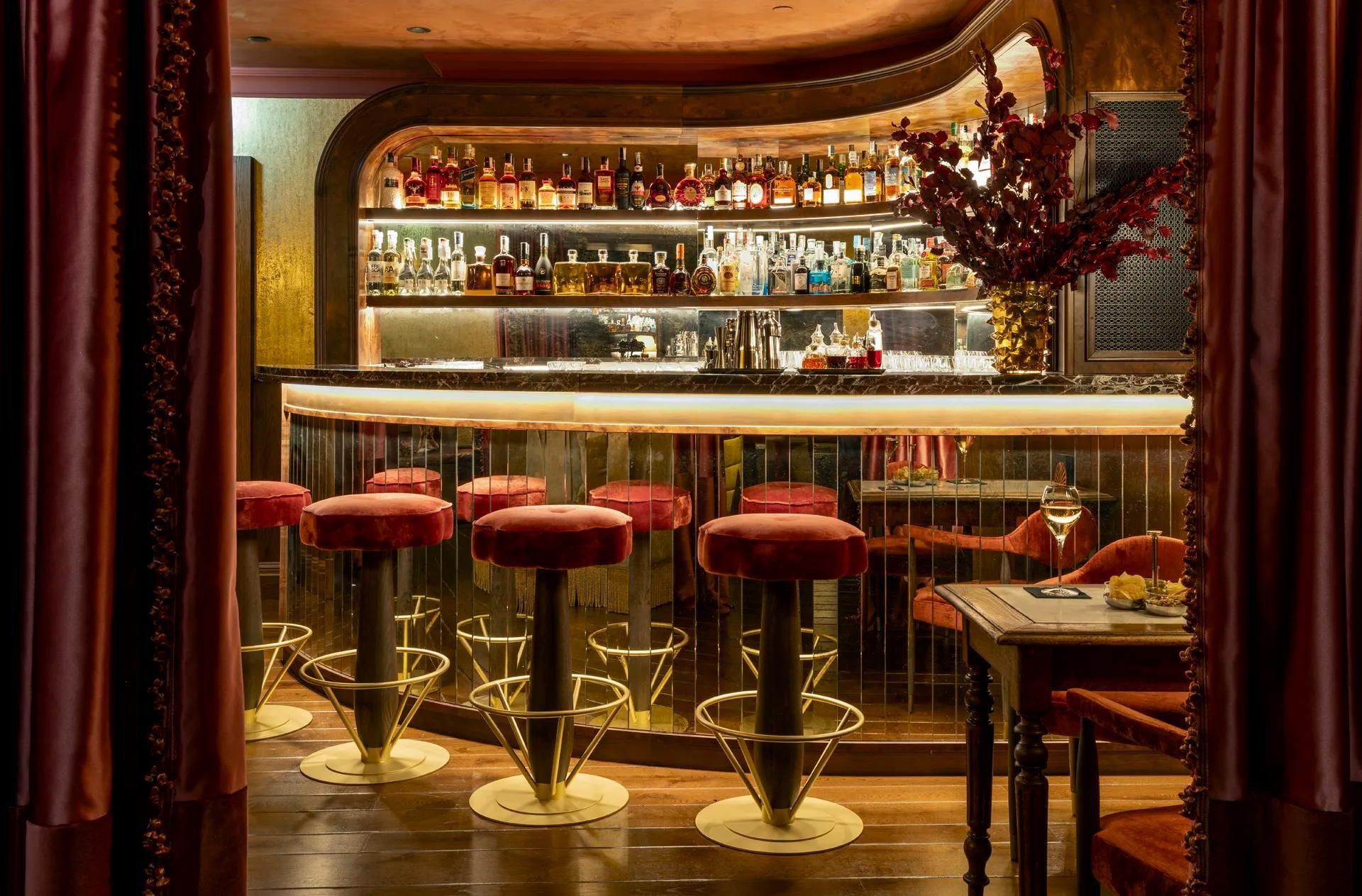
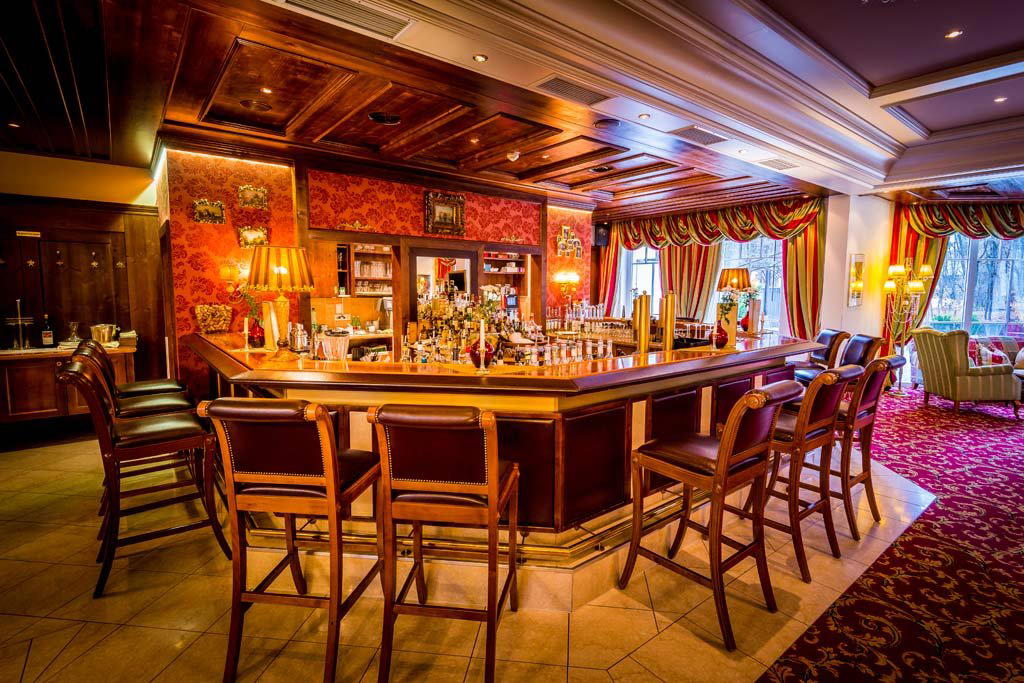
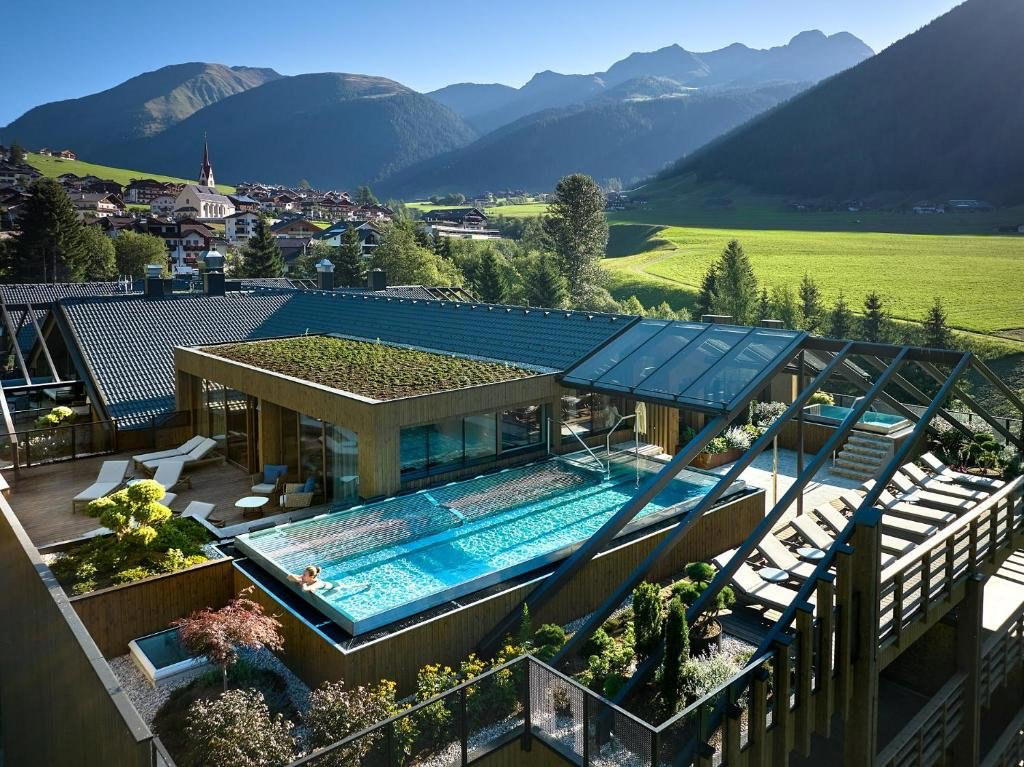
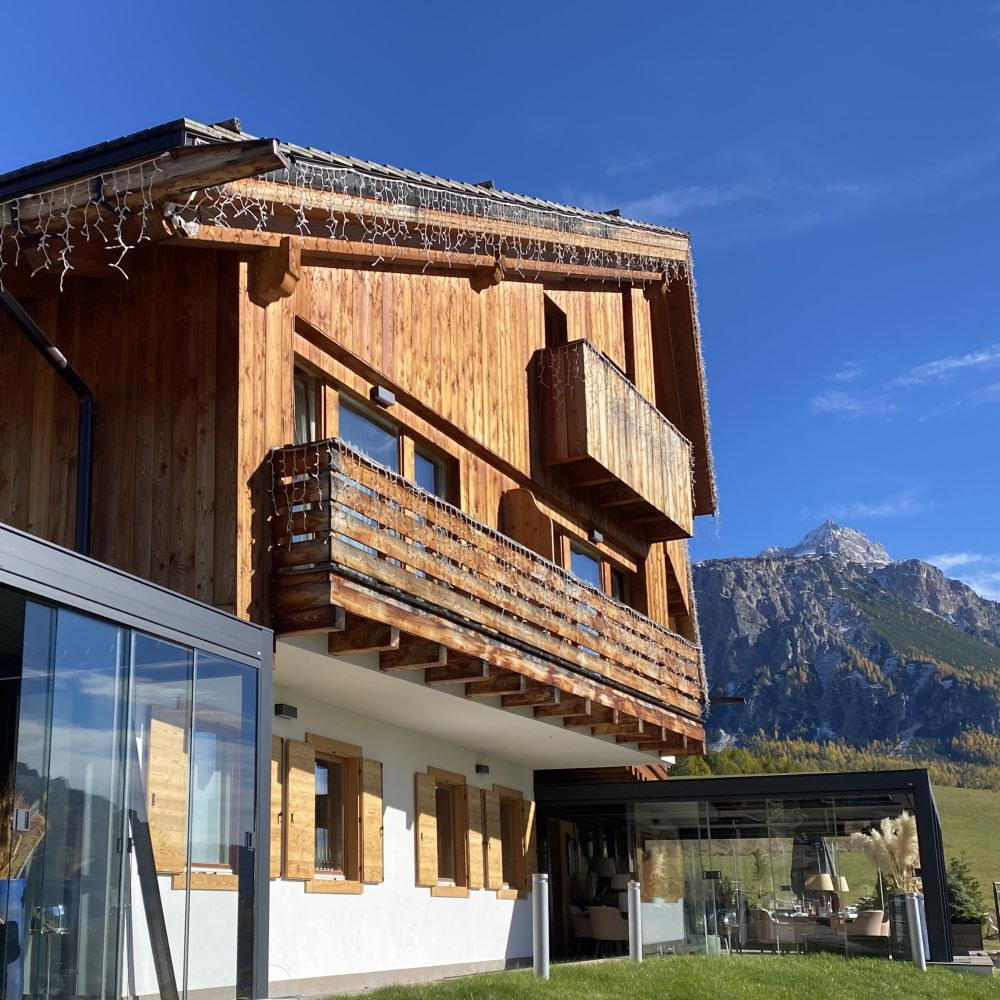
Traditional alpine, tranquil and nature-focused, with a quiet setting far from traffic and surrounded by mountain scenery.