Kotsu By Onomura
On Durango in Roma Norte, Kotsu By Onomura sits inside a neighbourhood where Japanese-inflected dining has found a serious foothold in Mexico City's broader culinary conversation. The wine program and kitchen approach place it alongside Roma's more considered mid-tier addresses, making it a reference point for visitors tracking the city's quieter, less-publicised dining circuit.
Pearl is the En Primeur Club membership app — saves, bookings, and concierge access live there. Same editors, same standards.
- Address
- Durango 193, Roma Nte., Cuauhtémoc, 06700 Ciudad de México, CDMX, Mexico
- Phone
- +525611684224
- Website
- onomura.com.mx
- Directions
- Get directions
 Saves & bookings on Pearl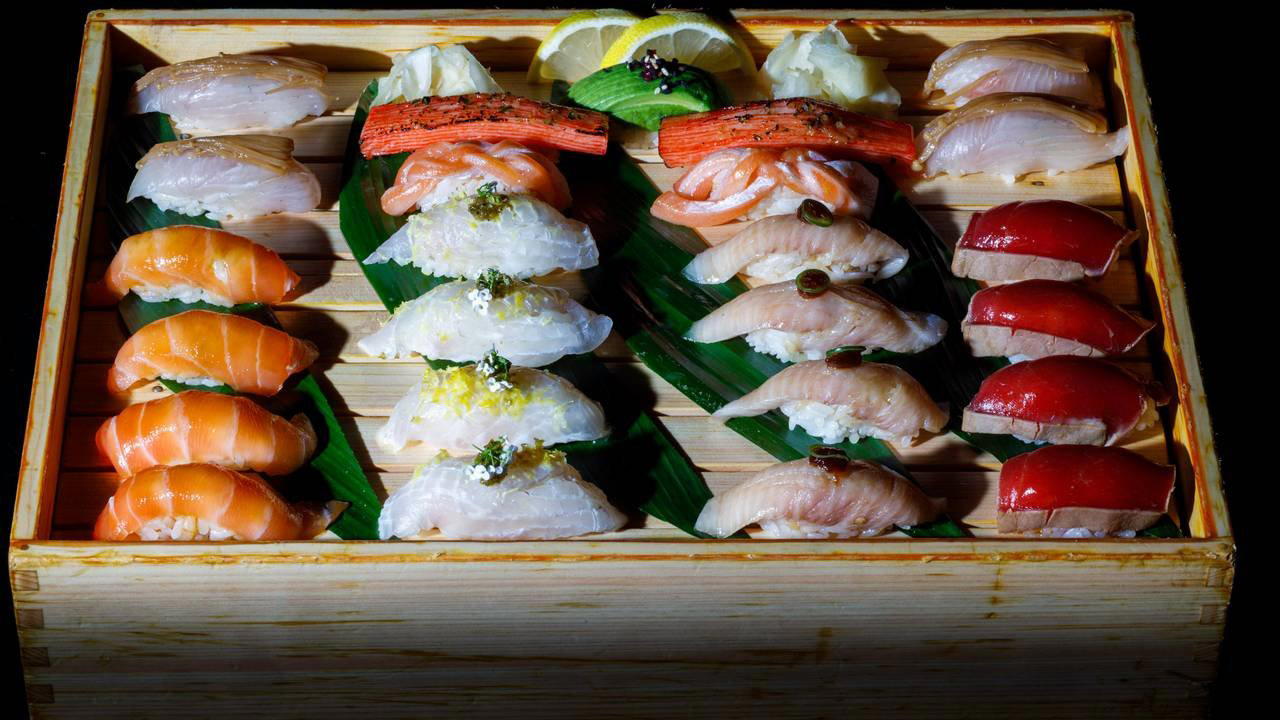
Roma Norte and the Quieter Register of Mexico City Dining
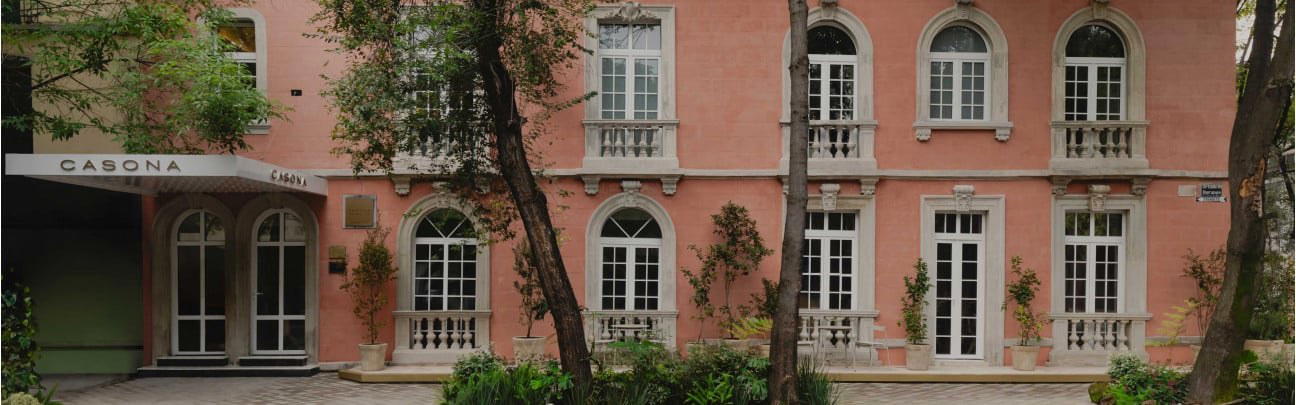
Roma Norte has spent the better part of a decade separating itself from the louder, reservation-war addresses further north in Polanco. The neighbourhood's dining character runs toward the considered rather than the spectacular: smaller rooms, shorter menus, wine lists that reward attention. Kotsu By Onomura, at Durango 193, arrives in that context. The address sits on one of Roma Norte's quieter residential stretches, where the street-level rhythm is slow enough that you notice a restaurant before you are pushed into it by foot traffic. That physical setting matters because it signals what kind of dining operation this is: one that depends on word-of-mouth and repeat visitors rather than passing trade.
Roma Norte is also where several of Mexico City's more interesting wine-forward addresses have taken root. The neighbourhood's relative affordability compared to Polanco has historically allowed operators to put more of their capital into the cellar and the kitchen rather than the fit-out. That trade-off has produced a tier of restaurants in this postcode where the glass program runs ahead of what the room's decor might lead you to expect. Kotsu By Onomura belongs to that category of address.
The Wine Program as a Positioning Statement
In Mexico City's premium dining tier, the wine list has become one of the more reliable signals of a restaurant's actual ambition. Venues like Pujol and Quintonil operate at the summit of that bracket, with cellars that have accumulated depth over years and sommeliers whose buying decisions reflect long relationships with importers. Below that tier, the split is sharper than it might appear from the outside: some restaurants treat wine as an afterthought, pricing bottles at multiples that suggest the list was assembled by a distributor rather than a palate, while others use curation as a genuine point of difference.
The Japanese-influenced dining category in Mexico City tends to place more emphasis on sake and spirits than on wine, which makes any wine-forward positioning within that space a deliberate choice rather than a default. A restaurant operating under a Japanese culinary frame that invests seriously in a wine program is making a cross-cultural statement about what the food can sit alongside. Whether that manifests in a focus on cool-climate bottles from Burgundy, natural producers from the Iberian Peninsula, or Mexican labels from Valle de Guadalupe and Ensenada, the curatorial logic tells you something about how the kitchen sees its own food.
For reference on how wine curation has evolved in the Mexican fine dining context, Animalón in Valle de Guadalupe represents the estate-anchored end of the spectrum, while Olivea Farm to Table in Ensenada reflects the farm-proximity model. City-based programs like those at Rosetta and Sud 777 demonstrate that a compelling cellar in a Mexico City context does not require proximity to a wine region; it requires buying discipline and a point of view.
Placing Kotsu By Onomura in the City's Japanese-Influenced Dining Circuit
Mexico City's Japanese-inflected restaurant scene has grown in depth and seriousness over the past several years, moving beyond the sushi-roll tier that dominated earlier iterations of the category. The addresses that have emerged as reference points tend to share a few characteristics: small rooms, focused menus, and an insistence on sourcing that mirrors the Japanese approach to ingredient specificity. This is a dining culture that values restraint and precision over abundance.
The restaurant enters a competitive set that includes some well-established Roma and Condesa addresses without the kind of Michelin or Latin America's 50 Best recognition that has attached to Em and the Polanco flagships. That positioning in the unranked-but-serious middle tier is not a weakness; it is where a significant amount of Mexico City's most interesting eating currently happens. The absence of a formal award record does not reduce the culinary seriousness of an address. It often signals that the restaurant is either too new, too small, or too focused on its immediate neighbourhood to have entered the awards circuit.
For those building a Mexico City itinerary around Japan-influenced or precision-focused cooking, the broader Mexican dining picture extends well beyond the capital. Le Chique in Puerto Morelos and HA' in Playa del Carmen represent the Yucatan Peninsula's contribution to technically driven Mexican dining. In the north, KOLI Cocina de Origen in Monterrey and Pangea in San Pedro Garza Garcia anchor a different regional tradition. Levadura de Olla in Oaxaca, Alcalde in Guadalajara, and Huniik in Merida round out a national picture in which the capital is one node among many rather than the only address worth tracking.
For comparison at the high end of the international Japanese-influenced dining category, Atomix in New York City illustrates what a fully realised tasting-menu format in a Korean-Japanese register can achieve at the awards level. Le Bernardin in New York City offers a related data point on how a seafood-focused kitchen builds institutional recognition over decades. Lunario in El Porvenir is worth noting for those interested in how wine-forward operations function in the Mexican context at a remove from the city.
Planning a Visit
The restaurant is located at Durango 193 in Roma Norte, a postcode well served by public transport and walkable from a large portion of the neighbourhood's hotels. Roma Norte restaurants in this tier tend to fill midweek as well as on weekends, particularly as Mexico City's domestic dining culture has expanded its reference set beyond the traditional Thursday-to-Sunday peak. Reservations are essential.
- Omakase 24 Nigiris
- Lobster Soup
- Ikura Nigiri
- Tuna Tostada
- Sea Bass Ceviche
- Enoki Mushroom Nigiri
- Salmon Aburi
- Wagyu Beef Bites
Quick Comparison
Comparable venues nearby, for context on price, style, and recognition.
| Venue | Cuisine | Price | Notes |
|---|---|---|---|
| Kotsu By OnomuraThis venue — the venue you are viewing | Mexican-Japanese Omakase | $$$$ | Not listed |
| Onomura Santa Fe | Japanese Nigiri Room | $$$$ | Centro Comercial Santa Fe |
| Tatsugoro | Edomae Omakase | $$$$ | Nva Anzures |
| Suntory Lomas | Premium Japanese Teppanyaki and Sushi | $$$$ | Del Bosque |
| Tori Tori | Modern Japanese Sushi | $$$$ | San Ángel Inn |
| Ginza Cráter | Japanese Sushi Bar | $$$ | Pedregal de San Jeronimo |
Continue exploring
More in Mexico City
Restaurants in Mexico City
Browse all →
Bars in Mexico City
Browse all →

At a Glance
- Elegant
- Sophisticated
- Intimate
- Modern
- Special Occasion
- Date Night
- Celebration
- Chefs Counter
- Open Kitchen
- Design Destination
- Sake Program
- Extensive Wine List
- Sommelier Led
- Local Sourcing
- Sustainable Seafood
Current opening hours
- Monday
- 1–11 PM
- Tuesday
- 1 PM–12 AM
- Wednesday
- 1 PM–12 AM
- Thursday
- 1 PM–1 AM
- Friday
- 1 PM–1 AM
- Saturday
- 1 PM–1 AM
- Sunday
- 1–10 PM
Hours can change for holidays and private events. Last verified .
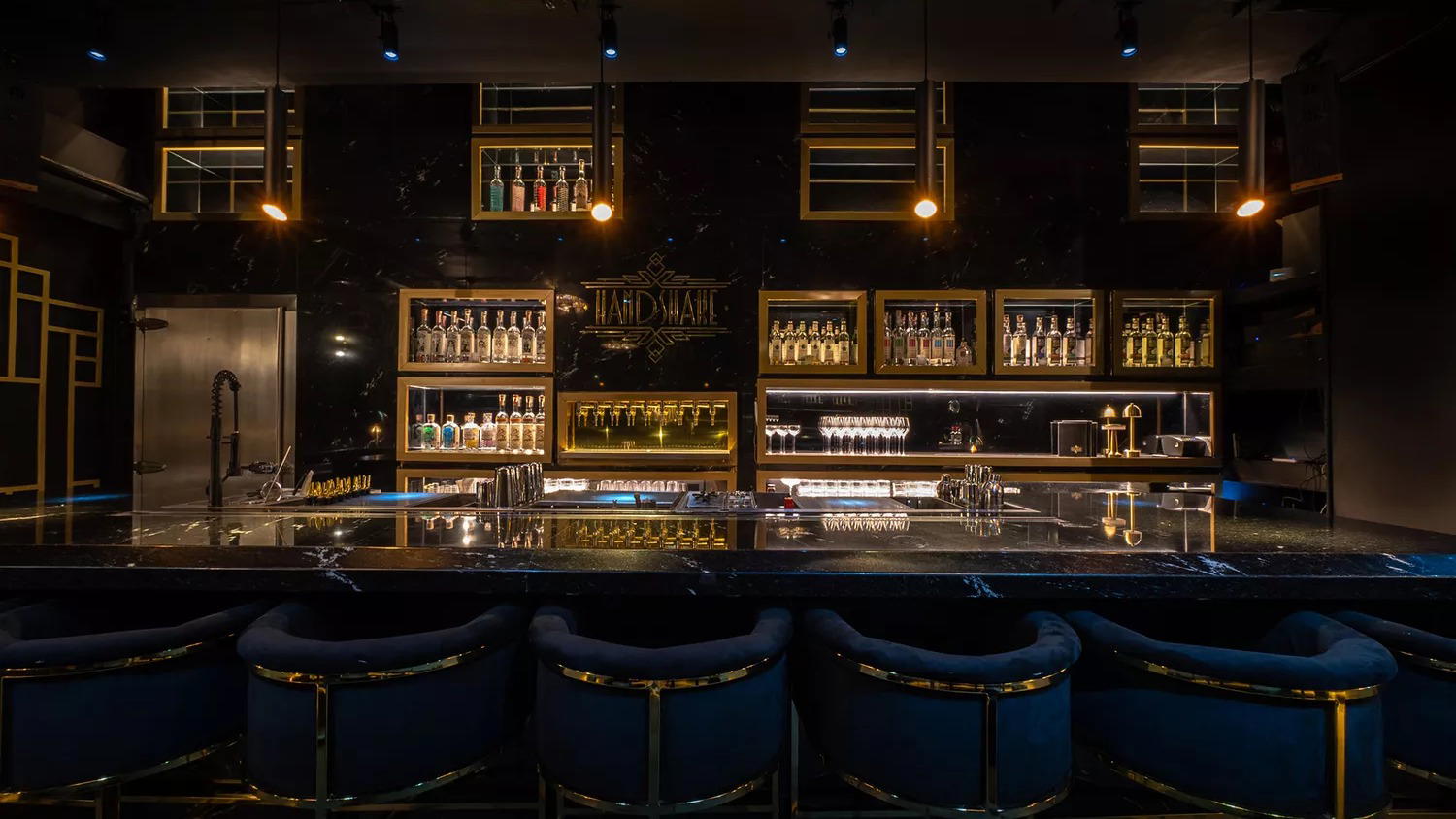
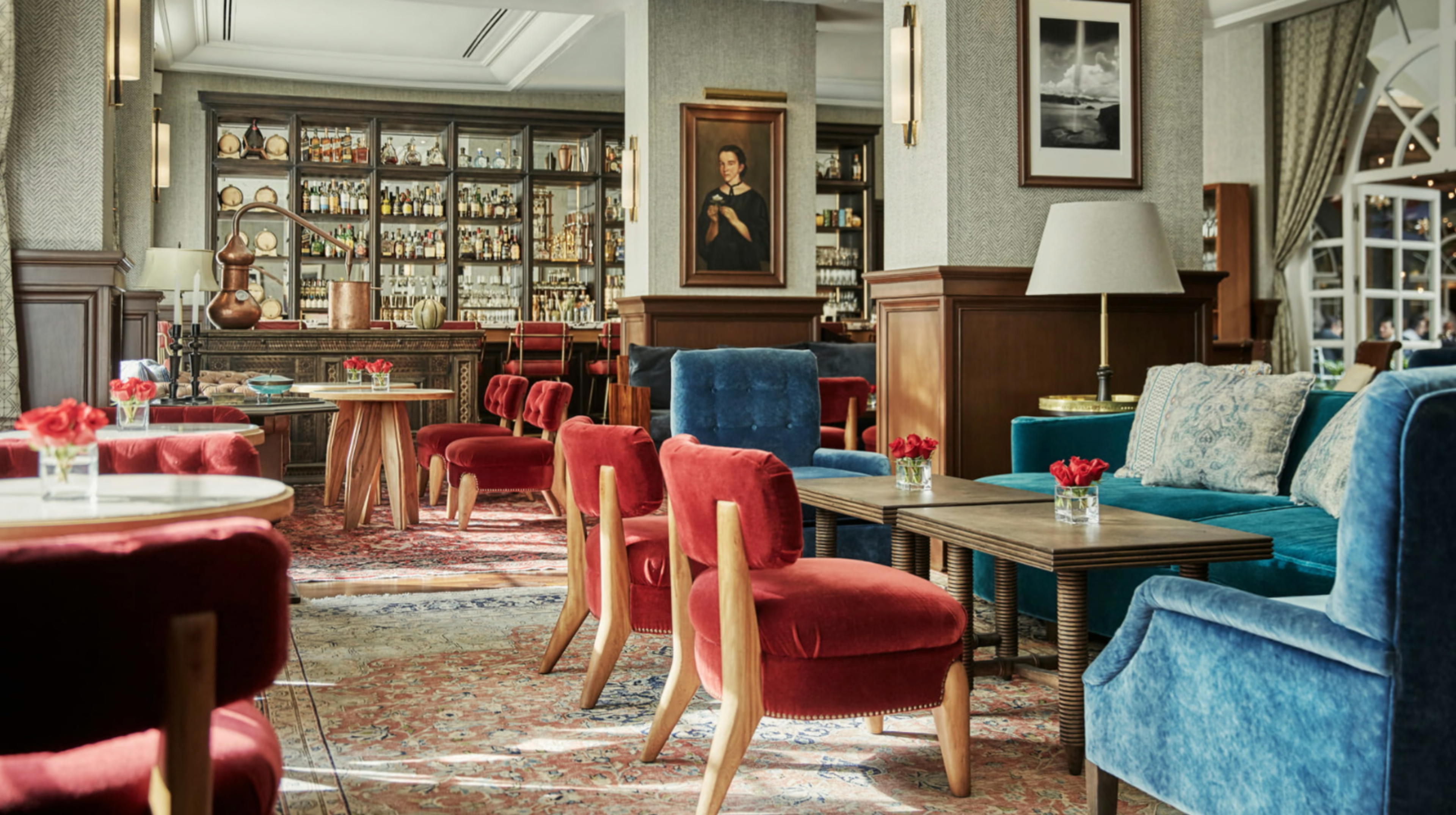
Spectacular, comfortable, and exclusive atmosphere with personalized, professional service in a refined setting designed for high-end culinary experiences.