Köşebaşı Kuşadası sits on Gazi Beğendi Sokak in the Türkmen quarter, operating within the Köşebaşı group's long tradition of Anatolian grill cooking. For Kuşadası, a port town where dining ranges from tourist-facing fish restaurants to serious neighbourhood tables, this address represents the latter category, with sourcing and technique rooted in the broader Turkish ocakbaşı tradition.
- Address
- Türkmen, Gazi Beğendi Sk. No
- Phone
- +905330123570
- Website
- kosebasi.com
- Directions
- Get directions
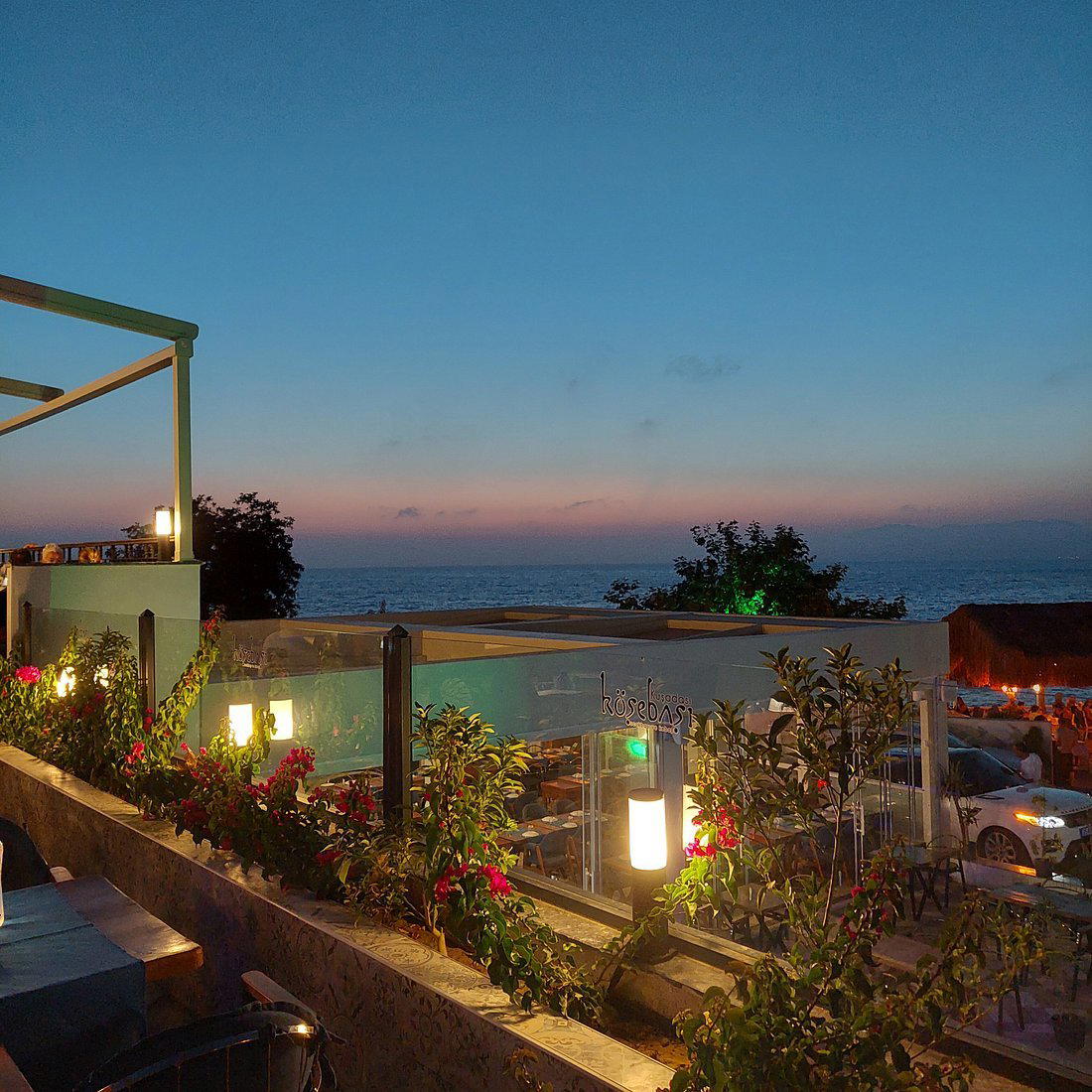
Grill Tradition on the Aegean Coast
Kuşadası is not a city that announces its serious dining quietly. The port draws cruise traffic for much of the year, and the restaurant scene along the waterfront reflects that: abundant fish, fast service, and menus translated into four languages. Move inland, into the Türkmen quarter, and the character shifts. On Gazi Beğendi Sokak, the cooking gravitates toward what the Anatolian interior has always done with fire and meat. Köşebaşı Kuşadası operates within that context, carrying the name of a group with a documented track record in ocakbaşı-style grill cooking, a tradition where the sourcing of the animal and the temperature management of the charcoal matter as much as the seasoning.
What the Ocakbaşı Format Demands of Its Ingredients
The ocakbaşı counter, where the grill is positioned at the centre of the room and guests sit facing it, imposes a discipline that most other restaurant formats do not. There is nowhere for technique to hide: every cut of meat is scrutinised in proximity, and any weakness in sourcing reads directly onto the plate. The Turkish grill tradition at this level operates with lamb and beef that comes from specific regional supply lines, often hill-raised animals from the Aegean interior or central Anatolia where grazing conditions produce leaner, more flavourful muscle tissue. The adana kebab, the beyti, the pirzola chops, these are not dishes that benefit from industrial protein; they depend on the source animal's breed, feed, and slaughter age in ways that are immediately perceptible.
This sourcing-forward approach to Anatolian grill cooking is precisely what separates the format from the generic kebab restaurant. Venues across the Turkish grill spectrum that have earned sustained reputation, whether in Istanbul's restaurant scene with addresses like Dürümzade in Beyoglu or regional institutions such as Kısmet Etliekmek ve Lahmacun Salonu in Karaman, have done so by maintaining supply relationships that prioritise provenance over cost efficiency. The Köşebaşı group operates within that same logic.
The Aegean Supply Chain and What It Adds
Kuşadası's geography is an advantage for any kitchen that wants to source seriously. The Aegean hinterland, including the fertile valleys around Selçuk and the agricultural plains stretching toward Aydın, produces olive oil, fresh herbs, vegetables, and dairy at a quality that Istanbul restaurants spend considerable effort importing. A grill-focused kitchen in this location has direct access to ingredients that kitchens in metropolitan centres approach with more difficulty and greater cost. The meze that precede the grill at this style of table, haydari, patlıcan salatası, acılı ezme, are only as good as the yoghurt, the aubergines, and the tomatoes that compose them, and proximity to the source matters.
This regional supply advantage puts Kuşadası in an interesting position relative to Bodrum and Izmir, the two dominant Aegean dining destinations. Bodrum's premium dining, represented by addresses like Maçakızı, skews toward refined coastal cooking with international reference points. Izmir's scene, which includes thoughtful local-produce work at places like Narımor, operates at a more urban register. Kuşadası sits between those poles, and its grill tradition is more accessible for a visitor who wants direct contact with Anatolian protein cooking rather than a refined Mediterranean interpretation of it.
Placing Köşebaşı Within the National Grill Conversation
Turkey's contemporary fine-dining conversation has moved in the direction of recontextualised Ottoman and Anatolian ingredients, the territory that Turk Fatih Tutak in Istanbul works through at stronger examples from the market, and that Asitane in Fatih approaches through documented historical recipes. But the ocakbaşı format occupies a different and more stable position in Turkish food culture: it is the format that middle-class Turkish families return to for celebrations and gatherings, and its quality ceiling is set by the sourcing relationships a restaurant maintains over years, not by seasonal menu reinvention.
The Köşebaşı name has operated across multiple locations, establishing a group identity rooted in consistent grill execution. That consistency across locations is a different kind of credential from the single-chef, single-restaurant prestige that drives the upper tier of Istanbul dining. It signals operational discipline and supply chain management rather than creative authorship. For a port city like Kuşadası, where tourist volumes create constant pressure toward the lowest common denominator, a venue operating within a group framework with established sourcing standards represents a meaningful reference point. Compare this to how Konya Kebap Evi in Selcuklu anchors its regional credibility through a single-format, single-location approach, both are valid models; they serve different markets and different expectations.
Turkey's grill tradition also benefits from the country's cattle and sheep farming diversity. Southeastern Anatolian lamb, which forms the backbone of adana-style kebabs, differs markedly from the lighter Aegean lamb often used in coastal preparations. A kitchen that sources deliberately will generally specify its regional origin; one that sources opportunistically will not. This distinction is not visible on a menu but is legible on the plate to anyone who has eaten widely across the format. Venues like Bayramoğlu Döner in Beykoz and Hiç Lokanta in Urla represent regional specificity in related formats; the same principle applies at the charcoal grill level.
Planning a Visit
Köşebaşı Kuşadası is located on Gazi Beğendi Sokak in the Türkmen neighbourhood, which places it away from the port-facing tourist strip, a practical consideration for visitors arriving by cruise who are working with limited time. The Türkmen quarter is walkable from the central marina area, though the distance removes it from the immediate waterfront cluster. For other addresses in the area worth considering alongside or instead, Bottarga restaurant represents a different register of Kuşadası dining, skewing toward the Aegean fish tradition rather than the Anatolian grill. Köşebaşı Kuşadası is recommended for reservations and sits in price tier 3, with an average spend of about $25 per person.
For readers building a broader Turkish itinerary, context from the grill tradition extends across regional formats: Ciğerci Mahmut in Adana and Kocak Baklava in Gaziantep anchor the southeastern end of Turkish fire-and-grain cooking, while Kartepe Organic Foods in Kartepe and Casa Lavanda in Sile work through the produce-first approach that connects to the sourcing principles the Aegean grill tradition values. For comparison at the farthest end of the global dining spectrum, the sourcing rigour applied at Le Bernardin in New York City and the ingredient-level precision at Atomix in New York City are instructive parallels, different cuisines, same underlying logic about what provenance does to the final plate. Similarly, Kritikos Meyhane in Mudanya offers a useful Aegean comparison point for anyone mapping the broader regional meze and grill tradition.
In Context: Similar Options
Comparable venues nearby, for context on price, style, and recognition.
| Venue | Cuisine | Price | Notes |
|---|---|---|---|
| Köşebaşı KuşadasıThis venue — the venue you are viewing | Traditional Turkish Kebap | $$$ | Not listed |
| Bottarga restaurant | Fresh Seafood Small Plates | $$$ | Turkmen Mah. |
| Morisi Kahvaltı Bostanlı | Turkish Regional Breakfast | $$ | Bostanlı |
| Kuyum Pide Salonu | Traditional Turkish Pide | $$ | Konak |
| Adil Müftüoğlu | Traditional Turkish Lokanta | $$ | Korutürk |
| Kokorecci Asim Usta | Traditional Turkish Street Food - Kokorec | $$ | Bornova |
At a Glance
- Modern
- Elegant
- Cozy
- Date Night
- Group Dining
- Special Occasion
- Waterfront
- Waterfront
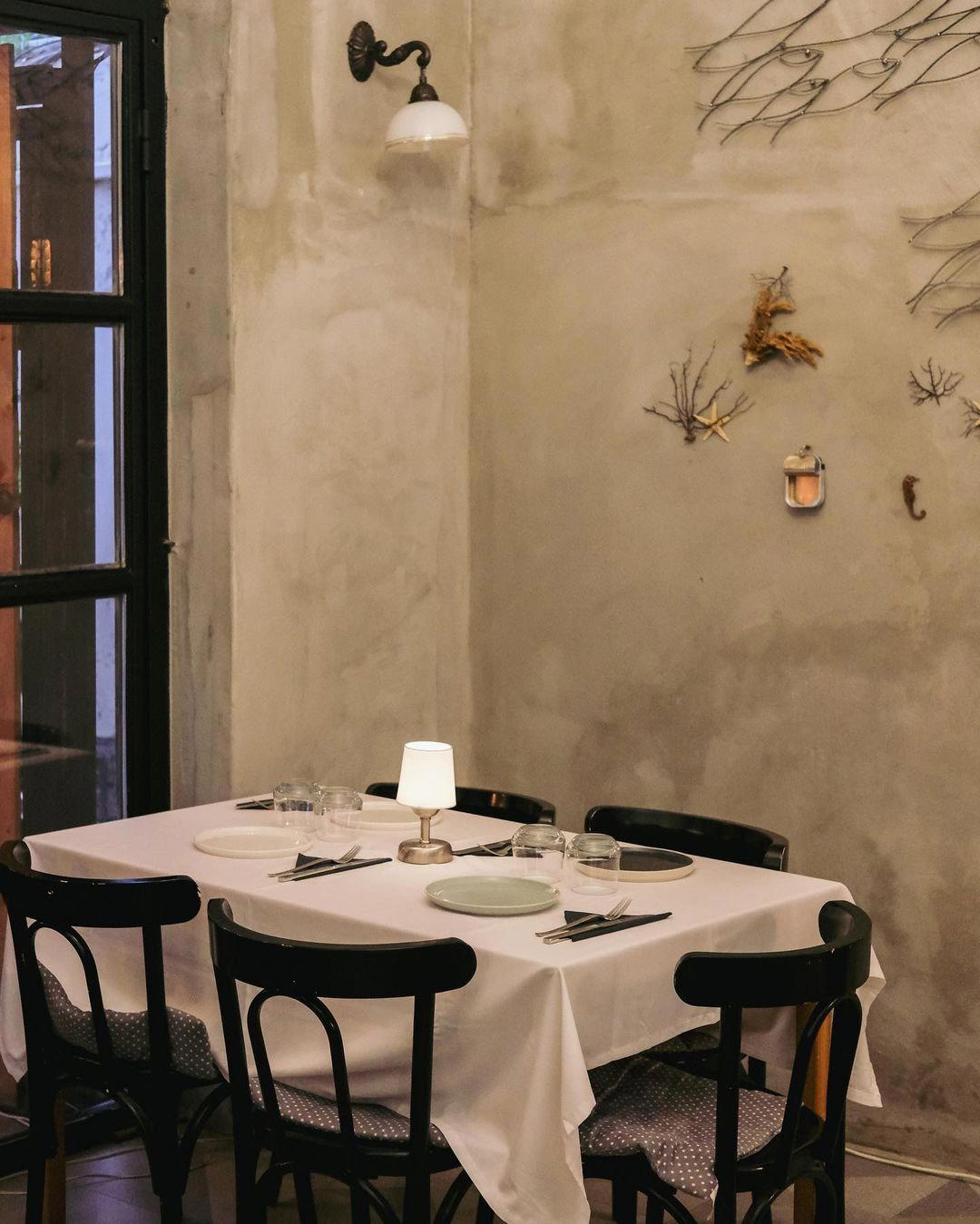
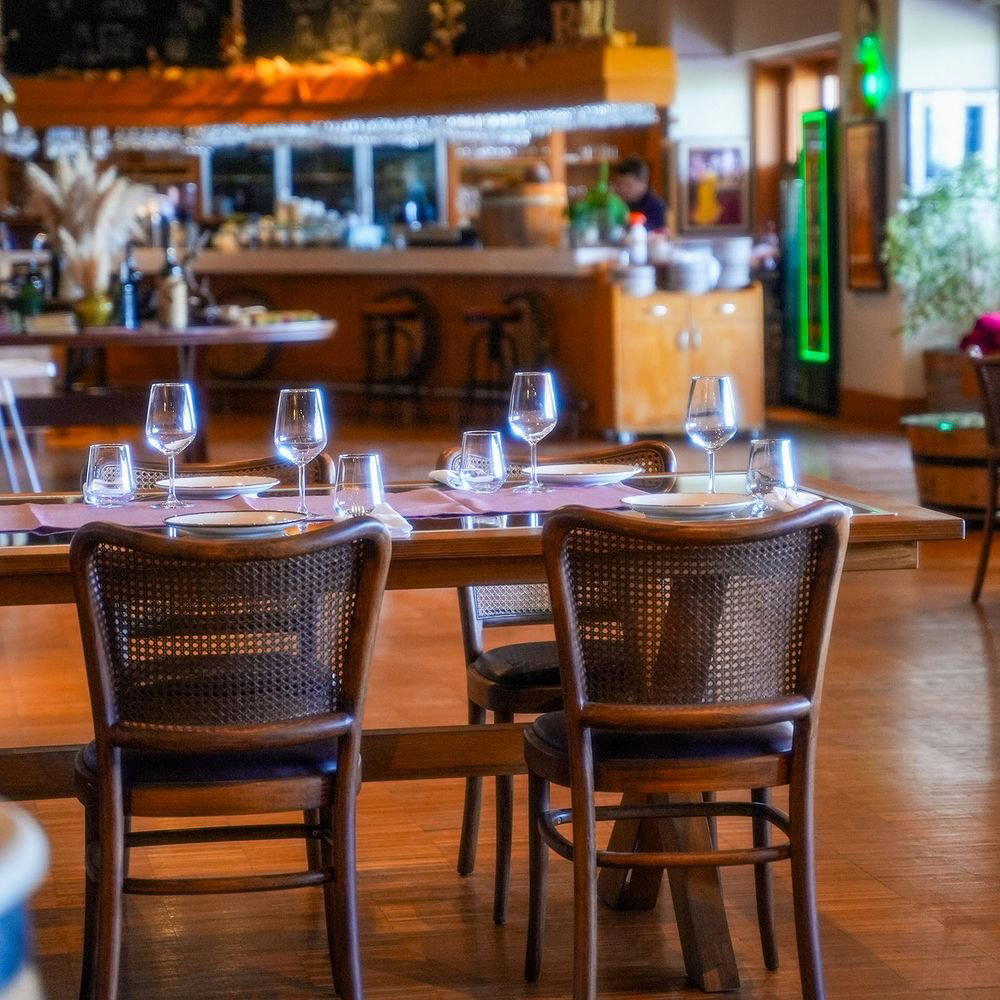
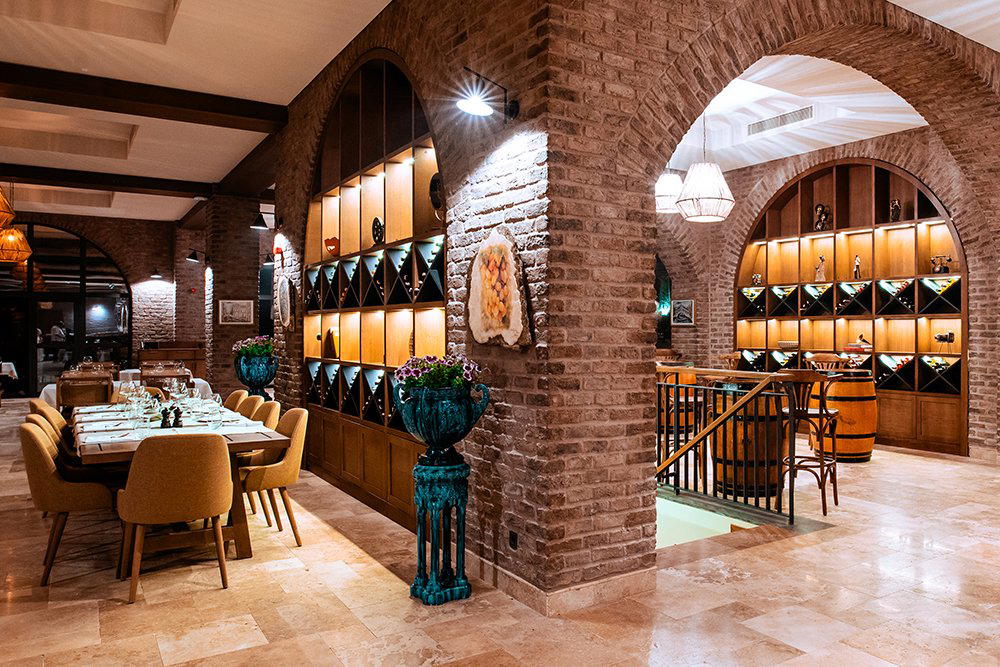
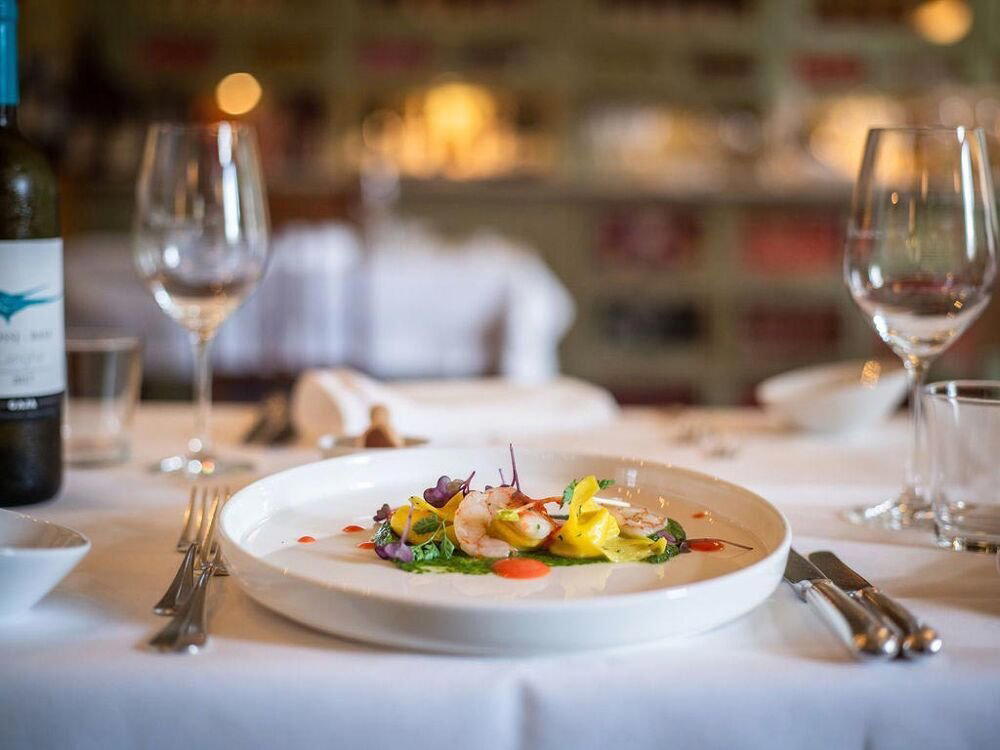
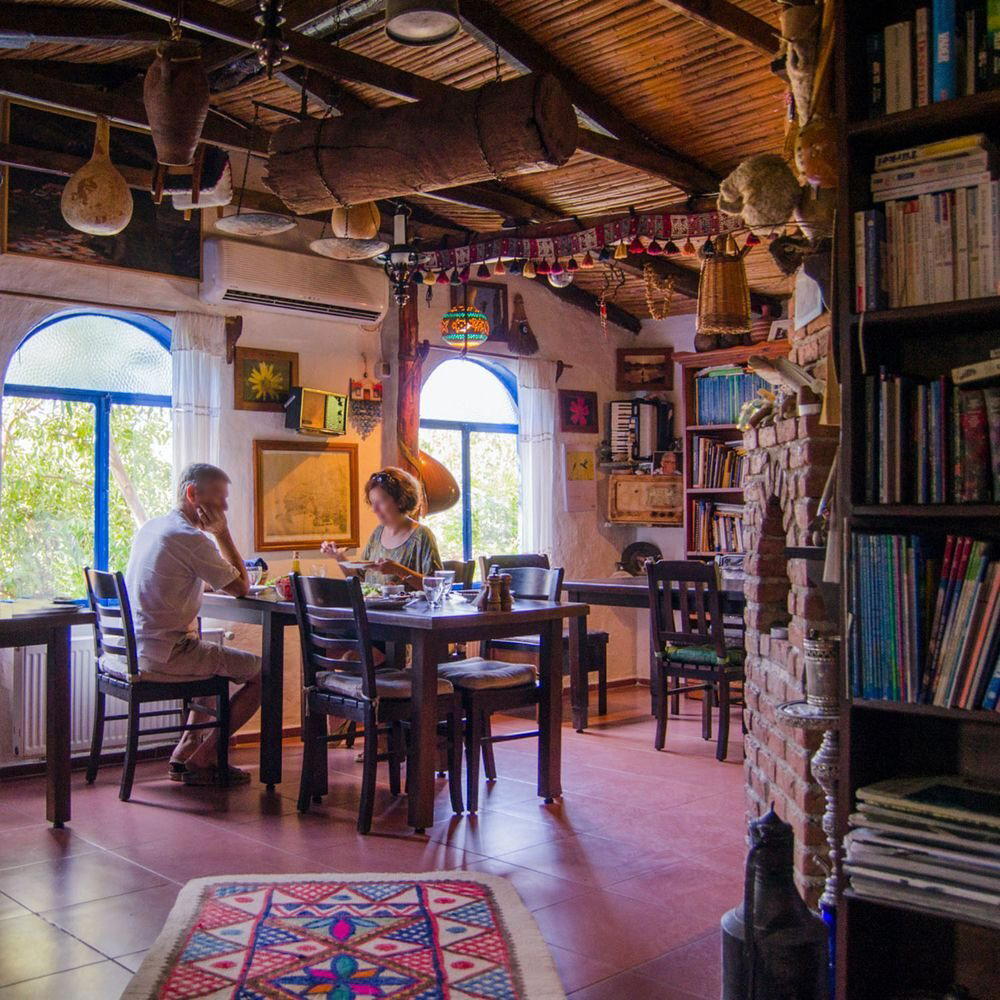
Warm, private, and modern with outstanding water views in a quiet setting.