Mamula Island by Banyan Tree



A 19th-century Austro-Hungarian fortress on a private island in Montenegro's UNESCO-listed Boka Bay, Mamula Island by Banyan Tree compresses 32 rooms, three restaurants, four bars, and a spa into battlements that once served military purpose. The architecture is the experience: thick stone walls, open courtyards, and sea in every direction frame a property with no off-switch between heritage and hospitality.
Pearl is the En Primeur Club membership app — saves, bookings, and concierge access live there. Same editors, same standards.
- Address
- Mamula Island
- Phone
- +382 67 166 814
- Website
- all.accor.com
- Directions
- Get directions
 Saves & bookings on Pearl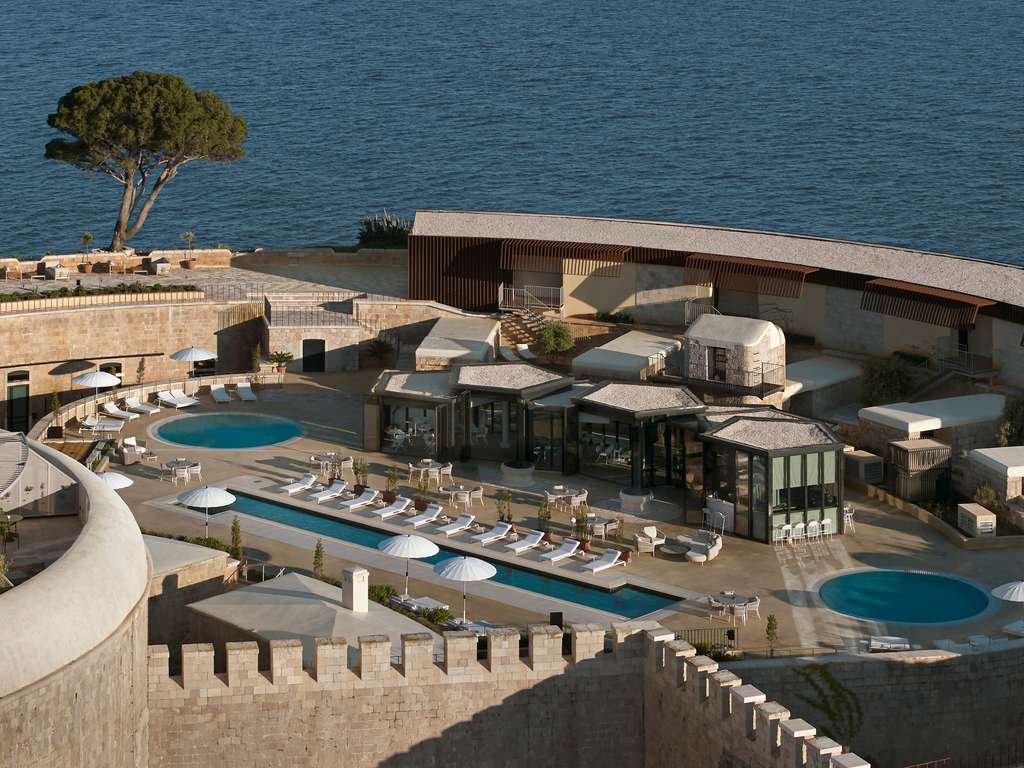
A Fortress in the Adriatic, Converted With Intent
The approach to Mamula Island sets the register immediately. There is no road, no lobby driveway, no gradual arrival through a garden. You come by boat across the blue-green water of Boka Bay, and the island resolves from a shape on the horizon into a circular 19th-century Austro-Hungarian fortification, its stone walls rising directly from the sea. This is one of the more architecturally arresting hotel arrivals in the Adriatic region, and it earns that description through sheer specificity: the fort was built in 1853, the water around it is the same water that surrounds it today, and the conversion has preserved enough of the military skeleton that the building still reads as a fort before it reads as a hotel.
That tension between original function and contemporary hospitality is what distinguishes Mamula Island by Banyan Tree within Montenegro's upper tier of resort properties. Properties like Aman Sveti Stefan and Portonovi Resort in Herceg Novi represent the coastal-luxury model built around villas, beach access, and manicured grounds. Mamula operates differently: the island itself is the enclosure. The sea is not a view amenity added to the design, it is the condition of being there at all.
The Architecture of Enclosure
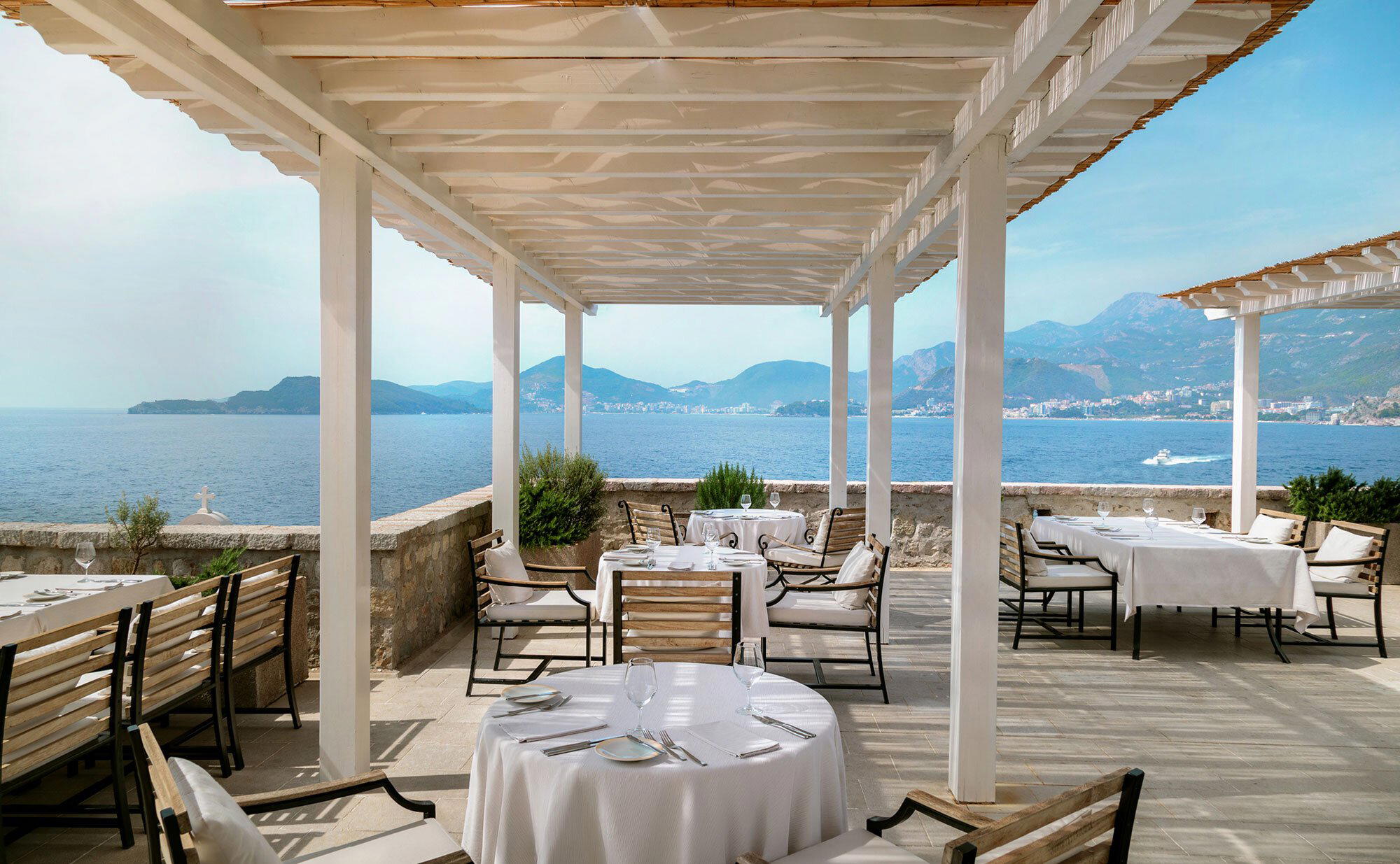
The fort's circular plan is the organizing logic of the hotel. Rooms, restaurants, bars, and social spaces are arranged around the central courtyard, which is anchored by what the property calls the Courtyard Tree, a single mature specimen that gives the interior its sense of scale and age. The stone walls that once housed a garrison now hold 32 rooms, and that count matters: 32 rooms on a private island in a UNESCO World Heritage Site means the property is structurally prevented from becoming high-volume. The architecture enforces a density ceiling that many mainland resorts achieve only through pricing.
The restoration approach sits within a broader pattern visible across adaptive reuse projects in the Mediterranean and Adriatic, from converted palazzi in Venice to fortified masserie in Puglia. What the leading of these conversions share is a willingness to let the original structure set the terms. At Mamula, thick walls mean narrow corridors and irregular room geometries. Open ramparts become terraces. Former gun emplacements become the Sun Deck. The building's military logic is still legible, and that legibility is the design's strongest asset. Compare this to properties like Castello di Reschio in Umbria, where a medieval fortified estate has been converted with similar structural honesty, or Aman Venice, which occupies a 16th-century palazzo and lets the original architecture set the spatial terms for the hotel experience.
Sea, Sky, and the Logic of Isolation
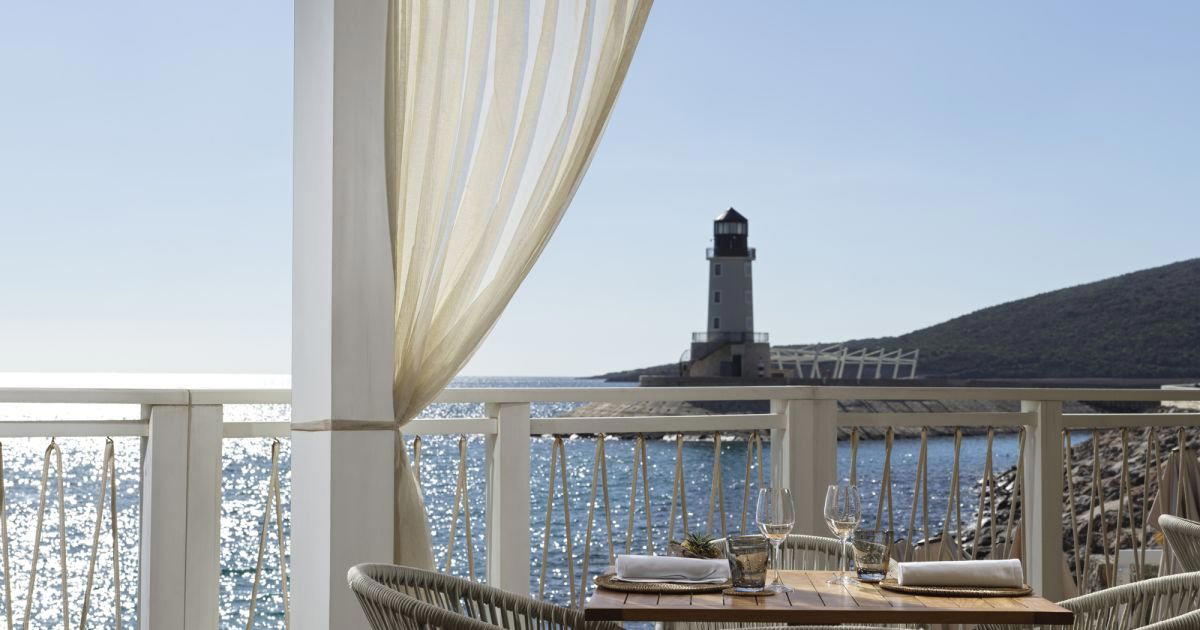
Boka Bay holds UNESCO World Heritage status as part of the Natural and Culturo-Historical Region of Kotor, and the bay's enclosed geography creates conditions unlike the open Adriatic coastline to the south. The water is calmer, the light different, the surrounding mountains closer and more present. Mamula Island sits at the bay's mouth, which means it catches both the sheltered quality of the bay and the open-water exposure of the Adriatic beyond. The property has three pools and direct sea access, but the more defining feature of being there is the 360-degree water horizon. There is no landward orientation to retreat to.
This isolation is the experience's core proposition, and it places Mamula in a small international category of island-only properties where removal from the mainland is not incidental but structural. Amangiri in Canyon Point operates on analogous logic in the Utah desert: the terrain is the enclosure, the remoteness is deliberate, and the design responds to the specific conditions of the site rather than importing a generic luxury template. At Mamula, the fort walls and the surrounding sea create the same effect through entirely different means.
Programming and Cultural Anchoring
The property runs events designed to engage guests with Montenegrin artists and makers. This positions Mamula within a programming model that higher-end independent properties have adopted increasingly across the past decade: rather than treating culture as a day-trip option, it is scheduled into the property's own calendar. Local food, local artistry, and local knowledge become part of the on-site offer rather than something guests need to seek off-property.
Montenegro itself rewards exploration from this base. The walled city of Kotor is a short boat ride across the bay, and the surrounding region offers everything from Lovćen National Park to the Montenegrin coast south toward Budva. Properties like Dukley Hotel and Resort in Budva, Ananti Resort in Reževići, and Regent Porto Montenegro in Tivat offer alternative bases for the Montenegrin coast, each with different orientations toward marina life, beach access, or resort scale. Mamula's distinction within that comparable set is its structural separation from the mainland and its heritage architecture. See our full Mamula restaurants guide for additional context on dining options in the region.
The Three Restaurants and Four Bars in Context
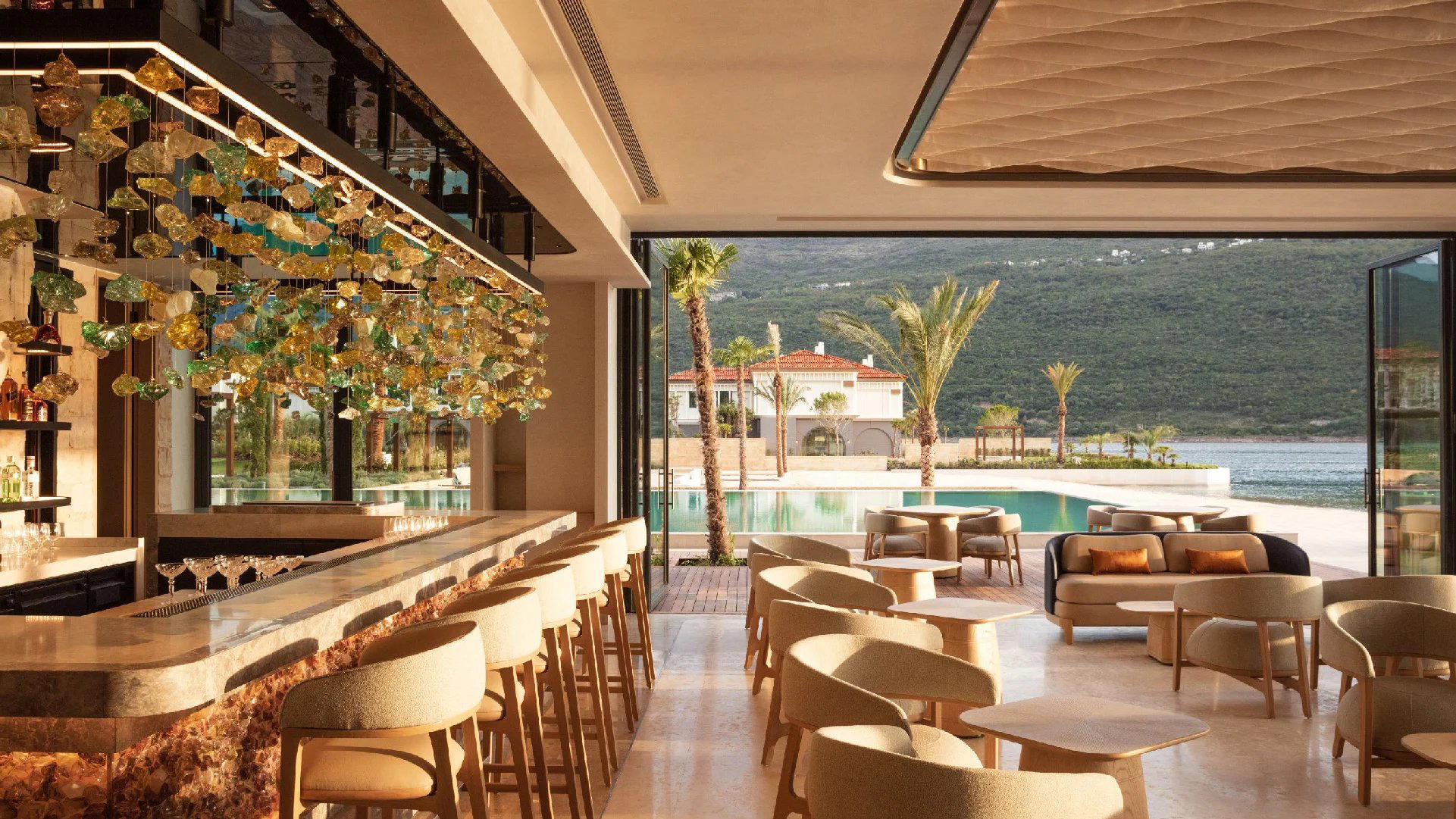
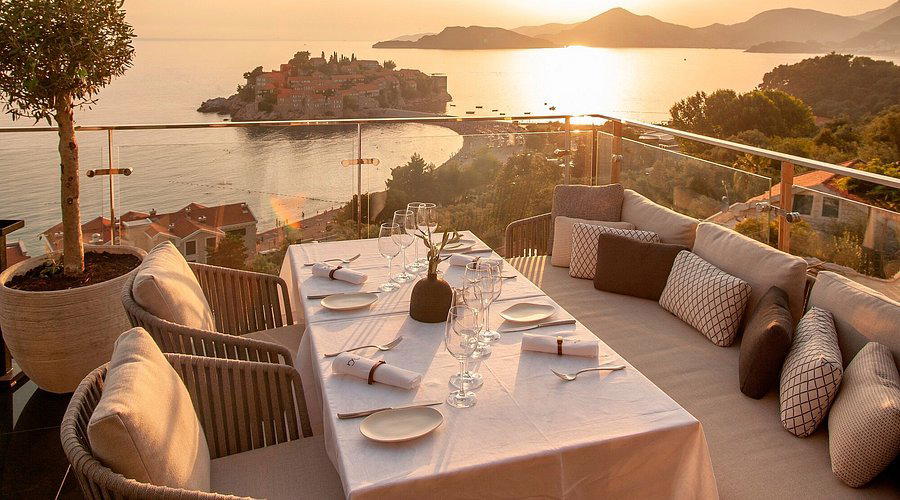
Three restaurants and four bars serving 32 rooms is a high ratio, and it signals that the property is not expecting guests to leave the island for meals. This kind of on-site F&B; density is common across island resorts globally where transfers to shore dining are logistically complex, but at Mamula it is reinforced by the architectural containment: the island is small enough that everything happens within the fort's perimeter. The spa rounds out the on-site offer, and with three pools added to the equation, the property is designed for guests who stay. The spa rounds out the on-site offer, and with three pools added to the equation, the property is designed for guests who stay.
Planning Considerations
Access to Mamula Island is by boat from the Boka Bay coastline. The nearest major airports are Tivat (approximately 15 kilometres by road to the nearest embarkation point on the bay) and Podgorica (the national capital, roughly 90 kilometres inland). The Adriatic season runs from late May through September, with July and August delivering peak warmth and the highest visitor density across Montenegro's coastal region. Given the 32-room capacity, booking lead times during peak season are predictably short. The property sits within Banyan Tree's wider portfolio, which globally includes particularly architecturally specific resort projects in Asia and the Middle East, giving it brand credentials that speak to a design-serious traveller accustomed to properties like Hotel Du Cap-Eden-Roc or Hotel Esencia in Tulum in terms of setting-driven hospitality logic.
A Quick Peer Check
Comparable venues nearby, for context on price, style, and recognition.
| Venue | Cuisine | Price | Awards | Notes |
|---|---|---|---|---|
| Mamula Island by Banyan TreeThis venue — the venue you are viewing | Restored 19th-century fortress blending heritage with modern luxury | $$$$ | 5-Star | Not listed |
| Mamula Island | Restored 19th-century fortress blending heritage with contemporary luxury | $$$$ | 5-Star | Mamula Island |
| Dukley Hotel & Resort | luxury beachfront resort | $$$$ | 5-Star | Zavala Peninsula |
| Ananti Resort Residences & Beach Club | Contemporary luxury beachside resort with suites and independent villas | $$$$ | 5-Star | Reževići |
| One&Only Portonovi | Luxury resort blending modern architecture with local village-inspired rustic elements | $$$$ | 5-Star | Herceg Novi |
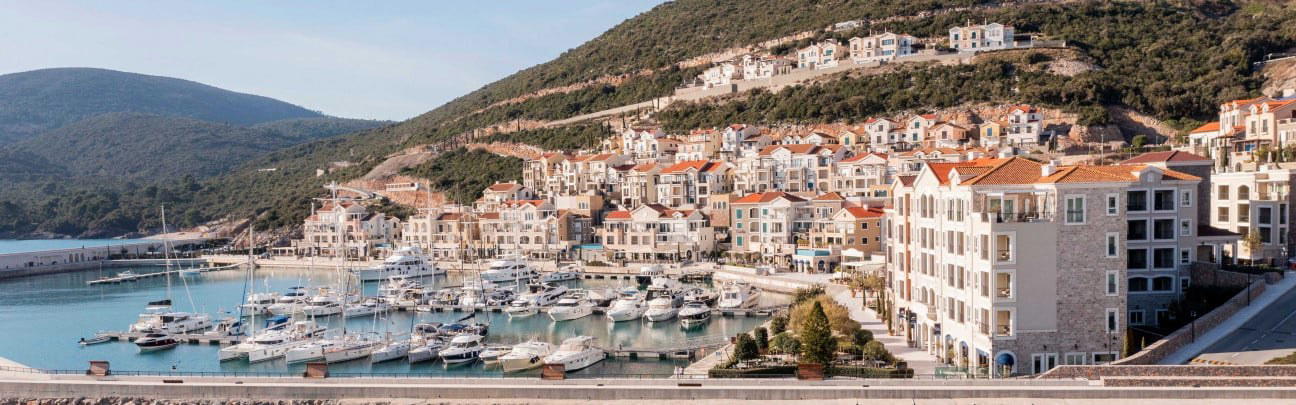
| Lazure Hotel & Marina | Heritage-meets-modern luxury boutique resort blending 18th-century Venetian architecture with contemporary design and minimalist aesthetics. | $$$$ | 5-Star | Meljine, Herceg Novi |
Recognition history
Dated appearances from independent guides and award organizations, with the underlying list record or original source where available.
Tablet Hotels Best New Hotel Designs (Europe)
Tablet Hotels · Tablet Hotels Design Awards 2026: Best New Hotel Designs (Europe)
Virtuoso Luxury Hotel Partner
Virtuoso
Michelin Selected
Michelin
Continue exploring
More in Mamula
Hotels in Mamula
Browse all →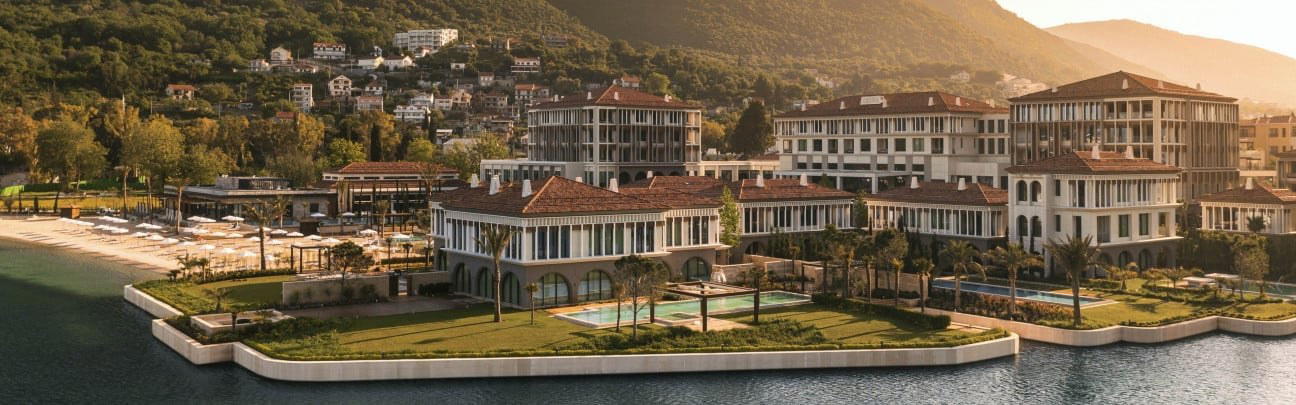
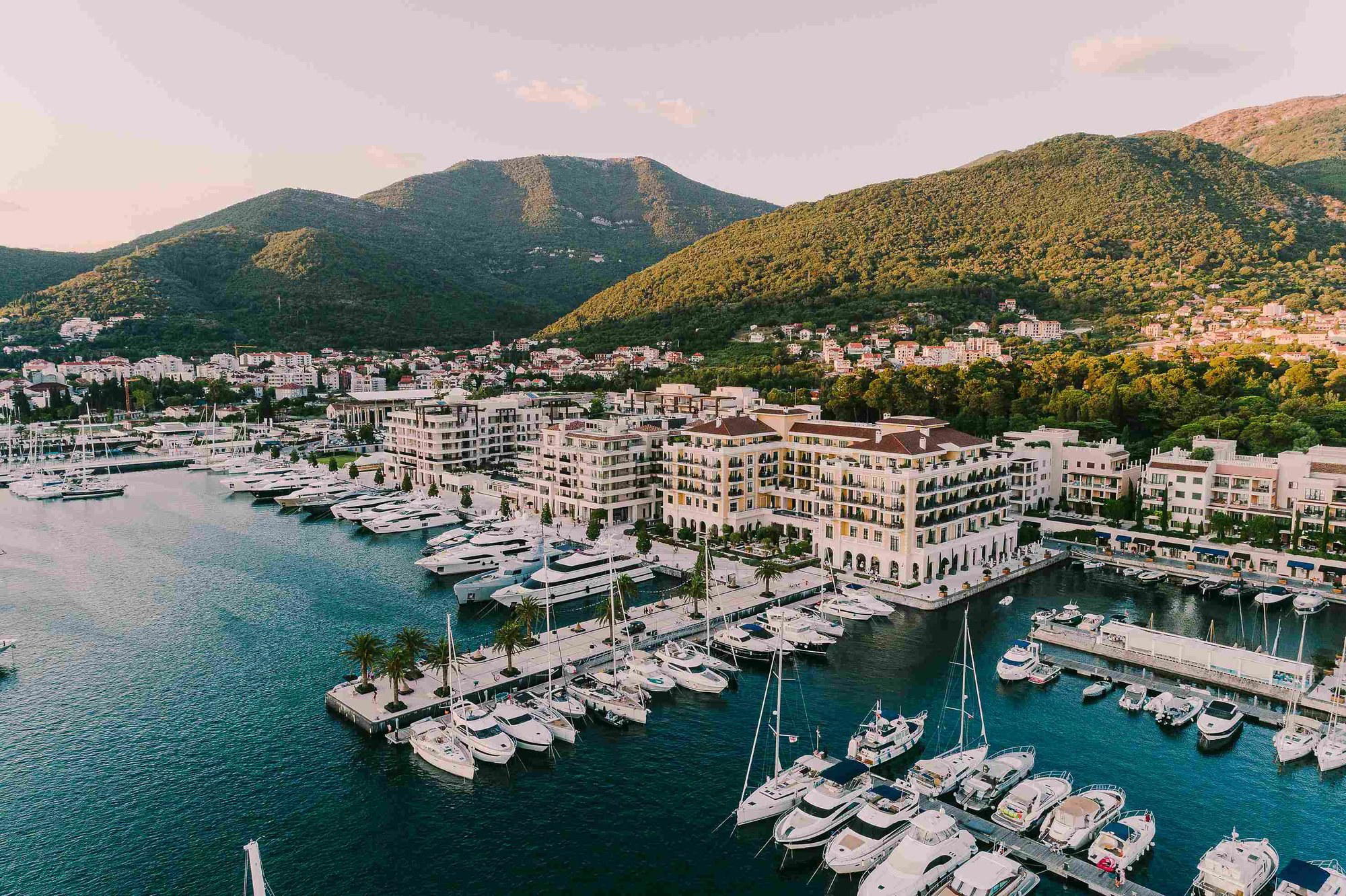
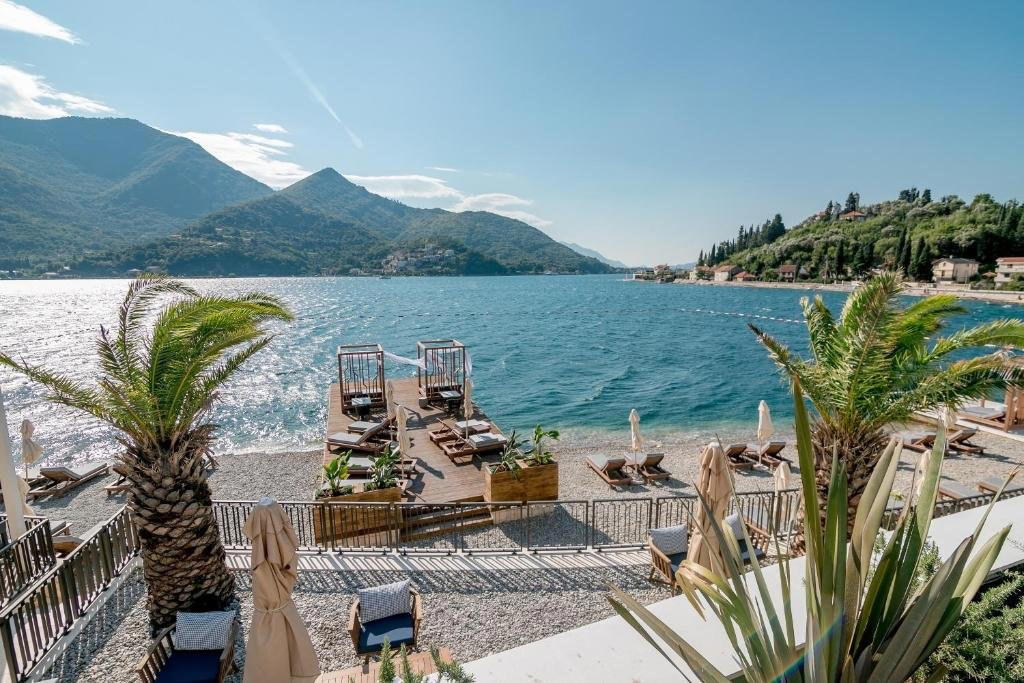
Bars in Mamula
Browse all →
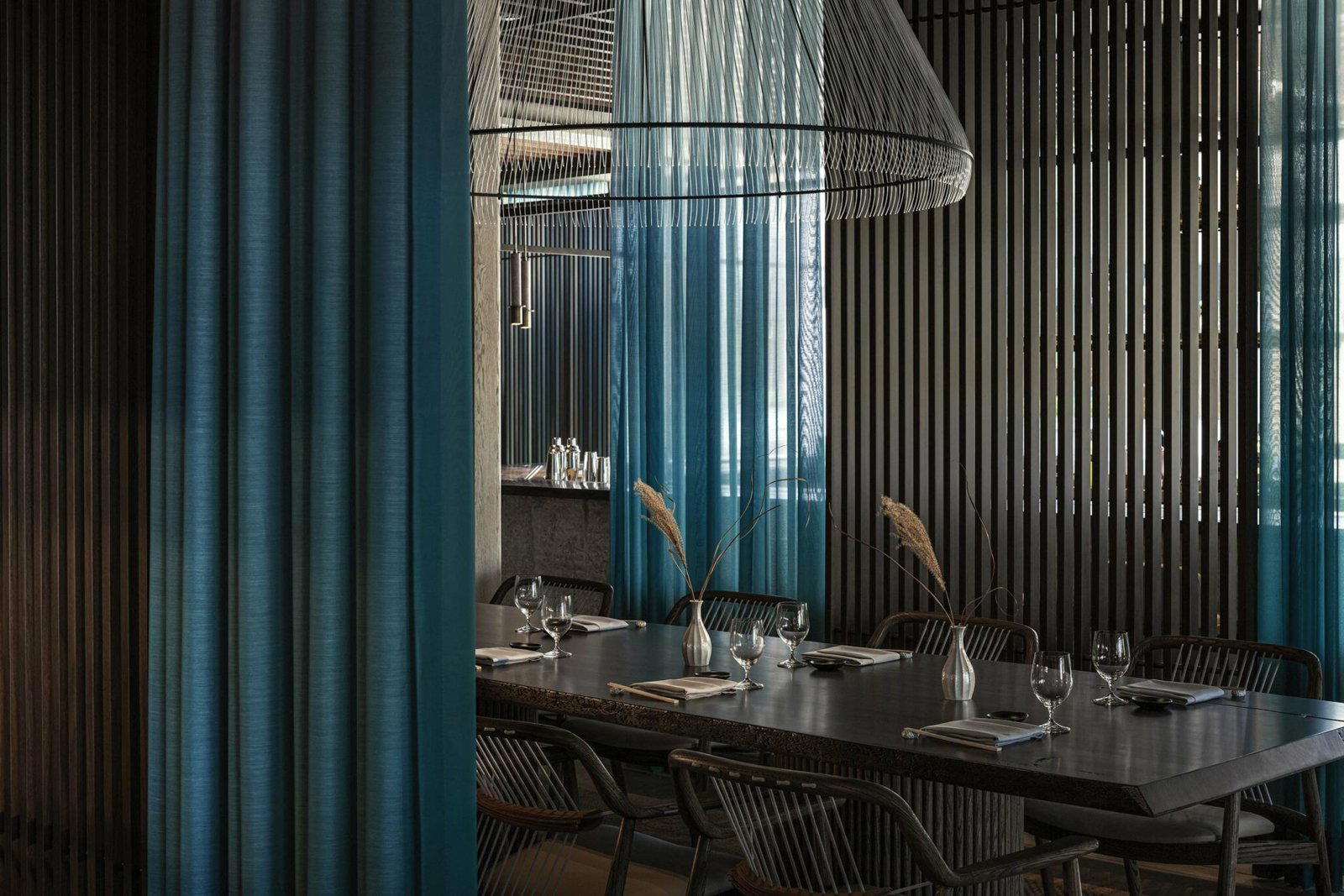
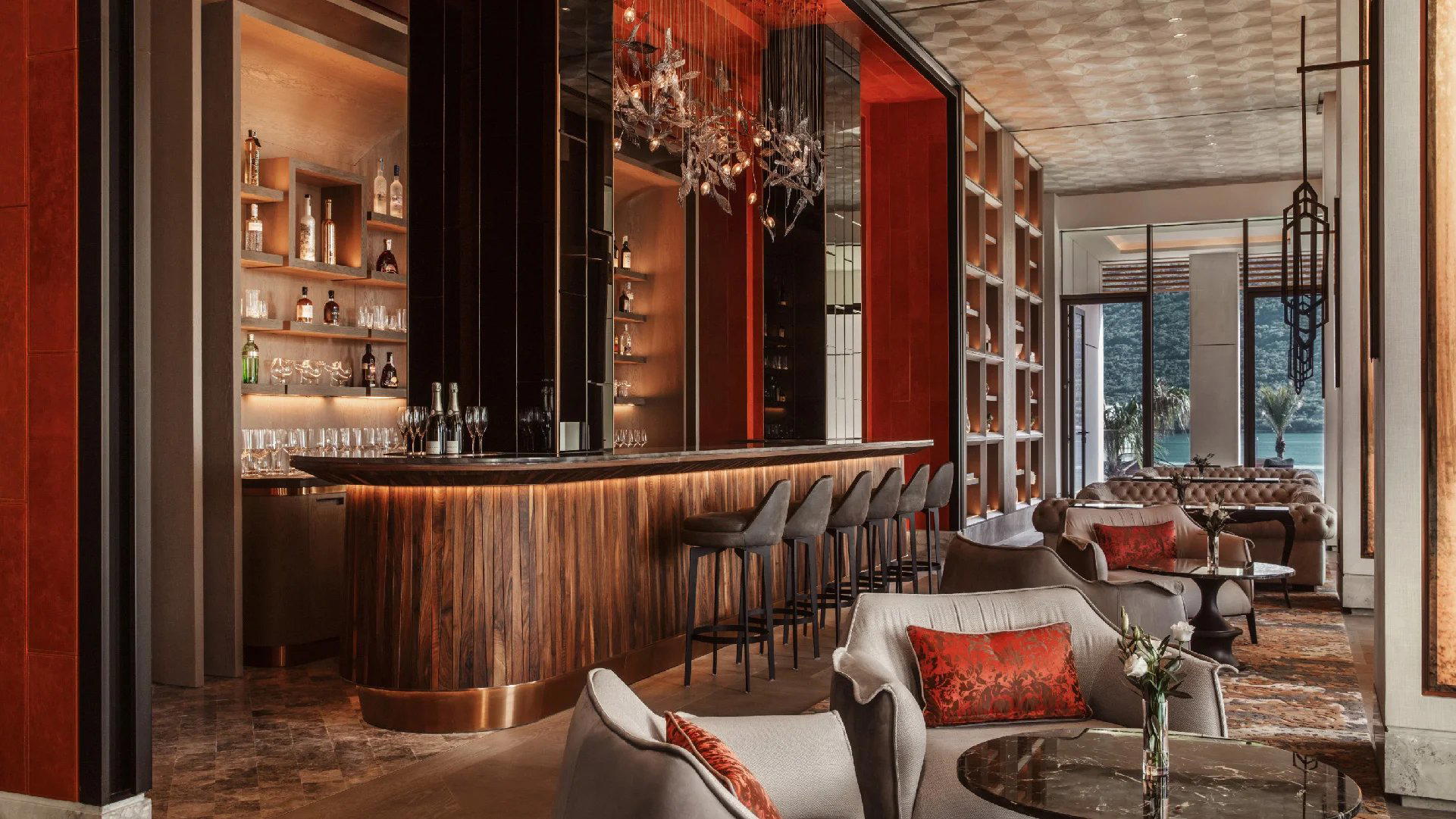
Restaurants in Mamula
Browse all →
Wineries in Mamula
Browse all →At a Glance
- Scenic
- Elegant
- Quiet
- Romantic
- Sophisticated
- Romantic Getaway
- Anniversary
- Weekend Escape
- Wellness Retreat
- Historic Building
- Panoramic View
- Waterfront
- Destination Spa
- Design Destination
- Wi Fi
- Pool
- Spa
- Room Service
- Concierge
- Beach Access
- Waterfront
- Wi Fi
- Pool
- Spa
- Room Service
- Concierge
- Beach Access
Dramatic and atmospheric, with a refined yet warm feel created by restored fortress stonework, natural materials, and abundant sea light.