
Konoba Pinna Nobilis occupies a corner of Hallein's Kornsteinplatz with a name borrowed from the noble pen shell, a bivalve native to the Adriatic and Mediterranean. The 'konoba' tradition, the informal Croatian coastal tavern built around whatever the sea and land provide that day, transplanted into an Austrian salt-town raises immediate questions about sourcing, identity, and intent. Those questions are worth asking before you book.
Pearl is the En Primeur Club membership app — saves, bookings, and concierge access live there. Same editors, same standards.
- Address
- Kornsteinpl. 2, 5400 Hallein, Austria
- Phone
- +436605560306
- Website
- pinnanobilis.at
- Directions
- Get directions
 Saves & bookings on Pearl
A Coastal Tradition in a Salt-Town Setting
Hallein sits on the Salzach river roughly fifteen kilometres south of Salzburg, a town whose identity was built not on agriculture or viticulture but on salt, the white mineral that made the region wealthy for centuries and gave Salzburg its name. The surrounding Alpine foothills are cattle country and forest, not coastline. Which makes the presence of a konoba, the traditional Dalmatian tavern format rooted in seafood and the daily catch, a deliberate act of displacement. That displacement is the point.
The konoba format, at its most honest in Croatia's coastal towns, where the menu changes with the morning's haul and the wine comes from the nearest hill, has migrated across Europe over the past two decades as Croatian émigré communities and Adriatic-obsessed chefs have carried it inland. The leading iterations preserve the format's essential logic: ingredient primacy over technique, sourcing transparency, and informality of service. The name Pinna Nobilis, borrowed from the fan mussel native to the Mediterranean seabed and now a protected species, signals that this is a kitchen attentive to the ecology of what it serves, not merely its origin story.
What Ingredient-First Cooking Looks Like in Alpine Austria
The editorial angle on any konoba operating this far from the Adriatic is always the supply chain. In Croatia, sourcing is structural: the market, the boat, the daily board. Inland, it requires deliberate construction. The better konoba-format restaurants in Central Europe tend to work with a small set of committed importers for seafood, often Slovenian or Italian intermediaries with overnight refrigerated transport, while leaning on local agricultural suppliers for everything else. In the Austrian Alps, that local layer is substantial: the Salzburg region produces some of the country's most consistent dairy, freshwater fish from cold mountain streams, and game from the surrounding forests.
A kitchen operating under a name as ecologically specific as Pinna Nobilis is making an implicit claim about attentiveness to provenance. Whether that claim extends to seasonal menu adjustments, relationships with named producers, or a visible daily board depends on the kitchen's ambition and consistency.
For context, the Salzburg region's dining scene has several anchors in ingredient-driven cooking. Döllerer in Golling an der Salzach, about twenty minutes south of Hallein, has built one of Austria's most discussed contemporary menus around precisely this idea: Alpine products treated with the seriousness usually reserved for haute cuisine. Kräuterreich by Vitus Winkler in Sankt Veit im Pongau applies a similar logic to herb-forward cooking rooted in the Pongau valley. Pinna Nobilis operates in a different register, more informal, more coastally inflected, but the regional appetite for sourcing-conscious dining is established.
Hallein's Place in the Salzburg Dining Circuit
Hallein is not typically the first stop on a Salzburg dining itinerary. Most visitors gravitating toward serious food anchor in Salzburg itself, where Ikarus at Hangar-7 runs one of Europe's more unusual guest-chef formats, or make the drive to destination restaurants in the surrounding valleys. Hallein sits in between: close enough to Salzburg to be a practical dinner option for visitors staying in the city, distinct enough to reward those who make the short journey south on its own terms.
The Kornsteinplatz address places the restaurant in the older part of town, near the pedestrian zone that runs through Hallein's compact historic core. The salt museum and the Celtic settlement at the Dürrnberg above the town draw a steady cultural tourism stream, which means the town is not solely reliant on Salzburg overflow for its restaurant clientele. That mixed base, local regulars, cultural day-trippers, Salzburg visitors extending their radius, tends to suit an informal tavern format better than a formal tasting-menu restaurant would fare in the same location.
For those building a broader Austrian itinerary, the regional dining picture extends considerably. Obauer in Werfen is roughly forty minutes south and represents one of the Salzburg region's most sustained records of creative Austrian cooking. Further afield, Steirereck im Stadtpark in Vienna sets the national benchmark for ingredient-forward fine dining, and Landhaus Bacher in Mautern an der Donau holds the Wachau standard for classical Austrian hospitality. Pinna Nobilis operates at a different scale and in a different mode, but the regional context is worth knowing before you plan around it.
Hallein also has other dining options for comparison. Pizzeria Restaurant Bella Palma and Stefan's im Schlossbauer serve different ends of the town's dining spectrum. Our full Hallein restaurants guide maps the options across price points and formats.
Planning Your Visit
Hallein is a fifteen-minute regional train journey from Salzburg Hauptbahnhof, with departures running frequently throughout the day. The town is compact on foot from the station. Kornsteinplatz is in the pedestrian centre, a short walk from the arrival point. For visitors treating this as an addition to a Salzburg stay rather than a standalone destination, the short transfer makes an evening visit logistically simple. The dress code is smart casual.
For those building a broader western Austrian circuit, the Tyrol and Vorarlberg region offers additional reference points: Gourmetrestaurant Tannenhof in Sankt Anton am Arlberg, Griggeler Stuba in Lech, Schwarzer Adler in Hall in Tirol, and Stüva in Ischgl each anchor their respective areas. Further into the Austrian east, Taubenkobel in Schützen am Gebirge and Ois in Neufelden represent the country's continued investment in regional cooking with serious ambition. And for those comparing Alpine dining philosophy against international reference points, Restaurant 141 by Joachim Jaud in Mieming is worth the Tyrolean detour. For a global benchmark on seafood-first ingredient discipline, Le Bernardin in New York City and Atomix in New York City illustrate how different kitchens at the summit of their respective formats approach the same underlying principle: the ingredient as the argument.
Quick Comparison
Comparable venues nearby, for context on price, style, and recognition.
| Venue | Cuisine | Price | Notes |
|---|---|---|---|
| Konoba Pinna NobilisThis venue — the venue you are viewing | Mediterranean Seafood | $$ | Not listed |
| Pizzeria Restaurant Bella Palma Hallein | Italian Pizzeria with Croatian & Austrian Influences | $$ | old town |
| Stefan's im Schlossbauer | Modern Austrian Regional with Veggie Focus | $$$$ | Altendorf |
| ISTRA Konoba Restaurant | Croatian Seafood Konoba | $$$ | Neustadt |
| Stücklerhof | Regional Carinthian Home-Style | $$ | Lavanttal |
| Milo | Alpine-Mediterranean | $$ | Villach |
Recognition history
Dated appearances from independent guides and award organizations, with the underlying list record or original source where available.
Falstaff Wine Bar - 87 Falstaff Points
Falstaff
At a Glance
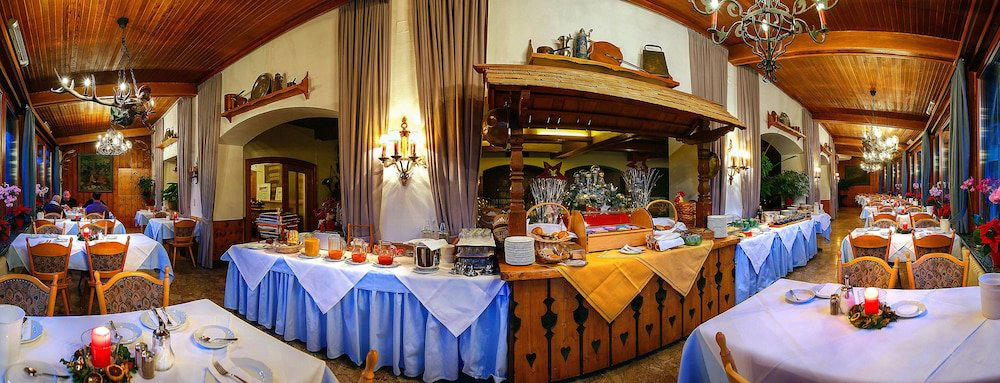
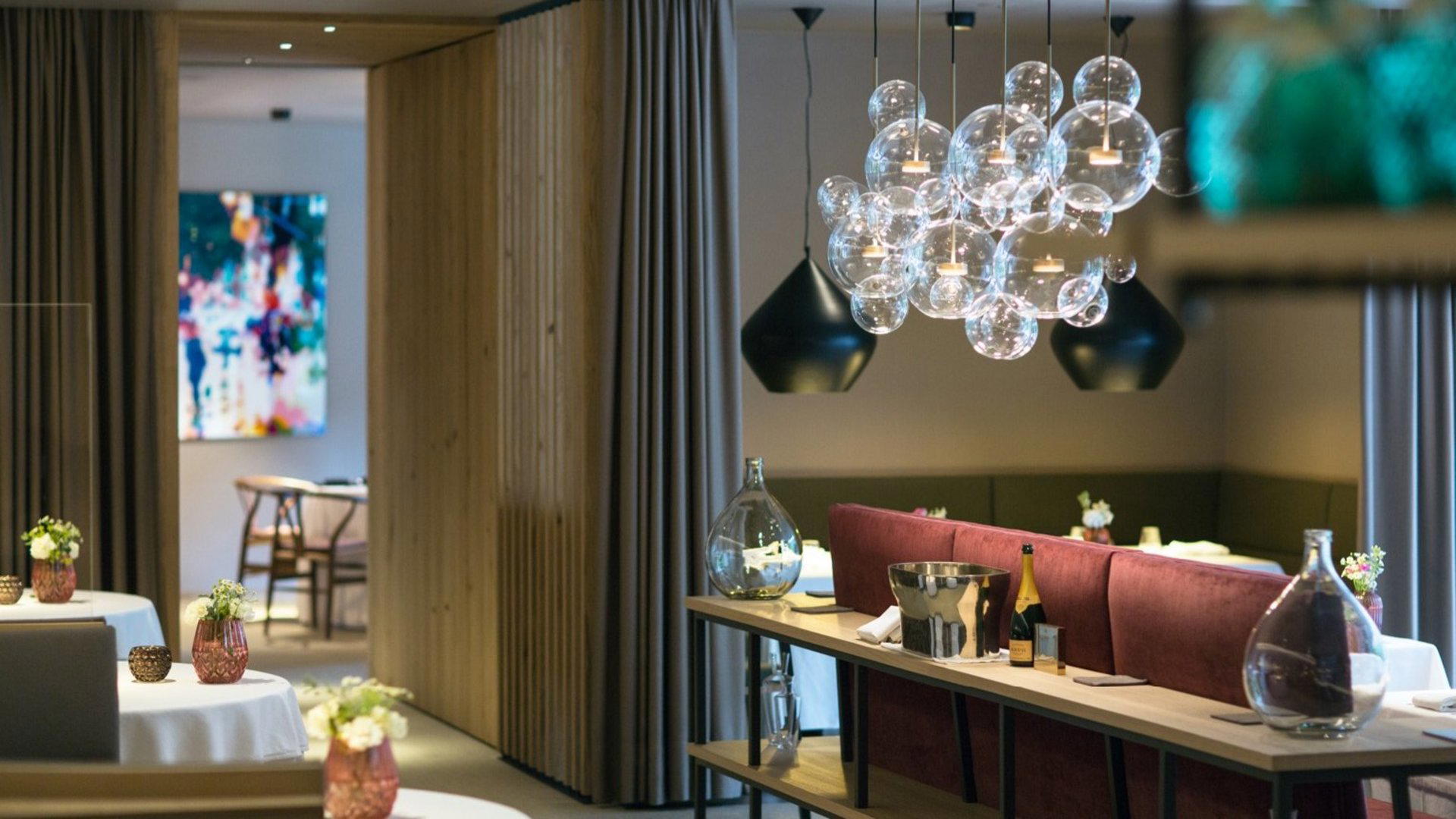
- Cozy
- Rustic
- Intimate
- Date Night
- Special Occasion
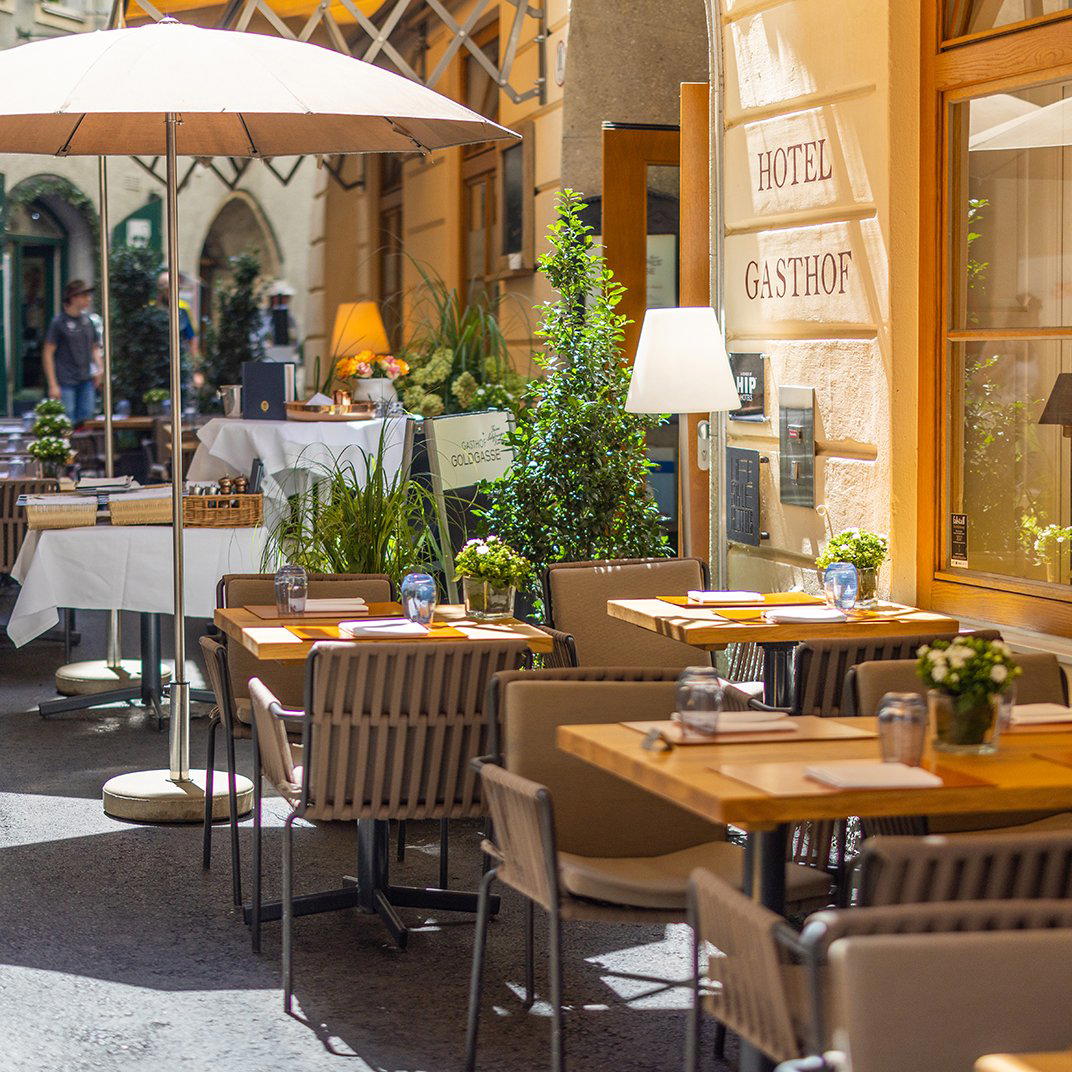
- Historic Building
- Extensive Wine List
- Street Scene
Current opening hours
- Monday
- Closed
- Tuesday
- 11:30 AM–2 PM, 6 PM–12 AM
- Wednesday
- 11:30 AM–2 PM, 6 PM–12 AM
- Thursday
- 11:30 AM–2 PM, 6 PM–12 AM
- Friday
- 11:30 AM–2 PM, 6 PM–12 AM
- Saturday
- 6 PM–12 AM
- Sunday
- Closed
Hours can change for holidays and private events. Last verified .
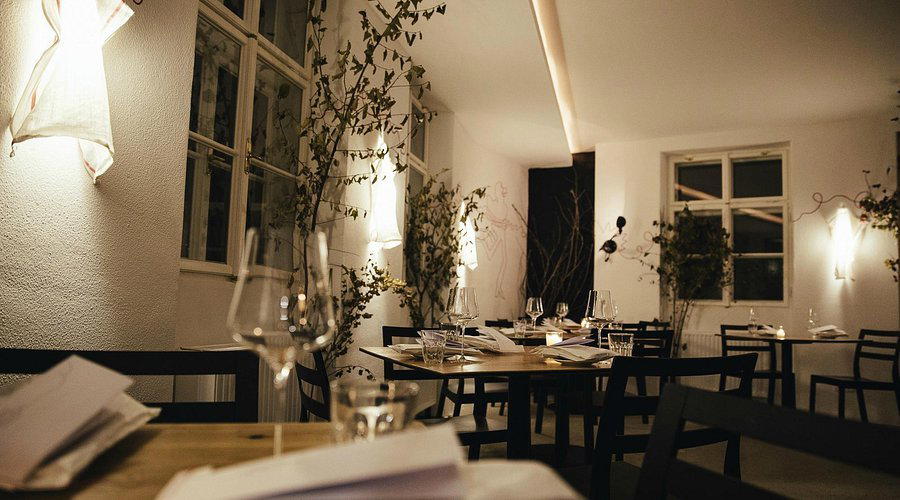
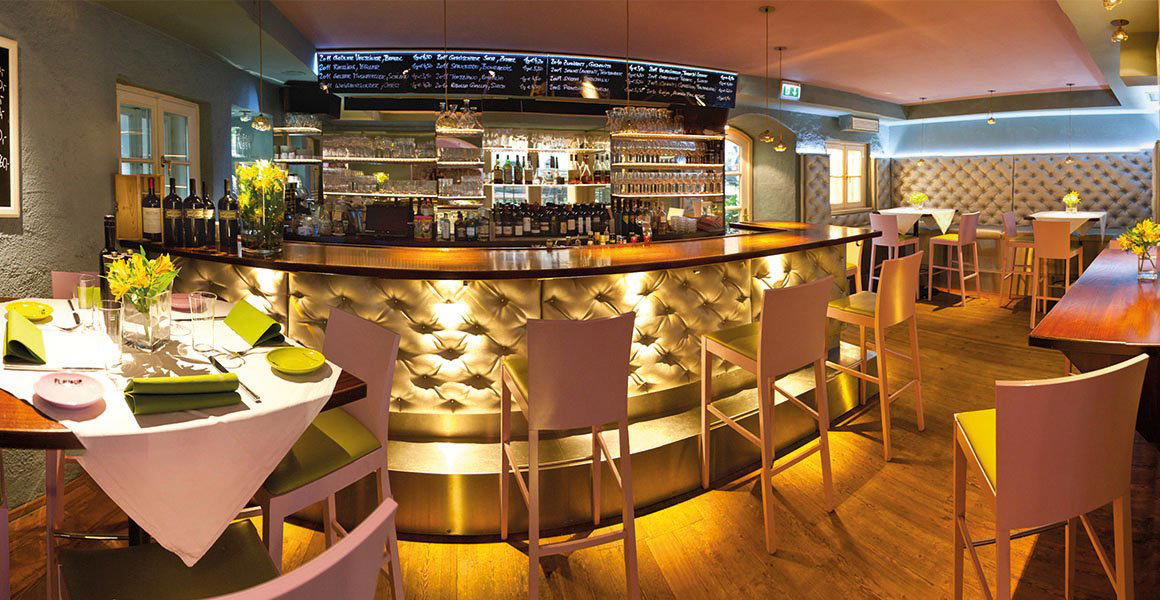
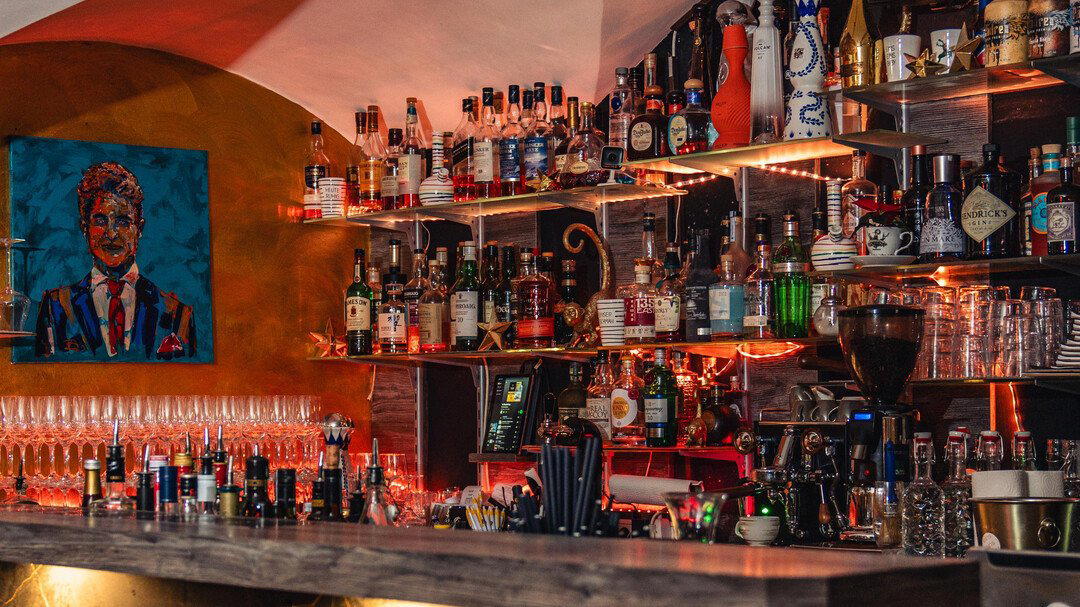
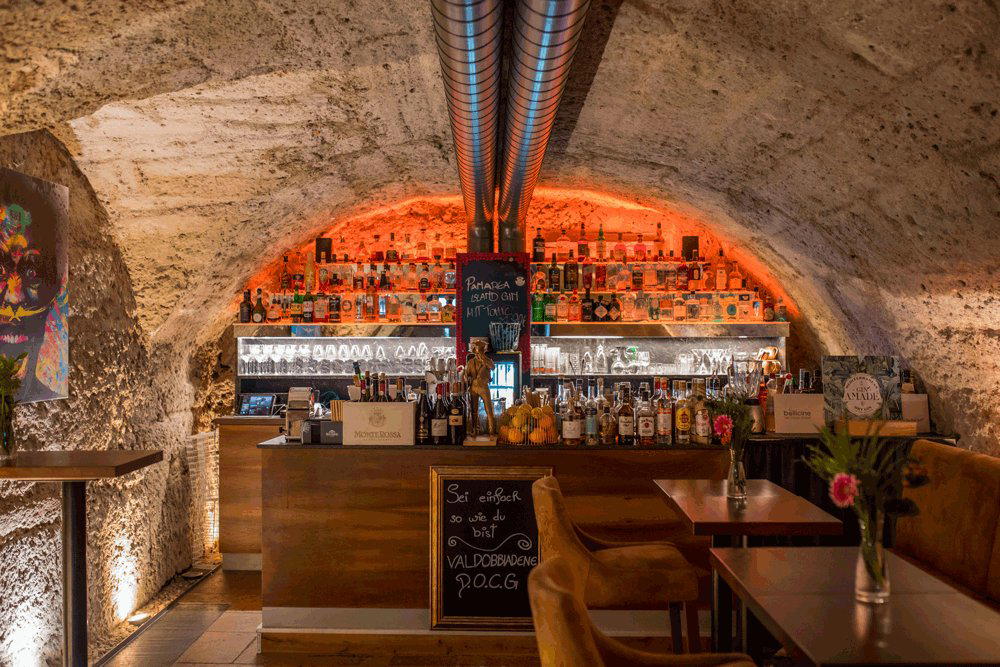
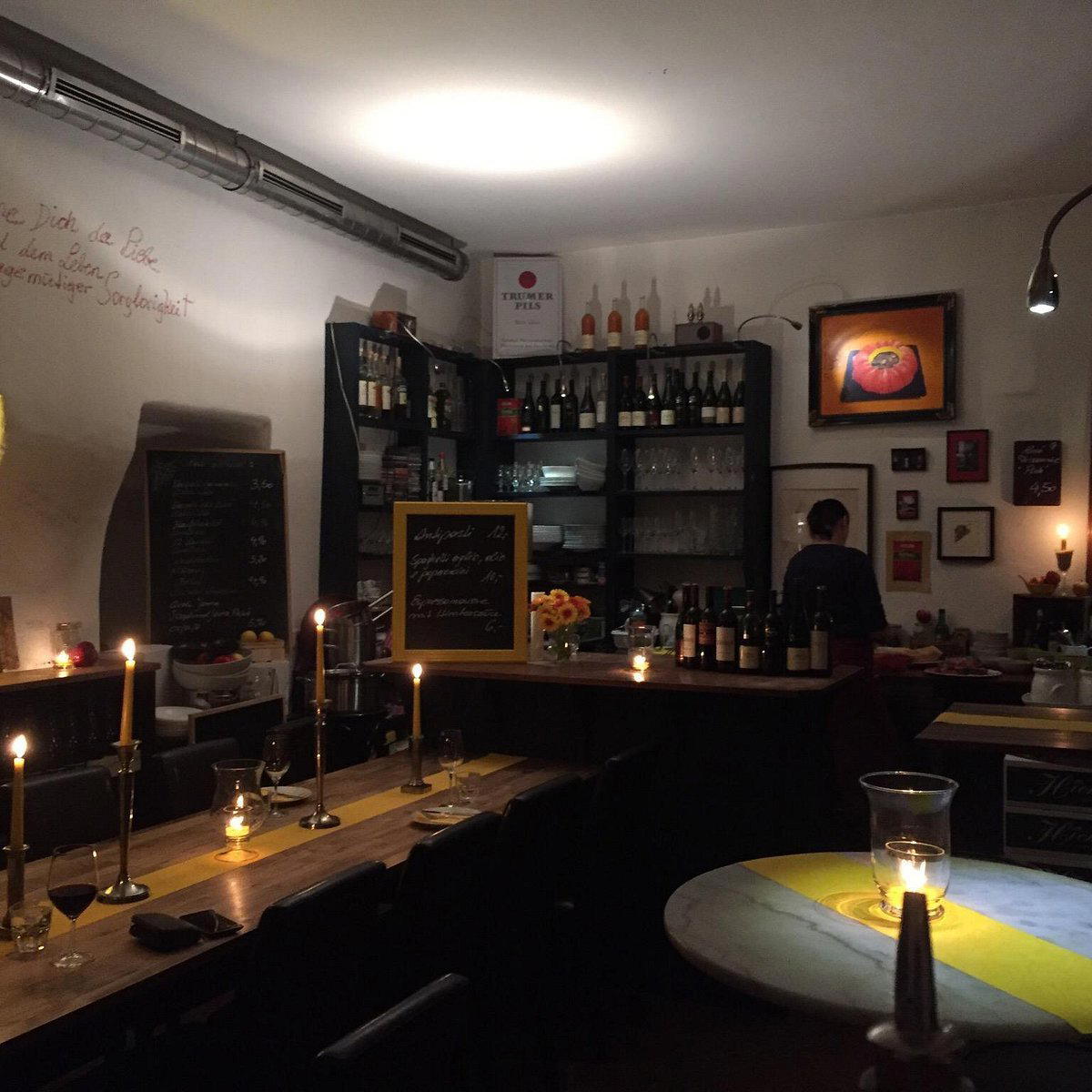
Cozy and attractively decorated with a warm, welcoming atmosphere.