Milo occupies a quiet address on Kleinsattelstraße in Villach, Austria's second-largest Carinthian city and a dining scene that rewards those who look beyond the waterfront tourist stretch. The restaurant sits in a city where the gap between casual neighbourhood eating and formal regional cuisine is narrow, making the pacing and ritual of the meal itself the primary signal of intent.
Pearl is the En Primeur Club membership app — saves, bookings, and concierge access live there. Same editors, same standards.
- Address
- Kleinsattelstraße 2/1, 9500 Villach, Austria
- Phone
- +43424237000710
- Website
- hotel-seven.at
- Directions
- Get directions
 Saves & bookings on Pearl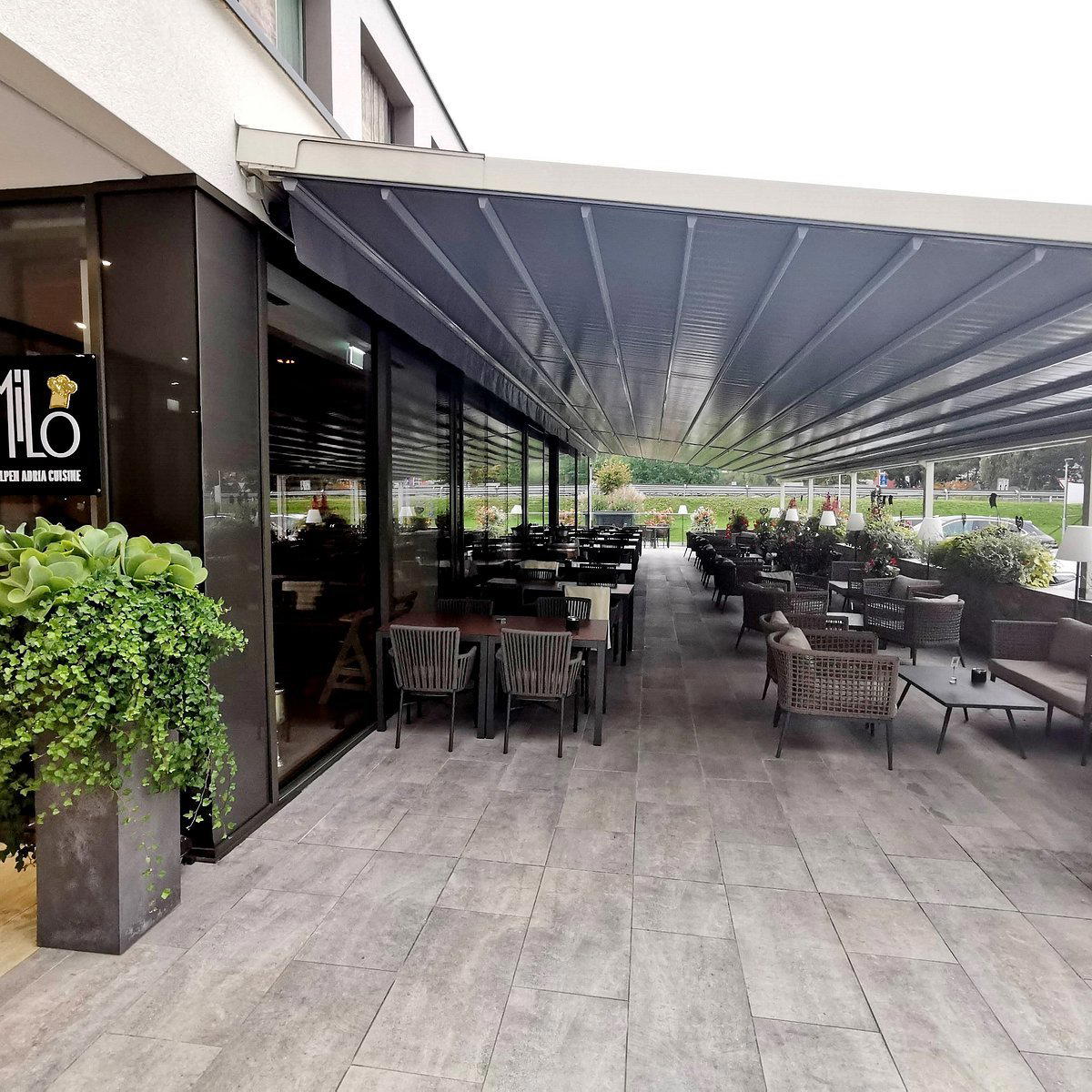
The Ritual Before the First Course
There is a particular quality to dining in smaller Austrian cities that larger capitals rarely replicate: the meal proceeds without hurry, and the room reads the table rather than turning it. Villach, positioned at the intersection of Alpine and Mediterranean influences where Carinthia meets Slovenia and Italy within a short drive, carries that unhurried quality into its restaurant culture in a way that distinguishes it from Vienna's more transactional dining scene. Milo, an Alpine-Mediterranean restaurant at Kleinsattelstraße 2/1 in Villach, fits this tradition of deliberate, neighbourhood-anchored eating rather than the performance-heavy end of Austrian gastronomy represented by venues like Steirereck im Stadtpark in Vienna or Ikarus in Salzburg.
That context matters when reading Villach's dining options. The city's restaurant culture has developed along two tracks: a handful of formally ambitious rooms that compete with the broader Austrian regional dining circuit, and a larger group of neighbourhood establishments where the ritual of service, the regularity of the clientele, and the consistency of execution over time define the offering more than any single headline dish or credential. Milo falls into the latter category, and that is not a diminishment. In cities like Villach, the neighbourhood restaurant that sustains a loyal local following across seasons is often more instructive about a place than any award-winning tasting menu.
Where Villach Eats, and Why It Matters
Carinthia sits at a crossroads that shapes its food culture materially. The proximity to northern Italy pulls the region toward lighter preparations, fresh lake fish from the Wörthersee and surrounding lakes, and a willingness to use olive oil alongside butter that you do not find as readily in Tyrol or Upper Austria. The Slovenian border adds another layer, particularly in fermented and cured preparations. This geographic layering gives Villach's better restaurants a palate that Austrian cuisine in the abstract does not fully capture.
Within the city, the restaurant comparable set that Milo operates alongside includes Aurea, which runs a modern cuisine format at a mid-range price point, and Antoan, another address in the city's more intimate dining category. Further out in the regional hierarchy, venues like Burg Landskron occupy a different register entirely, trading on the drama of location as much as the plate. At the more casual end, Burger Boutique and Franz Streetfood address a different appetite altogether. Understanding where Milo fits within this spread requires paying attention to the format of the meal rather than the format of the menu description, because Milo is an Alpine-Mediterranean restaurant at a moderate price point.
Austria's broader regional dining circuit provides useful comparison points for understanding the ambitions of any Carinthian restaurant. The concentration of serious kitchens in Salzburg province, represented by Obauer in Werfen, Döllerer in Golling an der Salzach, and Kräuterreich by Vitus Winkler in Sankt Veit im Pongau, has historically drawn critical attention away from Carinthia. The Alpine west, anchored by Griggeler Stuba in Lech, Gourmetrestaurant Tannenhof in Sankt Anton am Arlberg, and Restaurant 141 by Joachim Jaud in Mieming, and Lower Austria's Landhaus Bacher in Mautern an der Donau have similarly dominated the national conversation. What this means in practice is that Villach's neighbourhood restaurants operate with relatively less outside scrutiny, which tends to benefit locals and reward visitors who arrive without a fixed expectation of what Austrian dining at this price tier should look like. Ois in Neufelden demonstrates that smaller Austrian cities outside the established circuits can produce restaurants with genuine character, and Villach's dining scene makes a similar argument.
The Pace and Form of the Meal
Austrian dining at the neighbourhood level follows conventions that differ meaningfully from, say, the timed precision of a New York tasting counter like Atomix or the technical rigour of a French-influenced fine dining room such as Le Bernardin in New York City. The Austrian expectation, particularly outside Vienna, is that the guest sets the tempo. Tables are not turned on a schedule. Courses arrive when the kitchen and the table are ready, and the meal's duration is treated as a variable decided jointly between guest and host. For visitors accustomed to more transactional service rhythms, this can read as slow; for those who have calibrated to it, it is the point.
At a venue like Milo, this pacing etiquette is the primary experience to understand before arriving. The Kleinsattelstraße address places it in a part of Villach that functions as a residential neighbourhood rather than a dining destination strip, which further signals that the room is oriented toward regulars and the rhythm of a local meal rather than tourist throughput. That orientation tends to produce service that is less performative and more attentive in the sustained sense: the room notices when a glass needs refilling rather than checking in on a schedule.
Planning a Visit
Villach is reachable by direct rail connections from Vienna, Graz, and Klagenfurt, with the main station placing visitors within accessible distance of the city's restaurant addresses. For those arriving from Klagenfurt, the journey takes under thirty minutes by train, making day visits to Villach's dining scene plausible. As with most neighbourhood restaurants in smaller Austrian cities, advance contact is advisable before visiting, particularly on weekends when local demand is highest. Milo is recommended for reservations, and its hours run daily from 6:30 AM to 12 AM. The EP Club full Villach restaurants guide covers the broader dining picture across the city for those planning a multi-stop visit.
Cuisine and Recognition
Comparable venues nearby, for context on price, style, and recognition.
| Venue | Cuisine | Price | Awards | Notes |
|---|---|---|---|---|
| MiloThis venue — the venue you are viewing | Alpine-Mediterranean | $$ | Not listed | Not listed |
| my Indigo Atrio | Asian Fusion Energy Bowls & Hot Pots | $$ | Not listed | Villach city center |
| Burg Landskron | Traditional Austrian Castle Dining | $$ | Not listed | Landskron |
| Zack Noodles | Asian Fusion Noodles | $$ | Not listed | City Center |
| Frierss Feines Haus | Modern Austrian Fine Dining | $$$ | Michelin Plate | .NULL |
| Antoan | French-Italian Brasserie | $$$ | Not listed | center of Villach |
Continue exploring
More in Villach
Restaurants in Villach
Browse all →
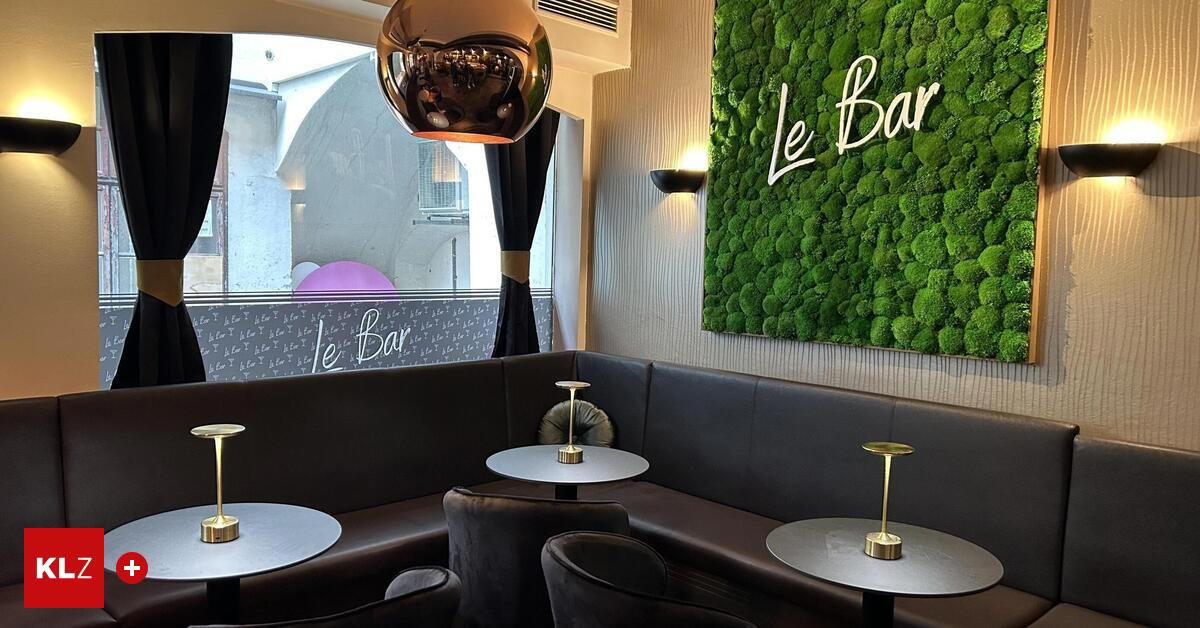
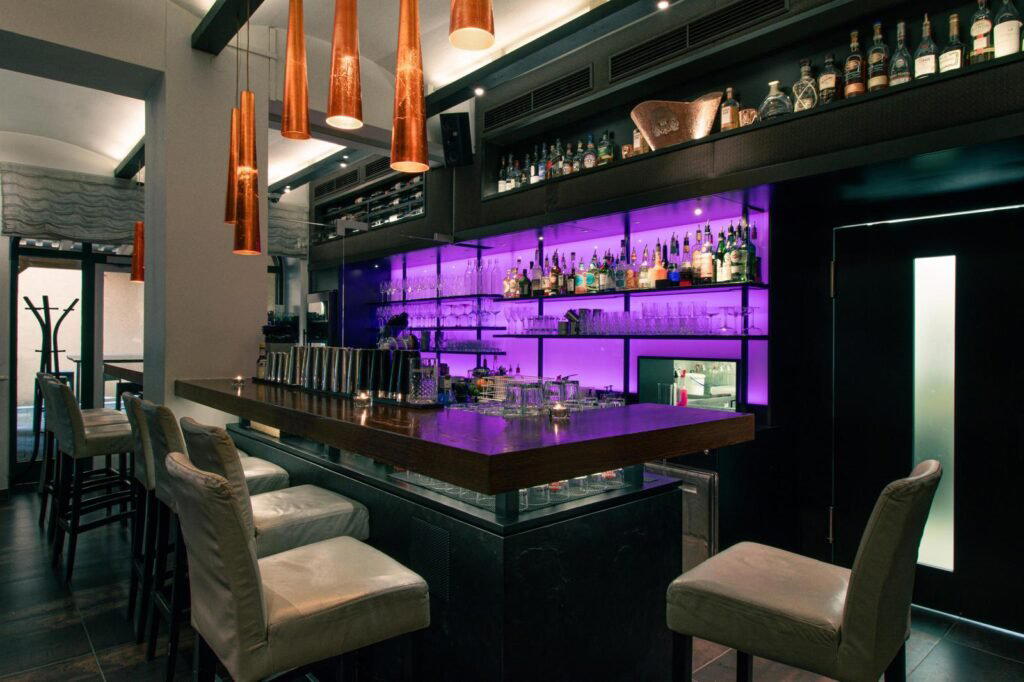
Bars in Villach
Browse all →

Hotels in Villach
Browse all →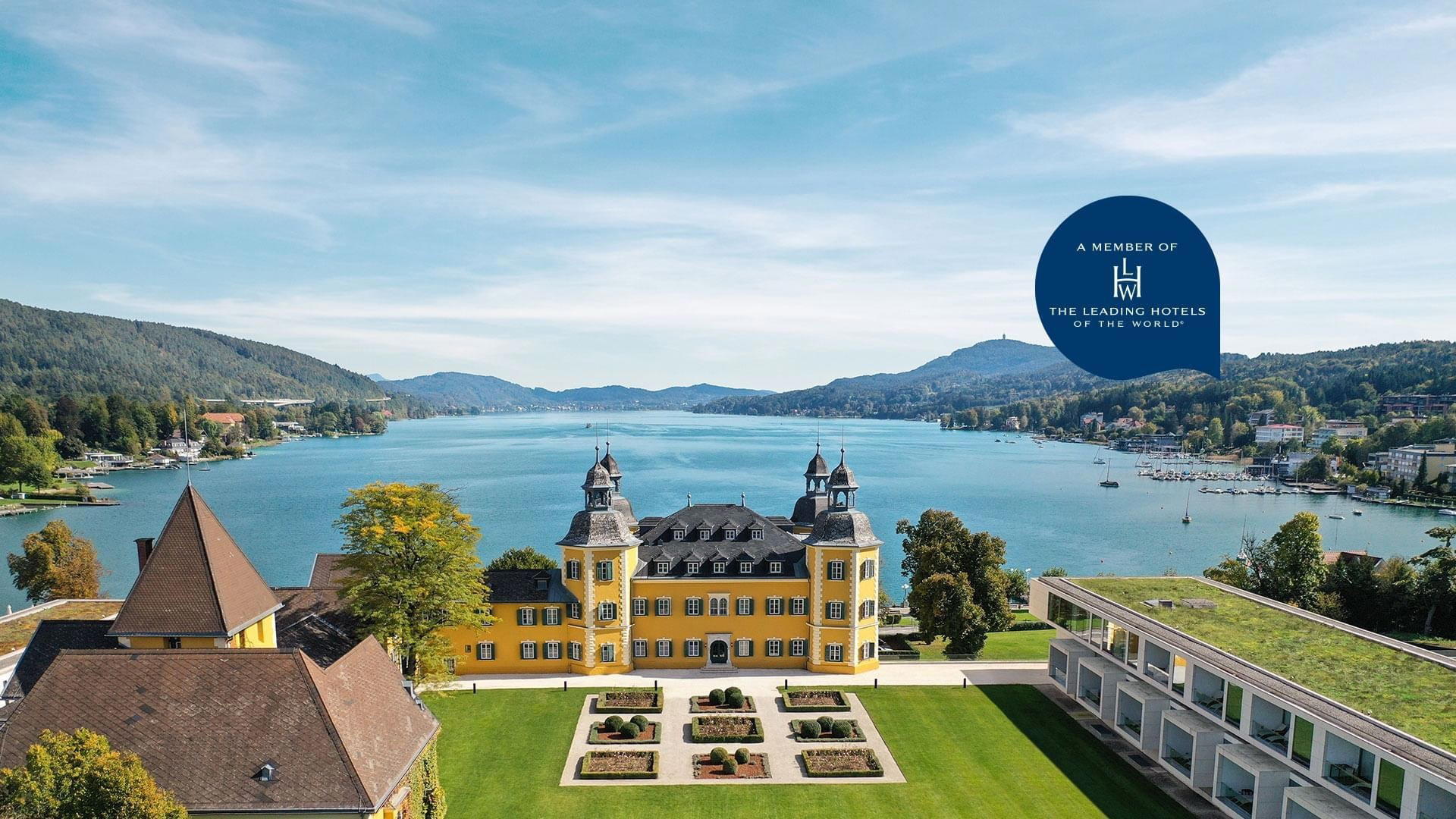

At a Glance
- Modern
- Cozy
- Brunch
- Business Dinner
- Terrace
- Local Sourcing
- Mountain
Current opening hours
- Monday
- 6:30 AM–12 AM
- Tuesday
- 6:30 AM–12 AM
- Wednesday
- 6:30 AM–12 AM
- Thursday
- 6:30 AM–12 AM
- Friday
- 6:30 AM–12 AM
- Saturday
- 6:30 AM–12 AM
- Sunday
- 6:30 AM–12 AM
Hours can change for holidays and private events. Last verified .
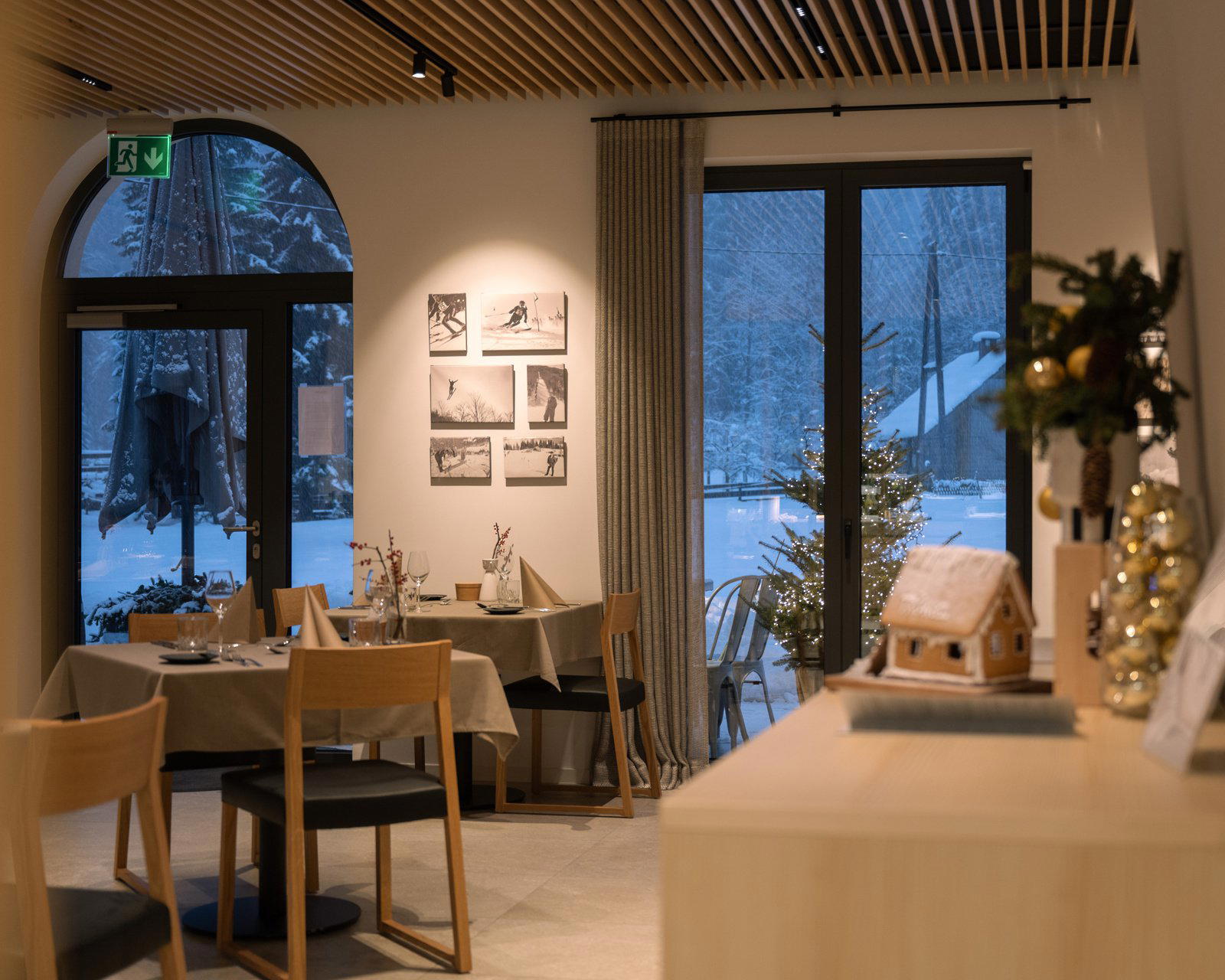
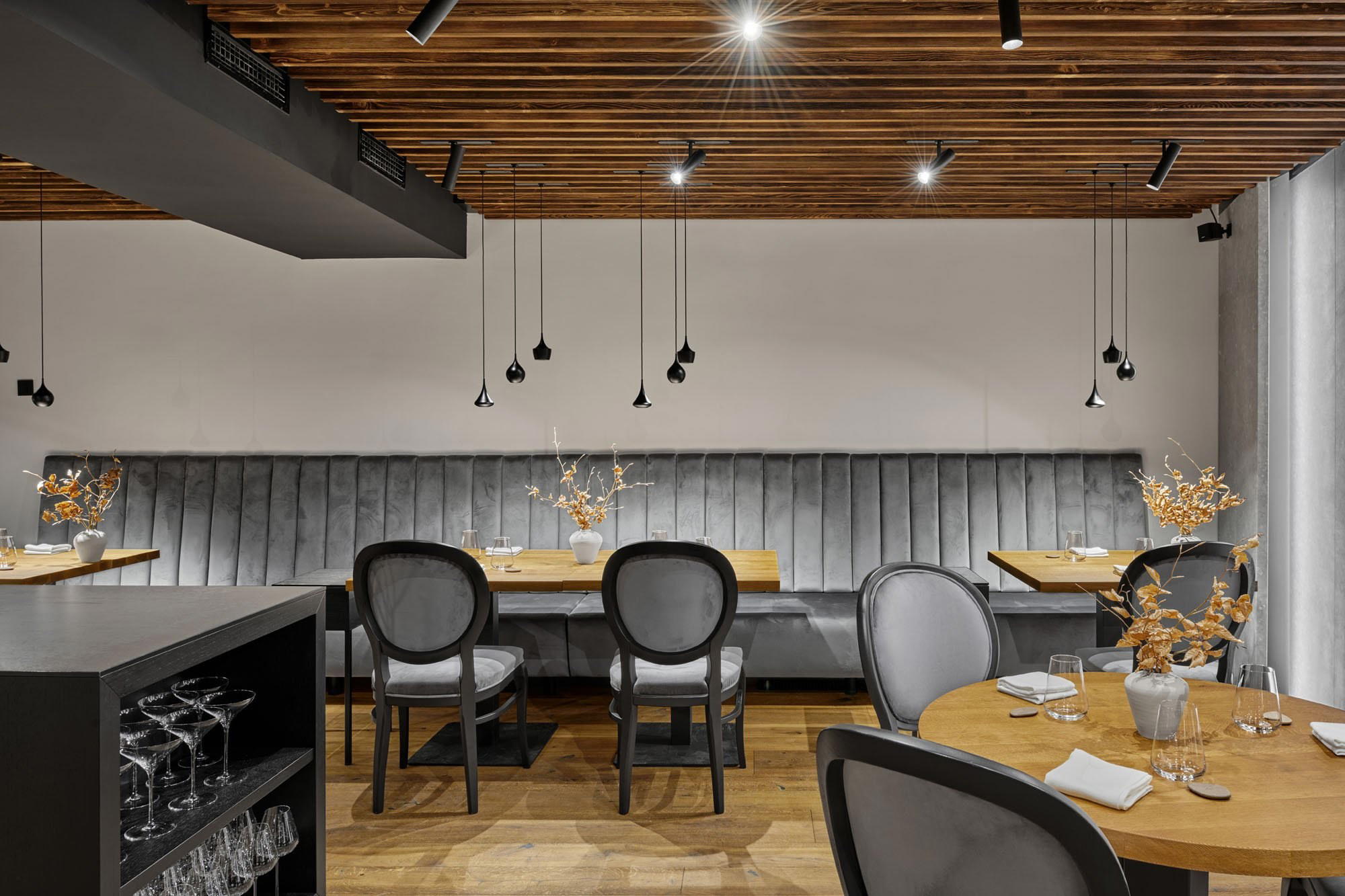
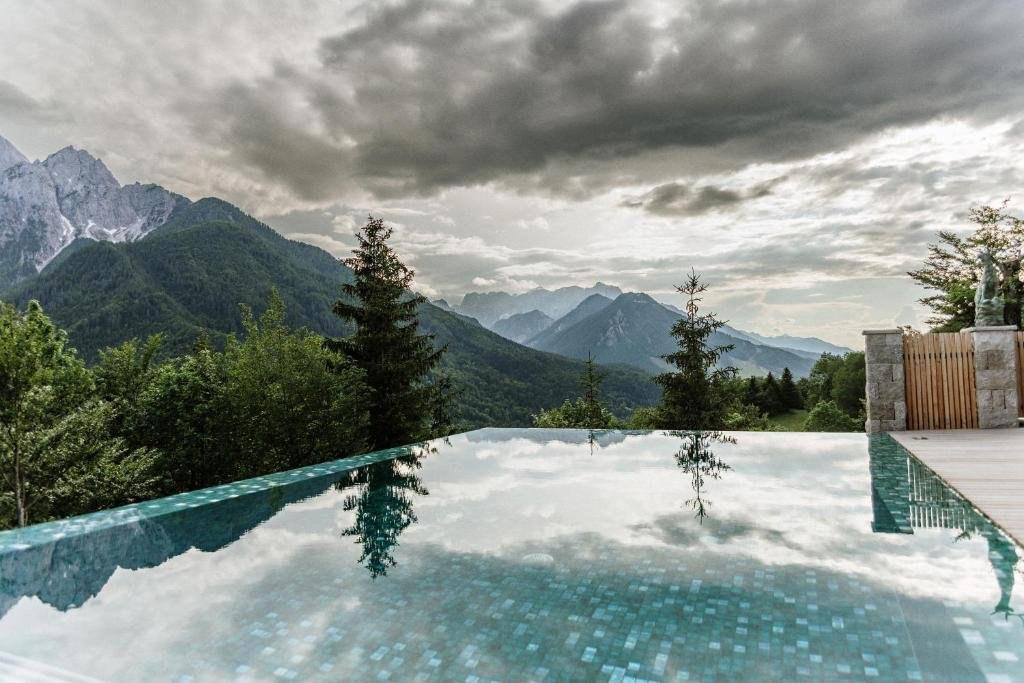
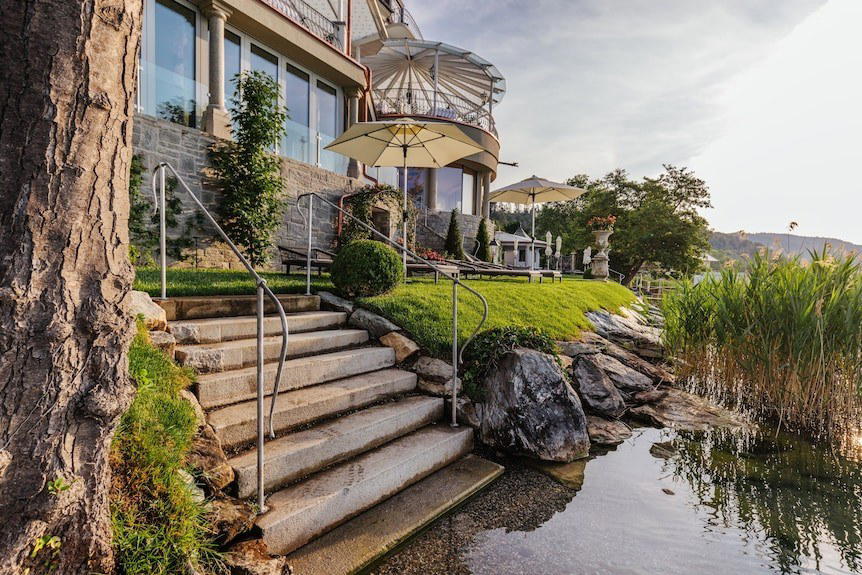
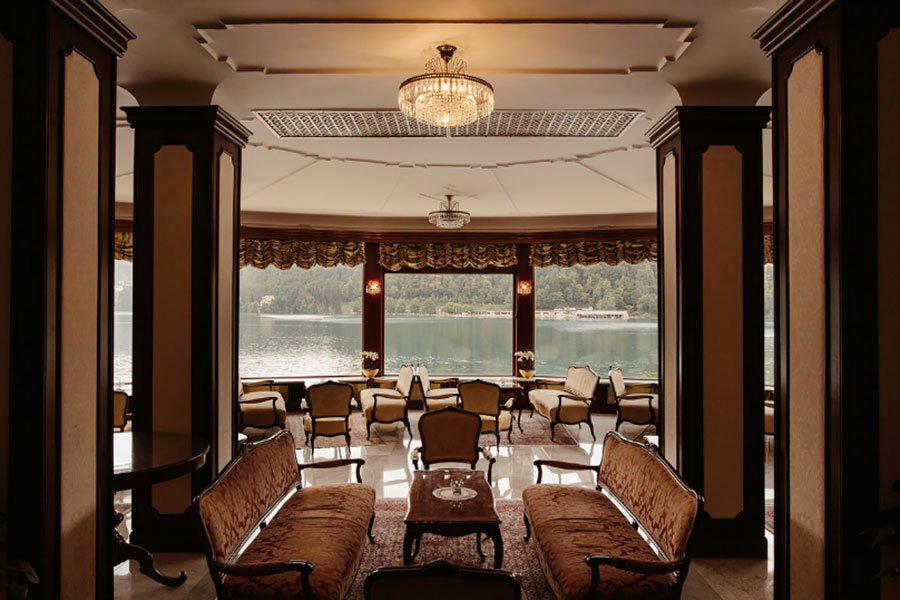
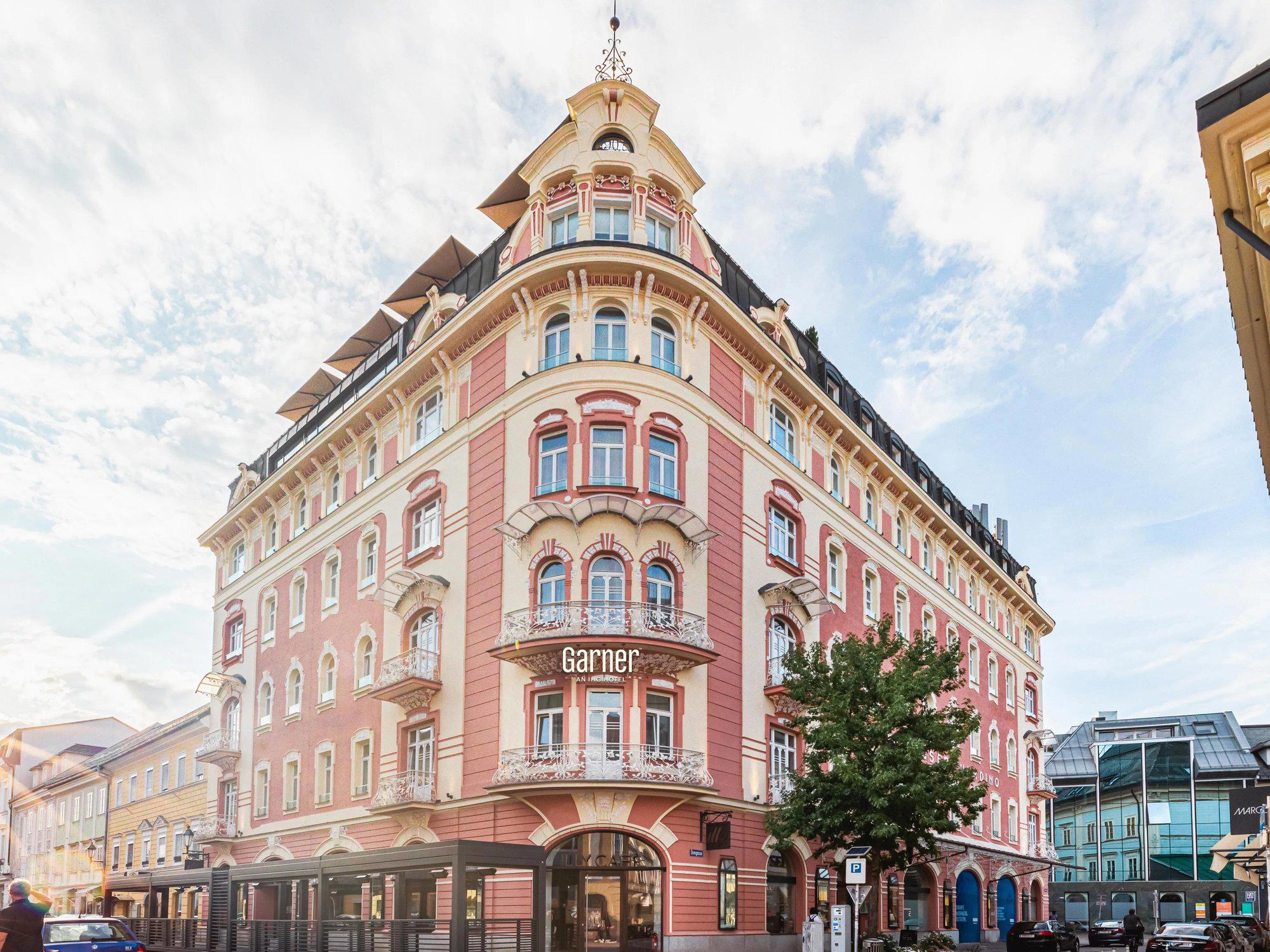
Stylish modern hotel restaurant atmosphere with cozy terrace views of the Villach Alps.