Konoba pud Brest sits in the rural village of Milohnići on the island of Krk, operating in the konoba tradition that defines inland Croatian dining: unhurried meals, locally sourced ingredients, and a setting that prioritises the ritual of eating over spectacle. For visitors willing to leave the coast behind, it represents a different register of the Kvarner table.
Pearl is the En Primeur Club membership app — saves, bookings, and concierge access live there. Same editors, same standards.
- Address
- Milohnići 41, 51511, Milohnići, Croatia
- Phone
- +38551862111
- Website
- pud-brest.com
- Directions
- Get directions
 Saves & bookings on Pearl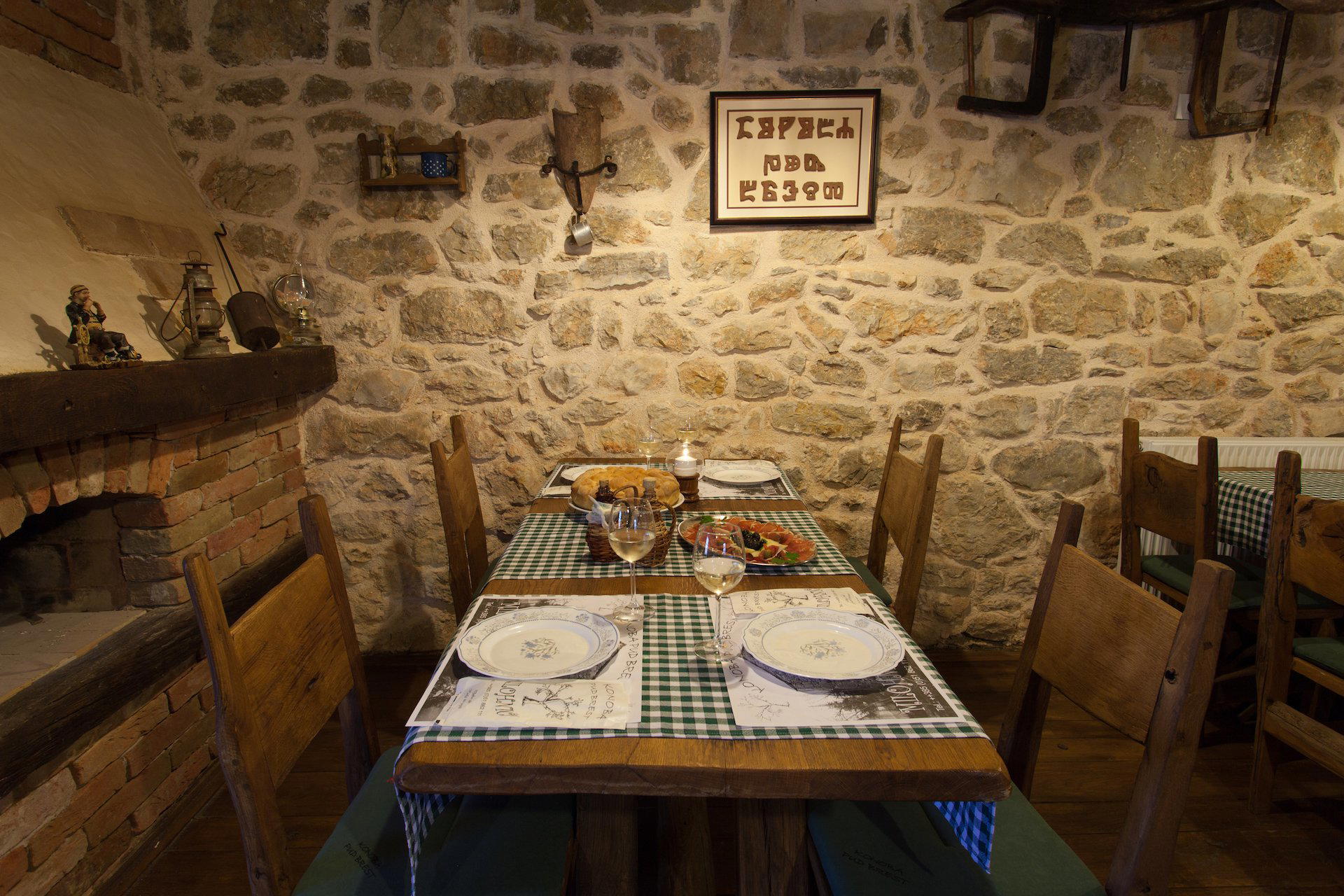
The Konoba as Ritual: What Inland Krk Teaches You About Eating Slowly
The road into Milohnići runs through the drier, quieter interior of Krk, past stone walls and olive groves, well away from the harbour restaurants and tourist menus that line the island's coast. This is where the konoba tradition makes its fullest sense. A konoba is not simply a category of restaurant; it is a pacing philosophy. Meals arrive without urgency. Wine comes from the region, often poured simply. Conversation at surrounding tables tends to run long. The setting at Konoba pud Brest, at Milohnići 41, matches that rhythm precisely: a rural village location that suits an unhurried meal.
Across the Kvarner region, the konoba format has split into two recognisable tiers. The coastal iteration has absorbed tourism pressures, frequently compressing menus toward crowd-pleasing seafood formats and accelerating table turns. The inland version, where establishments serve a more local clientele and operate within a slower seasonal rhythm, has largely held to the original structure: shared dishes, house-made basics, and a meal that unfolds rather than concludes. Konoba pud Brest belongs to the latter category, and that positioning is not incidental. It is the entire editorial point of the place.
The Dining Ritual: How a Meal Here Is Meant to Work
In the konoba tradition, the sequence of a meal carries as much meaning as any individual dish. Eating is cumulative and communal; the table fills gradually and clears slowly. Bread, local cured meats, and preserved vegetables often precede the main event, not as an amuse-bouche in any modernist sense, but as the actual beginning of the meal in its own right. Croatian inland cooking on Krk draws from both the sea and the karst interior: lamb raised on scrubby pasture, game in season, and vegetables grown in the thin but productive soil of the island's quieter zones.
This matters for how you approach ordering. The instinct to anchor a meal around a single hero dish, in the way that fine dining encourages, sits awkwardly here. The konoba meal is better understood as a series of contributions to the table rather than a linear progression toward a climax. That shift in expectation, once made, changes how satisfying the experience becomes. Visitors who arrive comparing this format to the kind of tasting-menu construction found at, say, Nebo by Deni Srdoč in Rijeka or Pelegrini in Sibenik will miss what Konoba pud Brest offers. The comparison set here is not fine dining; it is the honest, territory-specific cooking that Croatian cuisine does at its most grounded.
Krk's Inland Dining: Placing the Konoba in Context
Krk's restaurant identity is not monolithic. In the town of Krk itself, a range of formats exists: Konoba NONO, Konoba Galija, Golden Rose, and Karaka all operate in the coastal-adjacent tier, where accessibility and seafood prominence shape the offering. Moving inland to Milohnići represents a deliberate step toward the version of Kvarner cooking that relies less on proximity to the harbour and more on what the island's interior produces across the seasons.
That inland character connects Krk to a broader Croatian tradition of territory-rooted cooking. Boskinac in Novalja, on Pag island, and Alfred Keller in Mali Lošinj represent the refined end of that island-interior sensibility, with structured wine programs and refined technique. The restaurant operates at a different register, one without the formal apparatus of fine dining, but holding to the same principle: that Croatian islands have a culinary identity that extends beyond their shorelines. For a wider survey of where Krk fits within Croatian coastal dining, our full Krk restaurants guide maps the range across formats and price points.
Croatia's top tier of restaurants, from Restaurant 360 in Dubrovnik to Agli Amici Rovinj in Rovinj and LD Restaurant in Korčula, all share a foundational debt to the konoba format: the sourcing logic, the seasonal rhythm, and the communal table ethos all trace back to this type of establishment. Understanding a place like Konoba pud Brest helps locate where the fine dining ambition of modern Croatian cooking actually originates.
Getting There and Planning Your Visit
Milohnići sits in the interior of Krk island, accessible by car from Krk town or from the bridge connecting the island to the mainland. A vehicle is essentially required; this is not a destination reachable on foot from any coastal settlement. The village setting and the konoba format both suggest that a midday or early evening visit works better than a late arrival: the meal runs long by design, and the surrounding countryside reads differently in daylight. Hours run daily from 12 to 10 PM, and reservations are recommended.
For visitors building an extended Croatian itinerary that includes this kind of grounded, territory-specific eating, comparable experiences exist further along the coast and inland: Dubravkin Put in Zagreb and Korak in Jastrebarsko offer analogous commitments to Croatian land cooking, while Krug in Split and BioMania Bistro Bol in Bol represent the Dalmatian interpretation of ingredient-led, unfussy dining. At the furthest end of the global reference spectrum, Le Bernardin in New York City and Atomix in New York City demonstrate what happens when the konoba's sourcing ethos is translated into a fine dining grammar; the gap between those two poles is exactly where the restaurant situates itself, comfortably and without apology.
Cuisine and Awards Snapshot
Comparable venues nearby, for context on price, style, and recognition.
| Venue | Cuisine | Price | Notes |
|---|---|---|---|
| Konoba pud BrestThis venue — the venue you are viewing | Traditional Croatian Farm-to-Table | $$ | Not listed |
| Konoba Galija | Mediterranean Seafood & Pizza | $$ | Krk town |
| Golden Rose | Creative Adriatic Seafood | $$ | Krk |
| Konoba NONO | Traditional Croatian Seafood & Grill | $$ | Krk |
| Karaka | Croatian Mediterranean Seafood | $$ | Krk |
| Al Ponte Konoba | Seasonal Croatian Konoba | $$ | Mošćenička Draga |

At a Glance
- Rustic
- Cozy
- Classic
- Family
- Group Dining
- Casual Hangout
- Special Occasion
- Garden
- Standalone
- Historic Building
- Beer Program
- Farm To Table
- Local Sourcing
- Garden
Current opening hours
- Monday
- 12–10 PM
- Tuesday
- 12–10 PM
- Wednesday
- 12–10 PM
- Thursday
- 12–10 PM
- Friday
- 12–10 PM
- Saturday
- 12–10 PM
- Sunday
- 12–10 PM
Hours can change for holidays and private events. Last verified .
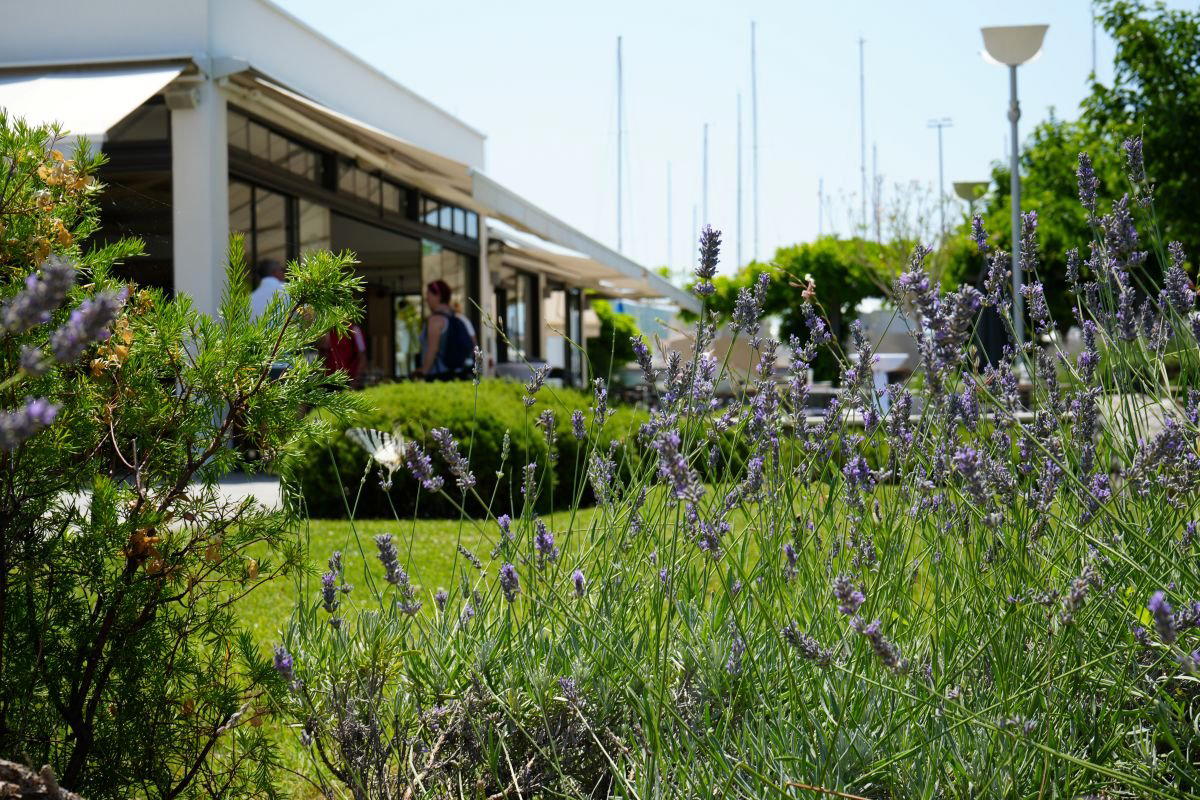
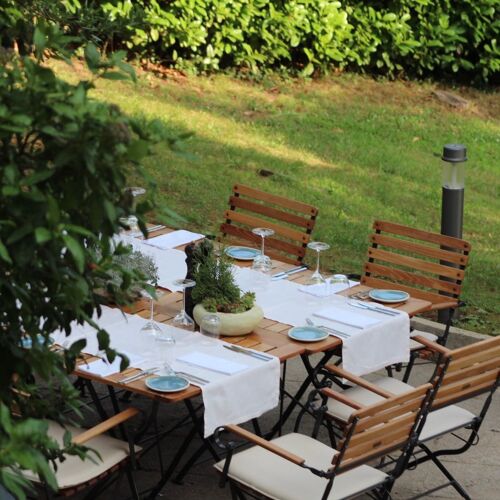
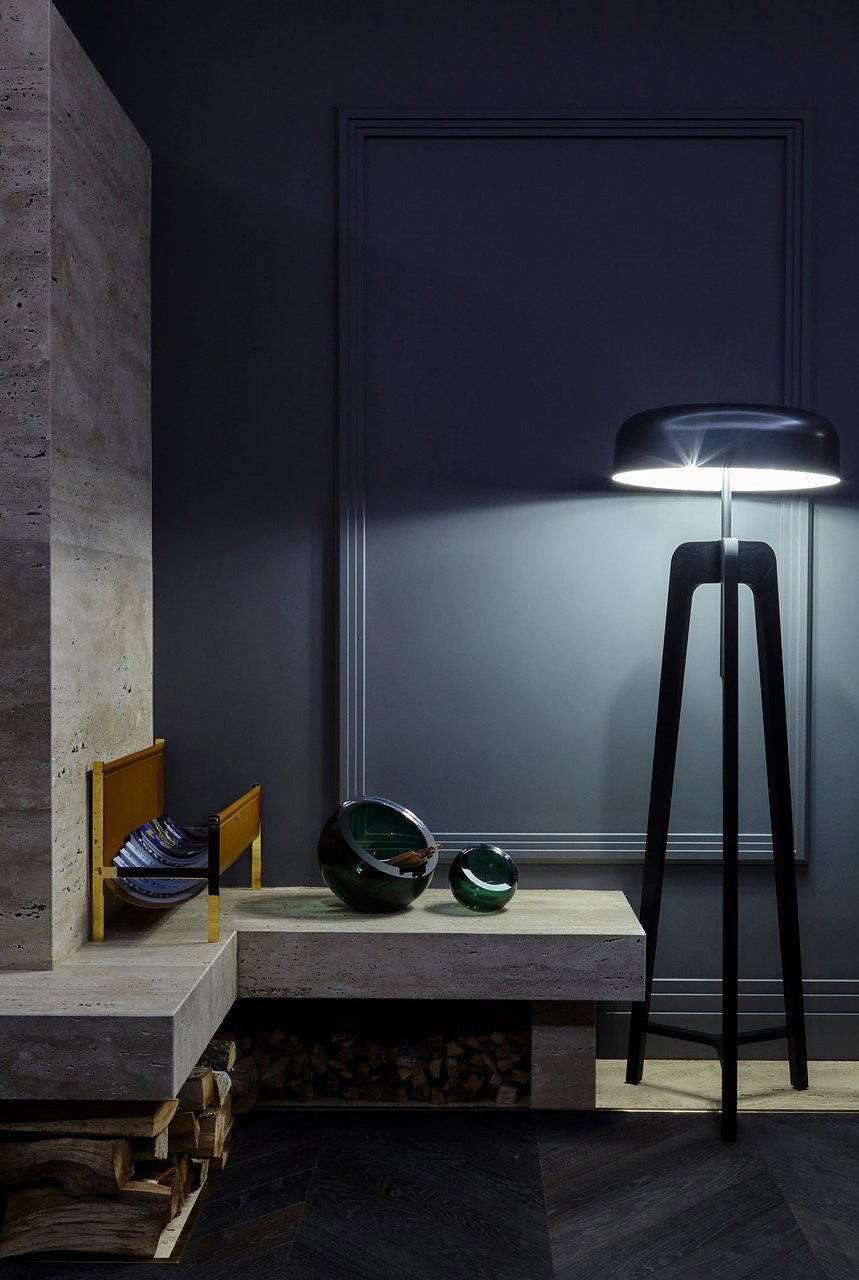
Rustic interior with fireplace, old family photos, and wooden furnishings; outdoor garden seating under elm and grapevine shade with a warm, homemade atmosphere.