More sits on a quiet address in Funtana, a small Istrian coastal village that draws visitors seeking the kind of unhurried Adriatic rhythm increasingly rare on the wider peninsula. The restaurant operates within a regional tradition where seafood, olive oil, and local wine define the plate rather than decorate it. For context on how More fits into Funtana's dining options, see our full Funtana restaurants guide.
Pearl is the En Primeur Club membership app — saves, bookings, and concierge access live there. Same editors, same standards.
- Address
- Ul. Antica Gašparini 3-3, 52452, Funtana, Croatia
- Phone
- +38552445103
- Directions
- Get directions
 Saves & bookings on Pearl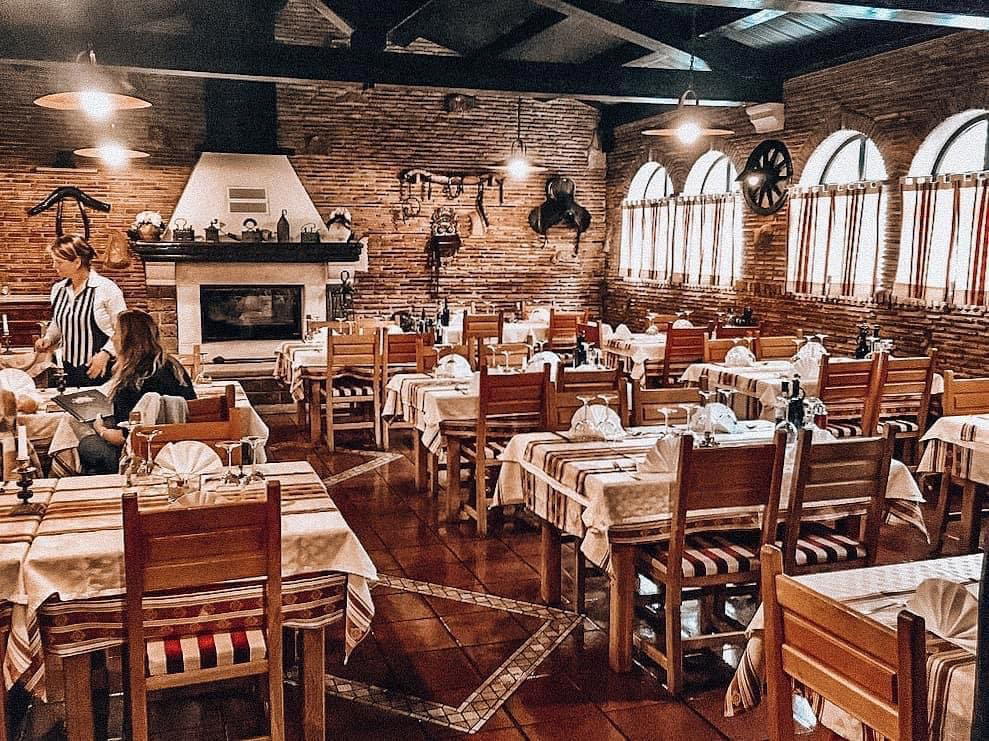
Funtana and the Istrian Coastal Tradition
The Istrian peninsula has spent the last two decades earning serious attention from European food travellers, and not without reason. The combination of Italian culinary inheritance, Croatian coastal produce, and a wine culture anchored in Malvazija and Teran has produced a regional table that rewards attention. Within that broader story, the villages north of Rovinj, Vrsar, Funtana, Tar, represent the quieter end of the spectrum: fewer tourists, smaller kitchens, and a more direct relationship between the fishing harbour and the dining room.
Funtana itself is a compact settlement on the western Istrian coast, where the Adriatic sets the pace more than any tourism infrastructure does. Restaurants here tend to operate on local logic: shorter menus, seasonal availability, and a dining rhythm tied to the afternoon catch rather than a printed schedule. More, located at Ul. Antica Gašparini 3-3, sits inside that village context. The address alone signals something about the kind of dining on offer, a residential lane rather than a waterfront promenade, which in Istria often means the cooking takes priority over the view.
The Cultural Architecture of an Istrian Plate
To understand what a restaurant like More is doing, it helps to understand what Istrian coastal cuisine actually is, because the term gets flattened in broader Croatian tourism marketing. The cuisine here is not simply grilled fish. It carries centuries of Venetian influence in its use of olive oil, polenta, and slow-cooked preparations. It absorbed Central European currents through the Habsburg period, which explains the prevalence of game, cured meats, and root-vegetable dishes inland. On the coast, the dominant logic is Mediterranean in structure but local in execution: bream and sea bass from the Adriatic, scampi from the Kvarner Gulf further north, octopus prepared simply enough that the quality of the animal carries the dish.
Truffles from the Motovun forest, one of the few places in Europe where black and white truffles grow in proximity, appear frequently on Istrian menus and have become something of a regional signature. Alongside truffle, Istrian olive oils have earned international recognition, with the peninsula consistently placing in global competitions. These are not decorative ingredients. They are the foundation of a regional identity that distinguishes Istrian tables from Dalmatian ones further south, where the cooking leans harder on grilling, lamb, and peka preparations.
Restaurants operating in this tradition across Istria occupy different tiers of ambition. At the higher end, places like Agli Amici Rovinj in Rovinj bring a contemporary Italian lens to local produce, working at a price point and format that competes with regional fine dining broadly. Further along the Croatian coast, Pelegrini in Sibenik and Restaurant 360 in Dubrovnik operate at the €€€€ tier with international ambitions. More, by contrast, exists at the village scale, where the point is not innovation or recognition but fidelity to the immediate coastline.
A Village Kitchen in the Adriatic Rhythm
Small coastal restaurants in Istria tend to attract two distinct kinds of guest. The first is the tourist in transit, moving between Poreč and Rovinj, looking for a seafood lunch to break the drive. The second is the repeat visitor who knows to leave the main road: the European couple who has been coming to the same Istrian village for fifteen summers, or the Italian day-tripper crossing from Trieste or Venice who treats the peninsula as an extension of their own regional table. Funtana's geography encourages the latter type. There is limited reason to stop here unless you already know why.
That specificity matters for how a restaurant like More functions. In places like Funtana, the dining room and the kitchen often operate with a directness that larger tourist-facing venues cannot replicate, sourcing that reflects what the local boats brought in, preparations that don't require explanation because the ingredients are already understood by the guests sitting down. Nearby, Konoba Bare represents the same village-scale tradition, giving some indication of the culinary character Funtana maintains across its small dining scene.
This pattern repeats across Croatia's smaller coastal settlements. Burin in Crikvenica, Bodulo in Pag, and BioMania Bistro Bol in Bol each operate within a local logic that resists the standardisation of larger resort destinations. The restaurants that endure in these contexts do so because they stay honest about what the place is and what the season allows.
Placing More in the Wider Croatian Dining Map
Croatia's restaurant scene has matured considerably over the past decade, with serious kitchens now operating across the country at a level that draws international attention. Nebo by Deni Srdoč in Rijeka and Alfred Keller in Mali Lošinj represent the ambition of the northern Adriatic end of the country. Inland, Dubravkin Put in Zagreb, Korak in Jastrebarsko, and Cantilly Garden Restaurant in Samobor anchor a continental Croatian tradition quite separate from the coastal one. Even at the island level, Boskinac in Novalja and LD Restaurant in Korčula have built reputations that extend beyond their immediate geography. Krug in Split continues to operate as one of Dalmatia's more considered urban options.
More does not position itself in that tier of named, reviewed, destination-driven restaurants. Its context is the village, and the village is the point. For travellers who approach Croatia through its headline restaurants first, the kind of programme that might also include Le Bernardin in New York City or Atomix in New York City as reference points for serious dining, understanding where places like More sit in the ecosystem matters. They are not comparable on ambition or format. They are comparable on honesty about what they are.
Planning a Visit
Funtana is accessible from Poreč in under ten minutes by car, making it a practical detour from the larger town's tourism infrastructure. The village sees its highest traffic in July and August, when the Istrian coast operates at full summer capacity. Visitors aiming for a quieter experience tend to favour June or September, when temperatures remain warm and the local dining rhythm is less compressed by peak-season demand. For those building a broader Istrian itinerary, our full Funtana restaurants guide maps the available options across the village. More is recommended for reservations and is open Tue to Sun from 12 PM to 12 AM, with Monday closed.
Booking and Cost Snapshot
Comparable venues nearby, for context on price, style, and recognition.
| Venue | Cuisine | Price | Notes |
|---|---|---|---|
| MoreThis venue — the venue you are viewing | Funtana, Istrian Seafood & Mediterranean | $$ | Not listed |
| Konoba Bare | Funtana, Modern Istrian Mediterranean | $$ | Not listed |
| Marina | Not listed | $$ | Kukci, Traditional Mediterranean Seafood & Istrian Cuisine |
| Velo Kafe | Not listed | $$ | Old Town, Traditional Istrian Mediterranean |
| Konoba aba | Not listed | $$ | Porec Old Town, Authentic Istrian Seafood & Truffle |
| Konoba Istranka | Opatija, Traditional Croatian Istrian | $$ | Not listed |
Continue exploring
More in Funtana
Restaurants in Funtana
Browse all →
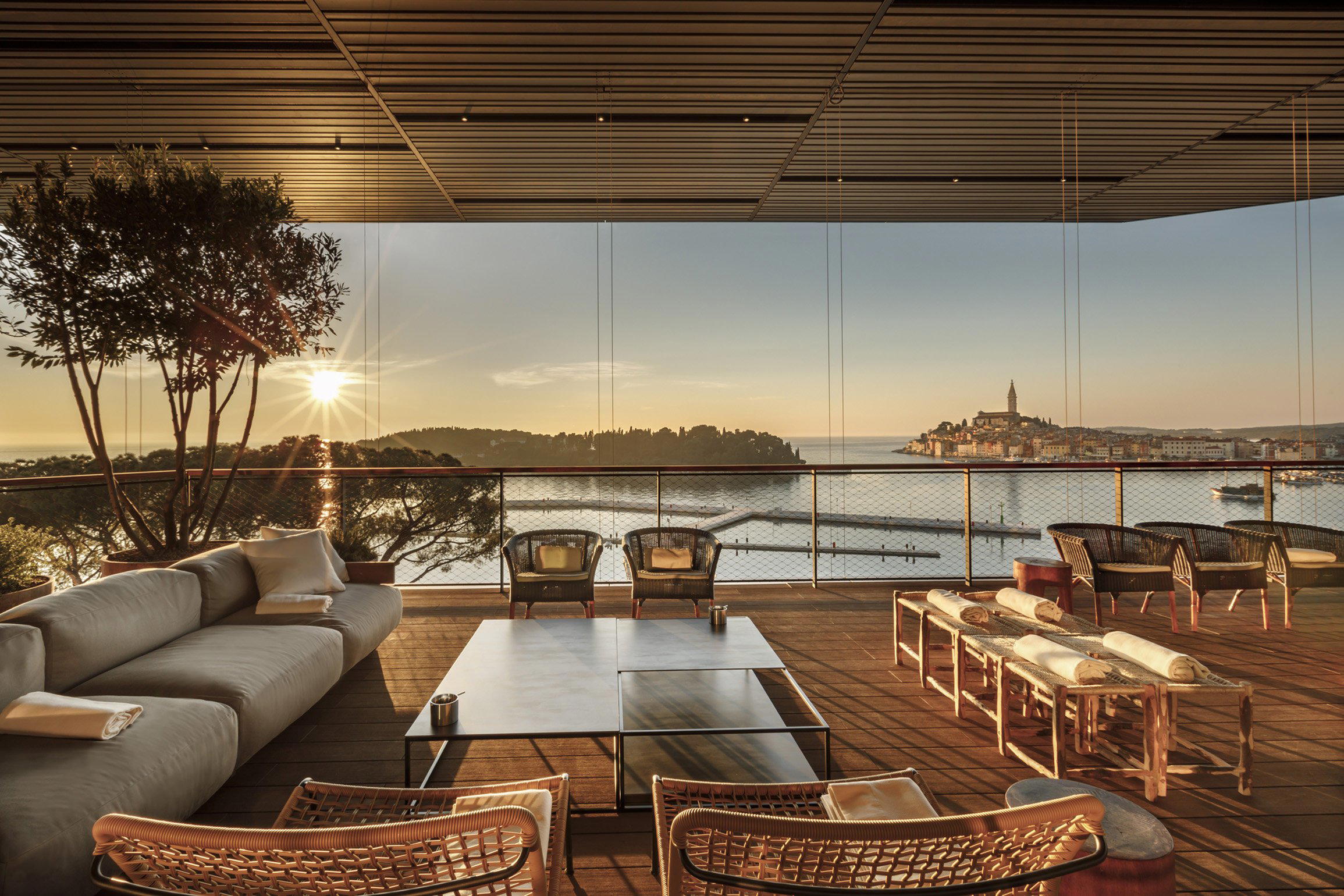
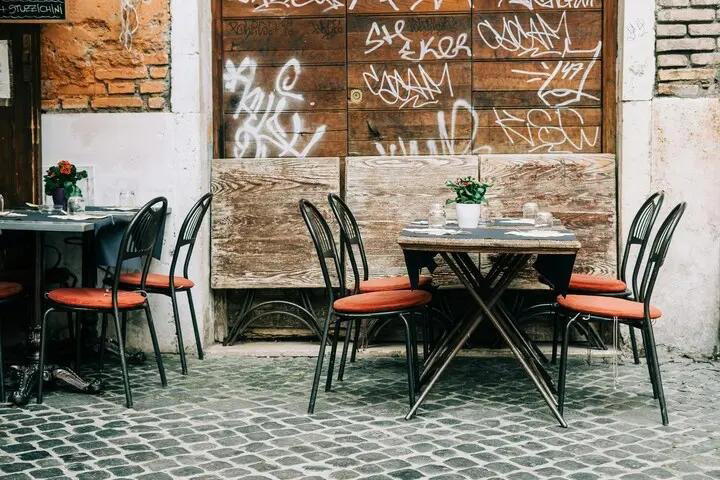
Bars in Funtana
Browse all →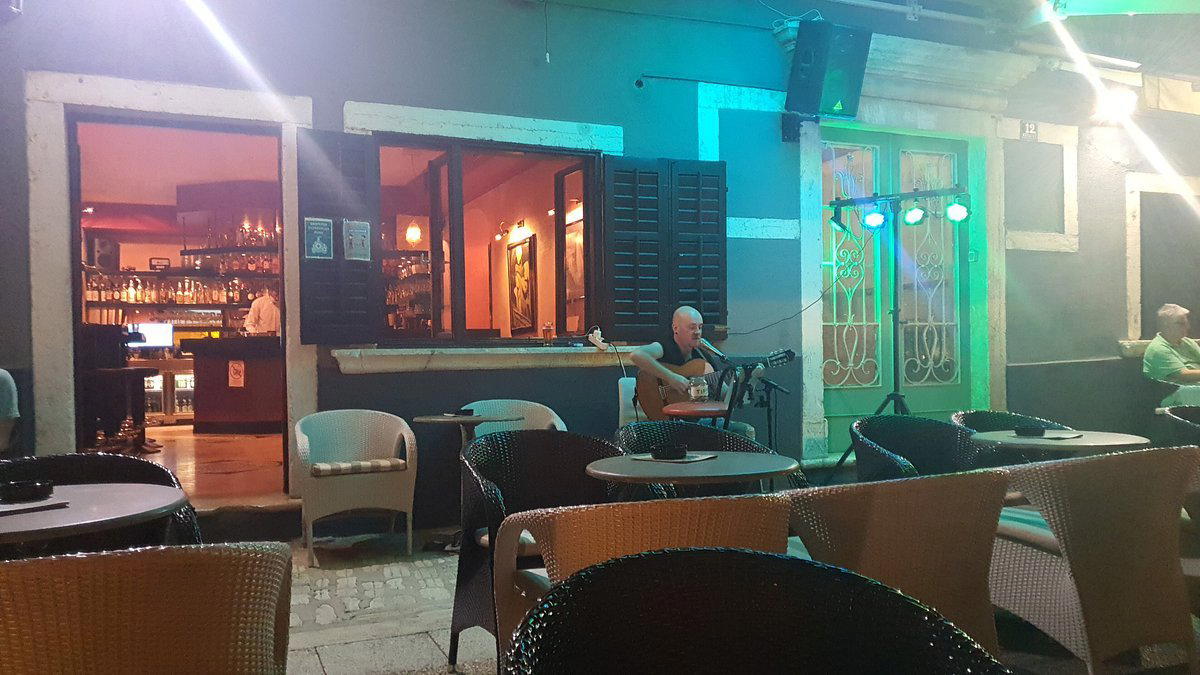
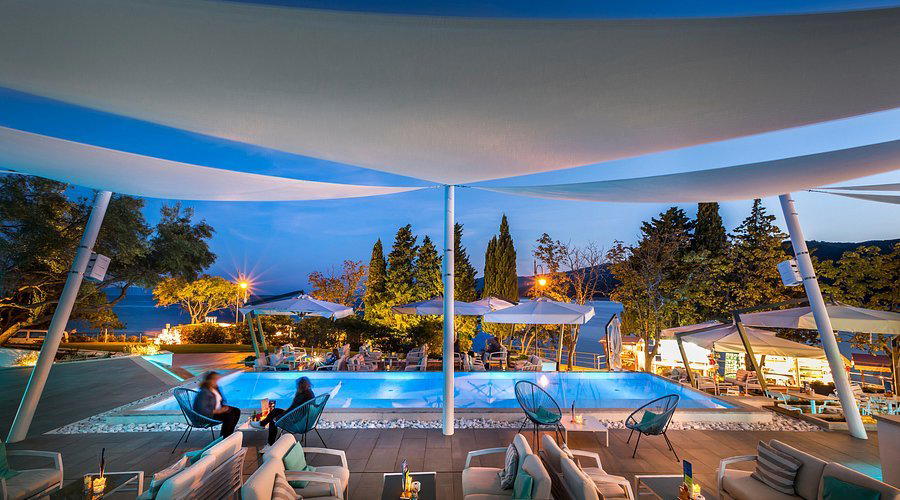
Hotels in Funtana
Browse all →

At a Glance
- Rustic
- Family
- Special Occasion
- Standalone
- Extensive Wine List
- Local Sourcing
Current opening hours
- Monday
- Closed
- Tuesday
- 12 PM–12 AM
- Wednesday
- 12 PM–12 AM
- Thursday
- 12 PM–12 AM
- Friday
- 12 PM–12 AM
- Saturday
- 12 PM–12 AM
- Sunday
- 12 PM–12 AM
Hours can change for holidays and private events. Last verified .
Welcoming family atmosphere with focus on traditional Istrian hospitality.