In the quiet hill village of Brtonigla in Istria's interior, Konoba Astarea represents the kind of traditional Croatian table that coastal restaurants have largely left behind: local ingredients handled without ceremony, eaten in a setting that feels continuous with the land around it. The address is Ul. Ronko 6, and the format is the konoba at its most faithful.
Pearl is the En Primeur Club membership app — saves, bookings, and concierge access live there. Same editors, same standards.
- Address
- Ul. Ronko 6, 52474, Brtonigla, Croatia
- Phone
- +38552774384
- Website
- konoba-astarea.com
- Directions
- Get directions
 Saves & bookings on Pearl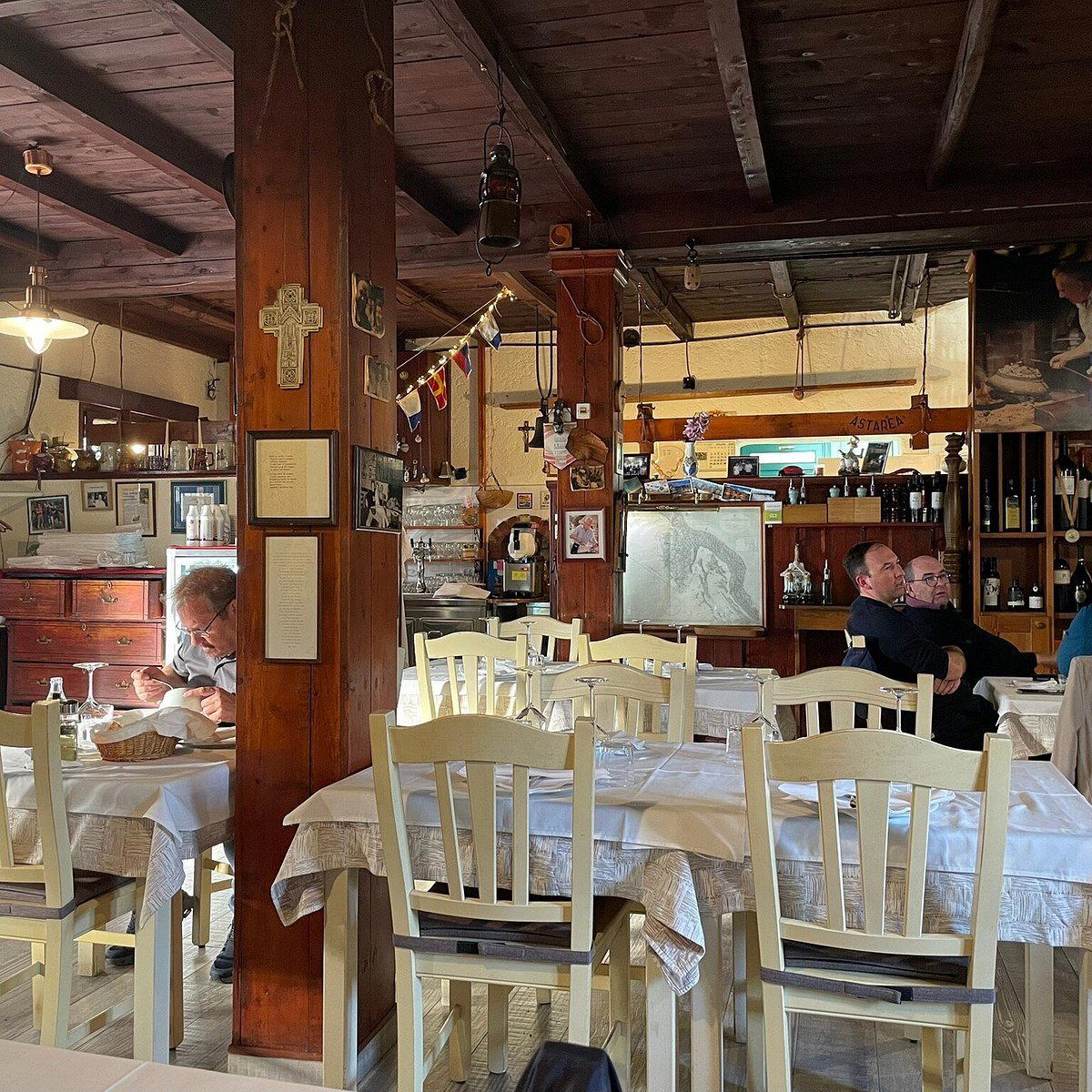
Stone Walls, Borrowed Light, and the Istrian Interior
Approaching Brtonigla from the valley roads that cut through Istria's olive groves and vineyards, the village registers as a cluster of pale stone against a low ridge. The settlement is small enough that the sound of the street carries into any dining room that opens onto it, and Konoba Astarea at Ul. Ronko 6 sits inside that texture. The restaurant serves Traditional Istrian Seafood in Brtonigla, Croatia, and carries,136 reviews. A konoba, in the Croatian tradition, is not a restaurant that happens to be rustic. It is a specific institution: a family-run eating house where the sourcing radius is rarely more than a few kilometres, where the menu follows what is available rather than what is fashionable, and where the room itself tends to feel inherited rather than designed. Astarea fits that category.
The interior of Istria operates at a different register from the Adriatic coast. Places like Agli Amici Rovinj in Rovinj or Restaurant 360 in Dubrovnik are positioned for a diner who arrives with a reservation and a view. Brtonigla's konobe serve a diner who arrives because they are already here, or because they came specifically for this. That distinction shapes everything: the pacing, the portion logic, the absence of theatre.
Where the Food Comes From
The ingredient story in Istria's interior is among the more coherent in the Adriatic region. The peninsula produces a specific set of raw materials that are difficult to replicate elsewhere: white and black truffles from the Motovun forest, olive oil from century-old groves, game from the inland hills, and a pork culture built around the Istrian prosciutto tradition. Local wine comes largely from Malvazija Istarska and Teran, both of which are produced by small growers operating within a short drive of Brtonigla.
Konoba tradition exists, in part, to make those materials available in their least-processed form. At the inland tables of Istria, a plate of prosciutto is not a garnish; it is a primary proposition. Fuži, the hand-rolled pasta particular to this part of Croatia, arrives with sauces built from what is in season: game ragù in colder months, truffles when the timing and price allow. This is the sourcing logic that places like Boskinac in Novalja have formalised into a premium format. At a traditional konoba, the same philosophy operates without the formal structure around it.
Brtonigla sits in Istria's northwestern interior, close enough to both the Slovenian border and the Mirna River valley to draw from a productive agricultural zone. The village has developed a small but noted reputation for food-focused hospitality. Morgan (Traditional Cuisine), which prices at the €€€ tier, and San Rocco (Contemporary), also at €€€, represent the more structured end of Brtonigla's dining offer. Primizia adds another entry to the village's compact but serious table. Konoba Astarea occupies a different position in that local comparable set: less structured, more grounded in the konoba format proper.
The Konoba as a Culinary Position
Croatia's dining scene has split, over the past decade, between venues that have formalised their offer toward a recognisable European fine-dining grammar and those that have held the konoba format as a credible end in itself. Pelegrini in Sibenik and Nebo by Deni Srdoč in Rijeka sit at one end of that spectrum. Konobe in villages like Brtonigla sit at the other. Neither position is a compromise; they answer different questions.
The question a traditional konoba answers is this: what does this specific piece of land produce, and how do we eat it without losing the thread back to the source? That question is relevant to a reader who has worked through the contemporary Croatian restaurant circuit via LD Restaurant in Korčula or Dubravkin Put in Zagreb and wants a different frame of reference. At its leading, a well-run konoba in interior Istria makes those contemporary addresses look like translations. The konoba is the original.
Internationally, the logic of sourcing-first dining at the traditional end of the market has been confirmed by addresses as technically distant as Le Bernardin in New York City and Atomix in New York City, both of which use ingredient provenance as a central editorial point. In Istria, that argument needs no formal presentation: the prosciutto arrives cured the way it has been cured in this valley for generations, and the olive oil on the table came off trees that were old before the current owner was born.
Planning Your Visit
Brtonigla is a small inland village in the Buje municipality of northwestern Istria, reachable by car from Poreč in roughly 25 minutes and from Pula in under an hour. The village does not have a conventional tourism infrastructure, which means that planning ahead is more practical here than on the coast. Konoba Astarea is recommended for reservations, and its hours are Monday through Tuesday and Thursday through Saturday from 12 to 10 PM, Wednesday closed, and Sunday from 12 to 8 PM.
The broader Brtonigla dining scene rewards a half-day or full-day visit. Eating at a traditional konoba in the morning or early afternoon, walking the village perimeter, and returning for an evening table at one of the more structured addresses nearby is a coherent programme. For those extending further into Croatia's food-serious venues, Krug in Split, Korak in Jastrebarsko, and Alfred Keller in Mali Lošinj each represent a different geography of serious Croatian cooking. BioMania Bistro Bol in Bol and Bodulo in Pag offer island-side reference points for the same ingredient-driven logic in different coastal settings.
Comparison Snapshot
Comparable venues nearby, for context on price, style, and recognition.
| Venue | Cuisine | Price | Awards | Notes |
|---|---|---|---|---|
| Konoba AstareaThis venue — the venue you are viewing | Traditional Istrian Seafood | $$ | Not listed | Not listed |
| Morgan | Traditional Istrian Seasonal Cuisine | $$$ | Michelin Plate | Brtonigla |
| Primizia | Mediterranean Pizza & Istrian | $$ | Not listed | Brtonigla |
| San Rocco | Contemporary Istrian Mediterranean | $$$ | Michelin Plate | Brtonigla |
| Pjero | Istrian Steakhouse & Trattoria | $$ | Not listed | Momjan |
| Restauran-Antonia | Croatian Seafood Mediterranean | $$ | Not listed | Zambratija |
Continue exploring
More in Brtonigla
Restaurants in Brtonigla
Browse all →
Bars in Brtonigla
Browse all →
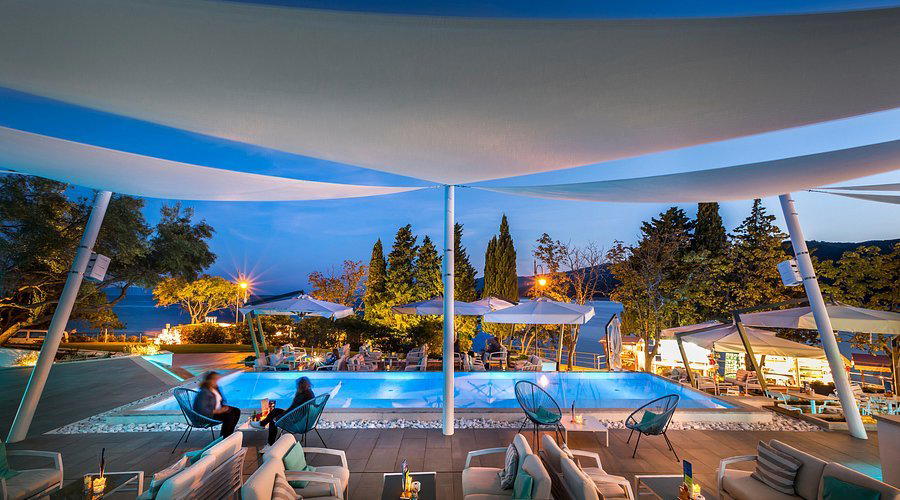
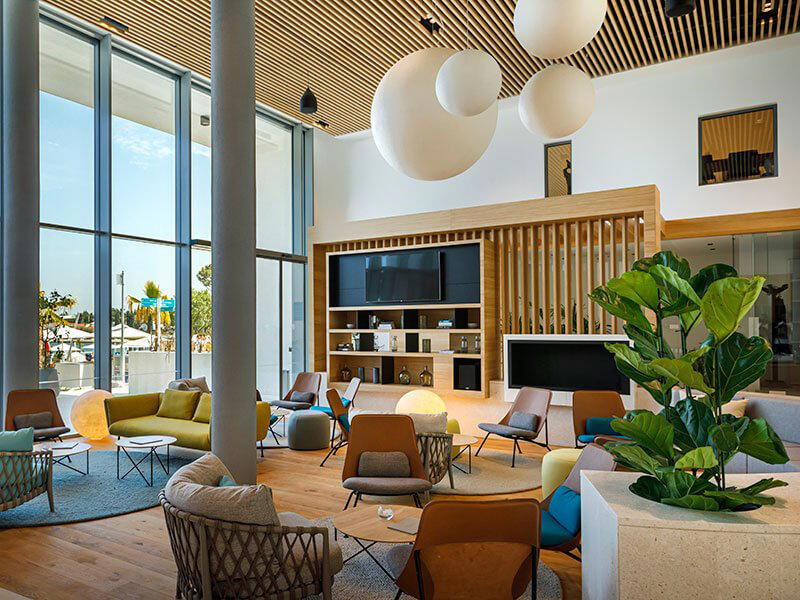
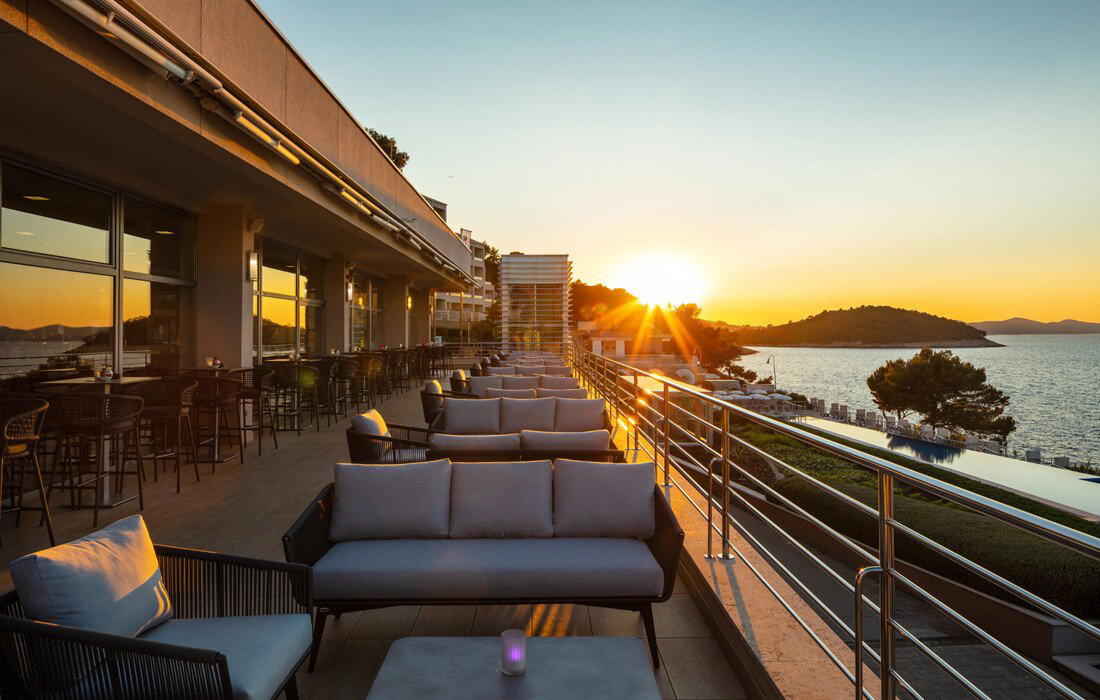
Hotels in Brtonigla
Browse all →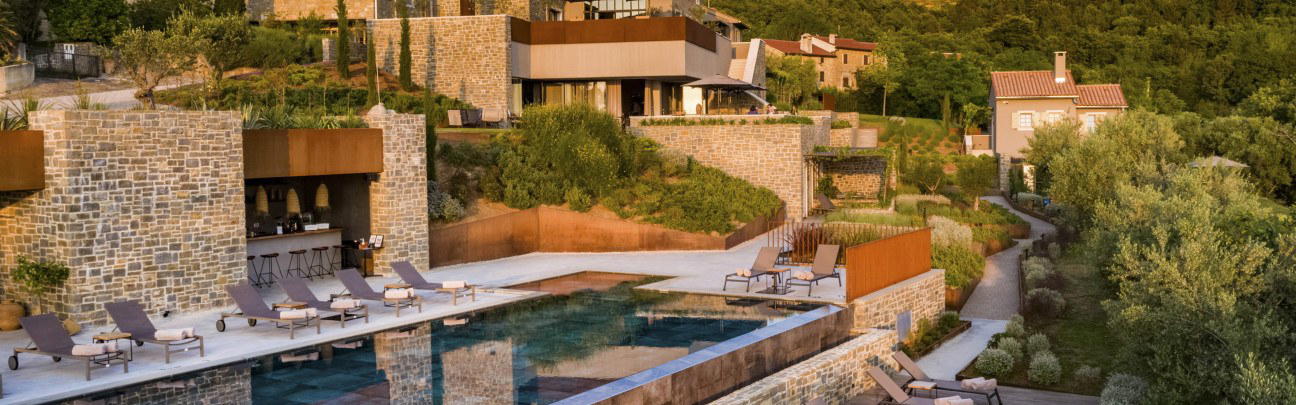

At a Glance
- Rustic
- Cozy
- Date Night
- Casual Hangout
- Open Kitchen
- Terrace
- Extensive Wine List
- Local Sourcing
Current opening hours
- Monday
- 12–10 PM
- Tuesday
- 12–10 PM
- Wednesday
- Closed
- Thursday
- 12–10 PM
- Friday
- 12–10 PM
- Saturday
- 12–10 PM
- Sunday
- 12–8 PM
Hours can change for holidays and private events. Last verified .
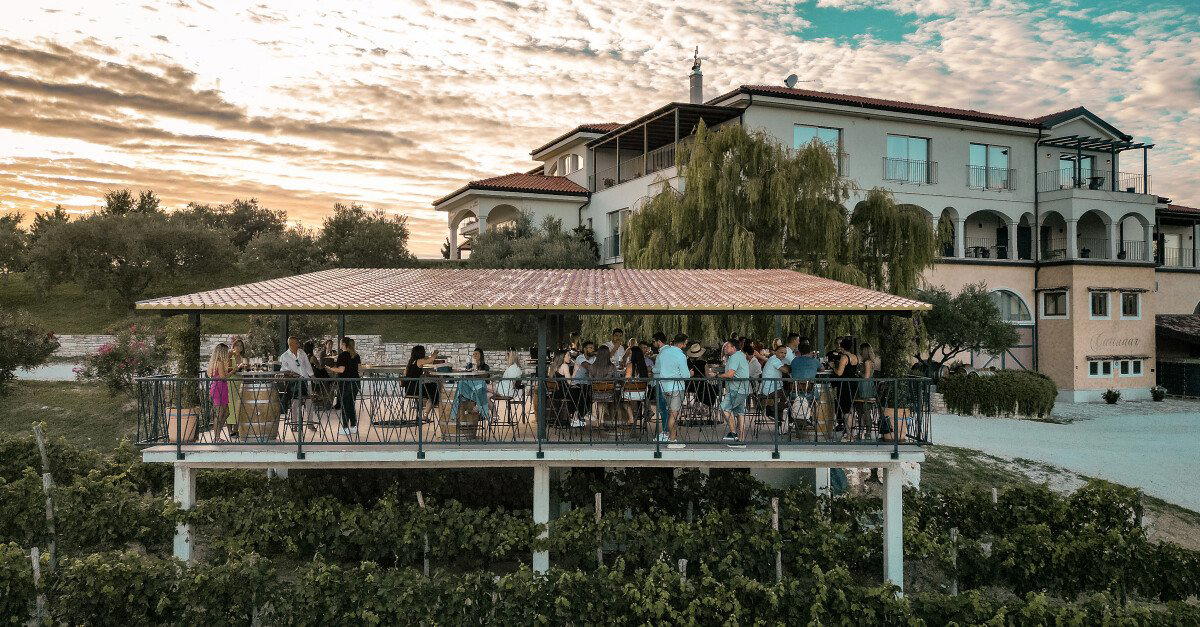
Simple, informal, and rustic atmosphere with attentive hosts, pleasant seating including garden areas, and an open grill.