
Rovinj's dining scene runs largely on Istrian tradition and Adriatic seafood, which makes Tekka by Lone's Japanese programme a deliberate departure. Holding a Michelin Plate in both 2024 and 2025, this €€€ restaurant on Ul. Luje Adamovića 31 sits at the sharper, more focused end of the town's fine-dining tier, offering a case study in what happens when Japanese ingredient discipline meets a Croatian coastal setting.
Pearl is the En Primeur Club membership app — saves, bookings, and concierge access live there. Same editors, same standards.
- Address
- Ul. Luje Adamovića 31, 52210, Rovinj, Croatia
- Phone
- +385 52 632 012
- Website
- maistra.com
- Directions
- Get directions
 Saves & bookings on Pearl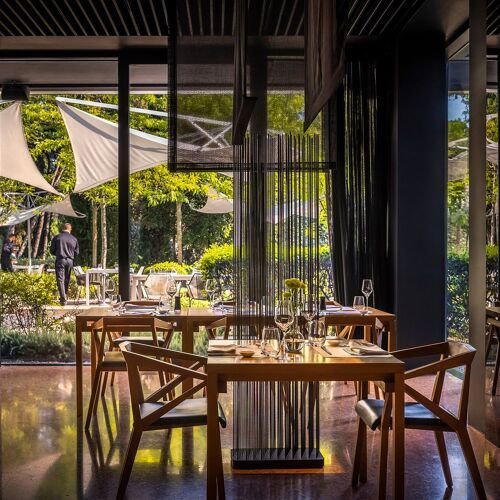
A Different Grammar on the Adriatic
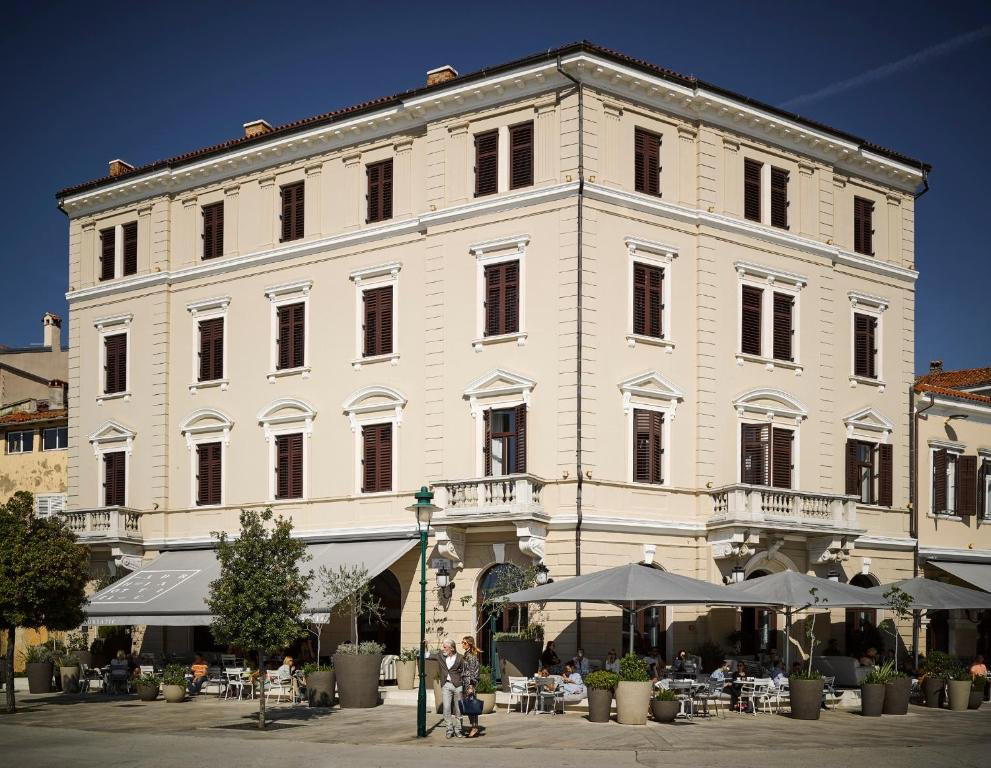
Rovinj's restaurant scene has long been anchored in Istrian tradition: the truffle-threaded pastas, the grilled Adriatic fish, the local Malvazija poured at nearly every serious table. Against that backdrop, the address at Ul. Luje Adamovića 31 registers as a deliberate interruption. The stone-built streetscape of the old town gives nothing away from outside, but step into Tekka by Lone and the register shifts entirely. The spatial logic, the quieter pace of service, the way ingredients are handled rather than announced, these are signals borrowed from a culinary tradition that puts raw materials at the centre of everything.
Japanese cooking, in its more rigorous forms, is fundamentally an ingredient-first discipline. The quality of dashi stock, the provenance of a piece of fish, the temperature at which proteins are served, these decisions carry the cooking. That philosophy, transplanted to a Croatian coastal town, creates an interesting tension. Rovinj already has access to notable primary produce: Adriatic fish pulled from clean northern waters, Istrian truffles, olive oils from groves a short drive inland. The question a kitchen like Tekka's poses is what happens when Japanese technique is applied to that local supply chain.
Where Tekka Sits in Rovinj's Fine-Dining Tier
Rovinj punches above its size for a town of fewer than 15,000 residents. Michelin has been consistent in its attention here: Monte holds stars, and creative kitchens like Cap Aureo and Agli Amici Rovinj operate at the €€€€ tier alongside Wine Vault Restaurant – Levante Edition. Tekka by Lone prices at €€€€, making it the more accessible entry point into Michelin-recognised cooking in the town, while the two consecutive Michelin Plates, awarded in both 2024 and 2025, confirm it as a kitchen that earns sustained critical attention rather than passing notice.
That consecutive recognition matters contextually. A Michelin Plate signals food worth a detour, distinct from a casual local recommendation. In a town where several addresses cluster at the summit of the quality ladder, Tekka's Japanese programme occupies a category of its own. There is no direct peer in Rovinj doing the same thing, which means its competitive set for the cuisine type extends beyond the town. Among Croatian coastal restaurants working in a Japanese or Japanese-influenced idiom, the reference points are sparse: Alfred Keller in Mali Lošinj and Nebo by Deni Srdoč in Rijeka offer points of comparison in terms of format ambition, though neither operates a Japanese programme. The more direct culinary comparisons sit further afield, kitchens like Myojaku or Azabu Kadowaki in Tokyo represent the tradition Tekka is drawing from, even if the context, scale, and supply chain are entirely different.
The Ingredient Argument
Japanese cuisine's most demanding practitioners treat ingredient sourcing as the primary creative act. The kitchen's role is largely to not get in the way: to slice with precision, to time heat carefully, to allow a piece of fish or a vegetable at its seasonal peak to speak for itself. This is a discipline that thrives on supply-chain relationships built over years, and it travels to new geographies with friction. A Japanese kitchen operating in Rovinj cannot simply replicate the ingredient networks of a Tokyo counter. What it can do is rebuild that logic with local sources: Istrian seafood where Japanese equivalents would appear; local seasonal produce treated with the same rigour that Japanese kitchens apply to produce from Kyoto's Nishiki market.
Whether Tekka resolves that translation with full conviction is the question the Michelin Plate prompts but does not fully answer. The award signals that the kitchen's standards hold, that the cooking is coherent and well-executed. What it leaves open is the degree to which the programme reads as genuinely rooted in its Adriatic location rather than imported wholesale. That tension, between the source of a technique and the geography that supplies its materials, is precisely what makes a restaurant like this interesting to assess. It is the same tension that makes a French technique applied to Japanese ingredients in Kyoto worth studying, or a Nordic approach to fermentation applied to Mediterranean produce in a small Croatian coastal town.
Croatia's Broader Fine-Dining Moment
Tekka exists within a wider Croatian dining story that has been building for over a decade. Kitchens like Boskinac in Novalja, Korak in Jastrebarsko, Dubravkin Put in Zagreb, Krug in Split, and LD Restaurant in Korčula represent a generation of Croatian cooking that has absorbed international technique while staying grounded in local produce. Tekka's Japanese programme is a different kind of move, less about absorbing technique into a Croatian identity and more about transplanting an intact culinary logic to a new geography. In that sense it is the more adventurous wager, and the fact that Michelin has recognised it twice suggests the wager is landing.
Croatia's coastal fine dining has benefited from the same tourism pressure that has driven investment in hospitality more broadly. Rovinj, in particular, attracts a well-travelled summer visitor base that expects options beyond grilled fish and Istrian pasta, however good those options are. A Japanese kitchen at this level answers a specific demand: the visitor who has eaten at counters in Tokyo, Hong Kong, or London and wants to know whether serious Japanese cooking can be done credibly this far outside its home geography.
Planning Your Visit
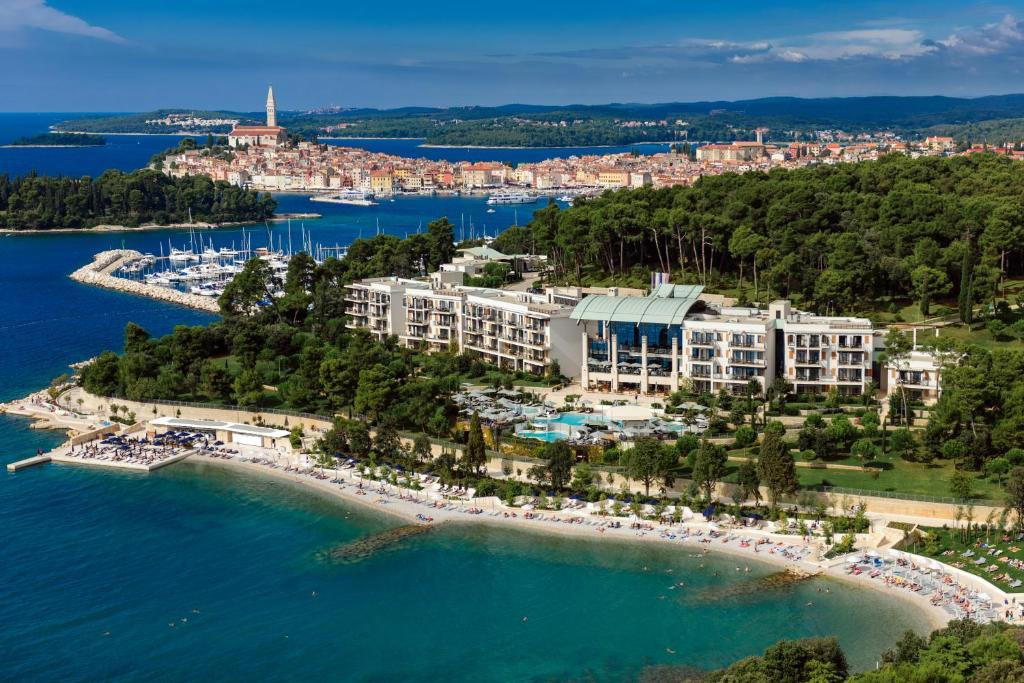
Tekka by Lone sits at Ul. Luje Adamovića 31 in Rovinj's old town, within walking distance of the harbour waterfront. At the €€€ price point, it sits a tier below the town's €€€€ addresses, though the Michelin Plate recognition places the overall experience in the same critical conversation. Given the consistent awards recognition and the specificity of the Japanese programme in a market with no direct local competition, booking ahead is advisable, particularly during Rovinj's peak summer season when the town's dining capacity is tested by tourist volume.
The Quick Read
Comparable venues nearby, for context on price, style, and recognition.
| Venue | Cuisine | Price | Notes |
|---|---|---|---|
| Tekka by LoneThis venue — the venue you are viewing | Rovinj, Japanese-Istrian Fusion | $$$$ | Not listed |
| Cave Lab By Monte | Not listed | $$$$ | Old Town, Modern Mediterranean Tasting Menu |
| Puntulina | Not listed | $$$ | Old Town Rovinj, Mediterranean Adriatic Seafood with Italian Influences |
| Laurel & Berry Restaurant | Rovinj, Istrian-Mediterranean Fusion | $$$ | Not listed |
| Veli Jože | Old Town, Traditional Istrian Seafood | $$ | Not listed |
| Konoba Jure | Cademia, Traditional Croatian Seafood | $$ | Not listed |
Recognition history
Dated appearances from independent guides and award organizations, with the underlying list record or original source where available.
Michelin Plate
Michelin · 2026 Michelin Plate
Michelin Plate
Michelin
Michelin Plate
Michelin
Continue exploring
More in Rovinj
Restaurants in Rovinj
Browse all →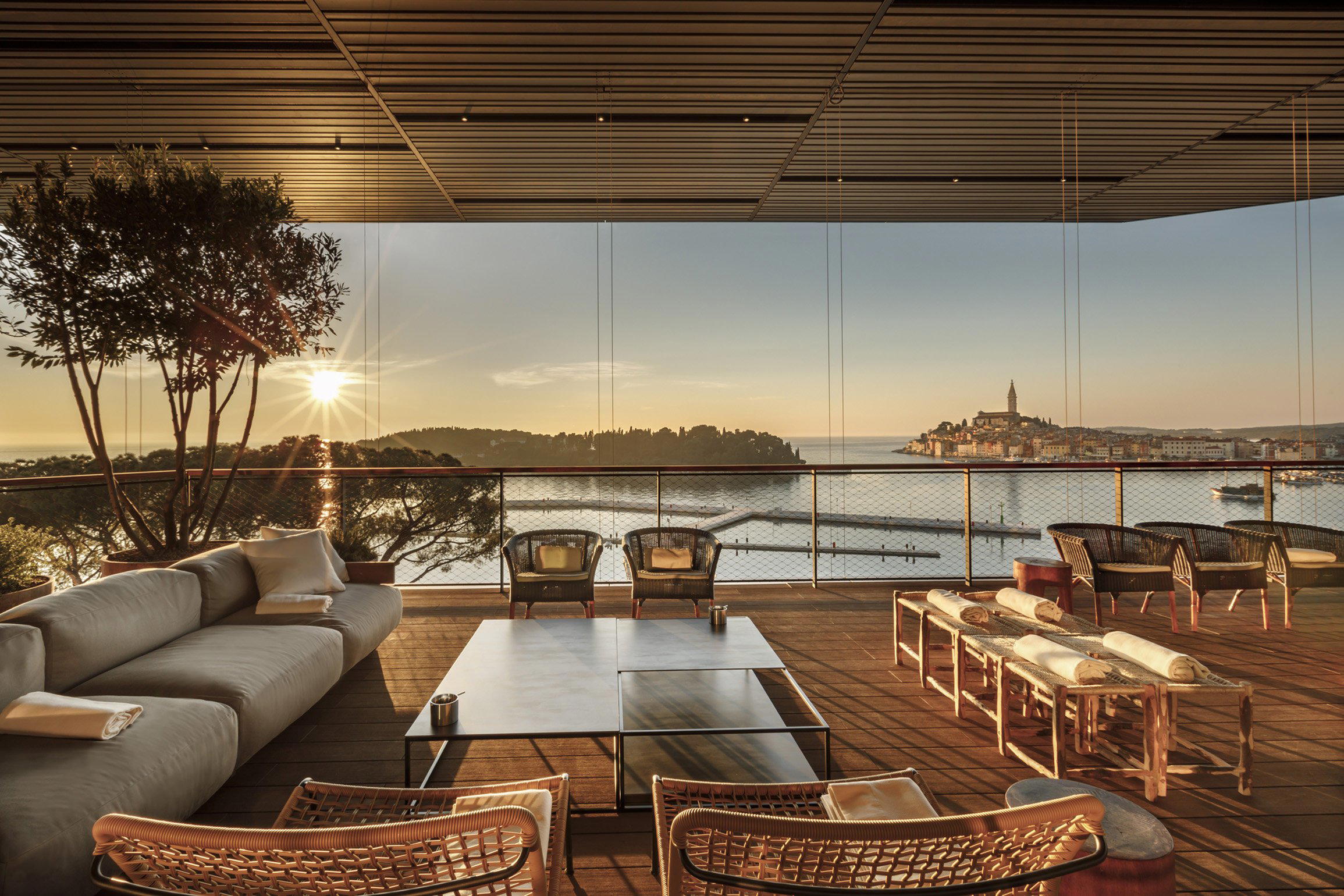
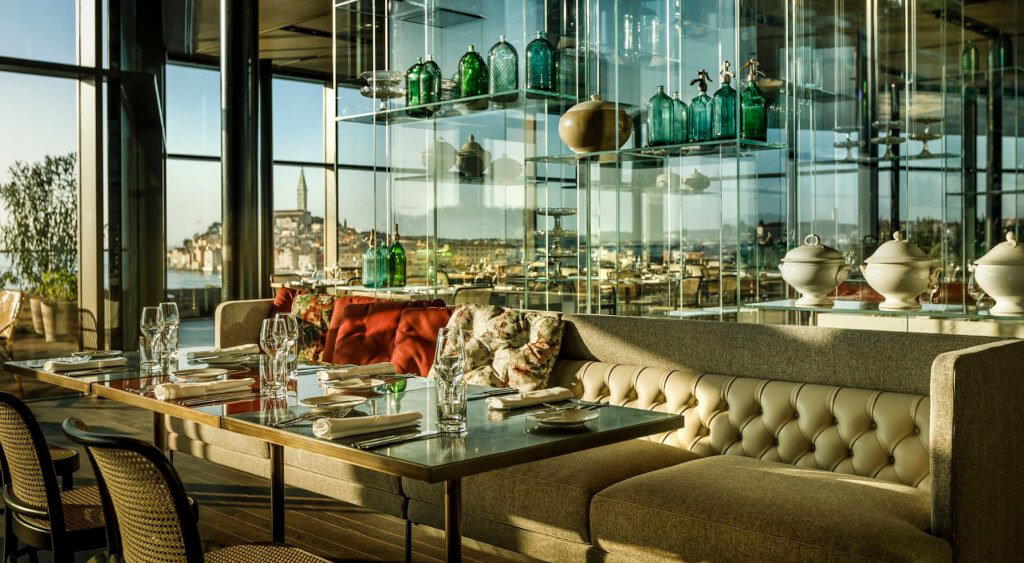
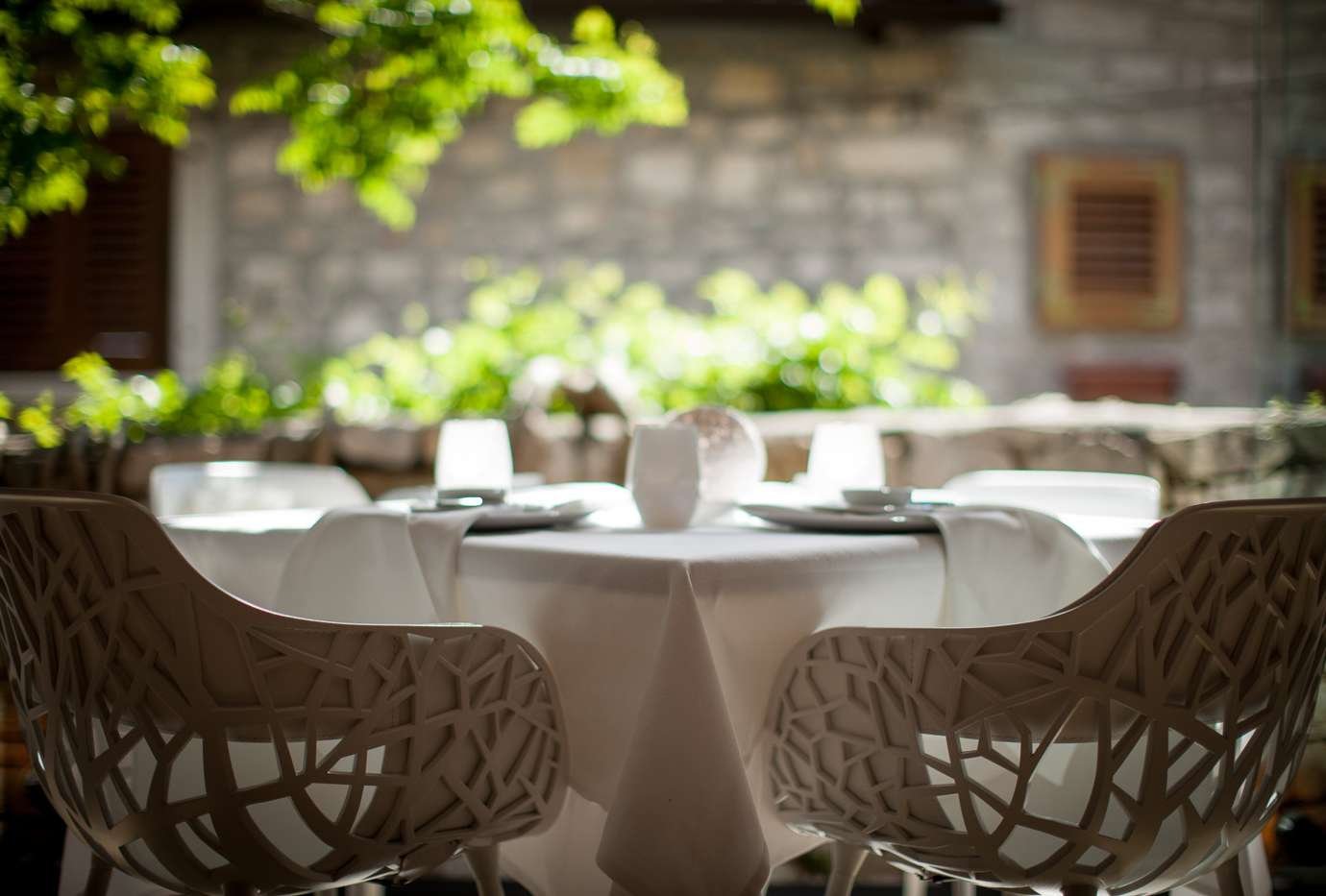
Bars in Rovinj
Browse all →
Hotels in Rovinj
Browse all →

At a Glance
- Elegant
- Modern
- Intimate
- Scenic
- Date Night
- Special Occasion
- Garden
- Terrace
- Hotel Restaurant
- Extensive Wine List
- Local Sourcing
- Garden
Current opening hours
- Monday
- Closed
- Tuesday
- 6–11 PM
- Wednesday
- 6–11 PM
- Thursday
- 6–11 PM
- Friday
- 6–11 PM
- Saturday
- 6–11 PM
- Sunday
- 6–11 PM
Hours can change for holidays and private events. Last verified .
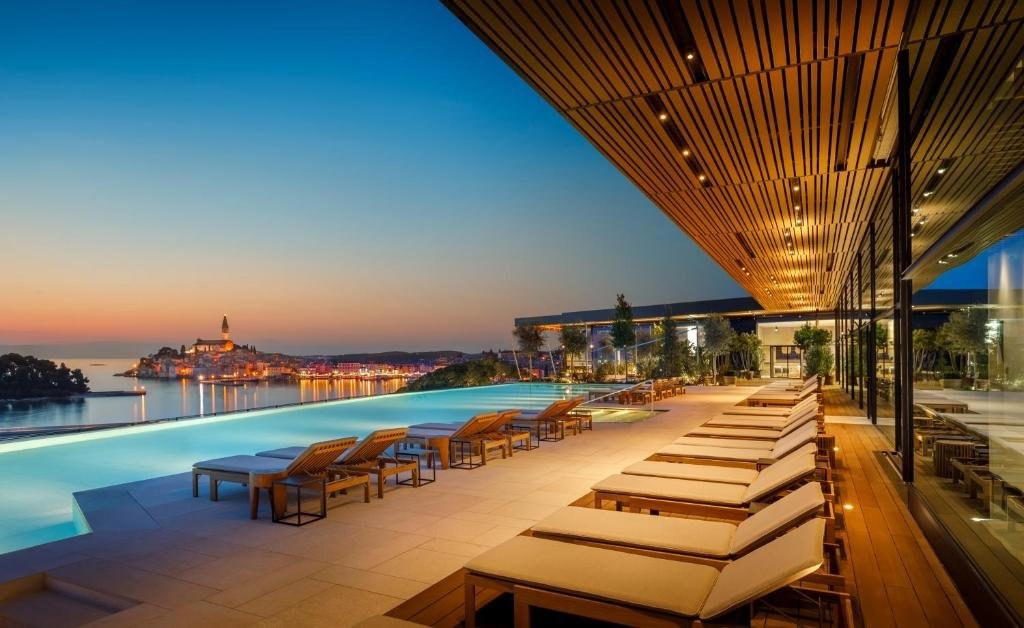
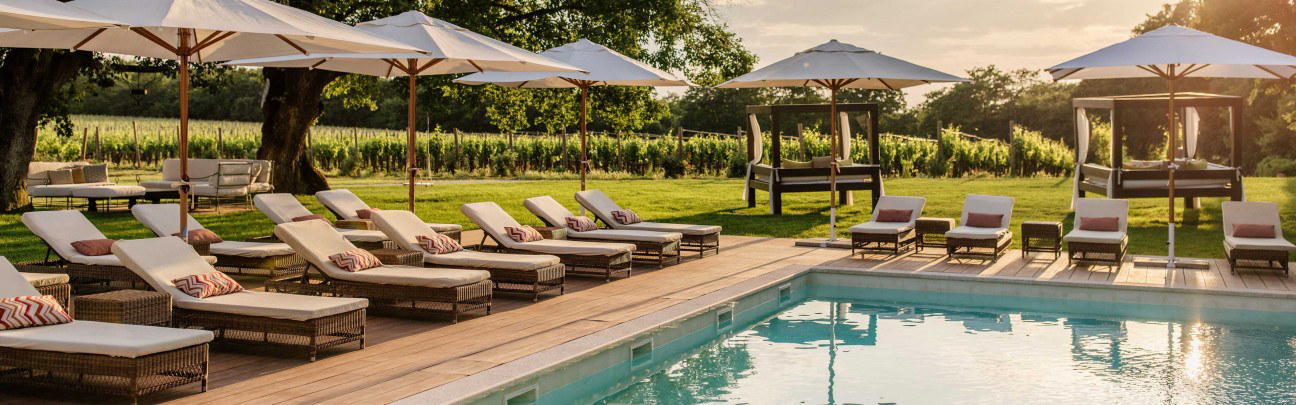
Beautiful minimalist-style dining room with delightful summer garden, peaceful atmosphere with pleasant music.