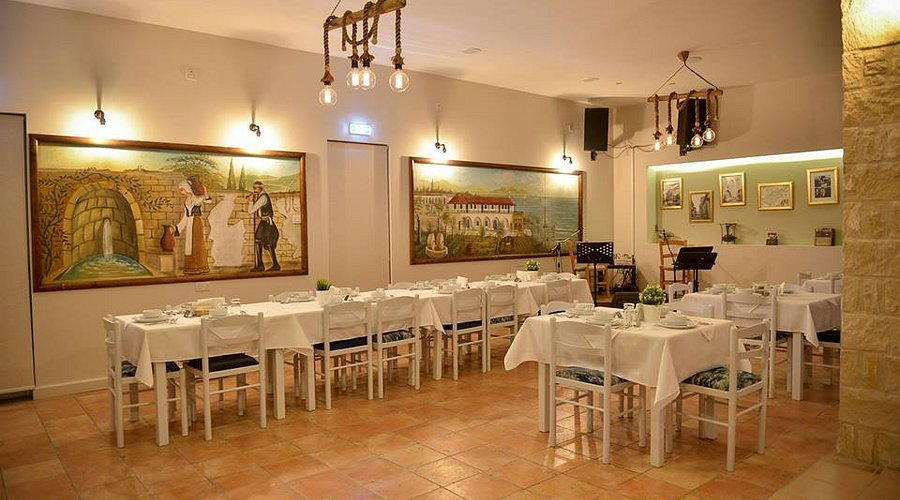
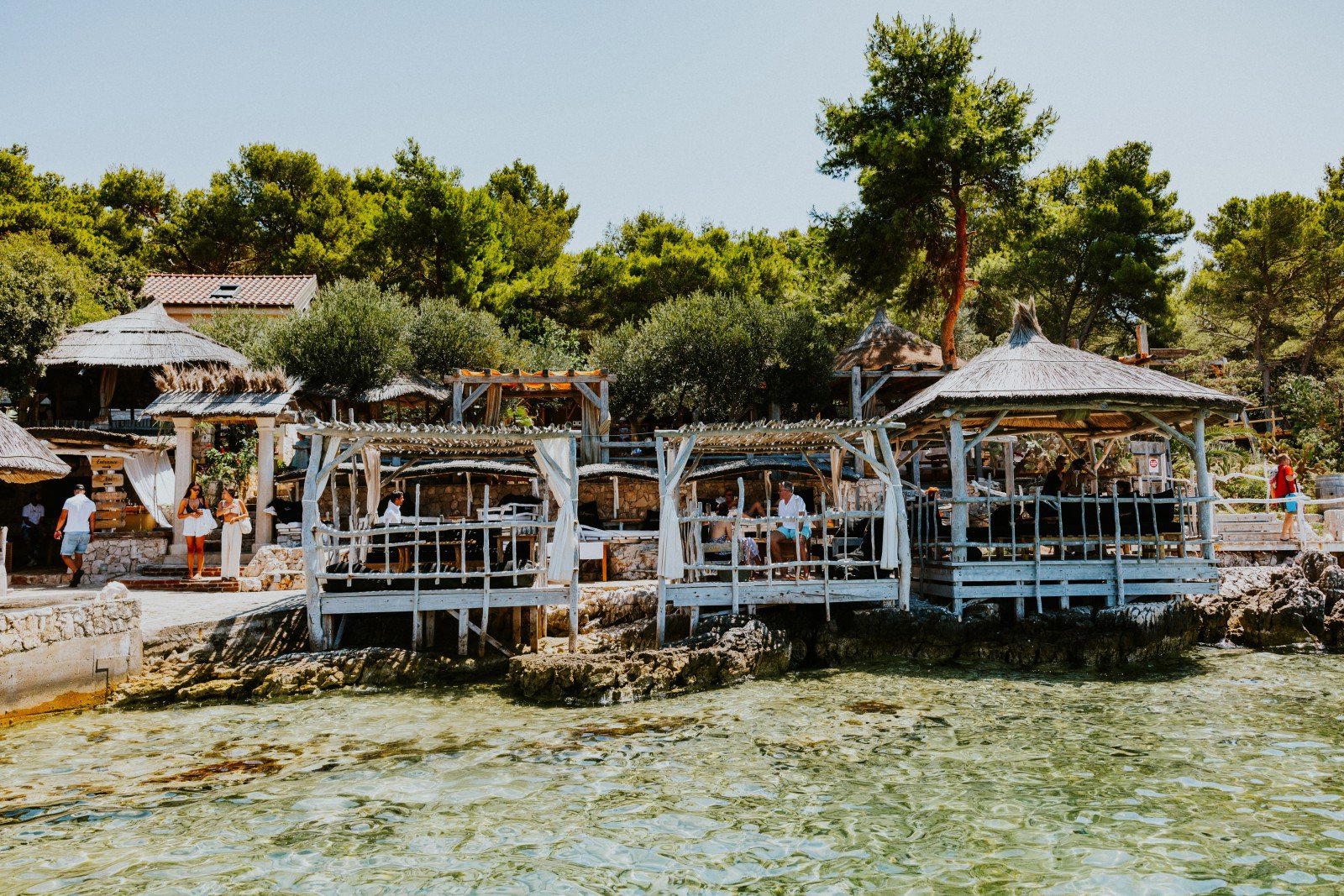
Konoba Albert sits in Čara, one of Korčula island's inland villages, away from the harbour restaurants that compete for tourist trade in summer. The format is classic konoba: a setting shaped by local stone and shade, a menu built on what the island produces rather than what can be imported cheaply. For anyone crossing Korčula beyond the old town walls, it earns attention.
Pearl is the En Primeur Club membership app — saves, bookings, and concierge access live there. Same editors, same standards.
- Address
- Čara, 560, 20273, Korčula, Croatia
- Phone
- +385 20 834 068
- Website
- bookmeatable.com
- Directions
- Get directions
 Saves & bookings on Pearl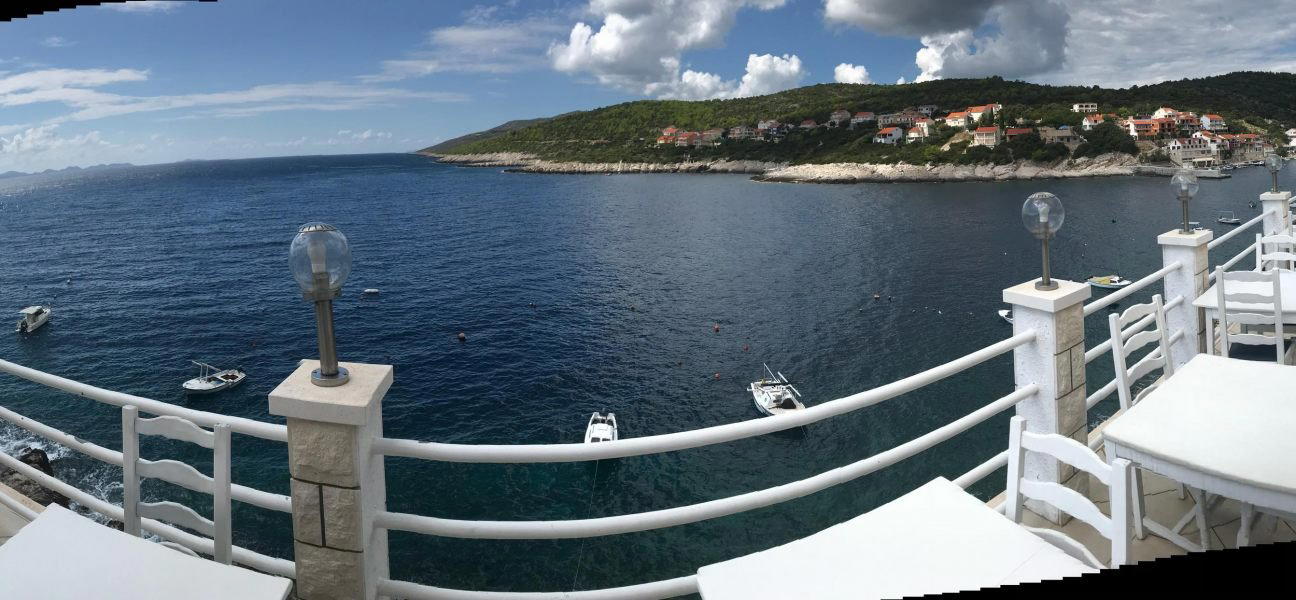
Stone, Shade, and What the Island Grows
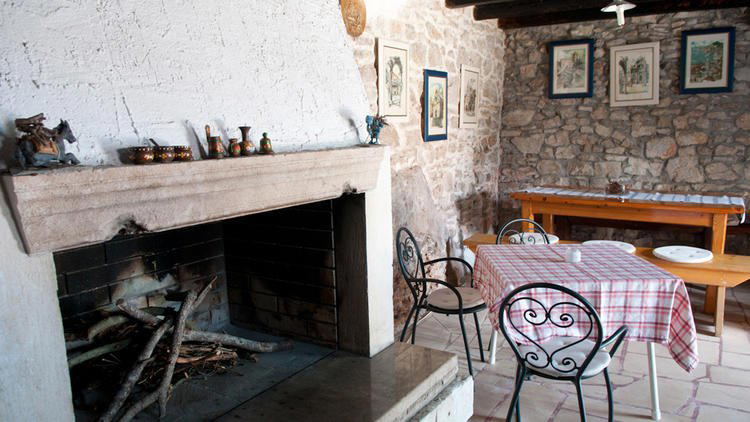
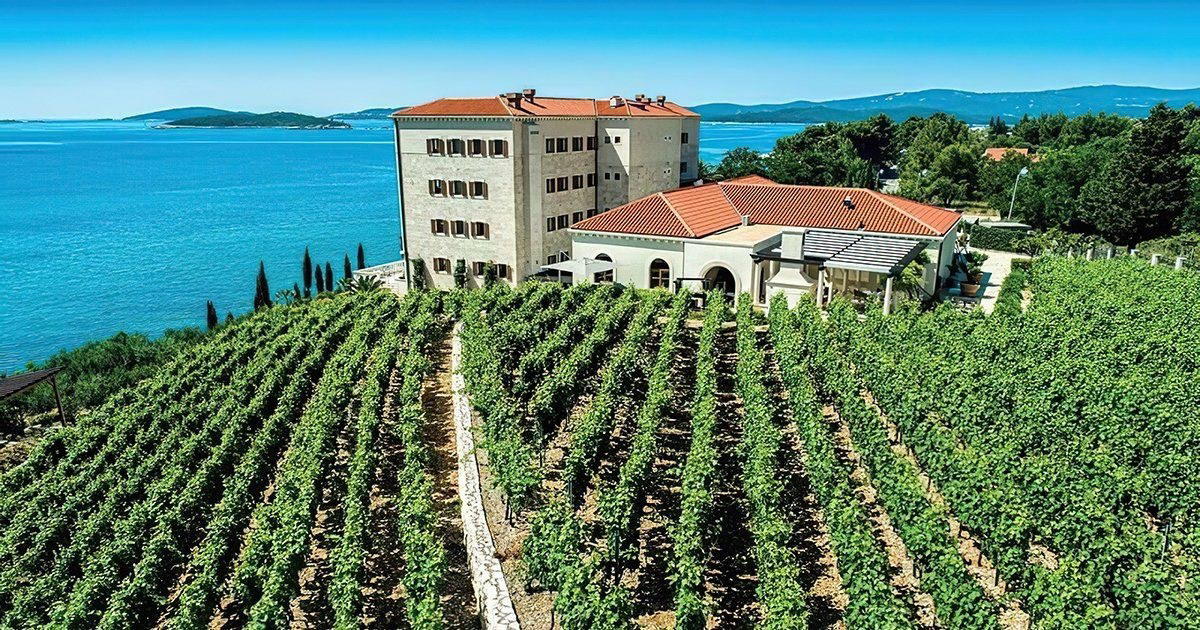
The approach to Čara from Korčula town runs inland through vineyards and dry-stone walls, away from the ferry traffic and waterfront terraces that define the island's tourist circuit. The village sits on higher ground, sheltered and relatively quiet even in peak season. Konoba Albert occupies that context: a traditional Dalmatian konoba format in a place where the ingredients have long come from the surrounding land rather than a wholesale market. The physical experience of arriving here is the opposite of a harbour-front restaurant. What justifies the drive is what arrives on the table.
Across Croatia's Adriatic coast, the konoba format has split into two distinct modes. One has absorbed tourist demand and drifted toward laminated menus and frozen seafood. The other has stayed anchored to its original logic: a small room, a kitchen that changes with what the garden and the local producers have available, and a wine list that skews heavily local. Konoba Albert belongs in the second category. Čara itself is part of that logic. The village gives its name to one of Korčula's most respected wine sub-zones, and the surrounding terroir produces Pošip and Grk, the two white varieties that define serious Korčula winemaking. A konoba operating in this specific location has immediate access to wines that restaurants in Korčula town pay a premium to source.
Where the Food Comes From
Ingredient sourcing is the editorial argument for a restaurant like this, and it matters more here than in a city where provenance is a marketing choice rather than a geographic fact. Korčula island has the infrastructure for genuinely local cooking: olive groves producing oil with documented island origin, lamb grazed on rocky pastures, the herb growth that comes with the island's specific microclimate, and the Pošip vine that has been cultivated in Čara and the surrounding villages for generations. In that context, sourcing locally is not a premium positioning decision, it is the baseline of how a kitchen in this location has always operated.
The broader Dalmatian food tradition that konoba Albert sits within is built on restraint and ingredient quality rather than technique complexity. Dishes like lamb slow-roasted under a peka, grilled fish with island olive oil, and vegetable preparations using whatever the season provides are not simple because the cooks lack ambition. They are simple because the primary material is good enough to carry the dish without architectural elaboration. This is the same logic behind the Dalmatian coast's most respected tables. Pelegrini in Sibenik works with similar regional ingredient logic at a significantly higher price point and formality level. LD Restaurant in Korčula represents Korčula's more polished, higher-investment end of the spectrum. The restaurant operates below both in price and format register, without abandoning the underlying sourcing discipline that makes the better examples of Dalmatian cooking worth tracking down.
For context on how Croatian restaurants further north handle regional ingredients, Boskinac in Novalja on Pag island is instructive. Alfred Keller in Mali Losinj takes a different approach in the Kvarner region, where the framing is more European fine dining than Dalmatian tradition. Neither comparison diminishes the konoba format. They simply sit in different tiers of the same broad argument about Croatian coastal cooking and what local sourcing actually means at different price points.
The Wine Argument for Čara Specifically
Few restaurant locations on the Croatian coast carry as direct a connection to wine geography as Čara does. The village is the geographic heart of Pošip production, a variety that has attracted serious attention from Croatian wine writers and, more recently, from international critics beginning to map Dalmatian whites beyond Grk and Plavac Mali. A konoba in Čara that lists wines from the surrounding producers is not curating a regional wine programme in the way a Zagreb restaurant might. It is drawing from what is made within walking distance. Dubravkin Put in Zagreb and Nebo by Deni Srdoč in Rijeka both work with Croatian wines at higher formality levels, but the geographical distance from the source is entirely different. For anyone with an interest in Pošip specifically, eating in Čara rather than Korčula town or Dubrovnik changes the conversation about what's in the glass.
Planning a Visit
Čara sits roughly in the centre of Korčula island, accessible by road from Korčula town in under 20 minutes. The inland location means the restaurant does not carry the seasonal pressure of harbour-side venues, though summer remains the primary operating window for most konoba formats on the island. Visitors making their way to Čara should plan the trip as a half-day at minimum: combine it with a stop at one of the local Pošip producers or a walk through the village itself, which is among the quieter and better-preserved settlements on Korčula. Reservations are recommended. The restaurant is open daily from 11 AM to 4 PM and 6 PM to 12 AM.
For travellers building a broader Croatian itinerary, pairing a visit to the restaurant with time at Restaurant 360 in Dubrovnik gives a clear illustration of how differently the same coastal ingredient pool can be interpreted at opposite ends of the formality and price spectrum. Those exploring the broader Adriatic restaurant scene might also consider Agli Amici Rovinj in Rovinj, Krug in Split, or Korak in Jastrebarsko for inland Croatian contrast. Further afield, BioMania Bistro Bol in Bol on Brač and Bodulo in Pag represent the same island-sourcing argument in different Adriatic geographies. For comparison with coastal venues in the Kvarner region, Burin in Crikvenica, Cubo in Opatija, and Cantilly Garden Restaurant in Samobor provide useful reference points across different price tiers. For contrast with international fine dining operating from a similar sourcing philosophy at far higher intensity, Le Bernardin in New York City and Atomix in New York City demonstrate how ingredient-led thinking scales at the summit end of a different market.
Fast Comparison
Comparable venues nearby, for context on price, style, and recognition.
| Venue | Cuisine | Price | Notes |
|---|---|---|---|
| Konoba AlbertThis venue — the venue you are viewing | Traditional Dalmatian Seafood | $$ | Not listed |
| Feral | Dalmatian Seafood Mediterranean | $$ | Brela center |
| Marulićeva ul. 1 | Modern Dalmatian Bistro | $$ | Old Town |
| ALKA | Traditional Dalmatian Mediterranean Seafood | $$ | Old Town |
| Mario | Traditional Dalmatian Seafood | $$ | old part of Rogoznica |
| Moli Onte | Mediterranean Seafood | $$ | Milna |

At a Glance
- Cozy
- Rustic
- Scenic
- Intimate
- Date Night
- Family
- Casual Hangout
- Waterfront
- Terrace
- Local Sourcing
- Waterfront
Current opening hours
- Monday
- 11 AM–4 PM, 6 PM–12 AM
- Tuesday
- 11 AM–4 PM, 6 PM–12 AM
- Wednesday
- 11 AM–4 PM, 6 PM–12 AM
- Thursday
- 11 AM–4 PM, 6 PM–12 AM
- Friday
- 11 AM–4 PM, 6 PM–12 AM
- Saturday
- 11 AM–4 PM, 6 PM–12 AM
- Sunday
- 11 AM–4 PM, 6 PM–12 AM
Hours can change for holidays and private events. Last verified .
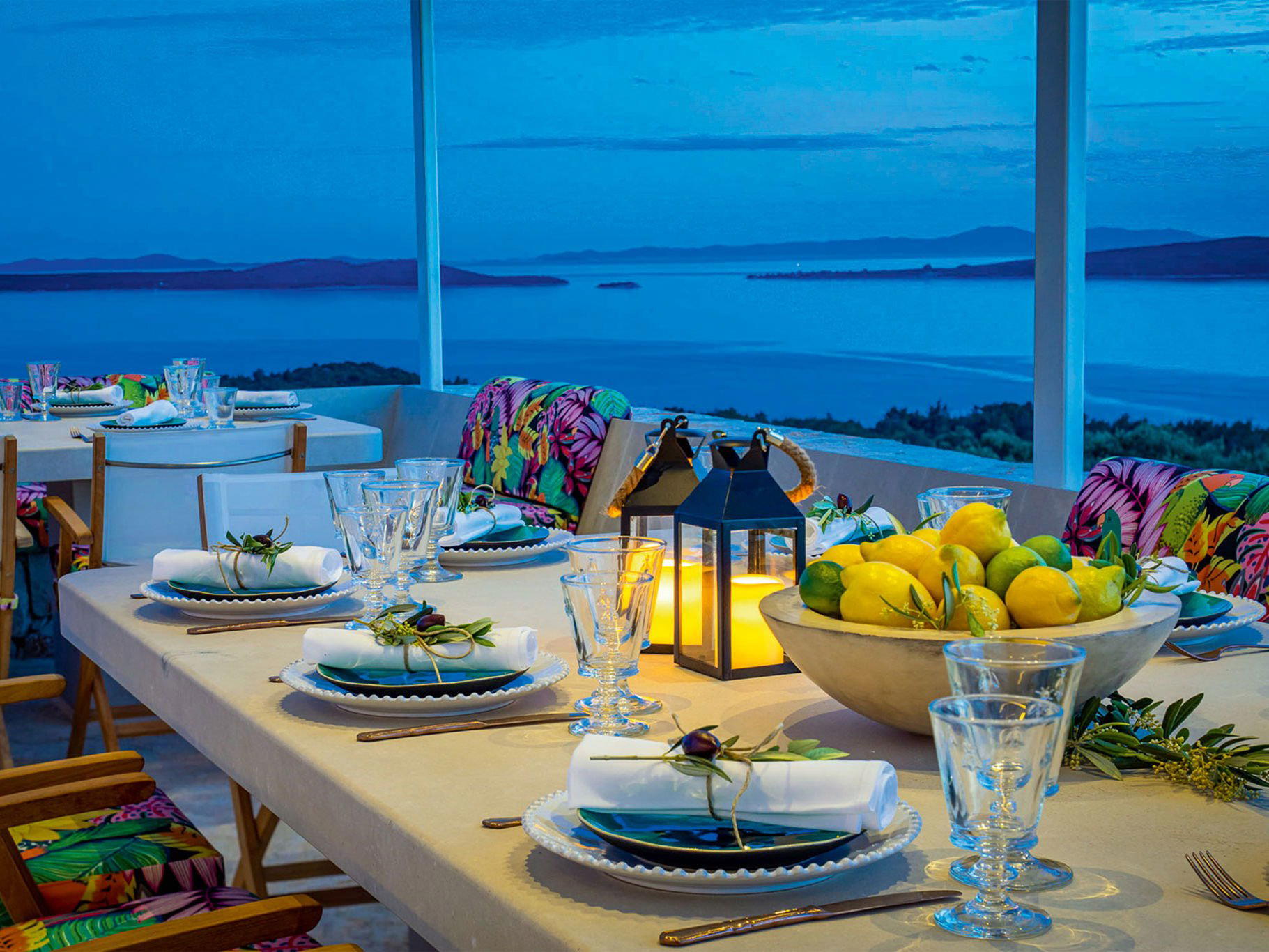
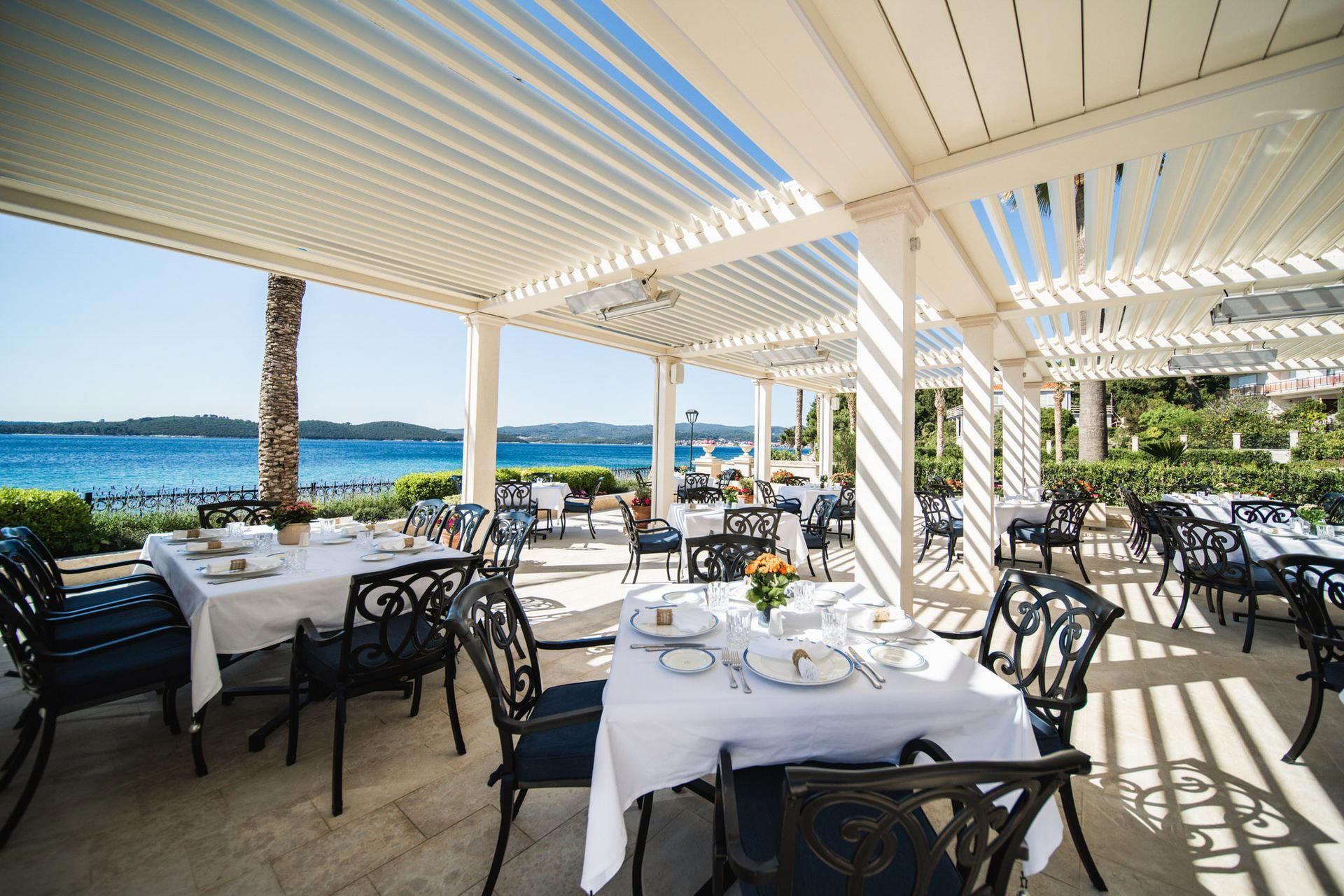
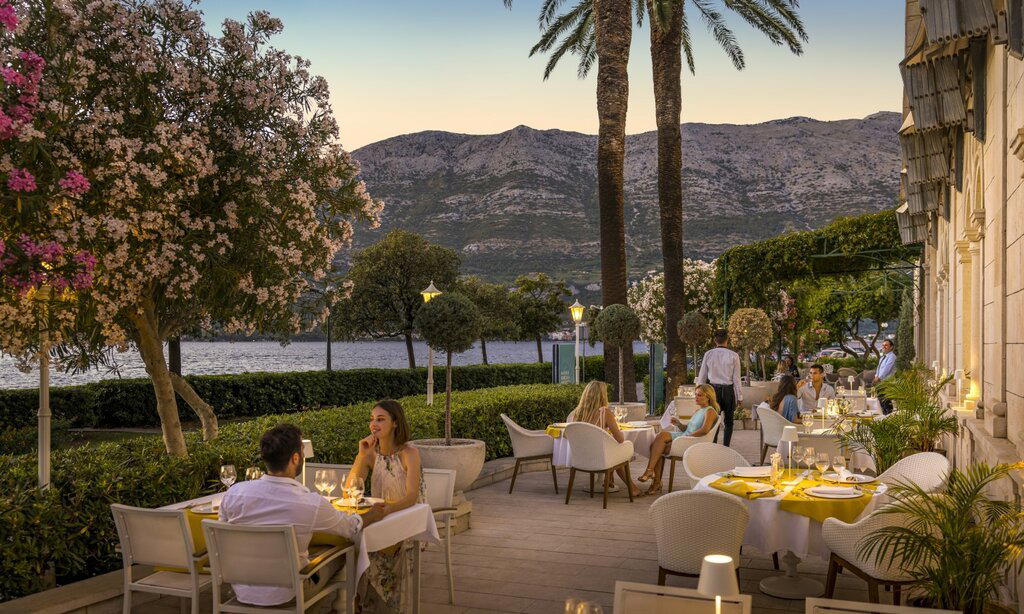
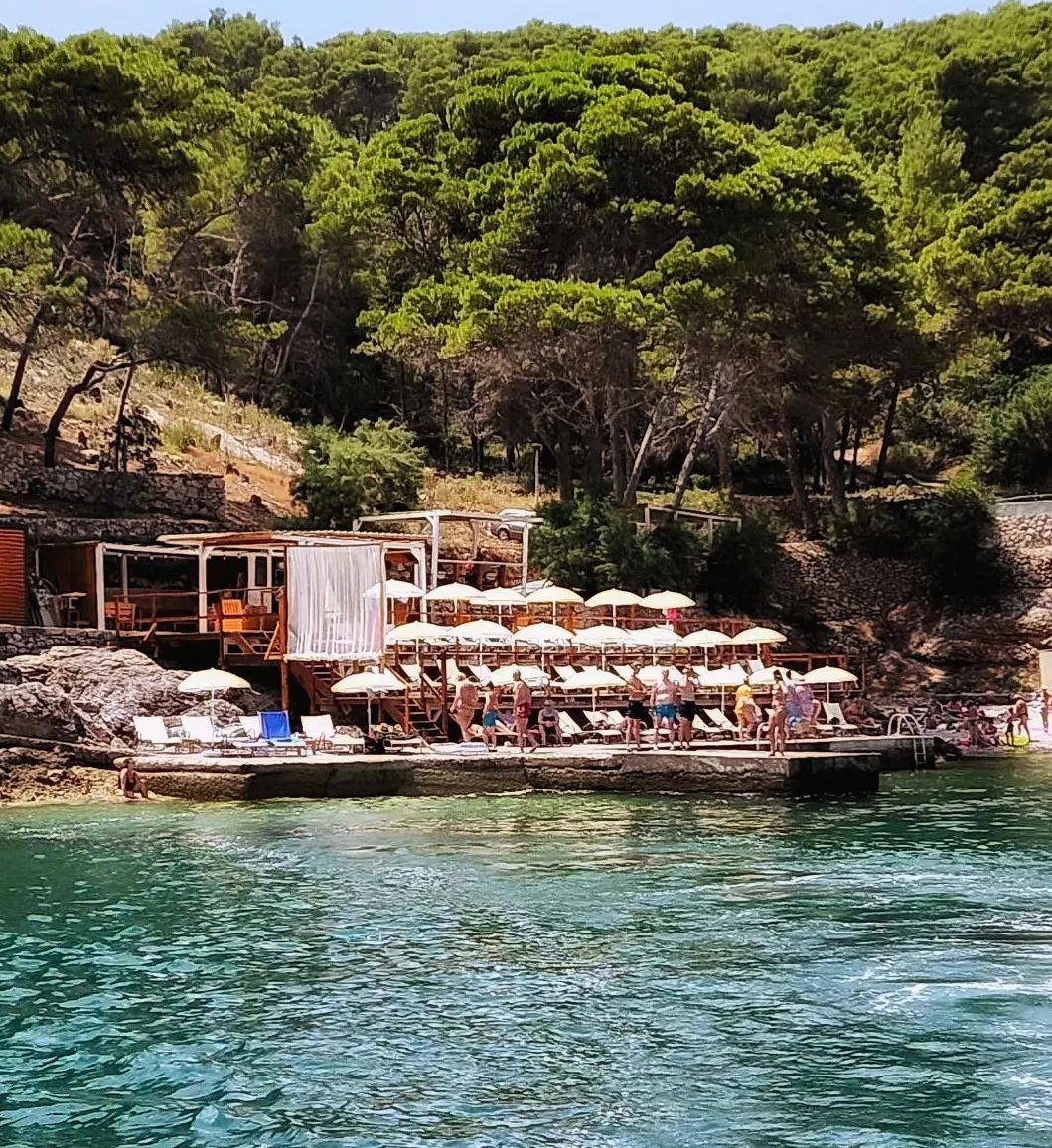
Cozy and welcoming atmosphere with a peaceful terrace overlooking the sea, praised for its friendly family service and relaxed evening vibe.