De Canavellis occupies a stone-walled address on Sv. Barbare in Korčula's medieval old town, where the cooking draws on the island's fishing traditions and the produce of the Pelješac hinterland. The format sits closer to the considered end of Dalmatian dining than to a casual konoba, making it a reference point for visitors wanting to understand what the island actually tastes like.
Pearl is the En Primeur Club membership app — saves, bookings, and concierge access live there. Same editors, same standards.
- Address
- Sv. Barbare 15, 20260, Korčula, Croatia
- Phone
- +385994909606
- Directions
- Get directions
 Saves & bookings on Pearl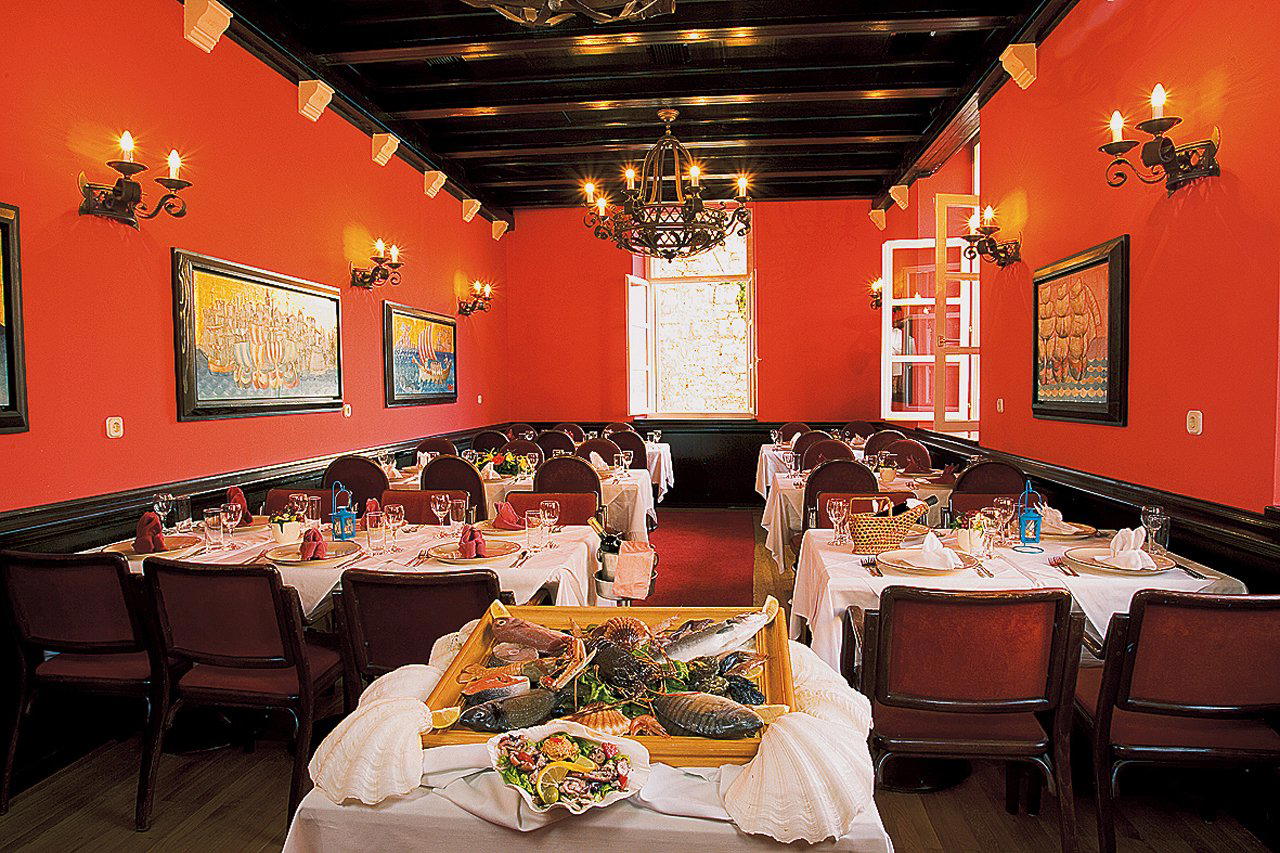
Stone, Salt, and the Dalmatian Supply Chain
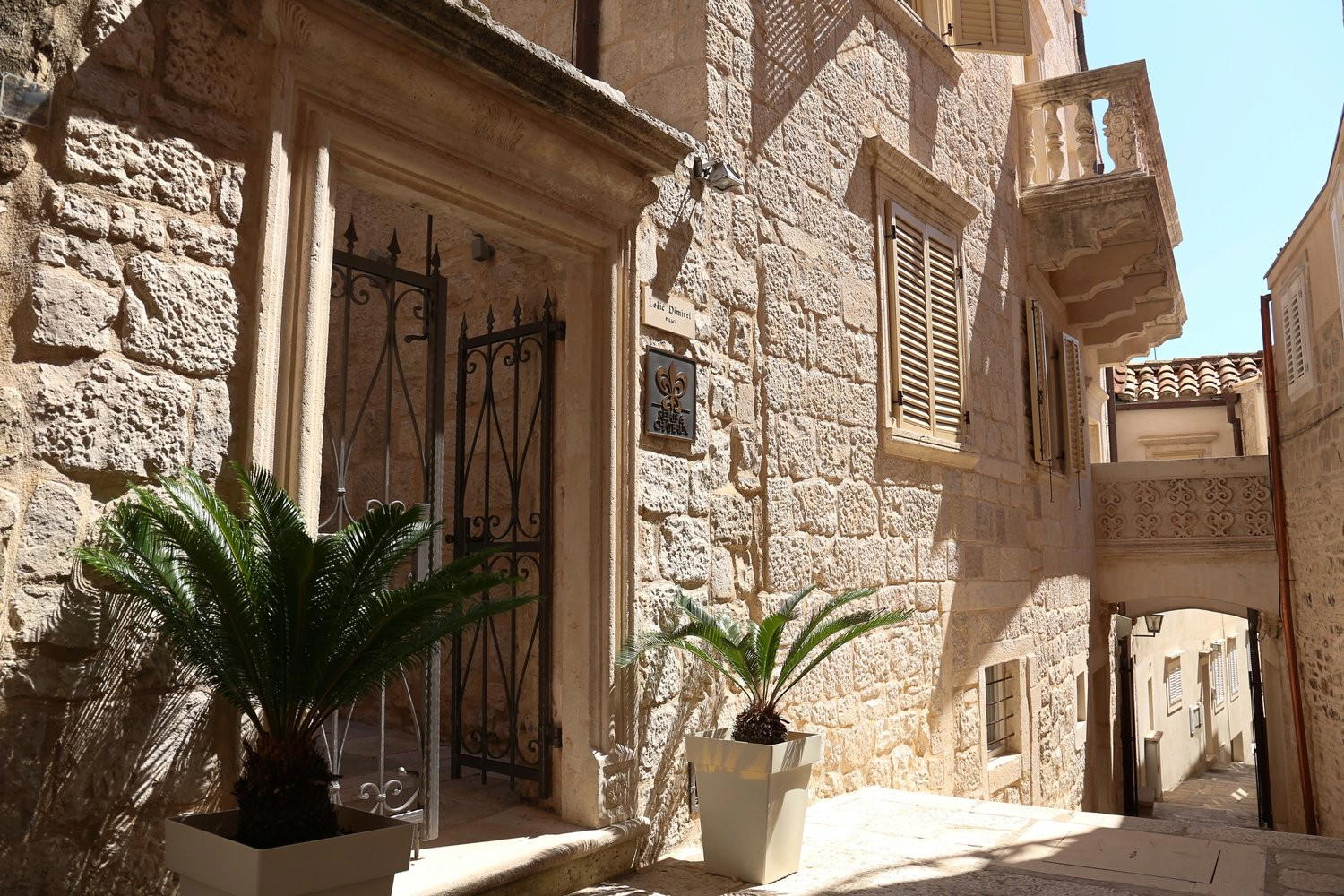
Korčula's old town is a compressed medieval grid of limestone alleys that narrow as they climb toward the cathedral. On Sv. Barbare, a street that runs just inside the old town walls, De Canavellis operates within the physical logic of the island itself: thick stone that holds the afternoon heat, proximity to the waterfront where the morning catch arrives, and a position far enough from the main gate that the crowd thins before it reaches the door. In a town where the tourist belt concentrates around the main square and the harbor promenade, that geography matters.
Korčula sits at an intersection of Adriatic supply lines that few Croatian islands can match. The sea to the south and east of the island produces bream, John Dory, and cephalopods in volume. The Pelješac peninsula, separated from Korčula by a narrow channel, contributes oysters from the Ston beds, among the more cited shellfish in the Adriatic, alongside the peninsula's own red wines, built primarily from Plavac Mali. Inland from both, the Dalmatian hinterland brings lamb, seasonal vegetables, and the olive oil that defines the cooking register across the entire region. Restaurants that position themselves as serious on this island have access to a compressed and high-quality supply geography; the question is always what they choose to do with it.
What Dalmatian Ingredient-Led Cooking Actually Means Here
There is a tendency to flatten Dalmatian cooking into a single category, grilled fish, peka, local wine, and leave it there. The more accurate picture is a cuisine with real sub-regional variation, where island cooking differs meaningfully from coastal mainland cooking, and where the leading kitchens treat sourcing as an editorial decision rather than a default. Korčula has its own specifics: the island's olive groves produce oil with a grassy finish that differs from the fruitier oils of the northern Dalmatian islands; the local fish preparations lean toward restraint and simplicity in a way that lets the quality of the catch carry the dish.
De Canavellis sits within this tradition. The address on Sv. Barbare places it in the residential core of the old town, which in practical terms means a kitchen that has consistent access to market and dock supply rather than depending on wholesale logistics. For visitors comparing options across Korčula's dining scene, that operational position is relevant context. Alternatives like Konoba Adio Mare and Konoba Mareta occupy the traditional konoba register with long track records; Ignis and Maha push toward more contemporary formats. De Canavellis occupies a middle ground that keeps the ingredient focus central without drifting into spectacle.
Korčula in the Broader Croatian Fine-Dining Picture
Croatia's restaurant scene has developed a recognizable upper tier over the past decade. On the coast, Pelegrini in Sibenik and Agli Amici Rovinj in Rovinj have anchored Michelin recognition for Dalmatian and Istrian cooking respectively. In the islands, Boskinac in Novalja on Pag has built a model around estate production and local sourcing that has become a reference point for island dining done deliberately. Further along the coast, Restaurant 360 in Dubrovnik and Krug in Split represent the urban end of the Dalmatian dining spectrum. Inland, Dubravkin Put in Zagreb and Korak in Jastrebarsko frame the continental Croatian tradition. Nebo by Deni Srdoč in Rijeka and Alfred Keller in Mali Lošinj show what the Kvarner region is producing. Korčula has been slower to build international name recognition in this conversation, but the island's raw ingredient quality, the Ston oysters, the local oil, the Plavac Mali wines from the channel, means the ceiling for serious cooking here is high. The restaurant occupies a position in that local hierarchy worth tracking.
For international reference, the operational logic of a kitchen in this position, small, ingredient-led, tightly sourced, sits closer to the ethos of places like Lazy Bear in San Francisco than to the scaled precision of somewhere like Le Bernardin in New York City. The format is intimate rather than architectural. On Korčula, that is often the more interesting place to eat.
Planning Your Visit
The address, Sv. Barbare 15, is within the old town walls, which means access on foot from the main gate. Korčula old town has restricted vehicle access, so guests arriving by water taxi or the regular ferry from the mainland will be within a short walk. The island's peak season runs from late June through August, when the old town operates near capacity and reservations across all dining formats become harder to secure at short notice; the shoulder months of May, early June, and September offer the same access to local produce with considerably less competition for tables. For those exploring the broader Korčula scene, the Vrnik Arts Club and LD Restaurant in Korčula cover different formats worth considering alongside the restaurant.
At-a-Glance Comparison
Comparable venues nearby, for context on price, style, and recognition.
| Venue | Cuisine | Price | Awards | Notes |
|---|---|---|---|---|
| De CanavellisThis venue — the venue you are viewing | Neapolitan Pizza | $$ | Not listed | Not listed |
| Konoba Adio Mare | Traditional Croatian Seafood | $$ | Not listed | Korcula Town |
| Konoba Mareta | Traditional Dalmatian Mediterranean | $$ | Not listed | Korcula Old Town |
| Maha | Mediterranean Gastropub | $$ | Not listed | Korcula Town |
| Vrnik Arts Club | Modern Mediterranean Seafood | $$$ | Not listed | Vrnik |
| Filippi | Modern Mediterranean Fine Dining | $$$ | Michelin Plate | Korčula Old Town |
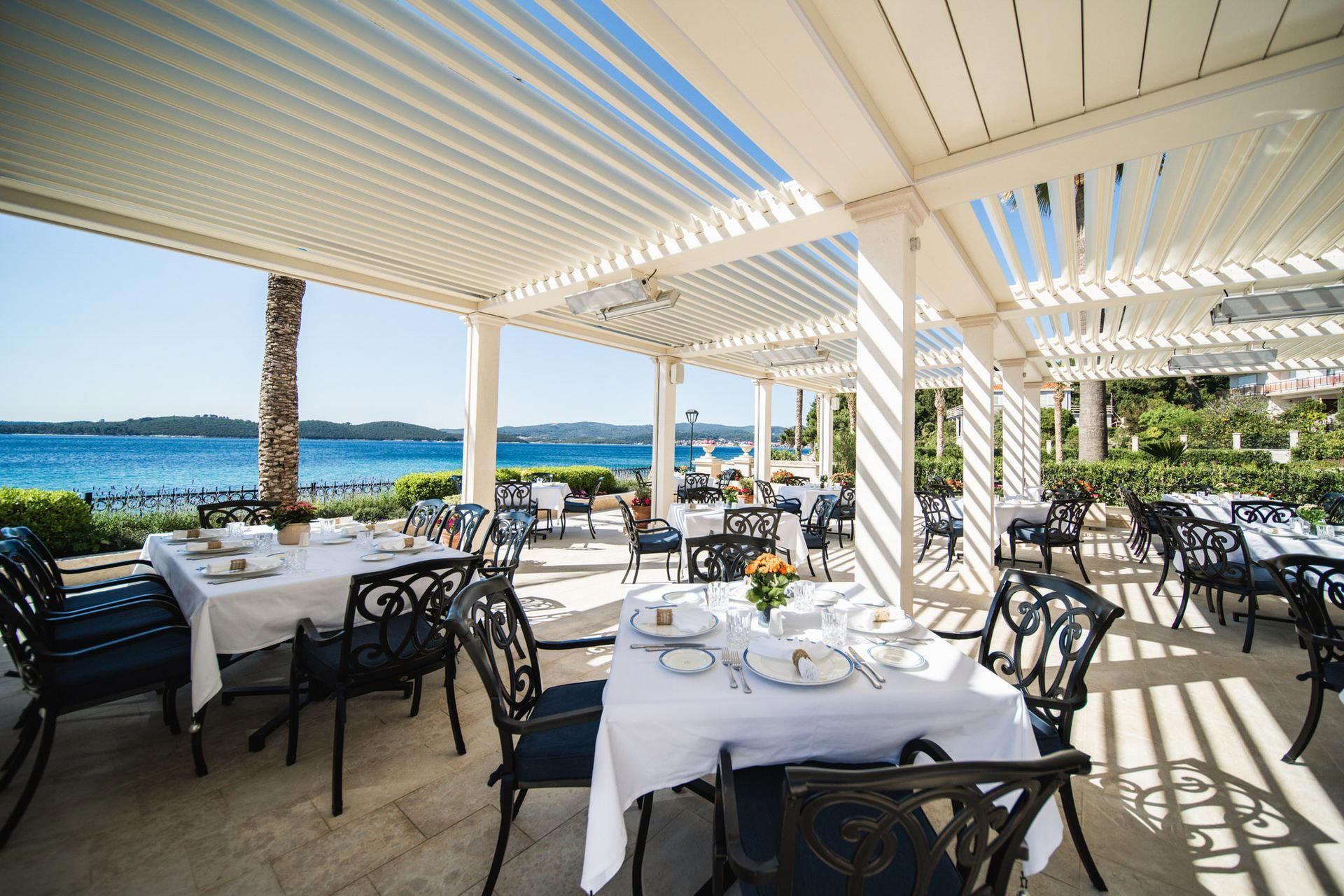
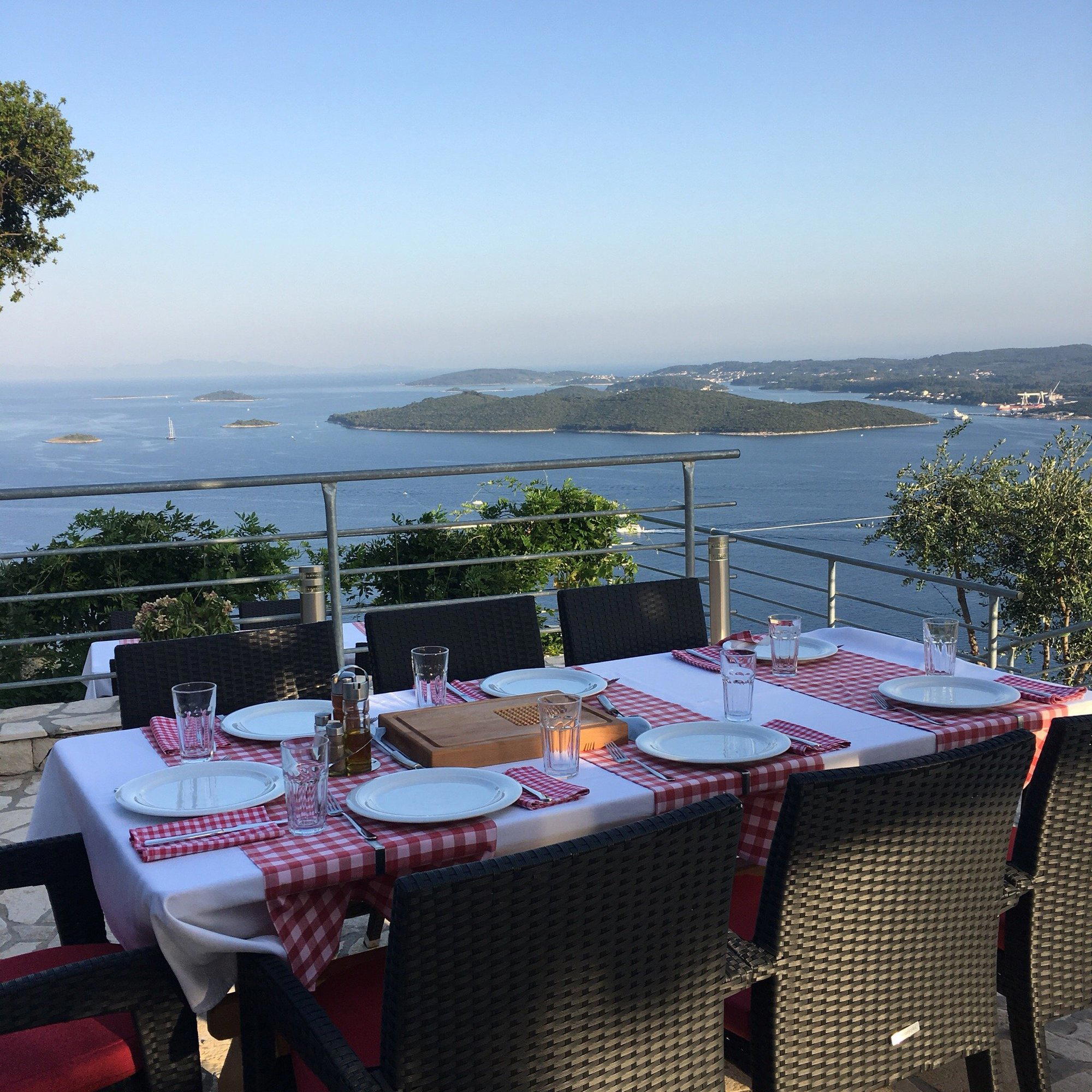
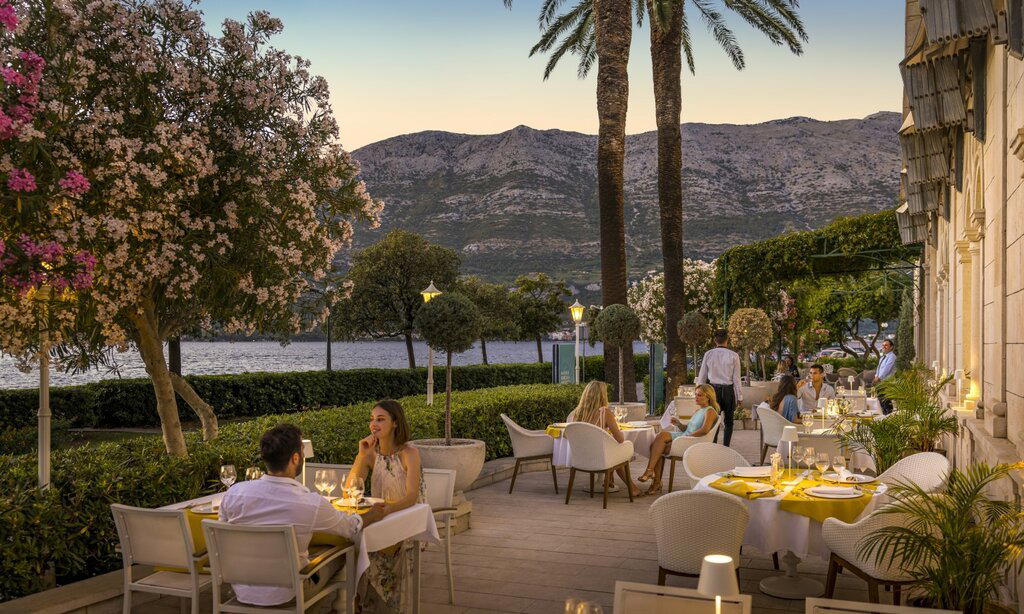
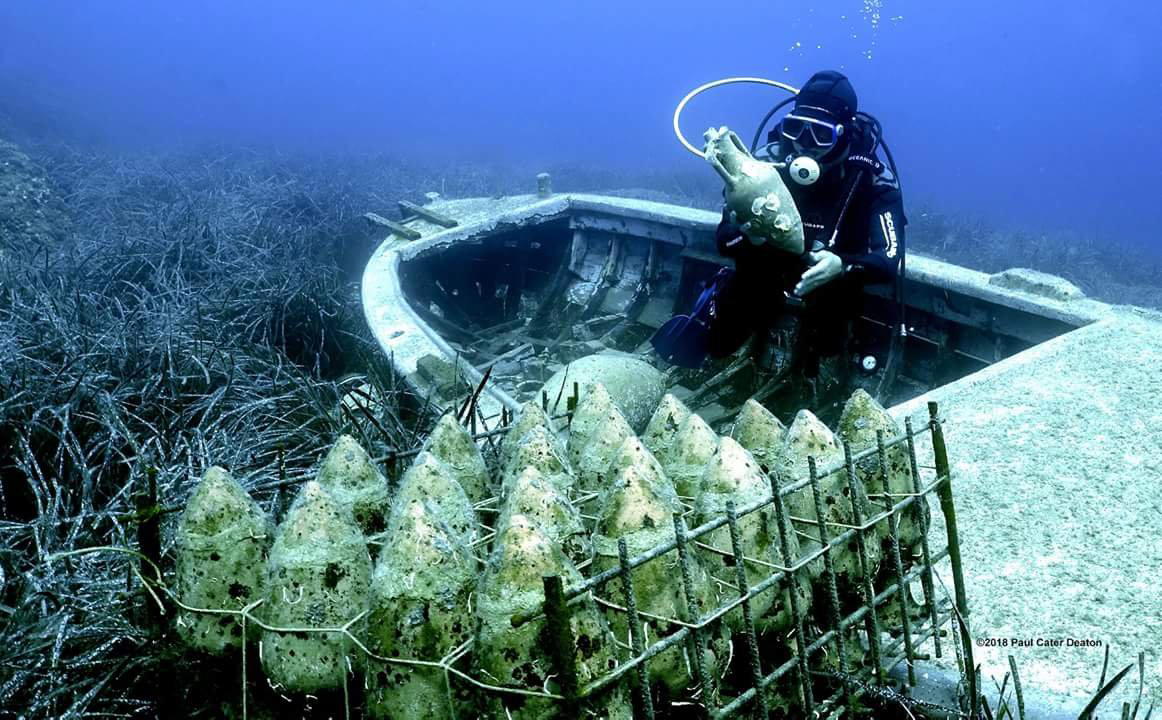

At a Glance
- Scenic
- Cozy
- Romantic
- Historic
- Date Night
- Casual Hangout
- Brunch
- Terrace
- Historic Building
- Waterfront
- Waterfront
- Street Scene
Current opening hours
- Monday
- 2–10 PM
- Tuesday
- 2–10 PM
- Wednesday
- 2–10 PM
- Thursday
- 2–10 PM
- Friday
- 2–10 PM
- Saturday
- 2–10 PM
- Sunday
- 2–10 PM
Hours can change for holidays and private events. Last verified .
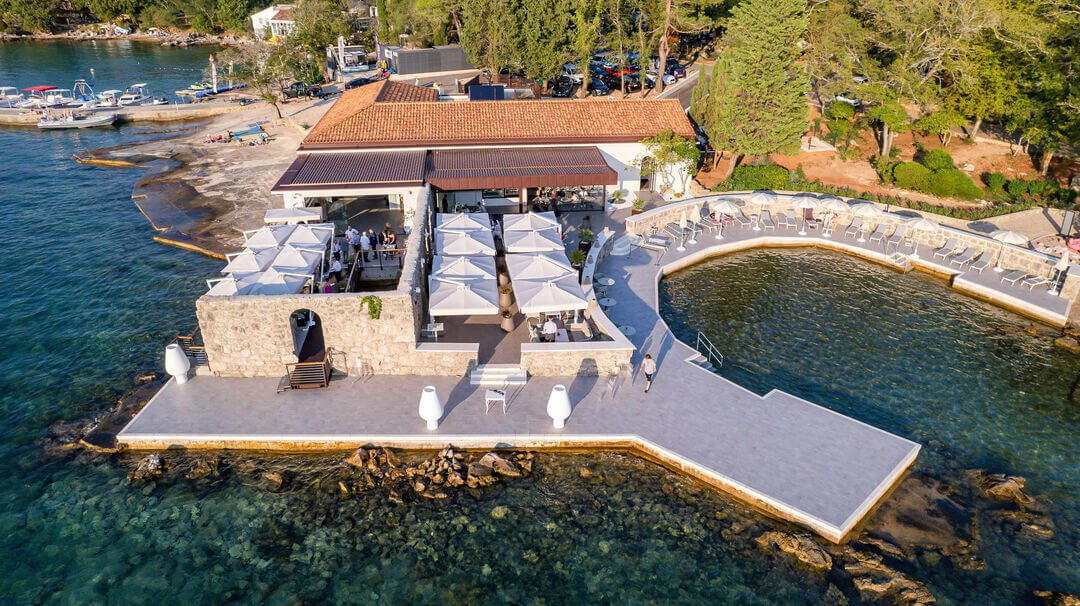
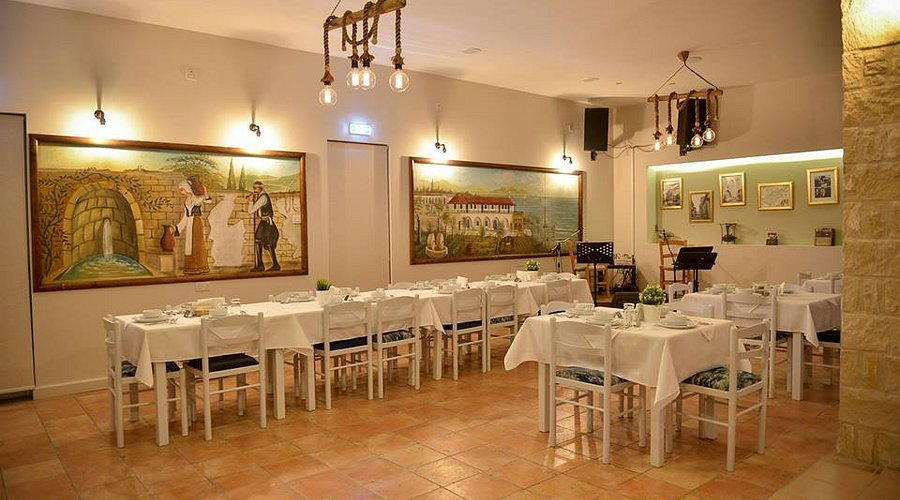
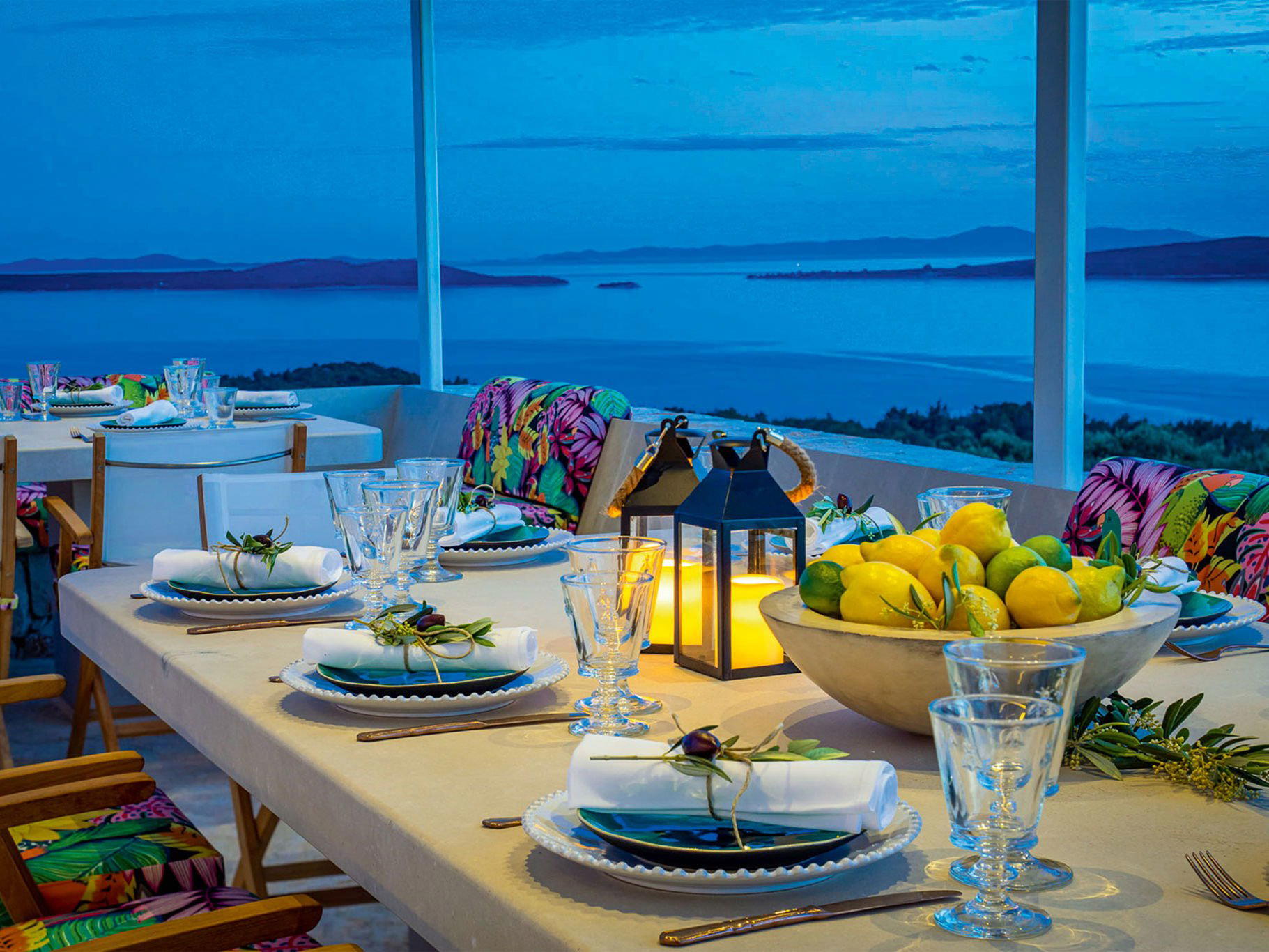
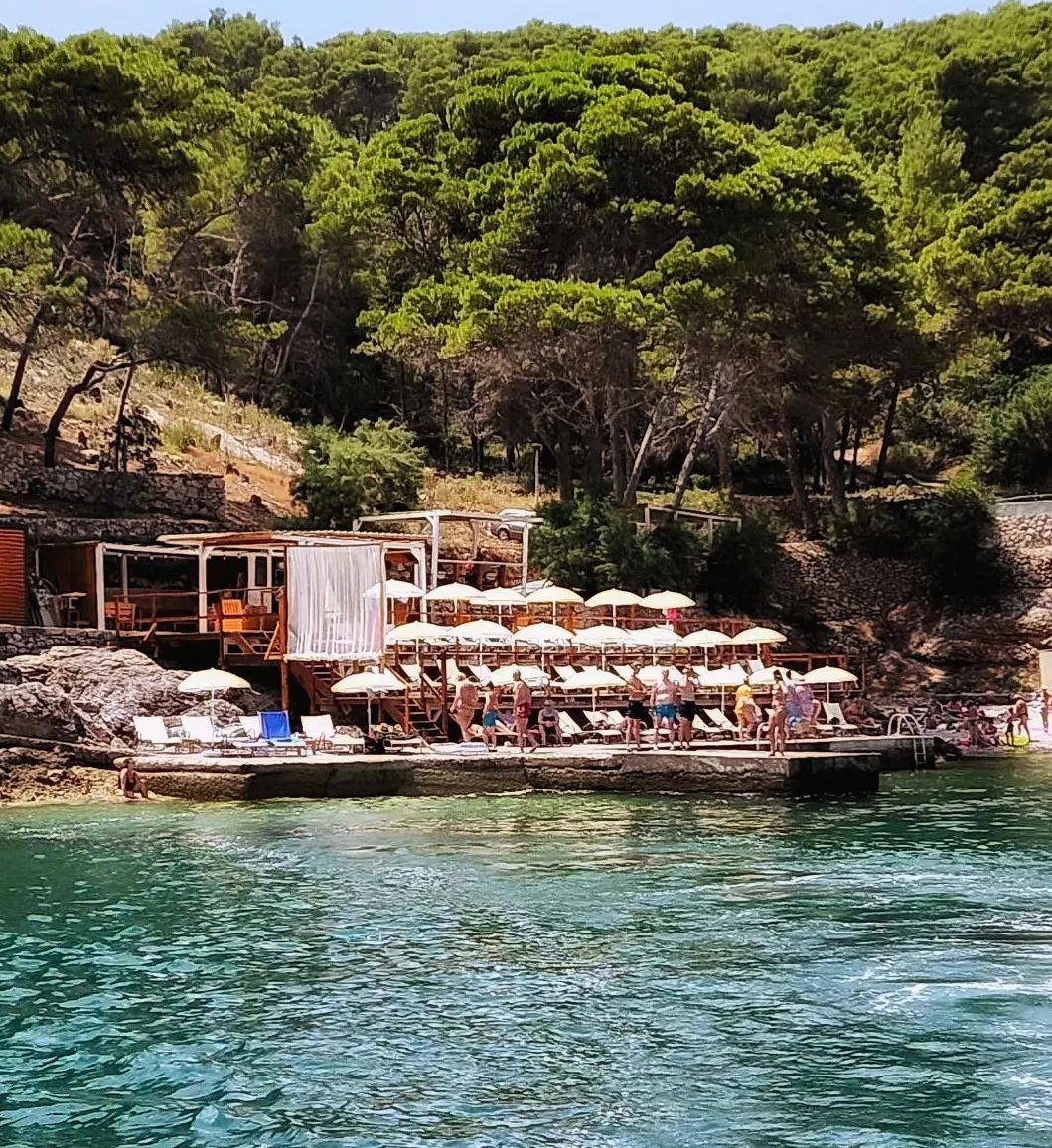
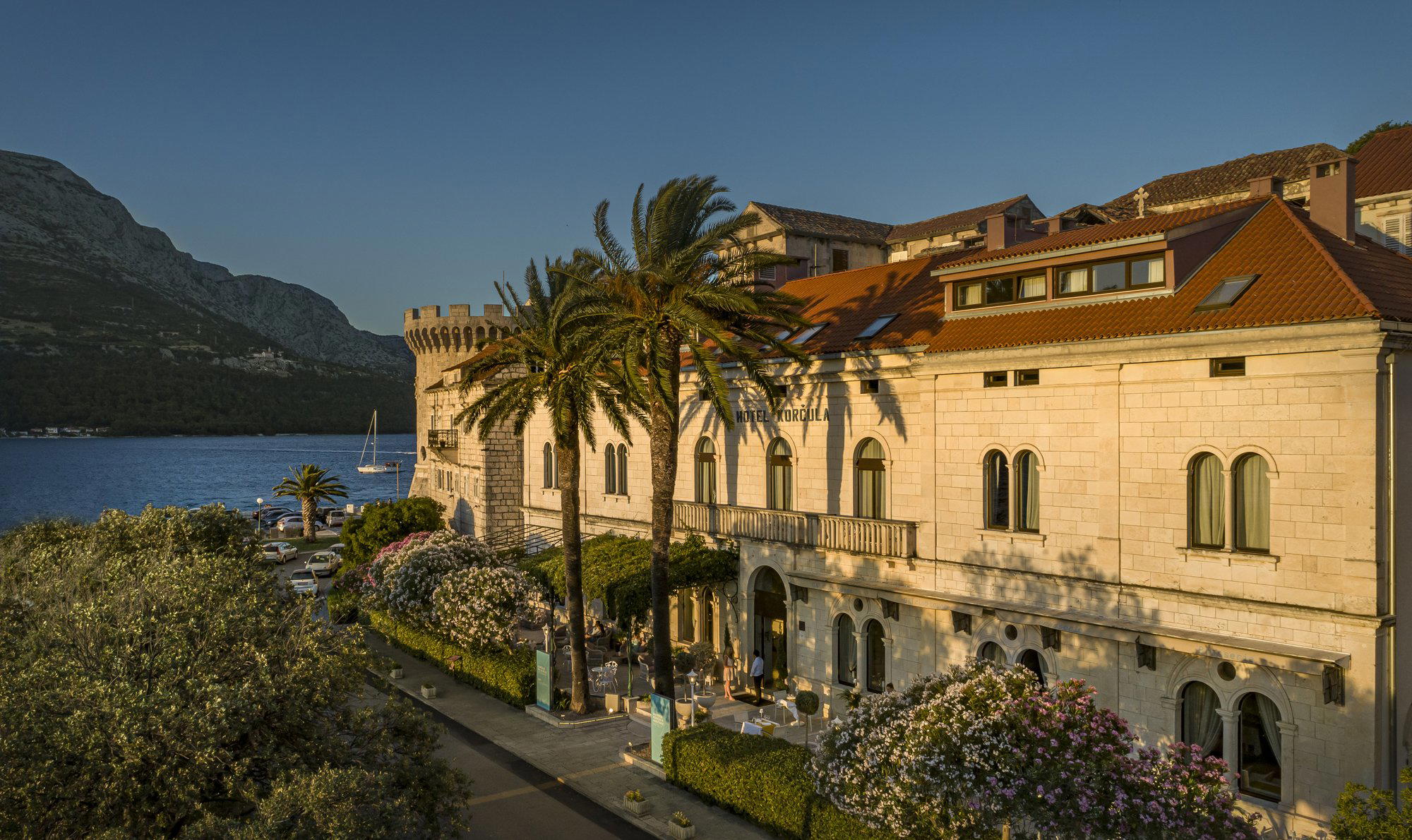
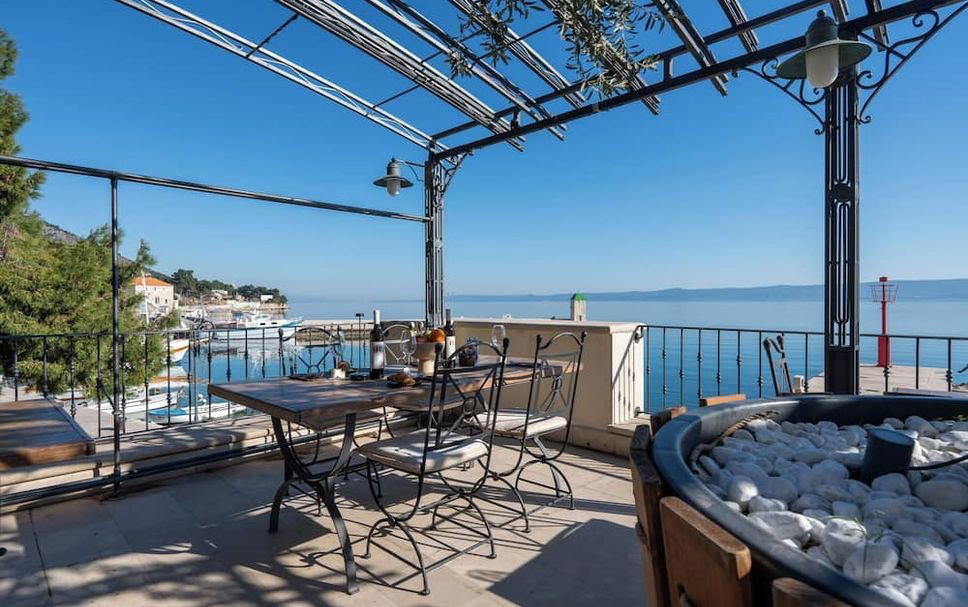
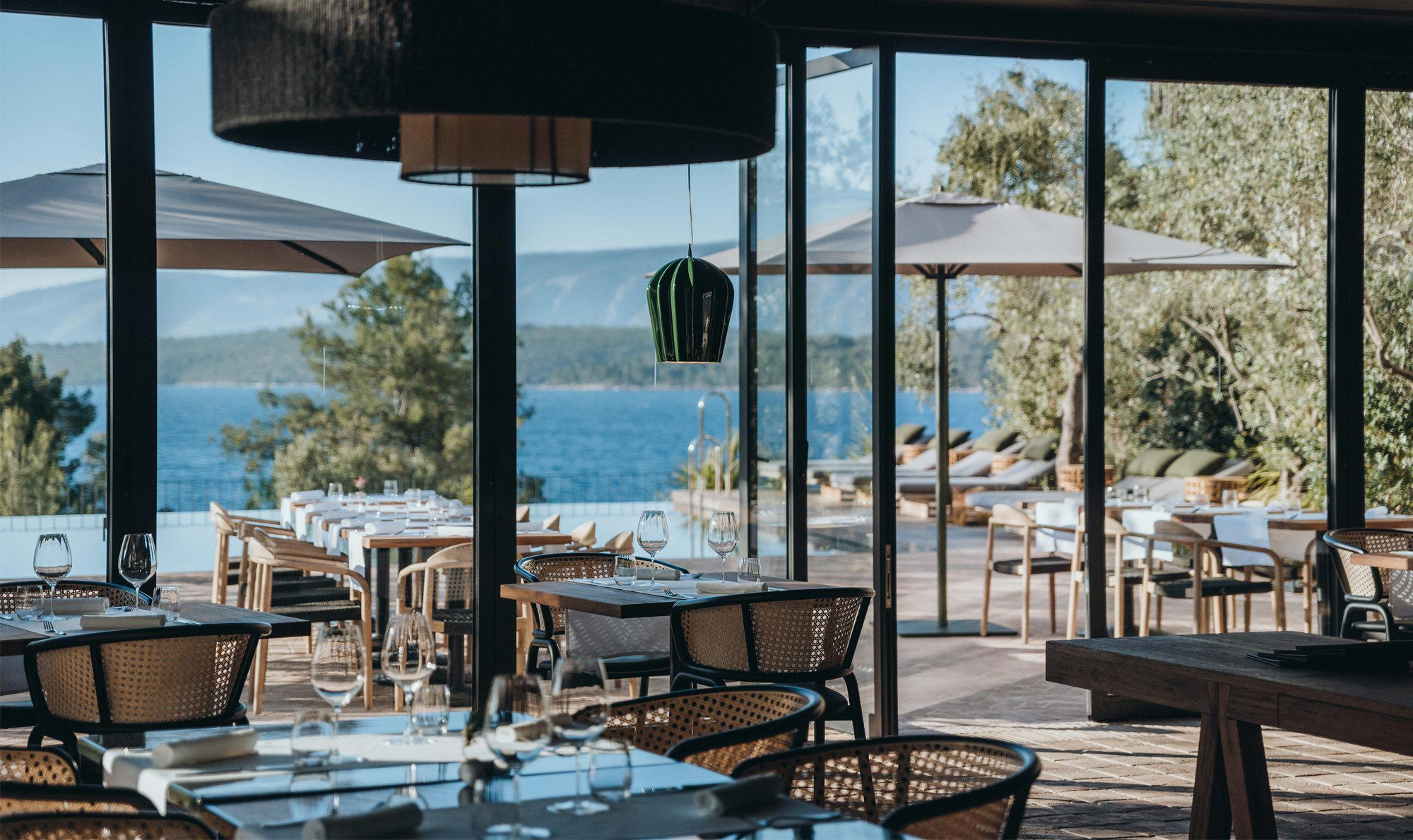
Charming historic setting with high wooden-beamed ceilings, chandeliers, and a beautiful terrace offering sea views and sunsets.