Our verdict
Where the Adriatic Sets the Menu Korčula's old town waterfront operates on a logic that visitors from landlocked cities find difficult to parse at first: the sea is not backdrop, it is supplier. The Pelješac Channel, visible from the terrace of 7 Seas Restaurant & Bar on Obala dr. Franje Tuđmana 5, connects the island to a fishing and farming network that has supplied Dalmatian kitchens for centuries. Sitting at a waterfront table here, you are positioned at one end of a supply chain whose other end is somewhere offshore or in the hinterland of the Pelješac peninsula across the water. That proximity to source is not a marketing posture — it is structural to how Dalmatian coastal restaurants operate. The island of Korčula produces its own olives, capers, and wine grapes (most notably the indigenous Pošip and Grk varieties), and the surrounding waters yield dentex, sea bass, octopus, and the smaller reef fish that form the base of grilled and brodetto preparations across the region. A restaurant on this specific stretch of waterfront has physical access to those inputs in ways that urban Croatian restaurants, however technically accomplished, do not. The Dalmatian Cooking Tradition at This Address Understanding what a restaurant like 7 Seas sits within requires some sense of what Dalmatian coastal cooking actually is, distinct from the generic "Mediterranean" category that often swallows it in broader travel writing. The tradition is built around a small number of techniques applied to high-quality local materials: roasting under the peka (a cast-iron lid buried in embers), grilling over open flame, and slow-braising in wine-based broths that borrow as much from the island's viticulture as from its fishing culture. Olive oil from island trees, aged in local cellars, functions as both a cooking medium and a condiment in ways that imported oil simply cannot replicate. This is a culinary lineage that runs through the entire eastern Adriatic coast, but Korčula expresses it with a particular intensity because the island's relative isolation — ferry-dependent, with limited road access from the mainland, has preserved local production systems that larger Dalmatian cities have largely abandoned. The capers that appear in sauces and marinades here are likely Korčulan. The wine in a brodetto is as likely to be local Pošip as anything from the mainland. Sourcing, in other words, is not a choice made by a chef, it is the default condition of cooking on this island. For a wider view of how Croatian coastal restaurants are developing across the region, the comparison set is instructive. Restaurant 360 in Dubrovnik and Pelegrini in Sibenik represent the more formal, award-recognised end of Dalmatian cooking, where the same local ingredients are processed through contemporary fine-dining frameworks at €€€€ price points. The Korčula waterfront operates at a different register, more informal, more direct in its relationship between catch and plate, which positions it closer to the working dining culture of the island than to the destination-restaurant tier. Korčula Town's Waterfront Dining Scene The address on Obala dr. Franje Tuđmana places 7 Seas on the main waterfront promenade that wraps around the base of the old town's medieval walls. This strip concentrates most of Korčula's visitor-facing restaurants, and the terrace format is almost universal here: diners face the channel, boats pass at eye level, and the light in the evening moves from gold to deep blue in the span of a single meal. The setting is consistent across several establishments on this stretch, which means differentiation comes down to the quality of sourcing, the specificity of the menu, and the consistency of execution. Within Korčula's dining options, 7 Seas sits alongside LD Restaurant and Restaurant Filippi as part of the island's core waterfront offer. Each addresses the same underlying ingredient pool; the differences lie in format and emphasis. Our full Curzola restaurants guide maps these options against each other in more detail. Beyond Korčula, the broader Croatian coastal dining circuit runs from Agli Amici Rovinj in Rovinj in the north to Boskinac in Novalja on Pag, with inland expressions at Noel in Zagreb and Korak in Jastrebarsko. The contrast between coastal and inland Croatian cooking is substantial: the island register is defined by seafood and olive oil; the continental register by game, freshwater fish, and lard-based preparations. Nebo by Deni Srdoč in Rijeka and Krug in Split represent intermediate positions where the two traditions intersect. Seasonal and Sourcing Rhythms Korčula's restaurant season runs roughly from late April through October, with the core months of July and August bringing the island's visitor numbers to their highest point and placing genuine pressure on waterfront tables. Reservations during peak summer weeks are advisable well in advance. The shoulder months, May, June, and September, offer the same ingredient quality with more predictable access and cooler evening temperatures that make terrace dining more comfortable. Autumn brings the olive harvest and the end of the summer catch cycle, shifting available fish toward autumn species and adding pressed oil to tables that have been using the previous year's stock. For reference, some of the region's most ingredient-driven restaurants work within similar seasonal constraints: Alfred Keller in Mali Lošinj and Bodulo in Pag both operate within island-specific sourcing windows that define their menus as much as any culinary decision does. The contrast with a year-round urban kitchen like Le Bernardin in New York City or Lazy Bear in San Francisco is instructive: sourcing at scale across all twelve months requires a supply chain that island kitchens simply do not need, because the season itself edits the menu. Other Adriatic comparators worth considering: BioMania Bistro Bol in Bol on Brač applies an organic and biodynamic sourcing philosophy to a similar island-restaurant format, while Dunav in Ilok and Kantina Melon in Petrovija show how far Croatia's ingredient-sourcing culture extends beyond the coast into the Slavonian interior. Planning a Visit 7 Seas Restaurant & Bar is located at Obala dr. Franje Tuđmana 5 in Korčula town, on the waterfront promenade directly below the old town walls. Korčula is accessible by ferry from Split (approximately two and a half hours), from Dubrovnik via Orebić on the Pelješac peninsula, and by catamaran services that run on a seasonal schedule. The terrace format means weather affects the experience more than it would at an interior-only restaurant; the covered sections extend the usable season into the shoulder months. Current hours, pricing, and booking availability should be confirmed directly with the venue, as seasonal schedules vary. For a broader read on where 7 Seas sits within Korčula's full dining picture, the EP Club Curzola guide provides comparative context across the island's restaurant options. Frequently Asked Questions Is 7 Seas Restaurant & Bar suitable for children? Korčula's waterfront restaurants generally accommodate families, and the terrace format at 7 Seas, open, informal, with views across the channel, suits the mixed-age groups that make up much of the island's visitor base in summer. Croatia's coastal dining culture does not segment sharply by age in the way that higher-price-point fine-dining venues in larger cities do. What should I expect atmosphere-wise at 7 Seas Restaurant & Bar? The waterfront terrace position on Obala dr. Franje Tuđmana delivers the defining atmosphere: the Pelješac Channel at close range, the medieval walls of Korčula old town behind you, and the light-and-boat traffic combination that characterises Dalmatian coastal evenings. The register is casual-to-relaxed rather than formal, consistent with how the broader Korčula waterfront strip operates. Comparable in tone to the terrace culture at LD Restaurant on the same island, though each address has its own specific sightline and crowd mix. What's the signature dish at 7 Seas Restaurant & Bar? What is structurally true of any Korčula waterfront restaurant drawing on local sourcing is that grilled seafood, octopus preparations, and dishes incorporating local olive oil and capers form the backbone of the regional offer. What's the ideal way to book 7 Seas Restaurant & Bar? In peak summer months on Korčula, particularly July and August, waterfront terrace restaurants fill quickly, and direct contact with the venue ahead of arrival is the practical approach. Arriving without a reservation in high season carries meaningful risk at any of the island's better-positioned waterfront tables. What's the signature at 7 Seas Restaurant & Bar? See the answer above regarding signature dishes. Does 7 Seas Restaurant & Bar serve local Korčulan wine? Korčula is home to two indigenous white grape varieties, Pošip and Grk, that have gained increasing recognition among Croatian wine producers and international buyers over the past decade. Any restaurant on the island operating at a reasonable standard of sourcing commitment would be expected to carry local producers alongside broader Dalmatian and Croatian selections.

Pearl is the En Primeur Club membership app — saves, bookings, and concierge access live there. Same editors, same standards.
- Address
- Obala dr. Franje Tuđmana 5, 20260, Korčula, Croatia (main area with terrace)
- Phone
- +385 52 858 600
- Directions
- Get directions
The menu
What to order
- Black squid risotto
- Lamb belly
- Adriatic sea bass
Where the Adriatic Sets the Menu
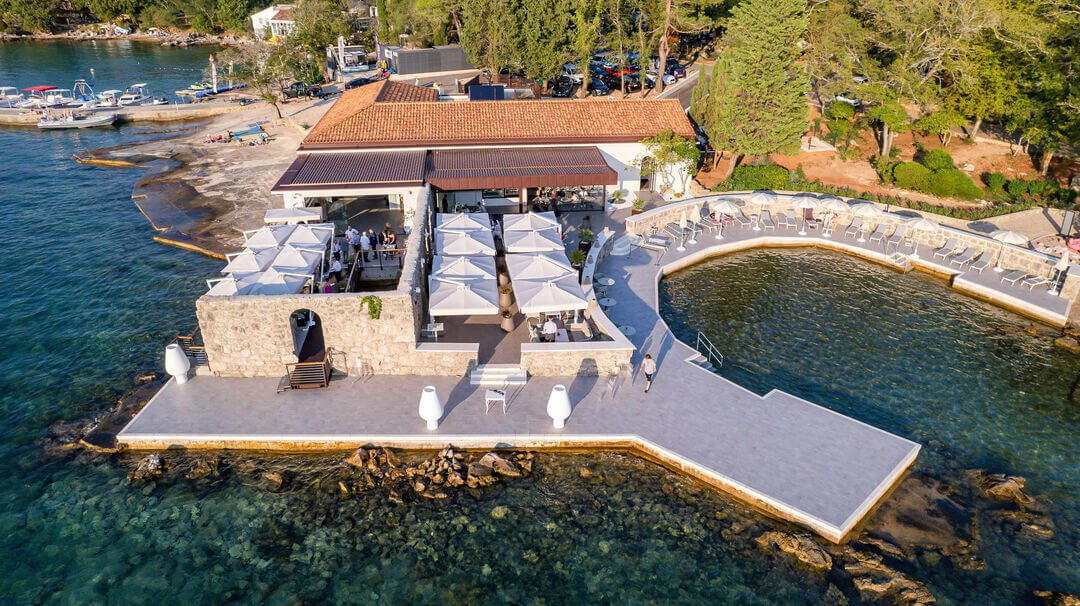
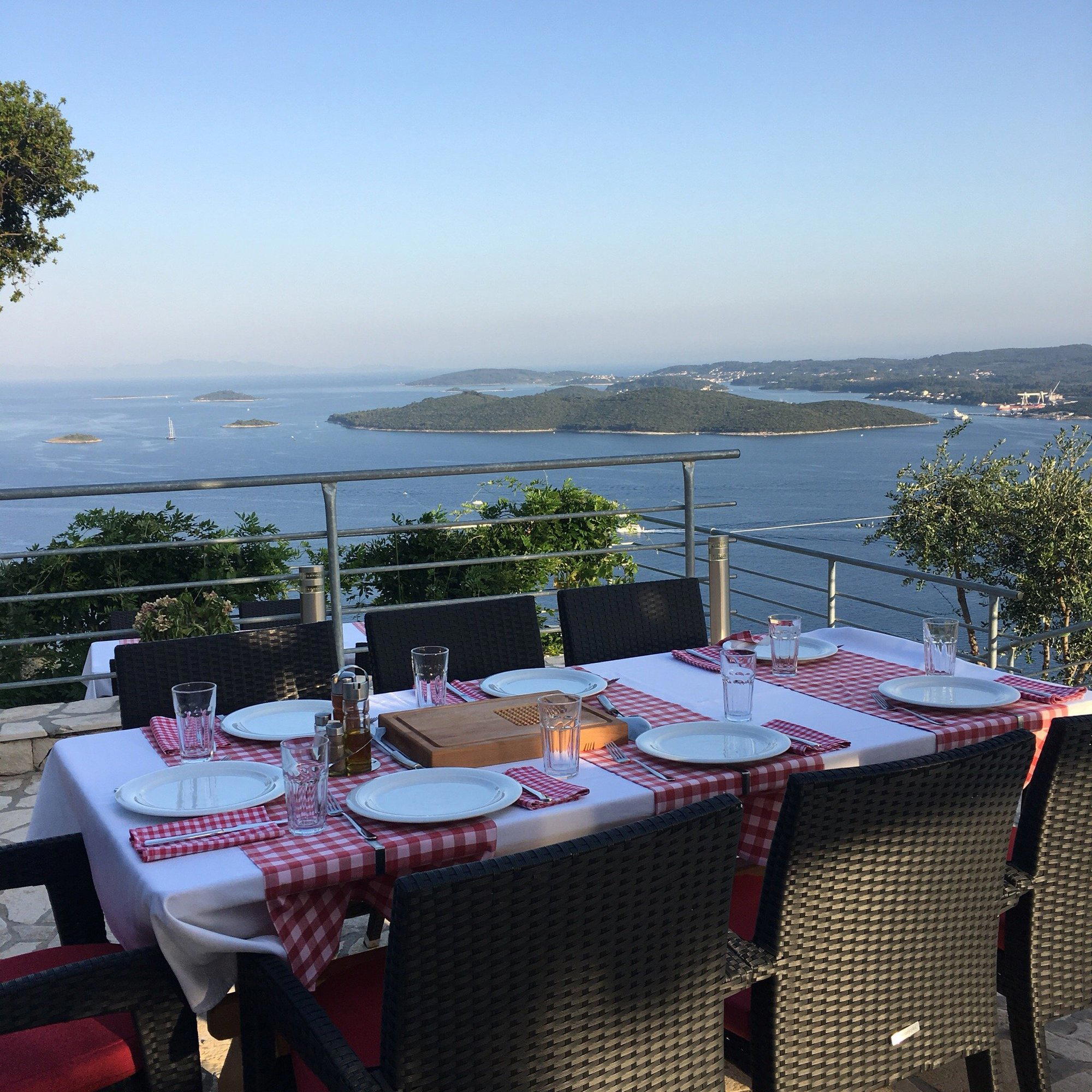
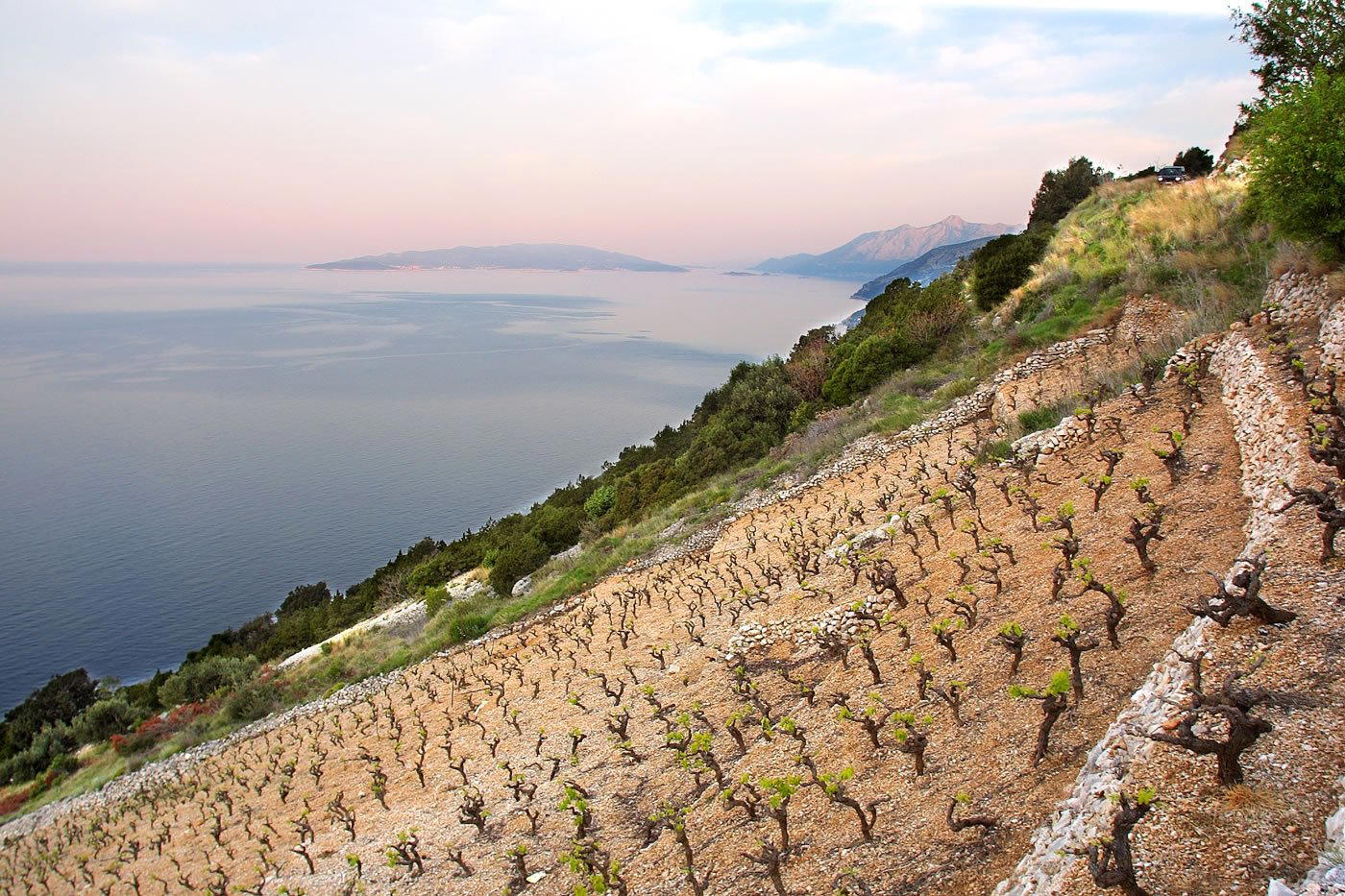
Korčula's old town waterfront operates on a logic that visitors from landlocked cities find difficult to parse at first: the sea is not backdrop, it is supplier. The Pelješac Channel, visible from the terrace of 7 Seas Restaurant & Bar on Obala dr. Franje Tuđmana 5, connects the island to a fishing and farming network that has supplied Dalmatian kitchens for centuries. Sitting at a waterfront table here, you are positioned at one end of a supply chain whose other end is somewhere offshore or in the hinterland of the Pelješac peninsula across the water.
That proximity to source is not a marketing posture — it is structural to how Dalmatian coastal restaurants operate. The island of Korčula produces its own olives, capers, and wine grapes (most notably the indigenous Pošip and Grk varieties), and the surrounding waters yield dentex, sea bass, octopus, and the smaller reef fish that form the base of grilled and brodetto preparations across the region. A restaurant on this specific stretch of waterfront has physical access to those inputs in ways that urban Croatian restaurants, however technically accomplished, do not.
The Dalmatian Cooking Tradition at This Address
Understanding what a restaurant like 7 Seas sits within requires some sense of what Dalmatian coastal cooking actually is, distinct from the generic "Mediterranean" category that often swallows it in broader travel writing. The tradition is built around a small number of techniques applied to high-quality local materials: roasting under the peka (a cast-iron lid buried in embers), grilling over open flame, and slow-braising in wine-based broths that borrow as much from the island's viticulture as from its fishing culture. Olive oil from island trees, aged in local cellars, functions as both a cooking medium and a condiment in ways that imported oil simply cannot replicate.
This is a culinary lineage that runs through the entire eastern Adriatic coast, but Korčula expresses it with a particular intensity because the island's relative isolation — ferry-dependent, with limited road access from the mainland, has preserved local production systems that larger Dalmatian cities have largely abandoned. The capers that appear in sauces and marinades here are likely Korčulan. The wine in a brodetto is as likely to be local Pošip as anything from the mainland. Sourcing, in other words, is not a choice made by a chef, it is the default condition of cooking on this island.
For a wider view of how Croatian coastal restaurants are developing across the region, the comparison set is instructive. Restaurant 360 in Dubrovnik and Pelegrini in Sibenik represent the more formal, award-recognised end of Dalmatian cooking, where the same local ingredients are processed through contemporary fine-dining frameworks at €€€€ price points. The Korčula waterfront operates at a different register, more informal, more direct in its relationship between catch and plate, which positions it closer to the working dining culture of the island than to the destination-restaurant tier.
Korčula Town's Waterfront Dining Scene
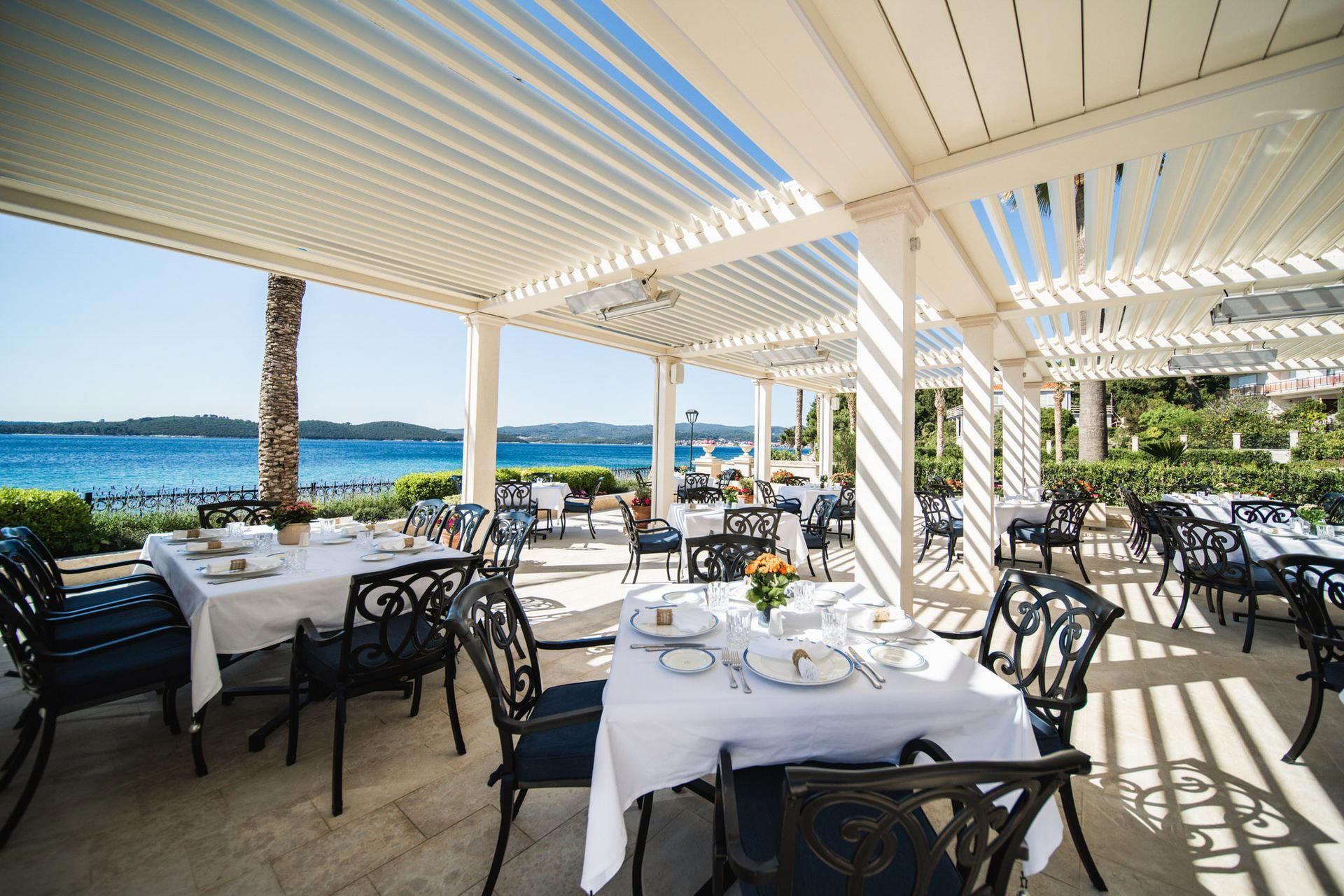
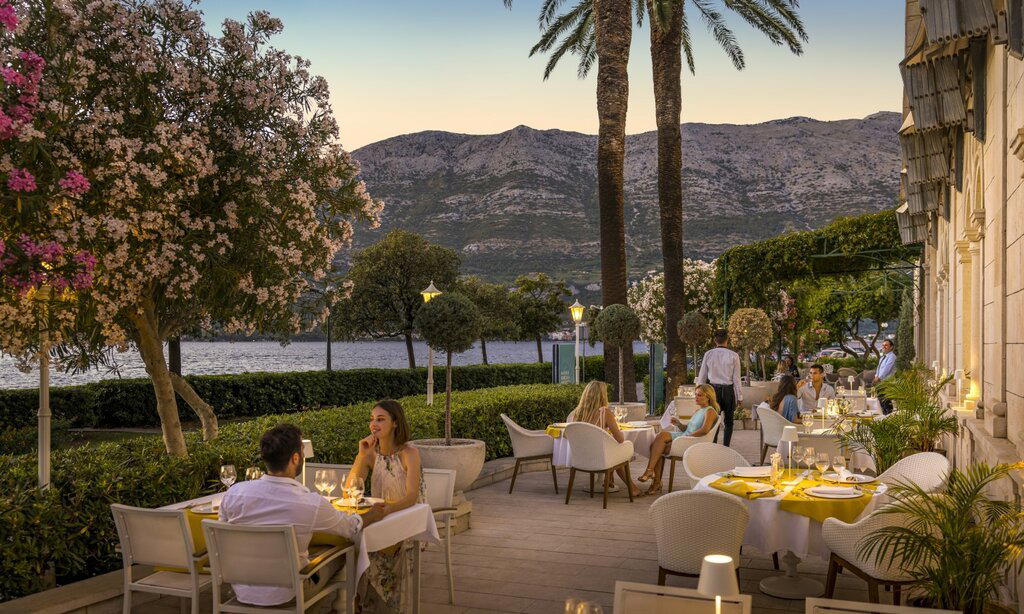
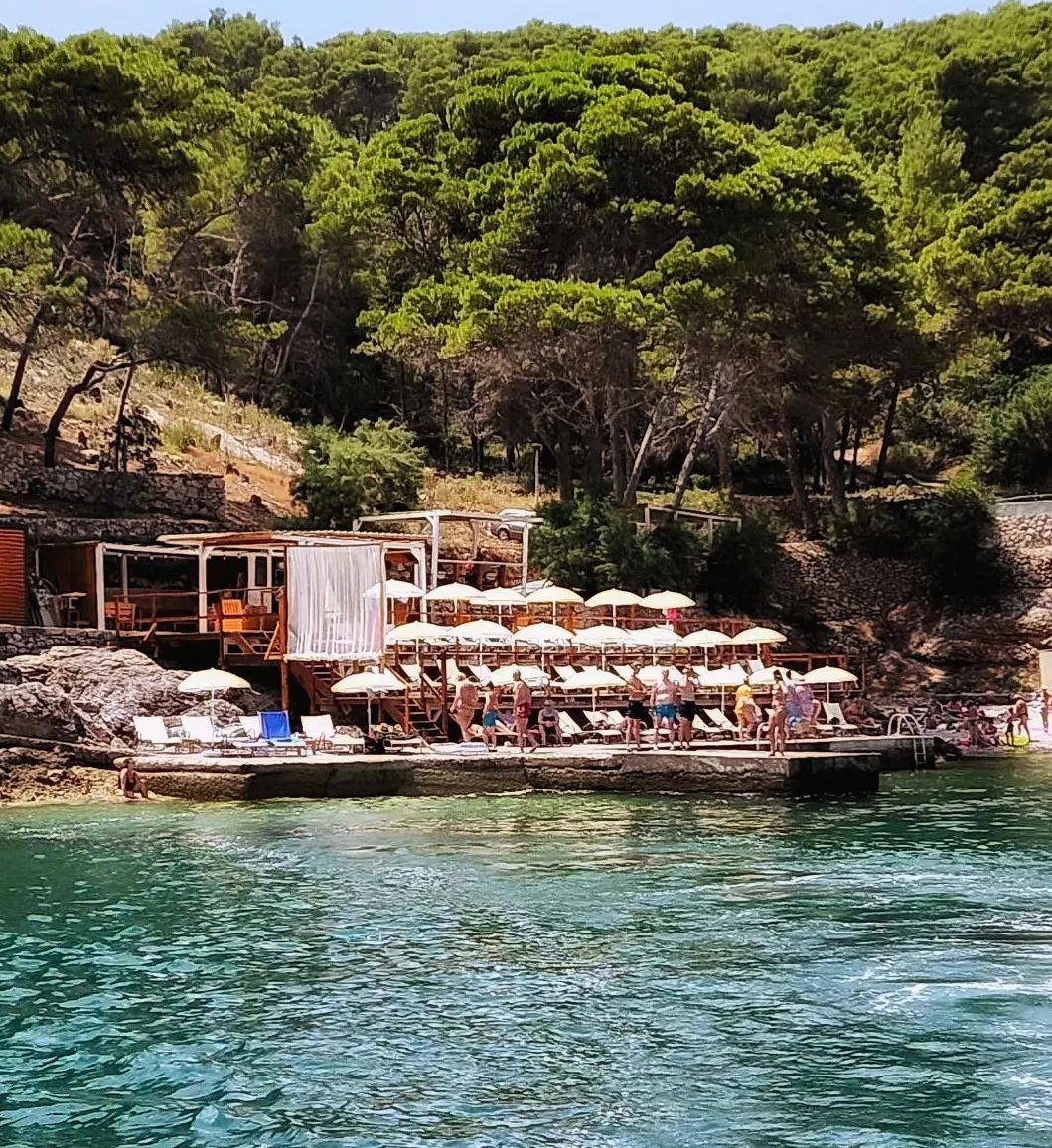
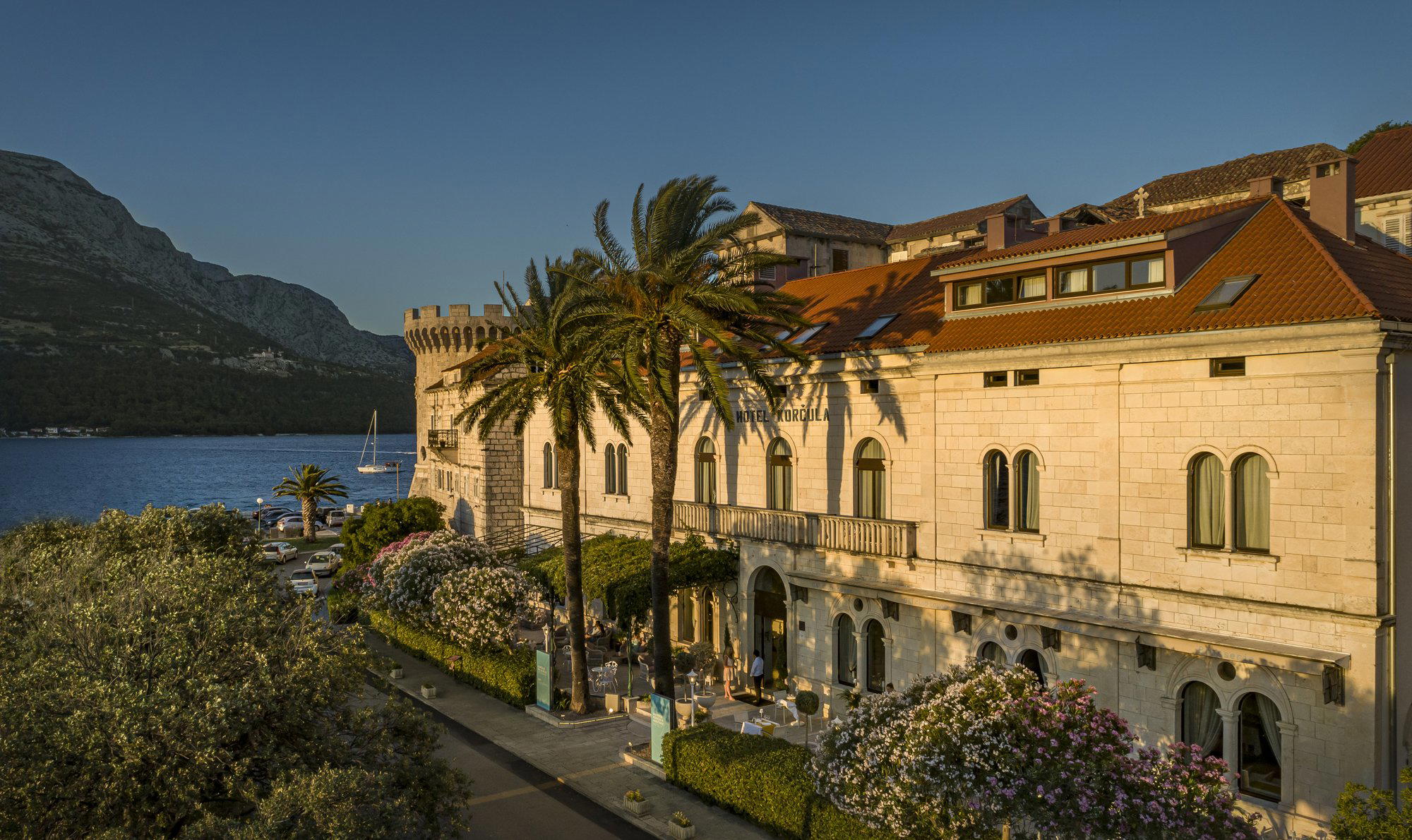
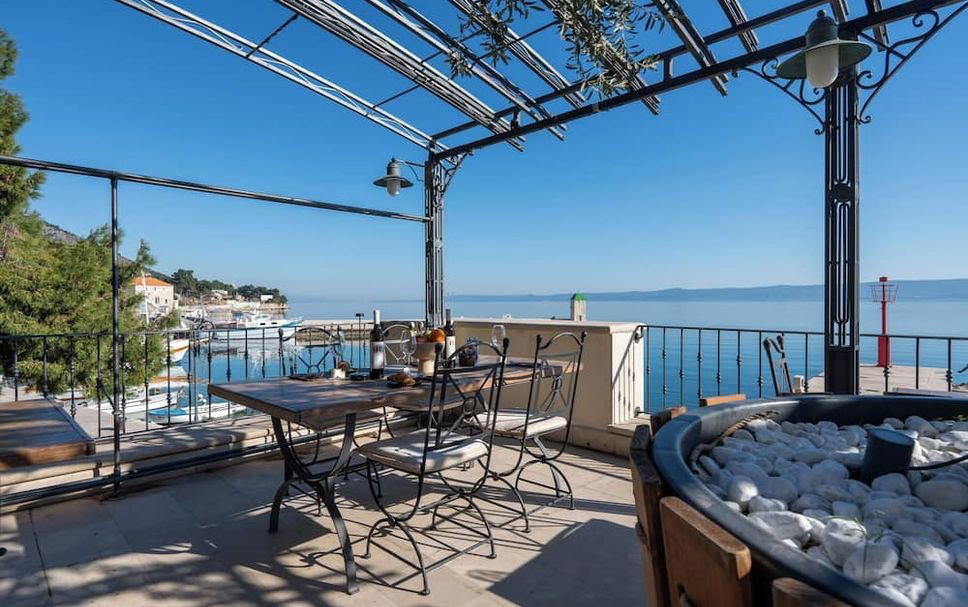
The address on Obala dr. Franje Tuđmana places 7 Seas on the main waterfront promenade that wraps around the base of the old town's medieval walls. This strip concentrates most of Korčula's visitor-facing restaurants, and the terrace format is almost universal here: diners face the channel, boats pass at eye level, and the light in the evening moves from gold to deep blue in the span of a single meal. The setting is consistent across several establishments on this stretch, which means differentiation comes down to the quality of sourcing, the specificity of the menu, and the consistency of execution.
Within Korčula's dining options, 7 Seas sits alongside LD Restaurant and Restaurant Filippi as part of the island's core waterfront offer. Each addresses the same underlying ingredient pool; the differences lie in format and emphasis. Our full Curzola restaurants guide maps these options against each other in more detail.
Beyond Korčula, the broader Croatian coastal dining circuit runs from Agli Amici Rovinj in Rovinj in the north to Boskinac in Novalja on Pag, with inland expressions at Noel in Zagreb and Korak in Jastrebarsko. The contrast between coastal and inland Croatian cooking is substantial: the island register is defined by seafood and olive oil; the continental register by game, freshwater fish, and lard-based preparations. Nebo by Deni Srdoč in Rijeka and Krug in Split represent intermediate positions where the two traditions intersect.
Seasonal and Sourcing Rhythms
Korčula's restaurant season runs roughly from late April through October, with the core months of July and August bringing the island's visitor numbers to their highest point and placing genuine pressure on waterfront tables. Reservations during peak summer weeks are advisable well in advance. The shoulder months, May, June, and September, offer the same ingredient quality with more predictable access and cooler evening temperatures that make terrace dining more comfortable. Autumn brings the olive harvest and the end of the summer catch cycle, shifting available fish toward autumn species and adding pressed oil to tables that have been using the previous year's stock.
For reference, some of the region's most ingredient-driven restaurants work within similar seasonal constraints: Alfred Keller in Mali Lošinj and Bodulo in Pag both operate within island-specific sourcing windows that define their menus as much as any culinary decision does. The contrast with a year-round urban kitchen like Le Bernardin in New York City or Lazy Bear in San Francisco is instructive: sourcing at scale across all twelve months requires a supply chain that island kitchens simply do not need, because the season itself edits the menu.
Other Adriatic comparators worth considering: BioMania Bistro Bol in Bol on Brač applies an organic and biodynamic sourcing philosophy to a similar island-restaurant format, while Dunav in Ilok and Kantina Melon in Petrovija show how far Croatia's ingredient-sourcing culture extends beyond the coast into the Slavonian interior.
Planning a Visit
7 Seas Restaurant & Bar is located at Obala dr. Franje Tuđmana 5 in Korčula town, on the waterfront promenade directly below the old town walls. Korčula is accessible by ferry from Split (approximately two and a half hours), from Dubrovnik via Orebić on the Pelješac peninsula, and by catamaran services that run on a seasonal schedule. The terrace format means weather affects the experience more than it would at an interior-only restaurant; the covered sections extend the usable season into the shoulder months. Current hours, pricing, and booking availability should be confirmed directly with the venue, as seasonal schedules vary. For a broader read on where 7 Seas sits within Korčula's full dining picture, the EP Club Curzola guide provides comparative context across the island's restaurant options.
Frequently asked questions
Is 7 Seas Restaurant & Bar suitable for children?
Korčula's waterfront restaurants generally accommodate families, and the terrace format at 7 Seas, open, informal, with views across the channel, suits the mixed-age groups that make up much of the island's visitor base in summer. Croatia's coastal dining culture does not segment sharply by age in the way that higher-price-point fine-dining venues in larger cities do.
What should I expect atmosphere-wise at 7 Seas Restaurant & Bar?
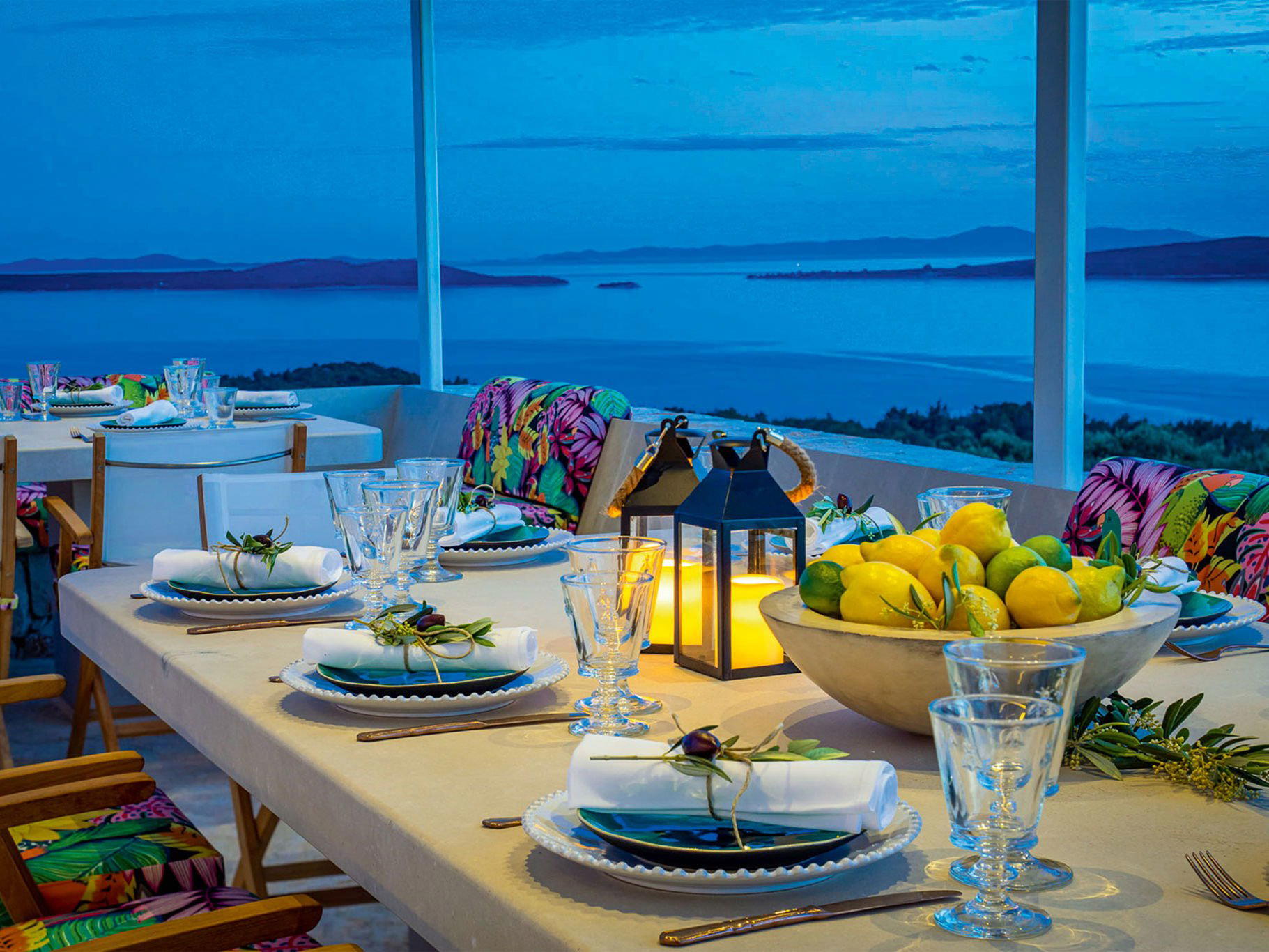
The waterfront terrace position on Obala dr. Franje Tuđmana delivers the defining atmosphere: the Pelješac Channel at close range, the medieval walls of Korčula old town behind you, and the light-and-boat traffic combination that characterises Dalmatian coastal evenings. The register is casual-to-relaxed rather than formal, consistent with how the broader Korčula waterfront strip operates. Comparable in tone to the terrace culture at LD Restaurant on the same island, though each address has its own specific sightline and crowd mix.
What's the signature dish at 7 Seas Restaurant & Bar?
What is structurally true of any Korčula waterfront restaurant drawing on local sourcing is that grilled seafood, octopus preparations, and dishes incorporating local olive oil and capers form the backbone of the regional offer.
What's the ideal way to book 7 Seas Restaurant & Bar?
In peak summer months on Korčula, particularly July and August, waterfront terrace restaurants fill quickly, and direct contact with the venue ahead of arrival is the practical approach. Arriving without a reservation in high season carries meaningful risk at any of the island's better-positioned waterfront tables.
What's the signature at 7 Seas Restaurant & Bar?
See the answer above regarding signature dishes.
Does 7 Seas Restaurant & Bar serve local Korčulan wine?
Korčula is home to two indigenous white grape varieties, Pošip and Grk, that have gained increasing recognition among Croatian wine producers and international buyers over the past decade. Any restaurant on the island operating at a reasonable standard of sourcing commitment would be expected to carry local producers alongside broader Dalmatian and Croatian selections.

Details
- Elegant
- Sophisticated
- Scenic
- Modern
- Intimate
- Date Night
- Special Occasion
- Waterfront
- Terrace
- Hotel Restaurant
- Historic Building
- Extensive Wine List
- Local Sourcing
- Waterfront
- A La Carte
- Gluten Free Options
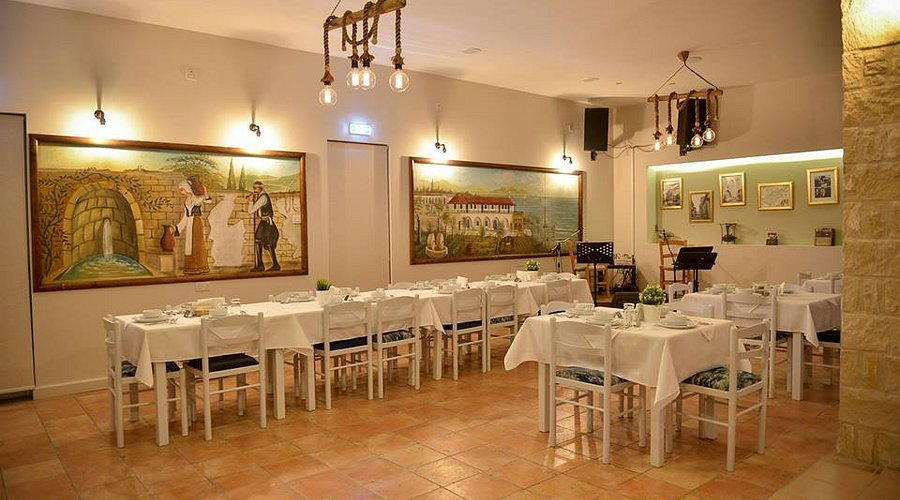
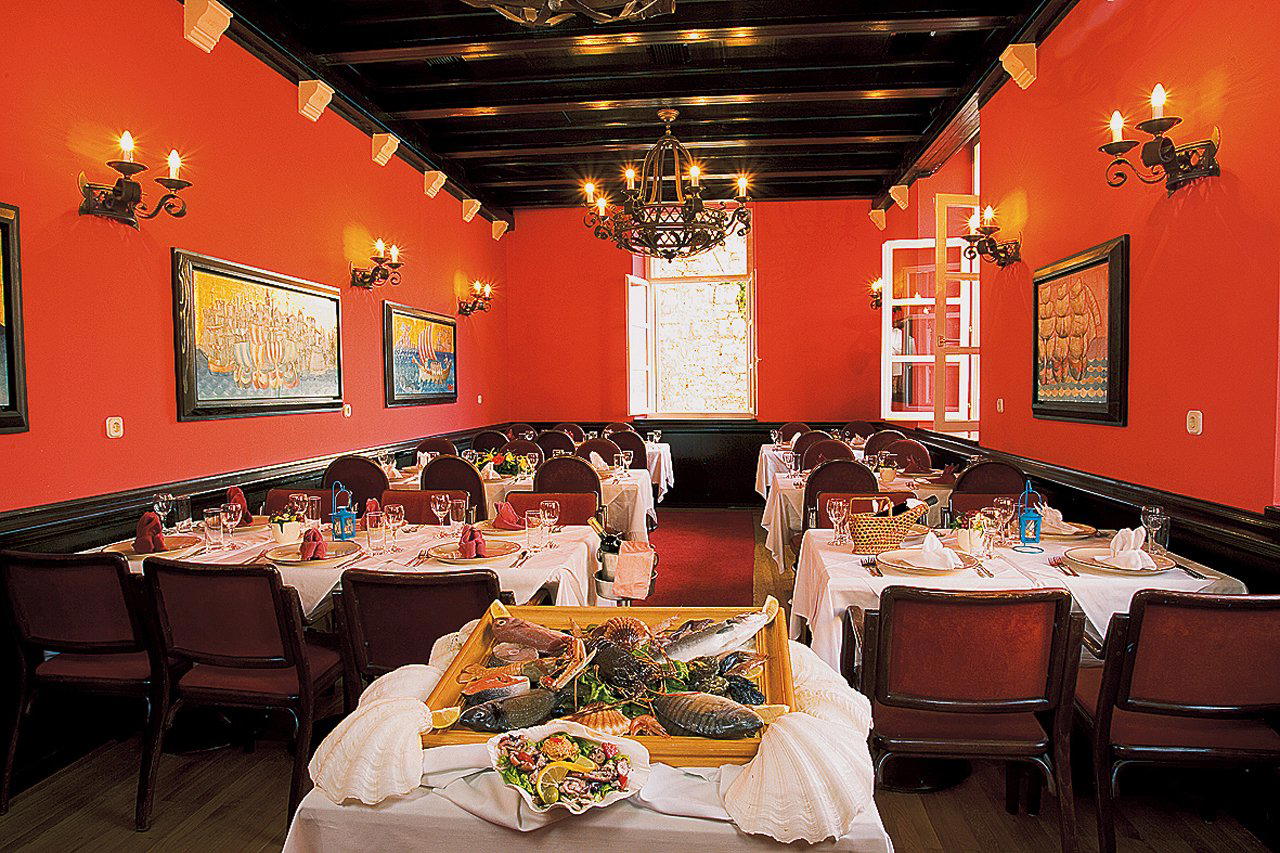
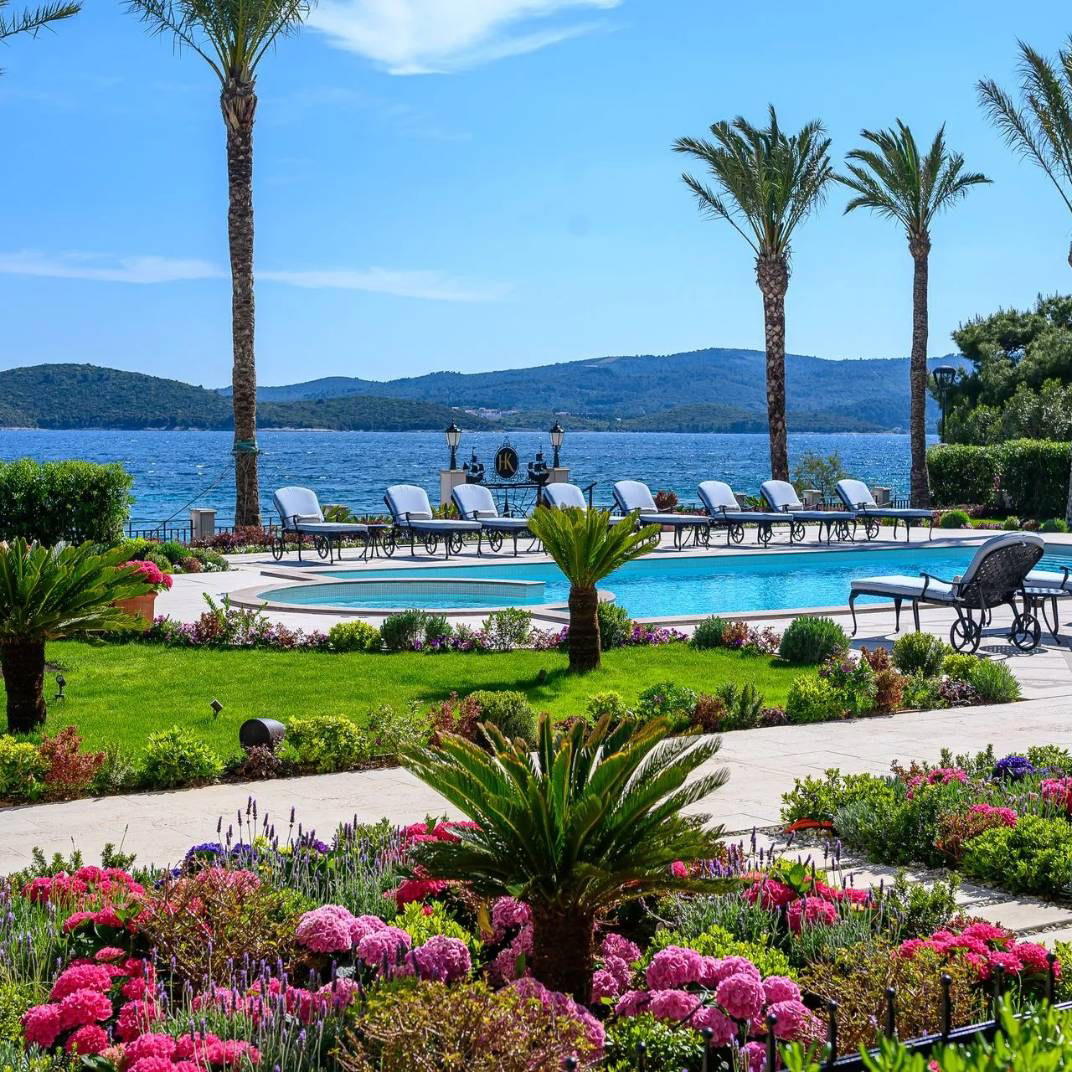
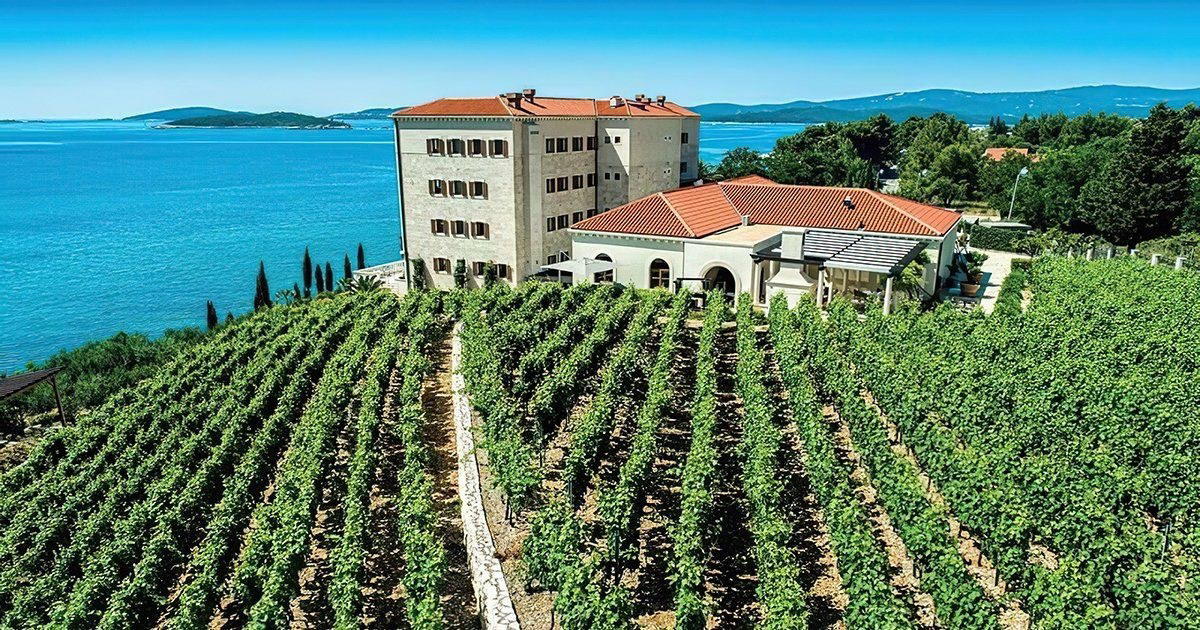
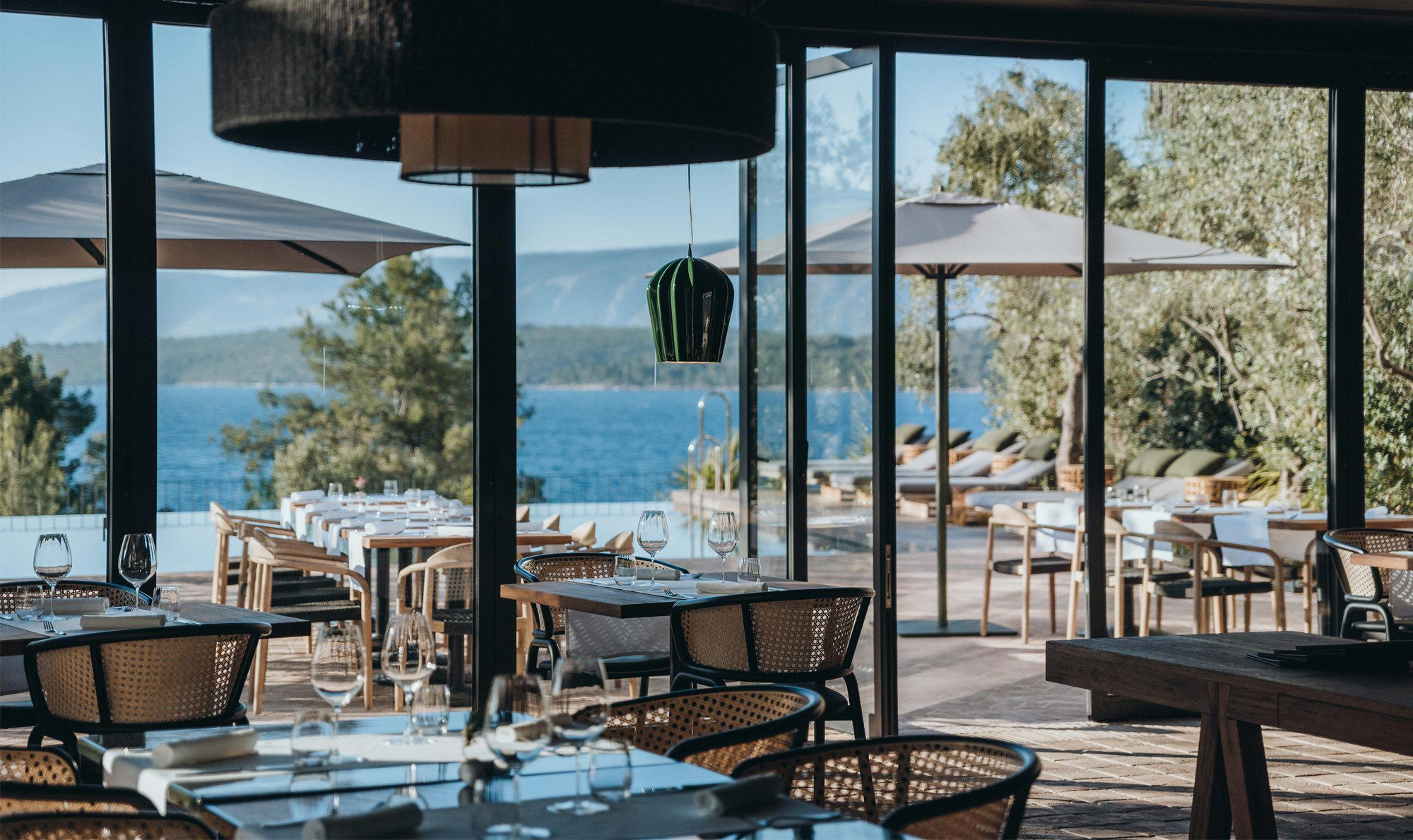
Airy modern interior with terrace overlooking the Adriatic, offering refined yet relaxed elegance and far-reaching sea views.