On Brela's waterfront promenade, Feral occupies the kind of address where the Adriatic sets the dining tempo. The kitchen leans into Dalmatian coastal sourcing, placing local catch and regional produce at the centre of a menu shaped by what the surrounding waters and hinterland actually deliver. For the Makarska Riviera, that combination of position and ingredient focus is relatively uncommon.
Pearl is the En Primeur Club membership app — saves, bookings, and concierge access live there. Same editors, same standards.
- Address
- Obala Kneza Domagoja 30, 21322, Brela, Croatia
- Phone
- +38521618909
- Directions
- Get directions
 Saves & bookings on Pearl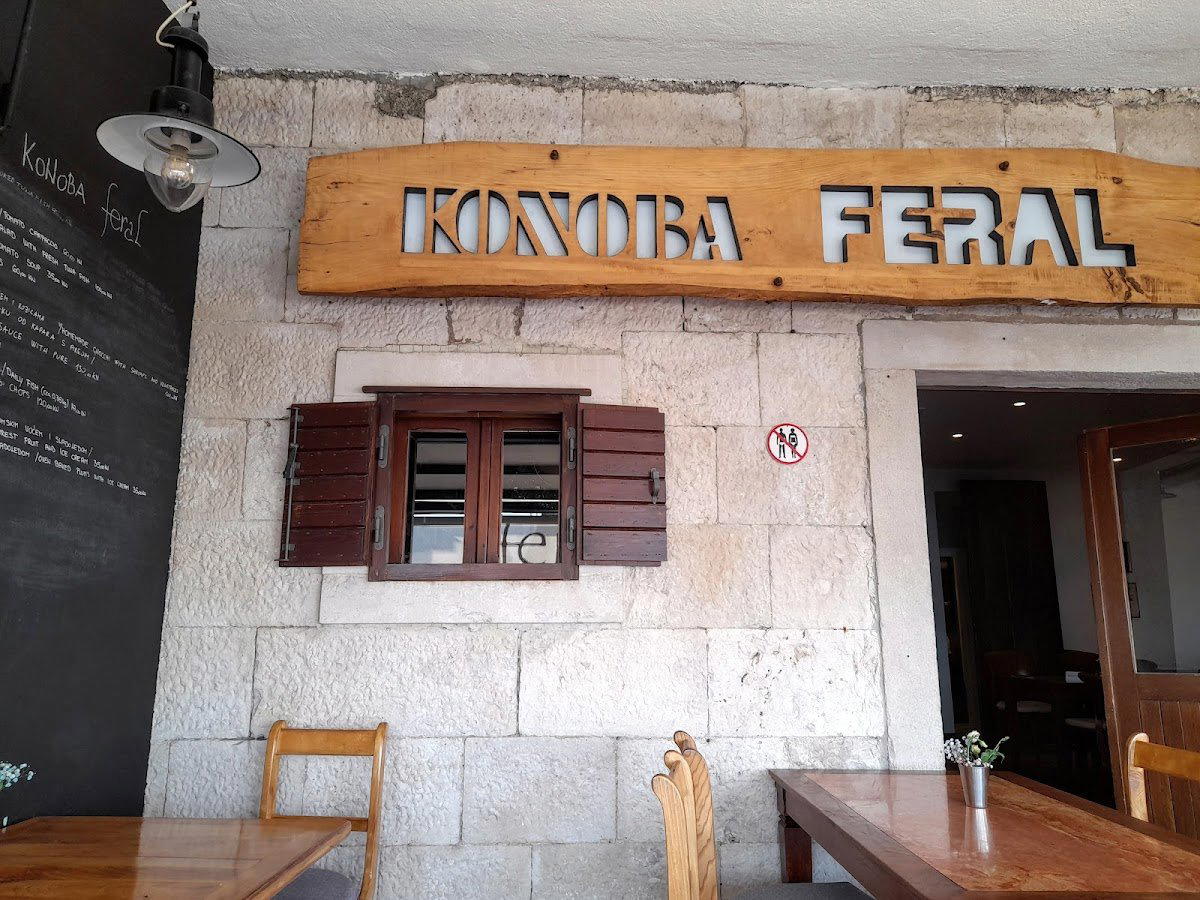
Where the Adriatic Dictates the Menu
Brela sits on the Makarska Riviera, a stretch of Dalmatian coastline that draws visitors for its pine-fringed pebble beaches rather than its restaurant scene. That context matters when assessing Feral. The address, on Obala Kneza Domagoja 30 in Brela, places the restaurant directly on the promenade where the limestone karst meets the sea. The setting is not incidental. In coastal Croatia, the physical proximity of a kitchen to its source ingredients has historically determined what ends up on the plate, and Brela's position between the open Adriatic and the Biokovo mountain range creates a genuinely productive larder: bream and sea bass from local fishermen, lamb grazed on karst pastures, wild herbs from the hillside behind town.
Croatia's finer coastal dining has largely consolidated around the major tourist hubs. Pelegrini in Sibenik and Restaurant 360 in Dubrovnik operate at the summit of the Dalmatian price tier (€€€€), with sourcing narratives built around Adriatic seasonality and regional wine programs. Further north, Agli Amici Rovinj in Rovinj applies Italian contemporary technique to Istrian ingredients in a format that has earned sustained recognition. Feral operates in a smaller, less trafficked town, which shapes both its competitive positioning and its likely sourcing radius. A restaurant of this name and address in a place like Brela serves a different kind of traveller, one who has chosen the quieter end of the riviera.
Sourcing on a Coastline That Feeds Itself
The editorial angle on ingredient sourcing is worth pressing here, because the Makarska Riviera is one of the stretches of Dalmatian coast where the supply chain between sea and kitchen remains relatively short. Brela's local fishing community has not scaled to industrial levels; the catch that reaches kitchens on this stretch tends to come from small-boat operations working the inshore waters. That matters for what a kitchen can reasonably offer: fish aged less than twelve hours, shellfish pulled from nearshore beds, octopus treated as a daily-decision ingredient rather than a year-round menu fixture.
The Biokovo massif rising directly behind Brela adds a second sourcing dimension that distinguishes this part of Dalmatia from the purely maritime. Biokovo lamb, grazed on aromatic scrubland at altitude, has a flavour profile distinct from lowland alternatives, and wild herbs including sage, rosemary, and mountain savory grow at densities that make foraging economically viable for local kitchens. Restaurants on the Makarska Riviera that connect these two supply chains, sea and mountain, are working with an ingredient set that their counterparts in, say, Split's urban core cannot easily replicate. For comparison, Krug in Split operates in a more urban context where sourcing relies on a different distribution network.
This is the framework within which Feral's menu should be read. The name itself signals something about positioning: feral implies wildness, unmediated nature, provenance without intermediary. The address and the regional context make the sourcing argument coherent rather than aspirational.
The Makarska Riviera in Croatia's Dining Geography
Croatia's dining recognition has followed a predictable geographic pattern. Michelin's Croatian coverage has concentrated on Zagreb, Istria, and the major Dalmatian cities, leaving the mid-coast riviera towns with limited formal accreditation. Nebo by Deni Srdoč in Rijeka and Alfred Keller in Mali Lošinj represent the kind of recognition that smaller or more remote Croatian addresses can accumulate, but the pathway requires sustained quality and visibility. For restaurants in towns the size of Brela, the relevant measure is the growing traveller appetite for dining rooted in a specific place rather than designed for broad appeal.
That shift in traveller expectation is well documented across the Adriatic and beyond. The same logic that has driven interest in Boskinac in Novalja on Pag Island, where local lamb and indigenous grape varieties form the editorial spine of the menu, applies to what a well-executed coastal restaurant in Brela could offer. LD Restaurant in Korčula similarly draws on island-specific produce to justify the detour from larger centres. The argument for Feral follows the same logic: the reason to eat here rather than driving forty minutes north to Split is the specificity of what Brela and its immediate surroundings produce.
For readers who have explored inland Croatian dining, the contrast with Korak in Jastrebarsko or Dubravkin Put in Zagreb illustrates how dramatically the ingredient narrative shifts when you move from the continental interior to the Adriatic coast. The further comparisons offered by Istrian venues like San Rocco in Brtonigla, EatIstria in Pluj, or Humska Konoba in Hum show the northern peninsula's distinct terroir-driven approach, rooted in truffles, olive oil, and indigenous wines. Dalmatian cooking works from a different pantry entirely.
Planning a Visit
Brela is accessible by car from Split in under an hour along the coastal road, and bus connections from Split operate regularly during the summer season. The Makarska Riviera peaks in July and August, when the promenade fills and waterfront restaurants run at full capacity; visiting in June or September offers the same coastline with considerably more space and, in most kitchens, more consistent service. For a waterfront address like Feral on Obala Kneza Domagoja 30, advance planning is sensible in high season.
Readers comparing Dalmatian coastal dining against international benchmarks for seafood-forward restaurants might look at Le Bernardin in New York City for a sense of what rigorous seafood technique looks like at the summit of the formal register, or Lazy Bear in San Francisco for a contrast in how provenance-driven menus operate in a tasting format. The interest in Feral sits in a different register: less formal, more embedded in place, and shaped by the particular rhythms of a small Dalmatian town rather than a metropolitan dining circuit. Elsewhere on the Dalmatian coast, Restaurant Filippi in Curzola and Trg Sv. Stjepana 3 in Lesina offer further reference points for island-based coastal dining in the same regional tradition.
Quick Comparison
Comparable venues nearby, for context on price, style, and recognition.
| Venue | Cuisine | Price | Notes |
|---|---|---|---|
| Konoba Konoba FeralThis venue — the venue you are viewing | Dalmatian Seafood Mediterranean | $$ | Not listed |
| Marulićeva ul. 1 | Modern Dalmatian Bistro | $$ | Old Town |
| Konoba Pol Murvu | Traditional Croatian | $$ | Komiza |
| Gojava | Traditional Dalmatian | $$ | Gojava |
| Konoba Matejuska | Authentic Dalmatian Seafood | $$ | Varoš |
| Taverna Riva | Traditional Dalmatian Seafood | $$ | Bol town center |
Continue exploring
More in Brela
Restaurants in Brela
Browse all →
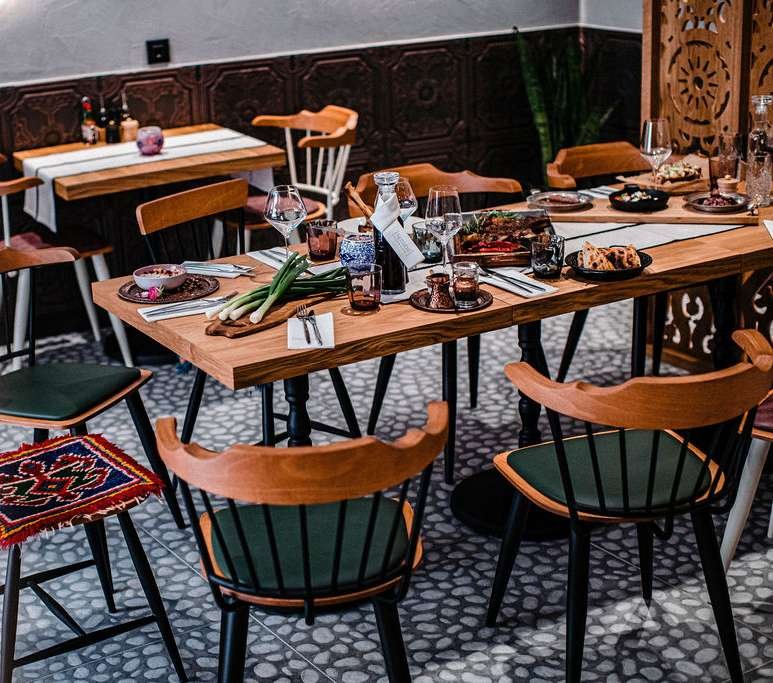
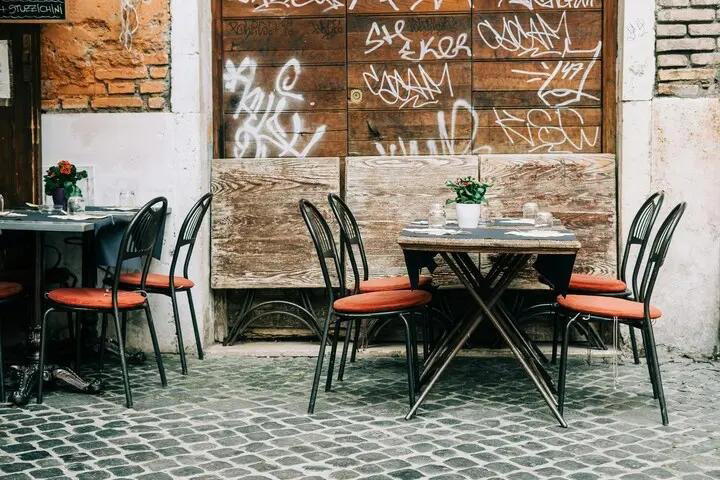
Bars in Brela
Browse all →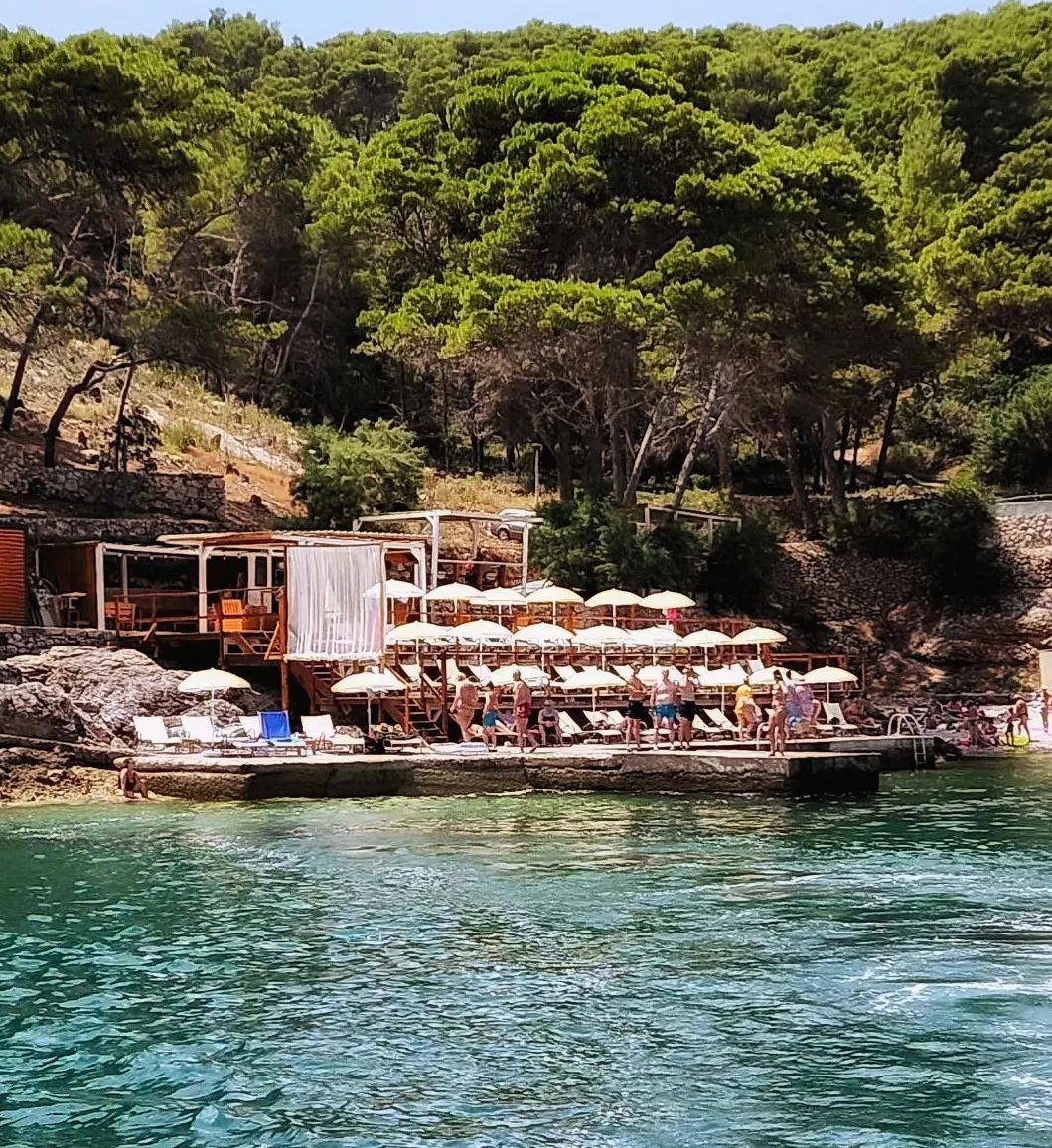
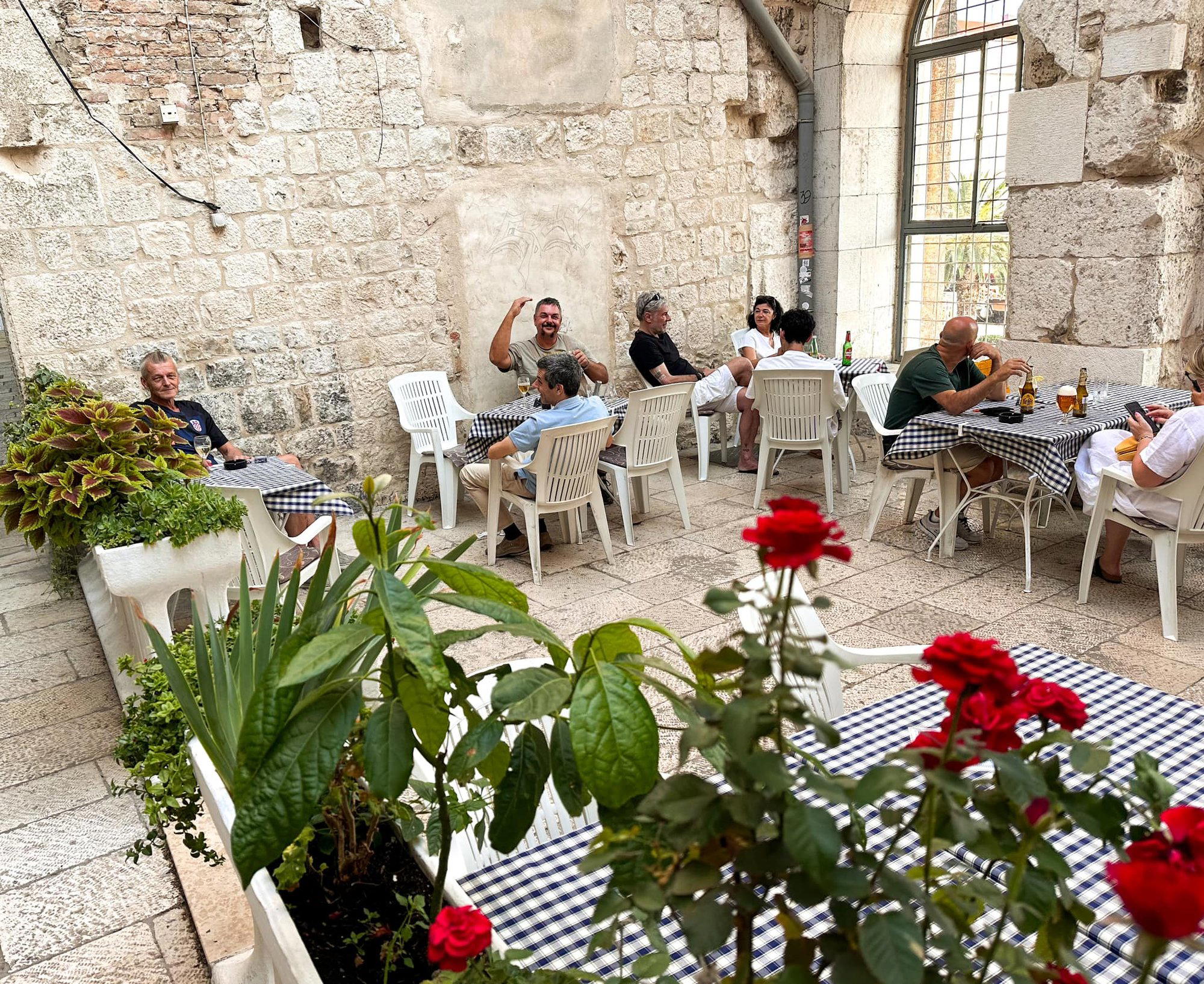
Hotels in Brela
Browse all →

At a Glance
- Cozy
- Rustic
- Casual Hangout
- Family
- Waterfront
- Local Sourcing
- Waterfront
- Street Scene
Current opening hours
- Monday
- 11 AM–11 PM
- Tuesday
- 11 AM–11 PM
- Wednesday
- 11 AM–11 PM
- Thursday
- 11 AM–11 PM
- Friday
- 11 AM–11 PM
- Saturday
- 11 AM–11 PM
- Sunday
- 11 AM–11 PM
Hours can change for holidays and private events. Last verified .
Cozy and warm atmosphere with welcoming staff, quieter during lunches.