Antika
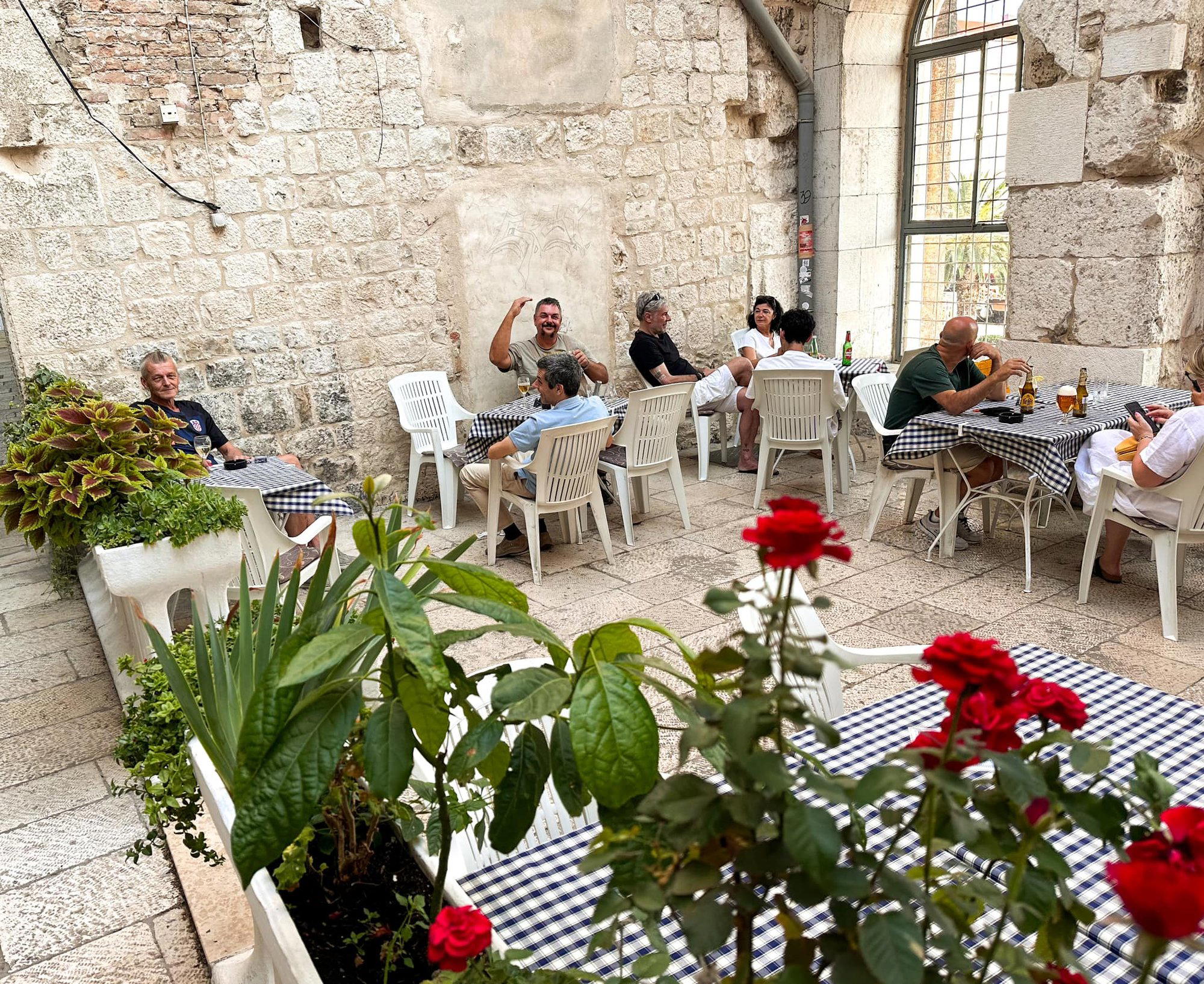
Antika serves Mediterranean and Dalmatian cooking in a historic building with courtyard seating, local sourcing, and a conversational room that fits lunch, dinner, or late night.
Pearl is the En Primeur Club membership app — saves, bookings, and concierge access live there. Same editors, same standards.
- Address
- Ul. Duolnjo Kola 34, 21460, Stari Grad, Croatia
- Phone
- +385 99 798 1734
- Website
- facebook.com
- Directions
- Get directions
 Saves & bookings on Pearl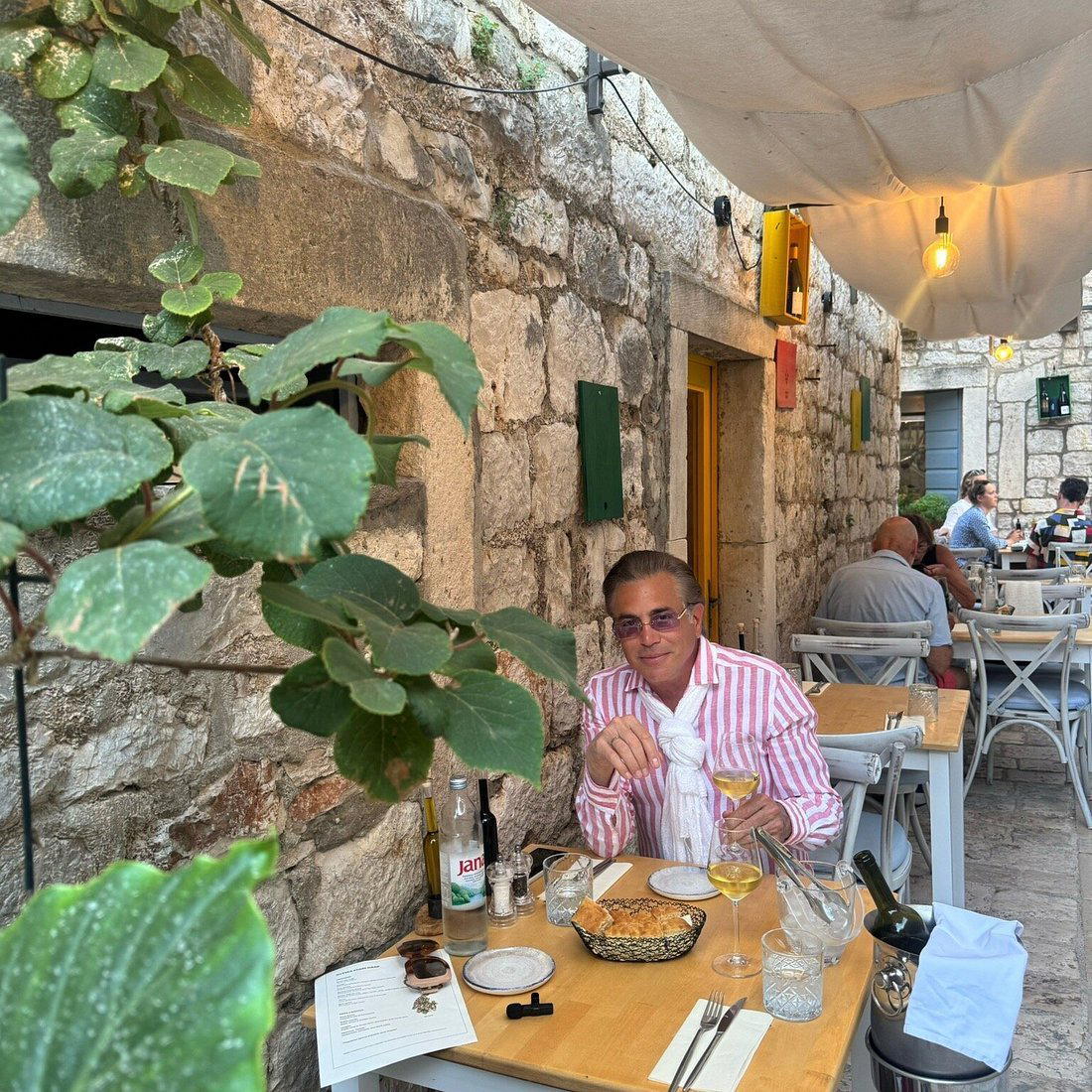
Stone Walls, Old Town, and the Case for Dalmatian Simplicity
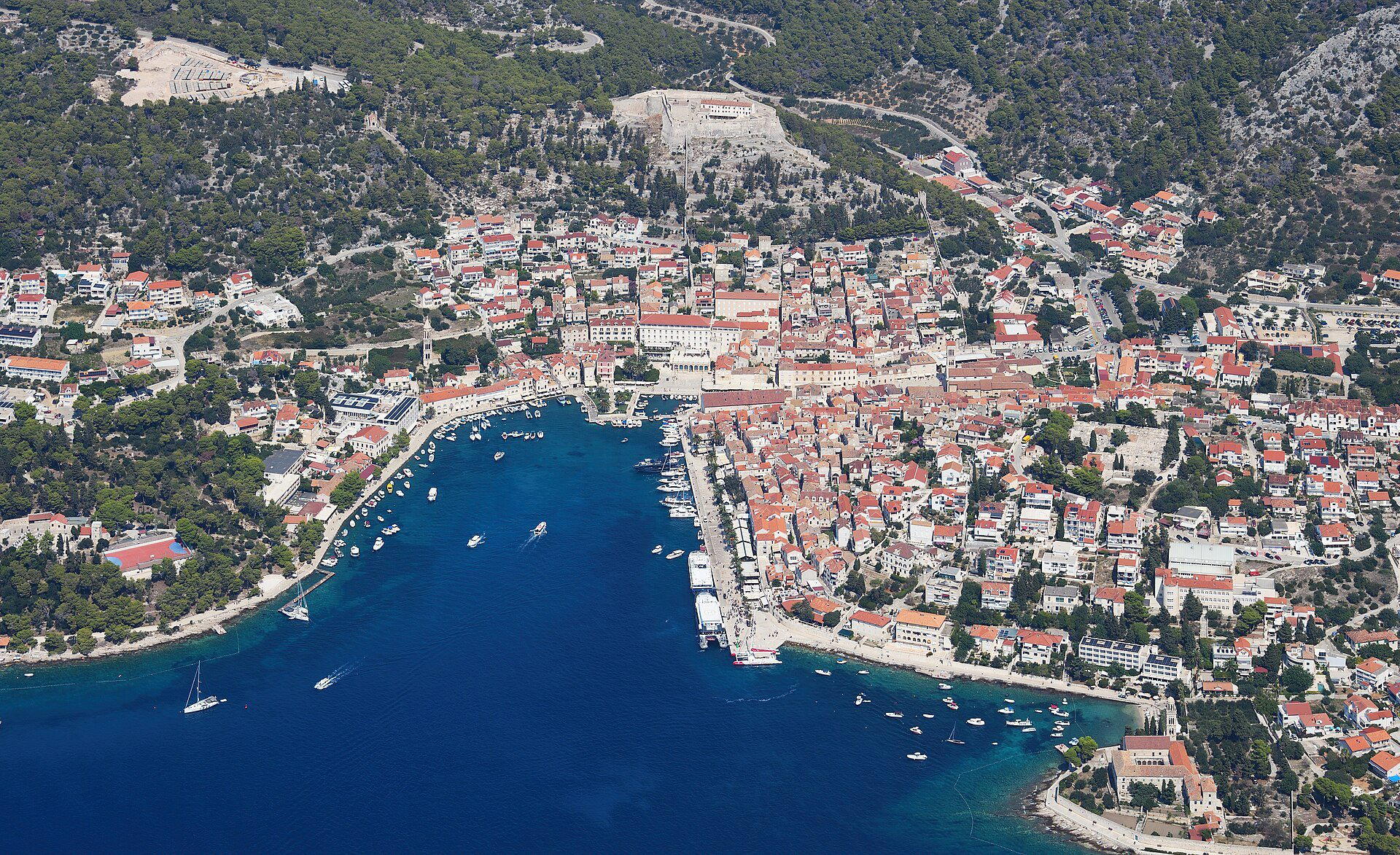
Antika is a Mediterranean and Dalmatian restaurant in Stari Grad, Croatia. Ul. Duolnjo Kola is the kind of address that requires you to slow down. The lane cuts through Stari Grad's old quarter on the island of Hvar, where limestone buildings press close and the afternoon light hits the walls at an angle that makes the stone look almost warm. Arriving at Antika, you are already inside an argument about what Croatian dining should be: but something older and more rooted in the rhythms of the island itself.
Stari Grad is one of the oldest continuously inhabited towns in Europe, founded by Greek settlers around 385 BC. That history shapes what the town expects from its restaurants: local sourcing as a baseline, cooking that respects the ingredient rather than performs for it, and a dining tempo set by the sea and the season rather than by a kitchen's ambition to impress.
Where the Ingredients Come From
Dalmatia's sourcing geography is unusually legible. The islands produce lamb, olive oil, and wine on terraced hillsides that have been farmed in largely the same way for centuries. The Hvar channel brings fish. Inland, the Dalmatian hinterland supplies cured meats, cheeses, and seasonal vegetables that travel short distances to the table. This proximity is a structural advantage for restaurants in the region.
In Stari Grad specifically, the sourcing conversation runs through places like Jurin podrum and Kod Barba Luke, both of which anchor their menus in the same island-first logic. Antika occupies a different register: the kind of place where the sourcing is expressed through cooking rather than described on the menu.
That distinction matters for how you read the food. When a kitchen is genuinely working with what the island provides at a given moment in the season, the menu shifts, the fish changes, the herbs vary. This is not a fixed proposition. Seasonality shapes the menu, and visiting outside the peak summer window can mean a quieter meal.
Antika in Its Competitive Set
Stari Grad's dining options split between the resort-integrated tier (the Maslina properties sit at price points that reflect their hotel positioning) and the independent town-restaurant tier, where Antika competes on character and ingredient quality rather than on facilities or brand. This is a meaningful difference. The independent operators in the old town have to earn repeat visits on the strength of what arrives at the table, without a resort infrastructure behind them.
Across Croatia more broadly, the pattern holds in different contexts. Boskinac in Novalja combines estate wine production with a kitchen that draws from the same island-sourcing model. LD Restaurant in Korčula works with the southern Dalmatian ingredient palette. Alfred Keller in Mali Lošinj represents the premium small-island format in Kvarner. Each of these operates in a geography that constrains and defines its cooking in productive ways. Antika's Stari Grad address places it in a town where the constraints are particularly sharp: island logistics mean that anything not grown or caught here has to be brought across. Kitchens that take that seriously end up cooking in a specific idiom that you cannot replicate in a continental city.
For particularly ambitious expressions of Croatian sourcing philosophy, addresses like Nebo by Deni Srdoč in Rijeka, Korak in Jastrebarsko, and Dubravkin Put in Zagreb represent the tasting-menu end of the spectrum. At the other extreme of international reference, the sourcing discipline at Le Bernardin in New York City or the producer-relationship model at Lazy Bear in San Francisco shows how far ingredient provenance has become a central organising principle in premium dining globally. Antika operates in a much smaller frame, but the underlying logic connects.
Planning a Visit
Stari Grad is accessible by ferry from Split, which connects the island of Hvar to the mainland. The town sits on the northern coast of Hvar and is quieter than Hvar Town to the south, which draws a different visitor profile. Ul. Duolnjo Kola 34 is in the old-town core, walkable from the ferry port and from most accommodation in the historic centre. Tables are recommended, especially in peak season.
Side-by-Side Snapshot
Comparable venues nearby, for context on price, style, and recognition.
| Venue | Cuisine | Price | Awards | Notes |
|---|---|---|---|---|
| AntikaThis venue — the venue you are viewing | Mediterranean & Dalmatian | $$ | Not listed | Not listed |
| A-Bay Beach Bar | Mediterranean tapas & cocktails beach bar | $$$ | Not listed | Maslinica Bay |
| Jurin podrum | Traditional Dalmatian Mediterranean | $$ | Not listed | Stari Grad |
| Terra Restaurant by Maslina Resort | Modern Mediterranean | $$$$ | Michelin Plate | Stari Grad |
| The Restaurant at Maslina Resort | Mediterranean Fine Dining | $$$$ | Michelin Plate | Stari Grad |
| Kod Barba Luke | Mediterranean Seafood | $$ | Not listed | Stari Grad |
Continue exploring
More in Stari Grad
Restaurants in Stari Grad
Browse all →
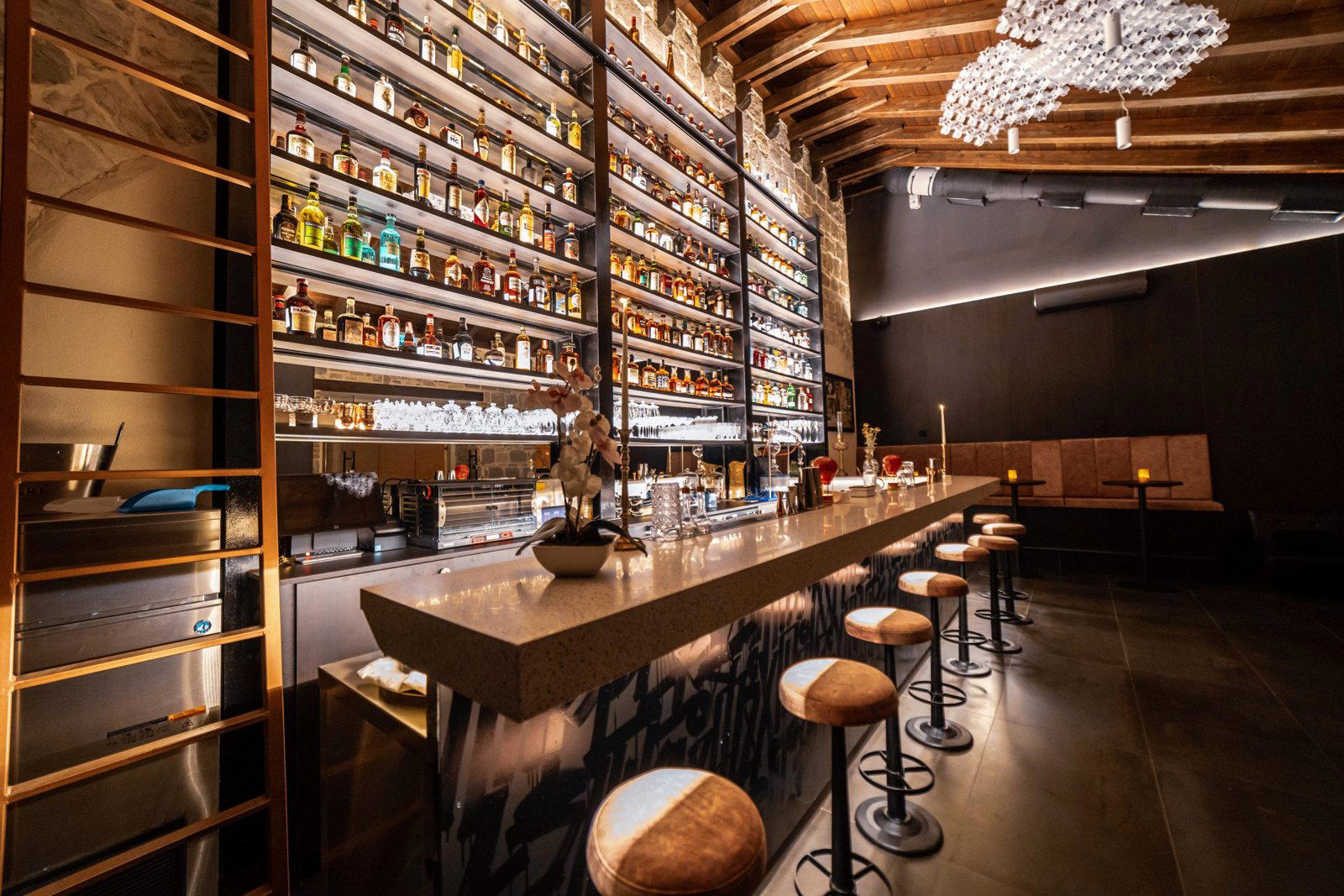
Bars in Stari Grad
Browse all →
Hotels in Stari Grad
Browse all →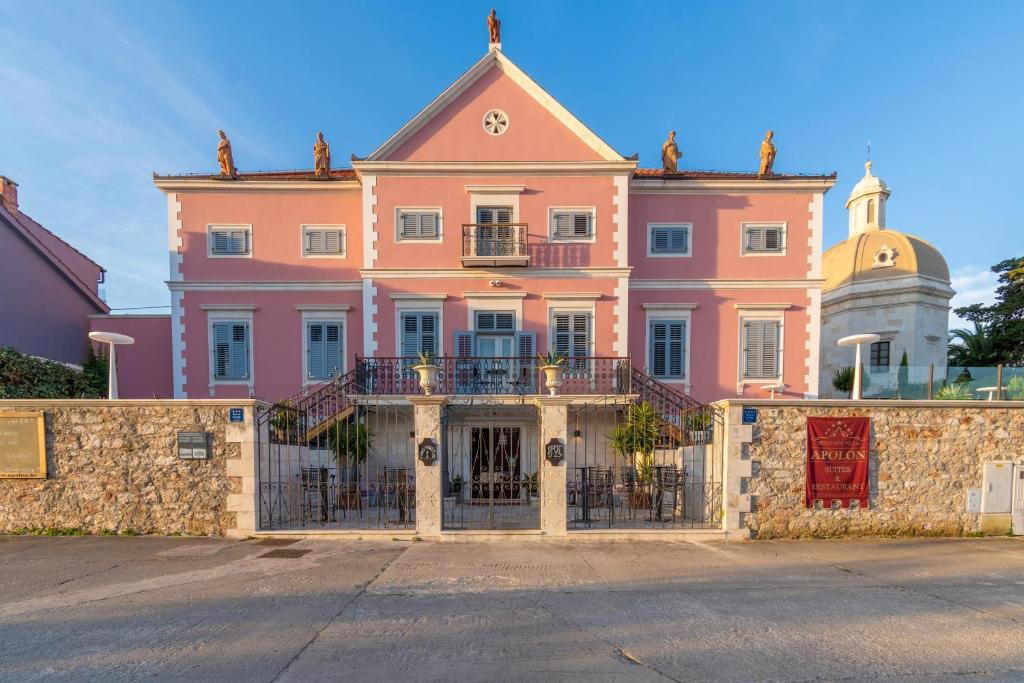

At a Glance
- Cozy
- Rustic
- Intimate
- Date Night
- Casual Hangout
- Family
- Historic Building
- Courtyard
- Local Sourcing
- Street Scene
Current opening hours
- Monday
- 2–11 PM
- Tuesday
- 2–11 PM
- Wednesday
- 2–11 PM
- Thursday
- 2–11 PM
- Friday
- 2–11 PM
- Saturday
- 2–11 PM
- Sunday
- 2–11 PM
Hours can change for holidays and private events. Last verified .
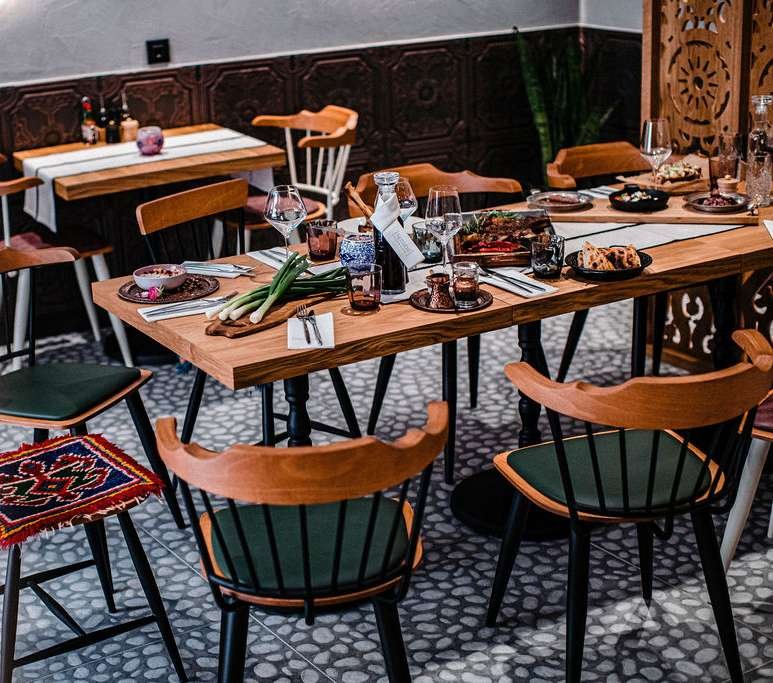
Cozy and rustic with hodgepodge furniture, wooden beams, candlelit tables, and stone walls echoing laughter in narrow alleys.