Kokarde
Our verdict
On Dendermonde's central Grote Markt, Kokarde occupies a position that places it squarely within the East Flemish tradition of market-square dining, where produce provenance and regional cooking carry more weight than culinary theatrics. For visitors exploring the city's dining options alongside neighbours like 't Truffeltje and Steeg, Kokarde represents the market-square anchor of the scene.
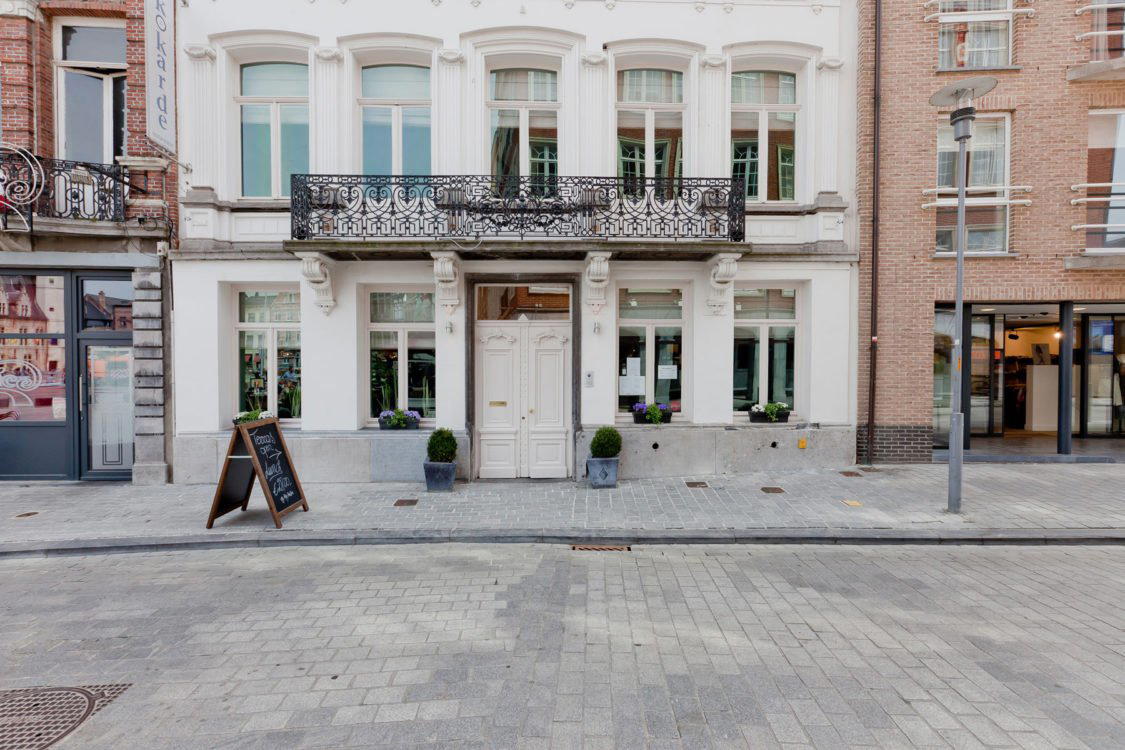
The Grote Markt Table: What Market-Square Dining Means in a Flemish Town
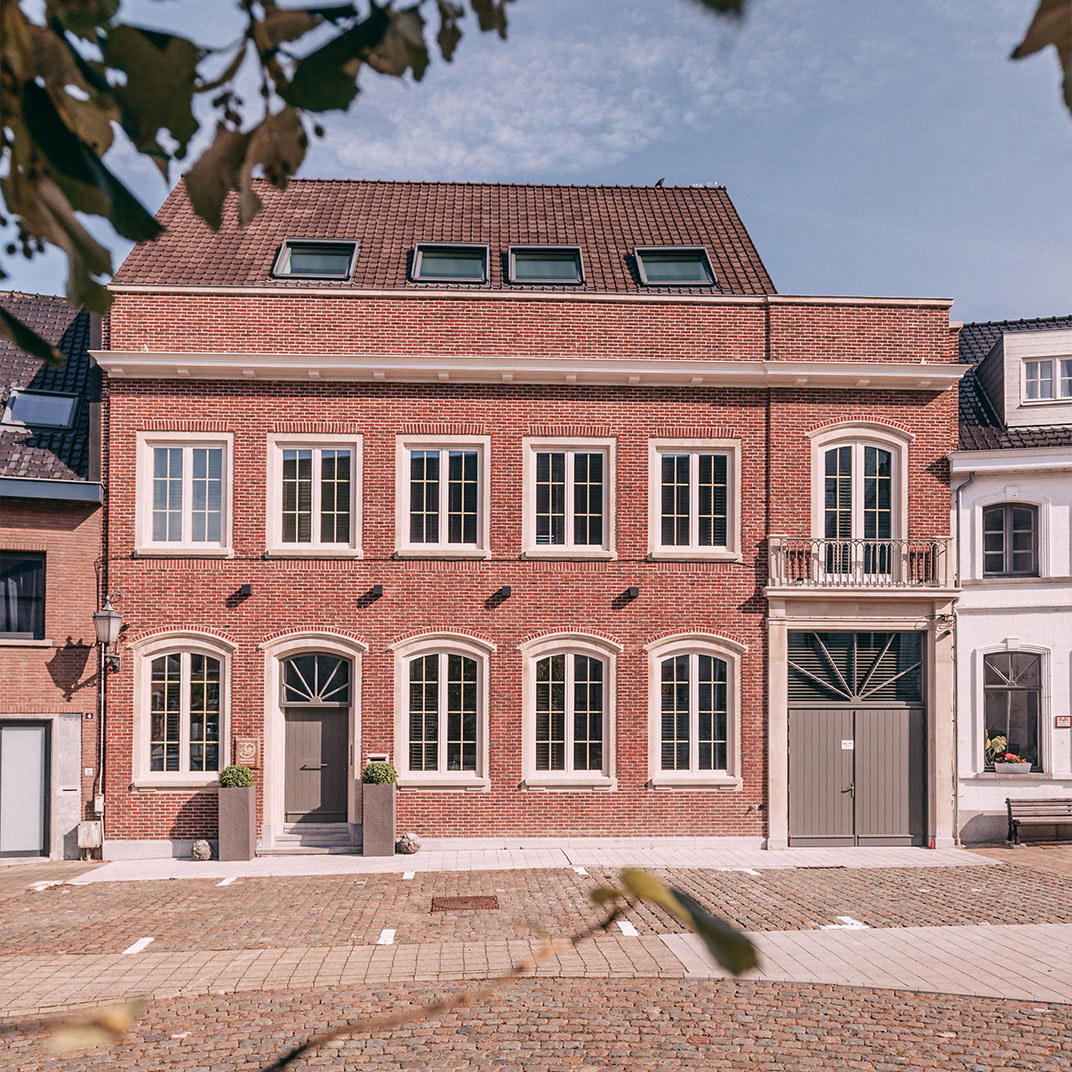
Dendermonde's Grote Markt operates the way central squares do across East Flanders: as the gravitational point around which the town's civic and culinary life organises itself. The cobblestones, the guild-era facades, and the proximity to the Saturday market all set a specific register for restaurants that open here. Dining on a historic market square in Belgium is not the same proposition as dining in a back-street address. The clientele is broader, the occasion more varied, and the expectation is that a kitchen must deliver across lunch, family gatherings, and more considered evening meals without losing coherence. Kokarde, at Grote Markt 10, sits directly inside that tradition.
Belgium's East Flemish dining culture has long placed a premium on sourcing discipline, particularly in smaller cities where proximity to agricultural land makes ingredient provenance a live question rather than a marketing point. The polders south of the Scheldt, the chicory fields of the Dender valley, and the livestock farms of the Waasland region all sit within reach of a kitchen at this address. In the broader Belgian dining conversation, that proximity matters: restaurants at Willem Hiele in Oudenburg or Bartholomeus in Heist have built significant reputations partly by treating coastal and polder produce as the backbone of their identity rather than an afterthought. The question worth asking of any East Flemish address is how seriously it takes that same relationship with its immediate hinterland.
Where Kokarde Sits Among Dendermonde's Dining Options
Dendermonde's restaurant offer is compact but differentiated. 't Truffeltje operates at the Modern French end of the spectrum at a €€€ price point, bringing the kind of formal culinary ambition more often associated with larger Flemish cities. Steeg works a creative format at the more accessible €€ tier. Kokarde's market-square address positions it as the civic-register option in this group: the place where the occasion might be a local business lunch, a family celebration, or a tourist stopping in from the nearby Vleeshuis museum district.
That positioning is neither a criticism nor a limitation. In Belgian dining culture, the brasserie-to-bistro continuum that runs through market-square addresses has produced some of the country's most reliable cooking, precisely because the format demands consistency above showmanship. The kitchens that succeed in these locations tend to be the ones that have solved the sourcing question before they have solved anything else.
Ingredient Sourcing as the Defining Question
East Flanders produces an unusual diversity of ingredients for a region of its size. Witloof (Belgian endive) from the Dender corridor, grey shrimp from the nearby Scheldt estuary, Mechelen asparagus in season, and the aged cheeses of the Flemish farmhouse tradition all represent produce categories where geography confers genuine quality differences. For a kitchen operating at Grote Markt 10, the decision about whether to source these ingredients locally or to default to national wholesale supply chains is consequential. It shapes not just the flavour register of the cooking but its relationship to the city it serves.
Belgium's most discussed restaurants have consistently framed this question explicitly. At Hof van Cleve in Kruishoutem, the agricultural surround of the Flemish Ardennes has long been part of the kitchen's identity. Boury in Roeselare works within the West Flemish produce framework with similar intentionality. Further afield, L'air du Temps in Liernu and d'Eugénie à Emilie in Baudour represent Walloon kitchens applying comparable sourcing logic to their own regional context. What separates the Belgian dining addresses that generate lasting interest from those that serve adequately but anonymously is usually the degree to which the sourcing decision is made consciously and communicated through the plate.
For Kokarde, the Grote Markt address is itself a form of accountability. A market-square kitchen in a Flemish town of Dendermonde's scale operates in plain sight of the community whose produce surrounds it. That is not a soft point about atmosphere; it is a structural fact about how Belgian market-town restaurants have historically earned their place.
The Broader Belgian Reference Frame
Dendermonde sits roughly equidistant between Ghent and Antwerp, two cities whose dining cultures have diverged meaningfully over the past decade. Antwerp's Zilte and the Michelin-starred circuit that surrounds it represent a high-density, internationally visible dining environment. Ghent's scene has moved toward a more produce-led, lower-intervention model that sits closer to the East Flemish agricultural tradition. Dendermonde, as a smaller market town in the space between them, has historically served a local rather than destination dining function. That is changing incrementally as Belgian culinary tourism spreads beyond the major cities, following interest in addresses like Castor in Beveren and De Jonkman in Sint-Kruis, which demonstrate that serious cooking is not confined to urban centres in this region.
For visitors arriving from Brussels, the reference point might be Bozar Restaurant, which operates in a distinctly urban, institution-adjacent register. For those whose Belgian dining interest extends internationally, the contrast with addresses like Le Bernardin in New York City or Atomix in New York City illustrates how different the market-town European dining tradition is from both the fine-dining and the modernist tasting-menu formats that dominate international lists. La Durée in Izegem offers a closer regional comparison for anyone mapping the smaller-city Flemish circuit systematically.
Planning a Visit
Kokarde's address at Grote Markt 10 in the 9200 postal district places it at the centre of Dendermonde's walkable historic core, within reach of the city's main cultural sites and accessible by direct rail from both Ghent and Brussels. For a full picture of how Kokarde fits within the city's wider dining options, the EP Club Dendermonde restaurants guide covers the current scene in detail. Given the absence of published booking data, contacting the venue directly in advance is the practical default for any planned visit, particularly at weekends when market-square addresses in Flemish towns of this size tend to operate at capacity.
Frequently asked questions
Is Kokarde child-friendly?
The Grote Markt 10 address places it in Dendermonde's walkable civic centre, a setting that across East Flanders typically accommodates mixed-age groups at lunch and early evening. Contacting the venue directly before booking with children is advisable.
What's the overall feel of Kokarde?
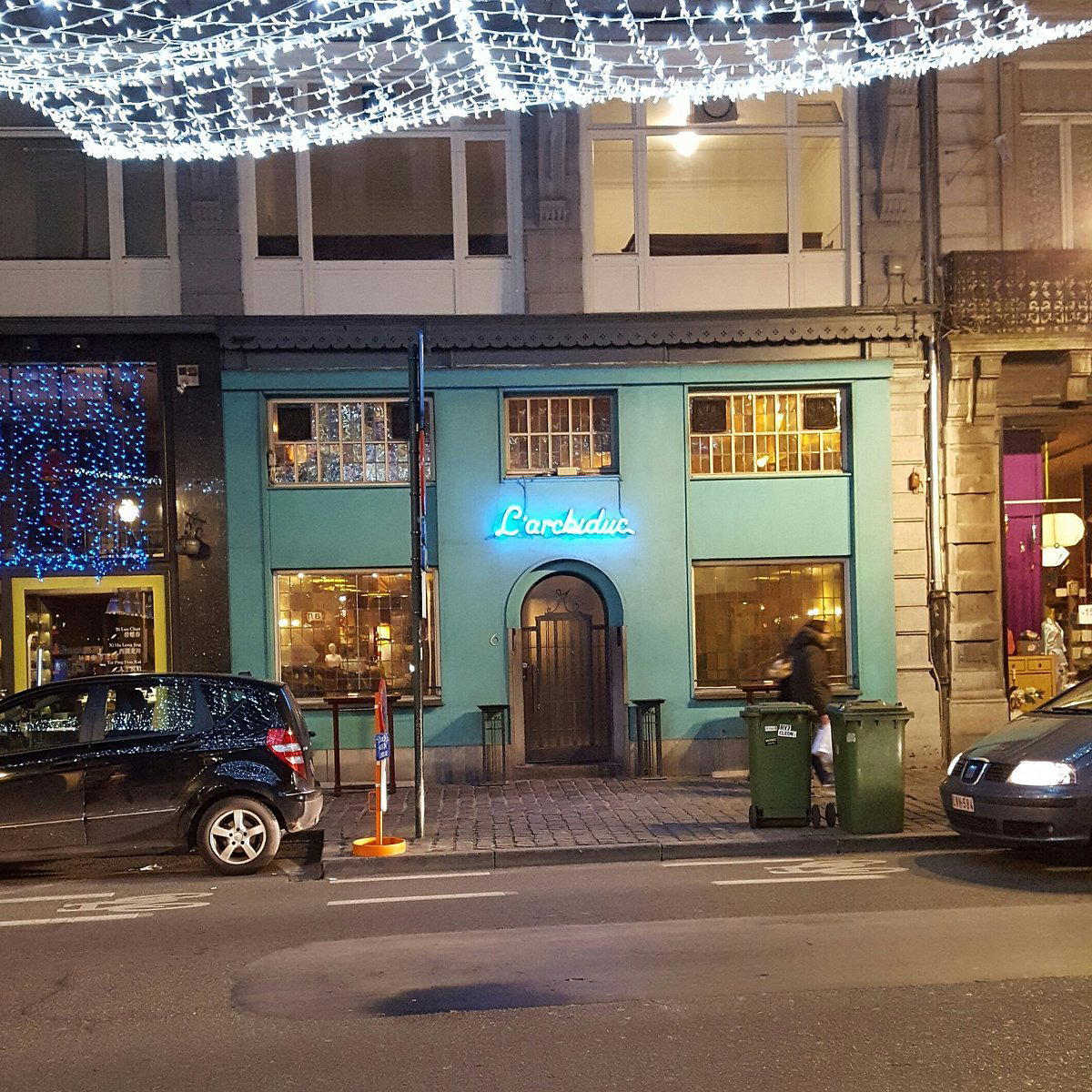
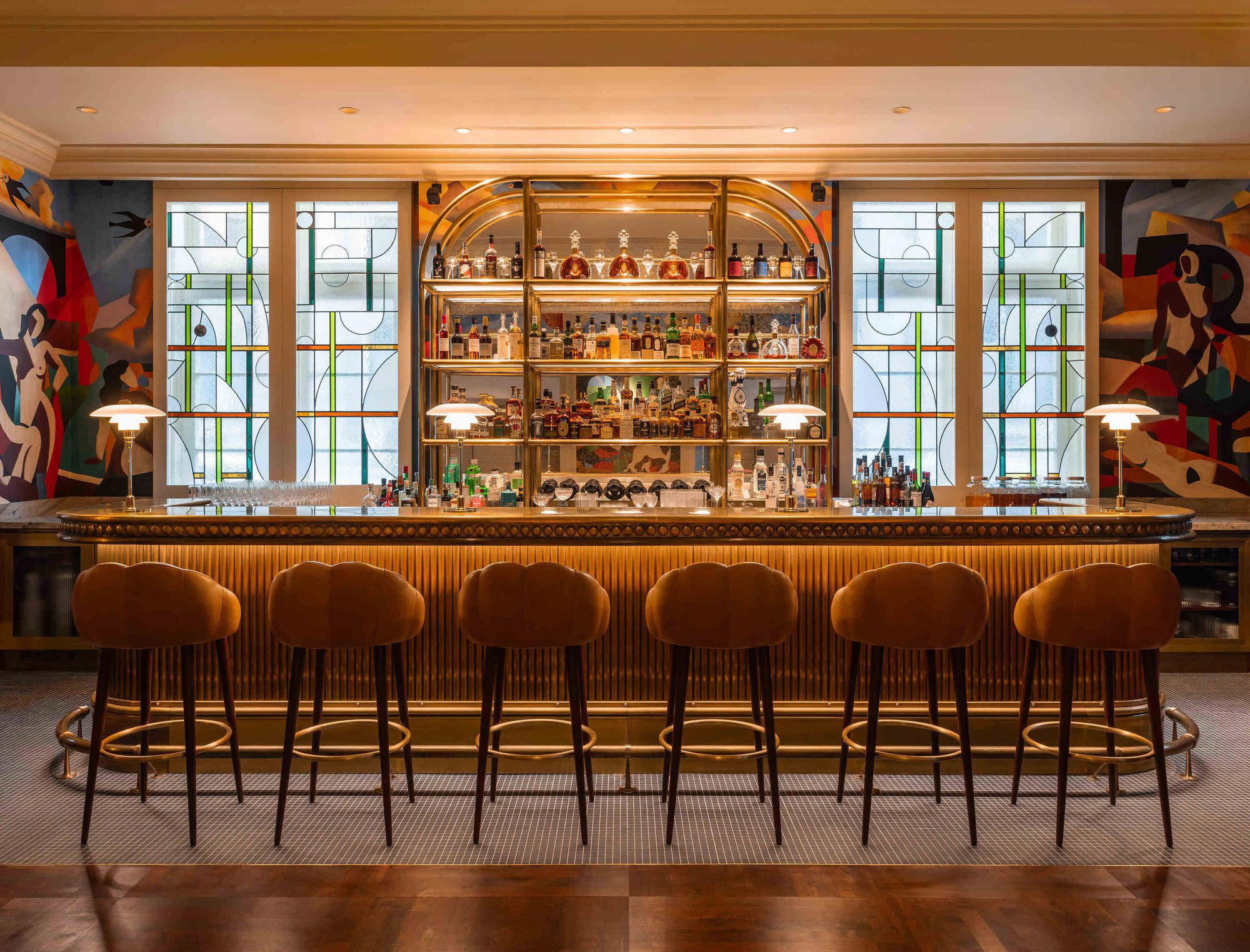
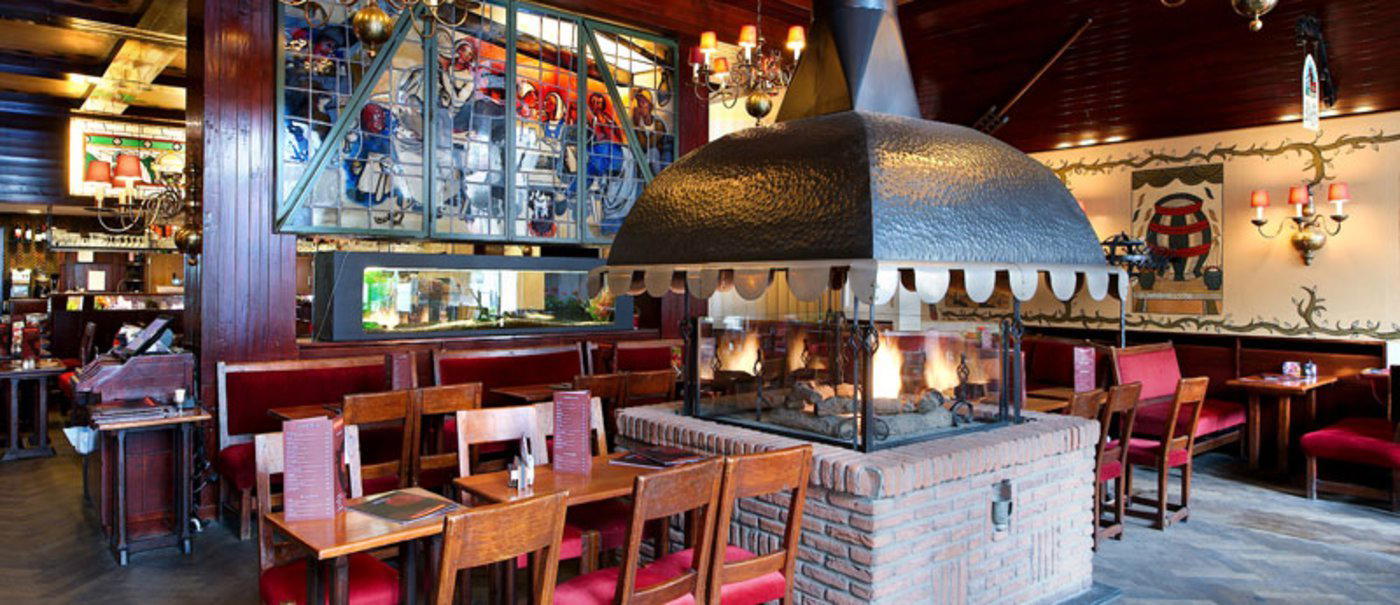
Kokarde occupies a market-square address at the gravitational centre of Dendermonde's historic core, which shapes the atmosphere by default: these positions across East Flanders tend to attract a cross-section of local regulars and visitors drawn by the setting as much as the table.
How does Kokarde compare to other restaurants in Dendermonde?
Dendermonde's dining offer is compact but differentiated: 't Truffeltje operates at the Modern French end of the spectrum at a higher price point, giving the town a small but distinct range of registers. For travellers arriving from Ghent or Antwerp, both within roughly 30 kilometres, Dendermonde reads as a lower-volume alternative to either city's more saturated dining scenes.
What's the must-try dish at Kokarde?
East Flanders produces witloof from the Dender corridor and grey shrimp from the North Sea coast, ingredients that appear frequently across the region's restaurant kitchens. Checking directly with Kokarde at Grote Markt 10, Dendermonde will give the clearest picture of current offerings.
How do I find Kokarde?
Kokarde is located at Grote Markt 10, 9200 Dendermonde, Belgium, Dendermonde.
At-a-Glance Comparison
| Venue | Cuisine | Price | Awards | Notes |
|---|---|---|---|---|
| KokardeThis venue (the venue you are viewing) | Modern French-Belgian | Not listed | Not listed | Not listed |
| 't Truffeltje | Belgian Seafood Fine Dining | Not listed | Michelin Plate | Modern French |
| Steeg | Creative Seasonal Belgian-French | $50–100 | Michelin Plate | Creative |
| Da Vinci | Modern French-Belgian | $50–100 | Not listed | Not listed |
| La Tienda | Spanish-Inspired Gastrobar Sharing Plates | $30–50 | Not listed | Not listed |
Continue exploring
More in Dendermonde
Restaurants in Dendermonde
All restaurants in Dendermonde →
Details
- Elegant
- Cozy
- Classic
- Intimate
- Date Night
- Business Dinner
- Special Occasion
- Historic Building
- Extensive Wine List
- Street Scene
- A La Carte
- Vegetarian Friendly
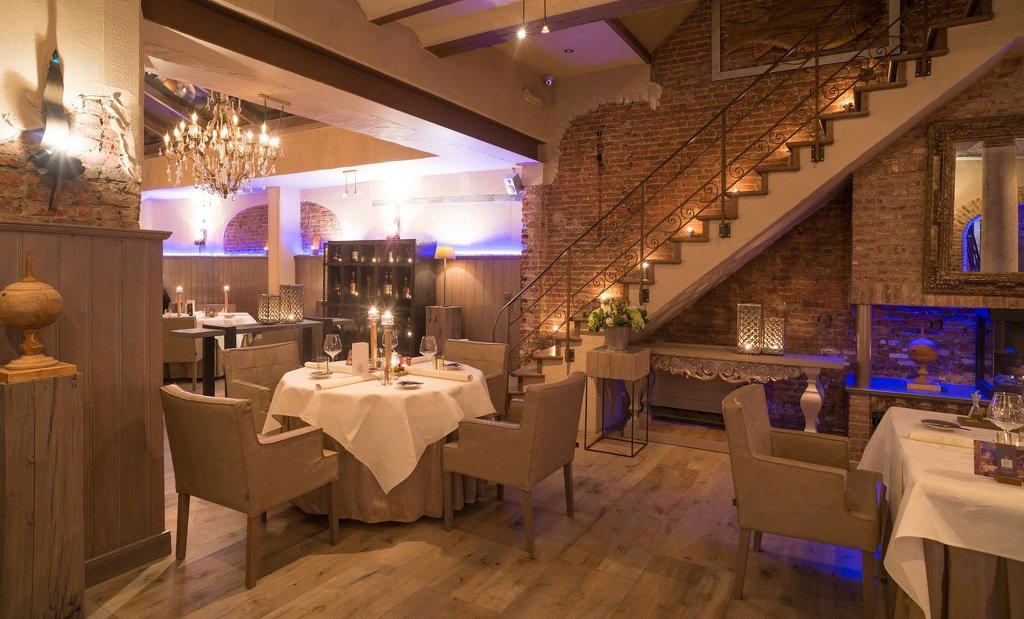
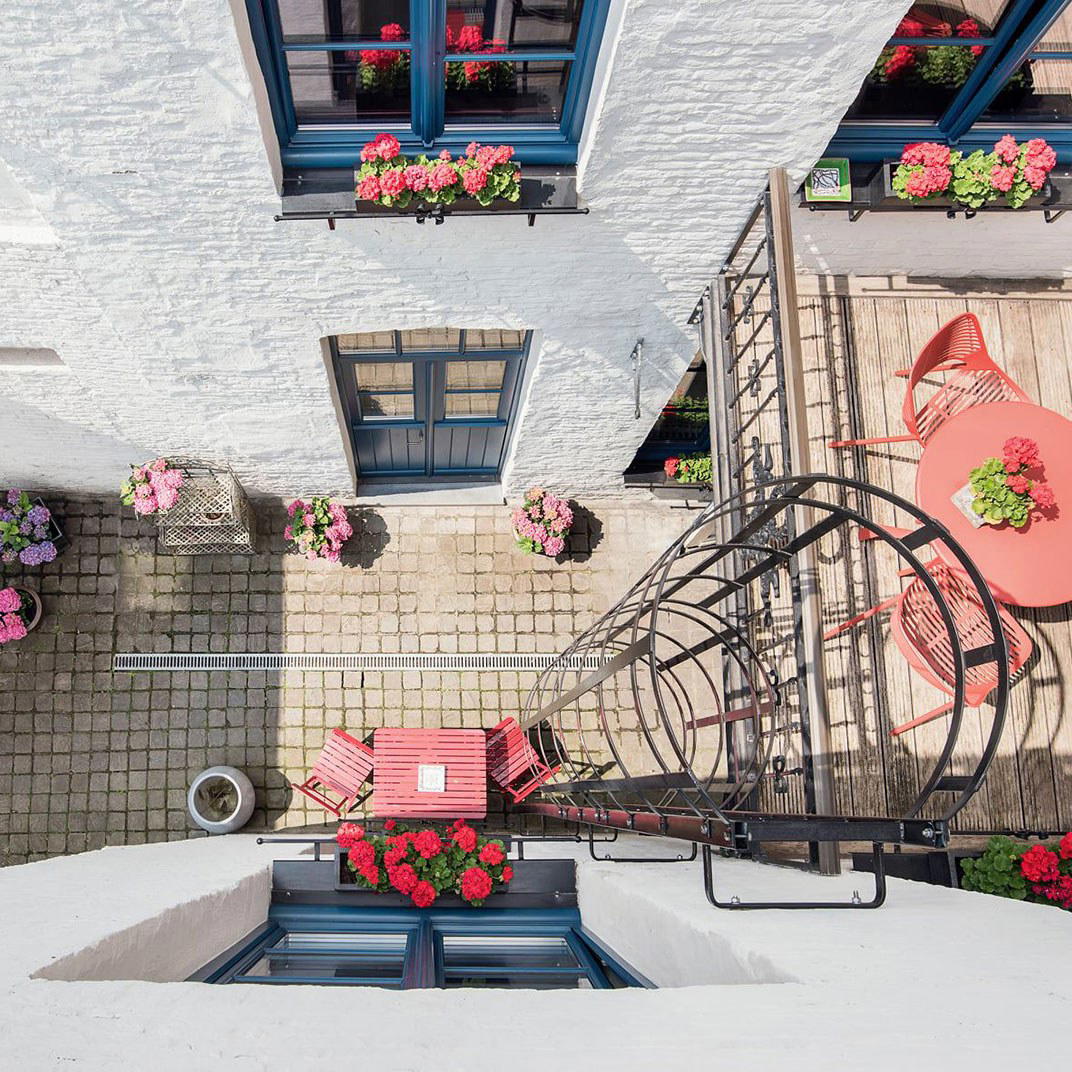
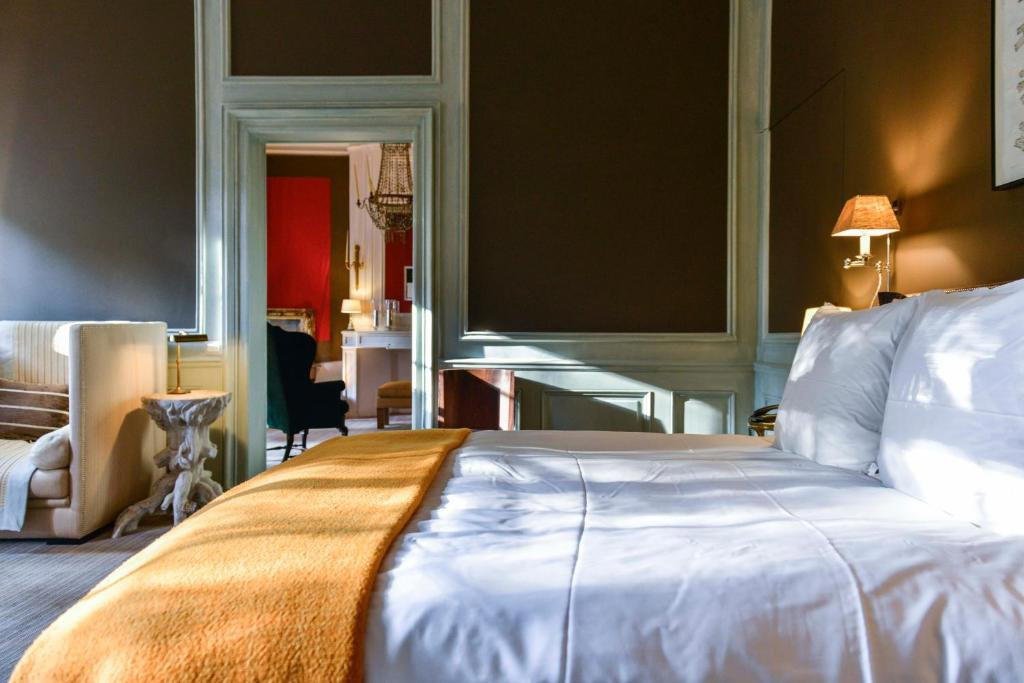
Cozy and homely atmosphere in a stylish herenhuis with warm hospitality.