On Bleecker Street in Greenwich Village, Koké sits within a New York neighbourhood where ingredient provenance has become as much a talking point as technique. The address places it among a generation of downtown restaurants reframing how sourcing defines a menu, with a format that rewards attention rather than spectacle.
Pearl is the En Primeur Club membership app — saves, bookings, and concierge access live there. Same editors, same standards.
- Address
- 173 Bleecker St, New York, NY 10012
- Website
- kokenyc.com
- Directions
- Get directions
 Saves & bookings on Pearl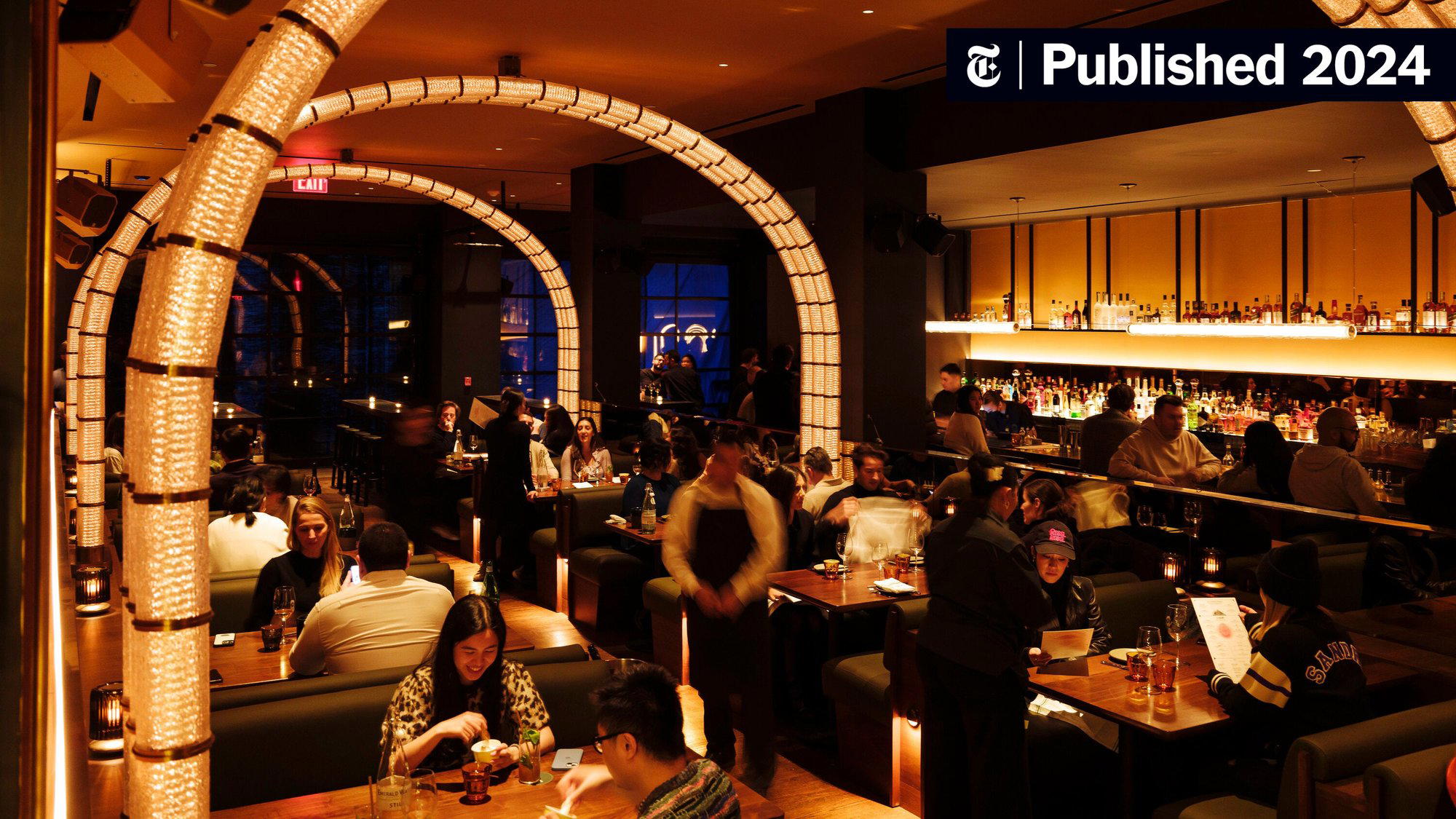
Bleecker Street and the Case for Provenance
Greenwich Village has long operated as a counterweight to Midtown's formal dining circuit. Where Le Bernardin and Per Se anchor the upper tier of prix-fixe formality north of 50th Street, the Village has historically absorbed a different kind of ambition: smaller rooms, less predictable menus, and a sharper focus on where ingredients begin rather than how elaborately they finish. Koké is a modern Japanese matcha and plant-based cafe at 173 Bleecker Street in Greenwich Village, New York City.
Bleecker between Sullivan and MacDougal carries the texture of a neighbourhood that resists the homogenisation spreading through much of Lower Manhattan. The street-level approach here involves a mix of independent operators and long-standing residents rather than the rotating retail formats that dominate further north. Arriving on foot from the West 4th Street subway station, the block signals a quieter register than the density of the East Village or the polished energy of the Meatpacking District. That register matters: it sets expectations before anyone crosses the threshold.
Sourcing as Editorial Statement
Across American fine dining, ingredient sourcing has shifted from footnote to framework. What began as farm-name-dropping on menus in the early 2000s has matured, in the hands of more rigorous operators, into something closer to an editorial stance. Restaurants like Blue Hill at Stone Barns in Tarrytown and Single Thread Farm in Healdsburg have made the supply chain itself the primary narrative of the meal, with the kitchen functioning as the final stage of a longer agricultural argument. Smyth in Chicago and Lazy Bear in San Francisco have pursued comparable logic in their respective cities.
The question that provenance-led restaurants consistently raise is whether sourcing discipline translates into a different sensory result, or whether it functions primarily as a values signal. The strongest kitchens in this tier answer that question through the plate: produce harvested at a more precise moment of ripeness, proteins handled with less industrial interruption, fermented and preserved components that carry actual microbial complexity rather than approximated flavour. When that chain holds, the difference is material, not philosophical. Koké's positioning on Bleecker places it in conversation with exactly that question.
New York's downtown dining circuit has historically absorbed international influence faster than its uptown counterpart. The Korean-rooted techniques that now anchor Atomix and Jungsik New York at the fine dining tier, the Japanese sourcing rigour that defines Masa, and the American regional ingredient logic that drives Providence in Los Angeles and Addison in San Diego all reflect a broader shift: serious American dining rooms now treat ingredient geography as a primary organisational principle, not a secondary marketing layer.
The Village Room and What It Signals
Downtown New York dining rooms built for ingredient-forward menus tend to share a set of spatial choices. Lower ceilings, closer tables, surfaces that absorb rather than reflect sound, and lighting calibrated to the food rather than the room. These are not incidental decisions. They reflect a philosophy about what the meal is for. The spectacle is meant to be on the plate, and the room is designed to remove competition for that attention.
Koké's Bleecker Street address places it inside a neighbourhood with real foot traffic from New York University's community and from the Village's established residential base, a mixed audience that tends to include both occasion diners and regulars who return for specific dishes rather than cumulative prestige. That regulars-and-residents dynamic tends to produce a different kind of restaurant culture than the destination-only model that sustains tasting-menu rooms elsewhere in the city.
For comparison, The French Laundry in Napa, Osteria Francescana in Modena, and The Inn at Little Washington operate primarily as destination restaurants, where the journey to reach them is part of the context. A room on Bleecker Street operates differently: it competes for the discretionary mid-week dinner as much as the special occasion booking, and that competition sharpens a kitchen's sense of what actually brings people back.
Planning a Visit
Koké is located at 173 Bleecker Street in Greenwich Village, reachable from the West 4th Street/Washington Square subway stop on the A, C, E, B, D, F, and M lines, a short walk through the heart of the Village. The neighbourhood accommodates pre-dinner drinks at several independent bars on nearby Sullivan and Thompson Streets, and the block itself connects easily to the standard Greenwich Village evening circuit. Koké is walk-in friendly and open Tuesday through Friday from 8 AM to 8 PM, Saturday and Sunday from 9 AM to 8 PM, with Mondays closed. Expect roughly $15 per person.
Koké is walk-in friendly. Those planning a wider American dining itinerary may also find relevant context in Emeril's in New Orleans, Frasca Food & Wine in Boulder, and Quattro Passi in Marina del Cantone for a sense of how ingredient-led restaurants operate across different culinary traditions.
Quick Comparison
Comparable venues nearby, for context on price, style, and recognition.
| Venue | Cuisine | Price | Notes |
|---|---|---|---|
| KokéThis venue — the venue you are viewing | Modern Japanese Matcha & Plant-Based Cafe | $$ | Not listed |
| Davelle | Japanese Kissaten Cafe | $$ | Lower East Side |
| Ramen DANBO Park Slope | Fukuoka-Style Tonkotsu Ramen | $$ | Park Slope |
| Tenjou | Modern Japanese Comfort Food | $$ | Midtown South-Flatiron-Union Square |
| Ramen Goku Chelsea | Japanese Curry Ramen | $$ | Chelsea-Hudson Yards |
| Curry-ya | Japanese Curry House | $$ | East Village |
Continue exploring
More in New York City
Restaurants in New York City
Browse all →
Bars in New York City
Browse all →
Hotels in New York City
Browse all →





At a Glance
- Trendy
- Modern
- Cozy
- Minimalist
- Casual Hangout
- Solo
- After Work
- Brunch
- Design Destination
- Standalone
- Zero Proof
- Organic
Current opening hours
- Monday
- Closed
- Tuesday
- 8 AM–8 PM
- Wednesday
- 8 AM–8 PM
- Thursday
- 8 AM–8 PM
- Friday
- 8 AM–8 PM
- Saturday
- 9 AM–8 PM
- Sunday
- 9 AM–8 PM
Hours can change for holidays and private events. Last verified .
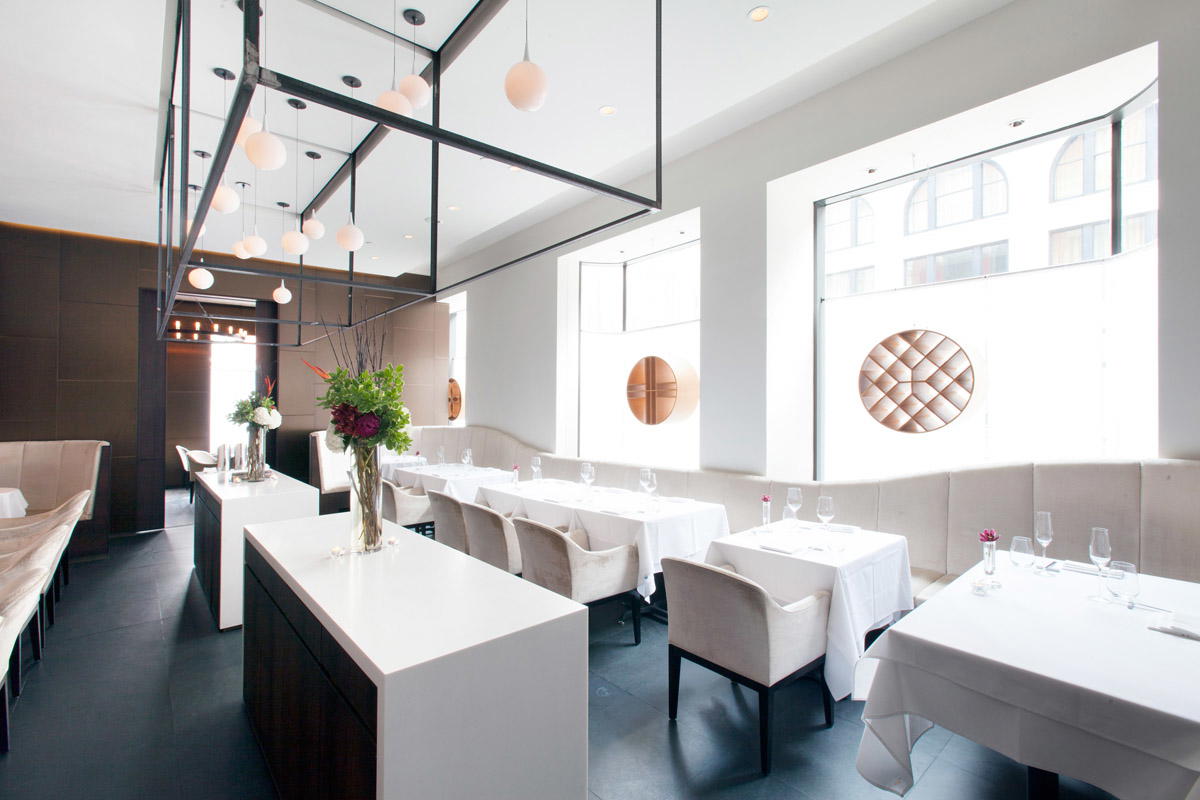
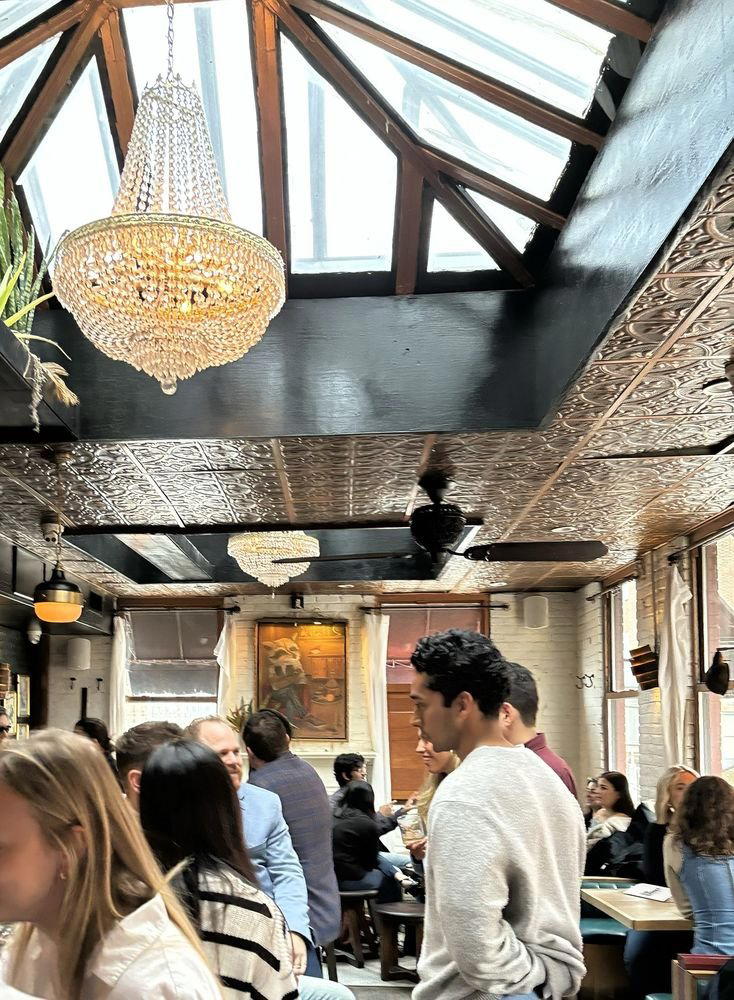
Bright, airy, and thoughtfully designed with a health-conscious aesthetic; Instagram-worthy presentation with natural lighting.