KOGU Resto occupies a quiet address on Võrgu street in Tallinn, sitting in a tier of the city's dining scene where the physical space carries as much weight as what arrives on the plate. Against Tallinn's more theatrical creative-dining formats, KOGU operates at a quieter register, an address for those who read a room before they read a menu.
Pearl is the En Primeur Club membership app — saves, bookings, and concierge access live there. Same editors, same standards.
- Address
- Võrgu tn 6, 10415 Tallinn, Estonia
- Phone
- +3725501621
- Website
- koguresto.ee
- Directions
- Get directions
 Saves & bookings on Pearl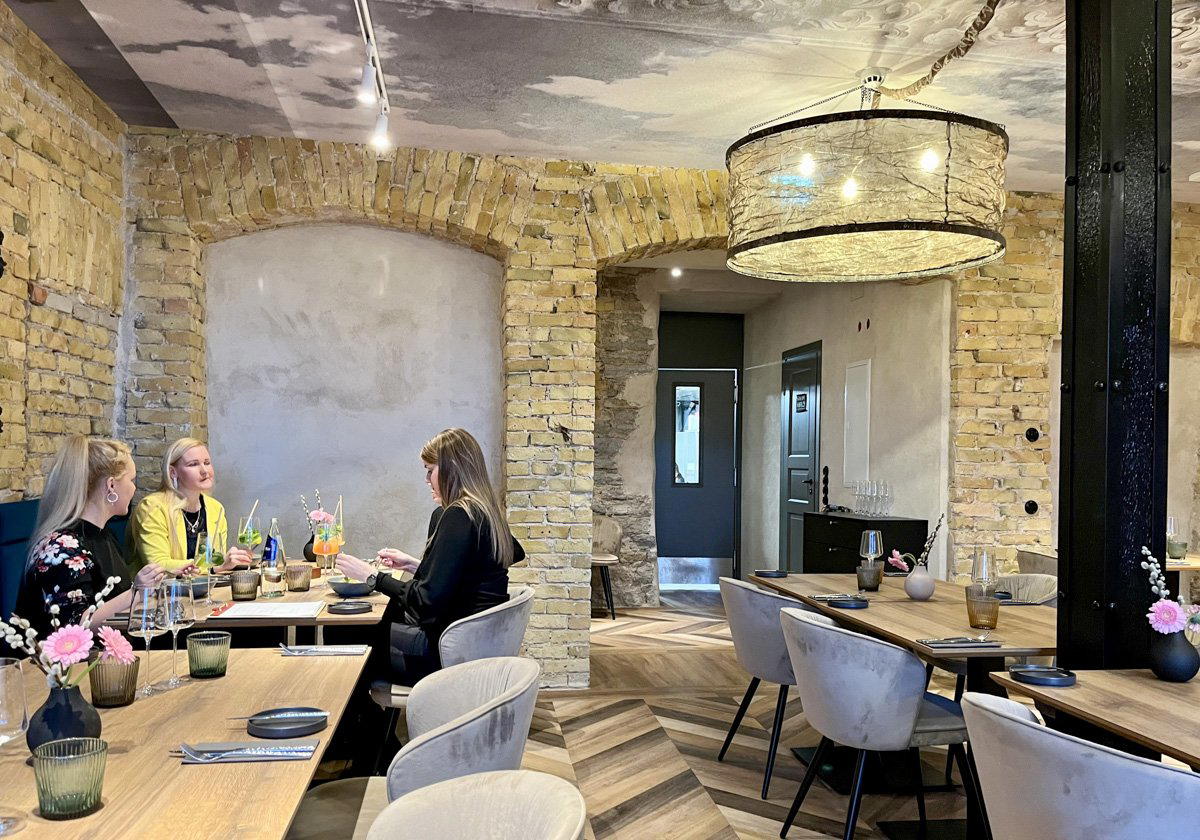
A Room That Reads Differently
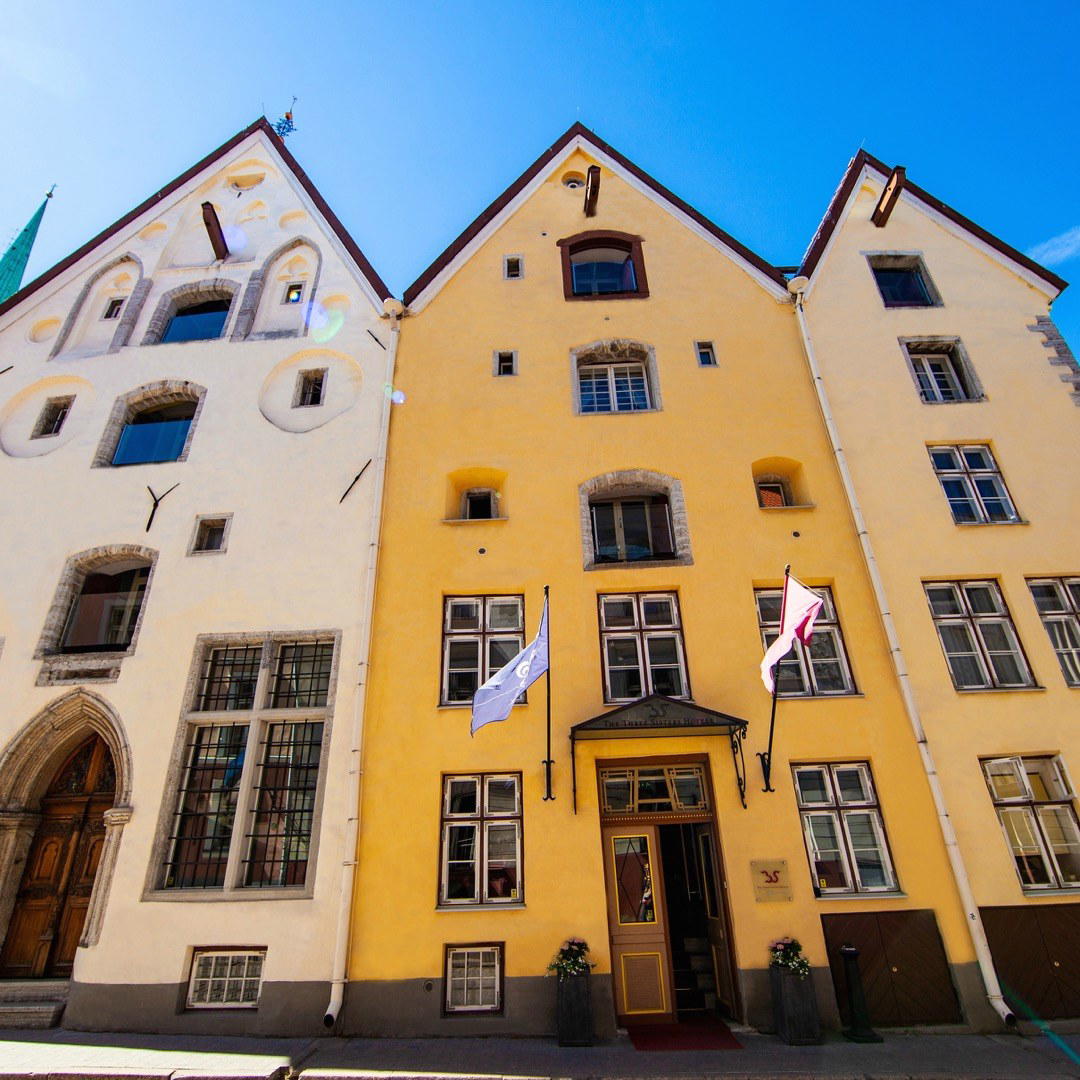
Tallinn's serious dining addresses have, over the past decade, sorted themselves into two broad camps: the theatrically designed rooms that signal ambition from the door handle inward, and the quieter spaces that trust their cooking to carry the evening. KOGU Resto, at Võrgu tn 6 in the Põhja-Tallinn district, belongs to the second category. The address places it away from the Old Town circuit that draws the obvious tourist traffic, and that distance is editorial in itself. Restaurants that open in this part of the city are typically making a statement about who they expect to walk through the door.
The neighbourhood around Võrgu street has undergone steady repositioning over the last several years, with creative and food-led businesses filling spaces that were, a generation ago, purely industrial or residential. That pattern, the gradual colonisation of post-industrial city fabric by design-conscious hospitality, is not distinctive to Tallinn, but the Estonian capital executes it with a particular restraint. There is less of the aggressive branding that marks similar transformations in Helsinki or Riga. The result is a dining district that feels arrived-at rather than manufactured.
The Physical Container
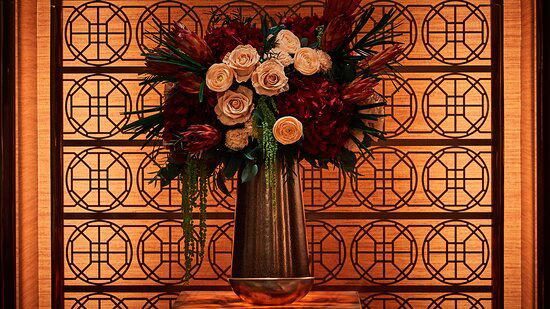
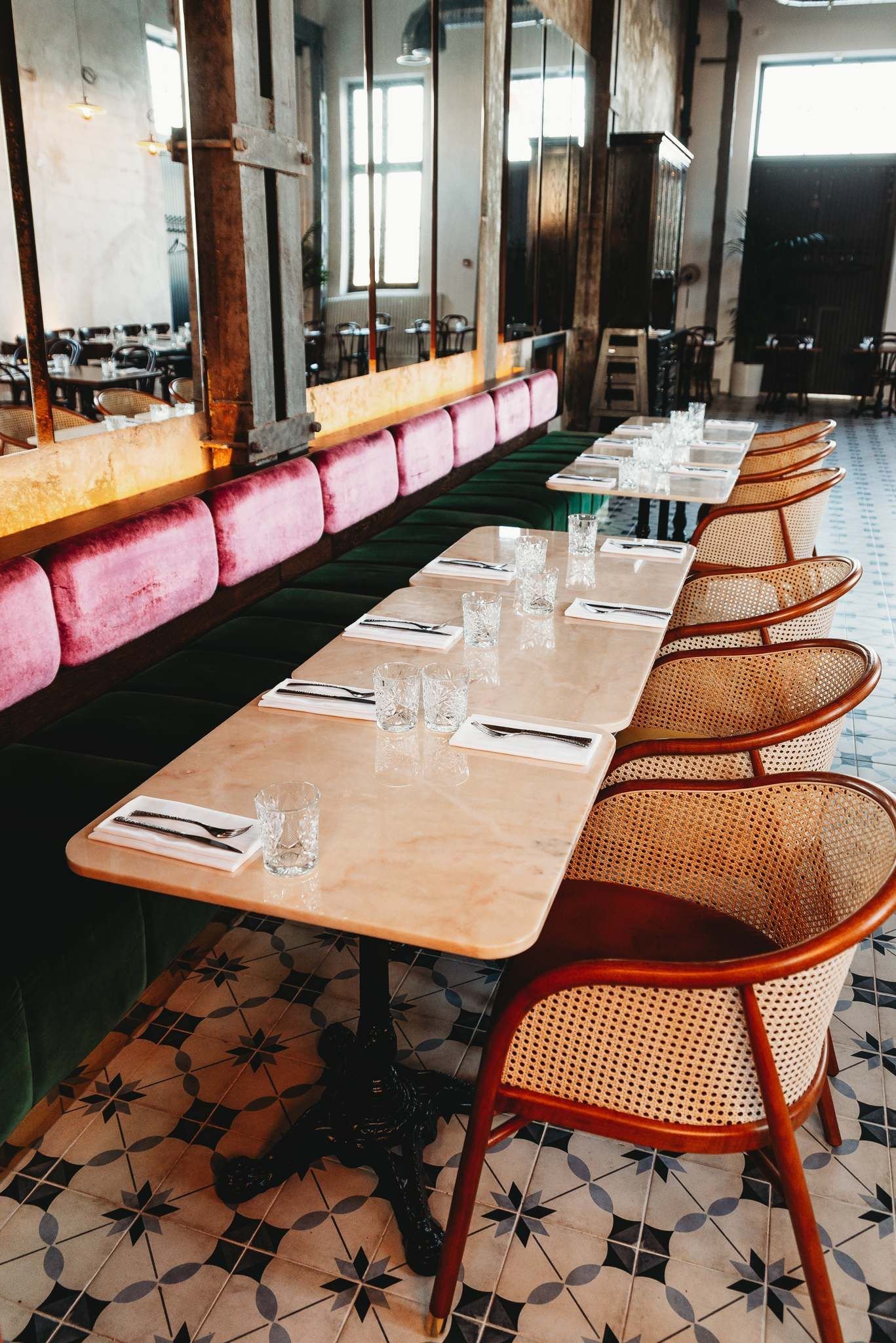
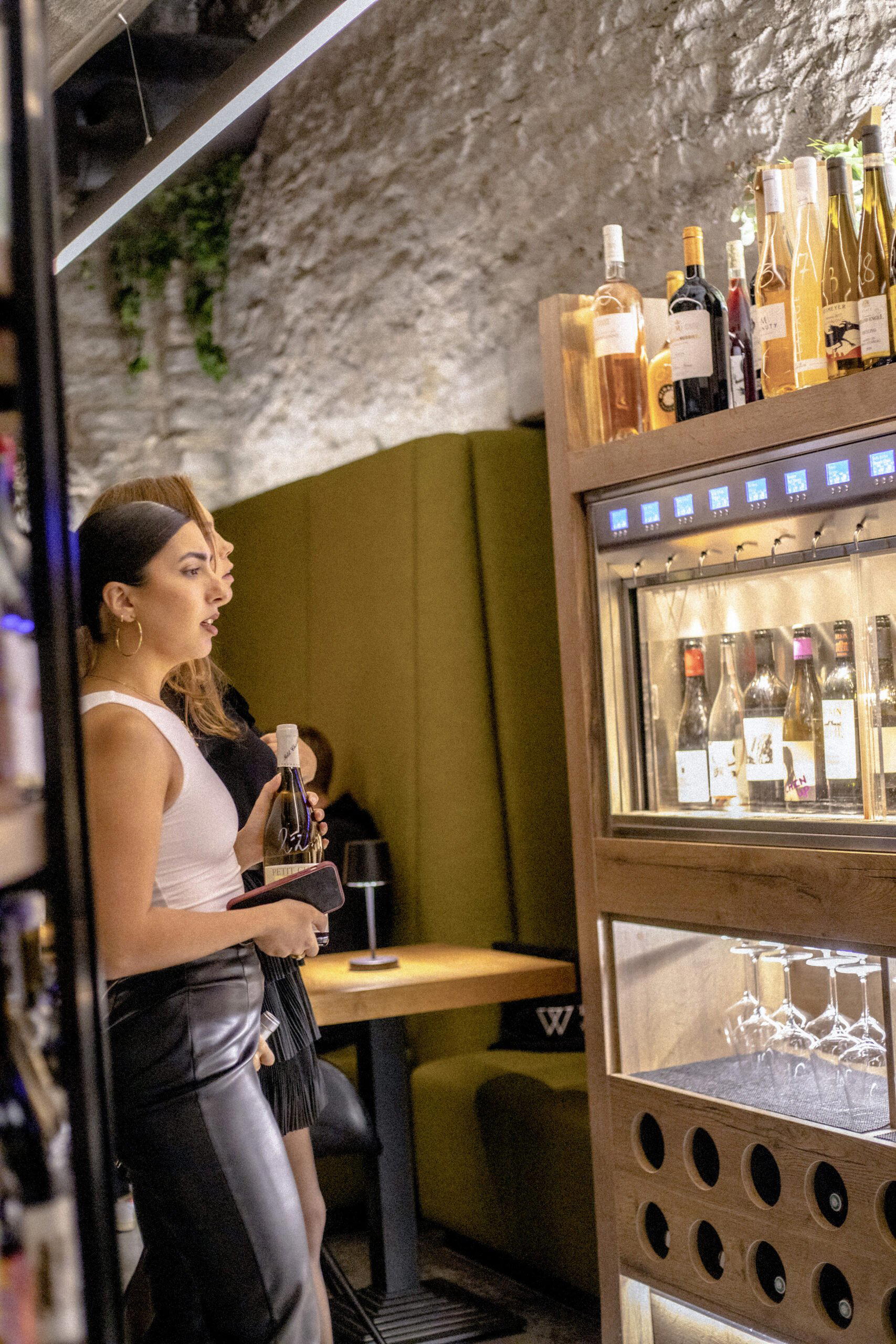
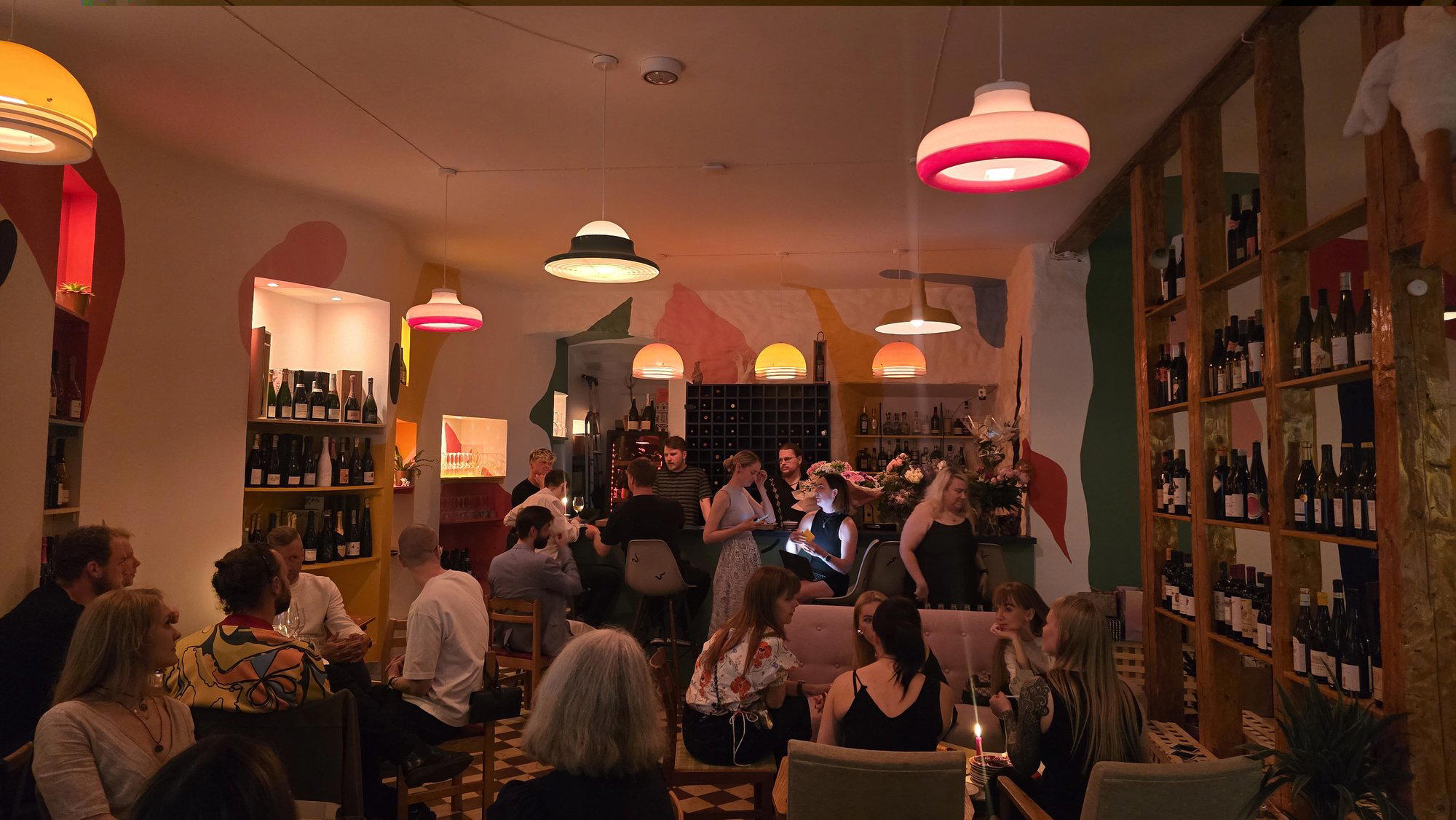
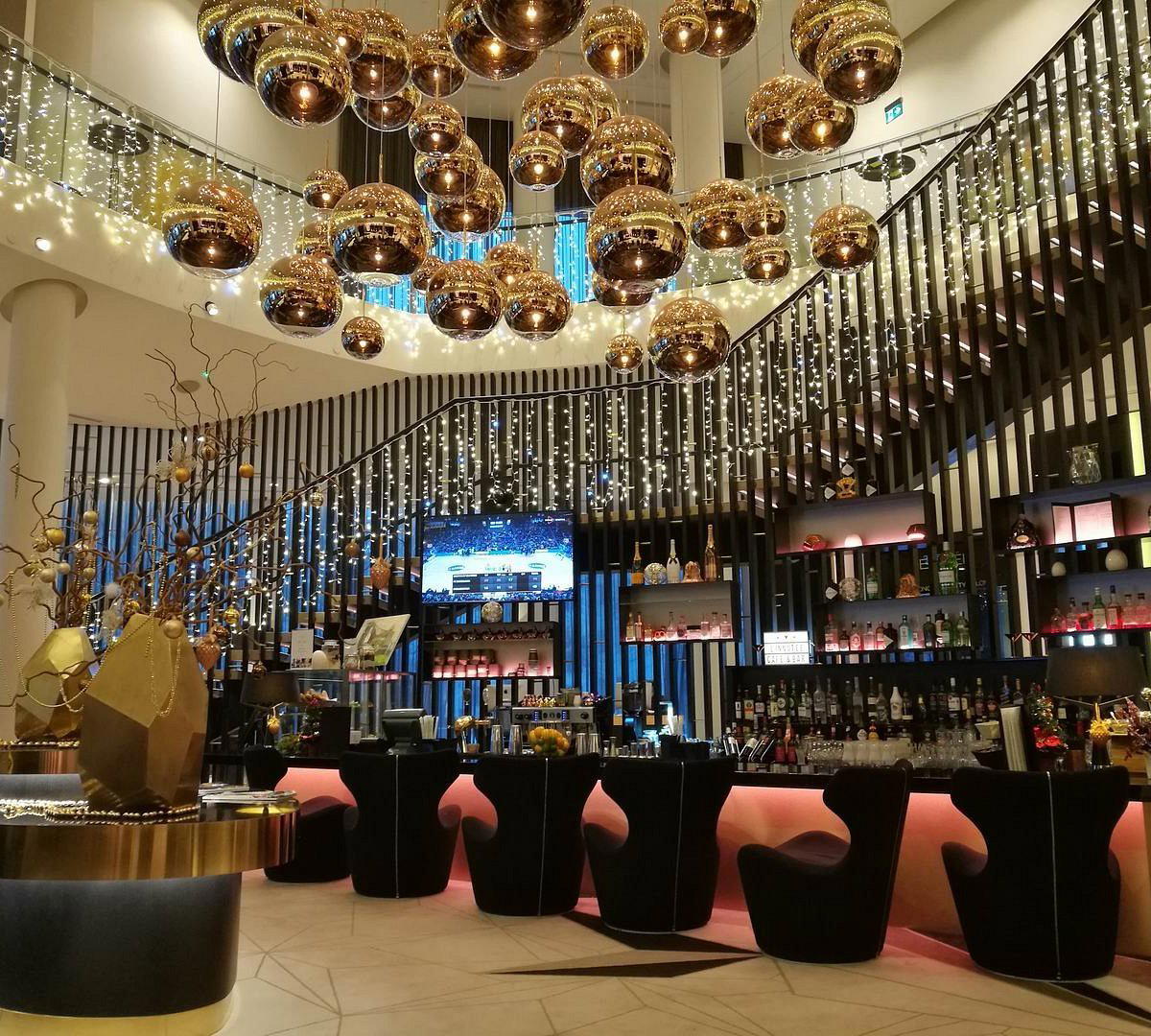
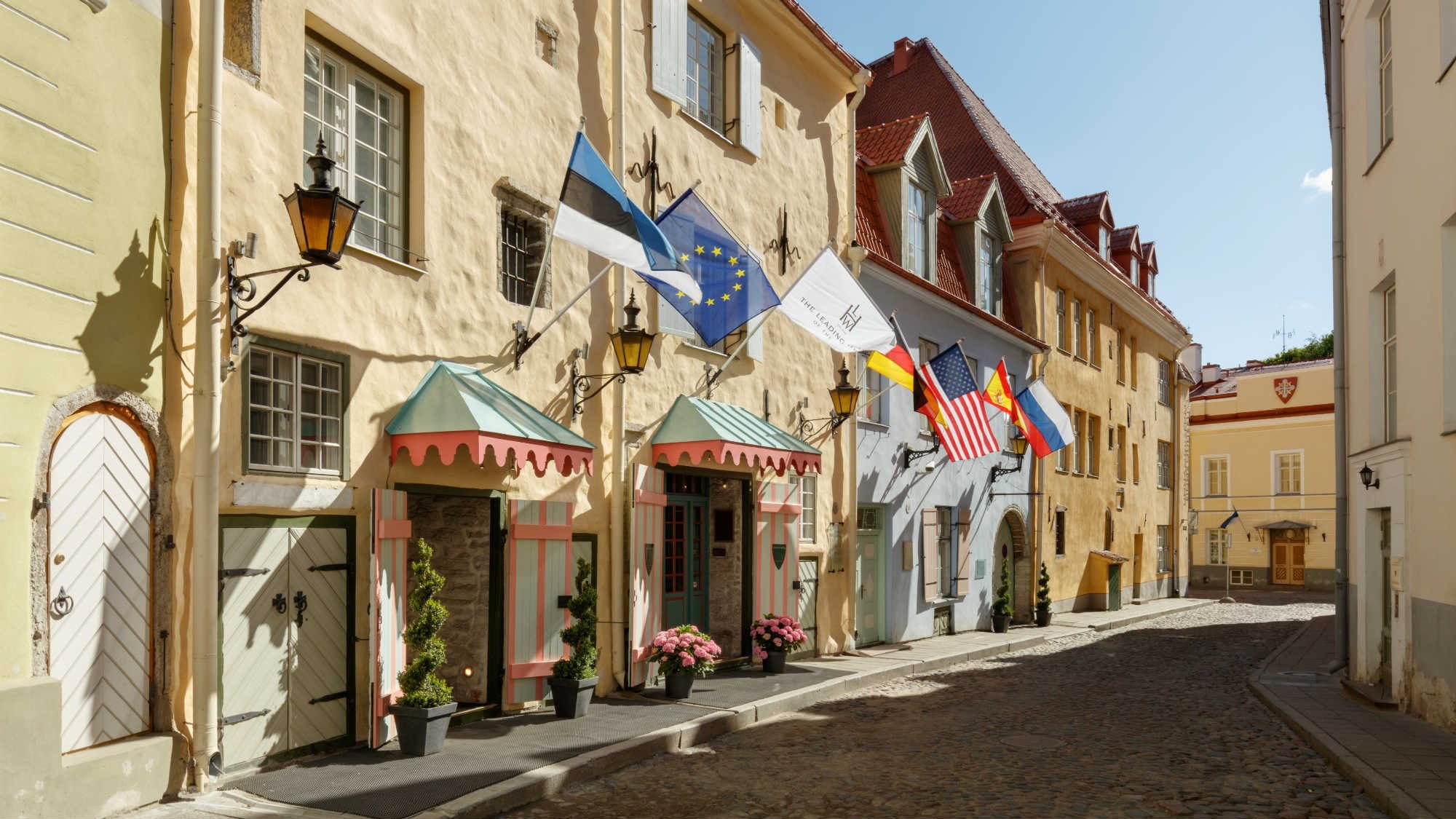
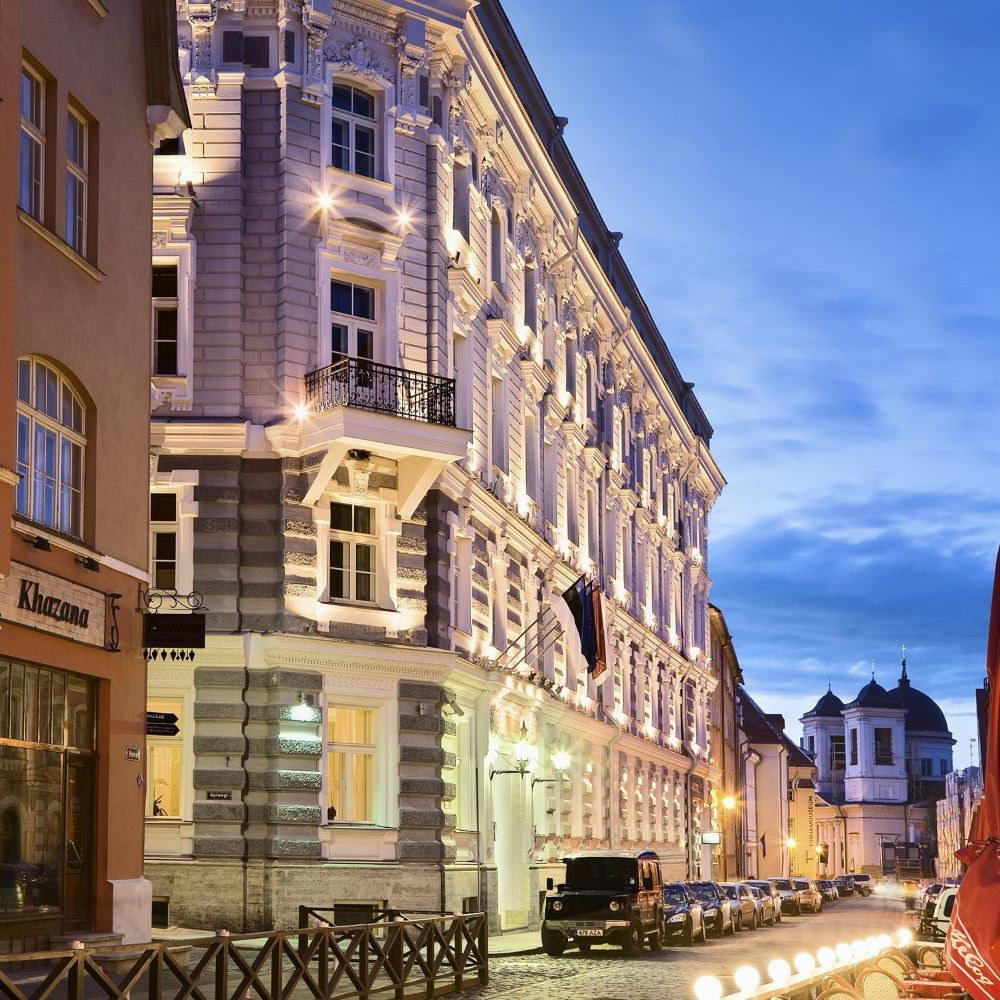
Across Tallinn's upper-middle tier of restaurants, the design conversation has shifted away from maximalism. The era of statement chandeliers and heavily curated interiors has given way to something more architecturally honest: exposed materials, considered light sources, seating configurations that acknowledge how people actually eat and talk. KOGU Resto sits within this broader turn. Its address on Võrgu street suggests a building stock that predates the current hospitality cycle, which in practice means the space likely carries some of the weight of its physical history rather than concealing it behind a full strip-out and refit.
This matters because the physical container of a room shapes the experience before a single dish lands. NOA Chef's Hall, one of Tallinn's most-discussed creative formats, uses its clifftop setting as an active ingredient in the meal. 180° by Matthias Diether deploys a precision-designed interior that signals the technical ambition of its Estonian-fusion cooking. KOGU, positioned away from both the waterfront and the Old Town, is working with a different set of spatial tools. The absence of a landmark setting is, in this context, a design choice rather than a limitation: the room has to earn its atmosphere through material detail and proportion rather than borrowed scenery.
Where KOGU Sits in the Tallinn Dining Order
Tallinn's restaurant scene in 2024 is more stratified than its pre-pandemic version. At the summit of the pricing tier sit the long-tasting-menu formats: NOA Chef's Hall and 180° by Matthias Diether both operate at €€€€, a price point that positions them against Scandinavian and Baltic peers rather than local competition. Below that sits a denser mid-tier, where Bocca has held ground as an Estonian-cuisine reference for years, and where newer entrants like 38 operate at the creative end of accessible dining. KOGU Resto fits somewhere within this mid-tier conversation, distinguished more by location and atmosphere than by a publicly declared tasting format or a marquee chef credential.
That positioning is neither a weakness nor an afterthought. The mid-tier in any serious dining city is where interesting value arguments happen, and where rooms tend to attract a more local, repeat clientele rather than the once-a-year special-occasion traffic that sustains the leading end. A restaurant that draws its neighbourhood back is, by most measures, doing something right.
Estonian Dining at This Register
The broader story of Estonian restaurant cooking over the last fifteen years is one of growing confidence in local ingredients and techniques, without the dogmatic localism that has occasionally made New Nordic cooking feel prescriptive. Estonian kitchens at the serious end tend to use Baltic seafood, foraged produce, and preserved or fermented elements not as a concept but as a pantry. That sensibility shows up across addresses from Tallinn to the smaller cities: Kolm. Restoran in Võru, Kohvik in Viljandi, and coastal spots like KABE Beach in Kaberneeme and Wana Kala Kõrts in Neeme all reflect regional ingredient logic applied at different scales and price points. Estonia's culinary geography rewards visitors who move beyond Tallinn, but the capital remains where the techniques are sharpest and the formats most developed.
Internationally, the comparison set for this kind of confident, space-led, mid-tier dining is broad. Le Bernardin in New York represents the apex of what sustained precision in a single ingredient category can produce over decades. Atomix, also in New York, shows what happens when a specific cultural identity is applied with total formal commitment. KOGU operates several registers below that level of global recognition, but the underlying questions about what a room should feel like, and what a menu should say about its geography, are the same ones those kitchens answer in different ways.
Planning a Visit
The restaurant is at Võrgu tn 6, 10415 Tallinn. The Põhja-Tallinn location puts it north and west of the Old Town, reachable on foot in around twenty minutes from the main tourist centre or more quickly by tram or taxi. The restaurant is recommended for reservations. It is open Tue to Fri from 5 to 11 PM, Sat from 12 to 11 PM, and Sun from 12 to 8 PM, with Monday closed. Estonia's short summer season concentrates visitor traffic between June and August, which historically pushes bookings harder at every level of the market.
For those building a wider Estonian itinerary, the country's food scene extends well beyond the capital. Franzia in Narva-Jõesuu, Kohvik Kaar in Narva, Valgeranna Veinitall in Audru, Eva Sushi in Tartu, Kuur in Vihtra, and Everest in Pärnu each represent a different register of the country's hospitality range.
A Minimal comparable set
Comparable venues nearby, for context on price, style, and recognition.
| Venue | Cuisine | Price | Notes |
|---|---|---|---|
| KOGU RestoThis venue — the venue you are viewing | Not listed | $$$ | Not listed |
| HOOV | Not listed | $$$$ | Old Town, Contemporary European Fine Dining |
| HÜGGE Resto | Lasnamäe, Scandinavian-Japanese Fusion | $$ | Not listed |
| Hutorok trahter | Kadaka, Traditional Ukrainian | $$ | Not listed |
| VÕIVÕI | Kesklinn, Modern Fire-Grilled Estonian | $$$ | Not listed |
| Kanuti Ramen | Old Town, Authentic Japanese Ramen | $$ | Not listed |
At a Glance
- Cozy
- Modern
- Intimate
- Elegant
- Date Night
- Special Occasion
- Family
- Group Dining
- Open Kitchen
- Private Dining
- Terrace
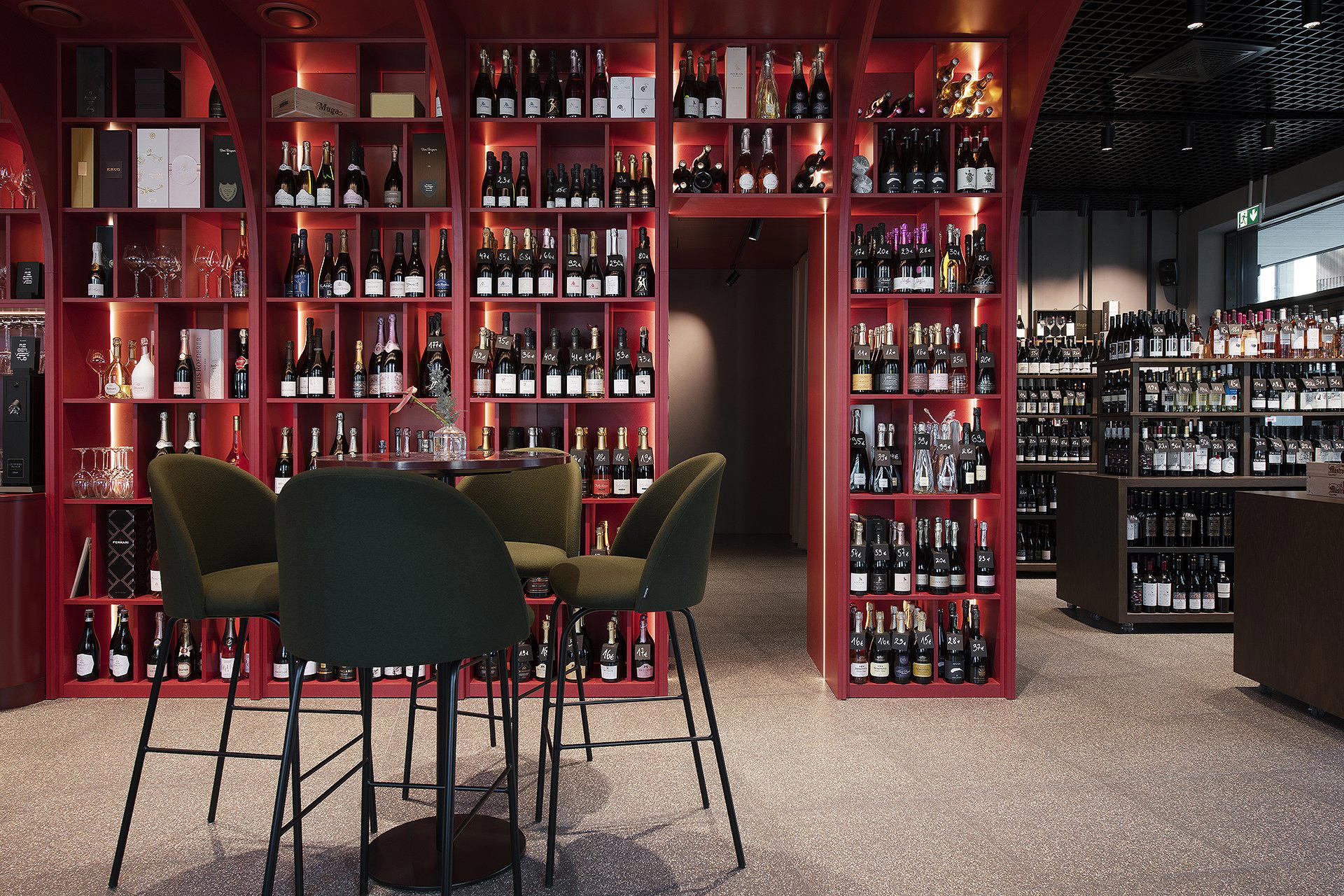
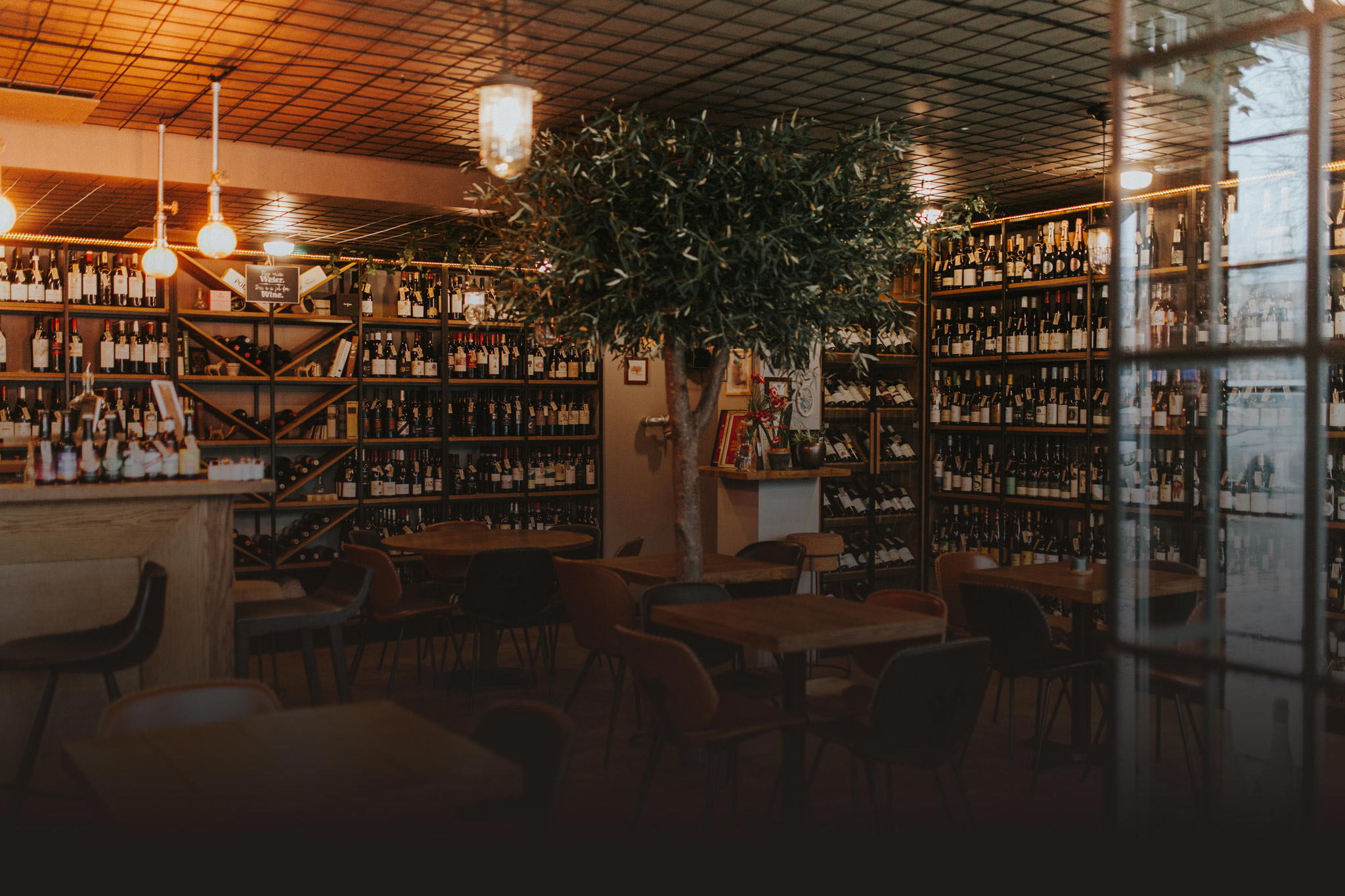
- Extensive Wine List
- Craft Cocktails
- Local Sourcing
- Waterfront
- Street Scene
Current opening hours
- Monday
- Closed
- Tuesday
- 5–11 PM
- Wednesday
- 5–11 PM
- Thursday
- 5–11 PM
- Friday
- 5–11 PM
- Saturday
- 12–11 PM
- Sunday
- 12–8 PM
Hours can change for holidays and private events. Last verified .
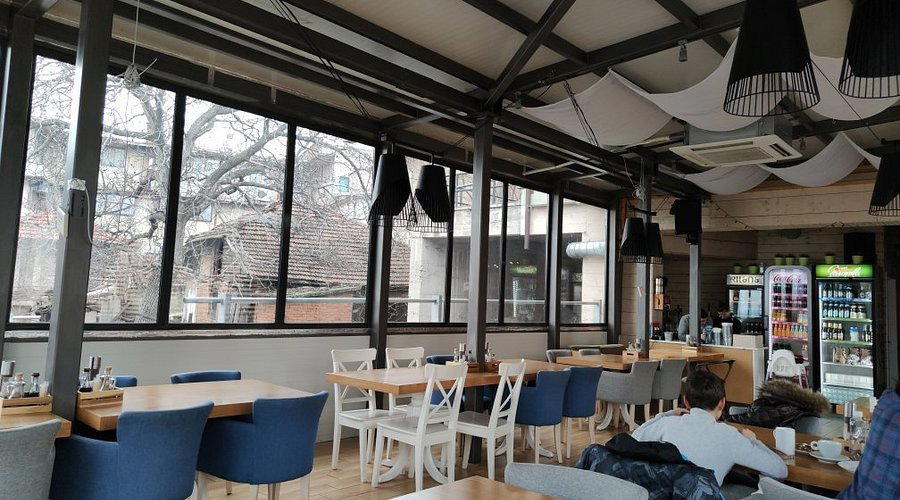
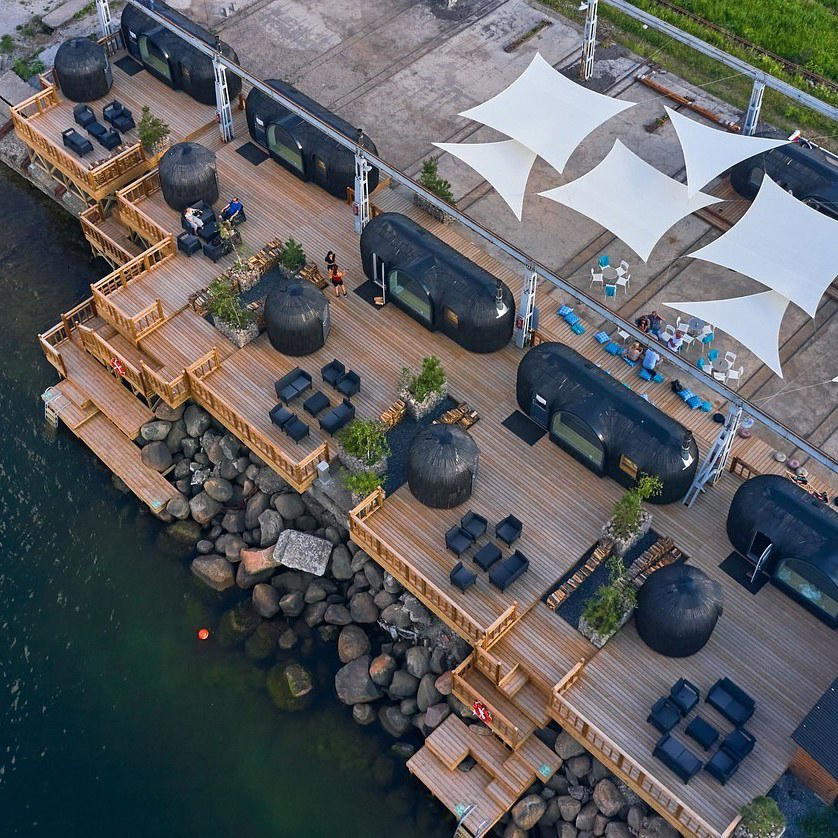
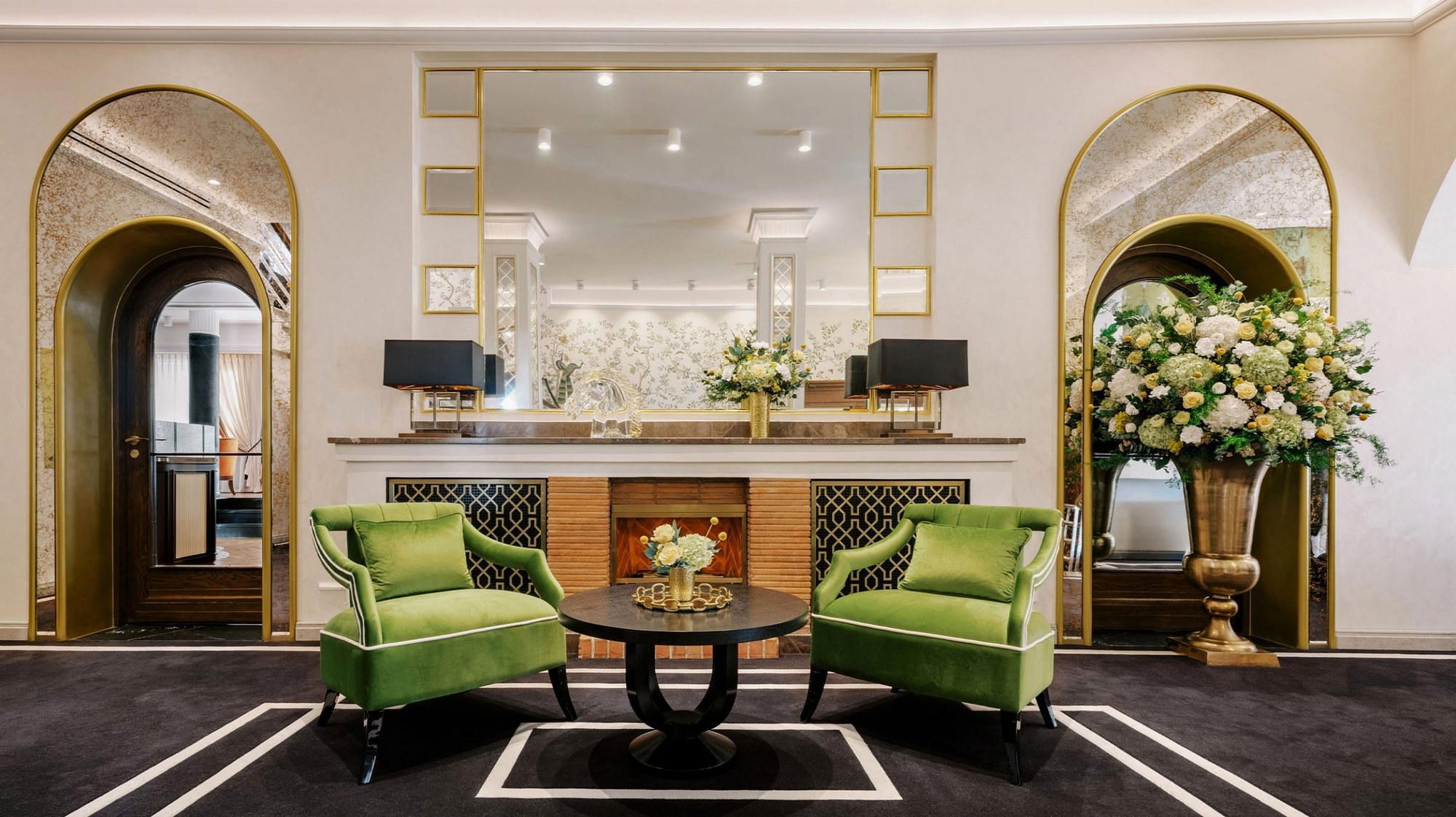
Cozy and calm atmosphere with pleasant lighting, historic charm, and sea views from windows, well-suited for relaxed evenings.