Ramen on the Edge of Tallinn's Old Town Aia tänav runs along the southeastern boundary of Tallinn's medieval Old Town, where the tourist-facing limestone facades give way to quieter side streets occupied more by locals than by visitors with...
 Discover on Pearl
Pearl is the En Primeur Club membership app — saves, bookings, and concierge access live there. Same editors, same standards.
- Address
- Aia tn 10a-1, 10111 Tallinn, Estonia
- Phone
- +372 5415 4004
- Website
- facebook.com
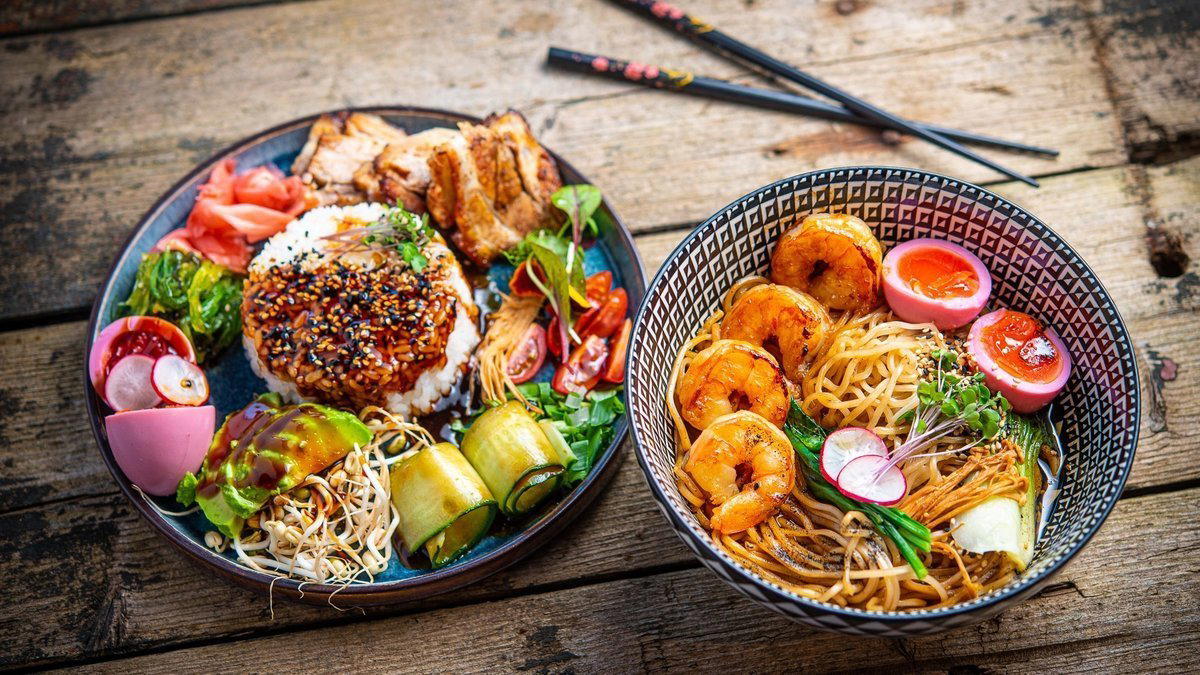
Ramen on the Edge of Tallinn's Old Town
Aia tänav runs along the southeastern boundary of Tallinn's medieval Old Town, where the tourist-facing limestone facades give way to quieter side streets occupied more by locals than by visitors with maps. It is in this transitional zone, between the performative heritage of the UNESCO-listed upper city and the more functional neighbourhoods beyond, that Kanuti Ramen operates. The address at Aia tn 10a-1 places it within a short walk of the Old Town's main arteries but deliberately outside the concentrated dining corridor where Tallinn's established fine-dining names compete for the same clientele.
That positioning matters more than it might seem. Tallinn's restaurant scene has divided, over the past decade, into two reasonably distinct tiers: a set of destination-led creative restaurants drawing international attention, and a more grounded everyday dining culture that serves the city's growing resident population. Ramen sits naturally in the second category, a format built on repetition and precision rather than seasonal menus and wine pairings.
Why Ramen in the Baltic, and Why Now
The arrival of ramen as a serious restaurant format in Northern and Eastern European cities is not an isolated trend. Stockholm, Helsinki, and Warsaw have all developed credible ramen scenes over the past several years, supported by a combination of Japanese culinary emigration, local chefs trained in Tokyo or Fukuoka, and a broader regional appetite for broth-forward, technically demanding bowl food that fits the climate and the region's existing love of fermented and preserved flavours. Estonia's winters are long and cold, and the appeal of a bowl built on twelve-hour pork or chicken stock is not difficult to understand in that context.
Tallinn has lagged slightly behind Helsinki in developing this category, partly because its restaurant economy is smaller and partly because the city's culinary identity has been more strongly shaped by the New Nordic and Estonian revival movements. Venues such as NOA Chef's Hall and 180° by Matthias Diether have defined the conversation at the upper end, while more accessible dining has tended toward Estonian comfort food or broadly European menus. The ramen format represents a different kind of ambition: mastery of a specific, technically exacting tradition rather than a creative reinterpretation of local ingredients.
The Neighbourhood as Context
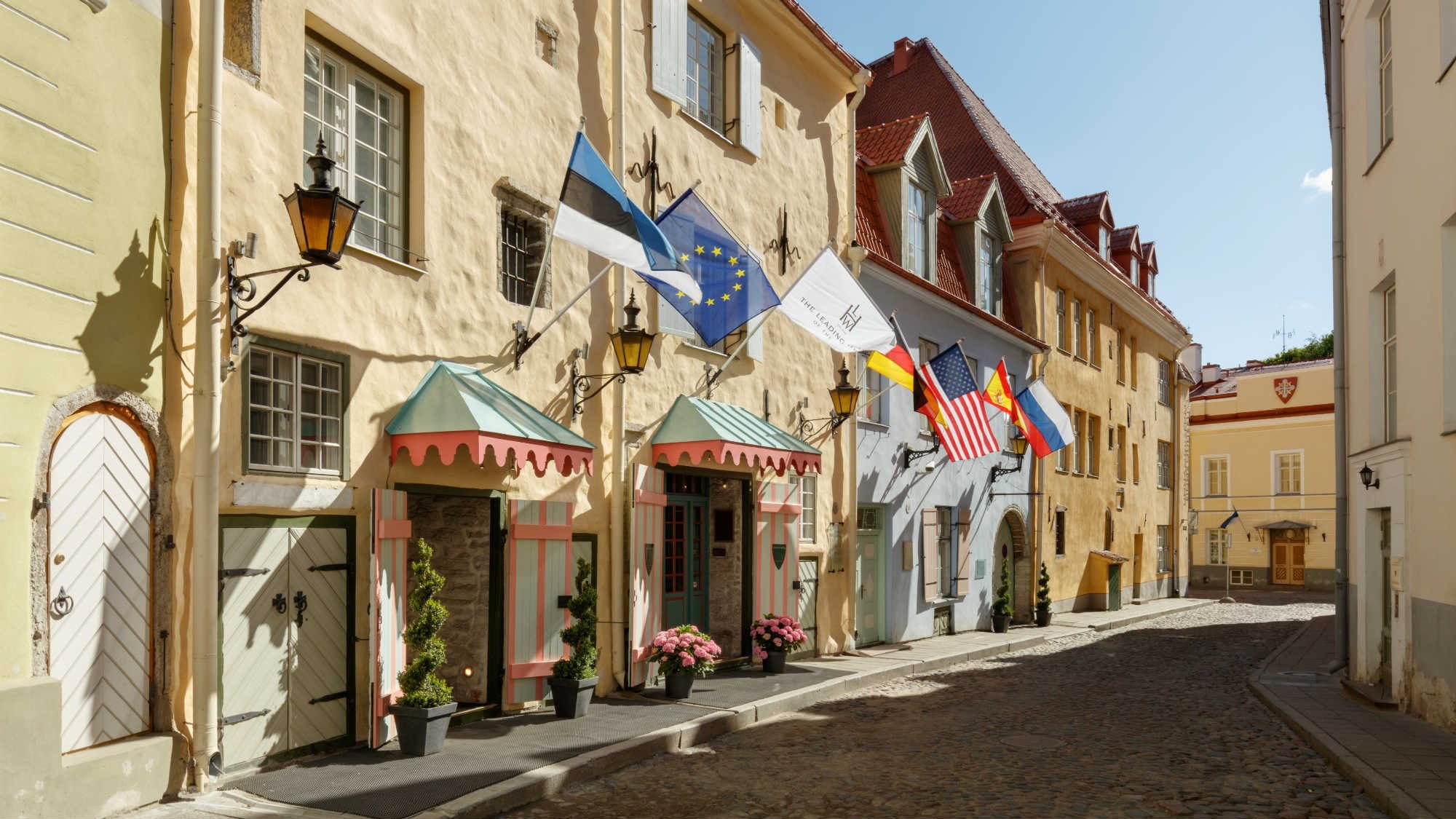
Aia tänav itself is worth understanding before arriving. The street borders the old city walls and sits adjacent to Kanuti gildi saal, the historic guild hall that gave the street, and likely the restaurant, part of its naming context. The surrounding blocks include a mix of converted Soviet-era buildings, independent cafes, and the quieter edges of the Old Town's accommodation cluster. It is not a nightlife street, nor a tourist thoroughfare, which means the rhythm of a visit here differs from eating at, say, a restaurant positioned inside the Old Town's cobbled centre.
That environment shapes the experience in practical ways. The area is walkable from the Old Town's main squares in under ten minutes, and it sits within reasonable distance of the Viru street corridor where much of Tallinn's mainstream dining is concentrated.
For those exploring dining beyond Tallinn, the EP Club covers restaurants across Estonia, from Eva Sushi in Tartu to Kohvik in Viljandi and Kolm. Restoran in Võru, as well as smaller coastal spots like KABE Beach in Kaberneeme, Wana Kala Kõrts in Neeme, and Franzia in Narva Jõesuu. The full picture of Estonian dining outside the capital is broader than most visitors expect.
Where Kanuti Ramen Sits in Tallinn's Dining Picture
Tallinn's most discussed restaurants currently occupy the creative and fine-dining end of the spectrum. Bocca holds long-standing local credibility as an Estonian cuisine reference. 38 represents the city's appetite for creative formats. 180 Degrees Restaurant and its peers draw the kind of reservation planning associated with destination dining.
Kanuti Ramen operates in a different register entirely. The ramen category globally positions itself as a craft format with a democratic price point: technically serious, often with a small menu built around a single stock style, and priced to encourage repeat visits rather than one-time occasions. In cities where ramen has matured, Tokyo, New York, London, the format has divided into hyper-specialist shops focused on one bowl type (tonkotsu, shio, shoyu, tsukemen) and more broadly accessible spots running several variations. Whether Kanuti Ramen follows one of these models specifically is not confirmed by available data, but the format's logic suggests the menu is focused rather than expansive.
For comparison at the international end of the spectrum, the gap between a neighbourhood ramen counter and a restaurant like Atomix in New York City or Le Bernardin illustrates precisely how ramen functions: it is a craft tradition that competes on precision and consistency, not on formality or price.
Planning a Visit
Kanuti Ramen is located at Aia tn 10a-1, Tallinn, in the area immediately bordering the Old Town's eastern walls. Kanuti Ramen is open daily from 12 to 10 PM and is walk-in friendly. Visitors with more time in the region may also find value in exploring dining in Pärnu, where Everest Thai/Nepalese Restaurant represents a different strand of international cuisine arriving in smaller Estonian cities, or in Narva, where Kohvik Kaar offers a contrast to the capital's pace. The wine-curious might note Valgeranna Veinitall in Audru and Kuur in Vihtra as Estonia's emerging rural hospitality story.
Compact Comparison
Comparable venues nearby, for context on price, style, and recognition.
| Venue | Cuisine | Price | Notes |
|---|---|---|---|
| Kanuti RamenThis venue — the venue you are viewing | Old Town, Authentic Japanese Ramen | $$ | |
| Kanuti Fusion Kitchen | Old Town, Japanese Ramen | $$ | |
| Cannella | Viimsi, Authentic Neapolitan Pizza | $$ | |
| Soo Uulits Tänavagurmee | $$ | Kalamaja, Estonian Street Gourmet Burgers | |
| Monster Pizza | Mustamäe, Italian Sourdough Pizza | $$ | |
| Mimosa | Nõmme, Modern Estonian | $$ |


At a Glance
- Cozy
- Modern
- Intimate
- Casual Hangout
- Date Night
- Solo
- After Work
- Open Kitchen
- Beer Program
- Sake Program
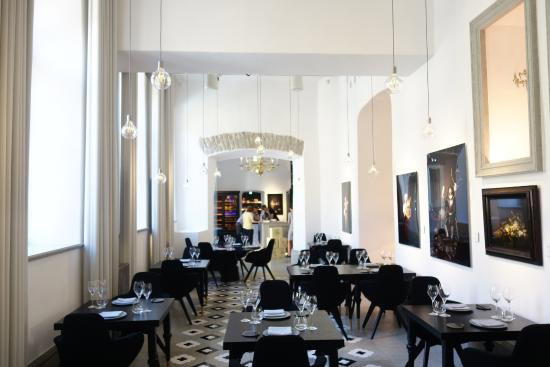
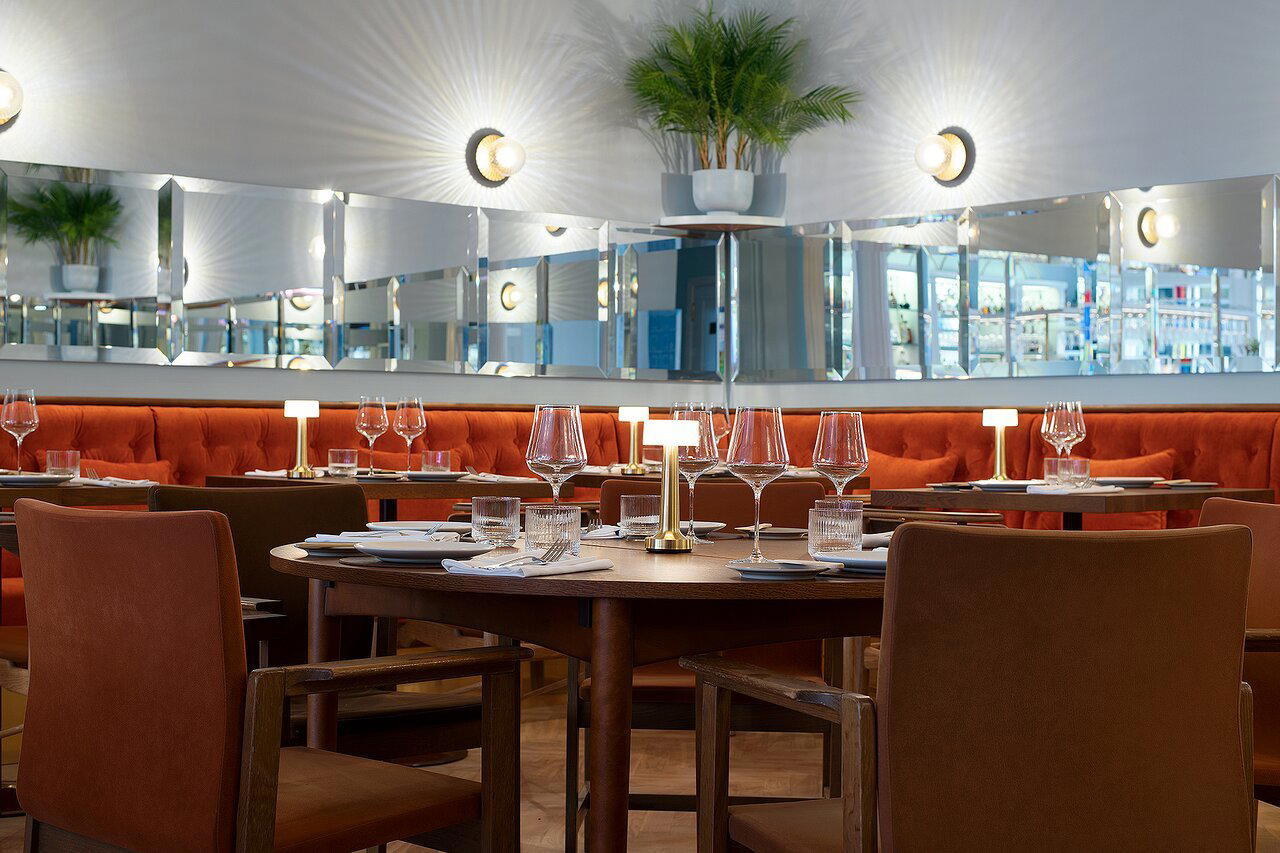
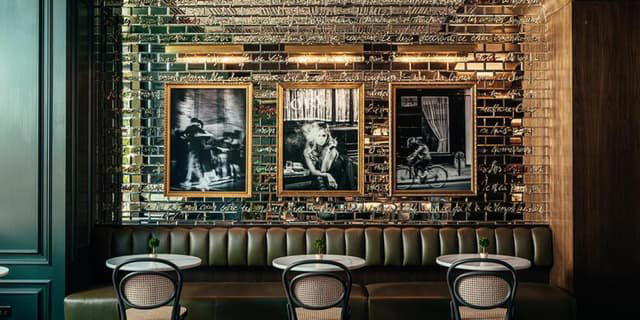
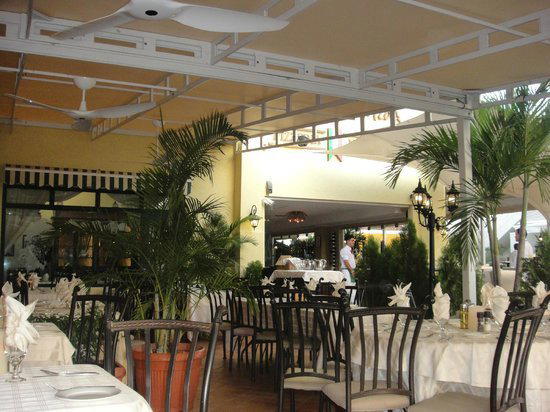
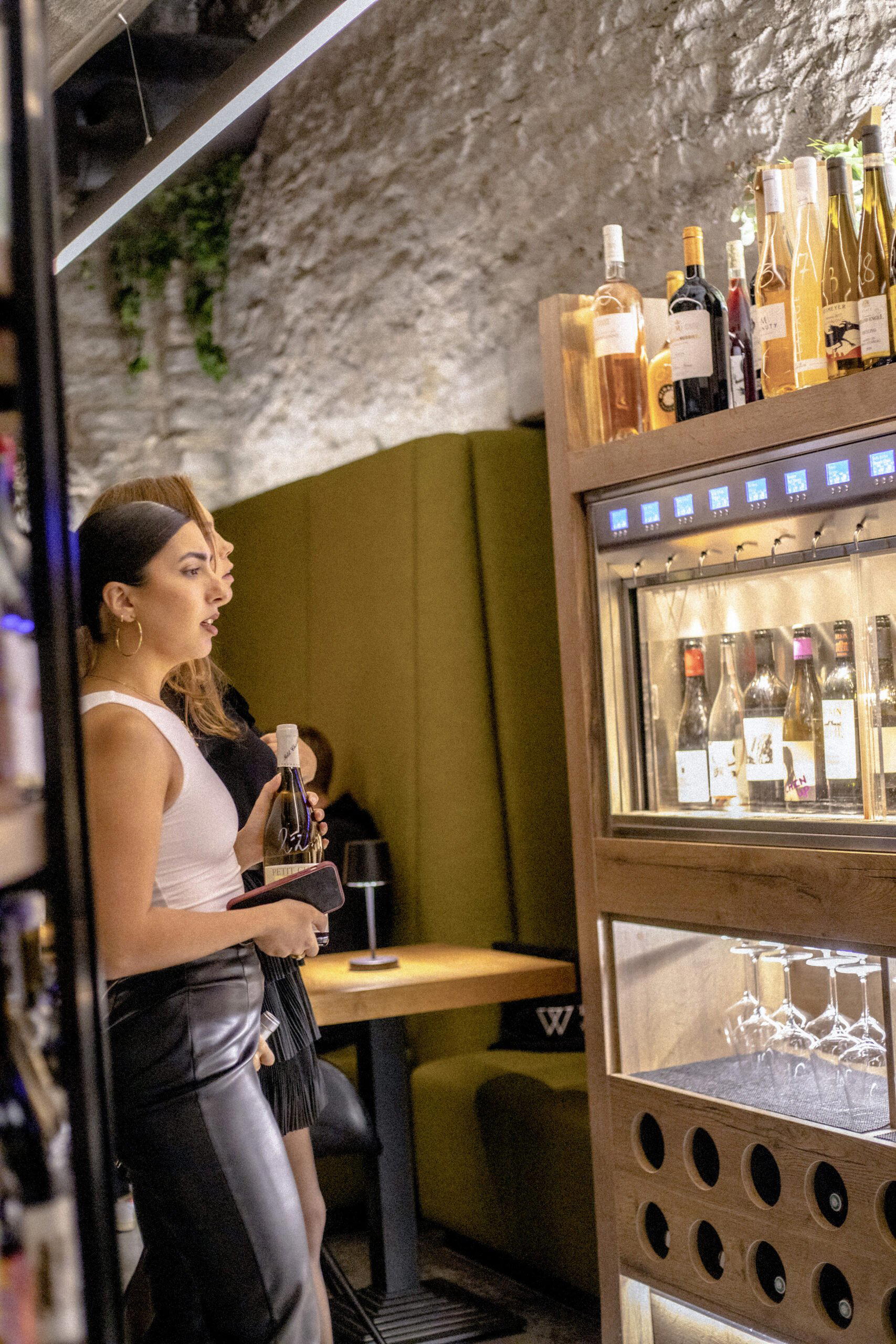
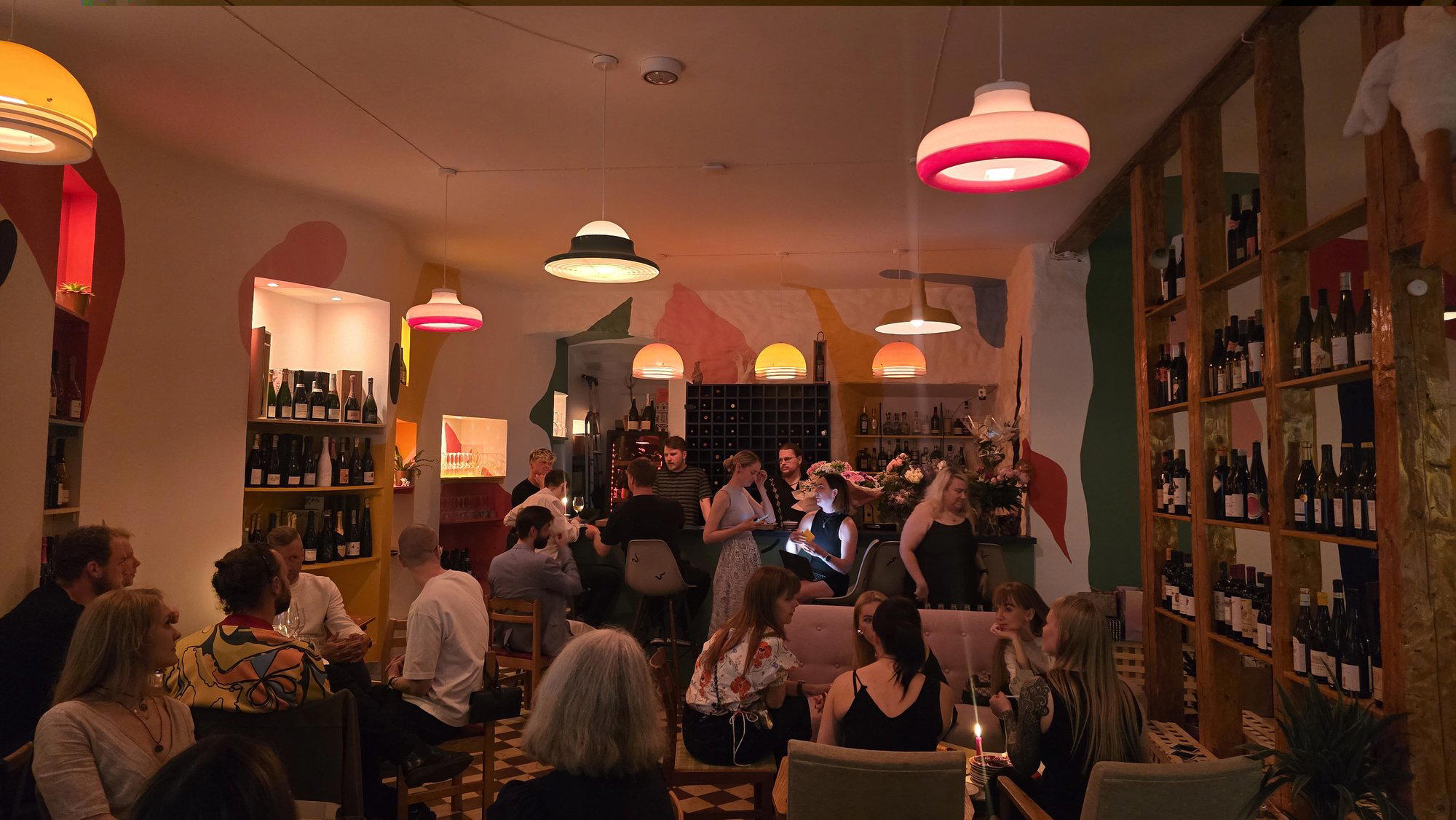
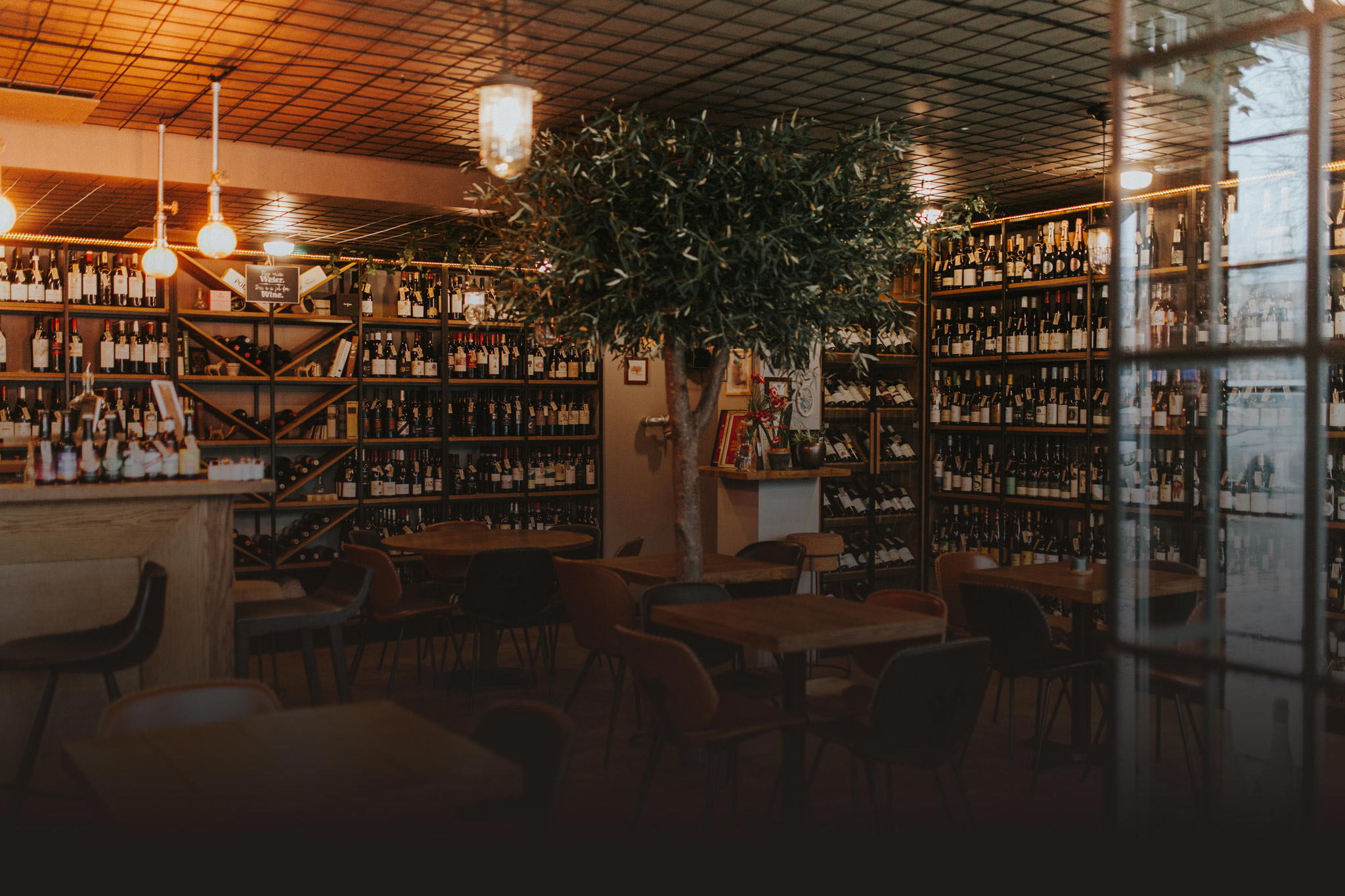
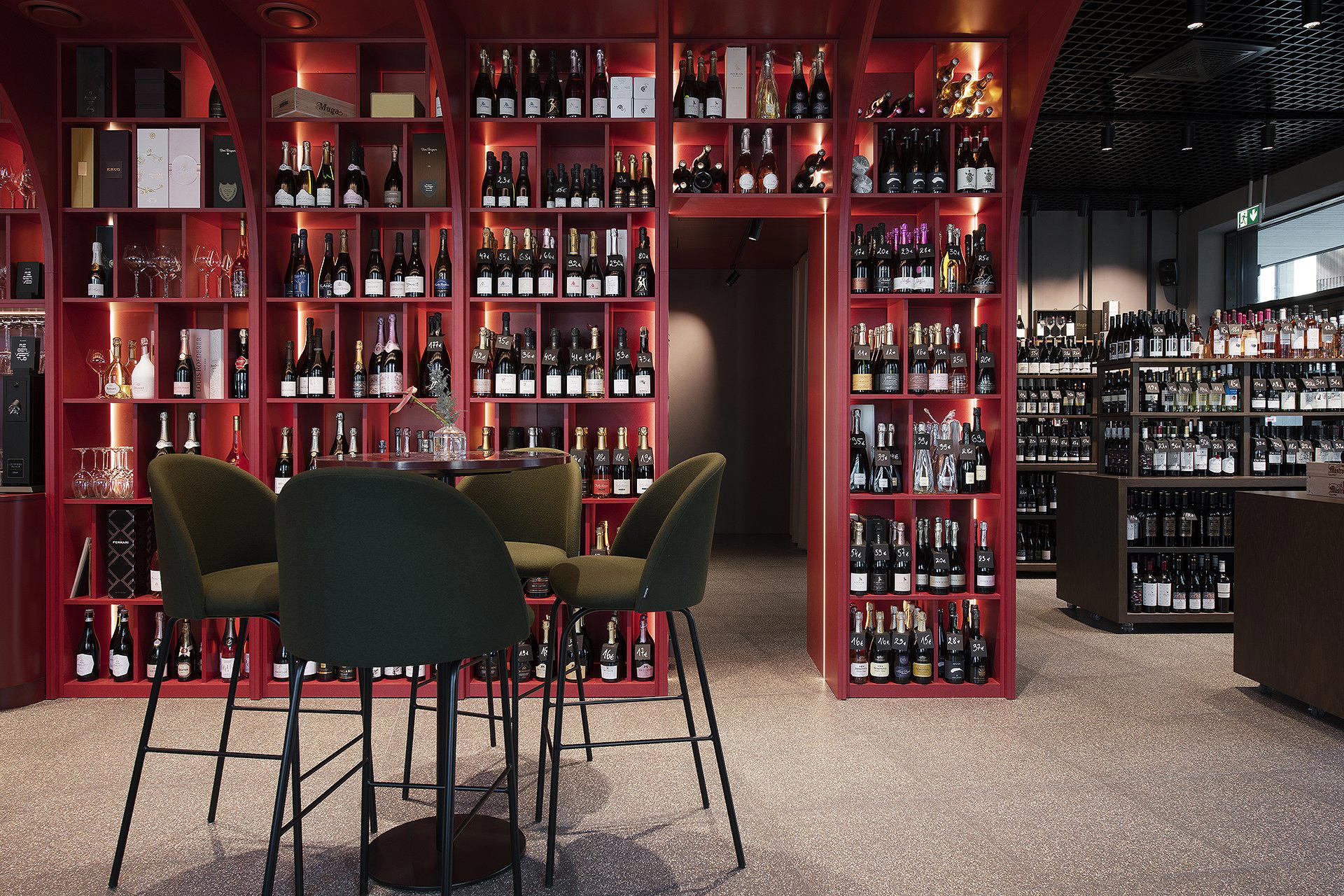
Stylish, cozy interior with bar seating, good music, and a welcoming atmosphere; intimate setting with open kitchen visibility.