
LaBocca at Ahtri tn 6 holds a place in Estonian dining history that few restaurants in the Baltic region can match, earning a World's 50 Best Restaurants listing (No. 15, 2003) at a time when Tallinn was barely on international radar. The kitchen draws on Estonian culinary tradition as its organising principle, placing it in a comparable set defined by provenance and restraint rather than spectacle..
Pearl is the En Primeur Club membership app — saves, bookings, and concierge access live there. Same editors, same standards.
- Address
- Ahtri tn 6, 10151 Tallinn, Estonia
- Phone
- +372 5460 0015
- Website
- labocca.ee
- Directions
- Get directions
 Saves & bookings on Pearl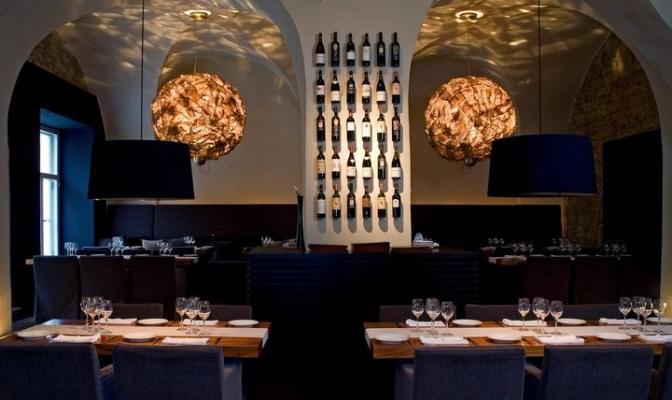
A Restaurant Anchored in Estonian Culinary Identity
LaBocca is a restaurant in Tallinn, Estonia, recognized on the World's 50 Best Restaurants list at number 15 in 2003. Tallinn's dining scene has gone through several distinct phases. There was the post-Soviet reorientation of the 1990s, when kitchens looked westward for reference points. Then the early 2000s period, when a handful of restaurants started treating Estonian ingredients and traditions as the subject rather than the backdrop. LaBocca, at Ahtri tn 6 in the city's Harbour district, belongs to that second phase, and its appearance on the World's 50 Best Restaurants list at number 15 in 2003 is the clearest evidence of how that shift read internationally. At a moment when Estonian fine dining was invisible to most international critics, placing inside the top 20 was a signal, not a coincidence.
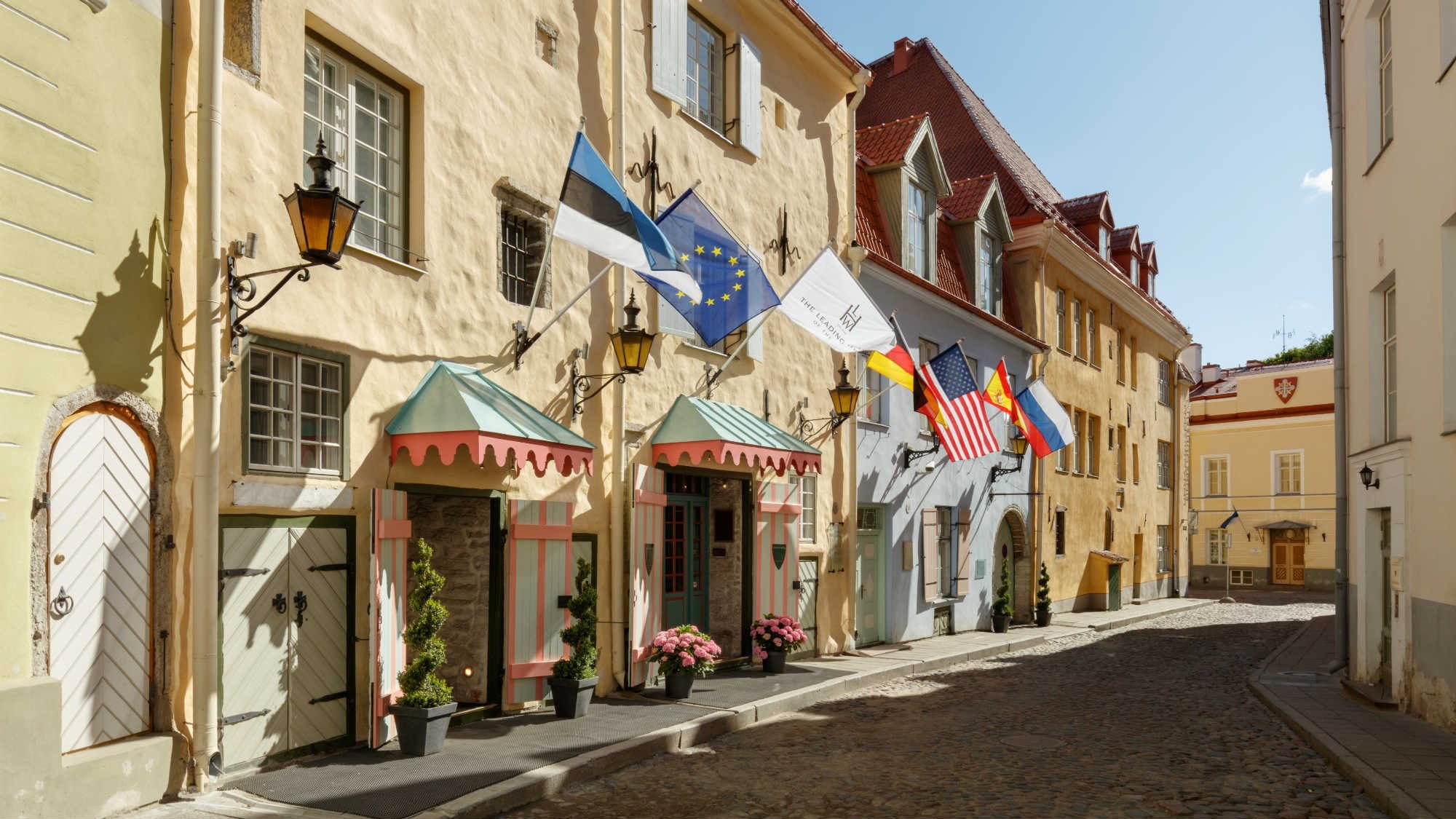
Ahtri street runs close to the water, set apart from the Old Town's cobblestone tourist circuit by a few hundred metres that make a considerable difference in atmosphere. The area has the texture of a city in transition, functional, close to the port, with a directness that suits a restaurant more interested in what ends up on the plate than in theatrical surroundings.
How the Menu Is Built: Estonian Cuisine as an Argument
Restaurants that list Estonian cuisine as their primary cuisine type are making a specific claim: that local tradition is sophisticated enough to carry a full dining experience without borrowing heavily from French or Scandinavian frameworks for credibility. That is a position requiring both confidence and a well-developed ingredient supply network, and in the early 2000s, LaBocca was among the first Tallinn kitchens to argue it convincingly.
What Estonian cuisine means at the menu level tends toward fermented dairy, preserved and pickled components, cold-smoked fish and meat, rye in various forms, and root vegetables that hold across long winters. The seasonal rhythm is pronounced, this is not a cuisine that pretends otherwise. A menu built honestly around Estonian produce shifts significantly between, say, late summer, when foraged ingredients and fresh fish dominate, and February, when preservation techniques move to the foreground. That architecture, driven by what the land and sea actually provide at a given time, is what distinguishes kitchens working in genuine Estonian tradition from those using it as aesthetic shorthand.
The city now has multiple restaurants working at the upper end of the market: 180° by Matthias Diether, which holds two Michelin stars and operates at the €€€€ price point with an Estonian Fusion approach, and NOA Chef's Hall, a one-star creative kitchen also at the premium tier. LaBocca arrived before either of those programs existed in their current form and helped establish the credibility that made Tallinn a viable dining destination at all. The restaurants that followed, including Art Priori and Barbarea in the modern cuisine category, and 38 in the creative tier, built on a foundation that earlier trailblazers like LaBocca helped establish.
The 2003 50 Best Moment in Context
Appearing at number 15 on the World's 50 Best Restaurants list in 2003 placed LaBocca in company that included restaurants now considered central to modern European gastronomy. For reference, that was the same era in which restaurants like Le Bernardin in New York were being reassessed alongside new European challengers, and long before Korean fine dining institutions like Atomix were part of the global conversation. The list was smaller and less systematic than it later became, but a top-20 placement for a Baltic restaurant working in local cuisine rather than international fine dining idiom was genuinely unusual.
That credential has a specific meaning in how LaBocca should be read today. It is not a restaurant coasting on a historical achievement; it is a restaurant whose early reputation accurately reflected a kitchen working at a level that international judges found compelling. A
LaBocca in the Broader Estonian Dining Geography
The stronger context for LaBocca is not just Tallinn but Estonia as a whole. The country has developed an impressive spread of serious restaurants outside the capital, a pattern that reflects both the quality of regional producers and a genuine culinary culture that extends beyond urban fine dining. Alexander in Pädaste on Muhu Island has long been the benchmark for Estonian coastal cuisine. Hõlm in Tartu represents the second city's growing ambition. Further afield, Hiis in Manniva, Kolm Sõsarat in Lüllemäe, and Lahepere Villa in Kloogaranna reflect a rurally rooted approach to Estonian produce that is gaining international attention. Fellin in Viljandi adds another point on the map for serious diners willing to travel.
LaBocca predates most of that activity. It established that Tallinn, and by extension Estonia, could be taken seriously as a dining destination at a time when the country had been independent for barely a decade. That historical weight does not appear on a menu, but it informs how any informed visitor should approach the restaurant.
Planning a Visit
LaBocca sits on Ahtri tn 6, within walking distance of the Old Town but separated enough to feel like a genuine neighbourhood restaurant rather than a tourist destination. For the broader picture of where to eat, drink, and stay in the city, EP Club's full Tallinn restaurants guide, bars guide, hotels guide, wineries guide, and experiences guide provide the fuller context. LaBocca sits on Ahtri tn 6, within walking distance of the Old Town but separated enough to feel like a genuine neighborhood restaurant rather than a tourist destination. Reservations are recommended.
Estonian summers are one favourable time to visit for ingredient diversity, with the late August to September window typically offering the widest range of foraged and fresh produce. Winter visits have their own logic: the preservation-heavy menu of that season reads as a genuine expression of the cuisine rather than a compromise, and Tallinn in December has a density and character that summer crowds tend to obscure.
The Reasonable Assessment
A restaurant that reached the top 20 of the World's 50 Best list in 2003, working in a cuisine most international critics had not yet noticed, and that maintains a steady local following two decades later, has demonstrated something that awards alone cannot confer: continuity of purpose. LaBocca's place in the Estonian dining story is secured by that 2003 moment and by the consistency implied in its ongoing presence. For a visitor trying to understand how Tallinn became a credible food city, it belongs on the itinerary alongside the newer generation it helped make possible.
Accolades, Compared
Comparable venues nearby, for context on price, style, and recognition.
| Venue | Cuisine | Price | Awards | Notes |
|---|---|---|---|---|
| LaBoccaThis venue — the venue you are viewing | Traditional Italian Pizza and Pasta | $$$ | World's 50 Best #15 | Not listed |
| 180° by Matthias Diether | Modern Creative Fine Dining | $$$$ | Michelin 2 Star | Port Noblessner |
| NOA Chef’s Hall | Modern European Fine Dining | $$$$ | Michelin 1 Star | Pirita |
| Gianni | Classic Italian with fresh seafood | $$$ | Michelin Plate | Kesklinna linnaosa |
| Fotografiska | Dining | $$$ | Michelin Plate | Not listed |
| Osteria il Cru | Modern Italian Osteria | $$$ | Michelin Plate | Old Town |
Recognition history
Dated appearances from independent guides and award organizations, with the underlying list record or original source where available.
World's 50 Best Best Restaurants #15
World's 50 Best
At a Glance
- Cozy
- Elegant
- Intimate
- Business Dinner
- Family
- Date Night
- Open Kitchen
- Extensive Wine List
- Local Sourcing
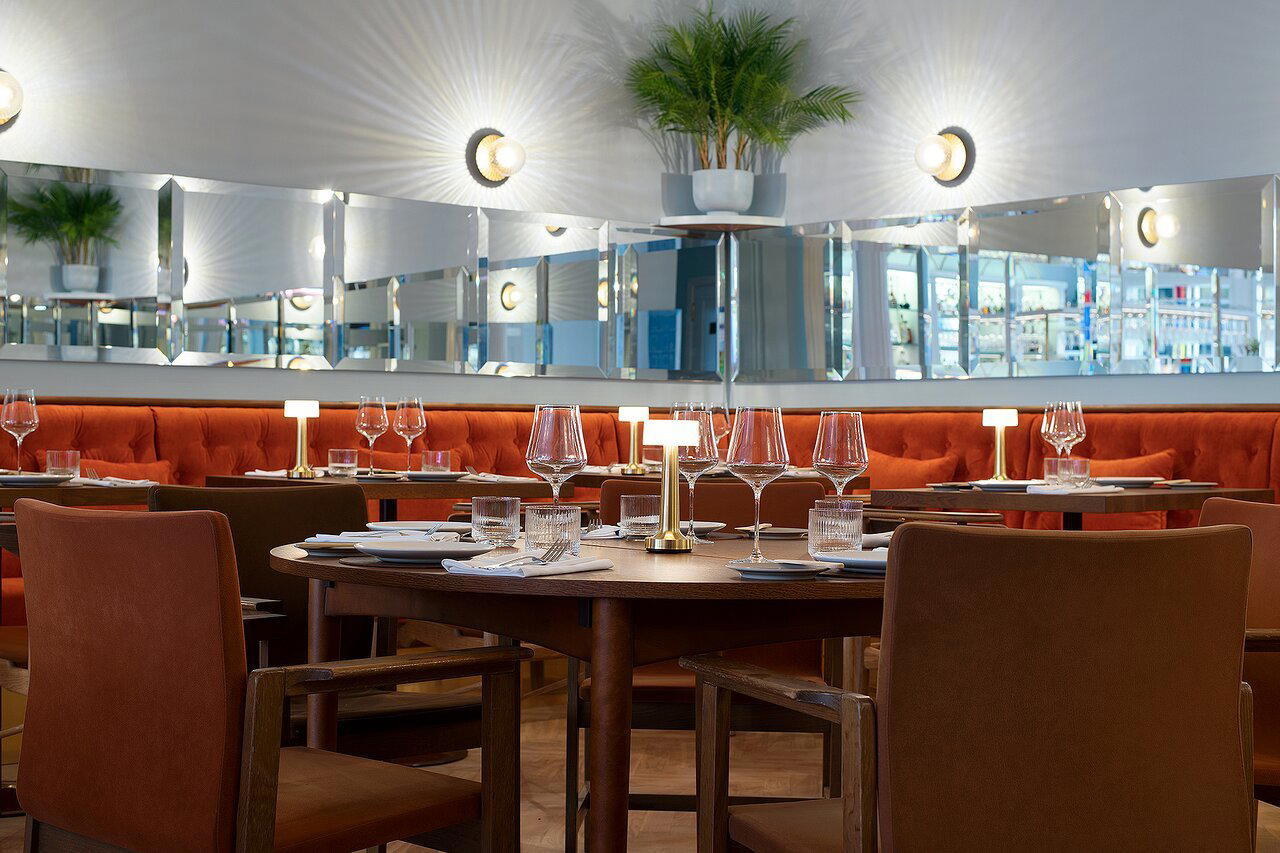
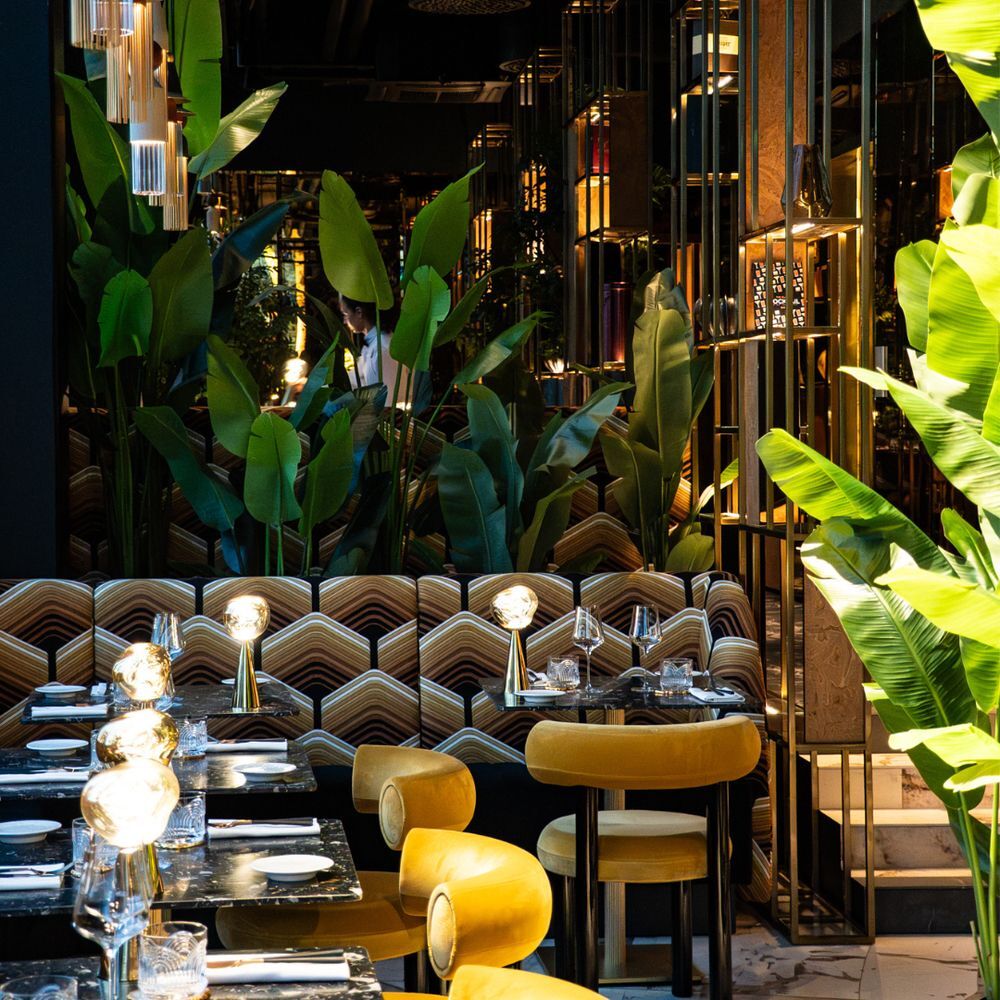
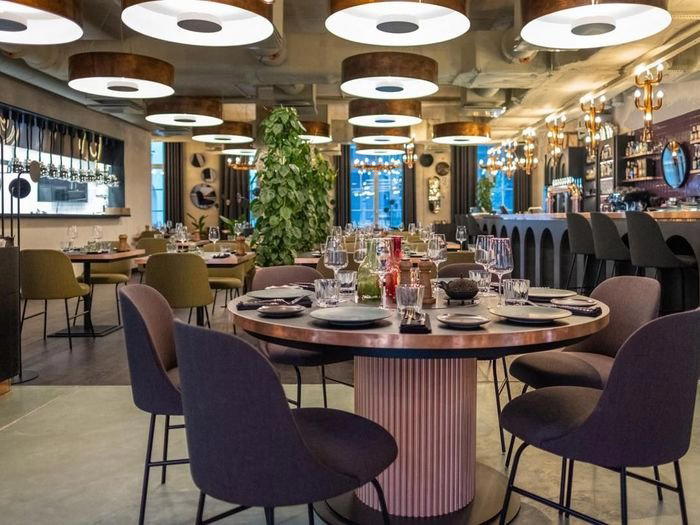
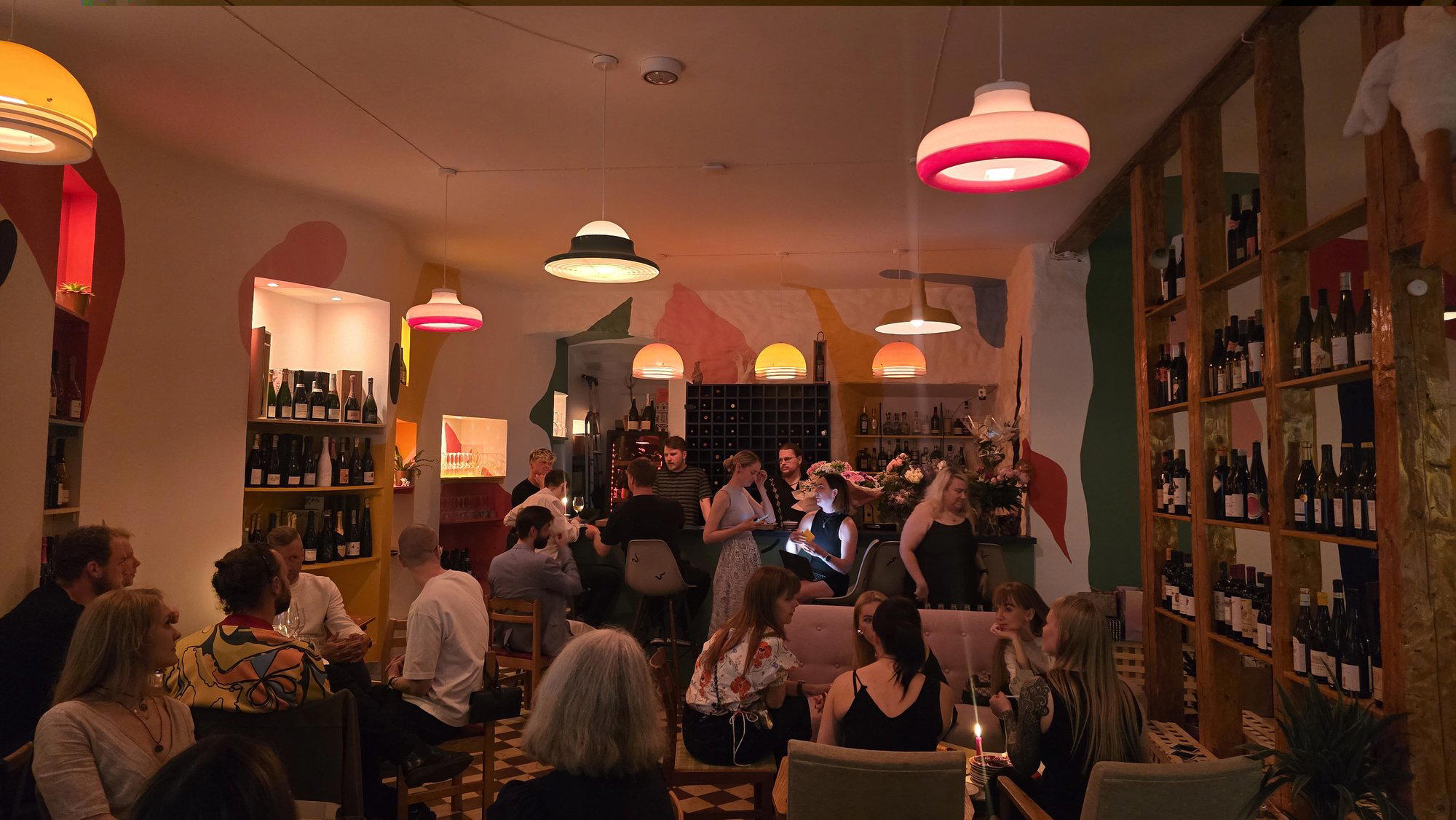
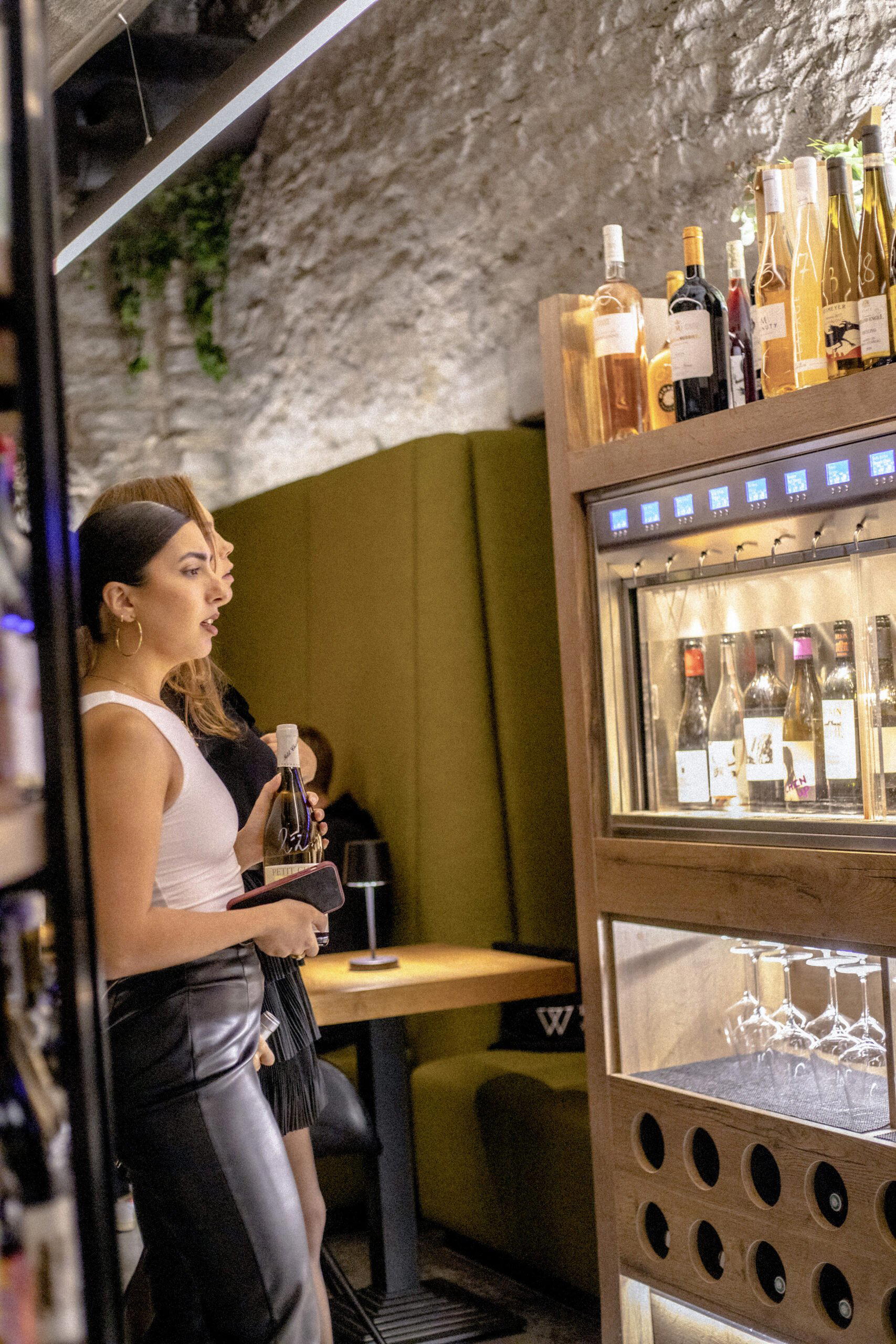
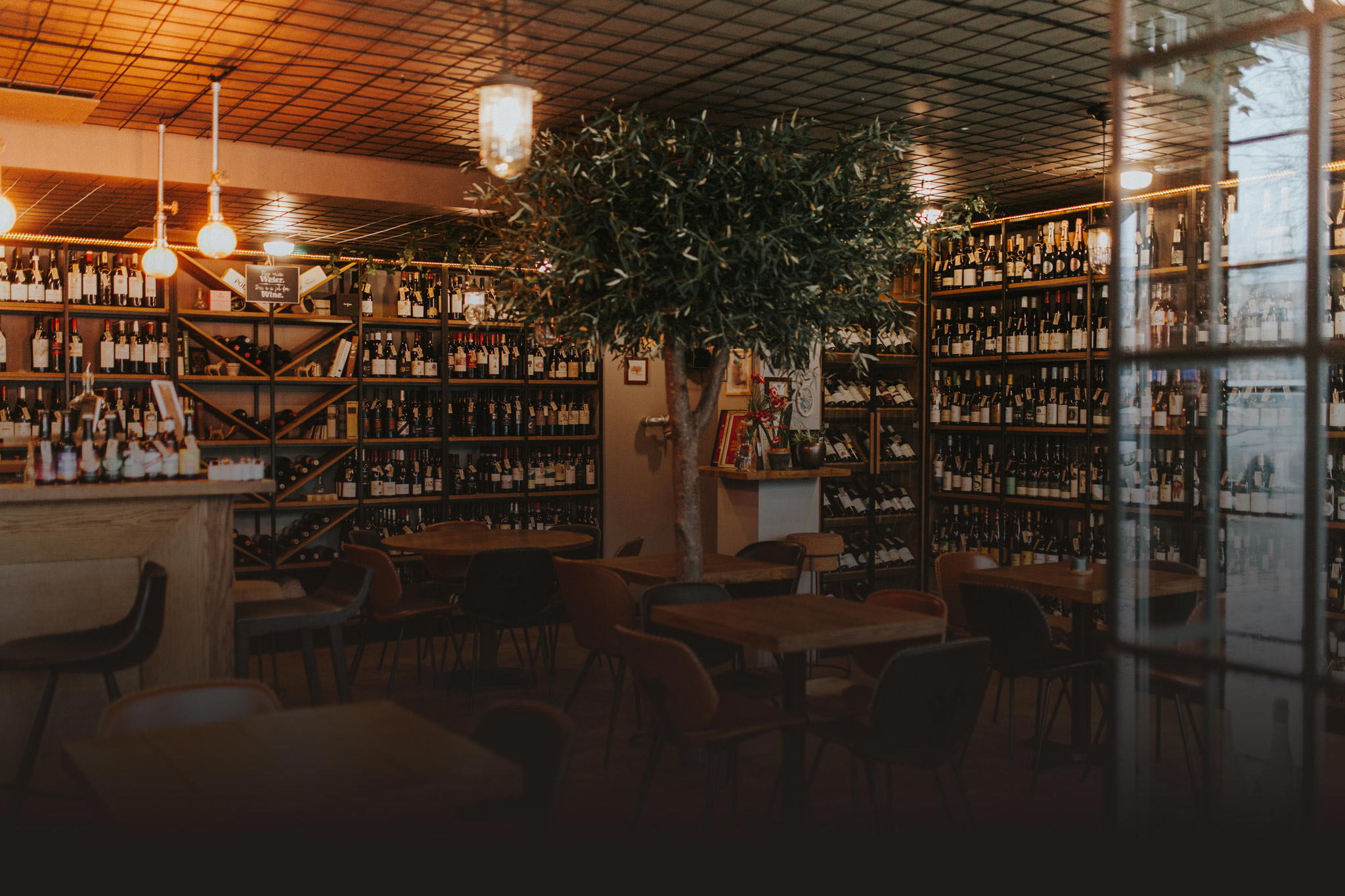
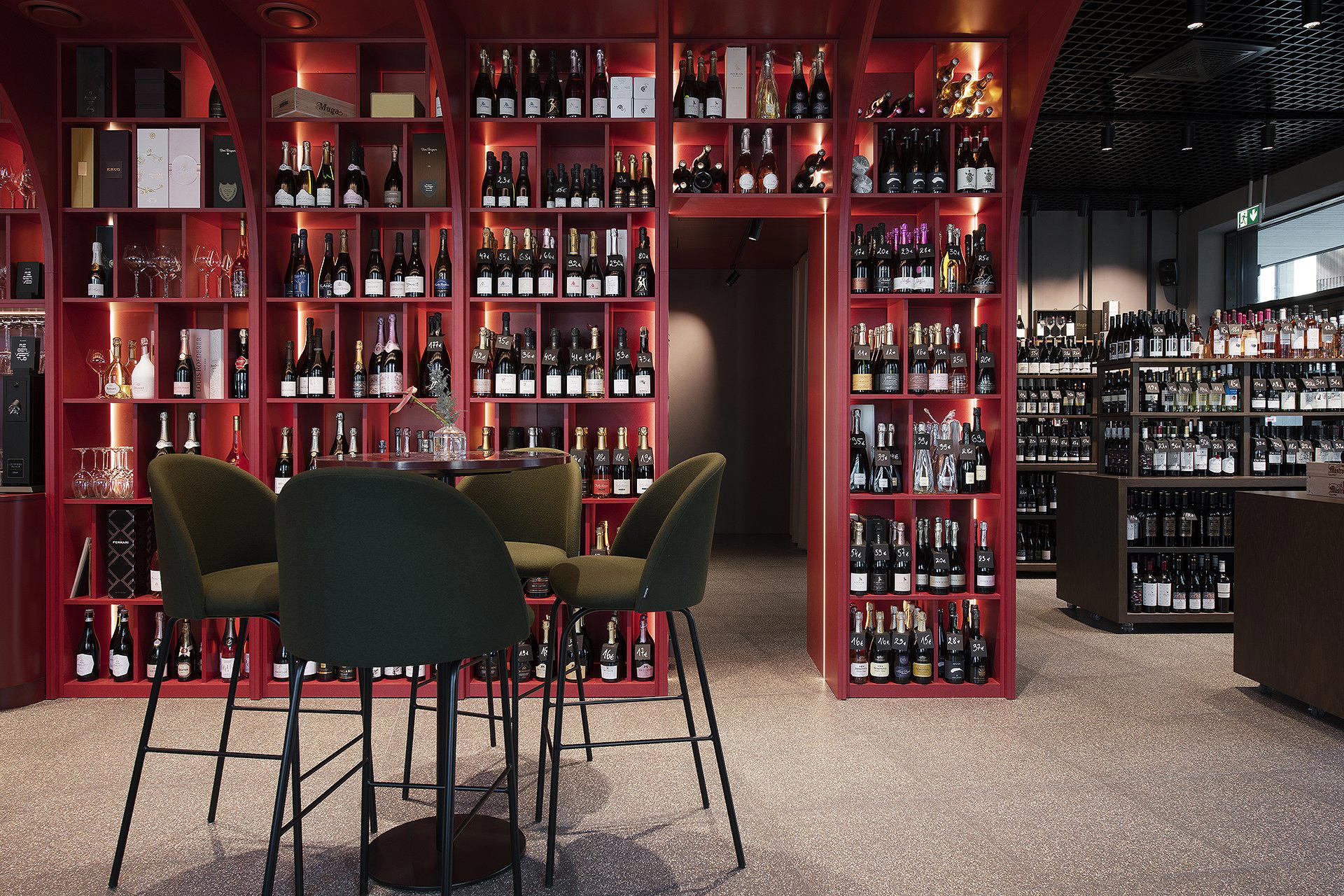
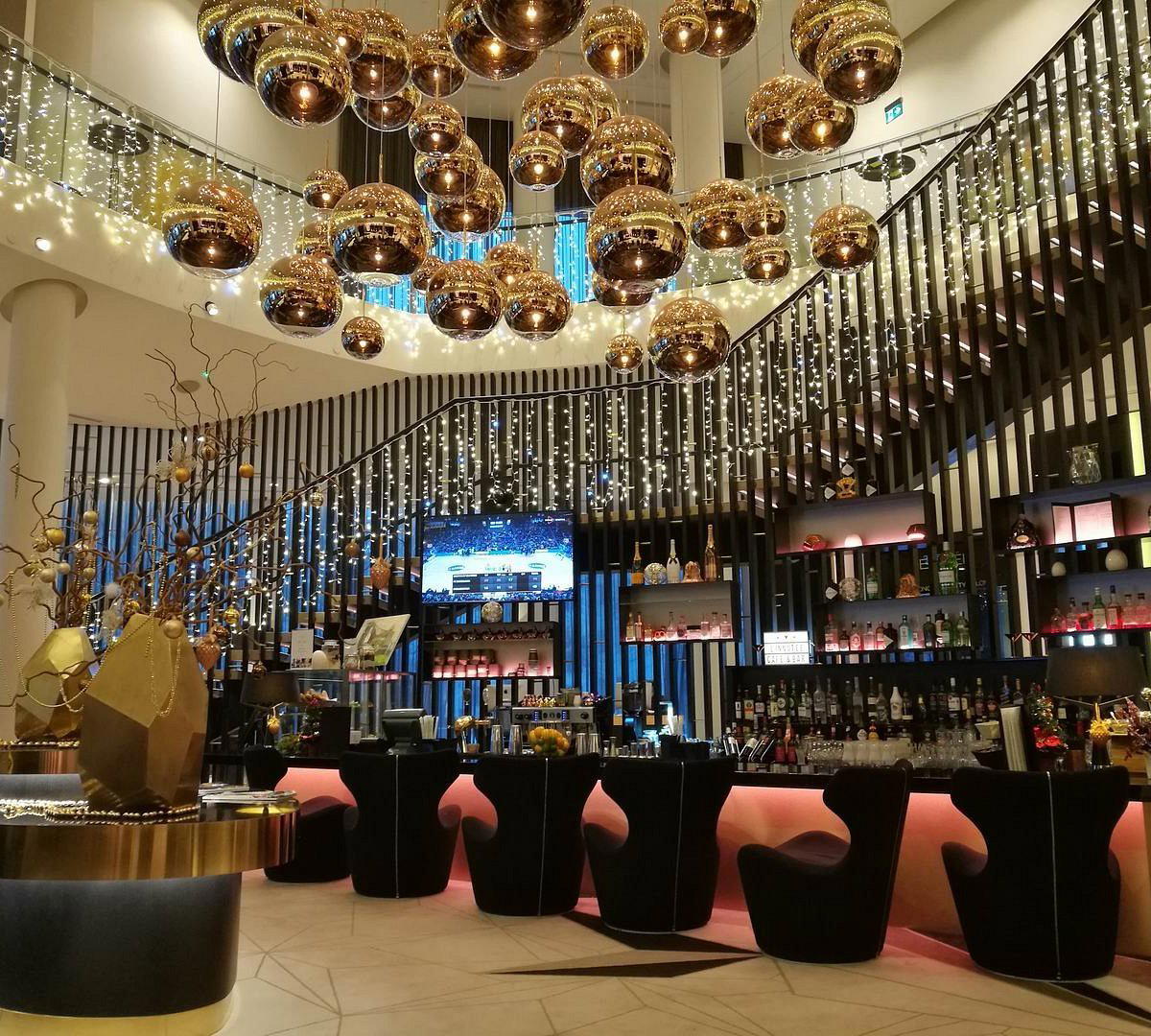
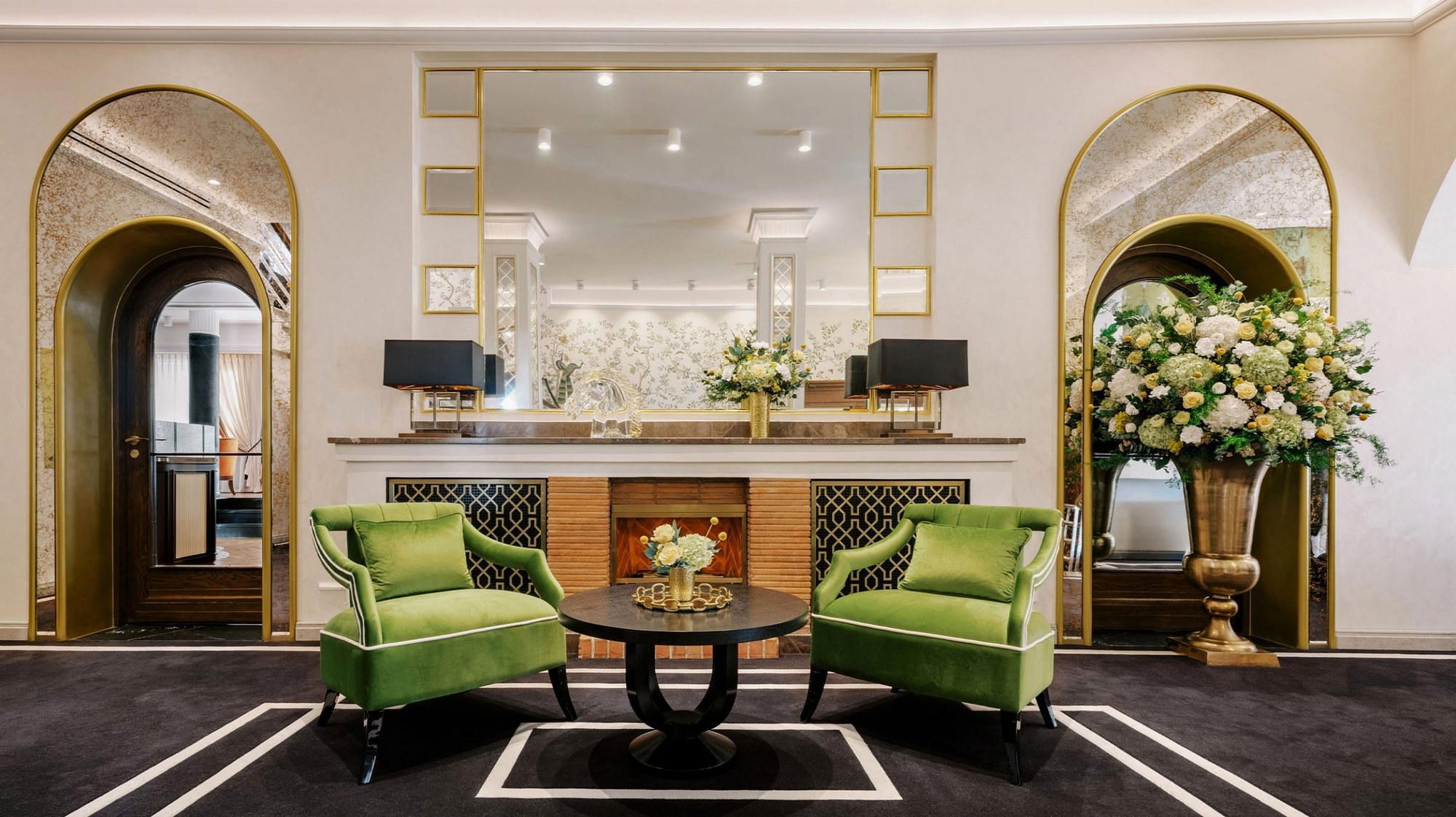
Warm and cozy with amazing lighting, subtle interplay of medieval vaults and modern design, feeling like the living room of an Italian famiglia.