



Michelin Plate · Star Wine List · Wine Spectator Best of Award of Excellence
Our verdict
The only Cantonese kitchen in Tallinn holding a Michelin Plate, Shang Shi sits on the medieval Rataskaevu street and pairs southern Chinese cooking techniques with a wine list of 800 bottles weighted toward France and Austria. Chef Chee Hwee Tong anchors the menu in classical Cantonese structure while Wine Director Karoline Reinhold's list reaches well into the three-figure range, making this one of the more considered wine-and-food pairings in the city's dining scene.

Pearl is the En Primeur Club membership app, where members save venues, book tables and use the concierge.
The menu
What to order
- Peking Duck
- Dim Sum Assortment
- Char Siu Roast Pig
- Soft-Shell Crab
A Cantonese Counter in a Medieval Street
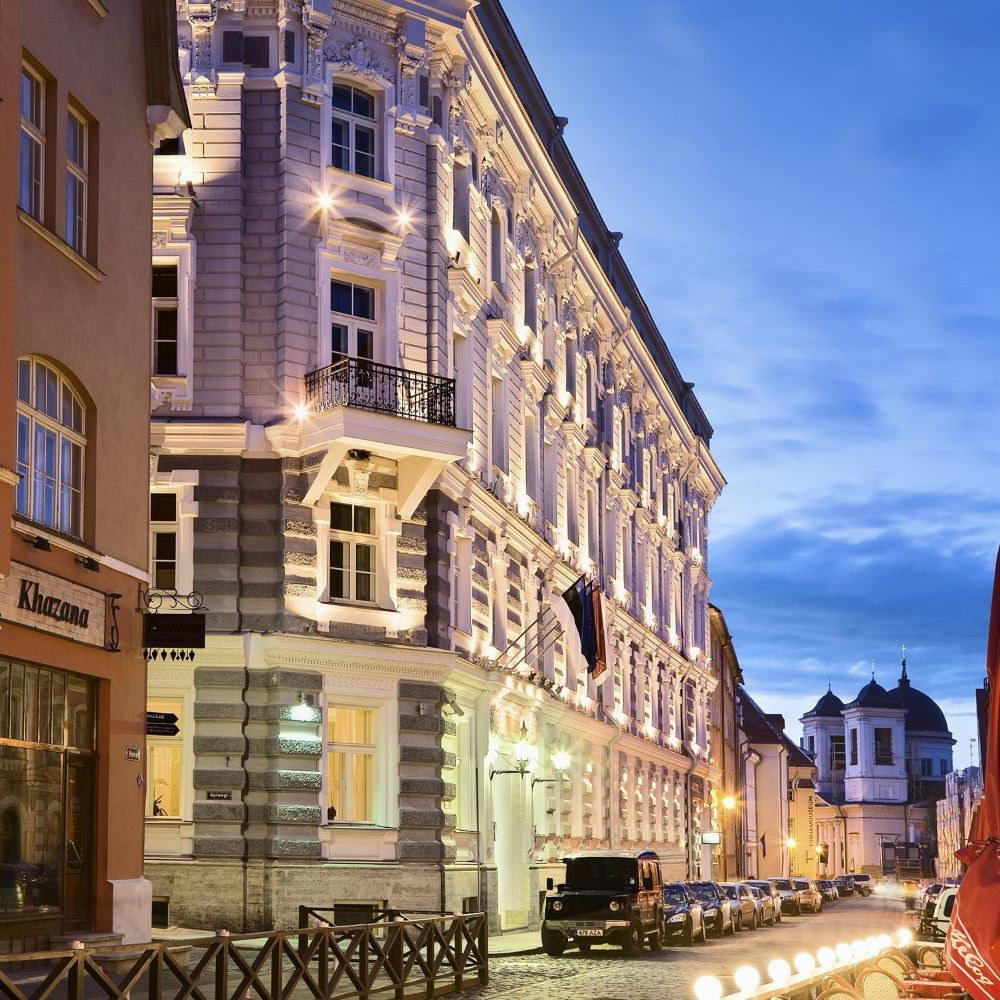
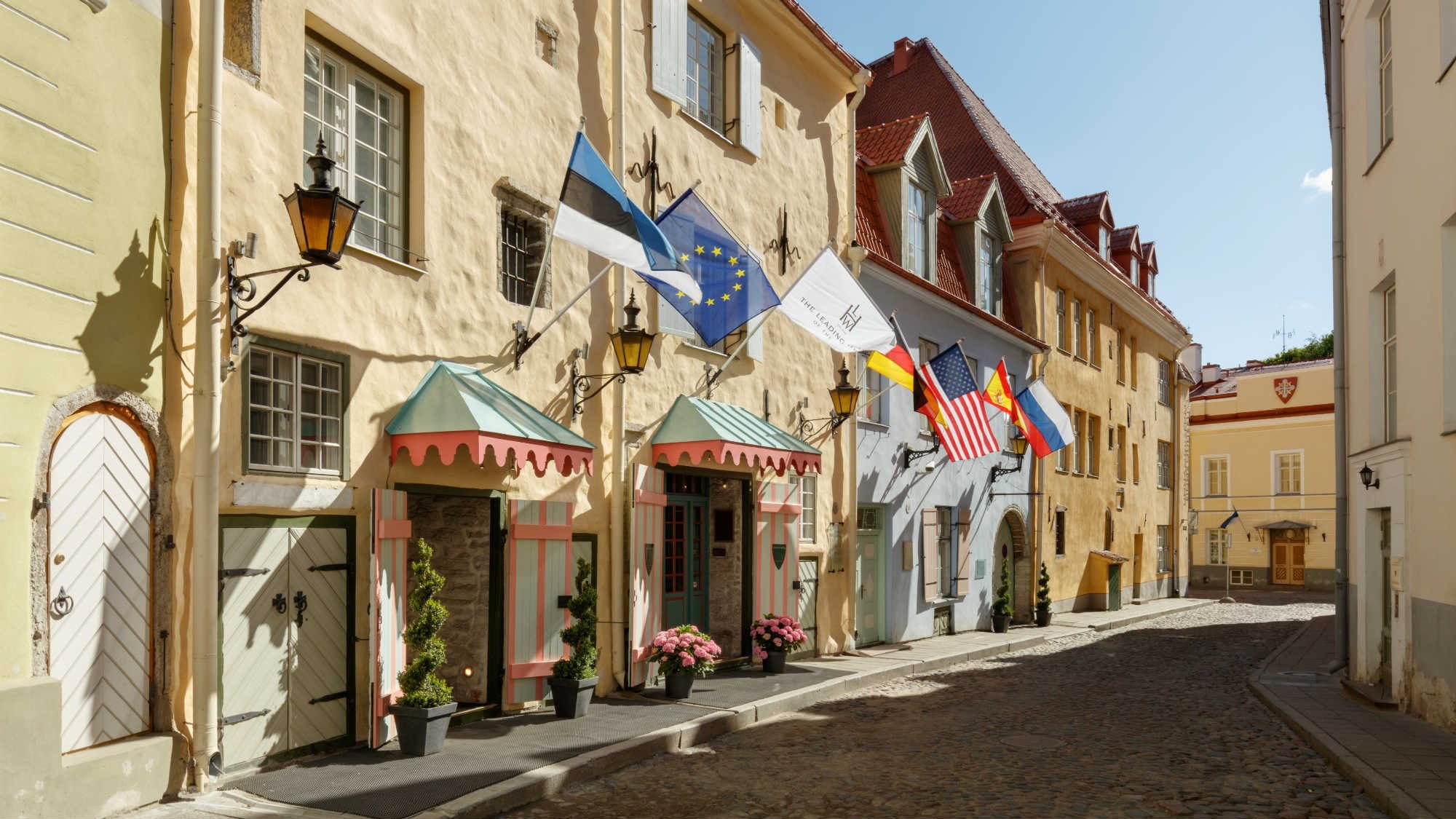
Rataskaevu is one of Tallinn's oldest and most recognisable lanes, a narrow cobbled street in the heart of the Old Town where centuries-old limestone buildings press close on both sides. The surrounding neighbourhood is dense with tourist-facing establishments, which makes the presence of a serious Cantonese kitchen at number five all the more pointed. Shang Shi operates in a context where the dominant dining mode is Northern European: slow-braised meats, foraged greens, rye-based carbohydrates, and the Baltic's distinctive lean toward sourness. Cantonese cooking, with its technical precision around heat, texture, and the restraint of seasoning, belongs to an entirely different tradition, and it finds almost no parallel elsewhere in Estonia.
That positioning matters. Across Estonia's more ambitious restaurant scene, from NOA Chef's Hall to Art Priori, the dominant ambition is to refine and reinterpret local Estonian ingredients through modern European or Nordic frameworks. Shang Shi asks a different question: what does a southern Chinese culinary tradition look like when transplanted to the Baltic, and what compromises, if any, does it require? Holding a Michelin Plate in 2025 suggests that the kitchen has arrived at a credible answer.
The Intersection of Cantonese Technique and Baltic Context
Cantonese cuisine is among the most technique-dependent of China's regional traditions. Wok hei, the specific char and aroma achieved through high-heat stir-frying in a seasoned wok, requires precise flame control that most kitchens outside East Asia rarely maintain at full intensity. Dim sum work demands repetition and muscle memory. Whole-animal and whole-fish preparations lean on steaming and sauce restraint to let the protein carry the plate. These are not methods that simplify when the supply chain changes.
What makes Shang Shi's positioning in Tallinn particularly worth reading is how it sits at the intersection the editorial angle here makes explicit: imported technique meeting a Northern European ingredient environment. Estonia's coastline and inland waters produce pike-perch, eel, and crayfish. Its forests supply mushrooms and game. Its farms provide pork and dairy in forms that reflect a distinctly Baltic agricultural character. A Cantonese kitchen working from this larder is not doing the same thing as a Cantonese kitchen in Guangzhou or Hong Kong, and understanding that friction is the most honest way to read what Shang Shi is attempting. The 2025 Michelin Plate recognition positions it as a kitchen where that friction is being handled with enough discipline to earn institutional notice.
For a sense of where this Cantonese tradition operates at its most recognised international level, Chef Tam's Seasons in Macau and 102 House in Shanghai offer useful comparative anchors. Tallinn's version is operating in a far narrower market, without the deep supply chains those cities offer, and in front of a dining public for whom Cantonese structure is not a default reference point.
The Wine Program
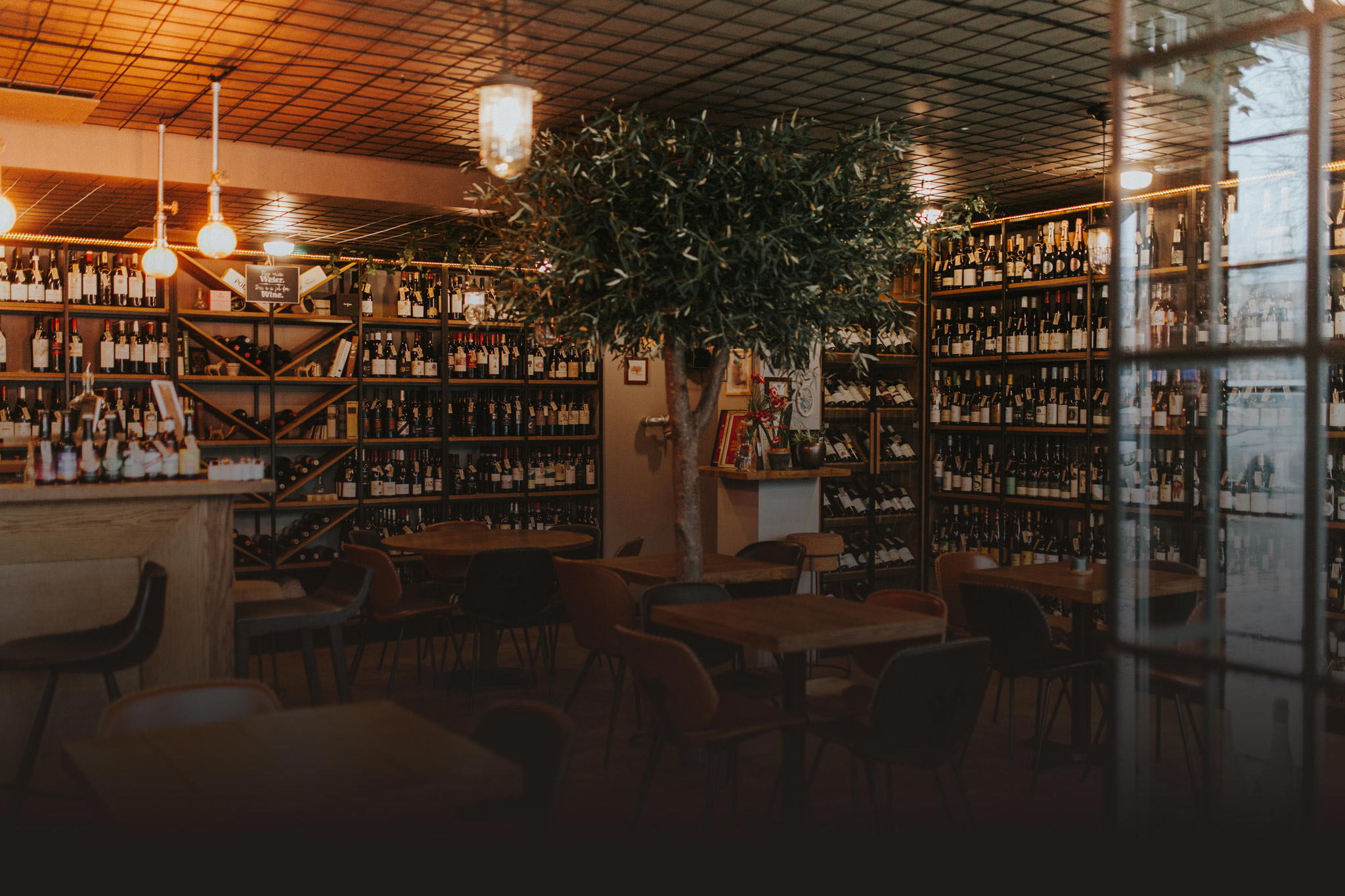
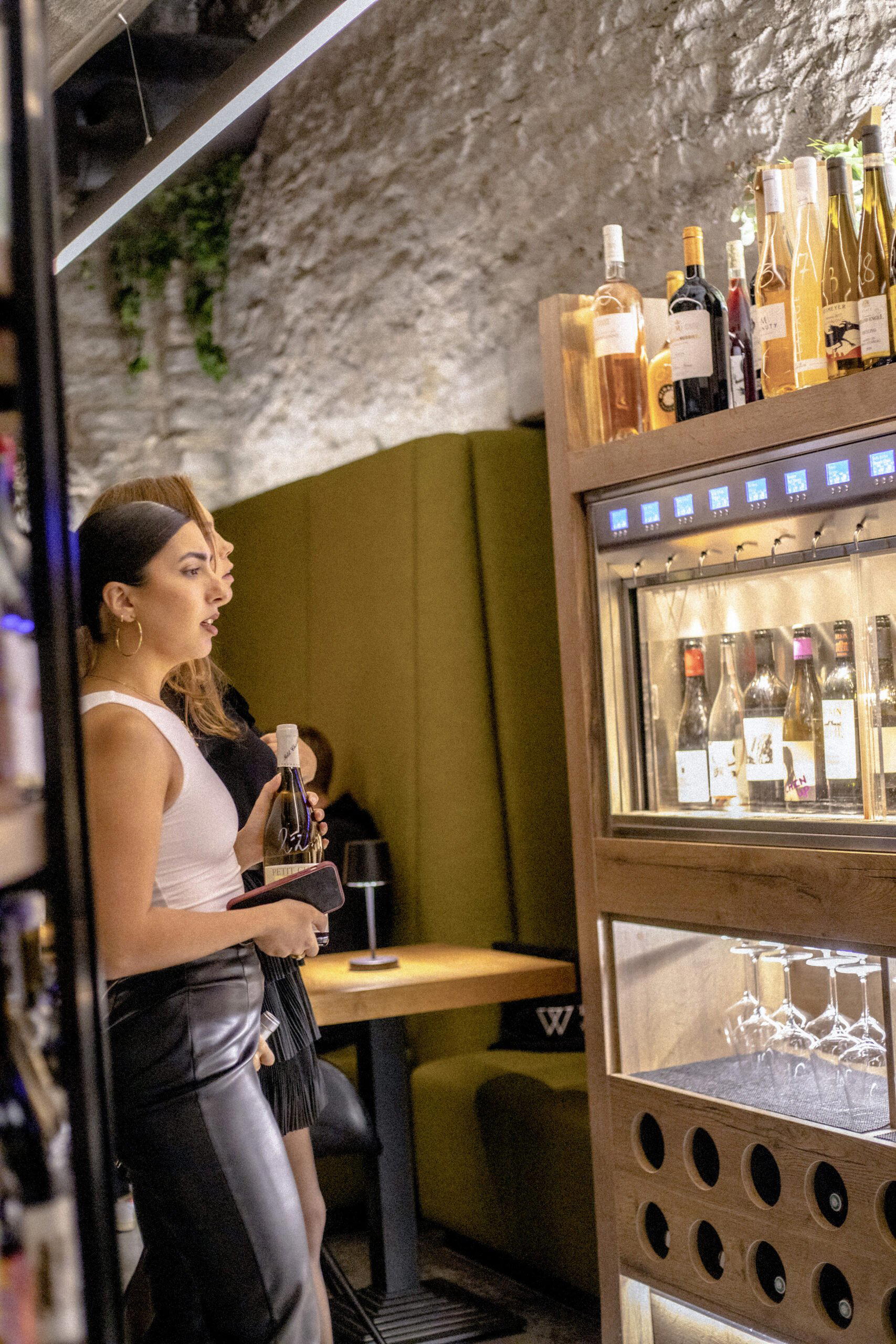
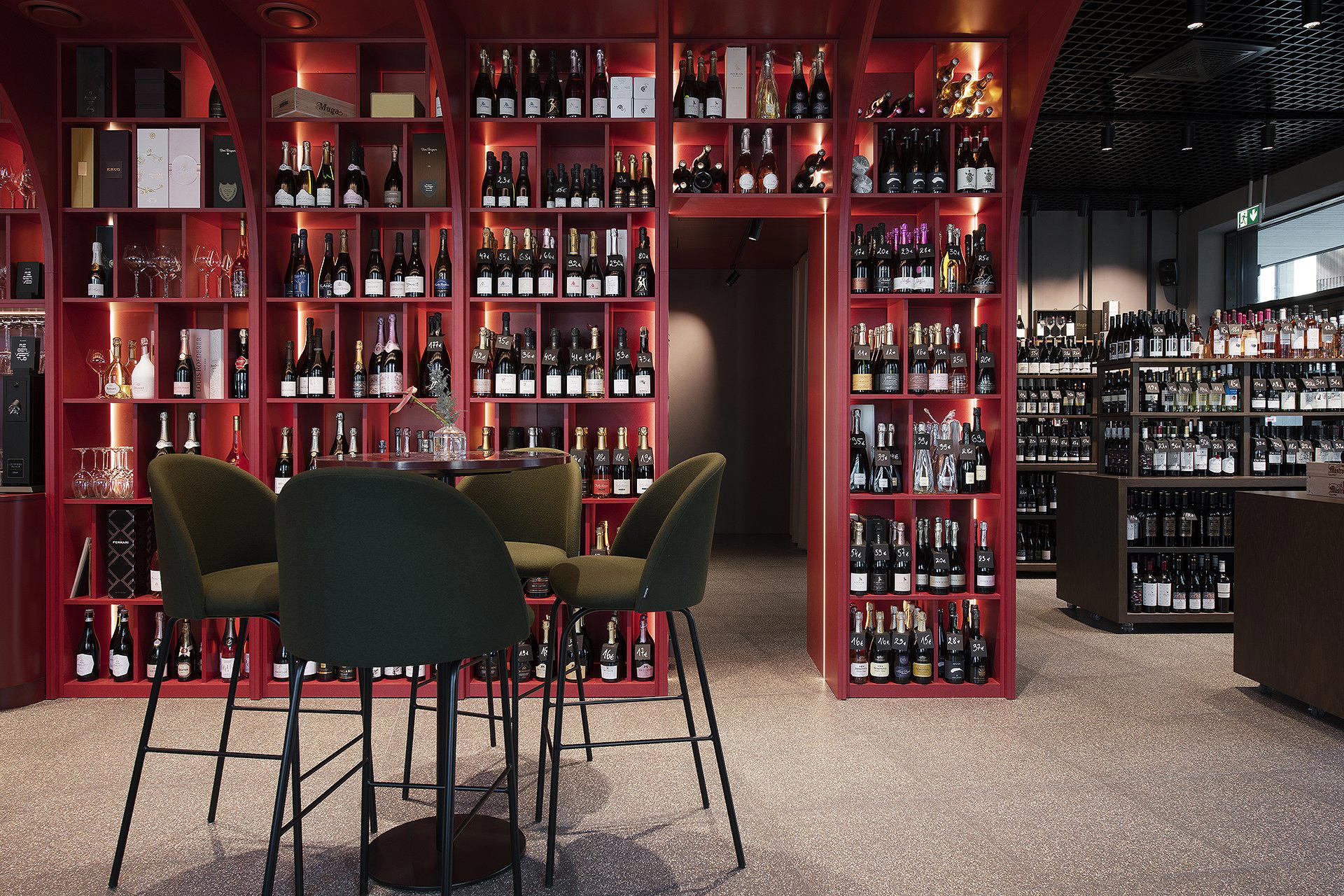
The wine list at Shang Shi carries an inventory of 800 bottles drawn from 550 selections, a scale that would register as serious in any major European city and reads as exceptional for the Estonian context. Wine Director Karoline Reinhold has weighted the list toward France, Champagne, Burgundy, and Bordeaux all feature prominently, alongside Austria, Italy, Spain, and California. The pricing sits at the higher end: the list carries many bottles above the €100 mark, which the venue's own pricing tier confirms. A corkage fee of €87 applies for bottles brought in.
Pairing a French-weighted wine program with Cantonese food is not a neutral choice. Cantonese seasoning tends toward delicacy, with soy used lightly and sweetness balanced carefully, which makes it more wine-adaptable than other Chinese regional traditions. Burgundy's acid structure and earthiness can find real alignment with steamed preparations and seafood. Austria's white wines, particularly Grüner Veltliner, carry a white-pepper spice note that echoes Cantonese aromatics. The fact that Reinhold has shaped the list with this kind of specificity suggests an intention beyond simple wine-list prestige building.
At the €€ pricing tier for food (a typical two-course meal running €40–65 before beverages), the kitchen sits in the same price bracket as Bocca and broadly comparable to the mid-tier of Tallinn's dining market. The wine program, however, operates at a different level from that price point, which creates an interesting asymmetry: this is a kitchen where the bottle you choose can substantially outprice the meal.
Tallinn's Broader Dining Frame
Tallinn has developed a dining scene with genuine range at the upper end. 180° by Matthias Diether and NOA Chef's Hall both occupy the €€€€ tier with creative and fusion-oriented menus. 38 operates in the creative bracket at a similar level. Shang Shi sits below that price ceiling, which places it in a different competitive set: serious enough to earn Michelin attention but priced for return visits rather than once-a-year occasions.
Beyond the capital, Estonia's more formally ambitious dining spreads across the country. Alexander in Pädaste and Hiis in Manniva represent the kind of destination dining that draws visitors outside Tallinn. Hõlm in Tartu, Fellin in Viljandi, Kolm Sõsarat in Lüllemäe, and Lahepere Villa in Kloogaranna round out a picture of a small country with a dining culture that has spread well beyond its capital. In that wider context, Shang Shi's differentiation by cuisine type becomes even more legible: there is, quite simply, nothing else like it operating at this standard in Estonia.
That pattern, strong scores, modest volume, is consistent with a venue that draws a deliberate clientele rather than high footfall.
Planning Your Visit
Shang Shi is located at Rataskaevu tn 5 in Tallinn's Old Town, a walkable address from most of the city's central hotels. For accommodation options during your stay, the EP Club Tallinn hotels guide provides current editorial coverage. The kitchen serves both lunch and dinner, giving it broader accessibility than many of Tallinn's more formal Michelin-recognised addresses. For planning around the broader Old Town food and drink scene, the Tallinn bars guide and experiences guide cover the surrounding options. A full reference to Tallinn's restaurant field is available through EP Club's Tallinn restaurants guide.
The corkage fee of €87 means pre-planning your wine approach is worth doing. If you intend to bring a bottle, the arithmetic favours something at a price point where the corkage represents a reasonable proportion of the bottle's value. If you are relying on the list, the €100-plus tier is well stocked, with Burgundy and Champagne the clearest areas of depth.
What Do People Recommend at Shang Shi?
Given Shang Shi's Cantonese focus and its 2025 Michelin Plate recognition, the kitchen's strengths will anchor in the techniques that define the tradition: clean steamed preparations, precisely balanced sauces, and careful use of texture. Chef Chee Hwee Tong leads the kitchen, and the menu covers both lunch and dinner across a Cantonese and broader Chinese framework. EP Club's Tallinn wineries guide provides additional context on the Estonian wine environment that informs the list's construction.
Frequently asked questions
Does Shang Shi have a Michelin star or similar recognition?
Shang Shi has received recognition including: Michelin Plate (2025); WINE: Wine Strengths: France, Champagne, Burgundy, Bordeaux, Austria, Italy, Spain, California Pricing: $$$ i Wine pricing: Based on the list\'s general markup and high and low price points:$ has many bottles < $50;$$….
What's Shang Shi's location?
Shang Shi is located at Rataskaevu tn 5, 10123 Tallinn, Estonia, Tallinn.
What do people recommend at Shang Shi?
Shang Shi earned a Michelin Plate in 2025, recognition that points squarely to the kitchen's technical execution of Cantonese fundamentals, wok hei, precise heat control, and clean-flavoured preparation. Chef Chee Hwee Tong leads the kitchen, and Cantonese cuisine rewards ordering around the proteins and seafood dishes where those techniques are most visible. The wine program, with 800 bottles across 550 selections and particular depth in Burgundy, France, and Austria, makes it worth considering a pairing rather than ordering by the glass.
Similar Picks
| Venue | Cuisine | Price | Awards | Notes |
|---|---|---|---|---|
| Shang ShiThis venue (the venue you are viewing) | Modern Cantonese Fine Dining | $150–200 | Michelin Plate · Star Wine List | Not listed |
| NOA | Modern International | $50–100 | Michelin Bib Gourmand · White Guide Baltic Restaurants - Very Fine Level | Modern European, Modern Cuisine |
| 180° by Matthias Diether | Modern Creative Fine Dining | $300–500 | 2 Michelin Stars · La Liste Top Restaurants | Estonian Fusion |
| NOA Chef’s Hall | Modern European Fine Dining | $150–200 | 1 Michelin Star · La Liste Top Restaurants | Creative |
| Fotografiska | Progressive Sustainable Food & Drink | Not listed | Michelin Bib Gourmand · Star Wine List | Modern Cuisine |
| Härg | Modern Chargrilled Steakhouse | $50–100 | Michelin Plate · White Guide Baltic Restaurants - Very Fine Level | Meats and Grills |
Recognition history
Dated appearances from independent guides and award organizations, with the underlying list record or original source where available.
Michelin Plate
Michelin
Star Wine List
Star Wine List
Falstaff Restaurant - 94 Falstaff Points
Falstaff
Wine Spectator Best of Award of Excellence
Wine Spectator
Full recognition history (8 entries)
Michelin Plate
Michelin
Star Wine List
Star Wine List
Wine Spectator Best of Award of Excellence
Wine Spectator
Star Wine List
Star Wine List
Continue exploring
More in Tallinn
Restaurants in Tallinn
All restaurants in Tallinn →
Bars in Tallinn
All bars in Tallinn →
Shang Shi
The wine
Shang Shi holds the Wine Spectator Best of Award of Excellence, which Wine Spectator gives to lists of usually 350 or more selections.
- Wine program
- Deep wine list
- Wine Spectator
- Wine Spectator Best of Award of Excellence
- Selections
- 550
- Bottles in cellar
- 800
- List strengths
- France, Champagne, Burgundy, Bordeaux, Austria, Italy, Spain, California
- Wine director
- Karoline Reinhold
- Extensive wine list
- Sommelier-led
Details
- Elegant
- Sophisticated
- Romantic
- Modern
- Date Night
- Celebration
- Special Occasion
- Business Dinner
- Private Dining
- Open Kitchen
- Design Destination
- Hotel Restaurant
- Extensive Wine List
- Sommelier Led
- Local Sourcing
Current opening hours
- Monday
- Closed
- Tuesday
- Closed
- Wednesday
- Closed
- Thursday
- 5–11 PM
- Friday
- 5 PM–1 AM
- Saturday
- 5 PM–1 AM
- Sunday
- 5–11 PM
Hours can change for holidays and private events. Last verified .
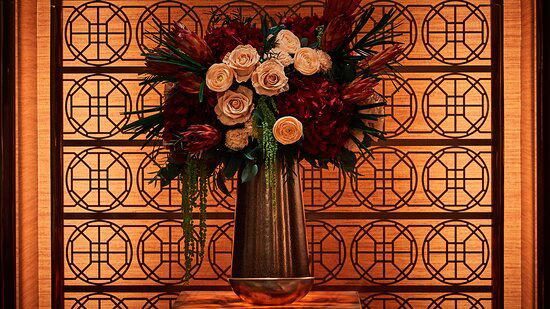
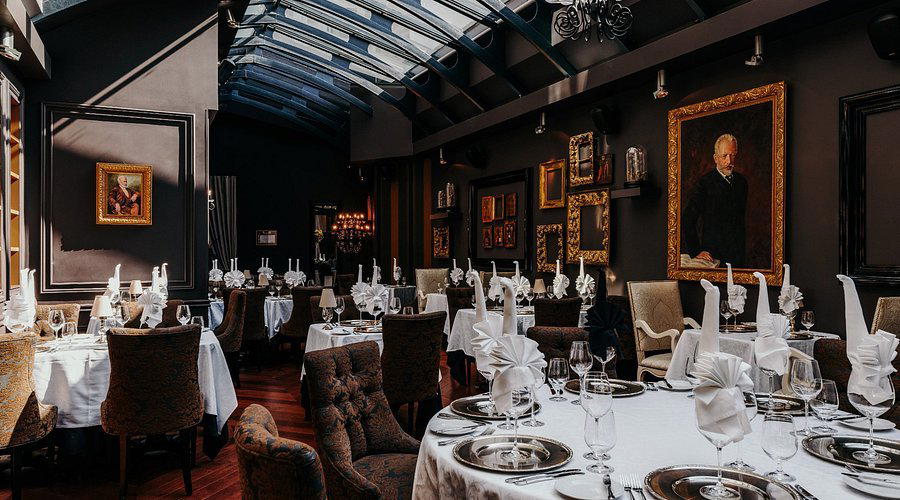
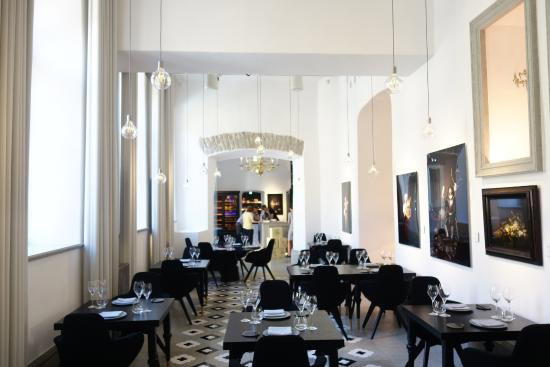
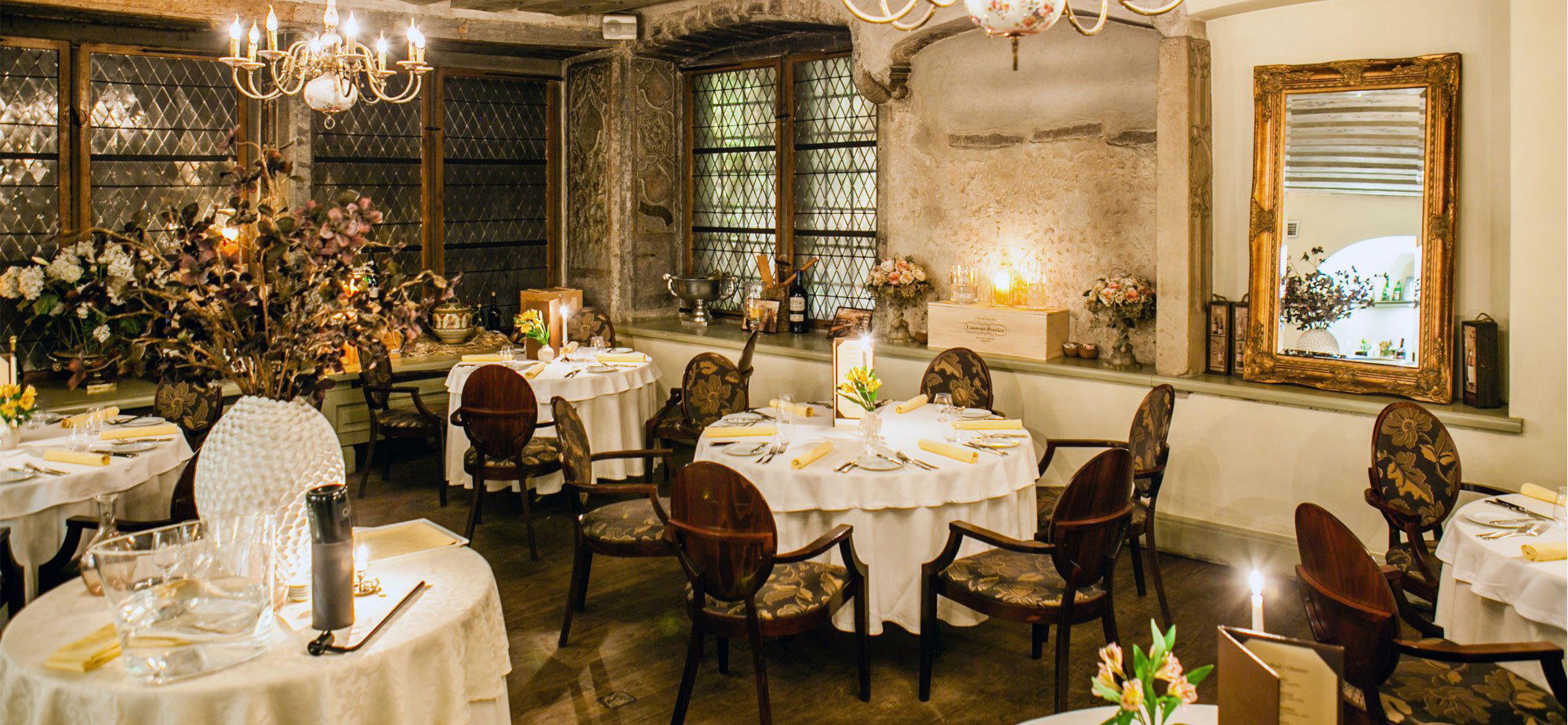
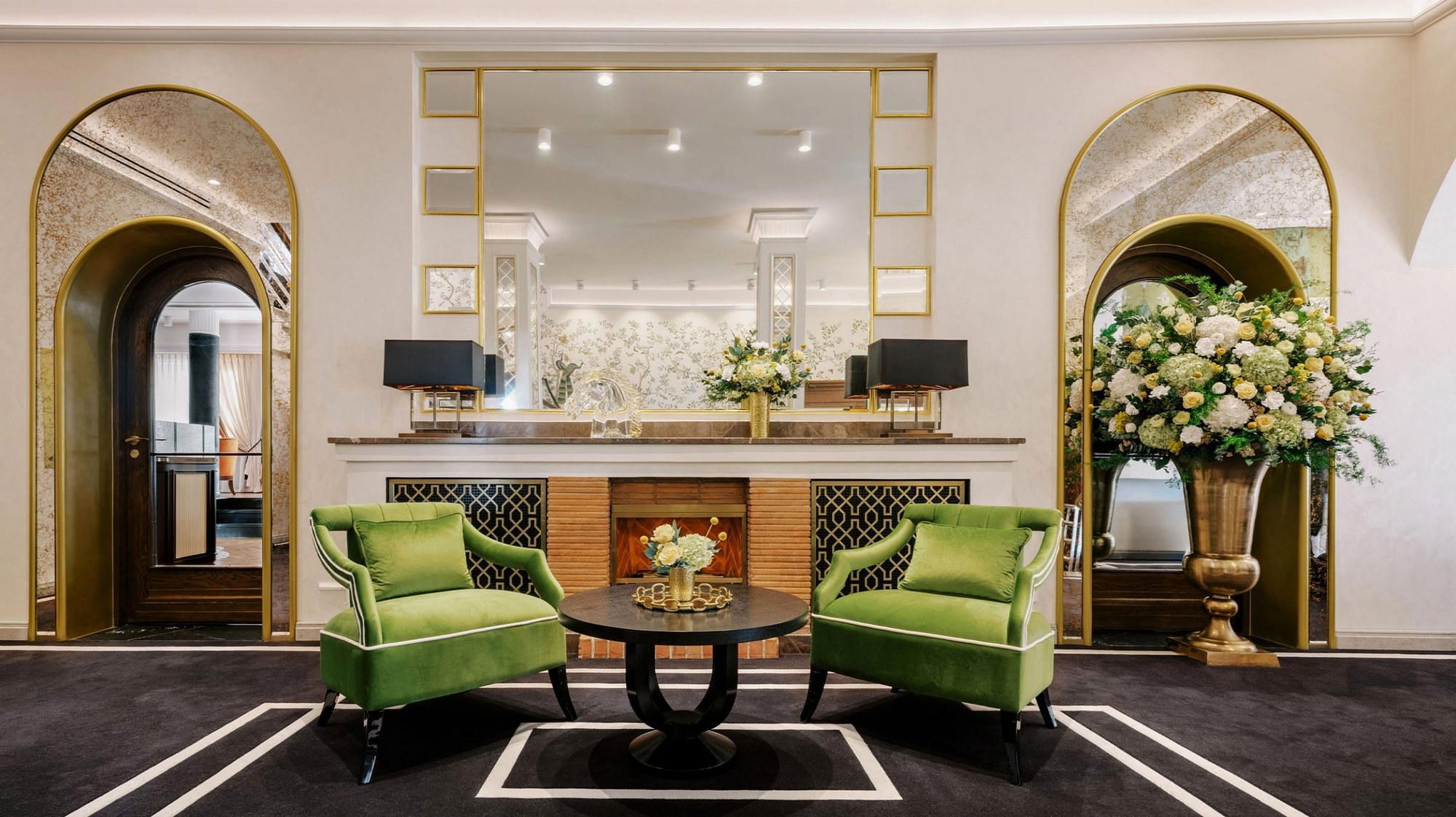
Understatedly elegant interior designed by Macanese designers with calming, refined atmosphere and polished table settings befitting high-end dining.